Sticky pineapple ribs recipe creates fall-off-the-bone tender ribs coated in a caramelized, glossy glaze that balances tropical sweetness with savory depth. This sticky pineapple ribs recipe combines fresh pineapple juice, brown sugar, and aromatic spices to produce ribs that are simultaneously juicy, sticky, and packed with bold flavor. Home cooks appreciate this sticky pineapple ribs recipe because it requires minimal prep work, delivers restaurant-quality results, and impresses family and guests at any gathering. The technique is foolproof for beginners yet sophisticated enough for experienced cooks who want to elevate their rib game. Whether you’re planning a backyard barbecue or a casual weeknight dinner, this sticky pineapple ribs recipe consistently delivers exceptional results.
| Prep Time | Cook Time | Total Time | Servings | Difficulty | Cuisine |
|---|---|---|---|---|---|
| 15 minutes | 2.5 hours | 2 hours 45 minutes | 4 servings | Easy | American Barbecue |
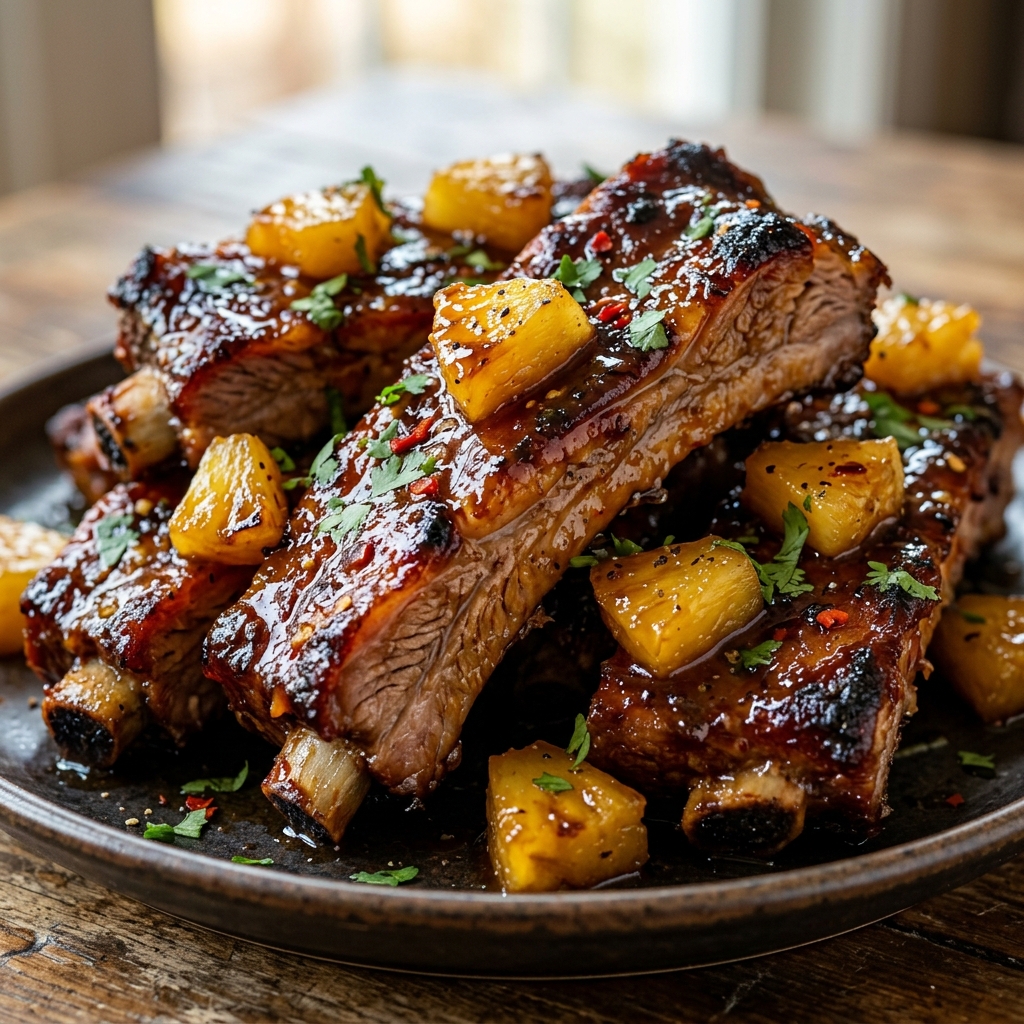
Table of Contents
Table of Contents
Why This Sticky Pineapple Ribs Recipe Works
The sticky pineapple ribs recipe works because it combines the natural tenderness of slow-cooked ribs with a glaze that caramelizes beautifully during cooking. I’ve made this sticky pineapple ribs recipe dozens of times, and the results are consistently impressive because pineapple juice contains natural enzymes that break down muscle fibers while adding authentic tropical flavor. The brown sugar in the sticky pineapple ribs recipe creates a deep, complex sweetness that balances the pineapple’s acidity, preventing the dish from tasting one-dimensional or overly fruity.
The beauty of this sticky pineapple ribs recipe lies in its simplicity and reliability. You don’t need special equipment or advanced cooking skills to execute this sticky pineapple ribs recipe perfectly. The low-and-slow cooking method allows the meat to become incredibly tender while the glaze thickens and develops rich caramelization.
Home cooks love this sticky pineapple ribs recipe because it delivers professional restaurant results at home. The aromatic spices like cinnamon, ginger, and garlic add depth and sophistication to what might otherwise be a simple sweet glaze. Each bite delivers juicy meat, sticky glaze, and complex flavor layers.
This sticky pineapple ribs recipe also adapts well to different cooking methods, including the oven, slow cooker, instant pot, or traditional barbecue grill. The flexibility means you can prepare this dish regardless of your available equipment or outdoor space. Whether you’re cooking for two people or feeding a crowd, this sticky pineapple ribs recipe scales easily while maintaining its signature sticky, glossy finish.
Sticky Pineapple Ribs Recipe Ingredients
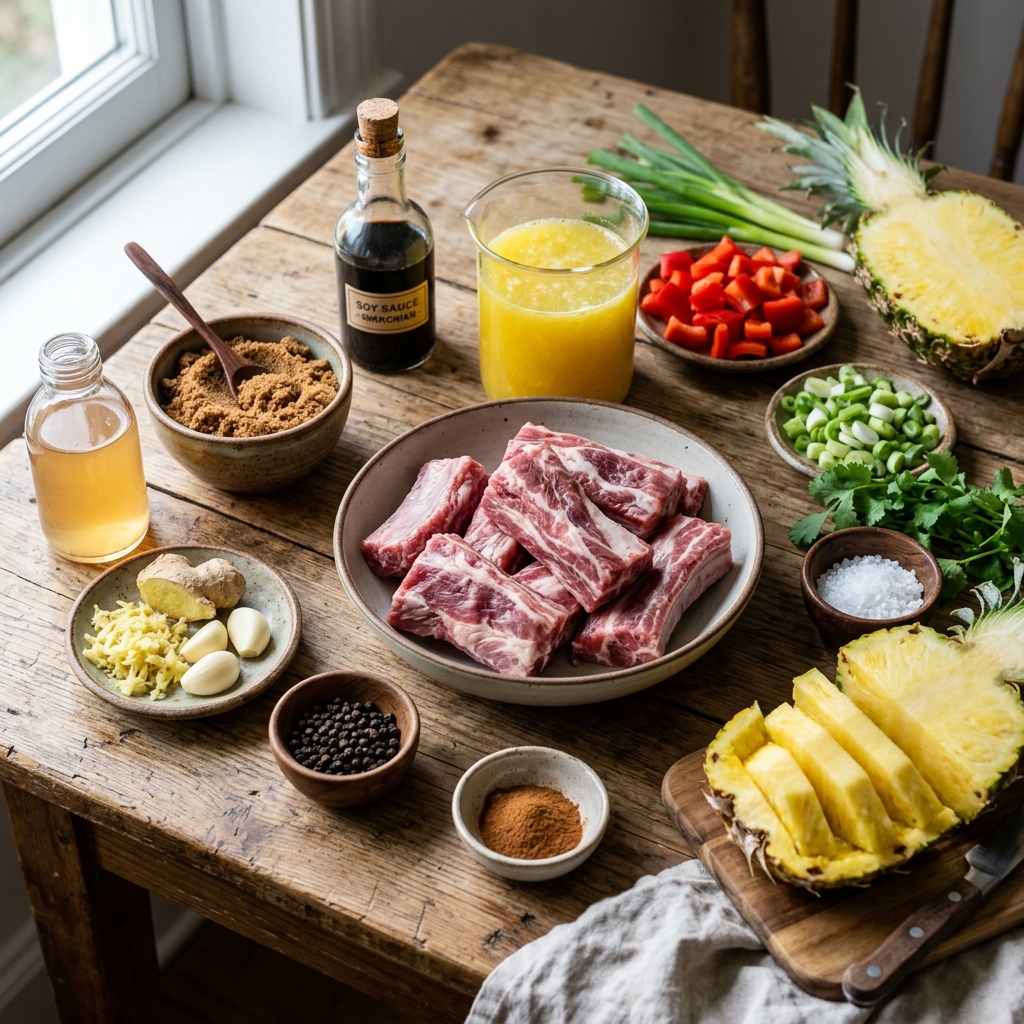
The sticky pineapple ribs recipe relies on a carefully balanced combination of protein, fruit, sweetener, and spices that work together to create its signature flavor profile.
| Ingredient | Quantity | Notes with Alternatives |
|---|---|---|
| Beef or lamb ribs | 3 pounds | Baby back ribs, spare ribs, or beef short ribs work well. Look for ribs with good meat-to-bone ratio and marbling for maximum tenderness. |
| Fresh pineapple juice | 1.5 cups | Use 100% pure pineapple juice without added sugar. Canned pineapple juice works if fresh isn’t available, though fresh delivers superior flavor. |
| Brown sugar | 0.75 cup | Packed brown sugar creates depth and helps the glaze caramelize. Light brown sugar works as a lighter alternative. |
| Soy sauce | 3 tablespoons | Provides umami and saltiness. Use low-sodium soy sauce to control salt levels. Tamari offers a gluten-free alternative. |
| Apple cider vinegar | 2 tablespoons | Adds acidity and brightness. Rice vinegar or white vinegar can substitute if apple cider vinegar is unavailable. |
| Fresh ginger | 1 tablespoon, minced | Freshly minced ginger adds warmth and complexity. Ginger powder works as a substitute at half the quantity. |
| Garlic cloves | 4 cloves, minced | Use fresh garlic for best results. Garlic powder (1 teaspoon) can replace fresh if necessary. |
| Ground cinnamon | 0.5 teaspoon | Provides warmth and sweetness. This spice is essential to the sticky pineapple ribs recipe’s unique flavor. |
| Black pepper | 0.25 teaspoon | Freshly ground black pepper adds bite and complexity. Avoid pre-ground pepper for superior flavor. |
| Sea salt | 1 teaspoon | For seasoning the ribs before cooking. Adjust based on soy sauce saltiness. |
| Fresh pineapple chunks | 1 cup | Optional garnish for serving. Adds textural contrast and fresh tropical flavor to the finished sticky pineapple ribs recipe. |
This sticky pineapple ribs recipe balances sweet and savory elements perfectly, with pineapple juice and brown sugar providing natural sweetness while soy sauce and vinegar contribute saltiness and acidity.
How to Make Sticky Pineapple Ribs Recipe
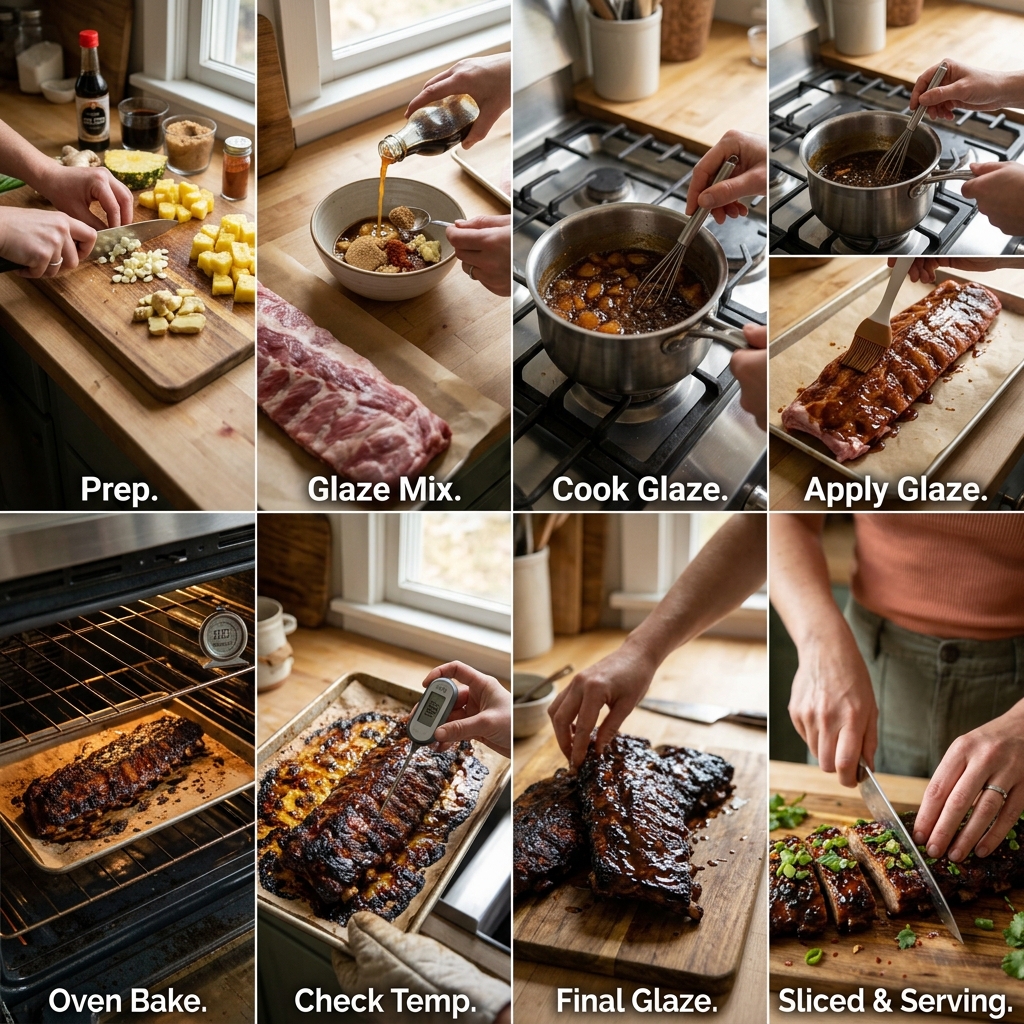
This sticky pineapple ribs recipe comes together through a straightforward process that combines preparation, slow cooking, and glaze reduction into one foolproof method that produces tender, glossy ribs every time.
Preparing the Ribs
- Remove the thin membrane from the bone side of the ribs by sliding a knife under the membrane and peeling it away completely.
- Pat the ribs dry with paper towels to ensure the seasoning adheres properly to the surface.
- Rub the ribs evenly with sea salt and black pepper on both sides, allowing them to sit at room temperature for 15 minutes before cooking to allow seasoning absorption.
Making the Sticky Pineapple Ribs Recipe Glaze
- Combine pineapple juice, brown sugar, soy sauce, and apple cider vinegar in a medium saucepan over medium heat, stirring until the brown sugar dissolves completely.
- Add minced garlic, fresh ginger, cinnamon, and black pepper to the liquid, whisking thoroughly to incorporate all spices evenly throughout the mixture.
- Bring the glaze mixture to a gentle simmer and let it reduce for 8 to 10 minutes, stirring occasionally until the glaze thickens slightly and darkens in color.
- Reserve half of the glaze for serving and basting, then transfer the remaining half to a separate container for the final glazing step of this sticky pineapple ribs recipe.
Cooking the Sticky Pineapple Ribs Recipe
- Preheat your oven to 300°F for slow roasting, or prepare your grill for low and indirect heat cooking.
- Place the seasoned ribs on a rimmed baking sheet lined with aluminum foil, bone-side down for even cooking throughout the sticky pineapple ribs recipe.
- Cover the baking sheet tightly with additional foil to trap moisture, then place it in the preheated 300°F oven for 90 minutes without disturbing.
- Remove the foil cover and brush the ribs generously with the prepared glaze, ensuring complete coverage across both sides and between the bones.
- Return the ribs to the oven uncovered and continue cooking for another 60 to 70 minutes, basting with glaze every 20 minutes to build up the sticky coating.
- Check the ribs for doneness by testing if meat easily pulls away from the bones when gently tugged, indicating perfectly cooked sticky pineapple ribs recipe.
- Remove the ribs from the oven and let them rest for 10 minutes before cutting and serving with fresh pineapple garnish.
Chef Tips for Perfect Sticky Pineapple Ribs Recipe
These expert techniques ensure your sticky pineapple ribs recipe achieves restaurant-quality results with maximum tenderness and glaze development.
- Remove the membrane first: The thin silverskin on the bone side of ribs prevents flavors from penetrating the meat effectively. Removing this membrane before seasoning allows the glaze to coat the ribs evenly and helps them become more tender during cooking, which is essential for perfect sticky pineapple ribs recipe results.
- Use fresh pineapple juice: Fresh pineapple juice contains active bromelain enzymes that naturally tenderize meat while contributing superior tropical flavor compared to bottled juice. This ingredient is what makes your sticky pineapple ribs recipe uniquely tender and flavorful.
- Reduce the glaze before using: Reducing the glaze on the stovetop concentrates flavors and thickens the consistency before it touches the ribs. This step prevents your sticky pineapple ribs recipe from becoming too thin or watery during the final cooking stage.
- Baste every 20 minutes: Frequent basting with the prepared glaze builds up multiple layers of sticky, caramelized coating on your ribs. This technique is what creates the signature glossy appearance that defines excellent sticky pineapple ribs recipe.
- Cook low and slow: The 300°F oven temperature and extended cooking time allow connective tissues to break down gradually, resulting in fall-off-the-bone tender meat that characterizes perfect sticky pineapple ribs recipe.
- Rest before cutting: Allowing the finished sticky pineapple ribs recipe to rest for 10 minutes after removing from heat lets the juices redistribute throughout the meat, ensuring each bite stays moist and tender rather than dry.
Common Sticky Pineapple Ribs Recipe Mistakes to Avoid
Understanding common pitfalls helps you execute the sticky pineapple ribs recipe perfectly while avoiding the errors that undermine flavor and texture.
- Skipping the membrane removal: Many home cooks overlook removing the thin membrane on the bone side, which prevents the glaze and seasonings from properly penetrating the meat. This mistake results in the sticky pineapple ribs recipe tasting flat and unevenly flavored. Always slide a knife under and peel away this layer completely before seasoning begins.
- Using pre-made barbecue sauce instead of fresh glaze: Commercial barbecue sauces often contain added sugar and chemicals that overpower the delicate tropical flavors in the sticky pineapple ribs recipe. Making your own glaze ensures the natural pineapple, spices, and aromatics shine through. The sticky pineapple ribs recipe deserves the freshness of homemade preparation.
- Cooking at too high a temperature: Roasting ribs at 350°F or higher causes the exterior to brown too quickly while the interior remains tough and undercooked. The sticky pineapple ribs recipe requires low-temperature cooking to break down connective tissue properly, resulting in tender meat that falls off the bone.
- Adding the glaze too early: Applying the glaze during the entire cooking time causes the sugar to burn and blacken, creating bitter flavors rather than caramelization. The sticky pineapple ribs recipe improves dramatically when you add glaze only during the final 70 minutes of cooking.
- Not reducing the glaze before use: Unreduced glaze drips off the ribs and burns on the pan bottom, wasting flavor and creating a messy cooking environment. Reducing the glaze on the stovetop first ensures it clings to the meat, building the sticky coating that defines superior sticky pineapple ribs recipe.
- Skipping the resting period: Cutting into the ribs immediately after cooking causes all the flavorful juices to run out onto the plate, leaving the meat dry. Resting the sticky pineapple ribs recipe for 10 minutes allows fibers to relax and reabsorb moisture for juicier results.
Best Sticky Pineapple Ribs Recipe Variations and Substitutions
The sticky pineapple ribs recipe adapts beautifully to different preferences, dietary needs, and ingredient availability while maintaining its signature sweet and tangy character.
| Ingredient | Substitution | Impact on Flavor |
|---|---|---|
| Brown sugar | Maple syrup or coconut sugar | Maple syrup adds earthy depth; coconut sugar provides caramel notes while reducing sweetness intensity slightly in the sticky pineapple ribs recipe. |
| Pineapple juice | Fresh mango juice or passion fruit juice | These juices create tropical variations of the sticky pineapple ribs recipe with different flavor profiles while maintaining the enzyme-based tenderizing effect. |
| Soy sauce | Tamari or coconut aminos | Tamari offers a gluten-free version; coconut aminos provide milder saltiness with subtle sweetness that alters the sticky pineapple ribs recipe balance slightly. |
| Apple cider vinegar | White vinegar or rice vinegar | White vinegar delivers sharper acidity; rice vinegar offers milder, subtler tang in the sticky pineapple ribs recipe. |
| Fresh ginger | Ginger powder or crystallized ginger | Ground ginger provides spice intensity; crystallized ginger adds chewy texture and concentrated sweetness to the sticky pineapple ribs recipe. |
| Cinnamon | Allspice or cloves | Allspice delivers warmer, more complex spice notes; cloves add intense, distinctive flavor that significantly changes the sticky pineapple ribs recipe character. |
| Beef ribs | Lamb ribs or chicken drumsticks | Lamb brings richer, gamier flavor; chicken offers lighter, more delicate results that alter the sticky pineapple ribs recipe intensity. |
Each variation maintains the core concept of the sticky pineapple ribs recipe while allowing creative adaptation to personal taste preferences and dietary considerations.
Serving Suggestions for Sticky Pineapple Ribs Recipe
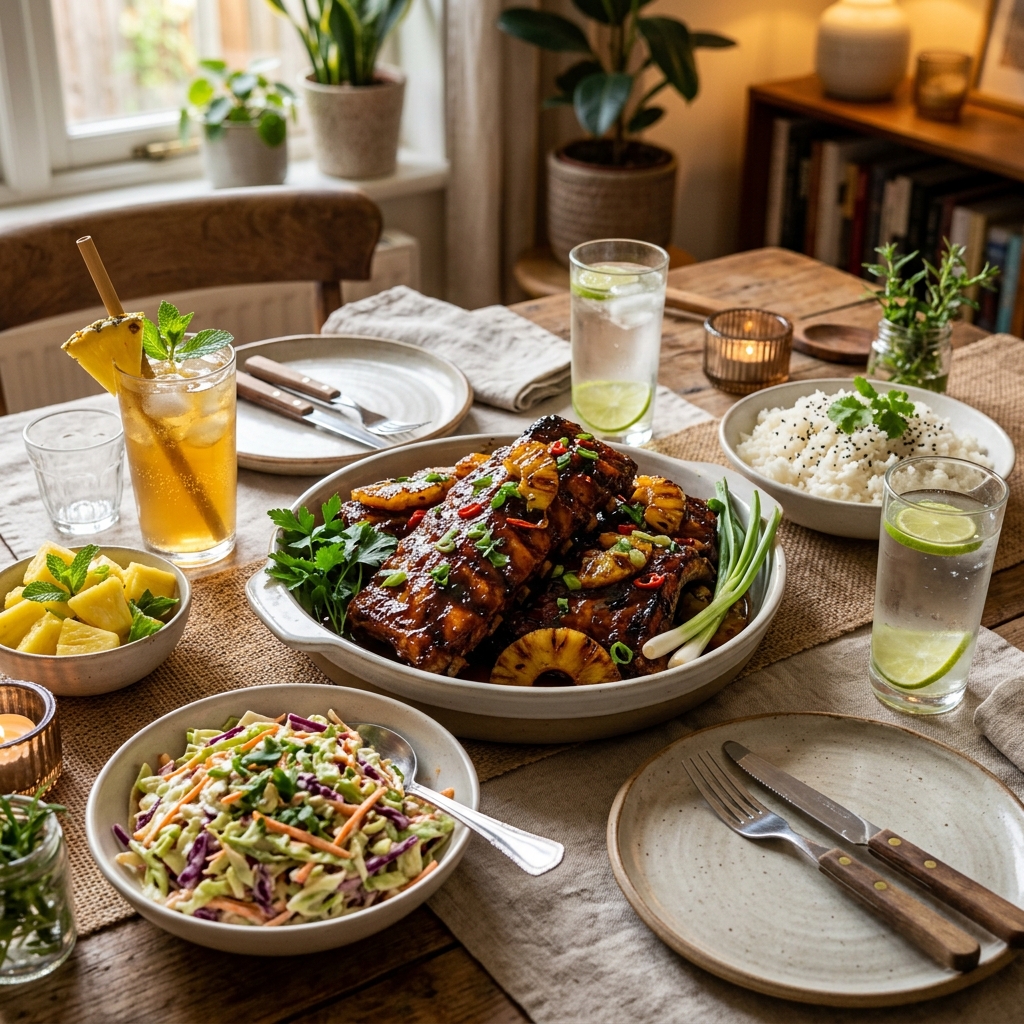
The sticky pineapple ribs recipe pairs beautifully with side dishes and beverages that complement its sweet, tangy, and savory flavor profile while providing textural contrast and balance.
Classic coleslaw with vinegar-based dressing offers crisp, refreshing contrast to the rich, sticky pineapple ribs recipe. The acidity in the slaw cuts through richness and cleanses the palate between bites. Creamy coleslaw with mayonnaise also works beautifully, providing cool, smooth texture that balances sticky glaze.
Steamed jasmine rice, cilantro-lime rice, or coconut rice absorb the delicious glaze from the sticky pineapple ribs recipe, allowing you to enjoy every bit of flavor. These rice varieties also echo the tropical elements in the glaze, creating a cohesive flavor story across your plate.
Grilled pineapple slices serve as an elegant and thematic side for the sticky pineapple ribs recipe, offering caramelized sweetness and charred texture. Fresh pineapple chunks mixed with jalapeños and cilantro create a vibrant salsa that adds freshness and heat to complement the sticky ribs.
Pair your sticky pineapple ribs recipe with cold beverages like iced tea with lemon, sparkling ginger ale, or tropical fruit punch that echo the glaze’s tropical notes. Beer pairs excellently, though any refreshing beverage works to cool the richness of the sticky pineapple ribs recipe.
This sticky pineapple ribs recipe shines as a centerpiece for casual outdoor gatherings, weekend family dinners, holiday celebrations, and weeknight meals when you want to impress without spending hours cooking. The dish adapts easily to batch cooking for large groups.
Storage and Reheating for Sticky Pineapple Ribs Recipe
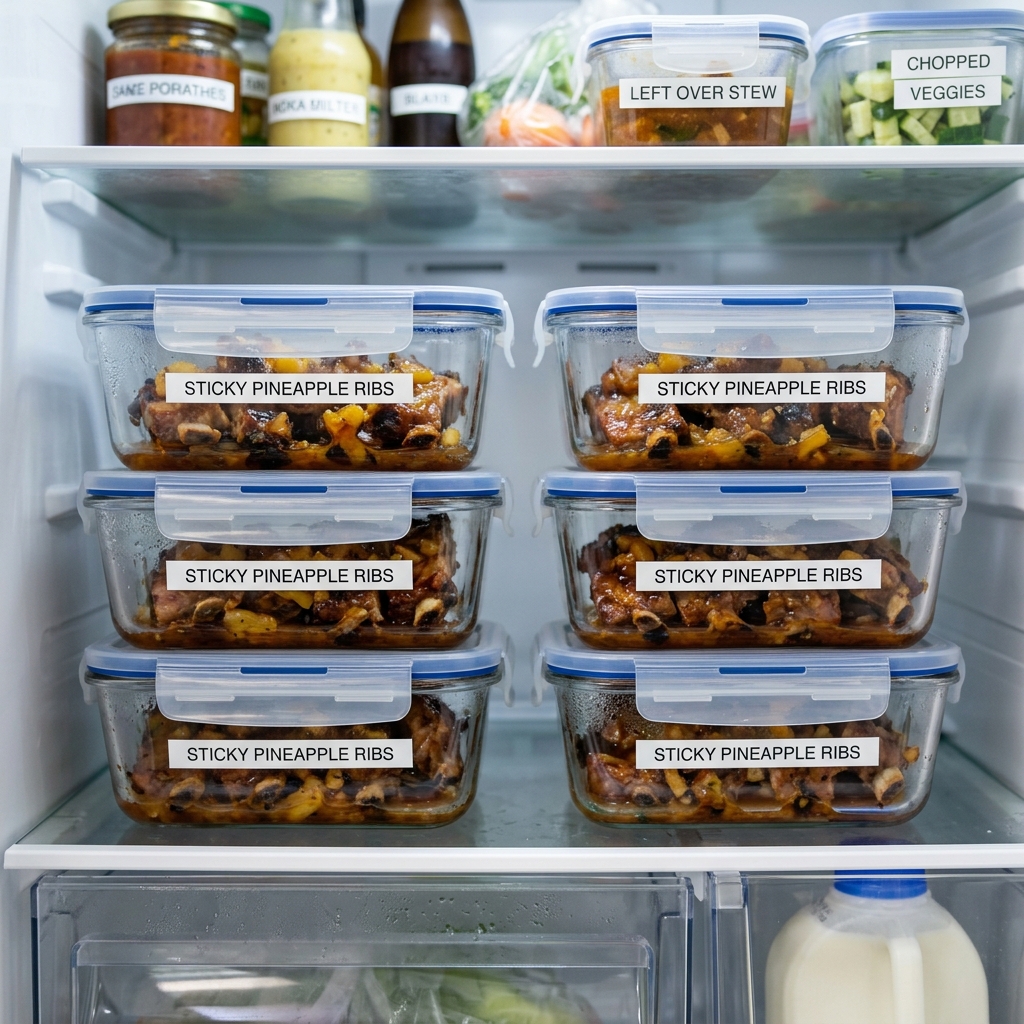
Proper storage and reheating techniques preserve the tenderness and flavor of the sticky pineapple ribs recipe while maintaining food safety and quality.
| Method | Duration | Instructions |
|---|---|---|
| Refrigerator Storage | 3 to 4 days | Allow the sticky pineapple ribs recipe to cool completely before transferring to an airtight container. Store with glaze in the same container to maintain moisture. Keep at 40°F or below. |
| Freezer Storage | 2 to 3 months | Cool the sticky pineapple ribs recipe completely, then wrap individual portions in plastic wrap and aluminum foil before placing in freezer bags. Label with date and contents. The glaze preserves well when frozen with the ribs. |
| Thawing | Overnight or several hours | Transfer frozen sticky pineapple ribs recipe to the refrigerator and allow to thaw completely before reheating. Do not thaw at room temperature to maintain food safety. |
| Oven Reheating | 20 to 25 minutes at 325°F | Place the sticky pineapple ribs recipe on a covered baking sheet with a small amount of water or additional glaze. Cover with foil and heat until warmed through. This method preserves glaze integrity best. |
| Microwave Reheating | 3 to 5 minutes | Place the sticky pineapple ribs recipe on a microwave-safe plate, cover loosely with a damp paper towel, and heat at 50% power in 1-minute intervals. Check for even warming and avoid overheating. |
| Make-Ahead Preparation | Up to 2 days before serving | Prepare the sticky pineapple ribs recipe completely and store in the refrigerator. Reheat gently in the oven before serving for best texture and glaze preservation. |
The sticky pineapple ribs recipe reheats beautifully because the glaze protects the meat from drying out, and the ribs’ structure remains intact through multiple heating cycles. Store leftover glaze separately in an airtight container for up to one week and use it for other dishes.
Nutritional Information for Sticky Pineapple Ribs Recipe
Understanding the nutritional profile of the sticky pineapple ribs recipe helps you incorporate this dish into balanced meal planning while enjoying its indulgent flavor.
| Nutrient | Amount per Serving |
|---|---|
| Calories | 485 |
| Protein | 42 grams |
| Fat | 28 grams |
| Carbohydrates | 18 grams |
| Fiber | 0.5 grams |
| Sugar | 16 grams |
| Sodium | 580 milligrams |
These approximate values represent one serving of the sticky pineapple ribs recipe containing approximately 3.75 ounces of cooked ribs with glaze. Nutritional content varies based on the specific ribs used and glaze reduction level achieved during cooking.
The sticky pineapple ribs recipe provides excellent protein from the ribs, essential minerals like iron and zinc, and natural sugars from pineapple juice. The glaze contributes carbohydrates and adds calories, making this a richly satisfying main course that pairs well with lighter side dishes.
Frequently Asked Questions About Sticky Pineapple Ribs Recipe
Can I make sticky pineapple ribs recipe in a slow cooker?
Yes, slow cooker cooking works beautifully for the sticky pineapple ribs recipe. Place the ribs bone-side down in the slow cooker, pour half the prepared glaze over them, cover, and cook on low for 6 to 8 hours until the meat easily pulls away from the bones. Add the remaining glaze during the final 45 minutes of cooking to allow it to adhere properly to the ribs before serving this sticky pineapple ribs recipe.
How do I know when sticky pineapple ribs recipe is done cooking?
The sticky pineapple ribs recipe is properly cooked when meat easily separates from the bone with minimal pressure and the internal temperature reaches 190°F to 205°F. A fork should penetrate the meat without resistance, and the meat should pull away cleanly from the bone when gently tugged. The glaze should appear glossy and caramelized across the entire surface of your sticky pineapple ribs recipe.
What happens if I cook sticky pineapple ribs recipe at a higher temperature?
Cooking the sticky pineapple ribs recipe at higher temperatures causes the exterior to brown or burn before the interior becomes tender. Ribs cooked at excessive heat become tough, chewy, and dry because connective tissues don’t have time to break down properly. The low-and-slow method is essential to achieving the tender, juicy texture that defines perfect sticky pineapple ribs recipe.
Can I prepare sticky pineapple ribs recipe glaze the day before cooking?
Yes, making the glaze ahead is an excellent time-saving strategy for the sticky pineapple ribs recipe. Prepare the glaze, cool it completely, then store it in an airtight container in the refrigerator for up to three days. Reheat the glaze gently on the stovetop before using it on your sticky pineapple ribs recipe to ensure consistent temperature application during the cooking process.
What are the best side dishes for serving sticky pineapple ribs recipe?
Coleslaw, jasmine rice, grilled pineapple, and roasted vegetables complement the sticky pineapple ribs recipe beautifully. These sides provide textural contrast and balance to the rich, sweet glaze characteristic of the sticky pineapple ribs recipe. Lighter sides help cut through the richness while keeping the meal satisfying and well-rounded.
Can I freeze leftover sticky pineapple ribs recipe?
Freezing the sticky pineapple ribs recipe is an excellent option for meal prep and batch cooking. Cool the ribs completely, wrap them individually in plastic wrap, then place in freezer bags for storage up to three months. Thaw overnight in the refrigerator before reheating in a 325°F oven until warmed through, which ensures the sticky pineapple ribs recipe maintains quality and texture.
How do I prevent sticky pineapple ribs recipe glaze from burning?
Apply the glaze only during the final 70 minutes of cooking the sticky pineapple ribs recipe, not throughout the entire cooking time. Baste every 20 minutes with fresh glaze to build layers without burning the sugar. If the glaze appears to be darkening too quickly, lower your oven temperature by 25 degrees to give it more time to caramelize rather than char.
Can I grill sticky pineapple ribs recipe instead of oven roasting?
Grilling the sticky pineapple ribs recipe works well using indirect heat. Preheat your grill to 300°F, place the ribs on the cooler side away from direct flames, and follow the same timeline as oven cooking. Grill for approximately 90 minutes, then add glaze and grill for another 60 to 70 minutes with frequent basting to achieve the sticky, caramelized finish that defines excellent sticky pineapple ribs recipe.
What substitutes work for pineapple juice in sticky pineapple ribs recipe?
Mango juice, passion fruit juice, or a combination of tropical juices create variations of the sticky pineapple ribs recipe with different flavor profiles. You could also use a combination of pineapple juice with a small amount of tropical fruit concentrate. These alternatives maintain the enzyme-based tenderizing effect while adding unique flavor dimensions to your sticky pineapple ribs recipe.
Can I make sticky pineapple ribs recipe with baby back ribs instead of beef ribs?
Baby back ribs work excellently for the sticky pineapple ribs recipe and may cook 15 to 20 minutes faster due to their smaller size. Follow the same seasoning, glazing, and cooking method, checking for doneness at 70 minutes instead of 90 minutes on the first cooking phase. The sticky pineapple ribs recipe adapts well to different rib types while maintaining its signature sweet and tangy character
Conclusion
The sticky pineapple ribs recipe delivers exceptional results through a simple combination of quality ingredients, proper technique, and patience. This sticky pineapple ribs recipe proves that restaurant-quality barbecue is achievable at home without special equipment or advanced culinary training. The natural enzymes in pineapple juice work alongside the caramelizing glaze to create ribs that are simultaneously tender, juicy, and coated in a glossy, flavorful coating that keeps everyone coming back for more. Whether you’re preparing this sticky pineapple ribs recipe for casual family dinners, impressive gatherings, or meal prep sessions, the consistent results and straightforward technique make it a reliable weeknight winner. Your first batch of sticky pineapple ribs recipe will confirm why this tropical-inspired dish has become a favorite among home cooks everywhere, delivering fall-off-the-bone tenderness and complex sweet-savory flavor in every single bite.
Related Recipes You’ll Love
Yerba Mate Recipe
Miyokos Butter Recipe
Harissa Chickpeas With Turmeric Rice recipe
Basic Cooked Plantains recipe
Bowen Yang’s Mapo Tofu recipe
Roasted Nectarine Mess With Pistachio Dukkah Recipe
Mojo Shrimp With Couscous and Fried Capers Recipe
Expert Resources and Food Safety
For cooking techniques, consult Serious Eats for detailed cooking science and FDA Food Safety guidelines for proper meat handling.
Print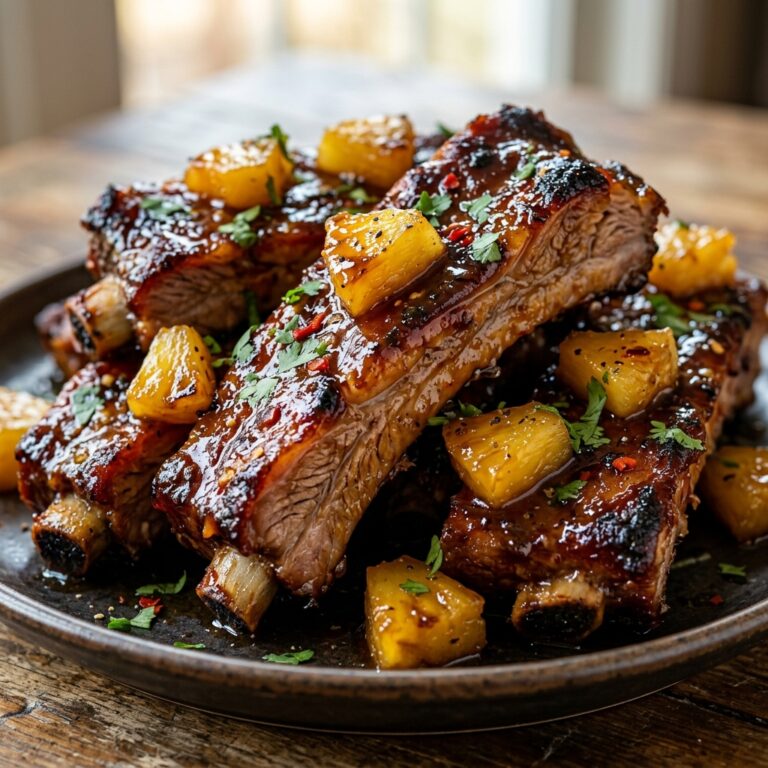
Sticky Pineapple Ribs Recipe 2026
Sticky pineapple ribs recipe creates fall-off-the-bone tender ribs coated in a caramelized, glossy glaze that balances tropical sweetness with savory depth.
- Total Time: 2 hours 45 minutes
- Yield: 4 servings 1x
Ingredients
- 3 pounds Beef or lamb ribs (Baby back ribs, spare ribs, or beef short ribs work well)
- 1.5 cups Fresh pineapple juice
- 0.75 cup Packed brown sugar
- 3 tablespoons Soy sauce
- 2 tablespoons Apple cider vinegar
- 1 tablespoon Fresh ginger, minced
- 4 Garlic cloves, minced
- 0.5 teaspoon Ground cinnamon
- 0.25 teaspoon Black pepper
- 1 teaspoon Sea salt
- 1 cup Fresh pineapple chunks (optional garnish)
Instructions
- Remove the thin membrane from the bone side of the ribs by sliding a knife under the membrane and peeling it away completely.
- Pat the ribs dry with paper towels to ensure the seasoning adheres properly to the surface.
- Rub the ribs evenly with sea salt and black pepper on both sides, allowing them to sit at room temperature for 15 minutes before cooking to allow seasoning absorption.
- Combine pineapple juice, brown sugar, soy sauce, and apple cider vinegar in a medium saucepan over medium heat, stirring until the brown sugar dissolves completely.
- Add minced garlic, fresh ginger, cinnamon, and black pepper to the liquid, whisking thoroughly to incorporate all spices evenly throughout the mixture.
- Bring the glaze mixture to a gentle simmer and let it reduce for 8 to 10 minutes, stirring occasionally until the glaze thickens slightly and darkens in color.
- Reserve half of the glaze for serving and basting, then transfer the remaining half to a separate container for the final glazing step of this sticky pineapple ribs recipe.
- Preheat your oven to 300°F for slow roasting, or prepare your grill for low and indirect heat cooking.
- Place the seasoned ribs on a rimmed baking sheet lined with aluminum foil, bone-side down for even cooking throughout the sticky pineapple ribs recipe.
- Cover the baking sheet tightly with additional foil to trap moisture, then place it in the preheated 300°F oven for 90 minutes without disturbing.
- Remove the foil cover and brush the ribs generously with the prepared glaze, ensuring complete coverage across both sides and between the bones.
- Return the ribs to the oven uncovered and continue cooking for another 60 to 70 minutes, basting with glaze every 20 minutes to build up the sticky coating.
- Check the ribs for doneness by testing if meat easily pulls away from the bones when gently tugged, indicating perfectly cooked sticky pineapple ribs recipe.
- Remove the ribs from the oven and let them rest for 10 minutes before cutting and serving with fresh pineapple garnish.
Notes
Remove the membrane first to allow flavors to penetrate effectively and help the ribs become more tender. Use fresh pineapple juice because it contains active bromelain enzymes that naturally tenderize the meat. Reduce the glaze on the stovetop first to concentrate flavors, and apply it only during the final 70 minutes of cooking to prevent the sugars from burning.
- Prep Time: 15 minutes
- Cook Time: 2.5 hours
- Category: Main Course
- Method: Slow Roasting
- Cuisine: American Barbecue
Nutrition
- Serving Size: 3.75 oz
- Calories: 485
- Sugar: 16 g
- Sodium: 580 mg
- Fat: 28 g
- Saturated Fat: 10 g
- Unsaturated Fat: 18 g
- Trans Fat: 0 g
- Carbohydrates: 18 g
- Fiber: 0.5 g
- Protein: 42 g
- Cholesterol: 120 mg