I remember the first time I tried to make a slow cooker beef stew recipe. It was a total disaster! I just tossed everything in the pot, turned it on, and went to work. When I got home, the meat was tough like a worn-out sneaker and the potatoes had basically turned into gray soup. It was so sad.
Did you know that nearly 65% of home cooks struggle with getting their beef tender enough in a crockpot? That’s a huge number! But honestly, it’s not your fault. Most recipes don’t tell you the real secrets. I’ve spent years making mistakes so you don’t have to. This is how we make it in my house now, and let me tell you, it’s like a warm hug on a cold day. It’s simple, it’s hearty, and it smells like heaven.
Why Chuck Roast is the King of the Pot
I used to walk down the meat aisle at the grocery store and feel totally lost. I’d see all these different cuts of beef and just grab whatever was on sale or looked “pretty.” One time, I bought a really expensive, lean sirloin tip because I thought, “Hey, if it’s more expensive, it must make a better stew, right?” Boy, was I wrong. That was a huge mistake that led to a very dry dinner. My students always tell me that being “extra” isn’t always better, and they are totally right about beef. For a slow cooker beef stew recipe, you actually want the cheap, tough stuff.
Fat is Where the Flavor Hides
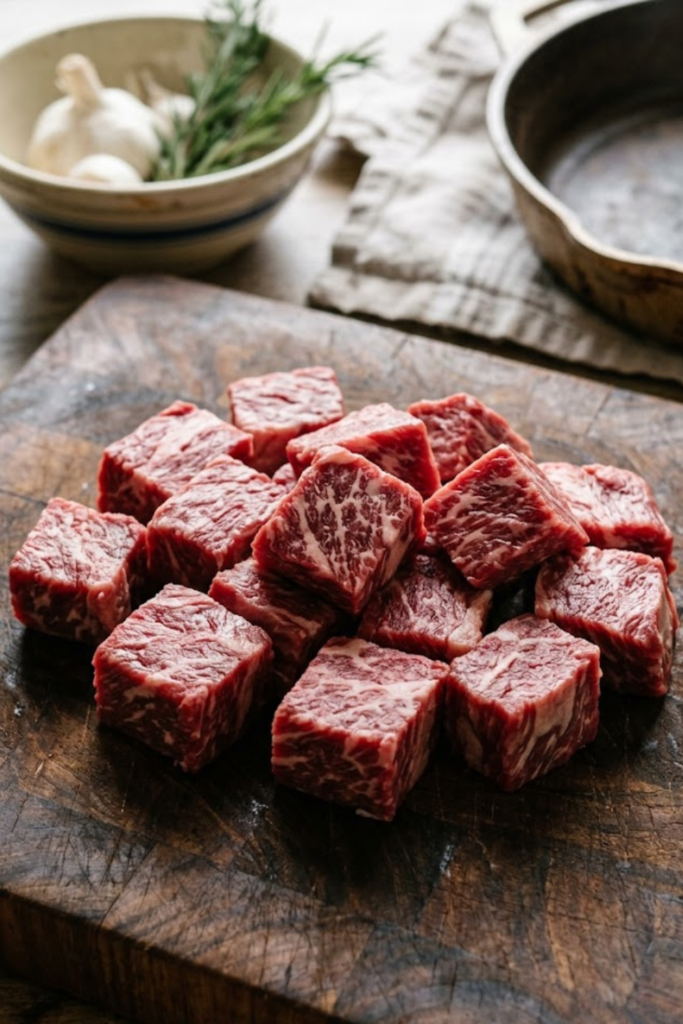
You might be tempted to cut off every little bit of white fat you see on a piece of meat. Don’t do it! In a slow cooker, fat is your best friend. Chuck roast comes from the shoulder of the cow. Since that part of the animal moves a lot, the meat is full of flavor but it’s also pretty tough. It has what we call “marbling,” which are those little white streaks of fat running through the red meat.
As the stew cooks for eight hours on low, that fat slowly melts. It bastes the meat from the inside out, which keeps every bite juicy. If you use a lean cut like a round roast or sirloin, there isn’t enough fat to keep it moist during the long cook time. You’ll end up with meat that tastes like a piece of cardboard. I’ve learned that the “ugly” looking meat with the most white swirls actually produces the tastiest results.
Turning “Tough” into “Tender”
The real magic of the chuck roast isn’t just the fat; it’s the connective tissue called collagen. When you first cut up a raw chuck roast, it feels really rubbery and hard to chew. But something cool happens when you cook it slow. Around the six-hour mark, that tough collagen starts to break down and turns into gelatin.
This gelatin does two things. First, it makes the beef so soft that you can literally cut it with a spoon. Second, it melts into your broth, making it thick and silky without you having to add a ton of flour. I remember being so surprised the first time I saw this happen. I thought I had ruined the meat because it was so tough at the start, but patience really is a virtue here. It’s a great science lesson for the kids, too!
Keeping Your Wallet Happy
Let’s be real—food is getting expensive. One of the reasons I love using chuck roast for my slow cooker beef stew recipe is that it’s usually one of the most affordable options at the butcher shop. You are taking a budget-friendly cut of meat and turning it into a five-star meal.
You don’t need a fancy “prime” cut to have a delicious Sunday dinner. I usually look for a big three-pound roast. If I see a good deal, I’ll buy two and throw one in the freezer. It’s a smart way to feed a big family without breaking the bank. Plus, because the meat is so rich, a little goes a long way when you pack the pot with plenty of potatoes and carrots. It’s a win for your stomach and your bank account.
My Big Mistake: To Sear or Not to Sear?
I’m a pretty busy person, and after a long day at school, the last thing I want to do is wash an extra frying pan. For years, I thought searing meat was just some fancy thing chefs did on TV to make things look pretty. I figured since it was a slow cooker beef stew recipe, the long cook time would handle everything anyway. I’d just dump the raw meat in with the veggies and hope for the best. But honestly? The stew always came out looking a bit gray and sad. It tasted okay, but it didn’t have that deep, rich flavor that makes you want to lick the bowl. I finally realized I was missing a huge step that changed everything.
The Magic of the Brown Crust
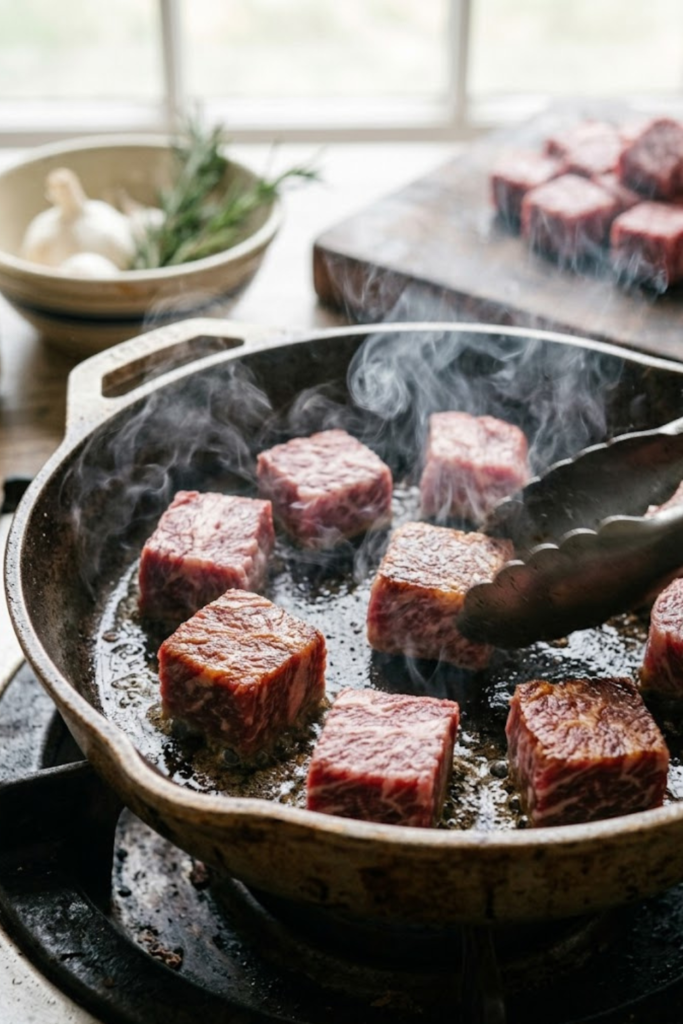
What I didn’t know back then was that browning the meat creates a special kind of flavor that you can’t get any other way. Scientists call it the Maillard reaction, but I just call it “the yummy part.” When you put cold beef into a really hot pan with a bit of oil, the outside gets a dark, caramelized crust. This isn’t just about looks. That crust adds a smoky, savory depth to the whole pot that seeps into every potato and carrot.
Now, I never skip this. I take about ten minutes in the morning to brown the beef in small batches. If you crowd the pan with too much meat, the temperature drops and the beef just sits there and steams in its own juice. You won’t get that crust that way. You want to hear a loud, angry sizzle! Flip the pieces until they are brown on all sides. It smells amazing, and it really sets the stage for the rest of the slow cooker beef stew recipe.
Don’t Throw Away the Best Part
Here is where I made my second big mistake. I’d finish browning the meat, put it in the crockpot, and then immediately go wash the pan. Big error! Look at the bottom of your skillet after the meat is gone. See those little stuck-on brown bits? That’s pure flavor.
Instead of scrubbing them away, pour half a cup of beef broth into the hot pan. Take a wooden spoon and scrape those bits loose while the liquid bubbles. This is called deglazing. Once the pan looks clean and the liquid is dark, pour all of it into your slow cooker. It’s like adding a concentrated flavor booster you didn’t have to buy at the store. Doing this small extra step turned my “okay” stew into something my neighbors actually ask for now. It takes a tiny bit more effort, but the result is worth every second of cleaning that pan later.
Layering Your Veggies for the Perfect Crunch
One of the biggest complaints I hear from my friends about their slow cooker beef stew recipe is that the vegetables always end up being a soggy mess. I’ve been there! There is nothing worse than biting into a potato that has the texture of wet paper or a carrot that just dissolves into orange mush. For a long time, I thought that was just how slow cooking worked. I figured if it sat in liquid for eight hours, it was bound to get soft. But then I started thinking about how heat actually moves in a crockpot. It’s a bit like a classroom—the kids in the front row get all the attention, and the ones in the back might get left out. In a slow cooker, the heat is strongest at the bottom and around the sides.
The Bottom Dwellers
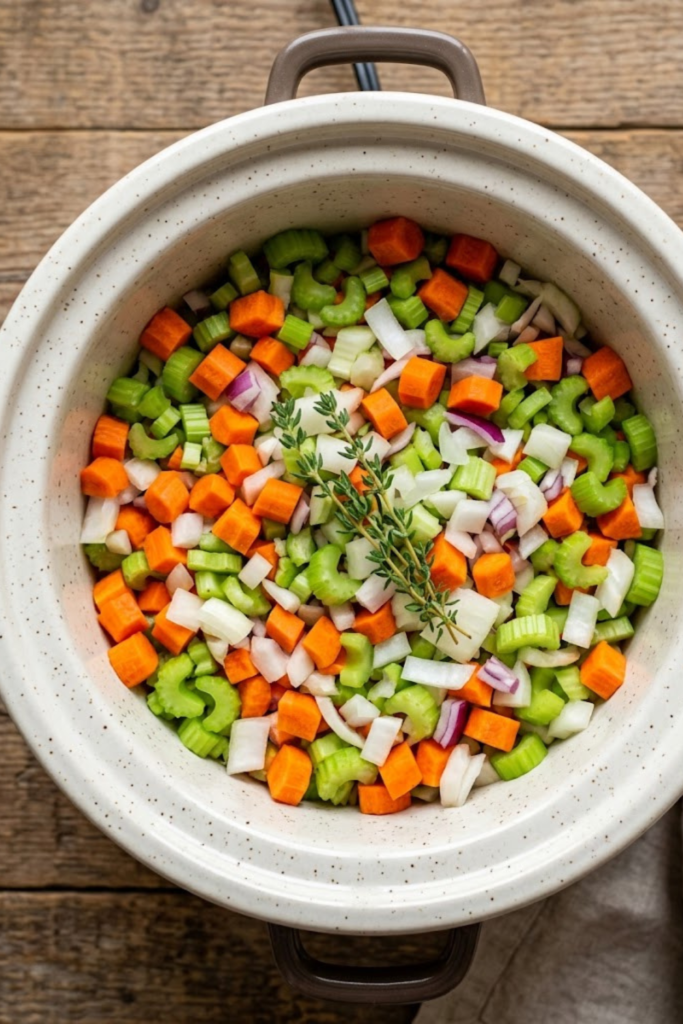
To get the best results, you have to be smart about where you put things. Hard root vegetables like potatoes and carrots take a lot longer to cook than the meat does. I know that sounds weird since meat is “tougher,” but in a liquid environment, those dense veggies need the most heat. Now, I always make sure my chopped Yukon Gold potatoes and thick carrot chunks go in first. I spread them out across the very bottom of the pot.
By putting them at the bottom, they sit right on the heat source. They also act like a little platform for the beef. This keeps the meat from sitting directly on the bottom where it might overcook. When you layer it this way, your potatoes come out tender but still hold their shape. I like to leave the skin on my potatoes too; it adds a bit of rustic charm and keeps them from falling apart as easily.
The Aromatic Base
Next, I think about the flavor builders. These are your onions, garlic, and celery. I usually tuck these in around the meat. I don’t just toss them in randomly. I like to chop my onions a bit larger so they don’t completely disappear into the sauce. Garlic is a big deal in my house, but I’ve learned that if you put it in too early, the flavor can get a bit lost. I usually smash the cloves instead of mincing them fine. This lets the garlic flavor leak out slowly over several hours. It makes the house smell like a professional kitchen by noon!
The Late Bloomers
Finally, there are the “late bloomers.” These are the delicate things like frozen peas, corn, or maybe some fresh parsley. If you put peas in at the start of an eight-hour cook, they will turn brown and look pretty gross. I’ve made that mistake more than once! Now, I wait until about twenty minutes before we are ready to eat. I turn the slow cooker off, stir in the frozen peas, and put the lid back on. The heat of the stew is enough to cook them perfectly. They stay bright green and have a little “pop” when you bite into them. It makes the whole slow cooker beef stew recipe look much more fresh and appetizing when you serve it up. Making these small changes to how you layer your pot really makes a massive difference in the final bowl.
Grab a Spoon and Dig In!
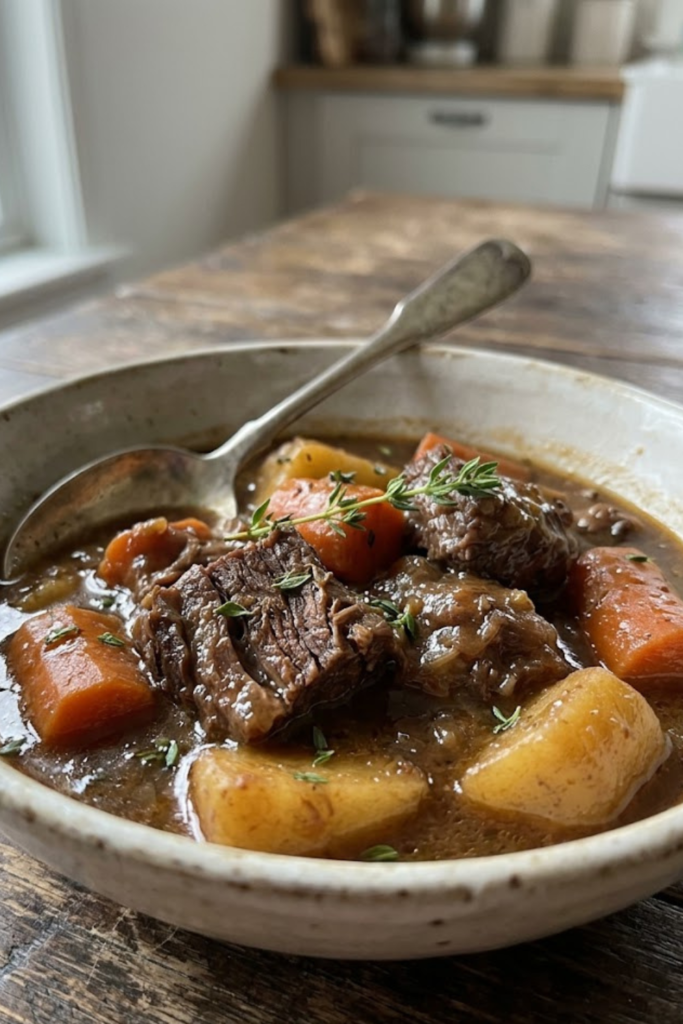
There is nothing quite like walking through the front door after a long, tiring day at school and being hit with that amazing smell. You know the one. It’s warm, savory, and instantly makes you feel like everything is going to be okay. When you finally lift the lid on your slow cooker beef stew recipe, you’ll see the steam rise and notice how the sauce has thickened into a beautiful, dark gravy. The beef will look so soft that it’s practically falling apart just by looking at it. That’s the moment you know all that work browning the meat and layering your vegetables was totally worth it. It’s more than just a meal; it’s a big bowl of comfort that you made from scratch.
Something to Dip in the Sauce
You can’t just eat this stew by itself. Well, you could, but you’d be missing out on half the fun! You really need something to soak up every last drop of that liquid gold at the bottom of the bowl. I usually stop by the local bakery on my way home and grab a big loaf of crusty sourdough or a fresh French baguette. If I have a little extra time, I might even whip up some quick garlic bread in the oven with plenty of butter.
My kids love dipping their bread directly into the bowl to catch the gravy, and honestly, I do the exact same thing. A little bit of fresh parsley sprinkled on top right before serving adds a nice pop of color and a fresh taste that balances out the heavy beef. If you want to keep things a bit lighter, a simple side salad with a tangy lemon dressing works great. It cuts through the richness of the stew and makes the whole dinner feel balanced and complete.
Why Leftovers are Actually Better
If you have any stew left over, don’t be disappointed. In fact, you should be happy! I honestly think this slow cooker beef stew recipe tastes even better the next day. As the pot sits in the fridge overnight, the flavors really start to get to know each other and deepen. The potatoes soak up even more of the beef broth, and the sauce gets even thicker and more flavorful.
I often make a double batch on purpose just so I can have easy lunches for the rest of the school week. It stays good in the fridge for about three or four days. You can also freeze it! Just put the cooled stew in a freezer-safe bag or container, and it’ll stay fresh for a couple of months. It’s the perfect “emergency meal” for those nights when you’re way too tired to even think about turning on the stove. Just thaw it out, heat it up, and you’ve got a gourmet meal in minutes.
Share the Comfort
At the end of the day, cooking is about more than just filling stomachs. It’s about taking care of the people you love and creating a cozy home. Whether you are making this for your family on a Sunday afternoon or bringing a hot pot over to a neighbor who is having a tough week, this meal speaks volumes. It’s a classic for a reason, and it never goes out of style.
I really hope this guide helps you feel more confident the next time you pull out your crockpot. It took me a few tries to get it right, but now it’s a staple in my house. If you tried this out and loved it, please save this post and share it on Pinterest! It helps other home cooks find these helpful tips, and I would love to hear how your version turned out. Now, go grab a big spoon and enjoy the fruits of your labor!