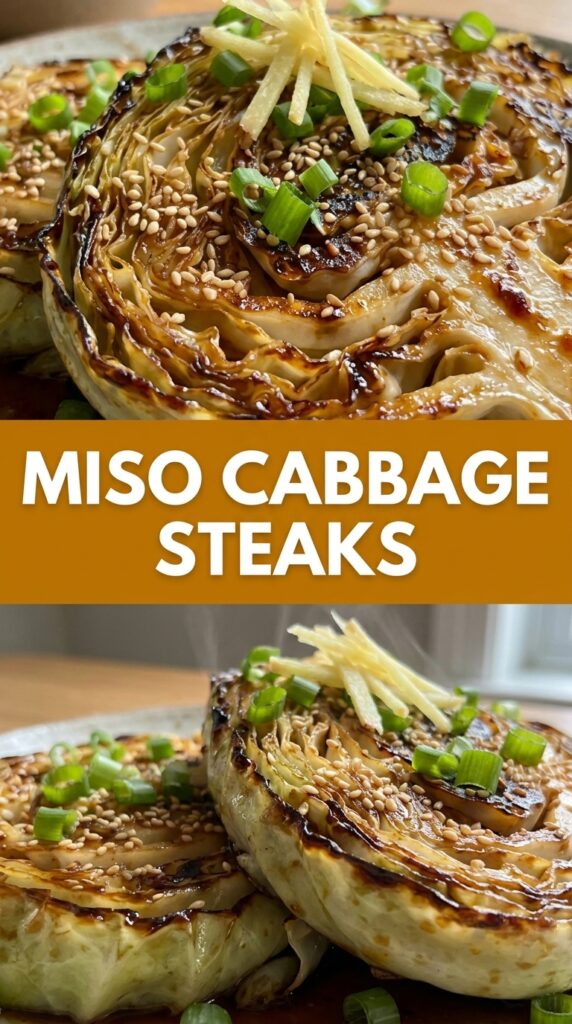
Miso cabbage steaks are thick-cut slices of cabbage that are roasted until caramelized and brushed with a savory miso glaze. This vegetarian dish delivers intense umami flavor, crispy edges, and a tender center in just 35 minutes. Miso cabbage steaks transform ordinary cabbage into a show-stopping side dish or light main course that impresses at the dinner table. The miso paste creates a deeply flavorful coating that complements the natural sweetness of roasted cabbage perfectly.
| Prep Time | Cook Time | Total Time | Servings | Difficulty | Cuisine |
|---|---|---|---|---|---|
| 10 minutes | 25 minutes | 35 minutes | 4 servings | Easy | Asian-Fusion |
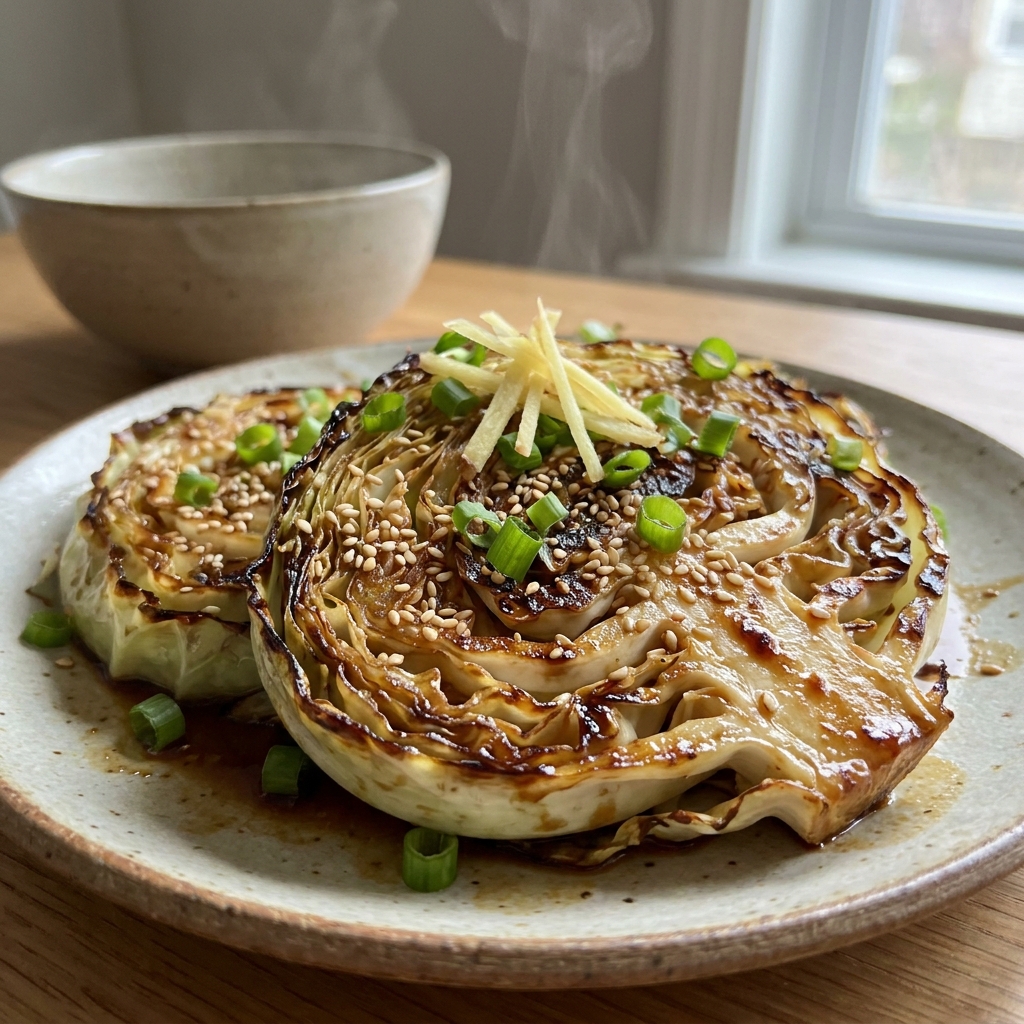
Table of Contents
Table of Contents
Why Miso Cabbage Steaks Works
Miso cabbage steaks deliver restaurant-quality results with minimal effort. The combination of roasted cabbage’s natural sweetness and miso paste’s fermented umami creates a flavor profile that feels sophisticated yet approachable for home cooks. I have made miso cabbage steaks dozens of times, and each batch turns out perfectly caramelized with crispy, charred edges that taste far more complex than the simple ingredient list suggests.
The beauty of miso cabbage steaks lies in their versatility and foolproof execution. Unlike delicate vegetables that require careful timing, thick cabbage slices become more forgiving as they cook. The miso paste develops deeper flavors as it caramelizes in the oven, creating a savory crust that contrasts beautifully with the tender interior. Miso cabbage steaks work equally well as a side dish for weeknight dinners or as the centerpiece of a vegetarian meal.
Home cooks love miso cabbage steaks because they require no special techniques or expensive ingredients. A single head of cabbage yields four substantial servings, making this recipe budget-friendly and meal-prep friendly. The cooking process involves minimal active time, allowing you to prepare other dishes while miso cabbage steaks roast unattended in the oven. This hands-off approach makes miso cabbage steaks ideal for busy weeknights or stress-free entertaining.
The health benefits of miso cabbage steaks make this recipe even more appealing. Cabbage is low in calories, high in fiber, and packed with vitamins and antioxidants. Miso paste, though used in small quantities, adds probiotics and essential amino acids. Miso cabbage steaks deliver maximum nutrition with minimal preparation, satisfying both health-conscious cooks and flavor seekers simultaneously.
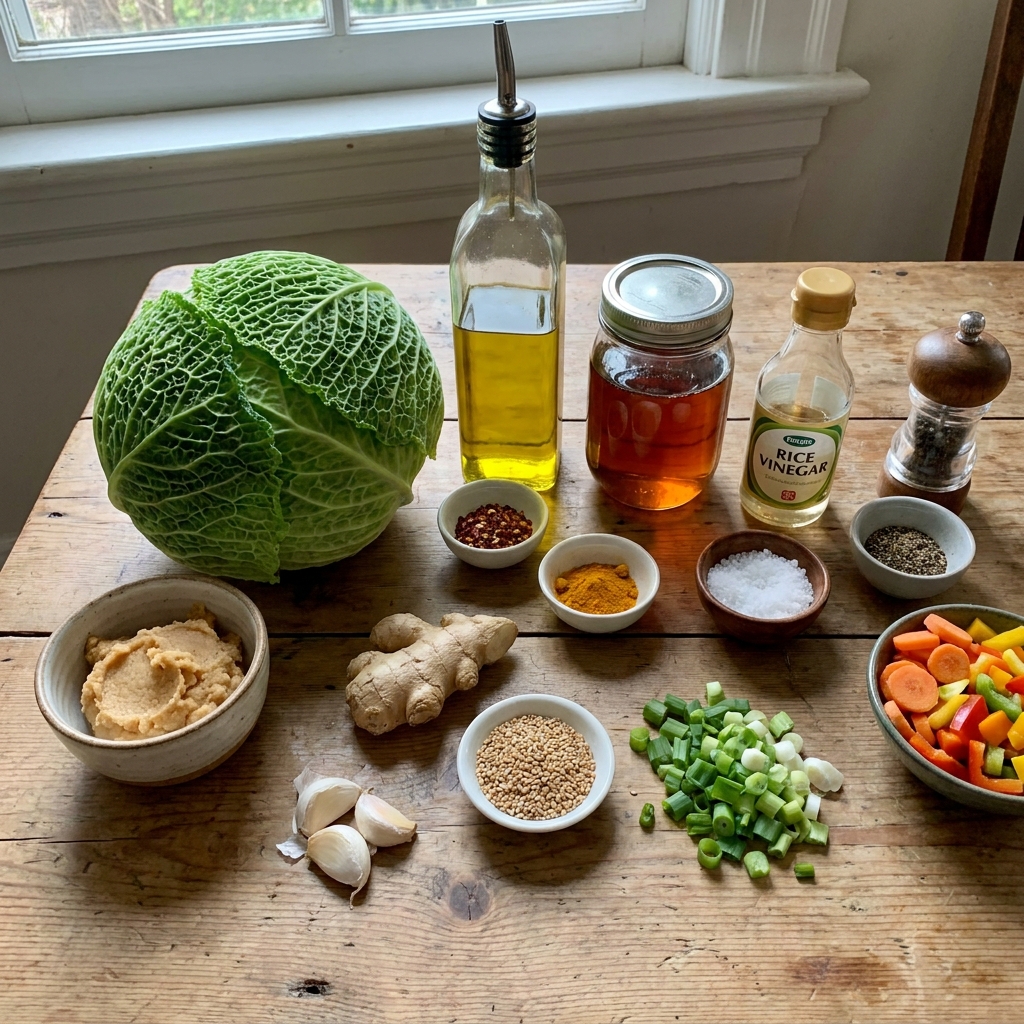
Miso Cabbage Steaks Ingredients
These ingredient combinations create the authentic miso cabbage steaks experience. The miso paste forms the foundation of this dish’s flavor profile, so selecting high-quality ingredients matters significantly. Each component in miso cabbage steaks works synergistically to build layers of umami taste and textural contrast.
| Ingredient | Quantity | Notes and Alternatives |
|---|---|---|
| Green cabbage | 1 large head (about 2 pounds) | Napa cabbage creates a more tender texture; red cabbage adds visual interest but takes slightly longer to cook |
| White miso paste | 3 tablespoons | Red miso provides deeper, more intense flavor; chickpea miso works for nut-free diets |
| Olive oil | 2 tablespoons | Avocado oil or sesame oil can substitute for different flavor profiles |
| Maple syrup | 1 tablespoon | Honey, agave nectar, or coconut sugar provide similar sweetness and caramelization |
| Rice vinegar | 1 tablespoon | Apple cider vinegar or white vinegar work as substitutes for tanginess |
| Water | 2 tablespoons | Vegetable broth adds additional depth to miso cabbage steaks |
| Ginger, fresh | 1 teaspoon, minced | Ground ginger uses 1/4 teaspoon for milder flavor |
| Garlic cloves | 2 cloves, minced | Garlic paste or powder can replace fresh garlic |
| Sesame seeds | 2 tablespoons | Black sesame seeds or none at all for nut-free diets |
| Scallions | 2 stalks, chopped | Chives or cilantro provide fresh garnish alternatives |
| Sea salt | 1/2 teaspoon | Adjust based on miso paste saltiness |
| Black pepper | 1/4 teaspoon | White pepper offers subtle flavor without visible specks |
Making miso cabbage steaks becomes easier when you prep ingredients in advance. Miso cabbage steaks require minimal ingredient prep, but organizing everything before cooking ensures a smooth process.
How to Make Miso Cabbage Steaks
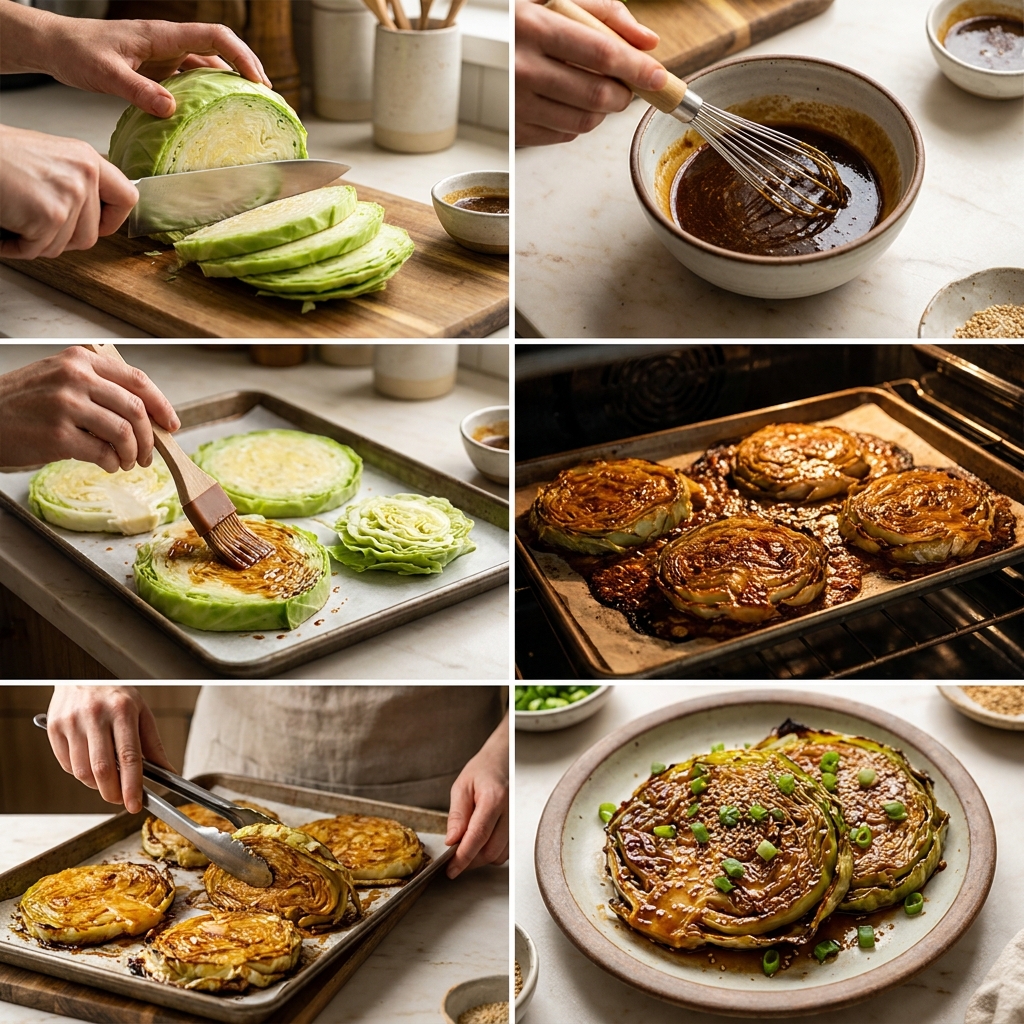
Creating perfect miso cabbage steaks requires just a few essential steps. This straightforward process ensures evenly cooked, beautifully caramelized results every time you prepare miso cabbage steaks. Follow these instructions carefully to achieve restaurant-quality texture and flavor.
Prepare the Cabbage
- Rinse the cabbage head thoroughly under cold water and pat it completely dry with paper towels.
- Place the cabbage cut-side down on a sturdy cutting board to stabilize it during slicing.
- Using a sharp chef’s knife, cut the cabbage vertically into four half-inch thick steaks, preserving the core to hold each steak together.
- Gently brush any loose cabbage leaves from the steaks and arrange them on a parchment-lined baking sheet.
Make the Miso Glaze
- Combine white miso paste, olive oil, maple syrup, rice vinegar, and water in a small mixing bowl.
- Add minced ginger and garlic cloves to the miso mixture and stir thoroughly.
- Whisk the glaze until completely smooth, breaking up any miso paste clumps that remain.
- Taste the glaze and adjust seasoning with sea salt and black pepper as needed for your preference.
Roast the Miso Cabbage Steaks
- Preheat your oven to 400 degrees Fahrenheit and allow it to reach full temperature.
- Brush both sides of each cabbage steak generously with the miso glaze mixture.
- Reserve approximately one tablespoon of glaze for a second coating halfway through roasting.
- Place the baking sheet in the preheated oven on the middle rack position.
- Roast the miso cabbage steaks for twelve minutes, then carefully flip each steak using tongs or a spatula.
- Brush the flipped steaks with the remaining reserved glaze and continue roasting for an additional ten to twelve minutes.
- The miso cabbage steaks are finished cooking when the edges are deeply caramelized and the cabbage is fork-tender.
Finish and Serve
- Remove the baking sheet from the oven and allow the miso cabbage steaks to cool for two minutes.
- Transfer each steak to a serving plate using a wide spatula to prevent breaking.
- Sprinkle roasted sesame seeds evenly across the top of each miso cabbage steak.
- Scatter chopped scallions over the steaks as a bright, fresh garnish.
Perfect miso cabbage steaks emerge from the oven with crispy, caramelized edges and creamy centers. The miso glaze concentrates and darkens during roasting, creating a complex, savory crust. Miso cabbage steaks are best served immediately while still warm, though they maintain good flavor even at room temperature for several hours.
Chef Tips for Perfect Miso Cabbage Steaks
These expert techniques transform your miso cabbage steaks from good to exceptional. Each tip addresses specific aspects of texture, flavor, and technique that elevate miso cabbage steaks to restaurant-quality results. Implementing these methods ensures consistent success with miso cabbage steaks every single time.
- Cut your cabbage steaks to exactly half-inch thickness for even cooking. Thinner steaks cook too quickly and may dry out, while thicker steaks may not caramelize properly. Consistent thickness ensures all miso cabbage steaks finish cooking simultaneously with perfectly tender interiors and crispy exteriors.
- Ensure the cabbage is completely dry before applying the miso glaze. Moisture prevents proper caramelization and causes the glaze to slide off instead of adhering. Pat every surface with paper towels thoroughly after rinsing the cabbage for optimal miso cabbage steaks results.
- Use parchment paper on your baking sheet to prevent sticking and ensure easy cleanup. The miso glaze caramelizes intensely and sticks to bare metal sheets, potentially damaging your miso cabbage steaks. Parchment paper eliminates this concern entirely while promoting even browning underneath.
- Apply glaze to both sides of each steak and flip halfway through roasting for symmetrical caramelization. Miso cabbage steaks develop the best flavor when both surfaces receive equal heat exposure and glaze coverage. This two-step glazing approach ensures every inch of your miso cabbage steaks achieves maximum caramelization.
- Position the oven rack in the middle for even heat distribution around all your miso cabbage steaks. Top racks cook too quickly and may char the surface before the interior softens, while bottom racks cause uneven browning. Middle placement allows hot air to circulate freely around miso cabbage steaks.
- Test cabbage tenderness with a fork or knife tip at the twelve-minute mark to adjust remaining cooking time. Some ovens run hotter than others, potentially finishing miso cabbage steaks in twenty-two minutes instead of twenty-five. Checking early prevents overcooking and ensures perfect texture for your miso cabbage steaks.
Common Miso Cabbage Steaks Mistakes to Avoid
Learning from common pitfalls ensures your miso cabbage steaks turn out perfectly. These mistakes frequently occur with home cooks preparing miso cabbage steaks for the first time. Understanding what causes these issues allows you to correct them and achieve flawless miso cabbage steaks consistently.
- Cutting steaks too thin: Thin slices cook too quickly on the outside while remaining tough in the center. The miso glaze burns before the cabbage softens, creating bitter flavors and poor texture. Solution: Maintain half-inch thickness exactly to balance caramelization with tenderness in your miso cabbage steaks.
- Using wet cabbage: Excess moisture prevents the glaze from adhering properly and stops proper browning. The steam released from wet cabbage steams the vegetable instead of roasting it, resulting in pale, soft miso cabbage steaks. Solution: Pat the cabbage completely dry with clean paper towels before glazing and roasting.
- Skipping the glaze flip: Only coating one side prevents symmetrical caramelization and uneven flavor distribution. The unglazed side remains pale and bland while the glaze-coated side over-caramelizes. Solution: Flip miso cabbage steaks halfway through roasting and apply reserved glaze to the second side.
- Overcrowding the baking sheet: Too many miso cabbage steaks prevent proper heat circulation and cause steaming instead of roasting. Crowded pans result in pale, soft steaks that lack caramelization. Solution: Leave at least one inch between each steak and use two baking sheets if necessary for your miso cabbage steaks.
- Using low-quality miso paste: Cheap or old miso paste delivers bland, harsh flavors that disappoint in miso cabbage steaks. The paste may contain additives or have lost its probiotic benefits. Solution: Purchase fresh white or red miso from an Asian market or specialty grocery store for superior miso cabbage steaks.
- Cooking at incorrect temperature: Temperatures below 375 degrees prevent caramelization, while temperatures above 425 degrees burn the glaze. Finding the optimal temperature ensures perfect miso cabbage steaks. Solution: Preheat to exactly 400 degrees Fahrenheit for miso cabbage steaks with ideal texture and color.
Best Miso Cabbage Steaks Variations and Substitutions
Creative variations expand your miso cabbage steaks repertoire beyond the basic recipe. These adaptations accommodate different dietary needs, flavor preferences, and ingredient availability. Experimenting with miso cabbage steaks variations keeps this dish fresh and exciting across multiple preparations.
| Ingredient | Substitution | Impact on Flavor |
|---|---|---|
| White miso paste | Red miso paste | Creates deeper, earthier flavor with more intense umami; results in darker color |
| Green cabbage | Napa cabbage | Produces more tender, delicate texture with slightly sweeter cabbage flavor |
| Maple syrup | Coconut sugar or agave | Maintains caramelization while adding subtle coconut or neutral sweetness |
| Olive oil | Toasted sesame oil | Adds nutty, roasted flavor that complements miso profile beautifully |
| Rice vinegar | Apple cider vinegar | Introduces sharper tanginess with fruity undertones instead of clean acidity |
| Sesame seed topping | Crushed cashews or almonds | Adds creamy crunch without sesame flavor for nut-based variations |
| Scallion garnish | Cilantro or microgreens | Provides fresh contrast with different herbaceous notes |
| Ginger and garlic | Miso + chili paste + lime | Creates spicy, vibrant Asian-fusion variation with bright citrus notes |
Miso cabbage steaks variations allow you to customize this recipe to your taste preferences completely. Switching the miso paste color creates entirely different flavor profiles while maintaining the core technique. Experimenting with miso cabbage steaks variations keeps meals interesting throughout the week.
Some home cooks add soy sauce to their miso cabbage steaks glaze for additional saltiness and umami depth. Others incorporate a touch of sriracha into miso cabbage steaks for subtle heat that builds throughout cooking. Miso cabbage steaks variations are nearly endless once you master the basic technique.
Serving Suggestions for Miso Cabbage Steaks
Miso cabbage steaks shine when paired thoughtfully with complementary dishes. This vegetable course works equally well as a standalone main or as part of a larger meal experience. Consider these serving combinations to maximize the impact of miso cabbage steaks at your dinner table.
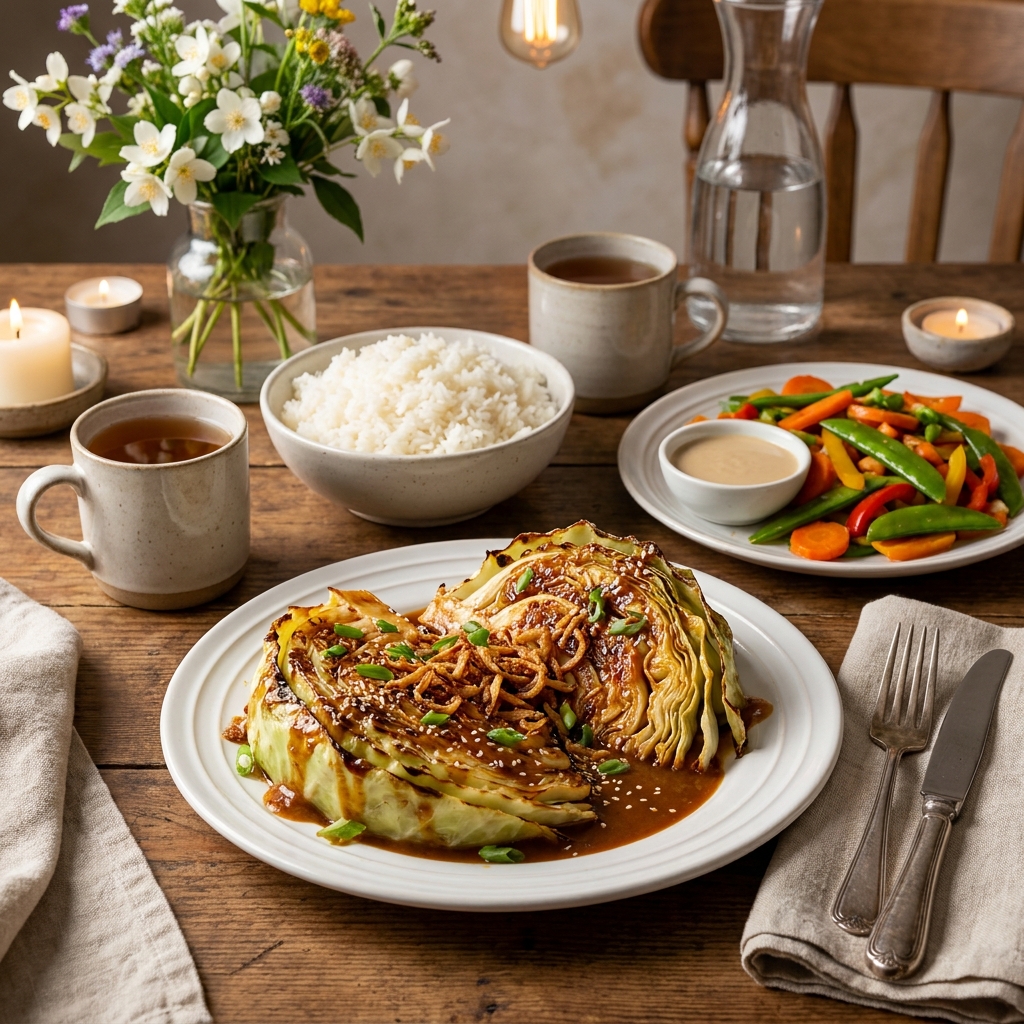
For weeknight dinners, serve miso cabbage steaks alongside steamed jasmine rice and a simple stir-fried vegetable medley. The warm rice soaks up the flavorful juices from miso cabbage steaks, while fresh vegetables add textural variety. This classic combination creates a satisfying, balanced meal that feels complete yet requires minimal preparation.
At casual gatherings and family meals, present miso cabbage steaks as a show-stopping vegetable side dish. Serve them alongside grilled tofu, tempeh, or roasted chickpeas for additional protein at the table. Miso cabbage steaks impress guests with their restaurant-quality appearance while requiring no explanation of sophisticated technique.
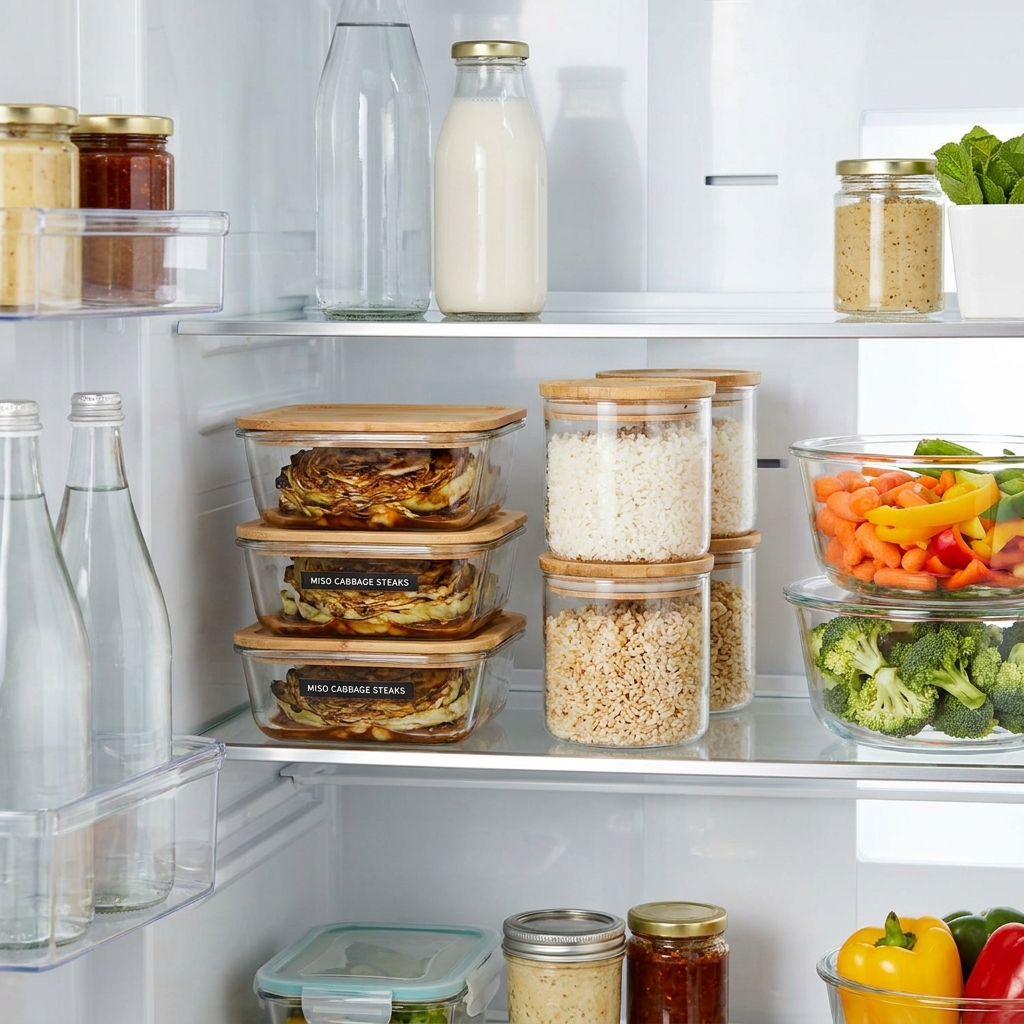
For meal prep occasions, prepare large batches of miso cabbage steaks and portion them alongside rice and vegetables for grab-and-go bowls. Miso cabbage steaks maintain good texture when refrigerated and reheated, making them ideal for busy weekday lunches. Store containers in the refrigerator for up to four days of convenient, flavorful meals.
Pair miso cabbage steaks with these complementary sauces and toppings: tahini drizzle, spicy mayo, cilantro-lime crema, or ginger-scallion oil. Add crispy fried onions, toasted nuts, or crushed crackers for additional textural contrast. Miso cabbage steaks benefit from multiple toppings that provide visual appeal and varied eating experiences.
On special occasions and holidays, feature miso cabbage steaks as the centerpiece of a plant-forward tasting menu. Miso cabbage steaks deserve celebration for their ability to transform simple cabbage into elegant, memorable cuisine.
Storage and Reheating for Miso Cabbage Steaks
Proper storage extends the enjoyment of miso cabbage steaks well beyond the initial cooking day. This recipe keeps remarkably well when handled correctly, maintaining flavor and acceptable texture throughout storage. Understanding storage techniques ensures your miso cabbage steaks remain safe and delicious for multiple meals.
| Method | Duration | Instructions |
|---|---|---|
| Refrigerator Storage | 4 days | Cool miso cabbage steaks completely before transferring to airtight containers lined with paper towels to absorb moisture. Store on the middle shelf away from raw meat or strong odors. |
| Freezer Storage | 2 months | Cool miso cabbage steaks completely, arrange in single layers on parchment-lined trays, freeze for 2 hours, then transfer to freezer-safe bags. Remove air by pressing gently before sealing. |
| Oven Reheating | 15 minutes | Preheat oven to 350 degrees Fahrenheit. Place miso cabbage steaks on a parchment-lined baking sheet and cover loosely with foil. Heat until warmed through, checking after 10 minutes. |
| Microwave Reheating | 2-3 minutes | Place individual miso cabbage steaks on a microwave-safe plate, cover with a damp paper towel, and heat at 50 percent power in 30-second intervals. Avoid high heat which accelerates texture degradation. |
| Make-Ahead Preparation | Up to 8 hours | Cut cabbage, prepare glaze, and store separately in airtight containers. Assemble and roast when ready. Miso cabbage steaks can be prepared completely and reheated next day. |
| Room Temperature Storage | 2 hours | Miso cabbage steaks maintain acceptable texture and flavor at room temperature for up to 2 hours, making them suitable for picnics or buffet service. Cover loosely to prevent drying. |
Miso cabbage steaks freeze exceptionally well, allowing you to prepare multiple batches during recipe-making sessions. Thaw miso cabbage steaks in the refrigerator overnight before reheating for best results. Frozen miso cabbage steaks work wonderfully in grain bowls, added to soups, or served alongside other entrees.
The edges of miso cabbage steaks may soften slightly after refrigeration, but the glaze flavor intensifies as it sits. Many home cooks actually prefer miso cabbage steaks after a day in storage because the flavors have had time to meld. Plan to make miso cabbage steaks in advance for meal prep to enjoy this benefit throughout your week.
Nutritional Information for Miso Cabbage Steaks
Understanding the nutritional profile of miso cabbage steaks helps you incorporate this dish confidently into your meal planning. Miso cabbage steaks deliver substantial nutrition in a relatively low-calorie package, making them ideal for health-conscious eaters. These approximate values represent one serving of prepared miso cabbage steaks.
| Nutrient | Amount per Serving |
|---|---|
| Calories | 95 |
| Protein | 3 grams |
| Fat | 5 grams |
| Carbohydrates | 11 grams |
| Dietary Fiber | 2.5 grams |
| Sugar | 4 grams |
| Sodium | 380 milligrams |
| Vitamin C | 25 percent daily value |
| Vitamin K | 78 percent daily value |
| Potassium | 180 milligrams |
These are approximate nutritional values for miso cabbage steaks. The fermented probiotics in miso paste support digestive health and immune function in miso cabbage steaks. Cabbage provides significant fiber, supporting healthy digestion and satiety without excess calories.
Frequently Asked Questions About Miso Cabbage Steaks
Can I substitute white miso with other types of miso for my miso cabbage steaks?
Yes, red miso paste creates deeper umami flavor in miso cabbage steaks, resulting in darker color and earthier taste. Chickpea miso works for those avoiding soy. Each miso variety produces different flavor profiles while maintaining the core technique for miso cabbage steaks.
How do I know when miso cabbage steaks are properly cooked and tender?
Miso cabbage steaks are done when a fork easily pierces the center and the edges are deeply caramelized and charred. The core of each steak should feel tender when pressed gently with a spatula. If resistance remains after twenty-five minutes, return miso cabbage steaks to the oven for an additional three to five minutes.
Why are my miso cabbage steaks burning before they become tender?
This typically occurs when the oven temperature exceeds 400 degrees Fahrenheit. Verify oven accuracy with a thermometer and reduce heat slightly if necessary. Thinner steaks also burn faster, so ensure your miso cabbage steaks are cut to exactly half-inch thickness for even cooking.
Can I prepare the miso glaze in advance for my miso cabbage steaks?
Absolutely, the miso glaze keeps refrigerated for up to one week in an airtight container. Whisk thoroughly before using since ingredients may separate during storage. Preparing the glaze ahead saves significant time when you are ready to roast your miso cabbage steaks.
How should I serve miso cabbage steaks at a dinner party or gathering?
Arrange miso cabbage steaks on a large platter garnished generously with sesame seeds and scallions. Serve at warm or room temperature alongside rice and vegetables. Miso cabbage steaks look impressive on the plate and impress guests with their sophisticated presentation and complex flavors.
How long do refrigerated miso cabbage steaks last and remain safe to eat?
Properly stored miso cabbage steaks last four days in the refrigerator in airtight containers. Check for any off odors or discoloration before consuming. When in doubt, discard miso cabbage steaks as a food safety precaution.
Can miso cabbage steaks be successfully reheated without drying out or losing texture?
Oven reheating at 350 degrees Fahrenheit preserves texture better than microwaving, requiring about fifteen minutes. Place miso cabbage steaks on parchment and cover loosely with foil. Avoid high heat settings which accelerate texture degradation in reheated miso cabbage steaks.
Are miso cabbage steaks appropriate for freezing and long-term storage?
Miso cabbage steaks freeze beautifully for up to two months when properly prepared. Cool completely, freeze on trays, then transfer to freezer bags. Thaw overnight in the refrigerator before reheating your miso cabbage steaks.
What are some creative flavor variations I can try with miso cabbage steaks?
Add red miso paste instead of white, incorporate sriracha for heat, or use toasted sesame oil for nuttiness. Try cilantro-lime variations or experiment with different miso types. Miso cabbage steaks variations keep this dish fresh and exciting across multiple preparations.
Are miso cabbage steaks suitable for beginner cooks or those intimidated by roasted vegetable recipes?
Absolutely, miso cabbage steaks are one of the most forgiving roasted vegetable recipes possible. The thick cabbage slices hold together beautifully, and the glaze prevents drying out. Beginning cooks consistently achieve excellent results with miso cabbage steaks on their first attempt.
Conclusion
Miso cabbage steaks transform humble cabbage into an elegant, restaurant-quality side dish that impresses family and guests alike. This recipe succeeds because the combination of roasted caramelization and fermented umami creates complex flavors from simple ingredients. Miso cabbage steaks require minimal active cooking time while delivering maximum flavor and visual appeal, making them perfect for weeknight dinners and special occasions. The soft, tender centers contrast beautifully with crispy, charred edges enhanced by the savory miso glaze. Whether you serve miso cabbage steaks as a vegetable course or meal centerpiece, this dish delivers consistent, dependable results that elevate any dinner table. Make miso cabbage steaks tonight and discover why this recipe has become a beloved staple for home cooks everywhere.
Baking Soda Weight Loss Recipe
Academy of Nutrition and Dietetics nutritional guidance
USDA food safety and storage guidelines
Print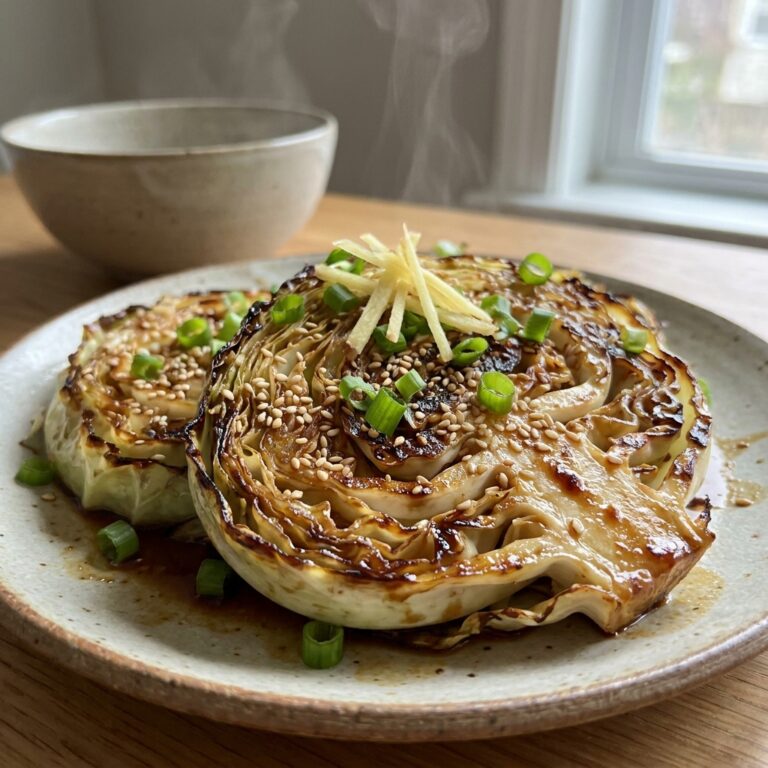
Viral Miso Cabbage Steaks Recipe 2026
Miso cabbage steaks are thick roasted cabbage slices brushed with a savory miso glaze, creating crispy caramelized edges and tender centers packed with umami flavor.
- Total Time: 35 minutes
- Yield: 4 servings 1x
Ingredients
- 1 large head green cabbage (about 2 pounds)
- 3 tablespoons white miso paste
- 2 tablespoons olive oil
- 1 tablespoon maple syrup
- 1 tablespoon rice vinegar
- 2 tablespoons water
- 1 teaspoon fresh ginger, minced
- 2 garlic cloves, minced
- 2 tablespoons sesame seeds
- 2 scallions, chopped
- 1/2 teaspoon sea salt
- 1/4 teaspoon black pepper
Instructions
- Preheat the oven to 400 degrees Fahrenheit.
- Rinse and dry the cabbage thoroughly with paper towels.
- Slice the cabbage vertically into four half-inch thick steaks, keeping the core intact.
- Arrange the cabbage steaks on a parchment-lined baking sheet.
- In a bowl, whisk together miso paste, olive oil, maple syrup, rice vinegar, water, ginger, garlic, salt, and black pepper.
- Brush both sides of the cabbage steaks generously with the miso glaze.
- Reserve a small amount of glaze for halfway through roasting.
- Roast the cabbage steaks for 12 minutes.
- Carefully flip the steaks using a spatula or tongs.
- Brush the remaining glaze over the flipped cabbage steaks.
- Continue roasting for another 10-12 minutes until caramelized and fork-tender.
- Remove from the oven and let cool for 2 minutes.
- Garnish with sesame seeds and chopped scallions before serving.
Notes
Dry the cabbage thoroughly before glazing to ensure proper caramelization. Keep the cabbage steaks about half-inch thick for even roasting and tender texture.
- Prep Time: 10 minutes
- Cook Time: 25 minutes
- Category: Side Dish
- Method: Roasted
- Cuisine: Asian-Fusion
- Diet: Vegetarian
Nutrition
- Serving Size: 1 cabbage steak
- Calories: 95
- Sugar: 4g
- Sodium: 380mg
- Fat: 5g
- Saturated Fat: 1g
- Unsaturated Fat: 4g
- Trans Fat: 0g
- Carbohydrates: 11g
- Fiber: 2.5g
- Protein: 3g
- Cholesterol: 0mg