“Life is a combination of magic and pasta,” Federico Fellini once said, but I think he forgot about the magic of a cast iron skillet! I’ve spent years trying to get that restaurant-quality sauce at home without making a giant mess. Honestly, my first few tries were pretty watery, and I almost gave up. But then I figured out the right balance of heavy cream and parmesan. This creamy tuscan chicken with spinach and sun dried tomatoes skillet recipe is now my absolute favorite way to win over picky eaters. It’s fast, it’s rich, and it feels way fancier than it actually is to make.

Choosing the Right Chicken and Prep Work
I remember the first time I tried making this creamy tuscan chicken with spinach and sun dried tomatoes skillet recipe. I used some old chicken breasts I found in the back of the freezer. Big mistake. They turned out like shoe leather, and I was so disappointed because the sauce smelled amazing. I’ve learned a lot since then, and picking the right meat is where everything starts. If you want that juicy bite every time, you have to be picky at the grocery store. It doesn’t have to be expensive, but it needs to be fresh.
Pick Your Protein Wisely
Most folks reach for chicken breasts because they think it is the healthier choice. And sure, they are great if you don’t overcook them. But for beginners, I always suggest using boneless, skinless chicken thighs. They have a bit more fat, which means they stay moist even if you leave them in the pan a minute too long. I can’t tell you how many times I got distracted by a phone call and the thighs saved my dinner! If you do go with breasts, try to find the “thin cut” ones or slice them in half yourself to make them thinner. This helps them cook fast without the outside getting tough. You want it to be tender, not a workout for your jaw.
Don’t Skip the Dry Rub
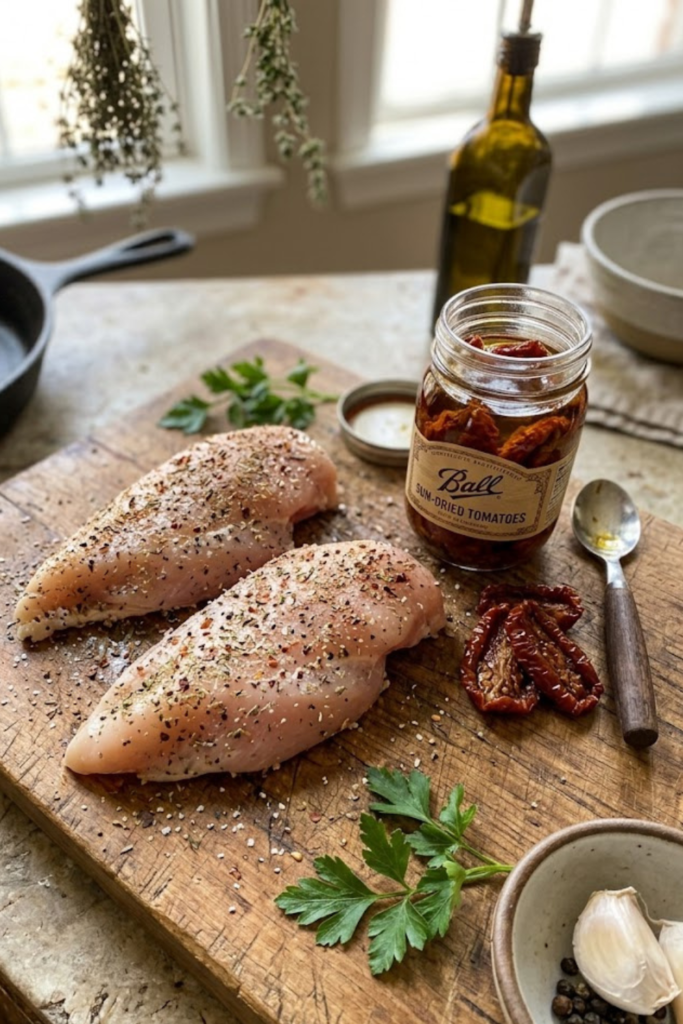
Once you have your chicken, you need to get it ready for the heat. I always pat the meat dry with paper towels first. This is a step many people skip, but please don’t! If the chicken is wet, it won’t brown; it just boils in its own juice. That is a total flavor killer. For seasonings, I keep it simple but I am very heavy-handed. I mix salt, black pepper, and a good amount of smoked paprika. The paprika gives it that beautiful red color that looks amazing against the green spinach later on. I also toss in some onion powder. Rub it in good on both sides so every single bite has some kick.
Prepping the Flavor Makers
While the chicken sits with the spices, I get my sun-dried tomatoes ready. I buy the ones packed in oil because they are softer and have way more taste than the dry ones in the bag. I take them out and slice them into thin strips. If they are too chunky, the texture feels a bit weird in the mouth when you are eating. I also like to save a little of that tomato oil to use in the pan later. It is like liquid gold for flavor! Getting everything chopped and ready now means you won’t be scrambling while the chicken is sizzling in the pan. Prep work might feel boring, but it makes the actual cooking part way more fun and way less stressful for everyone.
The Art of the Perfect Golden Sear
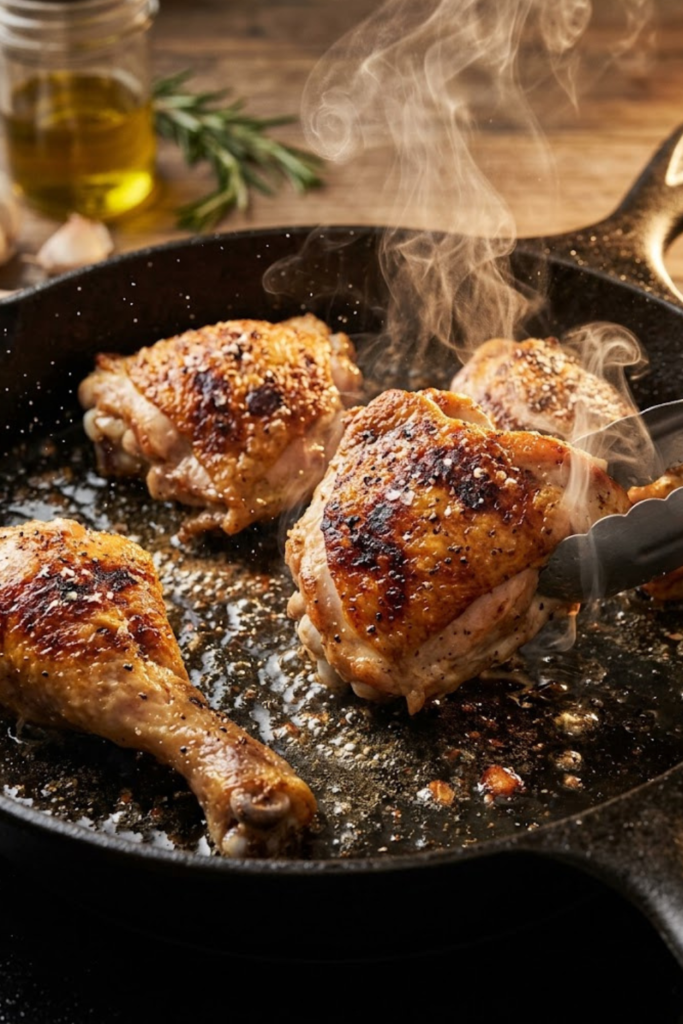
Getting that perfect brown crust on your chicken is really the secret to making this creamy tuscan chicken with spinach and sun dried tomatoes skillet recipe stand out. I remember when I used to just toss chicken in a lukewarm pan and hope for the best. It usually came out pale and boring, which is a real shame because you lose so much taste that way. To get it right, you need to start with a pan that is actually hot. I like to use a heavy cast iron skillet because it holds onto heat much better than those thin aluminum ones you might have in the cupboard. If your pan isn’t hot enough, the chicken will just stick and tear, and you’ll lose all that good flavor.
The Patience Factor
One of the hardest things to learn in the kitchen is just leaving things alone. I used to be a chronic flipper. I’d poke and prod the meat every thirty seconds because I was worried it was burning or sticking. The truth is, if the chicken is still sticking to the pan, it’s just telling you it’s not ready to be flipped yet. It’s a bit like a student who needs more time on a test—don’t rush it! Once a proper crust has formed, the meat will naturally release from the surface. This crust, or ‘sear’, is where all the deep, savory notes come from. It locks in the juices and gives you that nice crunch that contrasts so well with the soft, velvety sauce we are going to make later.
Don’t Crowd the Pan
Another lesson I learned the hard way is about giving the meat some space. If you try to cook six big pieces of chicken in one small skillet, you’re basically just steaming them in their own moisture. The temperature of the pan drops way too fast and you get a lot of gray liquid instead of a golden brown sear. I usually cook my chicken in two different batches if I’m feeding a crowd. It might take an extra ten minutes, but the result is so much better. Give each piece an inch or two of room so the steam can escape easily.
Choosing Your Cooking Fat
I always use a mix of butter and olive oil. Using just butter can be tricky because it burns fast at high heat, and nobody likes the taste of burnt milk solids. But if you mix it with a little olive oil, it handles the heat better and still gives you that rich, savory taste. Just a tablespoon of each is plenty to get things moving. Keep your heat around medium-high. If you see actual smoke, it’s getting too hot, so turn it down a notch. You want a steady sizzle, not a fire alarm! This part of the recipe is really the foundation for everything else, so take your time and get that color right.
Building the Ultimate Creamy Garlic Sauce
After you take the chicken out of the pan, you might see a bunch of brown, stuck-on bits at the bottom. Don’t you dare wash that pan! I used to think I had “burned” the meal when I saw those spots, but my neighbor, who is a great cook, told me that’s where all the gold is. For this creamy tuscan chicken with spinach and sun dried tomatoes skillet recipe, those little bits are what make the sauce taste like it came from a fancy Italian spot down the street. If you skip this, your sauce will just taste like plain cream, and that’s pretty boring if you ask me.
The Magic of Deglazing
The first thing I do is turn the heat down to medium. I throw in a little more butter and then my garlic. I use a lot of garlic—probably more than the recipe says—because I love the smell. Stir it around for about thirty seconds until you can really smell it. Then, I pour in a splash of chicken broth. You’ll hear a loud sizzle, and that’s when you use a wooden spoon to scrape all those brown bits off the bottom. This is called deglazing, and it’s a total game changer for the flavor. I felt like a real chef the first time I did this right without burning the garlic. It makes the liquid turn a beautiful light brown color that smells like heaven.
Getting the Cream Right
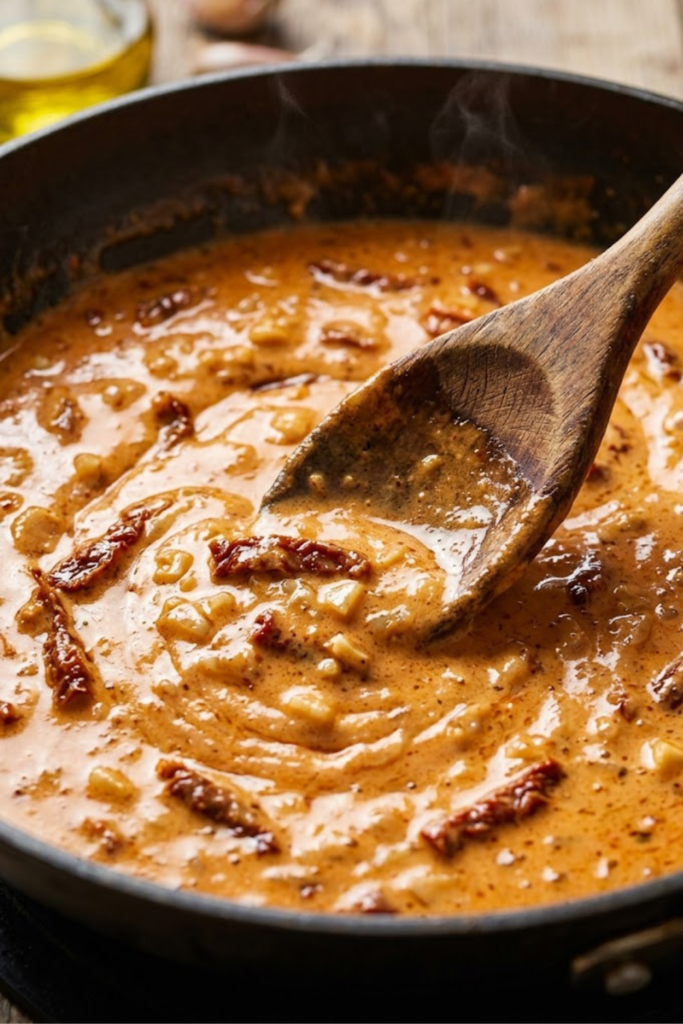
Now, here is the part where you have to be a little bit careful. I pour in the heavy cream slowly. One time, I had the heat way too high and the cream started to separate and look oily. It was a mess! So, keep the heat low and slow. Stir it constantly. As the cream warms up, it will start to thicken a little bit. This is when I add those sliced sun-dried tomatoes we talked about earlier. They start to release their flavor and turn the sauce a pretty orange tint. It’s also the time to add your parmesan cheese. Don’t use the stuff in the green can; get a block and grate it yourself. It melts so much better and doesn’t get grainy.
Finding the Perfect Balance
Sometimes the sauce gets too thick too fast. If that happens, don’t panic! Just add a tiny bit more broth or even a splash of water to thin it out. I usually give it a little taste here to see if it needs more pepper or a pinch of salt. I also like to add a pinch of red pepper flakes. It gives it a tiny bit of heat that really wakes up your taste buds without making it too spicy for the kids. Making a sauce is all about practice. I’ve messed it up plenty of times, but every time I make this, it gets a little bit easier. Just keep stirring and keep the heat low, and you’ll have a sauce that everyone will want to soak up with a piece of bread.
Folding in the Spinach and Finishing Touches
Now we are finally at the home stretch! This is my favorite part because the colors really start to pop and the whole kitchen smells like a dream. I remember the first time I made this creamy tuscan chicken with spinach and sun dried tomatoes skillet recipe, I actually panicked a little bit. I looked at the bag of spinach and then looked at my pan and thought there was no way it would all fit. But that is the big secret about cooking greens—they are basically mostly water. This part moves quick, so stay right there by the stove so you can see the magic happen.
The Great Spinach Shrink
When you first dump that fresh spinach into your hot sauce, it is going to look like a giant green mountain. It might even try to spill over the sides of your pan. Don’t worry, just use your tongs or a big spoon to gently push the leaves down into the warm cream. You only need to cook them for maybe sixty seconds. If you leave them in there too long, they get all slimy and turn a dark, muddy color. That doesn’t look very good on the plate. I like mine to stay a bit bright and perky. It gives a nice fresh break from the heavy sauce. If your family isn’t big on greens, you can chop the spinach up real small before you toss it in. They won’t even notice!
Fixing the Flavor Balance
Before you put the chicken back in the pan, you got to taste that sauce. This is a big thing I tell everyone: taste your food as you go! Sometimes the tomatoes can be extra salty, or maybe the heavy cream makes it feel a bit too rich. I usually add a small squeeze of fresh lemon juice at the very end. It might sound a bit funny to put lemon with cream, but the acid really helps cut through the fat. It makes the whole dish feel a lot lighter. If the sauce looks way too thick, just splash in a tiny bit more broth or water. You want it to be smooth and silky, like a good gravy but better.
Putting It All Together
Finally, slide those golden chicken pieces back into the skillet. Nestle them down into the sauce so they can get all happy and warm again. I usually let it sit on low heat for just one more minute. For serving, I love putting this over some thin spaghetti or even some mashed potatoes. If you are trying to be a bit more healthy, it’s great over zucchini noodles or just a big bowl of steamed broccoli. But whatever you do, please get some crusty bread. You spent time making that sauce, and you don’t want to leave a single drop of it behind on the plate. It is seriously the best part of the whole night and will make everyone ask for seconds.

My Best Tips for Leftovers
Wrapping up this creamy tuscan chicken with spinach and sun dried tomatoes skillet recipe always makes me feel like I’ve really accomplished something in the kitchen. It is one of those meals that looks like you spent hours working on it, but we know the truth—it’s mostly about getting that sear right and not letting the cream get too hot. I’ve made this for school potlucks and family reunions, and there is never a single bite left in the pan. It’s a reliable dish that makes people feel cared for, and as a teacher, I think that’s the best kind of food to share.
How to Handle the Leftovers
If you actually have leftovers, you are luckier than I am! My teenagers usually clean the skillet before I can even get the lid on the Tupperware. If you do save some, keep it in an airtight container in the fridge. It stays good for about three days. One thing I learned the hard way is that the sauce will thicken up a lot in the cold. When you look at it the next day, it might look like a solid block of cream. Don’t worry, it hasn’t gone bad! It just needs a little heat to get back to that silky texture we love.
Reheating Without the Mess
Reheating is where most people mess up this recipe. If you throw it in the microwave on high, the oil in the sauce will separate, and you’ll end up with a greasy plate of chicken. It’s a bit sad when that happens. Instead, put it back in a small pan on the stove over low heat. Add a tiny splash of milk or water to help loosen the sauce. Stir it gently until it’s warm all the way through. It takes five minutes, but it tastes almost as fresh as the night you made it. This extra step really makes a big difference in keeping that restaurant quality.
Final Thoughts and Sharing
I really hope this guide helps you feel more confident at the stove. Cooking shouldn’t be scary or stressful; it should be a way to relax after a long day of work. Whether you are serving this for a quiet night in or a big Sunday dinner, it’s going to be a hit. If you enjoyed making this and found my tips helpful, please save this to your Pinterest boards! Sharing it helps other home cooks find easy, delicious meals that don’t require a culinary degree. Thanks for letting me share a bit of my kitchen with you!