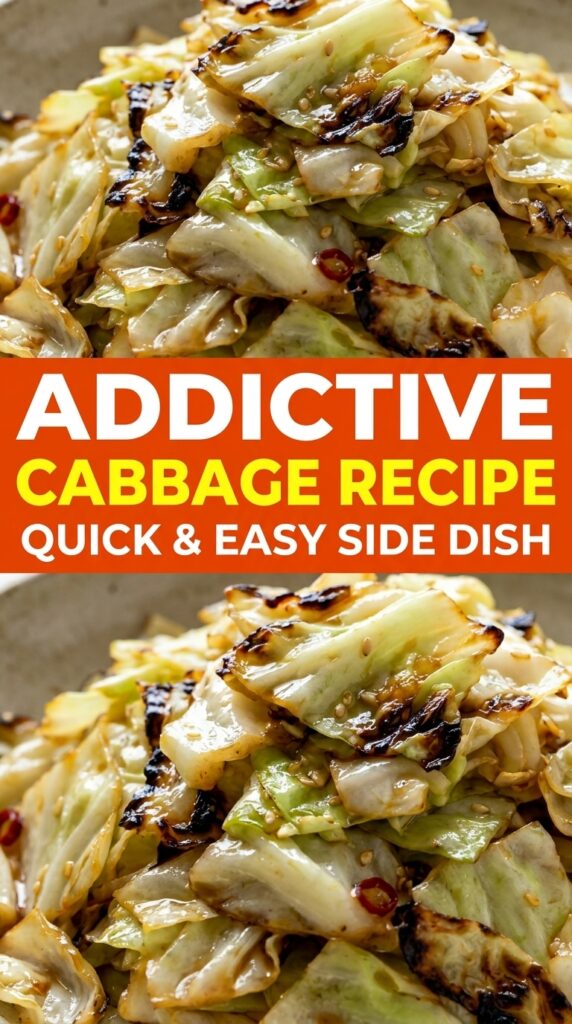
An addictive cabbage recipe transforms this humble vegetable into an irresistible side dish that your family will request repeatedly. This stir-fried cabbage with garlic and ginger combines simple ingredients with bold flavors, creating a dish that’s crispy, tender, and deeply savory. Whether you’re looking for a quick weeknight dinner component or a crowd-pleasing side, this addictive cabbage recipe delivers restaurant-quality results in under 20 minutes. The beauty of this addictive cabbage recipe lies in its simplicity: fresh cabbage meets aromatic garlic and ginger in a hot wok or skillet, creating a caramelized masterpiece that tastes far more complex than its ingredient list suggests. Once you master this technique, you’ll understand why so many home cooks consider this addictive cabbage recipe a kitchen staple.
| Prep Time | Cook Time | Total Time | Servings | Difficulty | Cuisine |
|---|---|---|---|---|---|
| 10 minutes | 12 minutes | 22 minutes | 4-6 servings | Easy | Asian-Inspired |
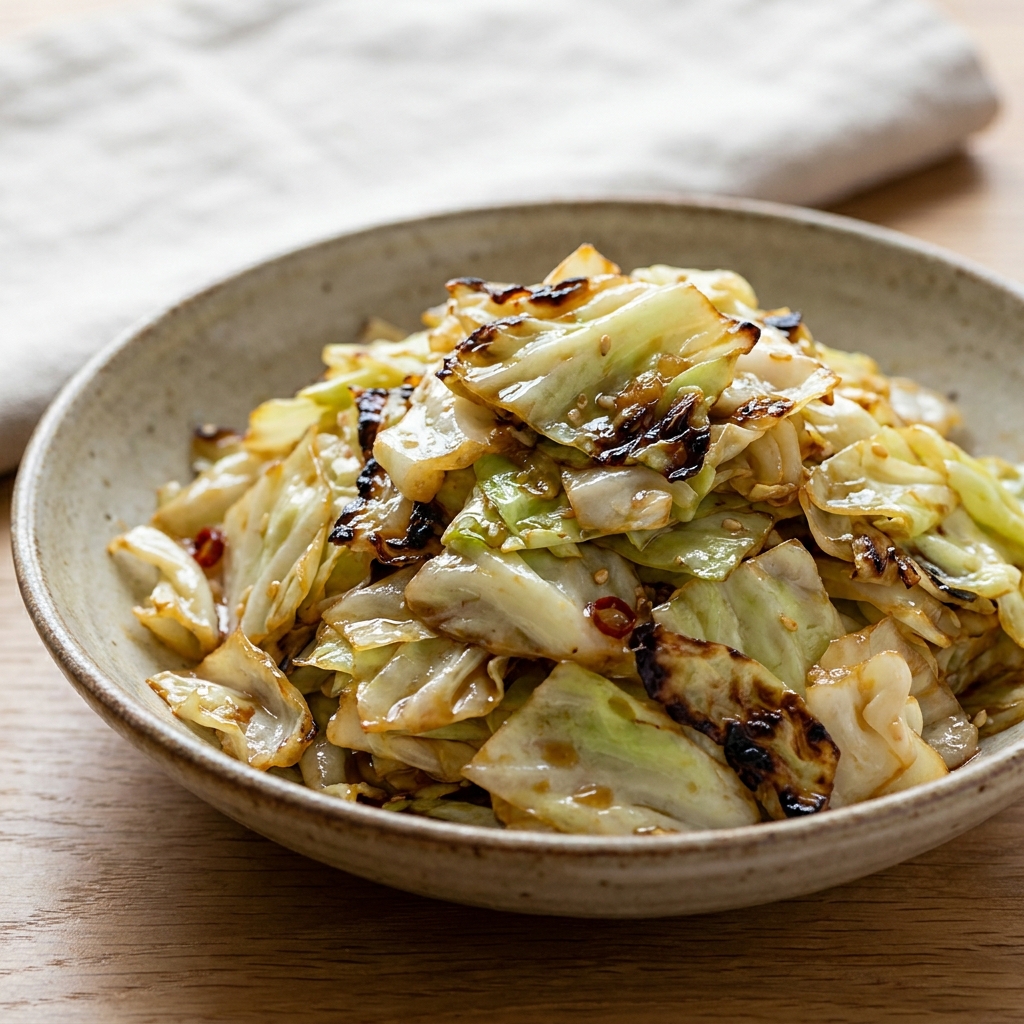
Table of Contents
Table of Contents
Why This Addictive Cabbage Recipe Works
This addictive cabbage recipe succeeds because it highlights the natural sweetness of fresh cabbage while adding depth through aromatic garlic and ginger. High heat creates crispy, caramelized edges on the cabbage leaves while maintaining a tender center, delivering textural complexity in every bite. The addictive cabbage recipe relies on technique rather than complicated ingredients, making it accessible to beginner cooks while satisfying experienced home chefs. I’ve made this addictive cabbage recipe countless times, and I’m consistently amazed by how this simple preparation method transforms raw cabbage into something restaurant-quality that tastes like you spent hours cooking.
What makes this addictive cabbage recipe so appealing is its versatility and speed. You can have it on the table in less than 25 minutes, yet it tastes like you invested significant effort. The garlic and ginger infuse into the cabbage as it cooks, creating layers of flavor that develop with each stir. This addictive cabbage recipe pairs beautifully with rice, noodles, grilled proteins, or roasted vegetables, making it flexible enough for any meal.
The texture profile of this addictive cabbage recipe is what keeps people coming back for seconds. Some leaves become crispy and slightly charred at the edges, while others remain tender with a slight bite. This contrast, combined with the savory, slightly spicy notes from the ginger and the deep umami from soy sauce, creates an addictive quality that justifies the recipe’s name. You’ll find yourself sneaking bites straight from the serving dish.
This addictive cabbage recipe also appeals to health-conscious cooks because cabbage is nutrient-dense, low in calories, and packed with fiber and vitamins. The cooking method requires minimal oil, keeping the dish light while maximizing flavor. Whether you’re meal prepping for the week or preparing a quick family dinner, this addictive cabbage recipe delivers nutritional value without sacrificing taste or satisfaction.
Addictive Cabbage Recipe Ingredients
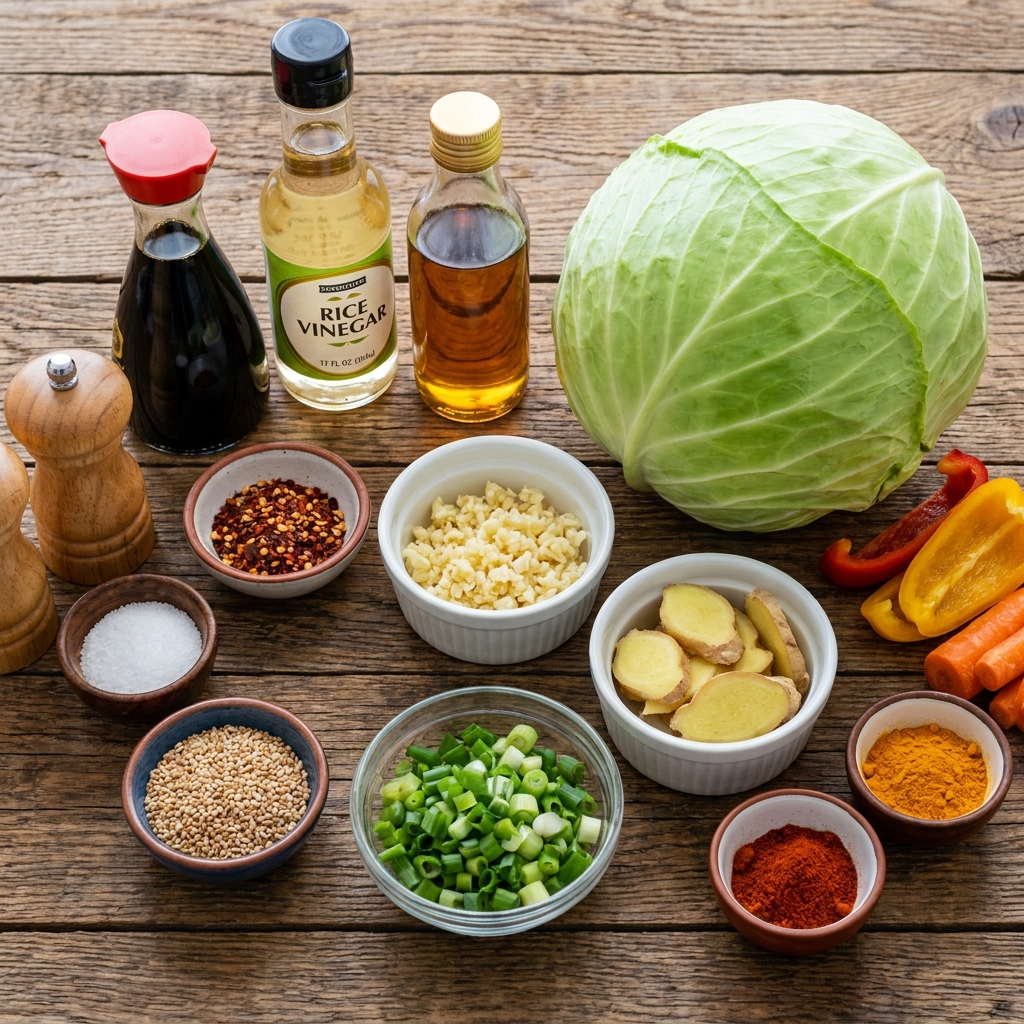
Gathering quality ingredients is the foundation of preparing an exceptional addictive cabbage recipe. Each component plays a specific role in building the layered flavors that make this addictive cabbage recipe so crave-worthy.
| Ingredient | Quantity | Notes with Alternatives |
|---|---|---|
| Green cabbage or Napa cabbage | 1 medium head (about 1.5 lbs) | Green cabbage offers heartiness; Napa cabbage is more tender. Choose firm, unblemished heads. Red cabbage works but requires 2-3 minutes longer cooking. |
| Garlic cloves | 5-6 cloves, minced | Fresh garlic is essential. Garlic powder (1 teaspoon) can substitute in emergencies but lacks the depth of fresh garlic. |
| Fresh ginger root | 1 tablespoon, minced | Fresh ginger provides authentic spice. Ground ginger (1 teaspoon) is acceptable but less vibrant. Avoid ginger in a jar. |
| Neutral oil (vegetable, canola, or sesame) | 2-3 tablespoons | Sesame oil (1.5 tablespoons) provides deeper flavor but burn easily; blend with neutral oil. Coconut oil works but adds distinct flavor. |
| Soy sauce | 2-3 tablespoons | Low-sodium soy sauce reduces sodium content. Tamari works for gluten-free needs. Coconut aminos offers lower sodium alternative. |
| Rice vinegar | 1 tablespoon | Rice vinegar adds subtle tang. Apple cider vinegar or white vinegar (½ tablespoon) can substitute but are more assertive. |
| Red pepper flakes | ¼-½ teaspoon, optional | Adjust based on heat preference. Sriracha (½ teaspoon) adds spice and moisture. Fresh chili peppers (1 small, minced) provide authentic heat. |
| Sesame seeds | 1 teaspoon, toasted | Toasted sesame seeds add nutty flavor and visual appeal. Black or white seeds work equally well. |
| Green onions (scallions) | 2 stalks, chopped | Fresh green onions add bright finish. Chives offer similar mild onion flavor as a substitute. |
| Salt and black pepper | To taste | Taste and adjust throughout cooking. Sea salt dissolves faster than table salt. |
This addictive cabbage recipe requires no specialty ingredients, making it perfect for any home cook. When you understand the ingredient roles, preparing this addictive cabbage recipe becomes intuitive, and you can adjust components based on what you have available or personal preferences.
How to Make Addictive Cabbage Recipe
Preparing this addictive cabbage recipe requires confidence with high heat and quick timing. Follow this step-by-step process to achieve the perfect texture that makes this addictive cabbage recipe so memorable.
Preparation Phase
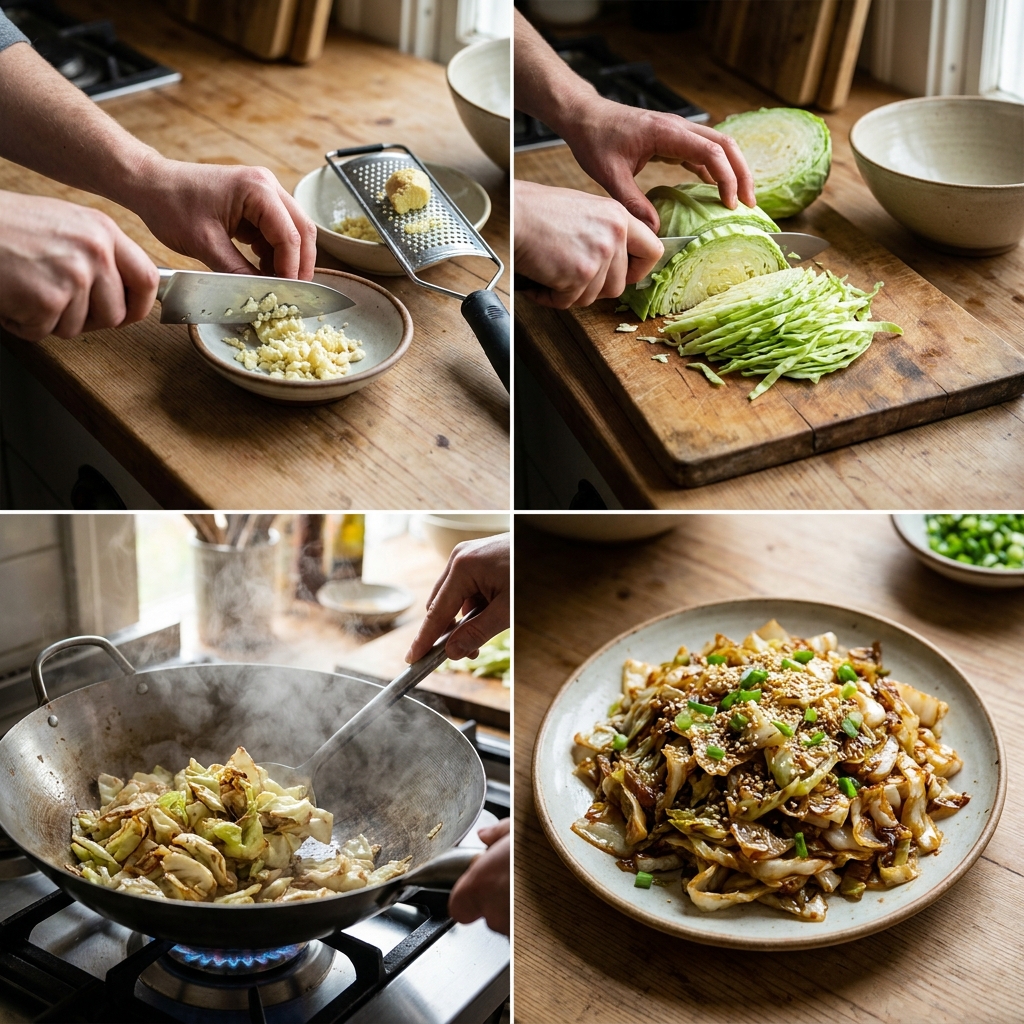
- Rinse the cabbage thoroughly under cool running water to remove any dirt or debris.
- Remove and discard the outer damaged leaves from the cabbage head.
- Slice the cabbage in half vertically, then place cut-side down on your cutting board.
- Cut the cabbage halves into thin, bite-sized strips approximately ¼-inch wide.
- Measure and prepare all ingredients before cooking because this addictive cabbage recipe moves quickly once you start.
- Mince the garlic cloves finely and set aside in a small bowl.
- Mince the fresh ginger root and place in another small bowl.
- Combine soy sauce and rice vinegar in a small measuring cup.
Cooking Phase
- Heat your wok or large skillet over high heat for 1-2 minutes until very hot.
- Add 2 tablespoons of oil and swirl to coat the bottom evenly.
- Once the oil shimmers and moves freely, add the minced garlic and ginger immediately.
- Stir-fry the garlic and ginger for 15-20 seconds until fragrant, being careful not to burn them.
- Add the sliced cabbage to the hot wok all at once, stirring constantly for the first minute.
- Continue stir-frying for 4-5 minutes, tossing and stirring frequently, until the cabbage begins to soften and develop golden-brown edges.
- Pour the soy sauce and rice vinegar mixture over the cabbage while stirring constantly.
- Add red pepper flakes if using and continue stir-frying for another 2-3 minutes.
- Taste the addictive cabbage recipe and adjust seasonings with salt and pepper as needed.
- Transfer the finished addictive cabbage recipe to a serving bowl.
- Sprinkle toasted sesame seeds and chopped green onions over the top immediately before serving.
The key to excellent results with this addictive cabbage recipe is maintaining high heat throughout cooking. This creates the caramelized, slightly crispy exterior while keeping the interior tender. Avoid overcrowding the pan, which would lower the temperature and cause steaming rather than stir-frying. If your cabbage seems overcrowded, cook it in two batches rather than compromising the texture that makes this addictive cabbage recipe so special.
Chef Tips for Perfect Addictive Cabbage Recipe
These professional techniques transform a basic addictive cabbage recipe into a standout dish worthy of restaurant service.
- Use high heat consistently: This addictive cabbage recipe depends on high heat to create the caramelized exterior and maintain crisp texture. Don’t reduce heat to medium, which produces steamed rather than stir-fried cabbage. Keep the flame high throughout cooking to achieve the signature charred edges that make this addictive cabbage recipe special.
- Prep all ingredients before starting: Once your wok reaches temperature, this addictive cabbage recipe moves quickly. Having garlic, ginger, and sauce measured and ready prevents burning the aromatics while searching for ingredients. This mise en place approach ensures your addictive cabbage recipe cooks evenly and captures all the intended flavors.
- Cut cabbage into uniform sizes: Consistent ¼-inch strips ensure even cooking throughout your addictive cabbage recipe. Smaller pieces cook faster but may become too tender, while larger pieces remain too firm. Uniform sizing is the secret to achieving the perfect texture that defines excellent addictive cabbage recipe results.
- Don’t overcrowd the wok: Adding all the cabbage at once can lower the pan temperature and cause steaming. If your wok seems packed, cook the addictive cabbage recipe in two batches rather than compromising the crispy exterior. The extra step ensures each piece of this addictive cabbage recipe cooks properly.
- Stir constantly: Continuous stirring during the first five minutes prevents sticking and ensures even caramelization. This constant motion is what elevates your addictive cabbage recipe from ordinary to exceptional. Lazy stirring results in some pieces overcooked while others remain raw.
- Toast sesame seeds before garnishing: Dry toast sesame seeds in a small skillet over medium heat for 1-2 minutes, stirring frequently, to unlock their nutty flavor. This small step adds significant depth to your finished addictive cabbage recipe. Always add them just before serving to maintain their crispness.
Common Addictive Cabbage Recipe Mistakes to Avoid
Understanding what goes wrong helps you execute this addictive cabbage recipe perfectly every time.
- Using medium or low heat: Many home cooks reduce heat because they’re afraid of burning the cabbage, but this mistake produces steamed rather than stir-fried results. Your addictive cabbage recipe requires high heat to develop the caramelized edges and crispy texture that justifies its name. Fix this by increasing your burner to high and trusting the process; the aromatics burn before the cabbage does.
- Burning garlic and ginger: Adding these aromatics to a hot, oiled wok without cabbage causes them to burn in seconds. To fix this, add the garlic and ginger, stir for only 15 seconds, then immediately add the cabbage. Your addictive cabbage recipe protects these delicate ingredients once the cabbage joins the pan.
- Cutting cabbage unevenly: Large chunks mixed with tiny pieces cause some elements to overcook while others remain undercooked. This inconsistency ruins the texture that makes this addictive cabbage recipe special. Always cut uniform ¼-inch strips for even cooking throughout the entire batch.
- Adding liquid too early: Pouring soy sauce and vinegar immediately after adding cabbage creates steam that lowers the temperature and compromises caramelization. Your addictive cabbage recipe requires 4-5 minutes of dry stir-frying first to develop color and texture. Only then should you add the liquid component, allowing another 2-3 minutes for the sauce to incorporate and reduce.
- Skipping the sesame seeds and green onions: These finishing touches are not optional extras; they’re essential to the complete experience of your addictive cabbage recipe. They add textural contrast and fresh flavor that elevates the dish from good to exceptional. Never skip the garnish on your addictive cabbage recipe.
- Using old or wilted cabbage: Poor quality cabbage produces mediocre results regardless of technique. Choose firm, unblemished heads with tight, crisp leaves. Your addictive cabbage recipe deserves fresh, quality ingredients to shine.
Best Addictive Cabbage Recipe Variations and Substitutions
This addictive cabbage recipe serves as an excellent foundation for creative variations that suit different tastes and dietary needs.
| Ingredient | Substitution | Impact on Flavor |
|---|---|---|
| Green cabbage | Napa cabbage, red cabbage, or bok choy | Napa adds delicate sweetness; red cabbage offers earthiness and requires longer cooking; bok choy adds tender stems and slightly different texture profile. |
| Soy sauce | Tamari or coconut aminos | Tamari provides deeper soy flavor for gluten-free diets; coconut aminos reduce sodium significantly but taste slightly different in your addictive cabbage recipe. |
| Rice vinegar | Apple cider vinegar or white vinegar (reduce to ½ tablespoon) | Apple cider adds more assertive tang; white vinegar is sharper; rice vinegar remains the smoothest choice for this addictive cabbage recipe. |
| Sesame oil and neutral oil blend | Pure sesame oil or chili oil | Pure sesame oil intensifies nuttiness but burns easily; chili oil adds heat and flavor complexity, transforming your addictive cabbage recipe into something spicier. |
| Fresh ginger | Ground ginger (½ teaspoon) or ginger-garlic paste | Ground ginger offers convenience but less vibrant flavor; paste provides consistent umami but different texture in your addictive cabbage recipe. |
| Red pepper flakes | Sriracha, fresh chili peppers, or omit entirely | Sriracha adds moisture and complexity; fresh chilies deliver authentic heat and vegetable flavor; omitting creates a mild version of this addictive cabbage recipe. |
| Sesame seeds | Pumpkin seeds or sunflower seeds | Pumpkin seeds add earthiness; sunflower seeds offer nuttiness; sesame remains the traditional choice for this addictive cabbage recipe. |
| Green onions | Chives or cilantro | Chives provide milder onion notes; cilantro adds bright, herbal character that transforms your addictive cabbage recipe toward Southeast Asian flavors. |
Experimenting with variations of this addictive cabbage recipe helps you discover personal preferences while maintaining the core techniques that make the dish work. Some variations enhance the addictive cabbage recipe significantly, while others simply offer alternatives based on ingredient availability or dietary restrictions.
Try adding protein to this addictive cabbage recipe by incorporating diced tofu, chickpeas, or shredded chicken during the last few minutes of cooking. You can also make your addictive cabbage recipe Thai-inspired by adding coconut milk and red curry paste, or Korean-style by incorporating gochujang for deeper spice. Each variation maintains the essence of the original addictive cabbage recipe while offering new flavor dimensions.
Serving Suggestions for Addictive Cabbage Recipe
This addictive cabbage recipe pairs beautifully with numerous mains and accompaniments, making it flexible enough for any table.
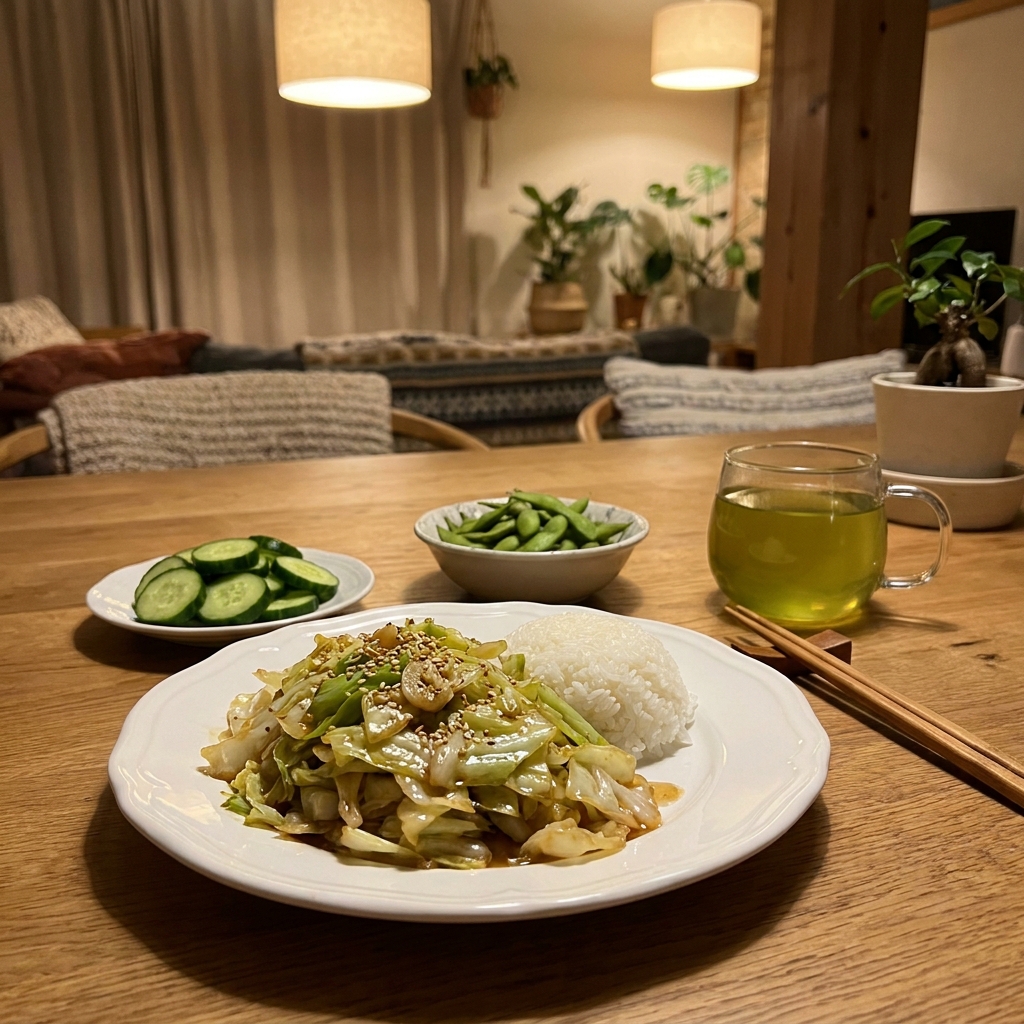
Serve this addictive cabbage recipe as a primary side dish alongside Asian rice bowl recipes or stir-fried noodles for a complete meal. The crispy cabbage provides excellent texture contrast against soft rice or noodles. For family dinners, plate your addictive cabbage recipe alongside grilled chicken, baked tofu, or roasted salmon, allowing the bold flavors to complement without overwhelming the protein.
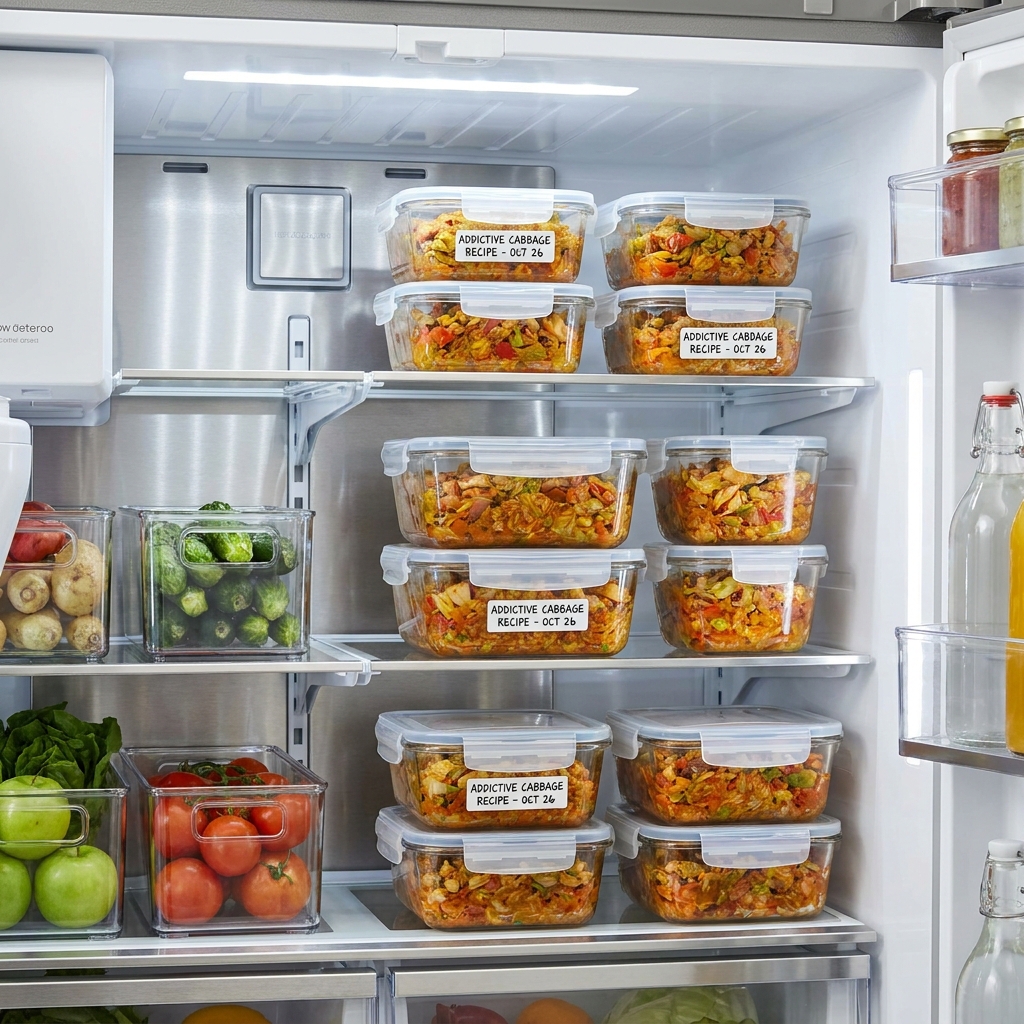
This addictive cabbage recipe works wonderfully for meal prep because it maintains quality for several days when stored properly. Prepare larger batches of this addictive cabbage recipe and portion into containers for grab-and-go lunches throughout the week. Many people enjoy this addictive cabbage recipe cold or at room temperature, making it perfect for packed lunches.
Serve this addictive cabbage recipe at potlucks and gatherings where it consistently receives compliments and requests for the recipe. The dish appeals to diverse palates because the cabbage provides familiar comfort while the ginger and garlic add excitement. Your addictive cabbage recipe becomes a conversation starter that establishes your reputation as a home cook.
This addictive cabbage recipe pairs exceptionally well with brown rice, jasmine rice, or soba noodles for building balanced meals. Serve alongside easy vegetable side dishes or follow with a simple cucumber salad to round out the meal. Your addictive cabbage recipe works as the vegetable component in mixed plates featuring multiple elements.
Storage and Reheating for Addictive Cabbage Recipe
Proper storage techniques ensure your prepared addictive cabbage recipe remains delicious throughout the week.
| Method | Duration | Instructions |
|---|---|---|
| Refrigerator Storage | 3-4 days | Allow your addictive cabbage recipe to cool completely, then transfer to airtight glass containers. Store in the coldest part of your refrigerator. The addictive cabbage recipe remains safe and tasty for up to four days. Label containers with the date prepared for easy tracking. |
| Freezer Storage | 2-3 months | Cool your addictive cabbage recipe completely before freezing. Use freezer-safe containers or bags, removing excess air. Frozen this addictive cabbage recipe remains safe indefinitely but tastes best within three months. The texture becomes slightly softer after freezing but the flavor remains intact. |
| Refrigerated Reheating | 2-3 minutes | Transfer your addictive cabbage recipe to a skillet over medium-high heat, stirring frequently. Alternatively, microwave in a covered container for 90-120 seconds, stirring halfway through. Add a splash of soy sauce if the addictive cabbage recipe seems dry after reheating. |
| Frozen Reheating | 5-7 minutes | Thaw your addictive cabbage recipe overnight in the refrigerator for best texture. Reheat using the refrigerated method. Alternatively, transfer frozen directly to a skillet over medium heat and stir frequently until heated through. The addictive cabbage recipe reheats evenly this way. |
| Make-Ahead Preparation | 8 hours | Prepare all ingredients for your addictive cabbage recipe and store separately in your refrigerator. Chop cabbage into containers, mince garlic and ginger into small bowls, and measure liquids into a cup. When ready to cook, your addictive cabbage recipe comes together in under 20 minutes. Do not mix ingredients together as they will release moisture. |
This addictive cabbage recipe maintains excellent quality when stored using these methods. The key is keeping your prepared addictive cabbage recipe in airtight containers to prevent the refrigerator from drying it out or absorbing surrounding odors. Many home cooks find that this addictive cabbage recipe tastes even better the next day as flavors have time to develop and meld.
Nutritional Information for Addictive Cabbage Recipe
Understanding the nutritional profile of this addictive cabbage recipe helps you incorporate it into balanced meal planning.
| Nutrient | Amount per Serving |
|---|---|
| Calories | 85-95 |
| Protein | 2-3 grams |
| Fat | 5-6 grams |
| Carbohydrates | 8-10 grams |
| Fiber | 2-3 grams |
| Sodium | 320-380 milligrams |
| Vitamin C | 20-25 milligrams |
| Vitamin K | 60-70 micrograms |
| Potassium | 180-200 milligrams |
| Calcium | 30-40 milligrams |
Approximate nutritional values for this addictive cabbage recipe per serving (serves 4-6). These values assume using 2 tablespoons oil and may vary based on specific ingredients and preparation methods. This addictive cabbage recipe provides excellent nutritional value while remaining low in calories, making it an ideal side dish for health-conscious dining. The fiber content supports digestive health, while the vitamin K supports bone health and blood clotting. Cabbage also contains antioxidants that support overall wellness, making this addictive cabbage recipe nutritionally sound as well as delicious.
Frequently Asked Questions About Addictive Cabbage Recipe
Can I prepare this addictive cabbage recipe in advance?
Yes, prepare all ingredients ahead by chopping the cabbage and mincing the garlic and ginger, storing them separately in your refrigerator for up to 8 hours. Keep the sauce components unmixed until cooking time. However, the actual stir-frying must happen close to serving time because this addictive cabbage recipe tastes best when served immediately after cooking, when the cabbage maintains its crispy texture.
What’s the best way to tell when this stir-fried cabbage recipe is done cooking?
Your addictive cabbage recipe is done when the cabbage pieces display golden-brown caramelized edges while maintaining slight firmness in the center. The entire cooking process takes 8-10 minutes from the time you add cabbage to the pan. Taste a piece to verify doneness; it should be tender but still have a slight bite, never mushy or completely soft.
How do I fix this addictive cabbage recipe if it becomes too soft or mushy?
Overcooking this addictive cabbage recipe results from insufficient heat, overcrowding the pan, or cooking too long. To prevent this issue, maintain high heat throughout, avoid adding more cabbage than your pan comfortably holds, and remove from heat after 8-10 minutes. If your addictive cabbage recipe is already overcooked, serve it chopped finely and incorporate into fried rice for best results.
Can I make a large batch of this addictive cabbage recipe for meal prep?
Absolutely, this addictive cabbage recipe scales beautifully for meal prep. Prepare up to double the recipe amount, cooking in batches rather than overcrowding the wok. Your addictive cabbage recipe remains delicious for 3-4 days when stored properly in the refrigerator. The texture softens slightly over time, but the flavor actually improves as ingredients continue mingling.
What proteins pair best with this addictive cabbage recipe?
This addictive cabbage recipe pairs beautifully with baked tofu, grilled chicken, roasted salmon, steamed shrimp, or grilled beef. The bold ginger-garlic flavors complement both meat and plant-based proteins. Many people enjoy this addictive cabbage recipe as a vegetarian main when served with rice and additional vegetables, making it adaptable to various dietary preferences.
Is this addictive cabbage recipe safe to freeze and reheat?
Yes, your addictive cabbage recipe freezes well for up to three months. Cool completely before transferring to freezer-safe containers, removing excess air to prevent freezer burn. This addictive cabbage recipe thaws best overnight in the refrigerator, then reheats gently in a skillet over medium heat. The texture becomes slightly softer after freezing but the flavor remains excellent.
Can I adjust the spice level in this addictive cabbage recipe?
Definitely, the spice level of this addictive cabbage recipe is completely customizable. Increase red pepper flakes or add sriracha for more heat, or omit them entirely for a mild version. You can also add fresh chili peppers or adjust ginger quantity to suit your preferences. This addictive cabbage recipe welcomes experimentation with heat levels.
How can I make this addictive cabbage recipe taste more authentic Asian style?
To enhance the Asian flavors of your addictive cabbage recipe, toast your sesame seeds before garnishing, use quality sesame oil blended with neutral oil, and incorporate ginger more generously. Consider adding oyster sauce or a splash of hoisin for deeper umami in your addictive cabbage recipe. Serve with jasmine rice or soba noodles to complete the authentic experience.
Why does my addictive cabbage recipe turn out watery instead of crispy?
Wateriness in this addictive cabbage recipe results from insufficient heat, overcrowding, or adding sauce too early. Ensure your wok reaches very high temperature before adding oil. Cut cabbage into uniform pieces and don’t exceed wok capacity. Add the soy sauce mixture only after 4-5 minutes of initial cooking, allowing the addictive cabbage recipe to dry-fry first and develop color.
Can I use pre-cut or bagged cabbage for this addictive cabbage recipe?
While possible, fresh-cut cabbage produces superior results for this addictive cabbage recipe. Pre-cut cabbage often contains excess moisture and loses crispness during storage. For best results with your addictive cabbage recipe, cut fresh cabbage immediately before cooking. If using pre-cut cabbage, drain thoroughly and pat dry with paper towels to remove surface moisture.
Is this addictive cabbage recipe suitable for a gluten-free diet?
Yes, this addictive cabbage recipe is naturally gluten-free when using tamari or coconut aminos instead of regular soy sauce. Double-check all ingredient labels, particularly soy sauce, to ensure no hidden gluten in your addictive cabbage recipe. The base cabbage, garlic, ginger, oil, and vinegar are all gluten-free, making this addictive cabbage recipe easily adaptable for gluten-free diets.
Conclusion
This addictive cabbage recipe transforms a simple vegetable into an irresistible dish that proves restaurant-quality cooking doesn’t require complicated techniques or expensive ingredients. The combination of high heat, aromatic garlic and ginger, and crispy caramelized edges creates a sensory experience that keeps people coming back for more. This addictive cabbage recipe delivers excellent nutrition alongside addictive flavor, making it suitable for weeknight dinners, meal prep, or entertaining guests. Once you master this technique, you’ll understand why this addictive cabbage recipe deserves regular rotation in your cooking lineup. The signature crispy-tender texture and bold savory notes define why this addictive cabbage recipe has earned its reputation as a must-have family favorite.
For more:
Whipped beef tallow recipe
Miso cabbage steaks
Protein Dill Pickle Dip
Savory Greek yogurt dip
Rose tteokbokki recipe
Hot honey cottage cheese sweet potato beef bowl
Chili crisp carrot ribbon salad recipe
For nutritional guidance on cabbage and vegetable consumption, consult resources like the USDA Nutrition Information Service or Academy of Nutrition and Dietetics for science-backed dietary recommendations.
Print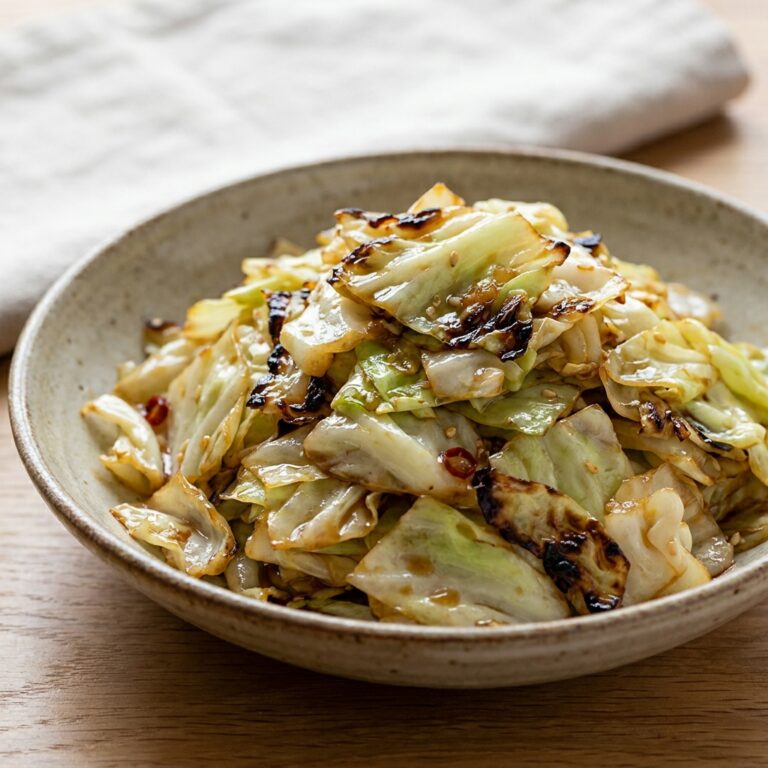
Viral Addictive Cabbage Recipe 2026
An addictive cabbage recipe featuring crispy stir-fried cabbage with garlic and ginger, packed with savory umami flavor and ready in under 25 minutes.
- Total Time: 22 minutes
- Yield: 4–6 servings 1x
Ingredients
- 1 medium head green cabbage or Napa cabbage (about 1.5 lbs), sliced
- 5–6 garlic cloves, minced
- 1 tablespoon fresh ginger root, minced
- 2–3 tablespoons neutral oil
- 2–3 tablespoons soy sauce
- 1 tablespoon rice vinegar
- ¼–½ teaspoon red pepper flakes (optional)
- 1 teaspoon toasted sesame seeds
- 2 green onions, chopped
- Salt and black pepper to taste
Instructions
- Rinse the cabbage thoroughly and remove any damaged outer leaves.
- Slice the cabbage into thin ¼-inch strips.
- Mince the garlic and ginger and prepare all ingredients before cooking.
- Heat a wok or large skillet over high heat for 1-2 minutes.
- Add the oil and swirl to coat the pan evenly.
- Add the minced garlic and ginger and stir-fry for 15-20 seconds until fragrant.
- Add the sliced cabbage and stir constantly for the first minute.
- Continue stir-frying for 4-5 minutes until the cabbage softens and develops golden-brown edges.
- Pour the soy sauce and rice vinegar over the cabbage while stirring constantly.
- Add red pepper flakes if using and stir-fry for another 2-3 minutes.
- Taste and adjust seasoning with salt and black pepper.
- Transfer to a serving bowl and garnish with toasted sesame seeds and chopped green onions before serving.
Notes
Use high heat throughout cooking to achieve crispy caramelized edges. Avoid overcrowding the pan or the cabbage will steam instead of stir-fry.
- Prep Time: 10 minutes
- Cook Time: 12 minutes
- Category: Side Dish
- Method: Stir-Fry
- Cuisine: Asian-Inspired
- Diet: Vegetarian
Nutrition
- Serving Size: 1 serving
- Calories: 95
- Sugar: 4g
- Sodium: 380mg
- Fat: 6g
- Saturated Fat: 1g
- Unsaturated Fat: 4g
- Trans Fat: 0g
- Carbohydrates: 10g
- Fiber: 3g
- Protein: 2g
- Cholesterol: 0mg