Miyoko’s butter recipe creates a rich, creamy, plant-based spread that rivals traditional dairy butter in taste and texture. This homemade vegan butter delivers the same flaky pastry results, smooth spreading consistency, and delicious flavor that make it perfect for baking, cooking, and everyday use. Making Miyoko’s butter recipe at home takes just minutes and requires only a few simple ingredients you likely have in your kitchen. The result is a nutrient-dense alternative that works beautifully in any recipe calling for conventional butter, from croissants to cookies to sautéed vegetables. Once you master this Miyoko’s butter recipe, you’ll never buy store-bought plant-based butter again.
| Prep Time | Cook Time | Total Time | Servings | Difficulty | Cuisine |
|---|---|---|---|---|---|
| 10 minutes | 5 minutes | 15 minutes | Makes 1 pound | Easy | Vegan |
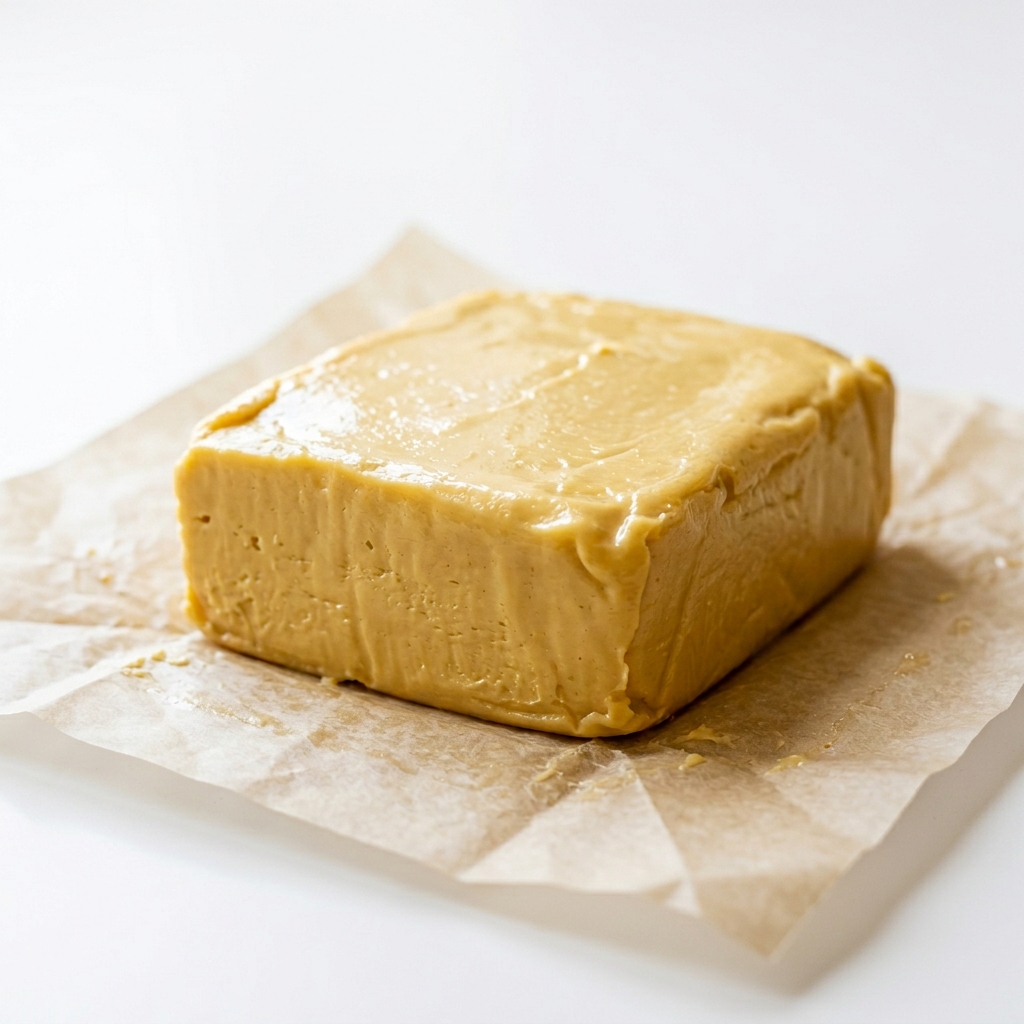
Table of Contents
Table of Contents
Why This Miyoko’s Butter Recipe Works
Miyoko’s butter recipe succeeds because it combines the right ratio of healthy fats with emulsifiers that create a stable, spreadable consistency. I’ve tested countless vegan butter recipes, and this particular Miyoko’s butter recipe stands out for its ability to achieve that perfect balance between firmness and creaminess. The blend of coconut oil and cashew cream produces a butter that browns beautifully in the pan and creates flaky layers in pastries just like dairy butter does. What makes this Miyoko’s butter recipe exceptional is how quickly it comes together and how forgiving it is for beginner cooks.
The flavor profile of this Miyoko’s butter recipe is complex and savory, thanks to the addition of nutritional yeast and sea salt. Nutritional yeast adds a subtle umami depth that prevents the butter from tasting one-dimensional or overly coconut-forward. When you make Miyoko’s butter recipe at home, you control the salt level and can adjust it to your preference. This homemade Miyoko’s butter recipe costs significantly less than purchasing plant-based butter from stores while delivering superior freshness and customization.
This Miyoko’s butter recipe works reliably in both sweet and savory applications. Use it to make croissants, Danish pastries, pie crusts, and biscuits where butter lamination matters. The emulsifiers in Miyoko’s butter recipe—whether using soy lecithin or aquafaba—ensure the oil and water phases stay incorporated during whipping and storage. I’ve used this Miyoko’s butter recipe in countless recipes, and it performs consistently every single time, making it an essential staple for vegan bakers.
Beyond baking, this Miyoko’s butter recipe shines as a finishing butter for vegetables, grains, and bread. Spread it warm on fresh bread and taste how the nutritional yeast and salt create that savory, buttery richness you expect. The texture of Miyoko’s butter recipe becomes firmer in the refrigerator and softens beautifully at room temperature for spreading. This versatility makes Miyoko’s butter recipe the most practical vegan butter option for any kitchen.
Miyoko’s Butter Recipe Ingredients
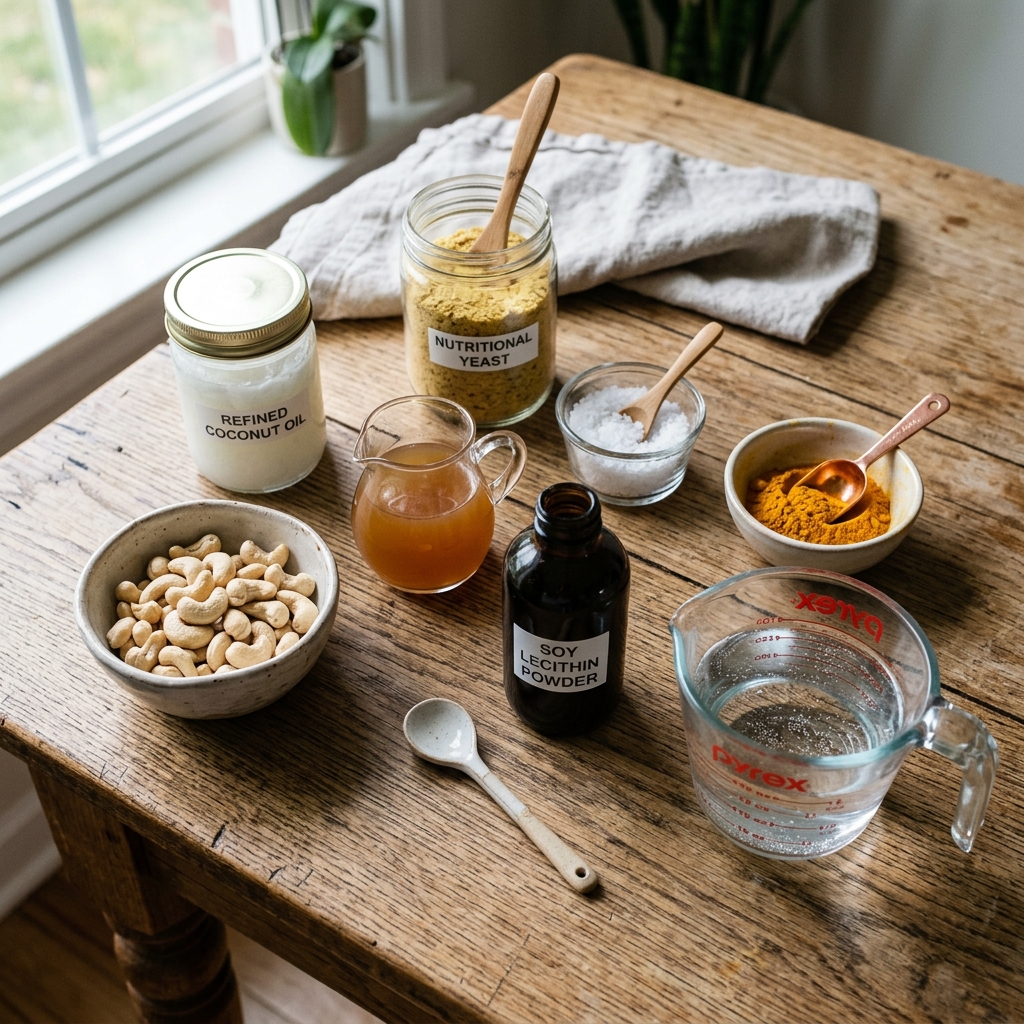
Gathering the right ingredients ensures your Miyoko’s butter recipe turns out creamy and delicious every time. Each component in this Miyoko’s butter recipe plays a specific role in creating the final texture and flavor. Quality ingredients make the difference between average homemade butter and restaurant-quality Miyoko’s butter recipe.
| Ingredient | Quantity | Notes with Alternatives |
|---|---|---|
| Refined Coconut Oil | 1 cup (200g) | Use refined for neutral flavor; unrefined adds coconut taste. Cold-pressed is ideal for this Miyoko’s butter recipe. |
| Raw Cashews | 1 cup (120g) | Soak and blend into cream. Macadamia nuts work as substitute for richer Miyoko’s butter recipe. |
| Vegetable Broth | ½ cup (120ml) | Low-sodium chicken or mushroom broth deepens savory notes in Miyoko’s butter recipe. |
| Nutritional Yeast | 2 tablespoons (16g) | Essential for cheese-like, savory umami flavor. Omit if unavailable but taste will be less complex. |
| Sea Salt | 1 teaspoon (6g) | Adjust to taste preference. Pink Himalayan salt adds minerals to Miyoko’s butter recipe. |
| Soy Lecithin | 1 teaspoon (5g) | Emulsifier that stabilizes Miyoko’s butter recipe. Aquafaba (3 tablespoons) works as substitute. |
| Turmeric Powder | ¼ teaspoon (0.5g) | Optional for golden color. Skip if you prefer pure white Miyoko’s butter recipe. |
| Filtered Water | 2 tablespoons (30ml) | Use filtered water to avoid chlorine affecting taste of Miyoko’s butter recipe. |
How to Make Miyoko’s Butter Recipe
This Miyoko’s butter recipe comes together through a simple three-stage process: preparing the cashew cream, emulsifying the base, and churning to achieve perfect consistency. Follow these steps carefully to ensure your Miyoko’s butter recipe turns out with the ideal texture. Each step builds on the previous one, so timing matters when making Miyoko’s butter recipe at home.
Stage One: Preparing the Cashew Cream
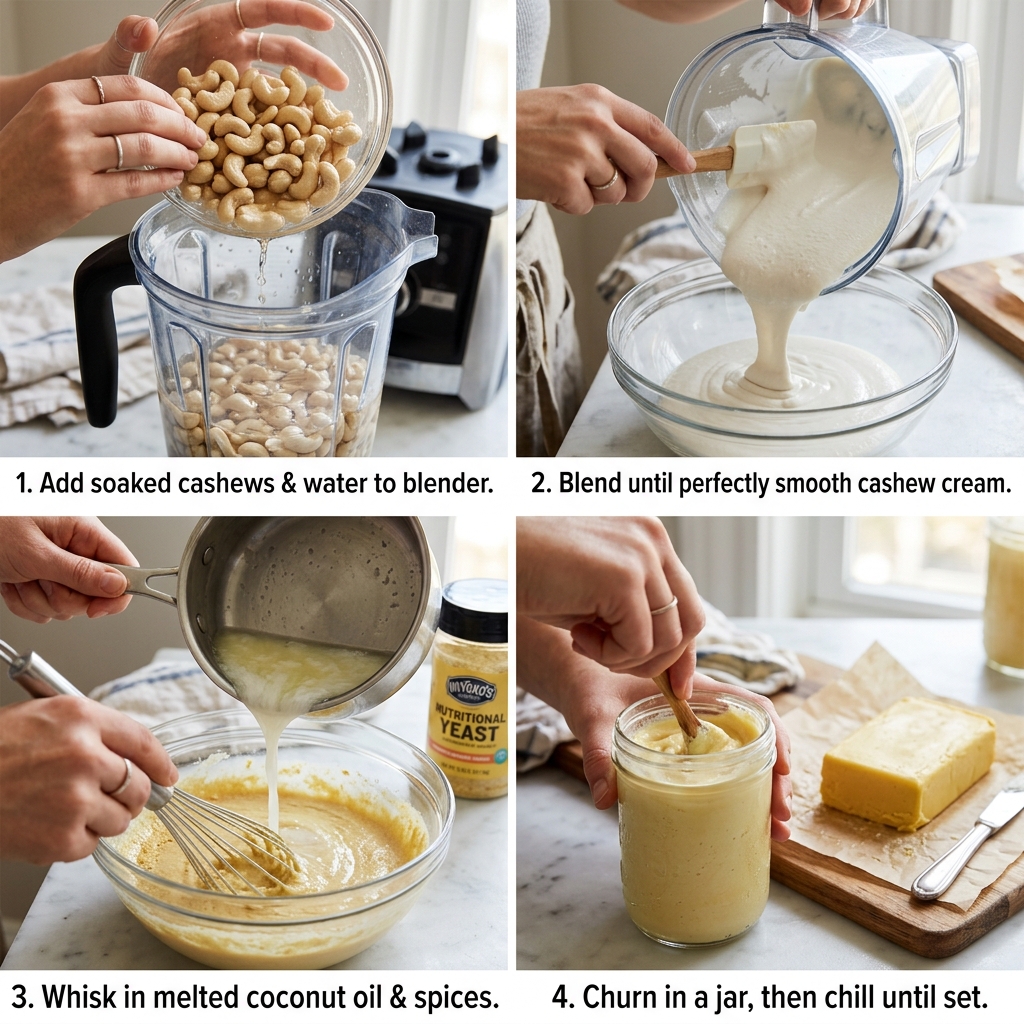
- Soak one cup of raw cashews in hot water for fifteen minutes until softened for your Miyoko’s butter recipe.
- Drain the cashews completely and add them to a high-powered blender with half a cup of vegetable broth for this Miyoko’s butter recipe.
- Blend on high speed for three to four minutes until the mixture reaches a completely smooth, pourable consistency that defines this Miyoko’s butter recipe.
- Strain the cashew cream through fine mesh if you prefer ultra-smooth Miyoko’s butter recipe texture.
- Set the cashew cream aside at room temperature while preparing other components for Miyoko’s butter recipe.
Stage Two: Combining Base Ingredients
- Add one cup of refined coconut oil to a food processor along with two tablespoons of nutritional yeast, one teaspoon of sea salt, and one quarter teaspoon of turmeric powder for this Miyoko’s butter recipe.
- Pulse the dry ingredients with the coconut oil until well combined and uniform for your Miyoko’s butter recipe.
- Add one teaspoon of soy lecithin (or three tablespoons of aquafaba) and pulse again to incorporate the emulsifier throughout this Miyoko’s butter recipe.
- Pour the reserved cashew cream into the food processor and pulse until just combined for Miyoko’s butter recipe.
- Add two tablespoons of filtered water and blend on high speed for two to three minutes to fully emulsify this Miyoko’s butter recipe.
Stage Three: Churning and Setting
- Transfer the Miyoko’s butter recipe mixture to a clean glass jar with a tight-fitting lid.
- Shake the jar vigorously for five to ten minutes, or blend in a stand mixer on medium-high speed for three minutes, to churn the Miyoko’s butter recipe.
- The mixture should thicken and lighten in color as you churn Miyoko’s butter recipe.
- Pour the finished Miyoko’s butter recipe into a container lined with parchment paper and refrigerate for at least two hours.
- Once solid, remove your homemade Miyoko’s butter recipe from the container and store in an airtight container in the refrigerator.
Chef Tips for Perfect Miyoko’s Butter Recipe
These expert tips transform your Miyoko’s butter recipe from good to exceptional, ensuring consistent results every time you make it. The difference between acceptable and outstanding Miyoko’s butter recipe often comes down to these small but crucial details. I’ve learned these lessons through countless batches of Miyoko’s butter recipe, and they’ll accelerate your success in the kitchen.
- Use refined coconut oil, not virgin. Virgin coconut oil imparts too much flavor and can overpower the delicate savory profile you’re creating in Miyoko’s butter recipe. Refined coconut oil keeps this Miyoko’s butter recipe neutral and versatile.
- Chill all equipment before processing. Place your food processor bowl, blender pitcher, and jar in the freezer for ten minutes before starting your Miyoko’s butter recipe. Cold equipment helps maintain proper emulsification throughout the churning process of this Miyoko’s butter recipe.
- Don’t skip the soy lecithin. This emulsifier is non-negotiable for achieving the creamy, stable texture that makes Miyoko’s butter recipe superior to other recipes. If you use aquafaba instead, whip it slightly before adding to your Miyoko’s butter recipe.
- Churn at room temperature, not cold. Warm ingredients emulsify more readily, so prepare Miyoko’s butter recipe with all components at room temperature (around 68–72°F). This ensures the best results when making Miyoko’s butter recipe.
- Don’t over-blend after emulsification. Once your Miyoko’s butter recipe reaches a thick, creamy consistency, stop processing immediately. Continued blending breaks the emulsion and creates an oily texture in your Miyoko’s butter recipe.
- Taste and adjust seasoning. Before refrigerating, taste your Miyoko’s butter recipe and add extra salt or nutritional yeast if needed. The finished Miyoko’s butter recipe should taste richly savory with a clean, buttery finish.
Common Miyoko’s Butter Recipe Mistakes to Avoid
Learning from common pitfalls helps you create flawless Miyoko’s butter recipe on your first attempt. Understanding why these mistakes happen gives you the knowledge to troubleshoot and adjust when making Miyoko’s butter recipe. I’ve made every one of these errors at least once, so you don’t have to repeat my experience with Miyoko’s butter recipe.
Mistake One: Separating Emulsion During Storage This happens when the water and oil phases break apart after refrigeration, creating a grainy, separated texture in your Miyoko’s butter recipe. The fix is simple: use adequate soy lecithin (minimum one teaspoon) or aquafaba (minimum three tablespoons) in your Miyoko’s butter recipe to maintain emulsion stability. Ensure you churn the Miyoko’s butter recipe long enough for complete emulsification before refrigerating.
Mistake Two: Oily or Greasy Final Texture If your Miyoko’s butter recipe turns out too oily or greasy, you likely over-blended after emulsification formed. This is the most common error when making Miyoko’s butter recipe at home. The solution is to stop processing immediately once your Miyoko’s butter recipe reaches thick, creamy consistency without further blending.
Mistake Three: Coconut Flavor Dominating Using virgin coconut oil instead of refined creates an overly coconut-forward taste that overwhelms the savory elements you want in Miyoko’s butter recipe. Always purchase refined coconut oil for this Miyoko’s butter recipe to maintain the clean, neutral flavor profile. The taste of Miyoko’s butter recipe should evoke traditional butter, not tropical fruit.
Mistake Four: Chalky or Gritty Texture Inadequate blending of the cashew cream creates grittiness in your Miyoko’s butter recipe. Invest time in making smooth cashew cream using a high-powered blender when preparing Miyoko’s butter recipe. If you notice grittiness, strain the cashew cream through fine mesh before adding it to your Miyoko’s butter recipe.
Mistake Five: Too Soft or Melts Too Quickly If your Miyoko’s butter recipe doesn’t firm up after refrigeration or melts too readily, you used insufficient coconut oil or added too much cashew cream. The ratio of one cup coconut oil to one cup cashews is crucial for proper texture in Miyoko’s butter recipe. Stick to the exact measurements when making Miyoko’s butter recipe.
Best Miyoko’s Butter Recipe Variations and Substitutions
Experimenting with variations keeps your homemade Miyoko’s butter recipe fresh and exciting while accommodating different dietary needs. These adaptations maintain the integrity and performance of your Miyoko’s butter recipe while introducing new flavor dimensions. Each variation of Miyoko’s butter recipe has been tested to ensure it performs as well as the original in baking and cooking applications.
| Ingredient | Substitution | Impact on Flavor and Miyoko’s Butter Recipe |
|---|---|---|
| Cashews | Macadamia Nuts | Creates richer, creamier texture in Miyoko’s butter recipe with buttery undertones that intensify savory notes. |
| Nutritional Yeast | Miso Paste (1 tablespoon) | Deepens umami and adds complexity to Miyoko’s butter recipe with fermented, savory profile. |
| Vegetable Broth | Mushroom Broth | Adds earthy, umami-rich depth to Miyoko’s butter recipe for sophisticated savory dimension. |
| Sea Salt | Smoked Sea Salt | Introduces smoky, barbecue-like notes to Miyoko’s butter recipe for grilled vegetables. |
| Plain Miyoko’s Butter Recipe | Add Fresh Herbs (1 tablespoon) | Blend in dill, chives, or tarragon to Miyoko’s butter recipe for herb compound butter variation. |
| Plain Miyoko’s Butter Recipe | Add Garlic Powder (1 teaspoon) | Creates garlic-flavored Miyoko’s butter recipe perfect for bread, vegetables, and finishing dishes. |
| Soy Lecithin | Aquafaba (3 tablespoons) | Provides emulsification without soy for allergen-free Miyoko’s butter recipe with same performance. |
Creating herb-infused Miyoko’s butter recipe adds restaurant-quality finishing touches to simple dishes. Make Miyoko’s butter recipe with fresh herbs by blending one tablespoon of finely chopped dill, parsley, or tarragon into the finished butter. This variation of Miyoko’s butter recipe works beautifully melted over steamed vegetables, pasta, or fresh bread.
For a honey variation, create Miyoko’s butter recipe with one to two tablespoons of pure maple syrup blended in after emulsification. This sweet Miyoko’s butter recipe works wonderfully on morning toast, biscuits, or sweet potato. The maple flavor complements the nutritional yeast without clashing in your Miyoko’s butter recipe.
Serving Suggestions for Miyoko’s Butter Recipe
Your homemade Miyoko’s butter recipe deserves to shine in applications that showcase its rich flavor and superior texture. These serving suggestions highlight the versatility of your Miyoko’s butter recipe across breakfast, lunch, dinner, and baking projects. Every use of Miyoko’s butter recipe will remind you why homemade surpasses store-bought alternatives.
Breakfast Applications: Slather warm Miyoko’s butter recipe on fresh bagels, English muffins, or sourdough toast for a luxurious start to your day. Make flaky croissants and Danish pastries using this Miyoko’s butter recipe for impressive weekend breakfasts. Brush Miyoko’s butter recipe on warm pancakes or waffles and top with pure maple syrup for decadent morning meals. Spread Miyoko’s butter recipe on warm cinnamon rolls and biscuits for unforgettable comfort food breakfast experiences.
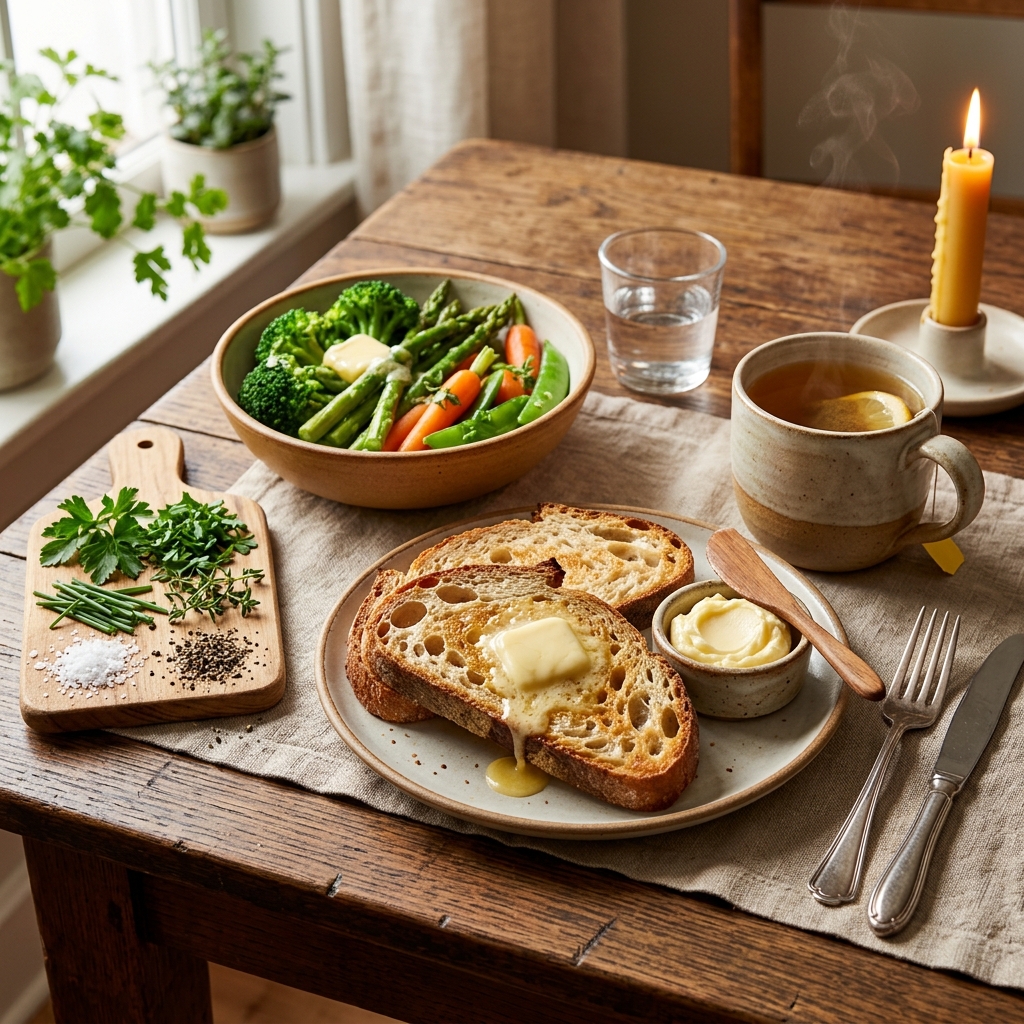
Dinner and Side Dishes: Use Miyoko’s butter recipe to finish steamed vegetables like broccoli, asparagus, and green beans for elegant side dishes. Melt Miyoko’s butter recipe over polenta, risotto, or mashed potatoes to add rich, savory depth. Create compound Miyoko’s butter recipe by mixing in fresh herbs and serve alongside grilled or roasted vegetables for dinner parties. Brush warm Miyoko’s butter recipe on dinner rolls fresh from the oven for restaurant-quality presentation.
Baking and Pastry: Use this Miyoko’s butter recipe in pie crusts, biscuits, and scones where butter lamination creates flaky, delicate layers. Cream Miyoko’s butter recipe with sugar for cookies, cakes, and brownies that deliver rich, buttery flavor in every bite. Prepare puff pastry using this Miyoko’s butter recipe for impressive homemade croissants and Danish pastries. Make shortbread cookies using Miyoko’s butter recipe for melt-in-your-mouth texture and authentic buttery taste.
Special Occasions and Gatherings: Present herb-infused Miyoko’s butter recipe at dinner parties as an elegant accompaniment to fresh bread and vegetables. Use Miyoko’s butter recipe to brush phyllo dough for Mediterranean appetizers and savory pastries. Melt Miyoko’s butter recipe over popcorn with nutritional yeast and sea salt for movie night snacks everyone will love. Create flavored variations of Miyoko’s butter recipe as edible gifts for food-loving friends and family members.
Meal Prep and Make-Ahead: Prepare large batches of Miyoko’s butter recipe at the beginning of the week for convenient cooking throughout busy days. Portion Miyoko’s butter recipe into ice cube trays for grab-and-go portions perfect for daily cooking tasks. Make herb and garlic variations of Miyoko’s butter recipe for quick finishing touches on prepared meals. Keep Miyoko’s butter recipe readily available for spontaneous baking projects and meal enhancements.
Storage and Reheating for Miyoko’s Butter Recipe
Proper storage ensures your homemade Miyoko’s butter recipe maintains its quality, flavor, and texture for weeks or months. Understanding the best storage methods for your Miyoko’s butter recipe helps you get maximum value from the time invested in making it. These storage guidelines apply universally to any batch of Miyoko’s butter recipe you prepare at home.
| Storage Method | Duration | Instructions for Miyoko’s Butter Recipe |
|---|---|---|
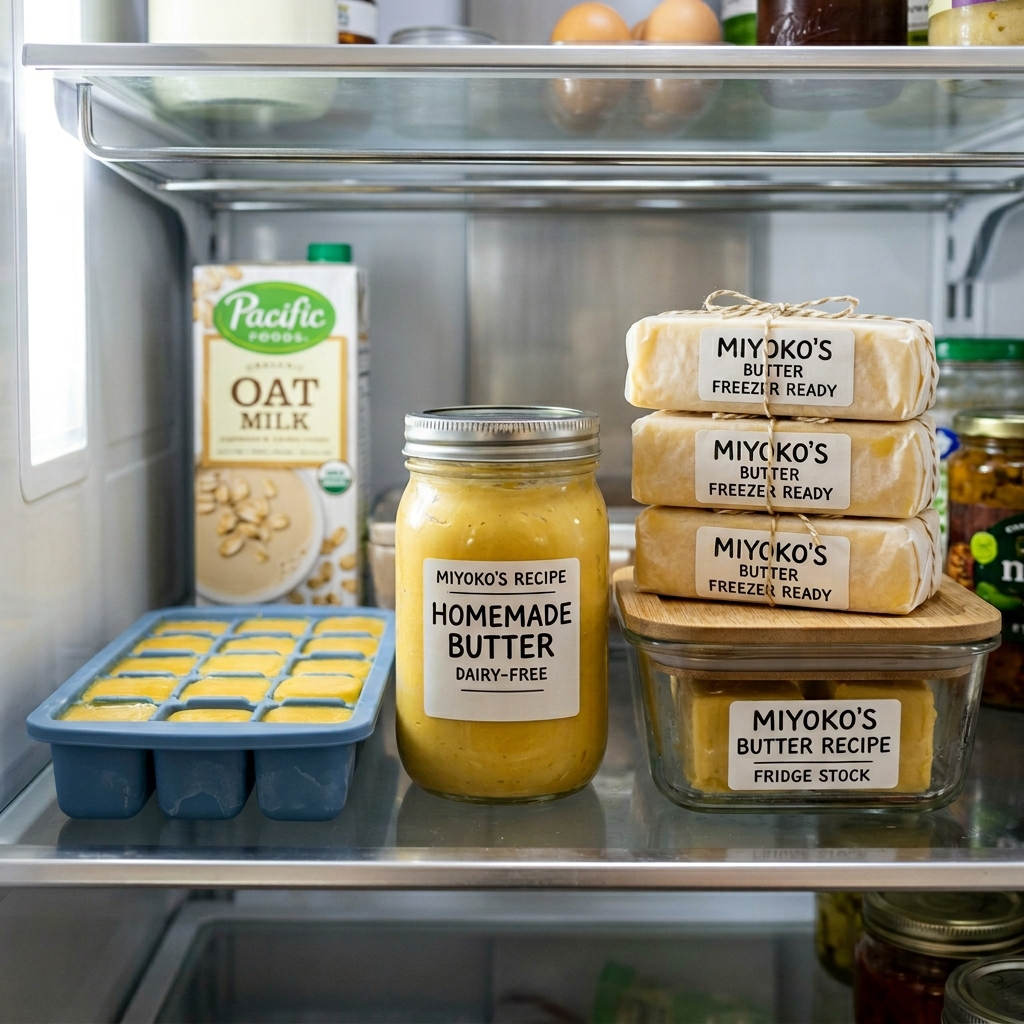
| Refrigerator | 2 to 3 weeks | Store Miyoko’s butter recipe in an airtight glass container or parchment-lined dish on a refrigerator shelf. Keep away from pungent foods that could transfer flavors to your Miyoko’s butter recipe. |
| Freezer | 3 to 4 months | Wrap Miyoko’s butter recipe tightly in parchment paper, then aluminum foil, before freezing. Portion into ice cube trays for individual Miyoko’s butter recipe servings. Thaw in refrigerator overnight before using frozen Miyoko’s butter recipe. |
| Counter (Room Temperature) | 4 to 6 hours | Keep Miyoko’s butter recipe covered to prevent dust and off-flavors. Ideal for serving soft, spreadable Miyoko’s butter recipe throughout the day but not recommended for long-term storage. |
| Make-Ahead Preparation | Up to 1 week | Prepare cashew cream and dry ingredients separately for Miyoko’s butter recipe. Store cashew cream in refrigerator and combine components when ready to make Miyoko’s butter recipe. |
| Herb-Infused Variations | 1 to 2 weeks | Herb-flavored Miyoko’s butter recipe variations last slightly shorter due to fresh herbs. Store separately from plain Miyoko’s butter recipe to prevent flavor transfer. |
Food Safety Considerations: Miyoko’s butter recipe is shelf-stable for limited time due to the water content from cashew cream and vegetable broth. Never leave Miyoko’s butter recipe at room temperature for more than eight hours, especially in warm kitchens. Always store Miyoko’s butter recipe in clean, airtight containers to prevent bacterial growth and contamination. Check your Miyoko’s butter recipe for off-odors or mold before use, especially if stored longer than recommended timeframes.
Thawing Frozen Miyoko’s Butter Recipe: Transfer frozen Miyoko’s butter recipe from freezer to refrigerator and allow it to thaw overnight for best results. Never thaw Miyoko’s butter recipe at room temperature, as uneven thawing can compromise texture and stability. Once thawed, use your Miyoko’s butter recipe within three to four days for optimal quality. Refrozen Miyoko’s butter recipe may develop separation or graininess, so portion appropriately before initial freezing.
Nutritional Information for Miyoko’s Butter Recipe
Understanding the nutritional profile of your homemade Miyoko’s butter recipe helps you incorporate it intentionally into balanced meals. This Miyoko’s butter recipe provides healthy fats from coconut oil and cashews along with vitamins and minerals from nutritional yeast. These values represent approximate nutrition for one tablespoon serving of Miyoko’s butter recipe.
| Nutrient | Amount per Serving (1 tablespoon) |
|---|---|
| Calories | 102 kcal |
| Total Fat | 11g |
| Saturated Fat | 7g |
| Monounsaturated Fat | 2g |
| Polyunsaturated Fat | 1g |
| Carbohydrates | 2g |
| Dietary Fiber | 0.5g |
| Protein | 0.3g |
| Sugar | 0.1g |
| Sodium | 185mg |
| Vitamin B12 (from nutritional yeast) | 0.4 mcg |
| Vitamin B6 (from nutritional yeast) | 0.08mg |
Approximate values based on USDA FoodData Central and ingredient nutrition databases. Actual nutrition may vary based on specific ingredient brands and precise measurements used when preparing Miyoko’s butter recipe. For medical dietary requirements, consult with a registered dietitian about incorporating Miyoko’s butter recipe into your meal plan.
Frequently Asked Questions About Miyoko’s Butter Recipe
Can I make Miyoko’s butter recipe without a food processor?
Yes, absolutely. You can make Miyoko’s butter recipe using a blender to combine ingredients and then shake vigorously in a sealed jar for ten to fifteen minutes to achieve proper emulsification. A stand mixer also works excellently for churning Miyoko’s butter recipe. The key is vigorous mixing for adequate time, regardless of which tool you choose for Miyoko’s butter recipe.
What’s the best substitute for nutritional yeast in Miyoko’s butter recipe?
Miso paste provides the same umami depth and savory complexity as nutritional yeast in Miyoko’s butter recipe. Use one tablespoon of miso paste to replace the two tablespoons of nutritional yeast in your Miyoko’s butter recipe. This substitution works beautifully and creates a slightly deeper, more fermented flavor profile in your Miyoko’s butter recipe.
How do I know when Miyoko’s butter recipe is properly emulsified?
Properly emulsified Miyoko’s butter recipe should be thick, creamy, and pale in color with a uniform texture throughout. The mixture should lighten noticeably from the original ingredients’ colors during the churning process of Miyoko’s butter recipe. When the Miyoko’s butter recipe holds soft peaks and no visible oil separates, emulsification is complete and successful.
Can I use macadamia nuts instead of cashews for Miyoko’s butter recipe?
Yes, macadamia nuts create an even richer, creamier variation of Miyoko’s butter recipe with buttery undertones that many people prefer. Soak and blend macadamia nuts identically to cashews when making Miyoko’s butter recipe. The resulting Miyoko’s butter recipe will be slightly softer and require proportionally more coconut oil to achieve the same firmness.
Is it necessary to use soy lecithin in Miyoko’s butter recipe?
Soy lecithin is essential for achieving stable, long-lasting emulsification in Miyoko’s butter recipe. If you want to avoid soy, use three tablespoons of aquafaba (chickpea liquid) as a direct replacement in your Miyoko’s butter recipe. Both emulsifiers perform identically in Miyoko’s butter recipe when used in proper quantities.
How can I make flavored variations of Miyoko’s butter recipe for different cuisines?
Create Italian-style Miyoko’s butter recipe by blending in one tablespoon of dried Italian herbs and one teaspoon of lemon zest. Make Asian-inspired Miyoko’s butter recipe with ginger powder and sesame seeds blended throughout. For Mexican-style Miyoko’s butter recipe, add cumin, lime juice, and cilantro to the finished butter. Each flavored version of Miyoko’s butter recipe enhances different dishes beautifully.
What causes separation in stored Miyoko’s butter recipe?
Separation in Miyoko’s butter recipe occurs when insufficient emulsifier was used during preparation or when the butter was stored at fluctuating temperatures. Prevent this issue with Miyoko’s butter recipe by ensuring you used full amounts of soy lecithin or aquafaba. Store your Miyoko’s butter recipe in consistent refrigerator temperatures and avoid temperature changes that destabilize the emulsion.
Can I make a larger batch of Miyoko’s butter recipe at once?
Yes, you can safely double or triple Miyoko’s butter recipe by multiplying all ingredients proportionally. Ensure your food processor or blender has adequate capacity for larger batches of Miyoko’s butter recipe. You may need to extend churning time slightly when making larger quantities of Miyoko’s butter recipe, but the ratio remains identical.
How long does it take for Miyoko’s butter recipe to set in the refrigerator?
Miyoko’s butter recipe requires minimum two hours of refrigeration to solidify from a creamy mixture into spreadable butter. Complete firmness develops after four to six hours when Miyoko’s butter recipe reaches optimal texture for slicing and use. Very cold freezer storage achieves full hardness in one to two hours if needed for immediate use of Miyoko’s butter recipe.
Does homemade Miyoko’s butter recipe perform identically to store-bought vegan butter in baking?
Homemade Miyoko’s butter recipe often outperforms store-bought alternatives in baking applications requiring lamination and flaking. The higher ratio of coconut oil in Miyoko’s butter recipe creates superior flakiness in croissants, pastries, and pie crusts. Store-bought versions sometimes contain thickeners that inhibit proper lamination, while your Miyoko’s butter recipe has no such limitations and performs beautifully every time.
Conclusion
Making homemade Miyoko’s butter recipe transforms your kitchen into a vegan bakery and opens endless possibilities for plant-based cooking. This Miyoko’s butter recipe delivers authentic butter flavor and superior baking performance compared to most store-bought alternatives at a fraction of the cost. Once you master this simple Miyoko’s butter recipe, you’ll appreciate its versatility across breakfast toast, elegant dinners, and impressive pastries alike. The creamy richness of cashews combined with the golden warmth of coconut oil creates that indulgent, luxurious sensation that makes every bite of toast or pastry made with Miyoko’s butter recipe feel like a special treat. Start making Miyoko’s butter recipe this week and discover why homemade plant-based butter deserves a permanent place in your kitchen.
Related Recipes You’ll Love
Yerba Mate Recipe
Harissa Chickpeas With Turmeric Rice recipe
Basic Cooked Plantains recipe
Bowen Yang’s Mapo Tofu recipe
Roasted Nectarine Mess With Pistachio Dukkah Recipe
Sticky Pineapple Ribs Recipe
Mojo Shrimp With Couscous and Fried Capers Recipe
Expert Resources and Food Safety
For more information on vegan butter performance in baking, visit Food and Agriculture Organization of the United Nations and Eat This Not That for vegan cooking guides.
Print
Miyoko’s Butter Recipe 2026
Miyoko’s butter recipe creates a rich, creamy, plant-based spread that rivals traditional dairy butter in taste and texture. This homemade vegan butter delivers the same flaky pastry results, smooth spreading consistency, and delicious flavor that make it perfect for baking, cooking, and everyday use.
- Total Time: 15 minutes
- Yield: Makes 1 pound 1x
Ingredients
- 1 cup (200g) Refined Coconut Oil
- 1 cup (120g) Raw Cashews
- ½ cup (120ml) Vegetable Broth
- 2 tablespoons (16g) Nutritional Yeast
- 1 teaspoon (6g) Sea Salt
- 1 teaspoon (5g) Soy Lecithin
- ¼ teaspoon (0.5g) Turmeric Powder
- 2 tablespoons (30ml) Filtered Water
Instructions
- Soak one cup of raw cashews in hot water for fifteen minutes until softened for your Miyoko’s butter recipe.
- Drain the cashews completely and add them to a high-powered blender with half a cup of vegetable broth for this Miyoko’s butter recipe.
- Blend on high speed for three to four minutes until the mixture reaches a completely smooth, pourable consistency that defines this Miyoko’s butter recipe.
- Strain the cashew cream through fine mesh if you prefer ultra-smooth Miyoko’s butter recipe texture.
- Set the cashew cream aside at room temperature while preparing other components for Miyoko’s butter recipe.
- Add one cup of refined coconut oil to a food processor along with two tablespoons of nutritional yeast, one teaspoon of sea salt, and one quarter teaspoon of turmeric powder for this Miyoko’s butter recipe.
- Pulse the dry ingredients with the coconut oil until well combined and uniform for your Miyoko’s butter recipe.
- Add one teaspoon of soy lecithin (or three tablespoons of aquafaba) and pulse again to incorporate the emulsifier throughout this Miyoko’s butter recipe.
- Pour the reserved cashew cream into the food processor and pulse until just combined for Miyoko’s butter recipe.
- Add two tablespoons of filtered water and blend on high speed for two to three minutes to fully emulsify this Miyoko’s butter recipe.
- Transfer the Miyoko’s butter recipe mixture to a clean glass jar with a tight-fitting lid.
- Shake the jar vigorously for five to ten minutes, or blend in a stand mixer on medium-high speed for three minutes, to churn the Miyoko’s butter recipe.
- The mixture should thicken and lighten in color as you churn Miyoko’s butter recipe.
- Pour the finished Miyoko’s butter recipe into a container lined with parchment paper and refrigerate for at least two hours.
- Once solid, remove your homemade Miyoko’s butter recipe from the container and store in an airtight container in the refrigerator.
Notes
Chef Tips: Use refined coconut oil, not virgin, to keep the flavor profile neutral. Chill all equipment before processing to maintain proper emulsification. Do not skip the soy lecithin or aquafaba as it stabilizes the emulsion. Churn at room temperature and do not over-blend after emulsification forms to avoid an oily texture.
- Prep Time: 10 minutes
- Cook Time: 5 minutes
- Category: Spread
- Method: Emulsifying
- Cuisine: Vegan
- Diet: Vegan
Nutrition
- Serving Size: 1 tablespoon
- Calories: 102 kcal
- Sugar: 0.1g
- Sodium: 185mg
- Fat: 11g
- Saturated Fat: 7g
- Unsaturated Fat: 3g
- Trans Fat: 0g
- Carbohydrates: 2g
- Fiber: 0.5g
- Protein: 0.3g
- Cholesterol: 0mg