Banh beo recipe creates delicate, savory Vietnamese steamed cakes that are crispy on the outside and tender on the inside. These traditional banh beo cakes feature a tapioca starch base topped with seasoned shrimp, pork, and a rich shallot oil that brings authentic Vietnamese flavor to your table. Banh beo recipe is perfect for appetizers, snacks, or light meals, and each bite delivers the unmistakable taste of Southeast Asian street food made at home. The combination of chewy texture and flavorful toppings makes banh beo recipe a beloved dish that has been served in Vietnam for generations. Whether you are a beginner cook or experienced home chef, this banh beo recipe guides you through each step with clarity and confidence.
| Prep Time | Cook Time | Total Time | Servings | Difficulty | Cuisine |
|---|---|---|---|---|---|
| 20 minutes | 25 minutes | 45 minutes | 4 servings (12 cakes) | Intermediate | Vietnamese |
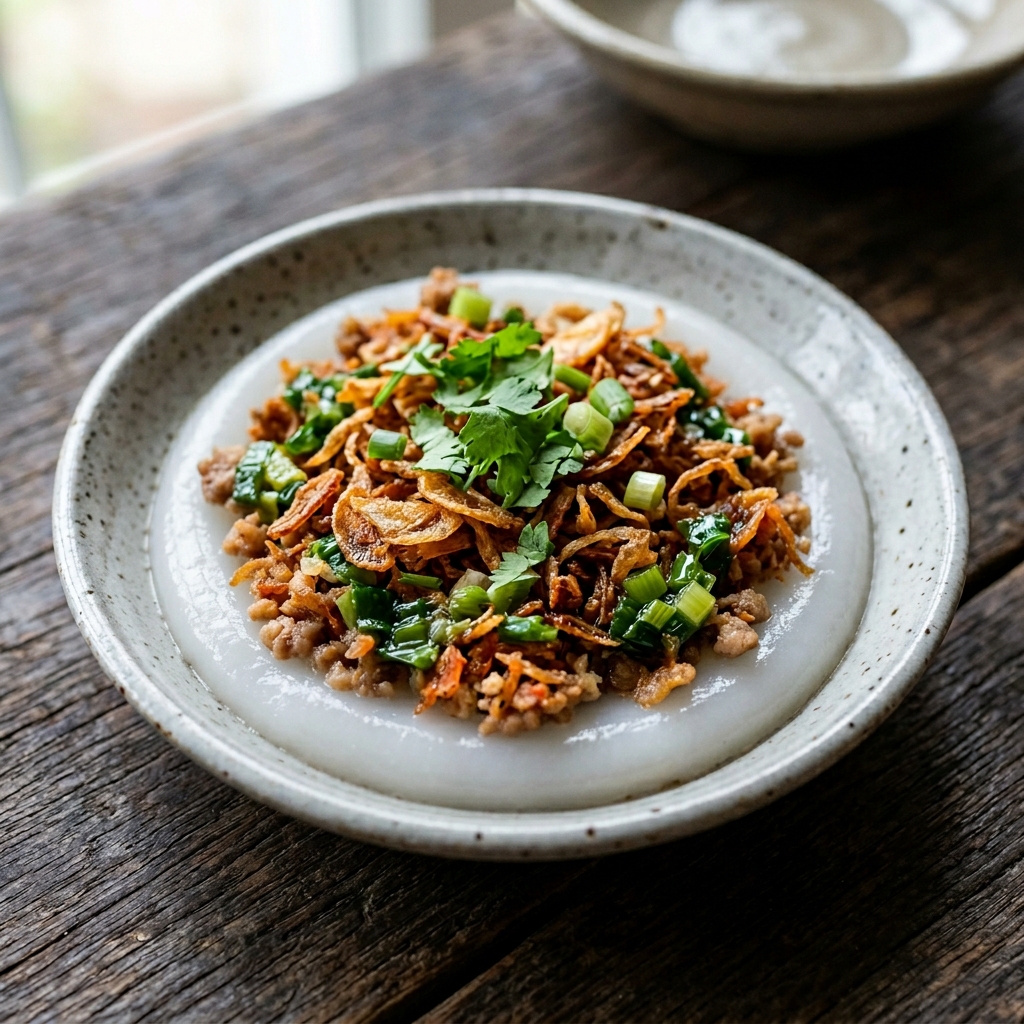
Table of Contents
Table of Contents
Why This Banh Beo Recipe Works
This banh beo recipe succeeds because it balances texture and flavor in every single bite. The steamed tapioca base creates a chewy, bouncy foundation that contrasts beautifully with crispy toppings and the silky richness of shallot oil. I have made this banh beo recipe dozens of times, and home cooks consistently praise how approachable it is despite the seemingly exotic ingredients. The banh beo recipe technique is straightforward enough for beginners, yet the final result looks and tastes like it came from an authentic Vietnamese restaurant.
The beauty of this banh beo recipe lies in its simplicity and reliability. Most home kitchens already have steaming equipment, and the ingredient list contains nothing exotic or expensive. When you follow this banh beo recipe exactly, you will produce restaurant-quality cakes that impress family and guests. The combination of fresh shrimp, seasoned pork, and aromatic shallot oil creates depth that makes banh beo recipe memorable and crave-worthy.
Another reason this banh beo recipe works so well is the textural contrast it provides. The soft, chewy steamed cake base becomes interesting when topped with crispy fried shallots and tender shrimp. This banh beo recipe teaches you how to layer flavors and textures so that every element contributes to a cohesive, delicious whole. Home cooks love this banh beo recipe because it feels special and authentic without requiring professional culinary training or rare ingredients.
Finally, this banh beo recipe is highly adaptable to your pantry and preferences. You can easily adjust the shrimp-to-pork ratio, increase or decrease the chile heat, and make substitutions based on dietary needs. The banh beo recipe foundation remains solid and forgiving, making it perfect for weeknight cooking or entertaining guests. Once you master this banh beo recipe, you will find yourself making it regularly for family dinners, meal prep, and special occasions.
Banh Beo Recipe Ingredients
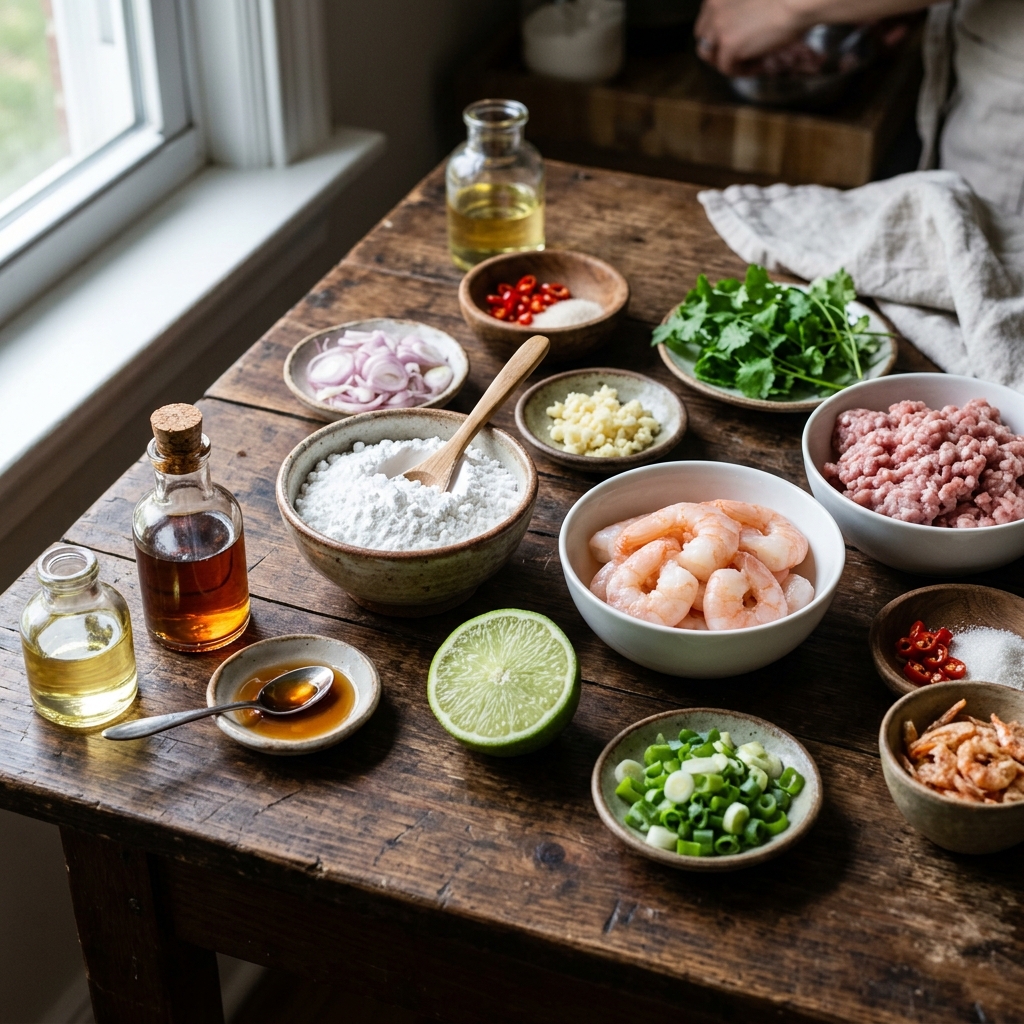
Gathering the right ingredients is the first step to creating authentic banh beo recipe success. Each ingredient plays a specific role in developing the flavor and texture that makes banh beo recipe so beloved across Vietnam and beyond. Here are the ingredients you need to make this banh beo recipe:
| Ingredient | Quantity | Notes and Alternatives |
|---|---|---|
| Tapioca starch | 1 cup | Essential for the chewy texture; do not substitute with cornstarch as it produces a different result |
| Water | 3/4 cup | Use filtered or tap water at room temperature |
| Salt | 1/2 teaspoon | Fine sea salt works best; adjust to taste |
| Shrimp, fresh | 8 ounces | Medium shrimp, peeled, deveined, and chopped; frozen shrimp also works if thawed properly |
| Ground pork | 6 ounces | Use lean ground pork; chicken can substitute for a lighter version |
| Shallots, minced | 4 large | Yellow or red shallots both work; mince finely for even cooking |
| Garlic, minced | 3 cloves | Fresh garlic is best; adjust quantity based on personal preference |
| Fish sauce | 2 tablespoons | Authentic Vietnamese ingredient; use quality brands for better flavor |
| Sugar | 1 teaspoon | Balances the fish sauce; white or brown sugar both work |
| Black pepper | 1/4 teaspoon | Freshly ground pepper provides best flavor |
| Vegetable oil | 3/4 cup | For frying shallots and drizzling on the cakes |
| Fried shallots (store-bought) | 1/3 cup | Optional garnish if you prefer not to fry shallots yourself |
| Fresh cilantro | 2 tablespoons | Chopped fresh for garnish; parsley can substitute |
| Lime wedges | 1 lime | Serve alongside for squeezing over finished cakes |
Quality ingredients make this banh beo recipe shine, so choose fresh shrimp and aromatic shallots when possible. The banh beo recipe relies on the combination of these simple ingredients to create complex, satisfying flavor.
How to Make Banh Beo Recipe
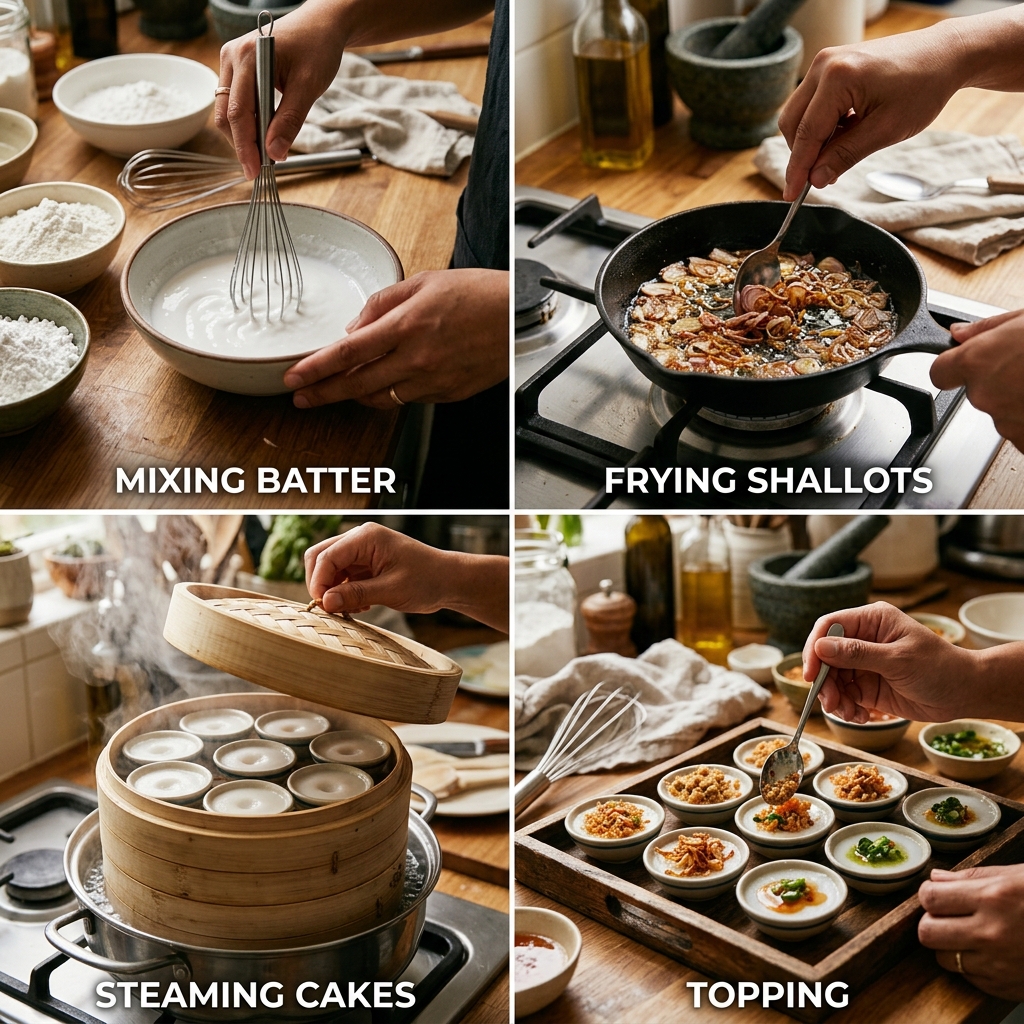
Making this banh beo recipe requires attention to technique but remains manageable for home cooks at any skill level. Follow these detailed steps to create authentic Vietnamese steamed cakes that rival restaurant quality. The banh beo recipe process takes about 45 minutes from start to finish, making it perfect for weeknight entertaining or weekend projects.
Step 1: Prepare the Tapioca Batter
- Combine tapioca starch, water, and salt in a medium mixing bowl, stirring until a smooth, pourable batter forms with no lumps.
- Let the banh beo recipe batter rest for 5 minutes to allow the tapioca starch to fully hydrate and absorb the water.
- Stir the banh beo recipe batter one more time before using to ensure consistency throughout.
Step 2: Prepare the Shrimp and Pork Filling
- Chop fresh shrimp into small pieces no larger than 1/4 inch to ensure even cooking in this banh beo recipe.
- Mix chopped shrimp, ground pork, minced garlic, and fish sauce in a small bowl, stirring gently to combine without overworking the meat.
- Add sugar and black pepper to the filling, tasting and adjusting seasonings as needed for your banh beo recipe version.
- Set the banh beo recipe filling aside at room temperature until ready to use.
Step 3: Prepare the Shallot Oil and Fried Shallots
- Heat vegetable oil in a small saucepan over medium-low heat, watching carefully as this banh beo recipe component requires attention.
- Add sliced shallots to the warm oil and stir frequently, cooking for 8 to 10 minutes until the shallots turn golden brown and crispy.
- Pour the shallot oil into a fine-mesh strainer set over a heat-safe bowl, separating the crispy shallots from the aromatic oil used in banh beo recipe preparation.
- Allow both the shallot oil and crispy shallots to cool completely before using in this banh beo recipe.
Step 4: Fill and Steam the Banh Beo Cakes
- Fill small steamer molds or porcelain dishes with 1 tablespoon of tapioca batter as the base for each banh beo recipe cake.
- Steam the banh beo recipe base layer for 3 to 4 minutes until slightly set but still soft enough to accept the filling.
- Remove the banh beo recipe cakes from the steamer and top each with 1 tablespoon of the prepared shrimp and pork filling.
- Pour 1 teaspoon of shallot oil over each banh beo recipe cake, distributing it evenly across the filling.
- Return the filled banh beo recipe cakes to the steamer and continue cooking for 8 to 10 minutes until the batter is fully set and translucent.
- Remove the banh beo recipe cakes from the steamer and let them rest for 2 minutes before unmolding or serving directly in the molds.
Step 5: Garnish and Serve
- Drizzle each banh beo recipe cake with a small amount of reserved shallot oil to add shine and flavor.
- Sprinkle crispy fried shallots and fresh cilantro over the top of each banh beo recipe cake for color and aroma.
- Serve the banh beo recipe immediately while still warm, accompanied by lime wedges for squeezing at the table.
Chef Tips for Perfect Banh Beo Recipe
These expert tips will help you master the banh beo recipe and create perfect cakes every time you make them. Professional cooks use these banh beo recipe techniques to ensure consistent, restaurant-quality results that impress everyone at the table.
- Use a steam basket or bamboo steamer rather than a metal steamer rack to ensure even, gentle heat distribution throughout your banh beo recipe preparation. Metal can create hot spots that unevenly cook the delicate cakes in this banh beo recipe.
- Make sure your steaming water is boiling before adding the banh beo recipe cakes to the steamer, as this ensures immediate, even cooking that sets the tapioca properly without excessive cooking time.
- Allow the tapioca batter to rest after mixing for at least 5 minutes, as this hydration time helps the banh beo recipe batter achieve the correct texture when steamed and prevents graininess in the finished cakes.
- Keep the shallot oil warm but not smoking when drizzling it over the banh beo recipe cakes, as the heat helps it distribute evenly and enhances the aromatic qualities that define authentic banh beo recipe flavor.
- Do not overcrowd the steamer when making banh beo recipe, as steam needs to circulate freely around each cake to cook them evenly and achieve the proper chewy-yet-set texture that characterizes excellent banh beo recipe cakes.
- Test the doneness of your banh beo recipe by gently pressing the top of a finished cake; it should feel set but still slightly jiggly in the center, indicating perfect doneness for this traditional banh beo recipe preparation.
Common Banh Beo Recipe Mistakes to Avoid
Understanding what goes wrong helps you prevent problems in your banh beo recipe preparation and troubleshoot issues if they occur. These common banh beo recipe mistakes appear frequently in home kitchens, but knowing about them puts you ahead of the curve.
- Using too much water in the batter: Adding excess water creates banh beo recipe cakes that are too soft and fall apart during steaming. The banh beo recipe batter should be pourable but not watery; if your batter is too thin, the tapioca will not set properly. Fix this by adding tapioca starch one tablespoon at a time until the banh beo recipe batter reaches the correct consistency.
- Skipping the batter rest period: Rushing through this banh beo recipe step results in grainy, uneven textured cakes because the tapioca starch needs time to absorb water. Always let your banh beo recipe batter rest for at least 5 minutes before steaming to ensure proper hydration and smooth texture throughout.
- Overcooking the shallot oil: Burnt shallots ruin the flavor of your banh beo recipe and create an unpleasant bitter taste on the finished cakes. Watch the shallots carefully during this banh beo recipe step, maintaining medium-low heat so they turn golden rather than dark brown or black.
- Not securing the steamer lid tightly: Steam escapes from a loose-fitting lid during banh beo recipe cooking, resulting in uneven cooking and cakes that do not set properly. Ensure your banh beo recipe steamer is covered tightly so steam surrounds the cakes completely during the cooking process.
- Using fish sauce that is too old or of poor quality: Rancid or low-quality fish sauce creates an unpleasant flavor in your banh beo recipe that cannot be masked by other ingredients. Invest in good quality fish sauce from a trusted Vietnamese brand to ensure your banh beo recipe tastes authentic and delicious.
- Overcrowding the steamer with too many cakes: Stacking or pressing banh beo recipe cakes too close together prevents steam from circulating evenly, leading to uneven cooking and textural problems in the finished banh beo recipe cakes. Leave space between each mold or dish when steaming to allow proper heat circulation.
Best Banh Beo Recipe Variations and Substitutions
Customize this banh beo recipe to suit your preferences, dietary needs, and ingredient availability while maintaining the essential character and flavor profile. These banh beo recipe variations expand your cooking options and keep the dish interesting for regular preparation.
| Ingredient | Substitution | Impact on Banh Beo Recipe Flavor |
|---|---|---|
| Ground pork | Ground chicken or ground turkey | Creates a lighter, less rich banh beo recipe with slightly less savory depth but maintains overall structure and appeal |
| Fresh shrimp | Dried shrimp (rehydrated) or canned crab | Intensifies umami flavor in the banh beo recipe; use sparingly as dried shrimp is more concentrated than fresh |
| Fish sauce | Soy sauce or tamari | Changes the flavor profile of this banh beo recipe noticeably but maintains savory depth; use equal amounts in banh beo recipe preparation |
| Tapioca starch | Rice flour (50/50 blend with tapioca) | Slightly firmer texture in the banh beo recipe but loses the characteristic chewiness; not recommended as a complete substitute in this banh beo recipe |
| Vegetable oil | Sesame oil or coconut oil | Adds distinct nutty or tropical flavor to the banh beo recipe; use less than vegetable oil as these oils are more strongly flavored |
| Fresh cilantro | Fresh mint or scallion tops | Provides herbaceous freshness to the banh beo recipe with different aromatic notes but maintains visual appeal and balance |
Each banh beo recipe variation maintains the core technique while adjusting flavors to your preference. Experiment with these banh beo recipe changes to discover your favorite version of this traditional Vietnamese dish.
Serving Suggestions for Banh Beo Recipe
Present your banh beo recipe as part of a thoughtful meal that balances flavors and textures for maximum enjoyment. The banh beo recipe pairs beautifully with many accompaniments that enhance rather than overwhelm its delicate character.
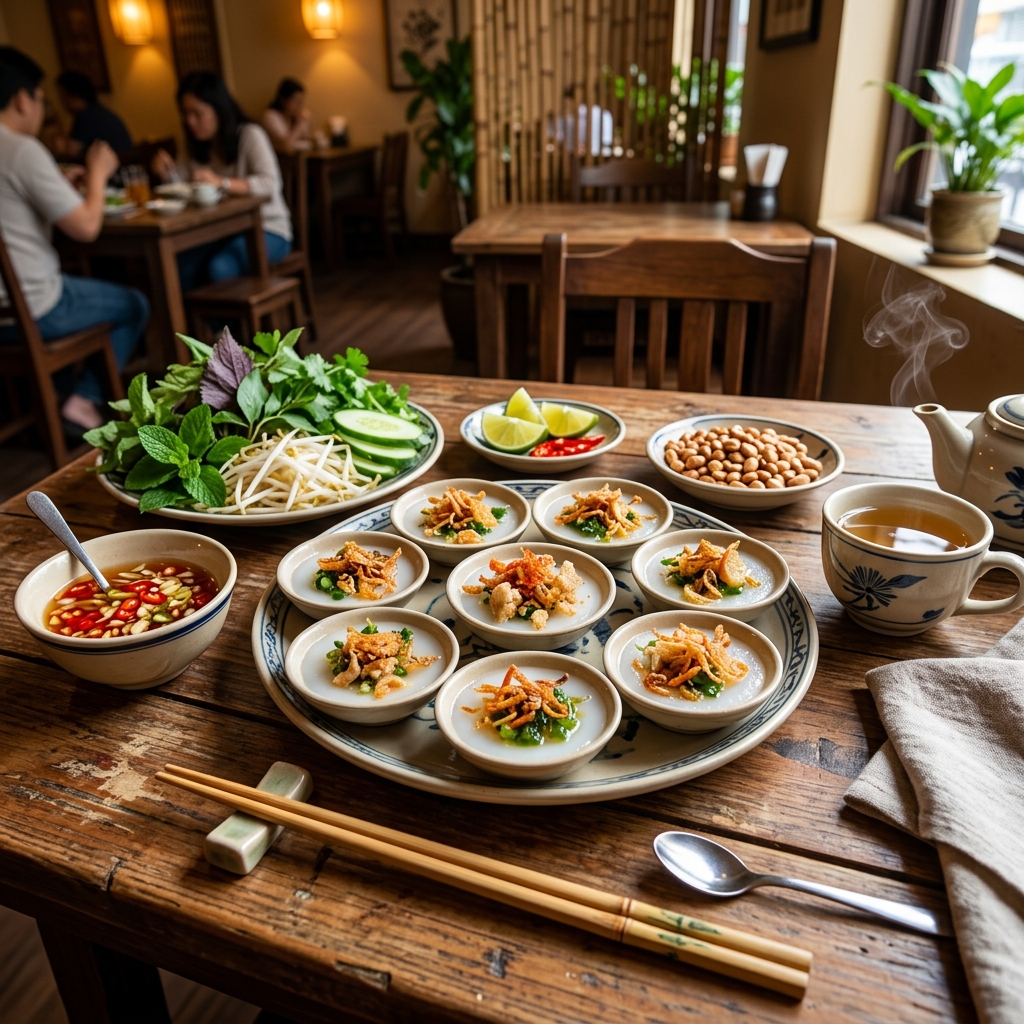
Serve banh beo recipe cakes with fresh vegetables including crisp lettuce leaves, cucumber slices, and vibrant pickled vegetables that provide cooling contrast to the warm, savory cakes. Add fresh herbs like mint, Thai basil, and dill to a serving platter so guests can customize their banh beo recipe experience with additional freshness and aroma. A dipping sauce of lime juice mixed with fish sauce and thinly sliced red chile elevates the banh beo recipe by adding brightness and heat to balance the richness of the shallot oil.
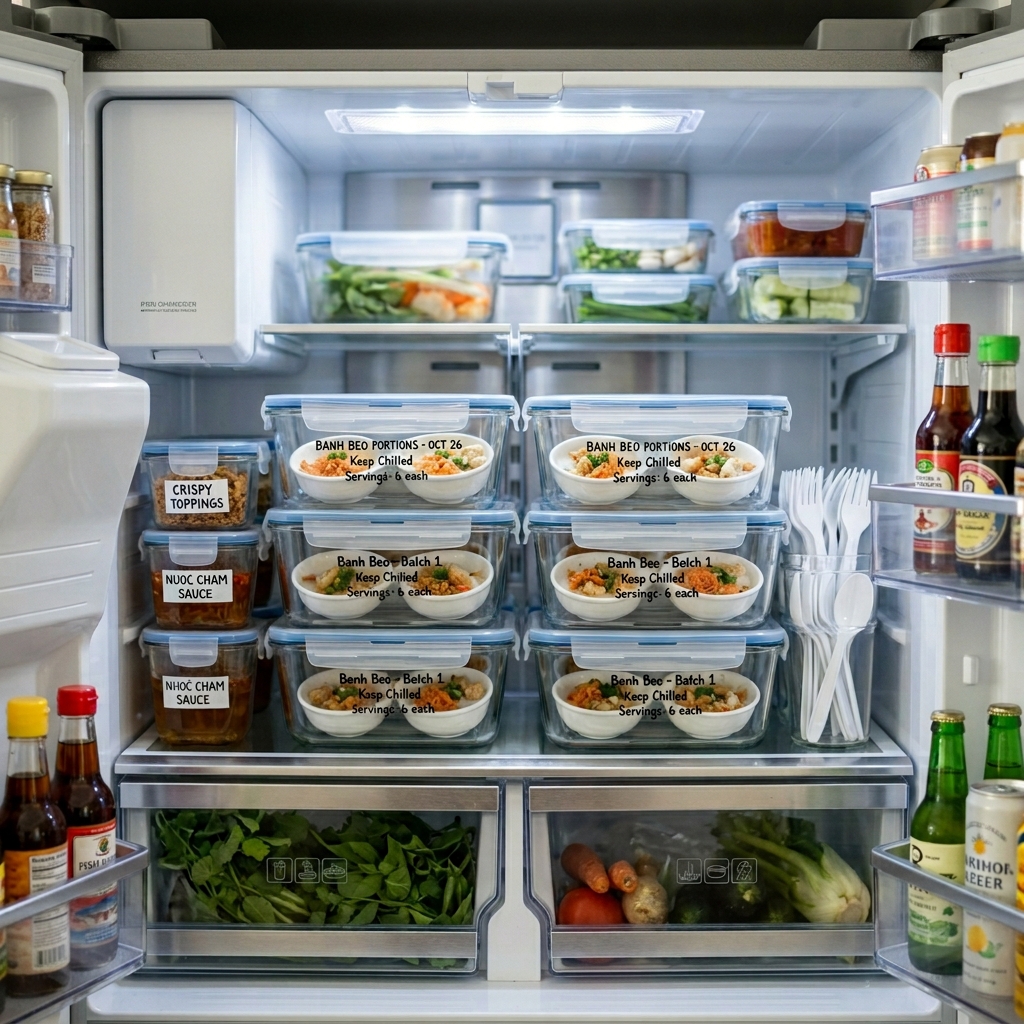
For family dinner settings, arrange the banh beo recipe cakes on a central platter surrounded by rice paper, fresh herbs, vegetables, and dipping sauces, allowing each person to build their own wraps and control the seasoning of their banh beo recipe portions. During meal prep, portion cooked banh beo recipe cakes into individual containers with separate sections for accompaniments so they stay fresh and ready to serve throughout the week. For gatherings and entertaining, present banh beo recipe cakes on small ceramic dishes with careful garnishes and arrangement that showcases the beautiful golden color and topped texture of each finished cake.
This banh beo recipe also works beautifully as part of a Vietnamese buffet alongside other appetizers like spring rolls, grilled beef skewers, and fresh papaya salad. Pair the banh beo recipe with jasmine tea or Vietnamese iced coffee for an authentic beverage pairing that complements the savory, umami-rich flavors of the finished banh beo recipe cakes. During casual weeknight meals, serve banh beo recipe simply with steamed jasmine rice and simple fish sauce dipping sauce for a satisfying light dinner.
Storage and Reheating for Banh Beo Recipe
Proper storage techniques keep your banh beo recipe fresh and ready to enjoy for several days after preparation. The banh beo recipe stores well when handled correctly, maintaining quality and flavor through the storage period.
| Method | Duration | Instructions |
|---|---|---|
| Refrigerator Storage | 3 to 4 days | Place cooled banh beo recipe cakes in an airtight container lined with parchment paper. Store in the refrigerator where they will keep safely for up to 4 days. Cover with plastic wrap to prevent them from drying out during banh beo recipe storage. |
| Freezer Storage | Up to 3 months | Freeze uncooked banh beo recipe batter and fillings separately in airtight containers or freeze pre-filled, unsteamed cakes on a sheet tray before transferring to freezer bags. Cooked banh beo recipe cakes also freeze well when wrapped individually and stored in a freezer bag for up to 3 months. |
| Reheating Refrigerated Cakes | N/A | Steam refrigerated banh beo recipe cakes for 3 to 4 minutes in a steamer basket until warmed through. Alternatively, reheat banh beo recipe cakes in the microwave by placing on a microwave-safe plate, covering with damp paper towel, and heating for 1 to 2 minutes at 50% power until warmed. |
| Reheating Frozen Cakes | N/A | Thaw frozen banh beo recipe cakes in the refrigerator for 2 to 3 hours, then reheat using either steamer or microwave method. For frozen uncooked banh beo recipe cakes, add 3 to 4 minutes to the total steaming time and steam directly from frozen without thawing first. |
| Make-Ahead Preparation | Up to 1 day | Prepare banh beo recipe filling, shallot oil, and tapioca batter up to 1 day in advance. Store each component separately in the refrigerator in airtight containers. Assemble and steam the banh beo recipe cakes just before serving for best texture and flavor. |
The banh beo recipe remains delicious when properly stored and reheated, making it perfect for meal prep and entertaining. Always ensure banh beo recipe components reach proper temperature before serving for food safety and best eating experience.
Nutritional Information for Banh Beo Recipe
Understanding the nutritional content of this banh beo recipe helps you make informed decisions about portion sizes and meal planning. Each banh beo recipe cake provides essential nutrients while remaining relatively light compared to heavier Asian appetizers and snacks.
| Nutrient | Amount per Serving (1 cake) |
|---|---|
| Calories | 85 to 95 |
| Total Fat | 4.5 to 5.5 grams |
| Saturated Fat | 1.5 to 2 grams |
| Cholesterol | 25 to 35 milligrams |
| Sodium | 180 to 220 milligrams |
| Total Carbohydrates | 12 to 14 grams |
| Dietary Fiber | 0.2 to 0.3 grams |
| Total Sugars | 0.5 to 1 gram |
| Protein | 4 to 5 grams |
These approximate values represent the nutritional content of one banh beo recipe cake based on standard ingredient measurements and typical serving sizes. The banh beo recipe provides a good balance of carbohydrates from tapioca and protein from shrimp and pork, making it a nutritious option for appetizers or snacks.
Frequently Asked Questions About Banh Beo Recipe
What is the best banh beo recipe for beginners?
The best banh beo recipe for beginners follows simple steps with easy-to-find ingredients and forgiving techniques that accommodate minor variations. This banh beo recipe uses standard kitchen equipment like a bamboo steamer or steamer basket that most home cooks already own. Start with this banh beo recipe exactly as written, and you will achieve delicious results that build your confidence for future cooking adventures.
Can you make banh beo recipe without a steamer?
You can make banh beo recipe using alternative steaming methods if a traditional steamer is unavailable. Create a makeshift steamer by placing a heat-safe bowl or ramekin upside down in a large pot, adding water to reach halfway up the bowl, then setting a heat-safe plate on top to hold your banh beo recipe cakes. Cover the pot tightly and proceed with the banh beo recipe steaming instructions using this improvised setup.
How do you know when banh beo recipe is fully cooked?
The banh beo recipe is fully cooked when the tapioca batter becomes translucent and sets firmly around the edges while maintaining a slight jiggle in the center. Gently press the top of a finished banh beo recipe cake; it should feel set but still slightly soft rather than completely rigid. The filling should be heated through completely, making banh beo recipe safe to eat and proper to serve.
Can you substitute cornstarch for tapioca in banh beo recipe?
Cornstarch produces a different texture than tapioca in banh beo recipe and is not recommended as a complete substitute. Cornstarch creates a firmer, less chewy banh beo recipe that lacks the characteristic bouncy texture that defines authentic banh beo recipe cakes. If you must substitute in banh beo recipe, use a 50/50 blend of tapioca and rice flour, though the banh beo recipe will taste noticeably different.
What is the best fish sauce brand for banh beo recipe?
Premium Vietnamese fish sauce brands like Red Boat, Three Crabs, or Megachef produce high-quality banh beo recipe ingredients that enhance rather than overwhelm the dish. Quality fish sauce for banh beo recipe contains only anchovies and salt, avoiding additives that create off-flavors in this delicate banh beo recipe. Invest in good quality fish sauce, and your banh beo recipe will taste noticeably better than versions made with cheap, poor-quality brands.
How do you store leftover banh beo recipe dipping sauce?
Store unused banh beo recipe dipping sauce in an airtight glass container in the refrigerator where it keeps for up to 1 week. The banh beo recipe dipping sauce contains fish sauce, which has a strong aroma that can affect other foods, so keep it tightly sealed and separate from other items. Shake the banh beo recipe dipping sauce before using again, as ingredients may separate during storage.
Can frozen banh beo recipe cakes be steamed without thawing?
Yes, frozen banh beo recipe cakes can be steamed directly without thawing, though the banh beo recipe cooking time increases by 3 to 4 minutes compared to fresh cakes. Steam the frozen banh beo recipe cakes until they are heated through completely and the filling is piping hot, checking after 12 to 14 minutes total steaming time. This banh beo recipe method works well for meal prep and entertaining when you have prepared cakes in advance.
What vegetables pair best with banh beo recipe meals?
Fresh vegetables like lettuce, cucumber, pickled daikon radish, and shredded carrots complement banh beo recipe beautifully by providing cooling, refreshing contrast. Aromatic herbs including mint, Thai basil, cilantro, and dill enhance the banh beo recipe experience by adding brightness and complexity. Arrange vegetables and herbs on a platter alongside the banh beo recipe so guests can customize their eating experience according to personal preference.
How do you prevent banh beo recipe from becoming rubbery when reheating?
Prevent banh beo recipe from becoming rubbery by using gentle reheating methods like steaming or microwave at reduced power rather than high-heat methods like boiling or pan-frying. Reheat banh beo recipe cakes for the minimum time needed to warm them through; over-reheating causes the tapioca to become tough and lose its characteristic chewy texture. Always cover banh beo recipe during reheating to prevent them from drying out.
What is the difference between banh beo and other Vietnamese dumplings?
Banh beo recipe differs from other Vietnamese dumplings because it uses tapioca starch rather than wheat flour, creating a distinct chewy, bouncy texture rather than the firmer bite of dumpling wrappers. The banh beo recipe is steamed rather than boiled or fried, resulting in delicate cakes that feel light and tender on the palate. The banh beo recipe emphasizes contrast between soft steamed cakes and crispy fried shallot toppings, whereas other Vietnamese dumplings focus on filling as the dominant component.
Can you make a vegetarian version of banh beo recipe?
A vegetarian banh beo recipe is possible by replacing shrimp and pork with tofu, mushrooms, or additional shallots and aromatics that create depth of flavor. The vegetarian banh beo recipe batter remains unchanged, and you should increase seasoning slightly to compensate for the umami typically provided by shrimp and pork in traditional banh beo recipe preparation. This vegetarian banh beo recipe variation maintains the essential technique and texture while adapting to dietary preferences.
Conclusion
This banh beo recipe brings authentic Vietnamese street food into your home kitchen with straightforward techniques and accessible ingredients that guarantee success. The banh beo recipe balances delicate steamed tapioca cakes with savory shrimp and pork filling, creating a dish that impresses family and guests alike. Whether you are making banh beo recipe for the first time or perfecting your technique through repeated preparation, the results will transport you to Vietnam with every bite. The combination of chewy texture, rich shallot oil, crispy fried shallots, and fresh herbs creates the unmistakable satisfaction that defines exceptional banh beo recipe cakes.
Making this banh beo recipe at home costs less than restaurant dining and delivers superior freshness and flavor that justify the minimal effort required. Start with this banh beo recipe today and discover why this traditional Vietnamese dish has earned a place on tables across the world. Each banh beo recipe cake showcases the beautiful simplicity and balanced complexity that characterizes the best of Vietnamese cuisine.
Related Recipes You’ll Love
Jersey Mikes Chicken Salad Recipe
Lemon Ginger Cucumber Water Recipe
Pink Bariatric Gelatin Recipe
Cucumber-Apple Cooler Recipe
Yuzu Cheesecake Recipe
Rhubarb Apple And Ginger Crumble Recipe
Morning Glory Vegetable Recipe
Expert Resources and Food Safety
Visit Nutrition.gov for food safety and nutritional information to support your banh beo recipe preparation with reliable resources.
Check EatingWell for additional Vietnamese recipe inspiration beyond this banh beo recipe to expand your cooking knowledge.
Print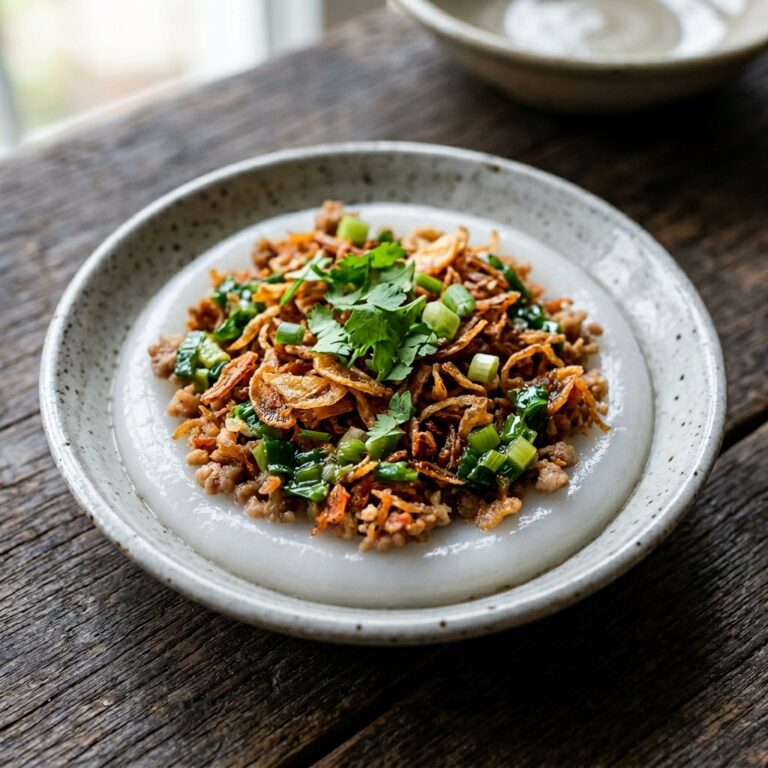
Banh Beo Recipe 2026
Banh beo recipe creates delicate, savory Vietnamese steamed cakes that are crispy on the outside and tender on the inside. These traditional banh beo cakes feature a tapioca starch base topped with seasoned shrimp, pork, and a rich shallot oil that brings authentic Vietnamese flavor to your table.
- Total Time: 45 minutes
- Yield: 4 servings (12 cakes) 1x
Ingredients
- 1 cup Tapioca starch
- 3/4 cup Water
- 1/2 teaspoon Salt
- 8 ounces Shrimp, fresh (peeled, deveined, and chopped)
- 6 ounces Ground pork
- 4 large Shallots, minced
- 3 cloves Garlic, minced
- 2 tablespoons Fish sauce
- 1 teaspoon Sugar
- 1/4 teaspoon Black pepper
- 3/4 cup Vegetable oil
- 1/3 cup Fried shallots (store-bought, optional)
- 2 tablespoons Fresh cilantro (chopped)
- 1 lime Lime wedges
Instructions
- Combine tapioca starch, water, and salt in a medium mixing bowl, stirring until a smooth, pourable batter forms with no lumps.
- Let the banh beo recipe batter rest for 5 minutes to allow the tapioca starch to fully hydrate and absorb the water.
- Stir the banh beo recipe batter one more time before using to ensure consistency throughout.
- Chop fresh shrimp into small pieces no larger than 1/4 inch to ensure even cooking in this banh beo recipe.
- Mix chopped shrimp, ground pork, minced garlic, and fish sauce in a small bowl, stirring gently to combine without overworking the meat.
- Add sugar and black pepper to the filling, tasting and adjusting seasonings as needed for your banh beo recipe version.
- Set the banh beo recipe filling aside at room temperature until ready to use.
- Heat vegetable oil in a small saucepan over medium-low heat, watching carefully as this banh beo recipe component requires attention.
- Add sliced shallots to the warm oil and stir frequently, cooking for 8 to 10 minutes until the shallots turn golden brown and crispy.
- Pour the shallot oil into a fine-mesh strainer set over a heat-safe bowl, separating the crispy shallots from the aromatic oil used in banh beo recipe preparation.
- Allow both the shallot oil and crispy shallots to cool completely before using in this banh beo recipe.
- Fill small steamer molds or porcelain dishes with 1 tablespoon of tapioca batter as the base for each banh beo recipe cake.
- Steam the banh beo recipe base layer for 3 to 4 minutes until slightly set but still soft enough to accept the filling.
- Remove the banh beo recipe cakes from the steamer and top each with 1 tablespoon of the prepared shrimp and pork filling.
- Pour 1 teaspoon of shallot oil over each banh beo recipe cake, distributing it evenly across the filling.
- Return the filled banh beo recipe cakes to the steamer and continue cooking for 8 to 10 minutes until the batter is fully set and translucent.
- Remove the banh beo recipe cakes from the steamer and let them rest for 2 minutes before unmolding or serving directly in the molds.
- Drizzle each banh beo recipe cake with a small amount of reserved shallot oil to add shine and flavor.
- Sprinkle crispy fried shallots and fresh cilantro over the top of each banh beo recipe cake for color and aroma.
- Serve the banh beo recipe immediately while still warm, accompanied by lime wedges for squeezing at the table.
Notes
Chef Tips: Use a steam basket or bamboo steamer rather than a metal steamer rack to ensure even, gentle heat distribution throughout your banh beo recipe preparation. Make sure your steaming water is boiling before adding the banh beo recipe cakes to the steamer, as this ensures immediate, even cooking that sets the tapioca properly without excessive cooking time. Allow the tapioca batter to rest after mixing for at least 5 minutes, as this hydration time helps the banh beo recipe batter achieve the correct texture when steamed and prevents graininess in the finished cakes.
- Prep Time: 20 minutes
- Cook Time: 25 minutes
- Category: Appetizer
- Method: Steaming
- Cuisine: Vietnamese
- Diet: Halal
Nutrition
- Serving Size: 1 cake
- Calories: 90
- Sugar: 0.7 g
- Sodium: 200 mg
- Fat: 5 g
- Saturated Fat: 1.7 g
- Unsaturated Fat: 3.3 g
- Trans Fat: 0 g
- Carbohydrates: 13 g
- Fiber: 0.2 g
- Protein: 4.5 g
- Cholesterol: 30 mg