Introduction: I honestly believe there is nothing—and I mean nothing—better than the crunch of fresh snap peas right out of the garden! If you’ve been stuck in a winter food rut, this spring vegetable stir fry recipe is exactly the wake-up call your tastebuds need. Did you know that seasonal eating isn’t just a buzzword? Studies suggest produce consumed during its natural season retains more nutrients and flavor! I’ve burnt my fair share of garlic trying to get this right, but I promise this guide will help you nail that perfect “wok hei” flavor at home. Let’s get cooking!
Why You Will Love This Seasonal Spring Stir Fry
You know that feeling when winter finally lifts, and you actually see the sun after 5 PM? That is exactly what this spring vegetable stir fry recipe tastes like to me. I used to be terrible at eating seasonally. Seriously, I was the person buying sad, flavorless strawberries in December and wondering why they tasted like wet cardboard.
It wasn’t until I started paying attention to what was actually growing outside that my cooking improved.
Packed With Real Nutrients
Let me tell you, switching to seasonal produce isn’t just hippie talk; it makes a huge difference. When you grab asparagus or snap peas during their peak months (usually April to June), they are nutrient bombs. I remember reading somewhere that spinach loses about half its folate content after just eight days in the fridge!
So, eating this spring vegetable stir fry recipe fresh means you are getting way more bang for your buck. We are talking high levels of Vitamin K and C, especially if you toss in some bell peppers. My doctor has been nagging me about iron levels for years, and loading up on these greens has been an easy fix that doesn’t involve swallowing giant pills.
It Saves My Sanity on Weeknights
I love cooking, but I hate spending hours in the kitchen on a Tuesday. I used to try making these elaborate roasts during the week, and we’d end up eating at 9 PM, cranky and tired.
This dish changes that.
The beauty of a spring vegetable stir fry recipe is the speed. High heat means fast cooking. Once you have chopped your veggies (which you can totally do on Sunday, by the way), the actual cooking time is like, maybe 10 minutes? It is faster than ordering takeout, and honestly, it’s usually hotter when it hits the table too.
You Can’t Mess It Up
Okay, you can mess it up if you walk away and let the garlic burn. I have done that more times than I care to admit. The smell of burnt garlic lingers for days, let me tell you.
But generally? This is very forgiving.
If you don’t have asparagus, use broccoli. Hate mushrooms? Leave them out. This spring vegetable stir fry recipe is basically a blank canvas. I have made it with tofu for my vegetarian niece, and I’ve thrown in leftover rotisserie chicken for my husband who thinks a meal isn’t real without meat.
It works every single time. It is perfect for cleaning out the fridge before produce goes bad, which saves money and stops food waste. Win-win, right?
Essential Ingredients for the Perfect Crunch
I have learned the hard way that a great spring vegetable stir fry recipe lives or dies by what you put in the pan. You can’t just throw limp carrots and old celery in there and expect magic. It just doesn’t work.
When I first started trying to cook healthier meals for my family, I used those bags of frozen mixed vegetables. You know the ones—with the perfectly cubed carrots and weirdly squishy corn? Yeah, don’t do that. The result was a watery mess that nobody wanted to eat.
The Veggie Lineup
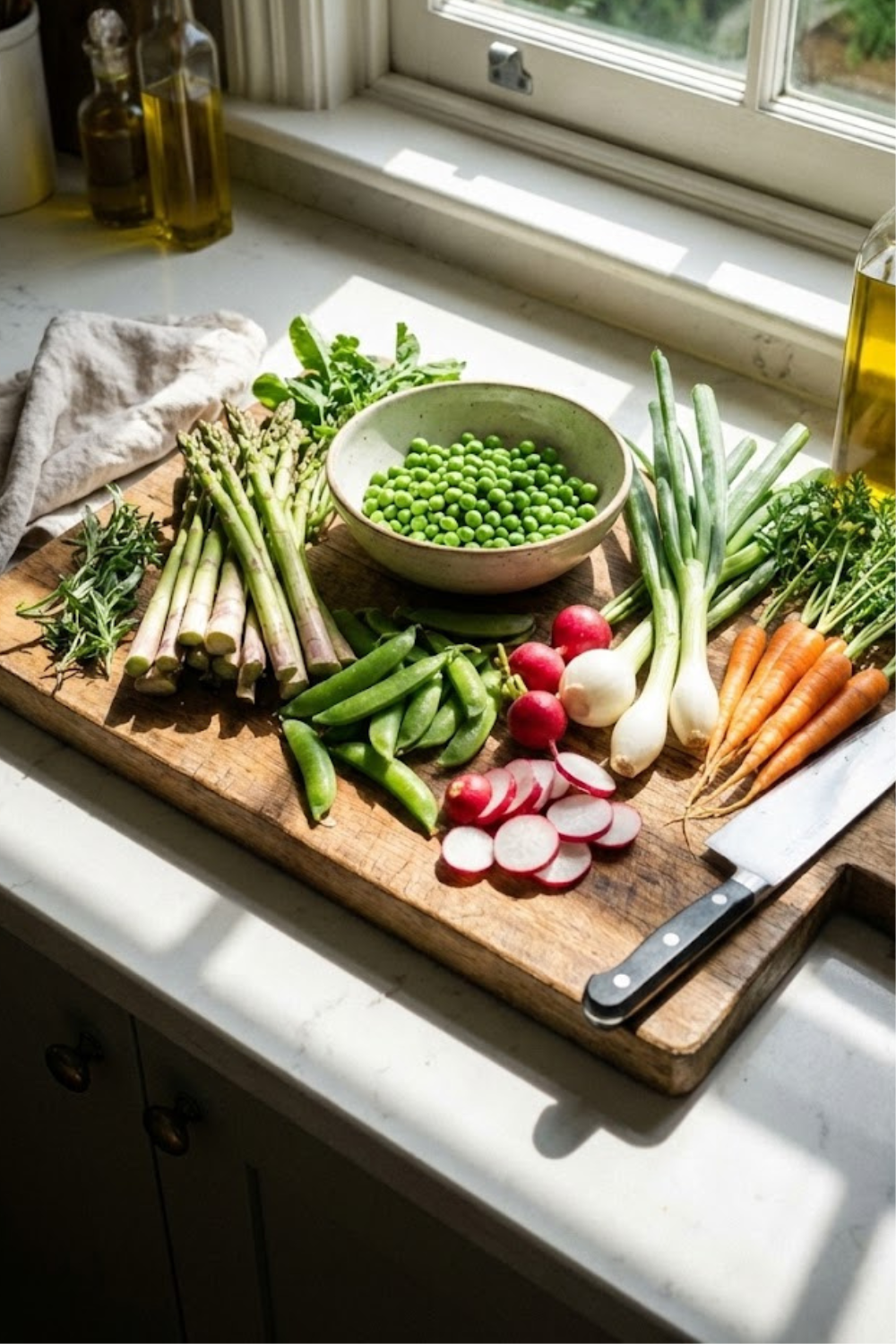
For a real spring vibe, you need fresh stuff. Here is what I always grab at the market:
- Sugar Snap Peas: These are non-negotiable for me. They have that sweet crunch that makes the dish pop. Just remember to pull that little string off the side, or you will be picking it out of your teeth later.
- Baby Broccoli (Broccolini): It is tender and cooks way faster than big broccoli heads. Plus, the stems are actually good to eat.
- Bell Peppers: I usually go for red or yellow because they are sweeter. Green ones are okay, but they can be a bit bitter.
- Carrots: Slice them thin! If you cut them into big chunks, they will still be raw when everything else is burned. I use a vegetable peeler to make ribbons sometimes—it looks fancy but is actually super lazy.
Aromatics Are Everything
If your stir fry tastes bland, you probably forgot these. This is the base flavor that makes your kitchen smell like a restaurant.
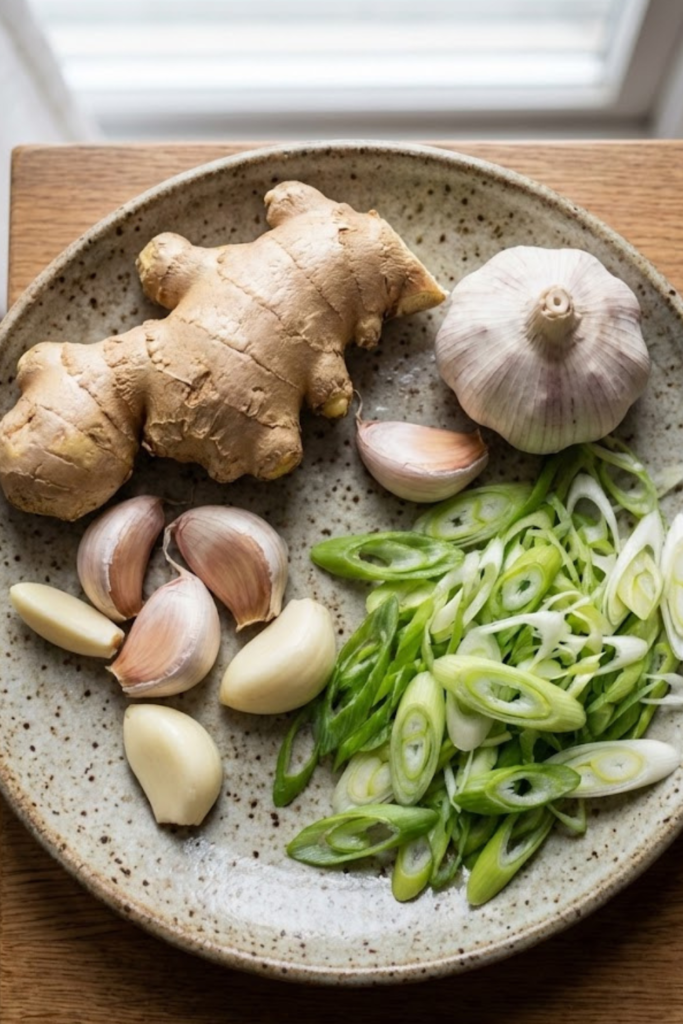
- Fresh Ginger: Please, I beg you, don’t use the powdered stuff from the back of your cupboard. Buy a fresh root. A little tip from my kitchen: use the edge of a spoon to scrape the skin off. It is way easier than a knife.
- Garlic: Same rule here. Fresh cloves are best. I usually smash them with the flat side of my knife to peel them. It is great for stress relief after a long day of grading papers!
- Scallions (Green Onions): I use the white parts for cooking and save the green tops to sprinkle on at the end. It adds a nice fresh bite.
Protein Options
You don’t need meat for this spring vegetable stir fry recipe, but sometimes my family wants something heavier.
- Tofu: If you use tofu, get the extra firm kind. I like to wrap it in a paper towel and put a heavy plate on it for 15 minutes to squeeze the water out. Otherwise, it just falls apart.
- Shrimp: These cook so fast, literally 2-3 minutes. They are perfect for when you are rushing.
- Chicken Thighs: I prefer thighs over breasts because they don’t dry out as easily in the high heat. Slice them into thin strips so they cook evenly with the veggies.
Don’t overthink it, though. Use what you have, but try to keep it fresh. That crisp texture is what makes this meal so good.
Mastering the Savory Stir Fry Sauce
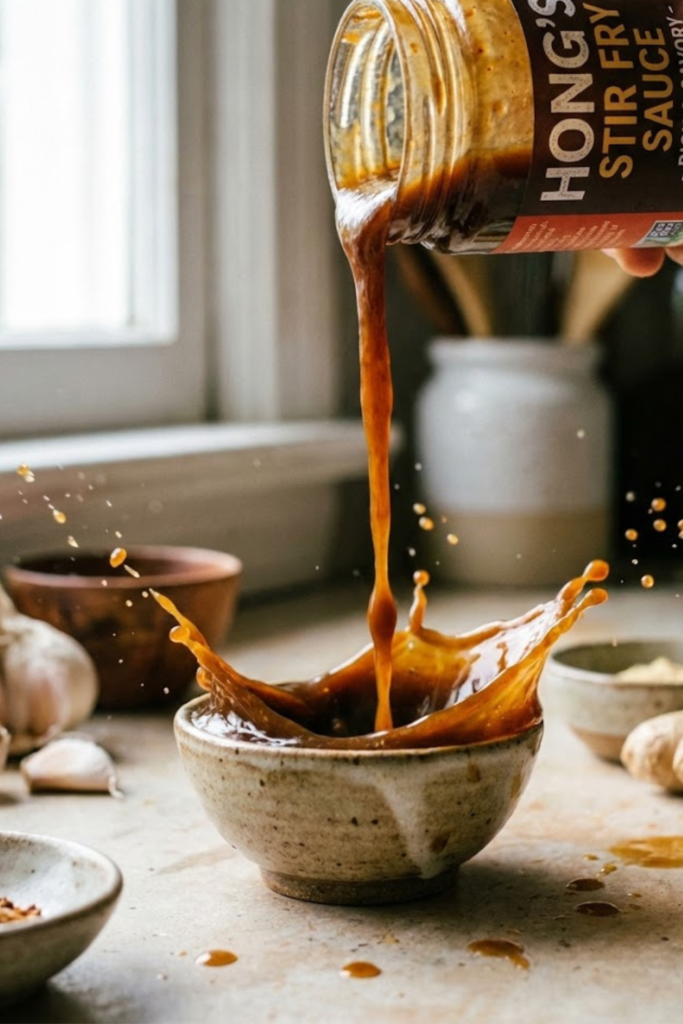
Okay, here is the secret: the sauce makes or breaks the meal. For the longest time, I bought those pre-made bottles from the store. You know the ones—they sit in the fridge door for three years and usually taste like pure salt.
When I finally started making my own sauce for this spring vegetable stir fry recipe, I couldn’t believe how easy it was. It takes two minutes, tops.
The Base Ingredients
You probably have most of this stuff already. My go-to mix is simple:
- Soy Sauce: This is your salty base. If you are gluten-free, Tamari works perfectly. I’ve used it for years because my sister has an allergy, and I honestly can’t taste the difference.
- Sesame Oil: Be careful with this! I learned the hard way that a little goes a long way. It is super strong. Just a teaspoon gives it that nutty smell you want.
- Rice Vinegar: This adds a little tang. If you don’t have it, apple cider vinegar is an okay substitute, though it tastes a bit stronger.
Finding the Balance
I like my food to have a little kick, but my kids used to complain if it was too spicy. So, it is all about finding a middle ground.
To sweeten it up, I add a squeeze of honey or a splash of maple syrup. It helps cut through the saltiness of the soy sauce. If you like heat, throw in some red pepper flakes. I usually put the jar on the table so I can add more to my own bowl later without hearing complaints from the peanut gallery.
The Cornstarch Trick
Have you ever wondered why restaurant stir fries have that glossy, thick sauce that sticks to the veggies, while homemade ones are often watery soup?
The answer is cornstarch.
But here is the trick—you can’t just dump the powder into the hot pan. It clumps up into these gross little white balls. Trust me, it is nasty.
You have to make a “slurry.” It sounds fancy, but it just means mixing a teaspoon of cornstarch with a tiny bit of cold water in a separate cup until it dissolves. Then, pour that into your bubbling sauce at the very end. Give it thirty seconds, and watch it magically thicken up. It works every time.
Step-by-Step Instructions for Wok Success
If there is one thing I tell my students, it is that preparation is half the battle. The same goes for this spring vegetable stir fry recipe. You cannot be chopping carrots while the garlic is burning in the pan. I tried that once, and the smoke alarm went off. My dog, Buster, hid under the bed for an hour.
Prep Is Key (Mise en Place)
Chefs call it “mise en place,” which is just a fancy way of saying “get your stuff ready.” Before you even look at the stove, chop everything.
I like to use little bowls for each ingredient. It makes me feel like I’m on a cooking show, even if I’m just in my pajamas. Mix your sauce in a jar, chop your veggies, and have your oil ready. Once the heat is on, things move fast. You won’t have time to look for the soy sauce in the back of the pantry.
Turn Up the Heat
You need your pan to be hot. Like, really hot.
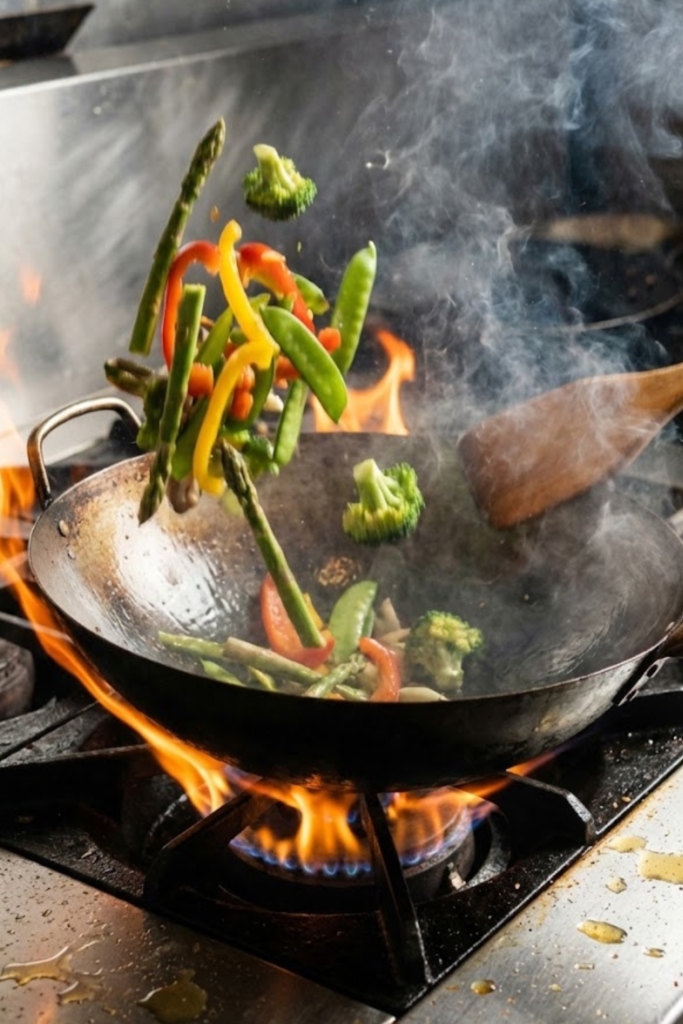
I usually let my wok (or large frying pan) sit on the burner for a minute or two before adding oil. You want the veggies to sizzle the second they hit the metal. If the pan is cold, the vegetables just kind of sit there and get soggy. We want crisp and crunchy, not mushy.
Just be careful—don’t lean over it! I lost a few eyebrow hairs once checking if it was hot enough.
The Order of Operations
Just like in math class, the order matters here.
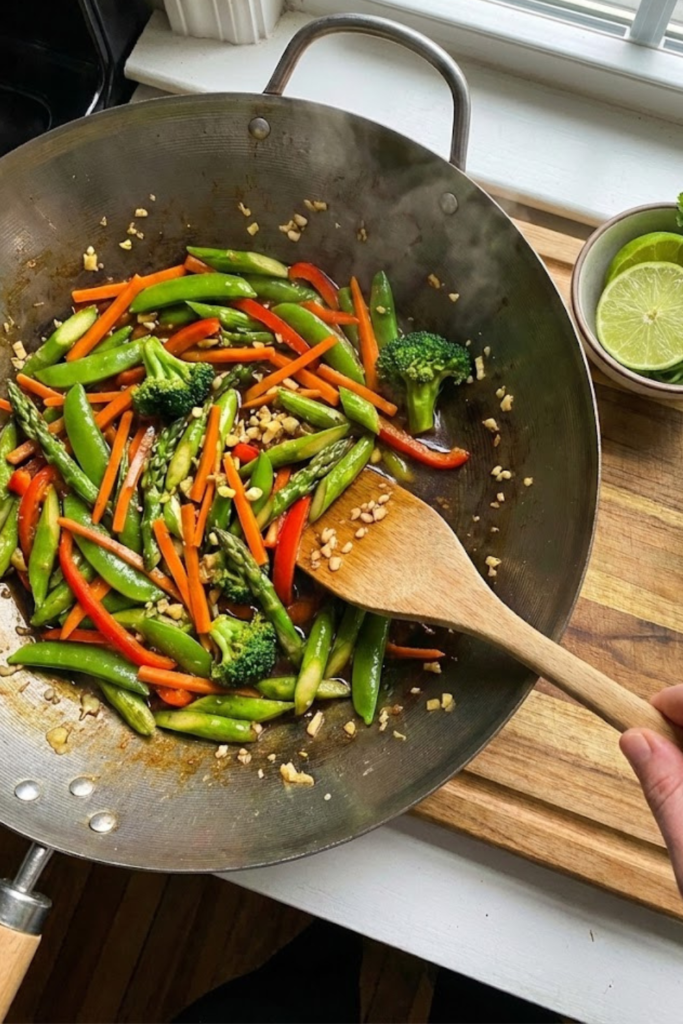
- Hard Veggies First: Throw in the carrots and broccoli stems first. They take longer to cook. Give them a head start of about 2-3 minutes.
- Medium Veggies Next: Add your snap peas and bell peppers. These only need a quick toss.
- Leafy Greens Last: If you are using spinach or bok choy, put them in at the very end. They wilt in seconds.
Once everything is crisp-tender, pour in that sauce you made earlier. Give it a big toss to coat everything, and take it off the heat immediately. The residual heat will finish the job.
Pro Tips for Avoiding Common Mistakes
I have made plenty of bad dinners in my life. You know, the ones where you order pizza afterwards because the main dish is just… sad. Stir fries seem easy, but there are a few traps that are easy to fall into. I want to save you from making the same mistakes I did when I was learning to cook this spring vegetable stir fry recipe.
Don’t Crowd the Pan
I used to think I could just dump the entire cutting board into the pan at once to save time. Big mistake.
When you pack too many veggies in there, they release water. Instead of frying and getting those nice crispy edges, they basically just steam in their own juice. You end up with a soggy mess that tastes like cafeteria food.
If you have a small pan, cook the vegetables in batches. It feels like it takes longer, but it actually keeps the heat high, which is what you want. Cook half, take them out, then cook the rest. Mix them back together at the end with the sauce. Your tastebuds will thank you.
Dry Your Vegetables
Water is the enemy of a good stir fry.
After you wash your produce, you have to dry it. I mean really dry it. I usually roll my green beans and peppers in a clean kitchen towel. If they are wet when they hit the hot oil, two things happen:
- The oil splatters everywhere (and it hurts!).
- The temperature of the pan drops way down.
So, take the extra minute to pat them dry. It makes a huge difference in the texture.
Taste As You Go
This might sound obvious, but I forget to do it all the time.
Before you serve this to your family, take a fork and try a piece of broccoli. Does it need more salt? Add a splash of soy sauce. Is it too salty? Squeeze a little lime or add a pinch of sugar.
Cooking isn’t exact science like chemistry class. It is about what tastes good to you. I usually end up adding a little extra chili paste to my bowl because I like it hotter than my husband does. Don’t be afraid to adjust things right at the end. That is how you make it perfect.
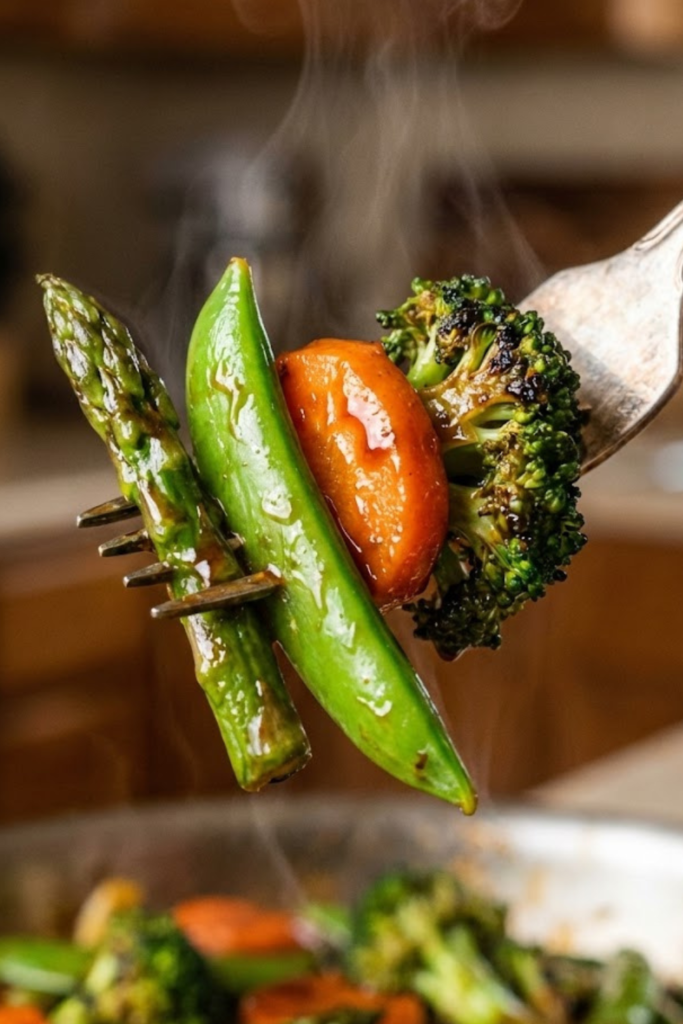
There you have it—a simple yet stunning spring vegetable stir fry recipe that celebrates the season! Whether you’re a seasoned chef or just trying to eat more greens, this dish is a winner.
I know how hard it is to get a healthy dinner on the table when you are tired. But honestly, this recipe has saved me more times than I can count. It is fast, it is fresh, and it actually tastes good. You don’t have to be a pro to make it work.
Don’t forget to customize it with your favorite toppings like sesame seeds or cashews. My kids love the crunch of the nuts on top. If you loved this recipe, please save it and share it on Pinterest! It helps other people find it and makes my day. Happy cooking!