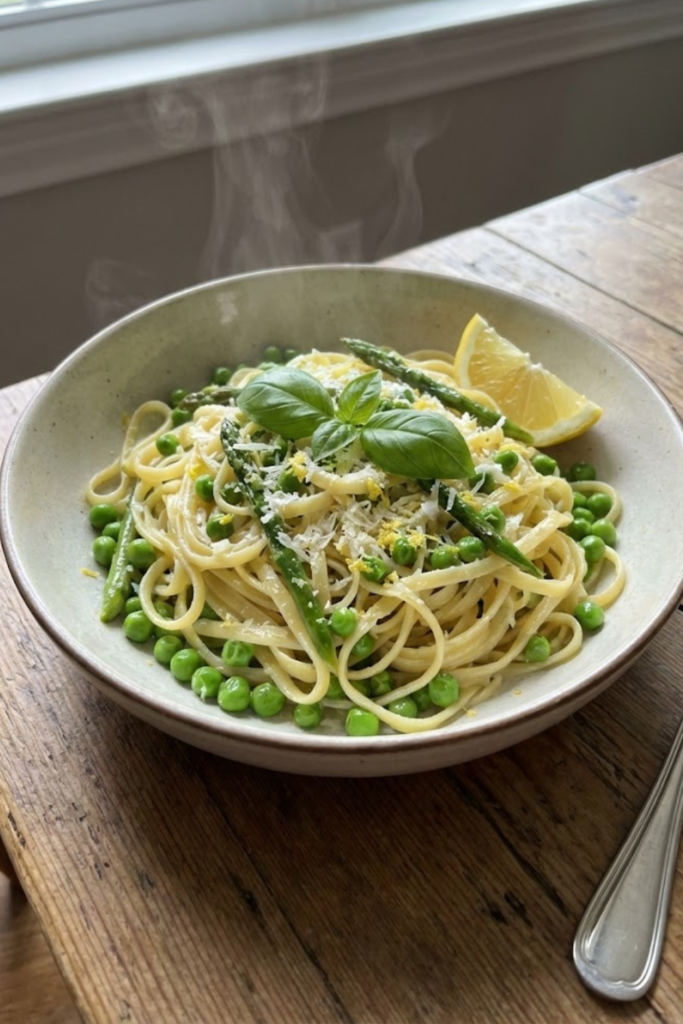
Man, I love this time of year! The ground is finally waking up, and my garden is starting to show off its first bits of green. I read somewhere that humans have been eating peas for nearly 10,000 years—that is a lot of history in one tiny green ball! This spring vegetable pasta with peas recipe is my absolute go-to when I want to feel like I’m eating a bowl of sunshine.
I remember the first time I tried making this; I totally overcooked the asparagus and it turned into a gray, mushy mess. It was honestly pretty gross, and my kids just stared at it like I’d served them pond scum! But hey, we live and learn from our kitchen disasters. Now, I’ve got the timing down so everything stays snappy and bright for 2026.
Picking the Best Seasonal Produce for Your Pasta
I used to think that a vegetable was just a vegetable. Boy, was I wrong! I spent years just grabbing whatever was on the top of the pile at the supermarket without a second thought. My first real attempt at a spring vegetable pasta with peas recipe was a total flop because I bought asparagus that was basically as hard as a baseball bat. If you want your dinner to taste like a fresh garden and not a compost pile, you have to be really picky about what you put in your basket. Think of yourself like a teacher grading a big project—only the best stuff gets an A. You want things that look like they just popped out of the dirt this morning.
Finding the Sweetest Peas
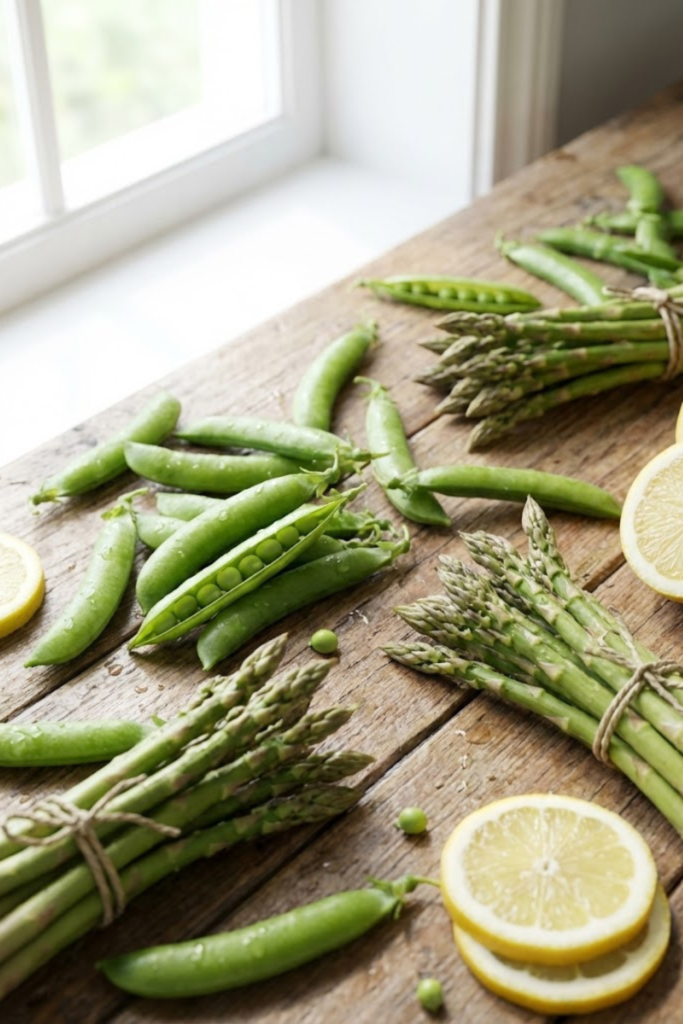
Wait until you see the English peas at the market. They are the stars of the show here. When you are looking at the pods, you want them to be a vibrant, bright green color. If the pods look yellow or feel kind of shriveled, they are way past their prime. Those peas will taste like flour instead of sugar. I usually try to sneak a taste if the farmer is nice enough to let me. You want that snap! If you can’t find any fresh ones that look good, don’t sweat it. Just go to the freezer aisle and grab “petite” frozen peas. They are usually frozen so fast that they keep all that goodness, and they’re better than old “fresh” ones.
Choosing Asparagus and Leeks
Next up is the asparagus. I used to go for the thickest stalks I could find because I thought they were more solid. Actually, for this pasta, the skinny ones are your best friends. They cook in like two minutes and stay nice and snappy. Check the very tops of the stalks. If they look wet or slimy, put them back. You want them tight and dry. I also love to look for leeks. They look like giant green onions but taste much milder. Look for ones with lots of white and light green parts. Avoid the ones that have a lot of dry, brown skin on the outside.
The Snap Test
The best advice I can give you is to use your hands. Give the veggies a little squeeze. Radishes should be hard as rocks. Snap peas should actually make a snapping sound when you bend them. If things feel soft or look dull, they won’t taste good in your bowl. I’ve learned the hard way that you can’t save a bad vegetable with fancy spices. You gotta start with the good stuff from the get-go. If the produce looks sad, your dinner will taste sad too! Focus on the colors; if it’s bright green and firm, you are on the right track for a great meal.
Cooking Your Pasta to Perfect Al Dente
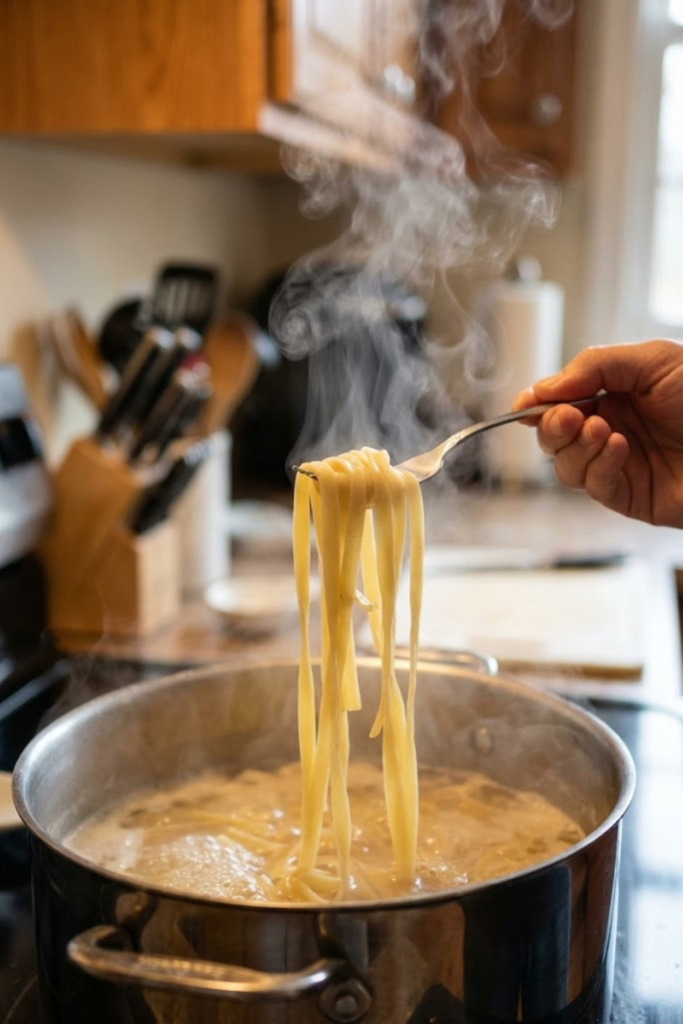
I used to be the kind of cook who just threw a handful of noodles into a pot and hoped for the best. I didn’t think about the texture or the salt at all. But after making this spring vegetable pasta with peas recipe dozens of times, I realized that the pasta is the foundation of the whole house. If the foundation is mushy, the house is going to fall down! Cooking pasta isn’t just about boiling water; it’s about paying attention to the details so that every bite feels just right in your mouth. You want the noodles to have a little bit of a “bounce” when you chew them. If you overcook them, they just turn into a sad pile of dough that hides the taste of those fresh peas you worked so hard to find.
The Magic of Salted Water
One of the biggest mistakes I see people make—and I’ve done this myself plenty of times—is being stingy with the salt. You really need to salt your pasta water like it’s the ocean. I’m serious! Most of that salt stays in the water and goes down the drain anyway, but it’s the only chance you have to actually season the inside of the noodle. I once forgot to salt the water because I was busy grading papers while the pot was boiling. The pasta tasted like cardboard, and no amount of parmesan cheese could fix it. Now, I make sure to add a big tablespoon of salt as soon as the water starts bubbling. It makes a huge difference in how the final dish tastes.
Getting the Timing Right
When you look at the box of pasta, it usually gives you a range of minutes. I always set my timer for two minutes less than the lowest number. Since we are going to toss the noodles in a pan with the veggies and sauce later, they will keep cooking for a bit. If you cook them all the way in the water, they will get soggy by the time you sit down to eat. I like to pull a noodle out with a fork and bite into it. If there is a tiny white dot in the middle, it’s perfect! That is what Italians call “al dente,” which just means “to the tooth.” It gives the meal a much more professional feel.
Saving the Liquid Gold
Before you dump that water down the sink, grab a coffee mug and scoop some out. This starchy, salty water is what makes your sauce creamy without needing a ton of heavy butter or cream. I call it “liquid gold.” When you mix the pasta water with the olive oil and lemon in the pan, it creates a silky coating that sticks to every single pea and asparagus tip. Without it, the oil just pools at the bottom of the plate, and your pasta ends up dry. It’s a simple trick, but it’s the secret to making this spring vegetable pasta with peas recipe taste like it came from a fancy restaurant.
Creating a Light and Zesty Lemon Sauce
Now we get to the part that actually makes everything taste like a real meal instead of just a bowl of wet vegetables. This sauce is the glue that brings the sweetness of the peas and the bite of the pasta together. I used to think I needed a big jar of heavy Alfredo sauce to make pasta taste good, but that just covers up all the fresh flavors we want to celebrate. For this spring vegetable pasta with peas recipe, we are going for something much lighter. It’s all about using high-quality fat and bright acids to make the flavors pop. If you do it right, the sauce will be thin but it will coat every single piece of food in the pan. It should feel silky on your tongue, not heavy or greasy.
Sizzling the Garlic and Shallots
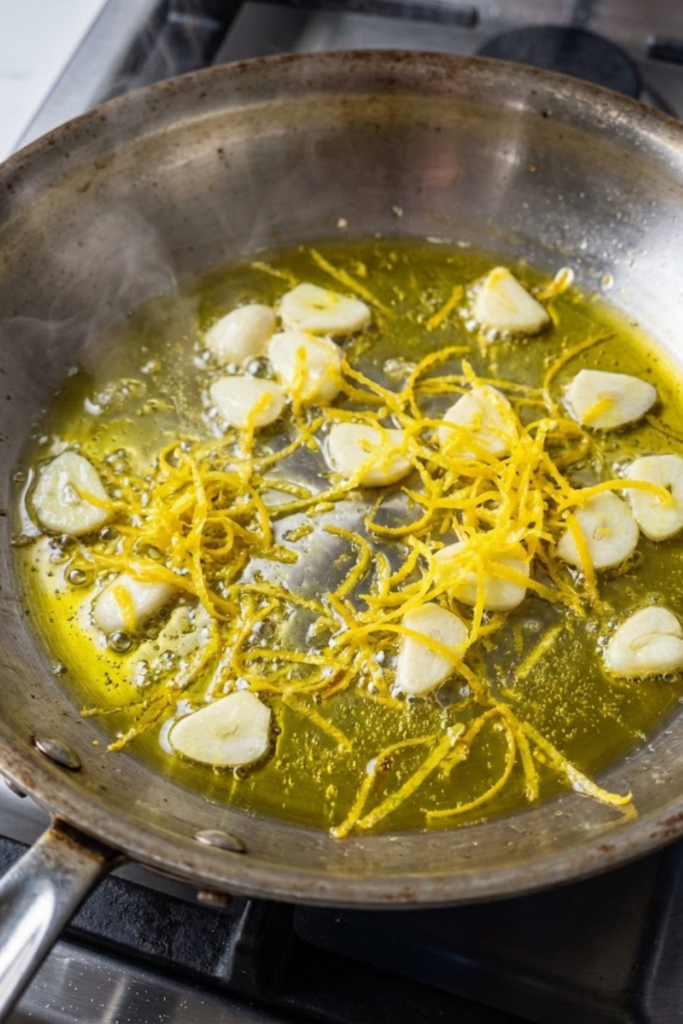
I always start by getting my pan medium-hot and adding a generous glug of olive oil. Don’t be shy with the oil! This is where the flavor lives. I like to use shallots instead of regular onions because they are a bit sweeter and don’t overpower the delicate peas. You want to cook them until they are soft and see-through. Then, I add the garlic. Here is a big tip: don’t put the garlic in at the start. Garlic burns really fast, and if it turns black, it tastes bitter and gross. I’ve had to throw away entire meals because I let the garlic get too dark. Wait until the shallots are almost done, then stir in the garlic for just a minute until you can really smell it.
The Power of the Lemon
This is the secret weapon for any spring dish. I use both the juice and the zest of the lemon. The zest—that’s the yellow skin on the outside—has all the oils that make the dish smell amazing. I use a small grater to get it off. Just make sure you don’t grate too deep into the white part, because that part is super bitter. I usually zest the lemon right over the pan so all those oils land in the oil. It makes the whole kitchen smell like a dream. The juice adds the “zing” that cuts through the fat of the oil and cheese. It’s like a little wake-up call for your mouth!
Finishing with Herbs and Cheese
Right at the end, I turn off the heat and throw in my herbs. I really love fresh mint with peas. I know it sounds like something for tea, but mint and peas are like best friends. If you don’t like mint, basil or parsley work great too. Then I dump in a big handful of parmesan cheese. The cheese melts into that starchy pasta water we saved earlier and creates a creamy texture without using any actual cream. It’s a trick I tell all my friends about. Stir it all together until it looks glossy. If it looks too dry, just add another splash of that pasta water.
Serving and Storing Your Spring Masterpiece
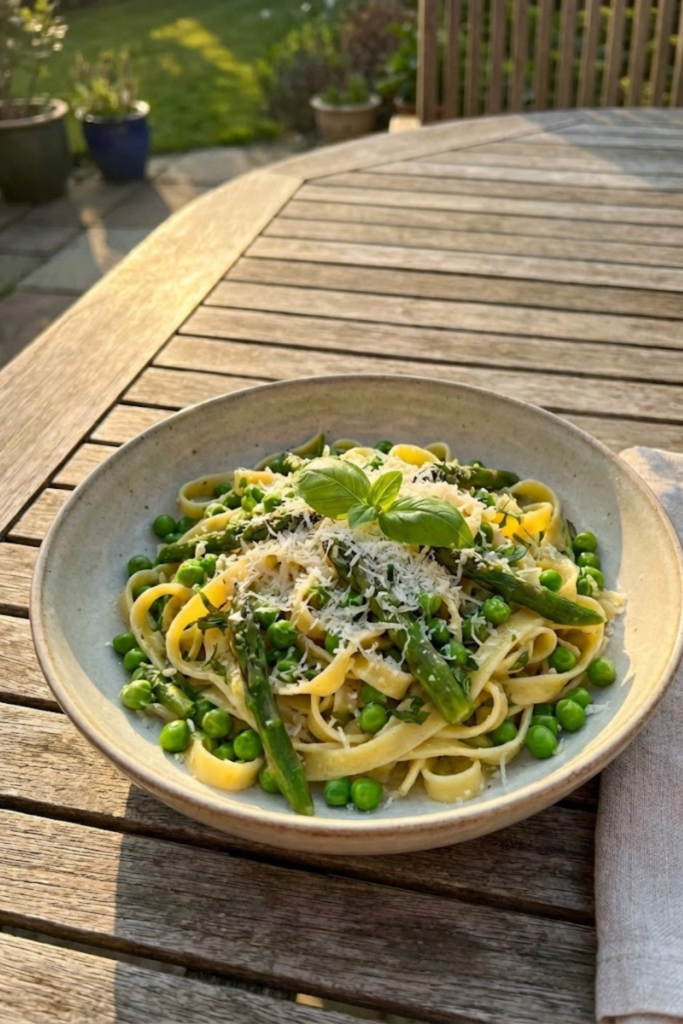
Okay, so you’ve got everything cooked and the kitchen smells like a lemon orchard. Now what? Putting the food on the plate is actually my favorite part because it’s when I finally get to sit down! I’ve noticed that if I just dump the whole pot into a big bowl, it looks okay, but it doesn’t look great. I like to take an extra minute to make it look like I actually tried. My middle school students always tell me that “presentation is everything,” and even though they’re usually talking about their science posters, it works for pasta too. This spring vegetable pasta with peas recipe deserves to look as good as it tastes.
Making it Look and Taste Great
First, I always keep a little extra cheese on the side. I call it “the snow.” My kids absolutely love it when I grate fresh parmesan right over their bowls until you can barely see the green stuff. It makes them actually want to eat their vegetables! If you like a little kick, sprinkle some red pepper flakes on top. I started doing this a few years ago because I felt like the lemon was a bit too sweet on its own. The spice really balances out the sugar in the peas. Also, don’t forget a final crack of black pepper. It’s a small thing, but it makes the flavors stand out much more than if you just leave it plain.
Handling the Leftovers
If you are like me, you probably made way too much. I always cook like I’m feeding a whole football team even though there’s only four of us. Storing this pasta can be a little tricky because those fresh veggies are delicate. If you put them in a plastic container and leave them in the fridge, they’re going to get a bit soft. When you want to eat them the next day, please, please do not just shove the bowl in the microwave for five minutes. You’ll end up with rubbery noodles and peas that look like tiny green raisins. It’s kind of depressing to look at, and it definitely doesn’t taste like spring anymore.
The Right Way to Reheat
Instead of the microwave, I usually put a tiny bit of olive oil or a splash of water in a small frying pan. I toss the leftovers in there over medium heat for just a few minutes. This helps the sauce wake back up and keeps the asparagus from turning into mush. It takes an extra three minutes, but it is totally worth it. Thinking about what to eat with it, I usually just do a simple side salad with some balsamic dressing or maybe some toasted bread to soak up any leftover lemon oil. It’s the perfect light lunch the next day, and honestly, sometimes it tastes even better after the flavors have had a chance to hang out together overnight.
Final Thoughts on the Perfect Spring Pasta
I honestly can’t tell you how many times this spring vegetable pasta with peas recipe has saved my sanity after a long day at school. When I’ve been grading papers since seven in the morning and the kids are asking “what’s for dinner?” for the tenth time, this is the meal I turn to. It’s fast, it’s fresh, and it makes me feel like I’m actually taking care of myself and my health. There’s something about the bright green colors on the plate that just makes the whole house feel a little bit cheerier. Even if the day was a total mess, sitting down to a bowl of this pasta makes things feel okay for a bit. It’s basically spring in a bowl, and it’s way better than getting greasy takeout.
Why Your Family Will Love This Dish
One of the best things about this meal is how much kids actually like it. I know, I know—getting kids to eat green stuff is usually like trying to teach a cat how to do algebra. It’s nearly impossible! But because the peas are so sweet and the sauce is so light and lemony, they don’t even realize they are eating a big pile of vegetables. My youngest usually picks out the peas first because she thinks they’re fun to pop. Plus, you can let them help with the lemon zesting or the cheese grating if they are old enough. Whenever I let my students or my own kids help with the cooking, they are way more likely to actually eat the food. It gives them a sense of pride in what they made.
Making it Your Own
Don’t feel like you have to follow my instructions like a strict textbook. If you hate asparagus, just leave it out! You could easily swap in some sautéed zucchini or even some baby spinach at the very end. The main thing is to keep the lemon and the pasta water trick, because that’s what makes the sauce work so well. Sometimes I’ll even add some grilled chicken if I feel like I need more protein, but honestly, the peas have a good amount of protein on their own. This recipe is like a blank canvas. You can paint it however you want depending on what you find at the grocery store that day.
Share the Spring Vibes
I really hope you decide to give this a try this week. It’s a great way to celebrate the fact that winter is finally over and we can start eating fresh things again. If you do make it, I’d love to hear how it went for you! Did you add anything different? Did your family actually eat the “green stuff”? Please make sure to save this post and share it on Pinterest so other busy families can find a quick, healthy dinner idea too. Sharing helps me keep putting out these helpful guides for everyone. Now, go get that water boiling and enjoy your fresh spring meal!