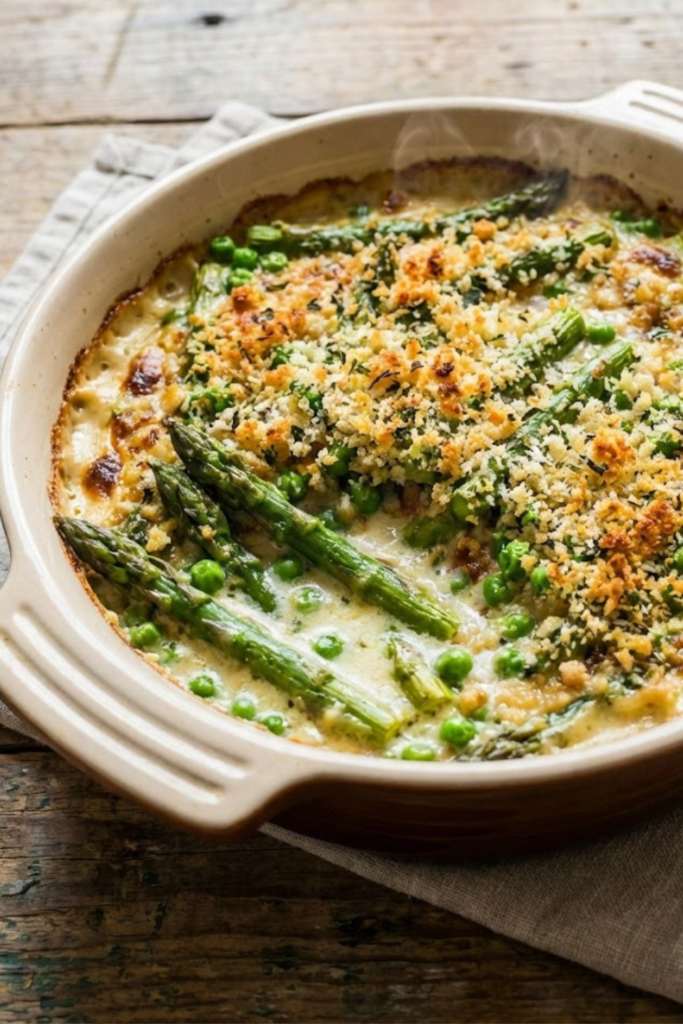
Have you ever bitten into a dish that just screams spring? I’m talking about that distinct snap of fresh asparagus and the delicate sweetness of garden peas—flavors that finally shake off the heavy “winter comfort food” vibe! I remember the first time I whipped this up; I was staring at a fridge full of random farmers’ market finds, wondering if they could play nice together. Spoiler alert: They did more than play nice; they created magic. This spring vegetable casserole recipe isn’t just food; it’s a celebration of the season on a plate. We’re going to dive into how to bring that garden-fresh taste right to your table!
Selecting the Best Seasonal Produce
I used to think any old vegetable would do for a casserole. I mean, you’re baking it in cheese and cream, right? How much could it matter?
Well, let me tell you about the disaster of ’18. I tried to make a spring vegetable casserole recipe for a potluck using limp asparagus and sad, pre-cut carrots I found at the back of the fridge.
It tasted like wet cardboard. Seriously, no amount of Gruyère could save it. That was the day I learned that if you want this dish to actually taste good, you have to be picky at the grocery store.
The “Snap” Test is Real
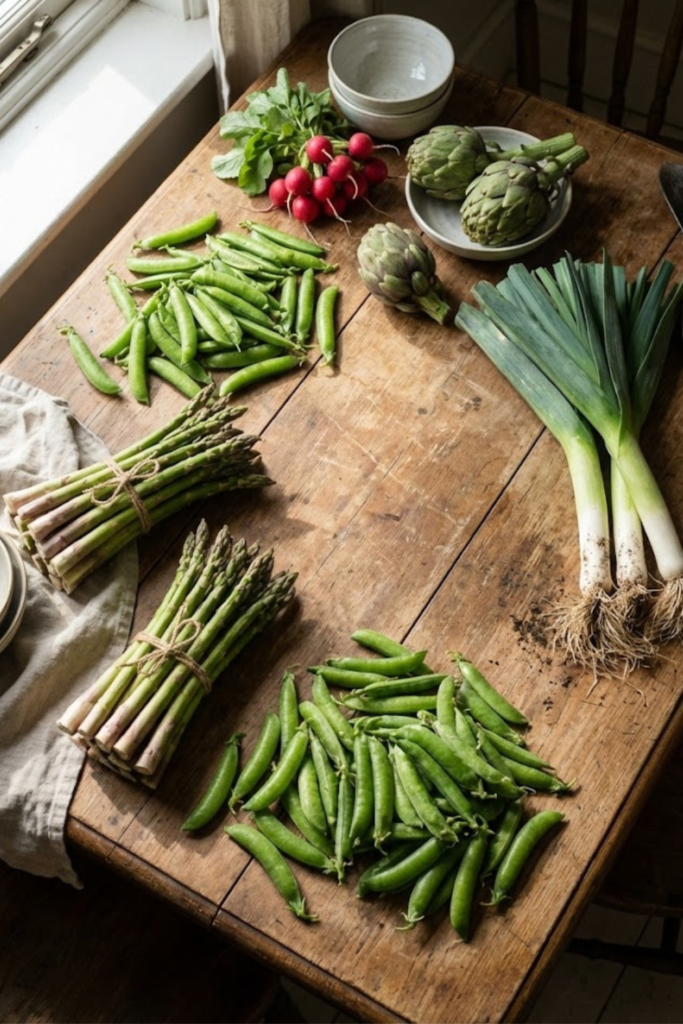
When you are shopping for your spring vegetable casserole recipe, start with the asparagus. It’s the star of the show.
Don’t just grab the first bundle you see. Pick up a stalk and bend it.
If it bends into a U-shape without breaking, put it back. You want that thing to snap crisp and clean. That snap tells you it’s fresh and sweet, not woody and tough.
I’ve ruined more than one dinner by skipping this step. Trust me, chewing on stringy asparagus stalks is not the vibe we are going for here.
Frozen vs. Fresh: The Truth
Okay, let’s be real for a second. I am a teacher, and I don’t always have time to shell fresh peas by hand.
While fresh is obviously better for that “pop” of flavor in a spring vegetable casserole recipe, frozen peas are totally fine. Actually, they are often flash-frozen right at harvest, so they can be sweeter than the fresh ones that have been sitting on a truck for three days.
Just don’t use canned peas. Please. They turn to mush in the oven and the color is… unappealing.
For the other veggies like leeks or baby carrots, stick to fresh. Frozen carrots tend to get really watery when they bake, and nobody wants a soup at the bottom of their casserole dish.
Prepping Your Haul
Once you get your loot home, wash it really well. Leeks are notorious for hiding grit in their layers.
I usually slice my leeks and then soak them in a bowl of cold water so the dirt sinks to the bottom. It adds five minutes to the prep time, but it saves you from a gritty spring vegetable casserole recipe.
Also, dry your veggies! If they are wet when they go into the baking dish, they steam instead of roast.
I learned that the hard way when my sauce turned into a watery mess because I didn’t pat the asparagus dry. Just give them a quick roll in a clean kitchen towel. It makes a huge difference in the final texture.
Essential Ingredients for Spring Casseroles
You can’t just throw some green stuff in a pan and hope for the best. The difference between a mushy mess and a dinner your family actually asks for again is usually in the pantry staples you use to hold it all together.
I’ve had my fair share of flops, so let’s talk about what you actually need for a solid spring vegetable casserole recipe.
The Sauce Situation
I used to think I had to make a fancy flour-and-butter roux every single time. Who has time for that on a Tuesday night? I surely don’t.
I found out that a simple mix of heavy cream and vegetable broth works wonders. It’s rich enough to feel comforting but not so heavy that you need a nap immediately after eating.
If you want it a bit thicker without the fuss, just whisk in a tiny bit of cornstarch into the cold broth before mixing it with the cream. It thickens up perfect in the oven.
Choosing the Right Cheese
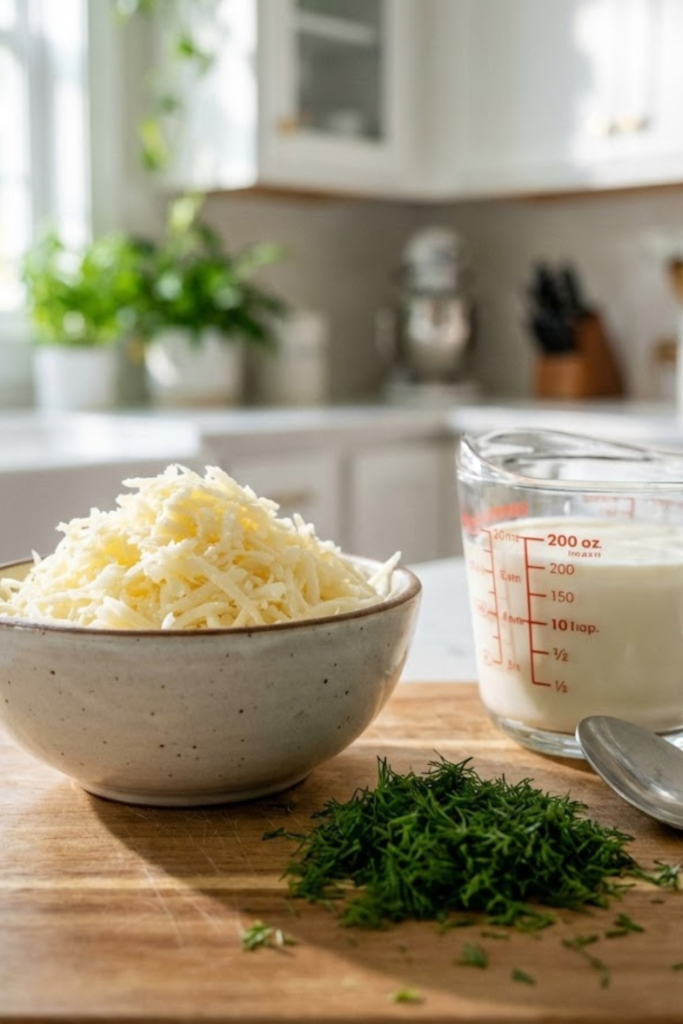
This is where I messed up a lot in the beginning. I love sharp cheddar, so I put it in everything. But for this spring vegetable casserole recipe, sharp cheddar is a bully. It completely overpowers the sweet peas and asparagus.
You want a cheese that melts well but plays nice with others. Gruyère is the gold standard here because it’s nutty and smooth, but let’s be honest, it can be pricey.
If I’m watching the budget, I grab a block of mild white cheddar or Fontina. They get gooey and delicious without stealing the show.
Don’t Skimp on the Herbs
Please, put down the jar of dried parsley from 2019. Spring dishes need fresh herbs. It makes the whole kitchen smell like a garden.
I usually grab a handful of fresh dill or chives. I chop them up with kitchen scissors right into the bowl—no cutting board required. If you only have dried herbs, use half the amount, but really try to get fresh if you can. It adds that bright flavor that makes this dish special.
The Crunch Factor
Texture is a big deal for me. I can’t stand a casserole that is soft all the way through. It feels like baby food.
To get that nice crispy top, I swear by Panko breadcrumbs. They stay crunchy way longer than regular breadcrumbs.
I tried using crushed butter crackers once because my mom used to do that, but they got soggy pretty fast with the veggie juices. Stick with Panko, maybe toss it in a little melted butter first if you’re feeling fancy.
Step-by-Step Preparation Guide
Okay, this is where the magic happens. Or the mess, if you aren’t careful. I used to think I could just toss raw veggies in a dish and call it a day, but I learned pretty quick that some things need a little head start.
Here is how I put this spring vegetable casserole recipe together without losing my mind.
Blanching is Your Friend
I know, it sounds like an extra step you don’t want to do. I get it. But if you throw raw asparagus and carrots into the oven at the same time, the asparagus will be mush before the carrots are even cooked.
I boil a pot of salted water and drop the harder veggies in for just about 2 or 3 minutes. Then I fish them out and dump them right into a bowl of ice water. This stops them from cooking and keeps that bright green color.
If you skip this, your casserole might look a little dull and grey. Nobody wants that.
Layering It Up
When it’s time to build the spring vegetable casserole recipe, don’t just dump everything in a pile. I like to spread a little bit of the sauce on the bottom of the baking dish first. It keeps things from sticking.
Then I mix my blanched veggies with the rest of the sauce in a big bowl before pouring it in. This way, every single piece gets coated.
If you try to pour the sauce over the top at the end, it never seems to get all the way down to the bottom layers. You end up with dry veggies at the bottom and a soup pool on top.
The Oven Part
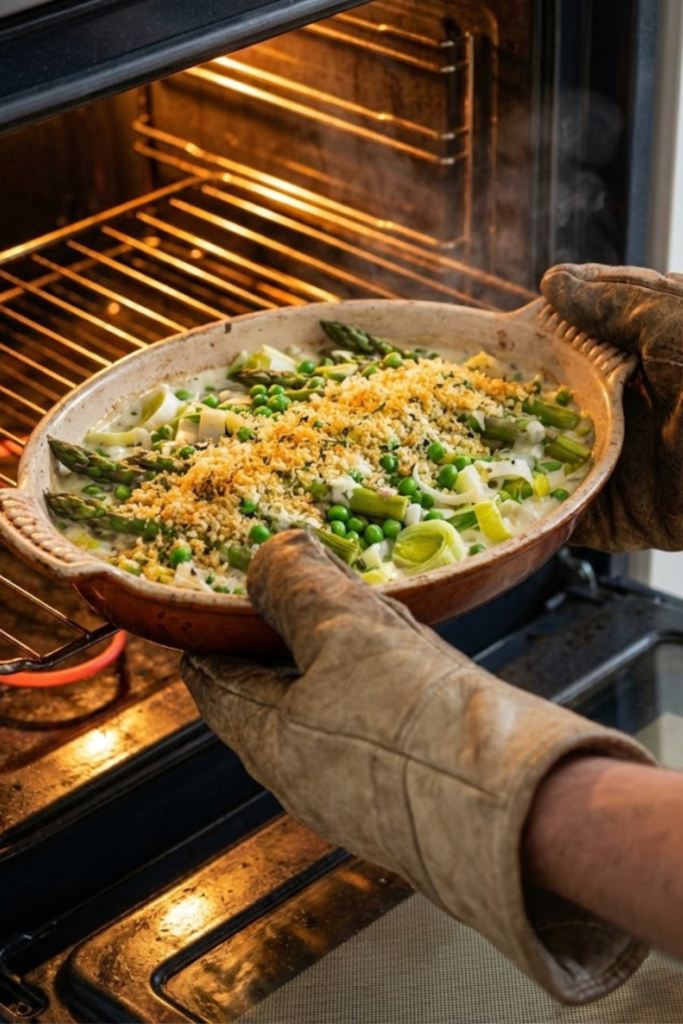
Set your oven to 375°F. I’ve found 350°F is too slow and 400°F burns the topping before the middle is hot.
Bake it for about 25 to 30 minutes. You are looking for bubbles. If you don’t see the sauce bubbling up around the edges, it’s not done.
I usually rotate the pan halfway through because my oven has a hot spot in the back left corner. If you know your oven is a bit wonky like mine, keep an eye on it so one side doesn’t get too dark.
The Hardest Part: Waiting
This is the step I fail at the most. When you take it out of the oven, it smells amazing and you want to dig in right away.
Don’t do it.
If you cut into it immediately, the sauce will run everywhere and it will look messy. You have to let it sit on the counter for at least 10 minutes. It lets the sauce set up a bit so when you scoop a serving, it actually holds its shape. Use that time to set the table or pour a drink. It’s worth the wait.
Dietary Variations and Substitutions
Cooking for a crowd can be tricky these days. It seems like every time I host a dinner, someone has a new dietary restriction. I used to panic, but now I just look at it as a puzzle to solve.
The good news is that this spring vegetable casserole recipe is pretty forgiving if you need to swap things out.
Going Gluten-Free
My sister found out she has a gluten sensitivity last year, so I had to relearn how to make my sauces.
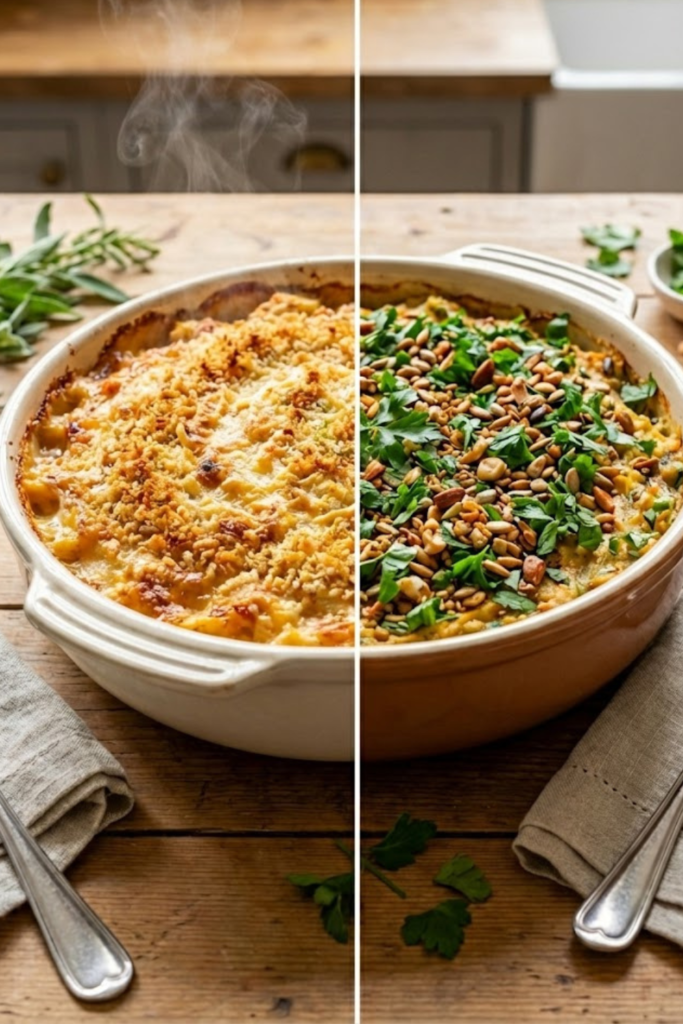
For the creamy binder, you can’t use regular flour to thicken it. I switched to a gluten-free all-purpose flour blend—the kind that says “cup for cup” on the bag. It works just fine, though you might need to whisk it a little longer to get the lumps out.
For the topping, don’t just skip the crunch! There are some decent gluten-free breadcrumbs out there now.
If you can’t find them, I’ve used crushed gluten-free pretzels before. It sounds weird, but the saltiness actually tastes great with the creamy veggies. Just make sure you check the labels on everything, especially the broth.
Making it Vegan
I tried to make a dairy-free version of this once for a potluck at school. I made the mistake of using full-fat coconut milk.
Don’t do that. It tasted like a tropical drink mixed with onions. Not good.
If you need a vegan spring vegetable casserole recipe, stick to unsweetened oat milk or soy milk for the sauce. They have a much more neutral flavor.
For the cheese, there are some better vegan shreds available now than there used to be. I like the ones that melt a bit better; some of them just sit there looking like plastic. You might have to try a few brands to find one you like.
Nutritional yeast is also a good trick—stir a tablespoon into the sauce for that cheesy flavor without the dairy.
Adding Some Protein
Sometimes, especially on busy weeknights, I don’t want to make a separate main dish. I want this casserole to be the whole meal.
I often toss in some leftover rotisserie chicken or diced ham. Ham is particularly good because it pairs so well with peas and asparagus. It gives it a bit of a smoky, salty kick.
If you want to keep it vegetarian but add protein, chickpeas are a solid choice. Just drain and rinse them really well first. They hold their shape in the oven and add a nice bite.
Cutting the Carbs
If you are watching your carbs, the breadcrumbs are the first thing to go.
I’ve used crushed pork rinds for a topping before. I know, it sounds intense, but if you grind them up fine, they get crispy just like breadcrumbs.
Another option is to just use grated Parmesan cheese on top. It gets golden and crispy all on its own without needing the extra carbs from the bread. It changes the texture a bit—you lose that thick crust—but the flavor is still spot on.
Serving Suggestions and Pairings
Alright, so you’ve got this bubbly, golden spring vegetable casserole recipe sitting on your stove. Now what?
I used to just plop the whole dish in the middle of the table and tell everyone to dig in. But honestly, if you serve it with the right stuff, it goes from “just dinner” to “wow, did you take a cooking class?”
What Goes with It?
If this casserole is the side dish, you need a main that isn’t too heavy. Since there is already cream and cheese in the veggies, you don’t want a heavy beef stew or a lasagna next to it. That is just too much.
I love serving this with roasted lamb, especially around Easter. The gaminess of the lamb balances really well with the sweet peas and asparagus.
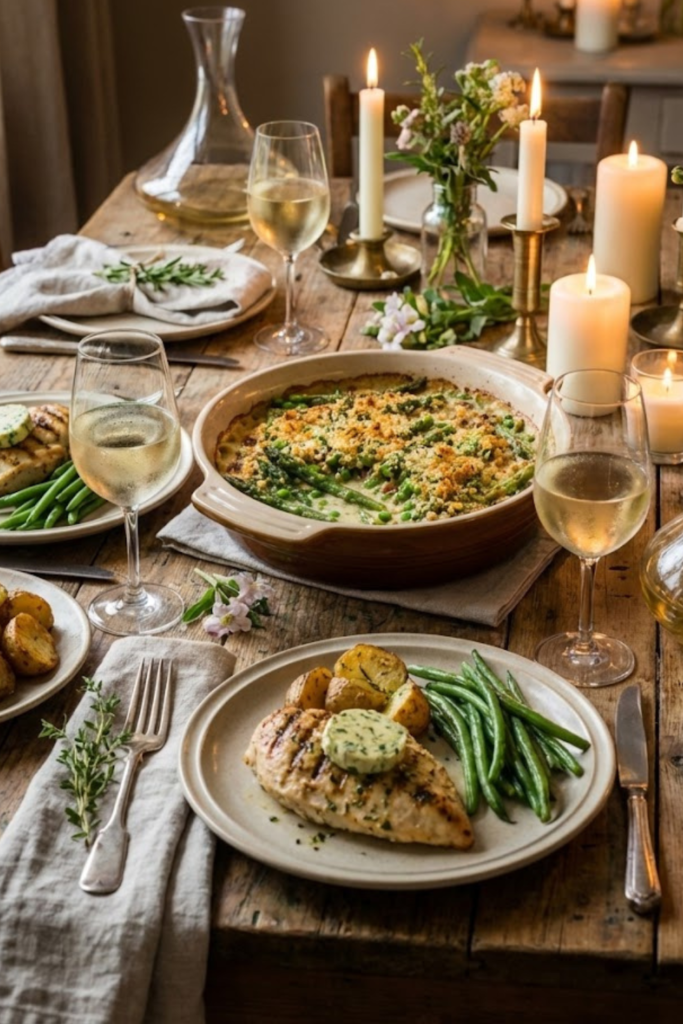
For a regular Tuesday, though, I usually just grill some lemon herb chicken breasts. The lemon cuts right through the richness of the cheese sauce. It’s a lifesaver when I have a stack of papers to grade and need something quick.
Salad is Mandatory (Almost)
I have a rule: if there is cheese in the main dish, there must be vinegar in the salad.
A simple arugula salad with a sharp vinaigrette is my go-to. You need that acidic bite to wake up your tongue after all that creamy sauce.
Don’t use a creamy dressing like ranch or blue cheese here. It clashes. Trust me on this one. I tried it once and felt like I needed a nap halfway through the meal.
What to Drink
Now, I’m no sommelier, but I know what tastes good after a long week.
A crisp white wine is your best friend here. I usually grab a Sauvignon Blanc or a Pinot Grigio. You want something dry and cold.
If you aren’t drinking alcohol, an iced tea with a lot of lemon is perfect. The key is to have something cold and crisp to wash down the warm, cheesy bite.
Making it Look Good
Presentation isn’t my strong suit—I’m usually just trying to get food on the table before everyone gets “hangry.”
But a little trick I learned is to wipe the edges of the casserole dish with a damp paper towel before you bring it out. It takes two seconds and makes it look like you tried harder than you did.
Also, sprinkle a little bit of fresh herbs on top right before serving. The heat from the casserole will make the herbs smell amazing as you set it down. It’s a small thing, but it makes a difference.
Look, I know life gets busy. Between grading papers and trying to keep the house clean, cooking a nice dinner feels like a lot sometimes. But this spring vegetable casserole recipe is one of those meals that makes you feel like you really accomplished something good without spending all day in the kitchen.
It brings all those fresh flavors—the snap of the asparagus, the sweet peas—right to your table without needing a degree in culinary arts. It is comforting, cheesy, and just feels like the season on a plate.
Just remember to let it sit before you cut into it! That was the hardest lesson for me to learn, but it saves the whole dish from becoming a soup.
If you loved this fresh take on a classic casserole, do me a favor and Pin this recipe on Pinterest. It helps other people find it, and honestly, it helps me keep track of it for next year too!