“Spring is nature’s way of saying, ‘Let’s party!'” I honestly couldn’t agree more, especially when that party involves food! There is just something about the first warm breeze that makes me want to ditch the heavy soups and grab a spring cold pasta salad recipe instead. Did you know that pasta salad is one of the most searched “picnic” foods globally every April? It’s a total classic for a reason. I’ve spent way too many afternoons testing different noodle-to-veggie ratios to find the perfect balance of crunch and zing. This recipe is all about those fresh, vibrant flavors like crisp asparagus and sweet peas that finally show up at the farmer’s market. Get ready to fall in love with your lunch again!
Choosing the Best Pasta Shape for Your Salad
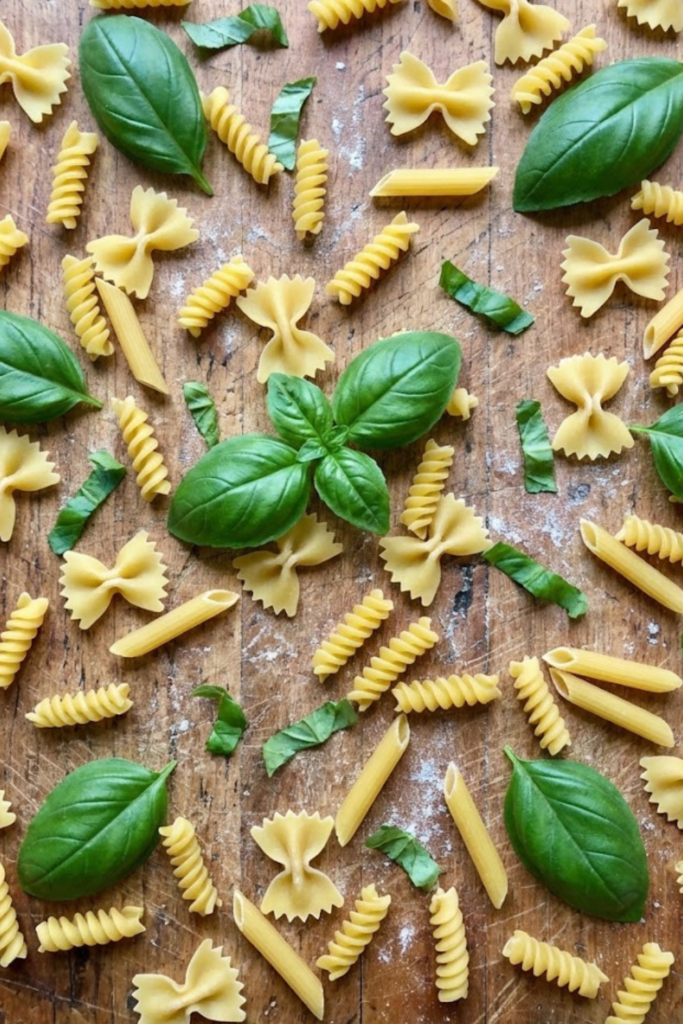
Let’s talk about the foundation of your bowl. You might think any old box of noodles in the pantry will work, but I’m telling you, the shape is the most important part of a good spring cold pasta salad recipe. If you pick the wrong one, you end up with a sad, oily mess at the bottom of the bowl while your noodles stay dry and bland. I’ve made that mistake more times than I can count, usually while rushing to get a side dish ready for a school faculty BBQ. It’s a total bummer when you spend money on fresh veggies and then the pasta ruins the vibe.
The Magic of Ridges and Spirals
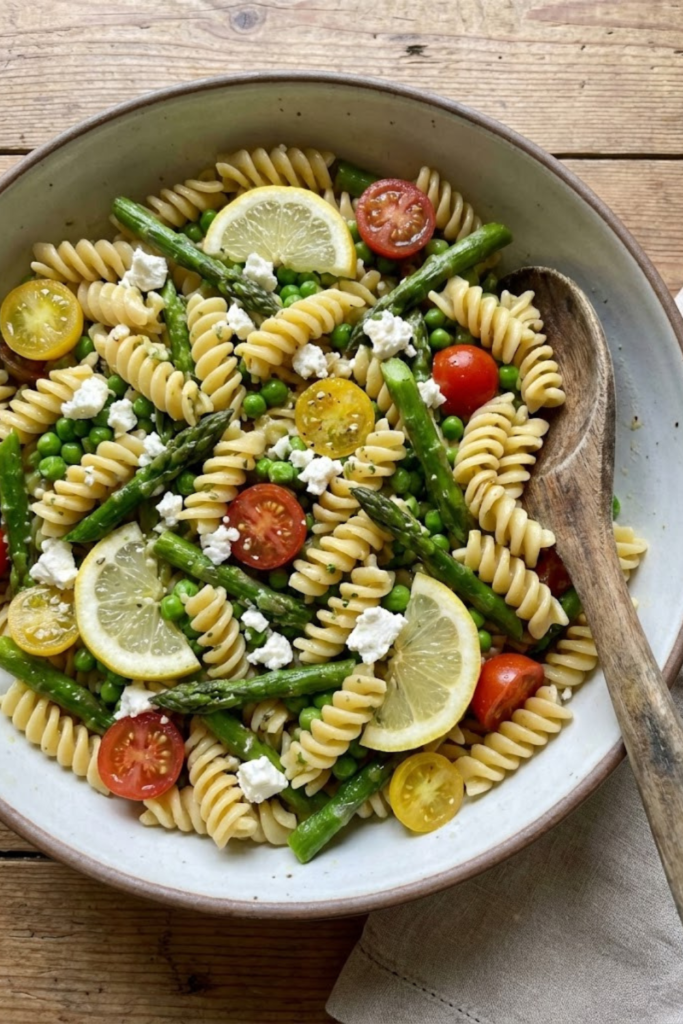
I always tell my students that details matter, and that’s true for noodles too. Rotini and fusilli are my absolute favorites for this. Why? Because those little spirals act like tiny traps for your dressing. When you pour that lemon and olive oil mix over the top, it gets stuck in the twists. This means every single bite is full of flavor. If you use something smooth, like those slippery macaroni elbows or basic penne, the dressing just slides right off. It’s like trying to paint a glass window; nothing sticks! In addition to holding the sauce, a noodle with some “tooth” or texture can hold onto the herbs and those tiny feta cheese crumbles.
Matching Your Pasta to Your Veggies
Another thing I’ve noticed is that size really does matter. You want your pasta to be about the same size as your chopped-up asparagus and cucumbers. If the noodles are huge and the veggies are tiny, you can’t get a perfect mix on your fork. It’s frustrating! I usually chop my veggies into half-inch pieces so they nestle right into the curves of the rotini. It makes the whole spring cold pasta salad recipe feel like a complete meal instead of just a bowl of noodles with some stuff floating around. Also, don’t forget that bowties (farfalle) look pretty, but they have a bad habit of staying too hard in the middle while the edges get mushy. I usually skip them unless I’m feeling brave.
The Gluten-Free Noodle Challenge
If you’re making this for friends who don’t eat wheat, you have to be careful. I’ve tried the chickpea pasta and the lentil ones. They’re great for protein, but boy, they can get grainy if they sit in the fridge too long. If you use a gluten-free option for your spring cold pasta salad recipe, I suggest serving it the same day. I once left a brown rice pasta salad in the fridge overnight and by the next morning, it had the texture of wet cardboard. My kids wouldn’t even touch it! If you go to a gluten-free option, look for the corn and rice blends. They seem to stay firm and bouncy even when they’re cold. Just keep an eye on that boiling pot because they go from “hard” to “mush” in about thirty seconds. It’s a narrow window, but you can do it!
Essential Seasonal Vegetables for Spring Freshness
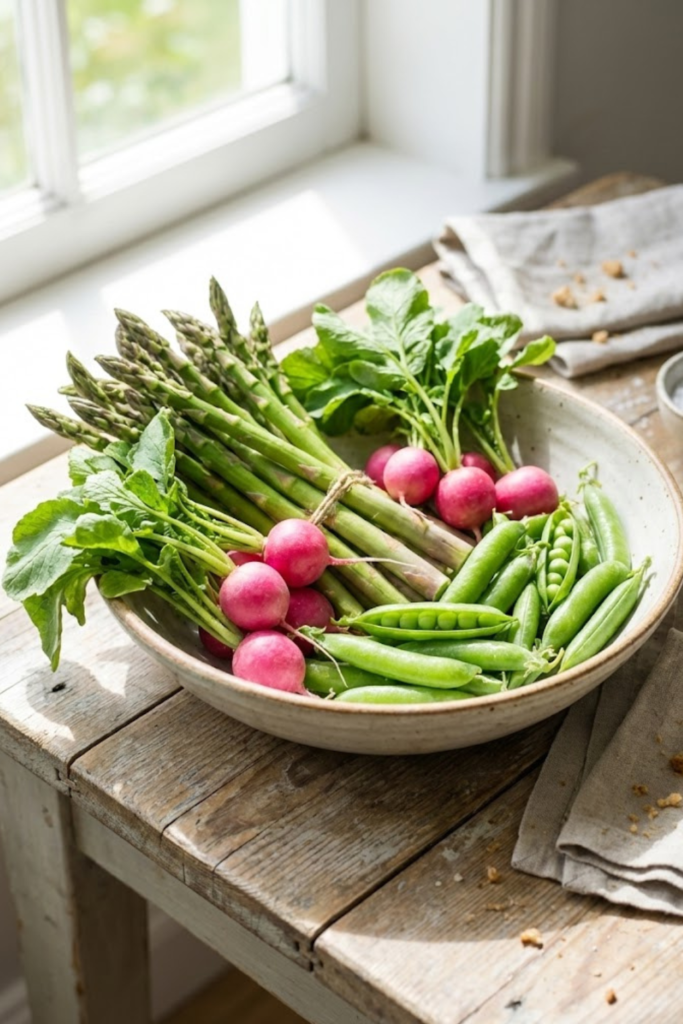
If the pasta is the bones of the dish, then the vegetables are definitely the heart. For a spring cold pasta salad recipe, you really gotta lean into what is actually growing right now. I love going to the local farmer’s market—the one right by the old middle school where I used to work—and seeing all those bright greens. It’s a million times better than the wilted stuff you find in the middle of winter. Using fresh veggies makes the whole thing taste like a garden instead of a dusty pantry. I usually get carried away and buy way more than I need, but that is just part of the fun of spring cooking.
The Power of Green Greens
Asparagus is the king of spring, no doubt about it. But listen, you can’t just throw it in raw; it’s way too woody and tough for a salad. I always blanch mine. That is just a fancy teacher word for boiling it for about sixty seconds and then dunking it in ice water. This keeps it bright green and gives it a nice “snap” when you bite it. If you skip the ice bath, the heat keeps cooking the spears and they turn into mushy grey sticks. I also love using frozen peas. I know, fresh is supposed to be “better,” but frozen peas are just so easy! You just toss them into the pasta water for the last minute of cooking. They add this little pop of sweetness that balances out the salty cheese. It’s a trick I learned when I was trying to feed a class of thirty hungry kids on a field trip once.
Don’t Forget the Crunch
A good spring cold pasta salad recipe needs some serious texture. Radishes are my secret weapon here. Most people think they are just for garnish, but when you slice them super thin, they add a peppery bite that is really refreshing. Plus, they’re pink! It makes the bowl look so pretty for photos. I also throw in cucumbers, but I always scrape the seeds out first. If you leave the seeds in, the salad gets watery after an hour, and nobody wants a soggy mess. Just use a spoon to scoop the middle out. It takes an extra minute, but it makes a big difference for the leftovers.
Herbs Are Not Just for Decoration
I used to be scared of fresh herbs. I thought they were too expensive or too much work to deal with. But then I tried putting fresh dill and mint in my pasta salad. Wow. It changes everything. Dried herbs just don’t have that same “zing” that you want for a spring dish. Mint sounds weird for a pasta salad, I get it, but it makes the whole thing feel so cool and light. Just don’t use the stems because they taste like grass. Stick to the leaves and chop them small. I once used way too much dill and my husband said the kitchen smelled like a pickle factory, so maybe don’t go too crazy. A little bit goes a long way to making this meal taste professional.
The Secret Zesty Lemon Vinaigrette
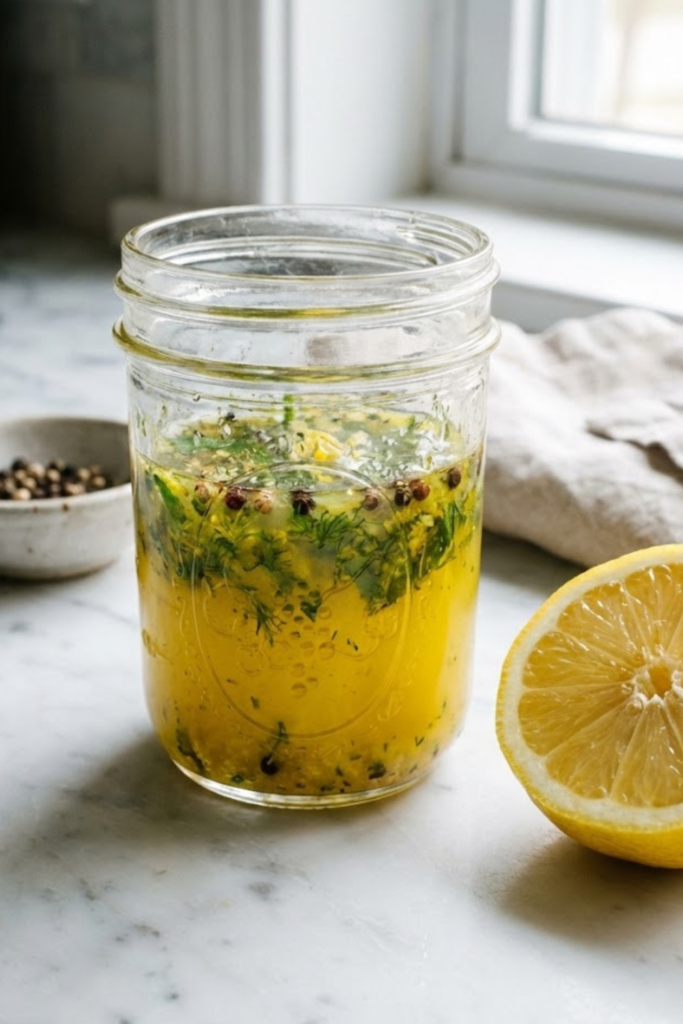
I’ve said it before and I’ll say it again to my students: you can have the best materials in the world, but if you don’t have a plan to stick them together, it’s just a pile of junk. In a spring cold pasta salad recipe, the dressing is that glue. For years, I just bought the bottled Italian stuff from the grocery store because I thought it was easier. But those bottled dressings are often way too salty or have a weird metallic aftertaste. Once I started making my own lemon vinaigrette, I realized what I was missing. It’s like switching from a fuzzy old TV to a high-definition one—everything just tastes sharper and brighter.
Getting the Acid Balance Right
The biggest mistake people make is not using enough acid. You need that “zing” to cut through the heavy pasta and the creamy cheese. I like to use a mix of fresh lemon juice and white wine vinegar. If you just use lemon, it can sometimes feel a bit flat. The vinegar adds a sharp kick that stays on your tongue. I usually squeeze about two big lemons—make sure you don’t drop the seeds in there! I once served a salad at a PTA meeting and a fellow teacher almost choked on a lemon seed. That was pretty awkward. Use a little strainer or just your hand to catch them.
Why Mustard is Your Best Friend
Have you ever noticed how oil and water just don’t want to be friends? They stay separated no matter how much you shake the jar. This is where Dijon mustard comes in. It’s an emulsifier, which is just a fancy science word for something that helps oil and vinegar stay mixed up. If you don’t add a teaspoon of mustard, your dressing will just slide off the noodles and pool at the bottom of the bowl. The mustard makes the dressing thick and creamy without actually adding any dairy. It’s a total game changer for a spring cold pasta salad recipe. I usually use the grainy kind because I like the look of the little mustard seeds on the pasta.
Adding a Touch of Sweetness
Now, don’t get scared, but you need a little sugar or honey in there. I’m not saying make it a dessert, but a tiny bit of sweetness balances out the sour lemon. It makes the flavors feel “round” instead of just sharp. I usually use a drizzle of honey because it dissolves easier than granulated sugar. If you are vegan, agave works just as well. I remember one time I forgot the honey, and the salad was so sour it made my kids’ faces scrunch up like they were eating warheads candy! Just a teaspoon is enough to fix that. Stir it all together in a mason jar and give it a really good shake until it looks cloudy and thick. Trust me, your taste buds will thank you for taking the extra five minutes to do this right.
Tips for Perfect Al Dente Pasta Every Time
Cooking pasta for a warm dinner is one thing, but getting it right for a spring cold pasta salad recipe is a whole different ballgame. I’ve seen so many people just boil a pot of water, throw the noodles in, and hope for the best. That’s how you end up with pasta that tastes like nothing or falls apart when you try to pick it up with a fork. As a teacher, I’m all about following instructions, but sometimes the instructions on the back of the box are actually wrong for what we’re trying to do here. You want the noodles to have a little “snap” to them so they don’t get soggy after sitting in the fridge with all that yummy lemon dressing. It’s all about the texture!
Salt That Water Like the Sea
If there is one thing I tell everyone who asks for my spring cold pasta salad recipe, it’s that you have to salt your water. And I don’t mean just a little pinch! You want that water to taste like the ocean. I remember one time I was in a rush for a school potluck and I totally forgot the salt. The pasta tasted so bland, even with all the feta and lemon I added later. The salt needs to get inside the noodle while it’s cooking, otherwise, it just tastes like plain flour. I usually put in at least a tablespoon of kosher salt once the water is boiling. It might seem like a lot, but most of it goes down the drain anyway, so don’t worry about it too much.
The Under-Cook Secret
Here is the real trick: look at the box and see how long it says to cook for “al dente.” Now, take two minutes off that time. For a spring cold pasta salad recipe, you want the pasta to be slightly firmer than usual. Why? Because as the pasta sits in the fridge soaking up the vinaigrette, it actually softens up a bit. If you cook it all the way to soft on the stove, it will turn into mush by the time you’re ready to eat lunch the next day. I always set my kitchen timer and start tasting the noodles around the six-minute mark. You want it to have a bit of a “bite” in the middle. If it sticks to your teeth, it’s not done yet, but if it feels firm, it’s perfect.
The Big Cold Rinse Debate
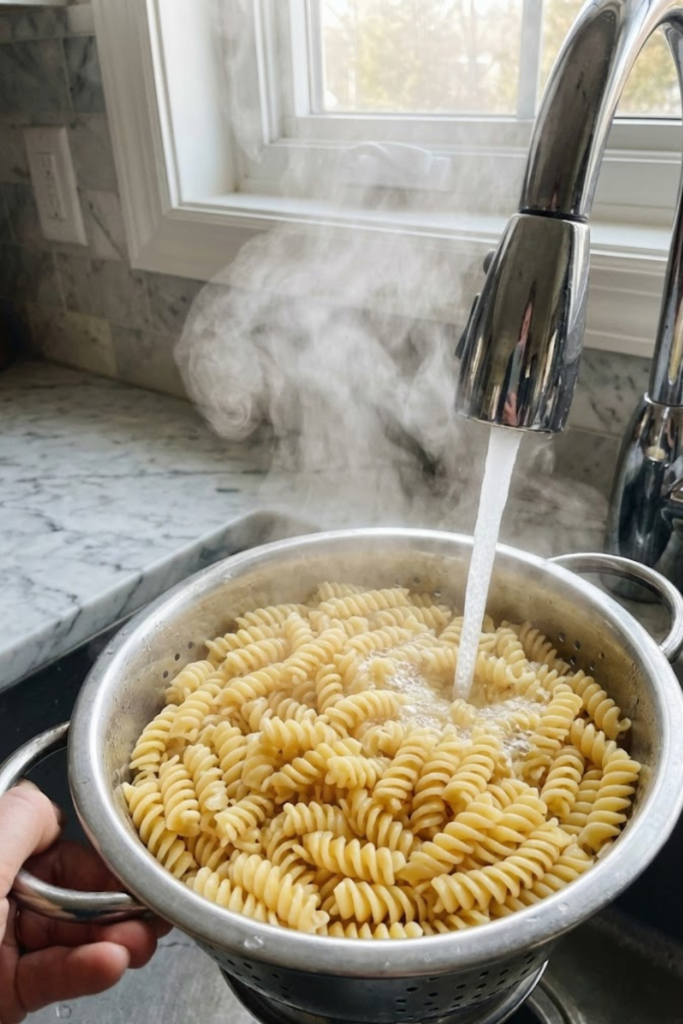
Now, usually, you never want to rinse your pasta because you want the starch to help the sauce stick. But for a cold salad, all bets are off! As soon as you drain that pasta, hit it with cold water from the sink. This stops the cooking process immediately. If you leave it in the colander hot, the noodles will keep cooking themselves in their own steam. I learned this the hard way when I ended up with a giant clump of pasta that looked like a brick. Rinsing it also washes off that extra starch so the noodles don’t stick together while they cool down. It’s the only time I’ll tell you to wash your pasta, but for this recipe, it’s a must! Just make sure it’s drained really well so you don’t water down your sauce.
Bringing It All Together for Your Spring Table
Well, there you have it! We’ve gone through the whole process of making a spring cold pasta salad recipe that actually tastes good and won’t turn into a pile of mush in your fridge. From picking the right curly noodles to blanching your veggies and whisking up that sharp lemon dressing, you are now ready to be the hero of the next neighborhood picnic. I know it seems like a lot of little steps, but once you get the hang of it, you can pull this whole thing together in about twenty minutes. It’s become a total staple in my house, especially during those busy weeks in May when school is winding down and I just don’t have the energy for a big cooked dinner.
I really hope you give this a try the next time you see some beautiful asparagus at the store. There is something so satisfying about eating a meal that feels as fresh as the weather outside. Plus, it’s a great way to sneak some extra greens into your family’s diet without them complaining too much. My kids usually pick out the radishes at first, but eventually, they realize that everything tastes better when it’s covered in that lemon and feta goodness. If you find yourself with leftovers, just remember to give the bowl a good stir before you eat it the next day. The dressing tends to settle at the bottom, and a quick toss will wake all those flavors back up.
If you made this and loved it, or even if you swapped out the peas for some chopped bell peppers, I’d love to hear about it! Cooking is always more fun when we share our little wins and “fails” with each other. It’s how we all get better in the kitchen. Also, if you found these tips helpful, please share this on Pinterest! It helps other home cooks find easy, reliable recipes that actually work. I’ve saved so many great ideas on there myself over the years, and I’d love for this spring cold pasta salad recipe to help someone else out of a lunch rut. Thanks for hanging out in my virtual kitchen today—now go grab a fork and enjoy the sunshine!