You know that feeling when you walk into a house and it smells like pure heaven? That’s exactly what happens when you’ve got this slow cooker French dip simmering away all day! I used to be intimidated by making my own au jus, thinking it was some fancy chef secret, but boy, was I wrong. It turns out, the magic is all in the slow roast.
Let’s be real for a second—there is nothing, and I mean nothing, better than dipping a crusty, cheesy roll into a hot cup of savory beef broth. Did you know that the “French Dip” actually originated in Los Angeles, not France? It’s a true American classic! Whether you’re feeding a crowd for the big game or just want a cozy dinner on a Tuesday, this recipe is going to change your life. Get your napkins ready; it’s going to get messy in the best way possible!
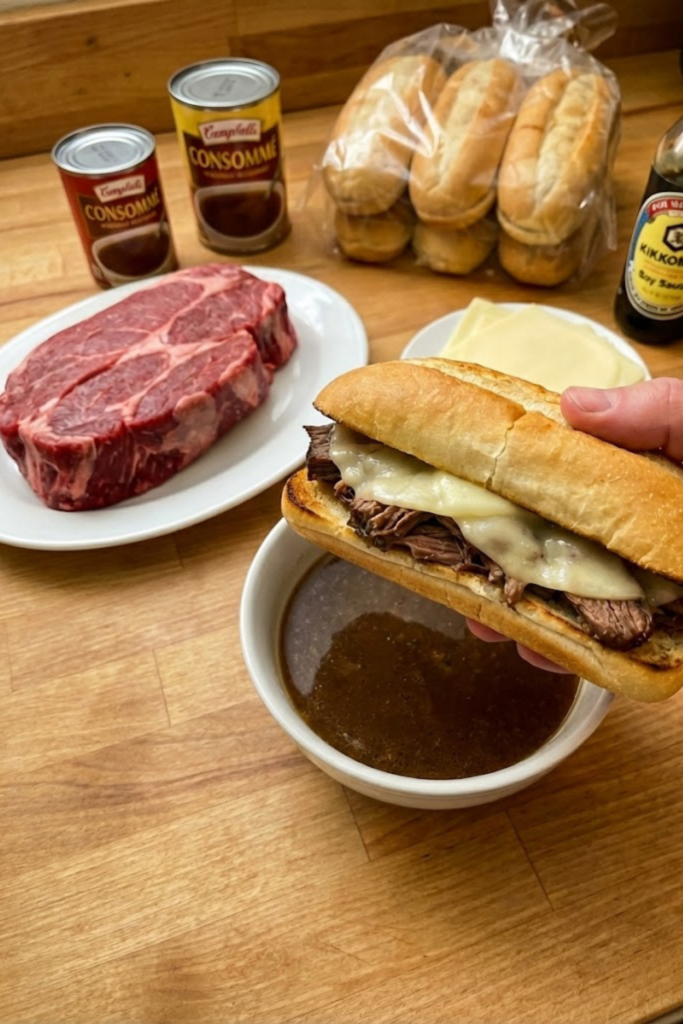
Choosing the Best Meat for French Dips
I have to be honest with you—I’ve messed this up big time in the past. When I first started making slow cooker french dip sandwiches, I just grabbed whatever big hunk of beef was on sale at the grocery store. I figured, “Hey, it’s going in the slow cooker for eight hours, it’s gotta come out tender, right?” Wrong. I ended up with something that tasted like shoe leather and was about as easy to chew as a rubber tire.
It was super frustrating after smelling it cook all day! But I learned my lesson so you don’t have to make the same mistake. The cut of meat you choose is literally the most important part of this whole recipe.
Why Chuck Roast is the Real MVP
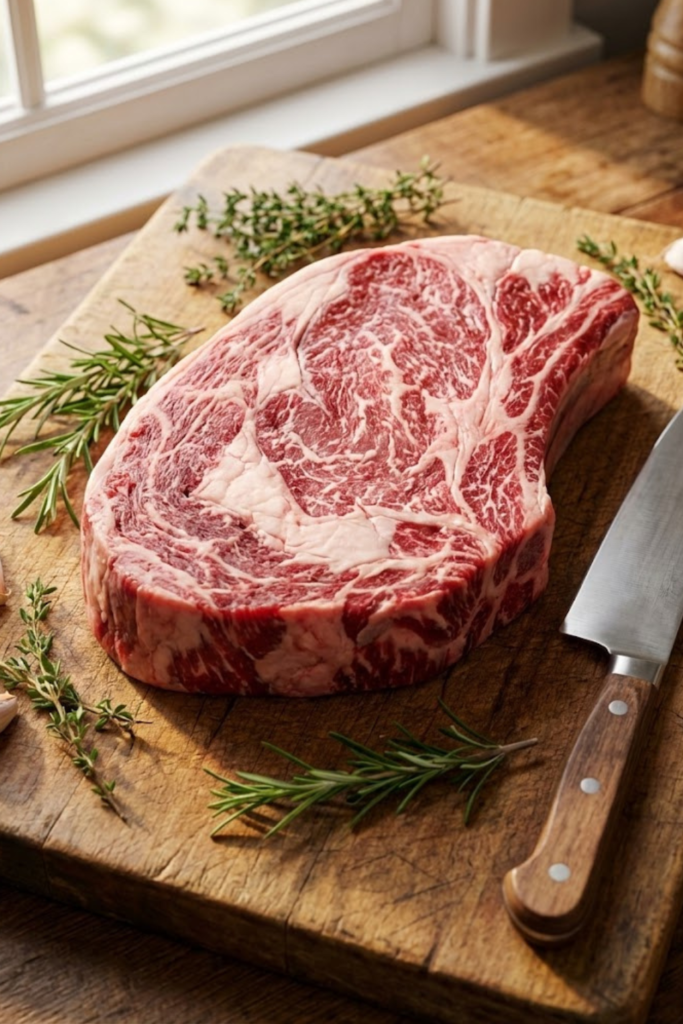
If you want that melt-in-your-mouth experience, you have to go with a chuck roast. I know it might look a little fatty when you see it in the package, but that’s actually a good thing. That white fat and marbling breaks down over time and turns into pure flavor and tenderness.
Think of it like this: the fat bastes the meat from the inside out while it cooks. When I finally switched to chuck roast, the difference was night and day. The meat just fell apart when I touched it with a fork. It was a total triumph compared to my earlier disasters.
What About Rump Roast?
Now, I get it. Sometimes you see a rump roast or a bottom round that looks leaner, and you might be tempted to save a few calories. I’ve tried it, and while it’s okay, it’s just not the same.
Leaner cuts tend to dry out, even in the slow cooker. If you absolutely have to use a rump roast, my advice is to cook it for a little less time so it doesn’t turn into jerky. But honestly? Live a little. Go for the chuck roast for your slow cooker french dip. It’s worth it.
To Sear or Not to Sear?
This is where I used to be really lazy. I used to just dump the raw meat into the pot and turn it on because I didn’t want to wash another pan. And yeah, it was edible. But then I tried searing it first.
Here is the deal: taking five minutes to brown the meat in a skillet creates this crust that adds a ton of richness to the broth. It’s called the Maillard reaction, but we can just call it “flavor town.” I burnt my hand slightly the first time I tried flipping a huge roast in a hot pan, so be careful! But seriously, don’t skip this step if you want your au jus to taste amazing.
Trimming the Fat (But Not All of It)
You definitely want to trim off those thick, hard slabs of fat on the outside of the roast. Nobody wants a mouthful of goo in their sandwich. Yuck.
But don’t go crazy and cut it all off! I usually leave a thin layer just to keep things juicy. It’s a balance, you know? Just pretend you’re giving the roast a little haircut. A sharp knife helps a ton here—I learned that the hard way after struggling with a dull blade for twenty minutes.
A Note on Bone-In vs. Boneless
I usually grab a boneless chuck roast just because it’s easier to slice or shred later. But if you find a bone-in one, that bone can add some serious goodness to the juice. Just remember to fish it out before you serve the sandwiches!
At the end of the day, making a great slow cooker french dip is about patience and starting with the right ingredients. Trust me, spending a few extra bucks on a good chuck roast and taking the time to sear it makes you look like a genius in the kitchen.
The Secret Ingredients for Perfect Au Jus
I have a confession to make. The first time I tried to make slow cooker french dip sandwiches, I treated the liquid like an afterthought. I basically threw some water and a couple of those cheap bouillon cubes in with the meat and called it a day.
The result? It tasted like salty dishwasher water. I was so disappointed because the meat was okay, but the dipping sauce—the best part!—was totally lackluster. I learned pretty quickly that if you want that restaurant-quality dip, you can’t just rely on the meat juices alone. You have to build a flavor base that stands on its own.
Why Broth Just Doesn’t Cut It
Here is the biggest lesson I learned after a few failed attempts: stop using regular beef broth. It’s too thin and watery for a rich homemade au jus.
I stumbled upon condensed beef consommé by accident one day when the store was out of stock of the regular stuff. I decided to give it a try, and wow, what a difference! Consommé is basically a clarified, richer version of broth that has a gelatinous texture when it’s cold.
It gives the sauce a mouthfeel that is velvety rather than watery. If you are looking for beef consommé recipes, this is the holy grail. It clings to the bread instead of just soaking it into a soggy mess immediately.
The Umami Bomb
Okay, this might sound weird, but hear me out. You need to add soy sauce to your beef. I know, I know, it sounds like you’re making stir-fry, but you aren’t.
When I first read about putting soy sauce in beef stew or dips, I was skeptical. I thought it would make everything taste like takeout. But I was wrong. Soy sauce adds “umami,” which is just a fancy word for that deep, savory flavor that makes you want to lick the bowl.
I combine that with a healthy splash of Worcestershire sauce. A good worcestershire sauce marinade penetrates the meat, but in the slow cooker, it blends with the soy sauce to create a complex, dark liquor. It’s not about tasting the individual ingredients; it’s about making the beef taste beefier.
Don’t Skimp on the Aromatics
I used to chop fresh onions for this, crying my eyes out in the kitchen for twenty minutes. But honestly? I’ve found that dried ingredients actually work better here.
Fresh onions can sometimes turn to mush if you aren’t careful, but dried minced onions or a packet of onion soup mix pack a punch of concentrated flavor. It is a great onion soup mix substitute if you want to control the salt, just using dried flakes and garlic powder.
I also like to throw in a sprig of fresh rosemary or thyme. I made the mistake once of chopping the rosemary up too small, and we were picking little sticks out of our teeth all dinner. Not fun. Now, I just throw the whole sprig in and fish it out before serving. It infuses the savory beef broth without the hassle.
Balancing the Liquid
The last thing you want to do is drown your poor roast. I used to fill the crockpot to the brim, thinking more liquid meant more sauce.
Bad idea. If you use too much liquid, you dilute all that hard work you did seasoning the meat. You want enough liquid to come up about halfway up the side of the roast. This creates a concentrated, rich dipping sauce rather than a weak soup.
It took me years to figure this balance out, but once you get it, you’ll never go back to packets or jars again.
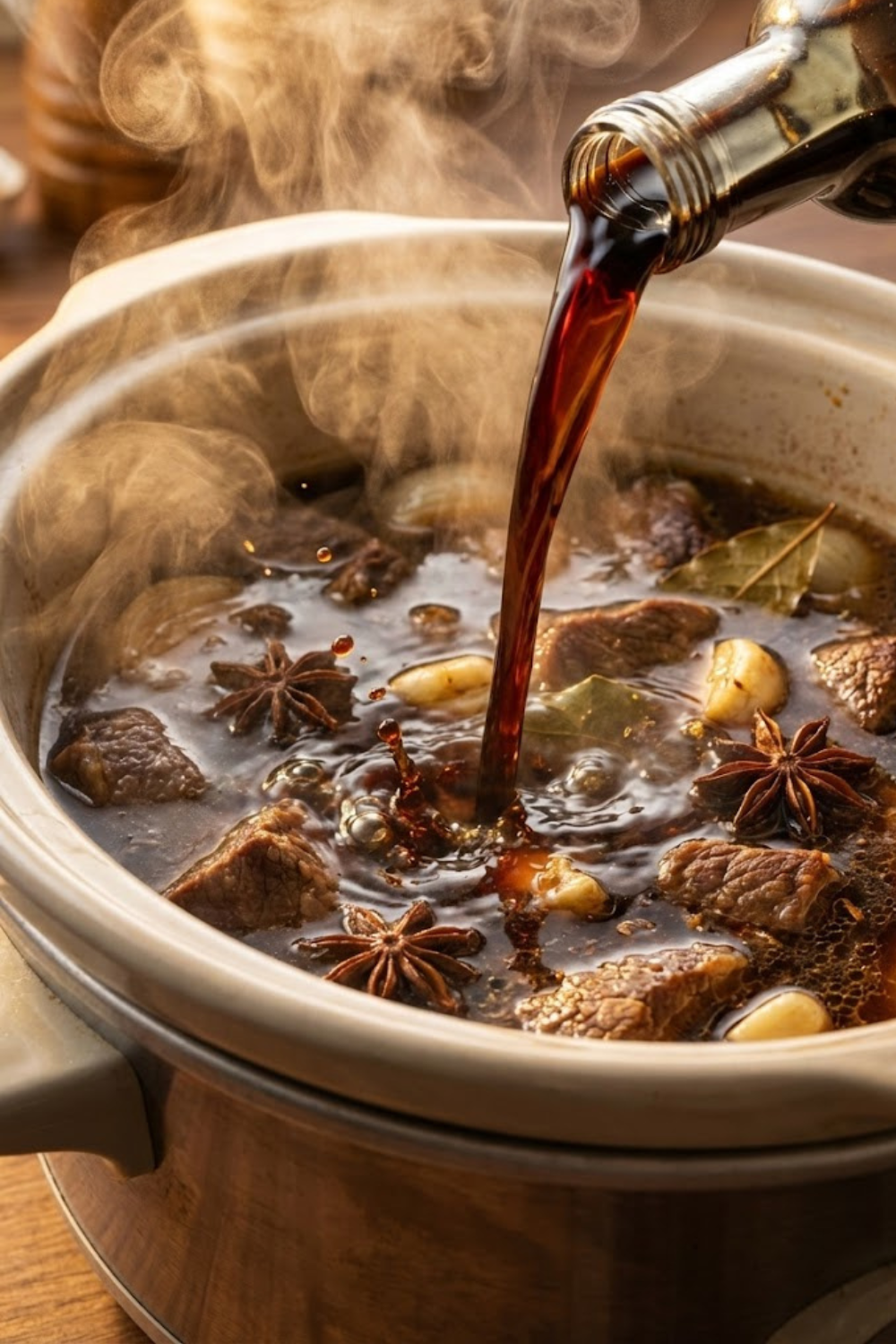
Step-by-Step Cooking Instructions
I used to think using a slow cooker was idiot-proof. You just dump stuff in and walk away, right? Well, yes and no. I remember the first time I made this, I just threw the meat in at the bottom and piled the onions on top.
When I came back eight hours later, the bottom of my roast was scorched and stuck to the pot. It was a nightmare to clean! I spent twenty minutes scrubbing that pot while my family waited for dinner. Not my finest moment.
Layering the Pot Correctly
Here is one of those slow cooker hacks that changed the game for me. You have to build a bed for the meat. I always slice my onions thick and lay them covering the bottom of the crockpot first.
This does two things. First, it stops the meat from burning on the bottom element. Second, the onions caramelize in the juices and get super sweet. Then, you place that beautiful, seared chuck roast right on top of the onion bed. It’s like tucking the meat into a flavorful mattress.
The Low vs. High Debate
I am a naturally impatient person. If a recipe says “Low for 8 hours or High for 4,” I used to always pick High. I just wanted to eat sooner! But for this recipe, please don’t do that.
Cooking roast beef times vary, but chuck roast needs a long, gentle heat to break down all that tough connective tissue. When I cooked it on High, it came out tough and chewy. It wasn’t inedible, but it wasn’t great.
Set your slow cooker to Low for 6-8 hours. I know it’s a long time to wait, but the result is meat that literally falls apart when you look at it. If you rush it, you ruin it.
The Shredding Struggle
Once the timer goes off, the smell in your kitchen is gonna be insane. You’ll want to dig in immediately. But first, you have to shred the beast.
I used to try to take the whole roast out and put it on a cutting board to shred it. Bad move. Juice ran everywhere, dripping onto the floor, and the meat cooled down too fast. Now, I just leave it in the pot.
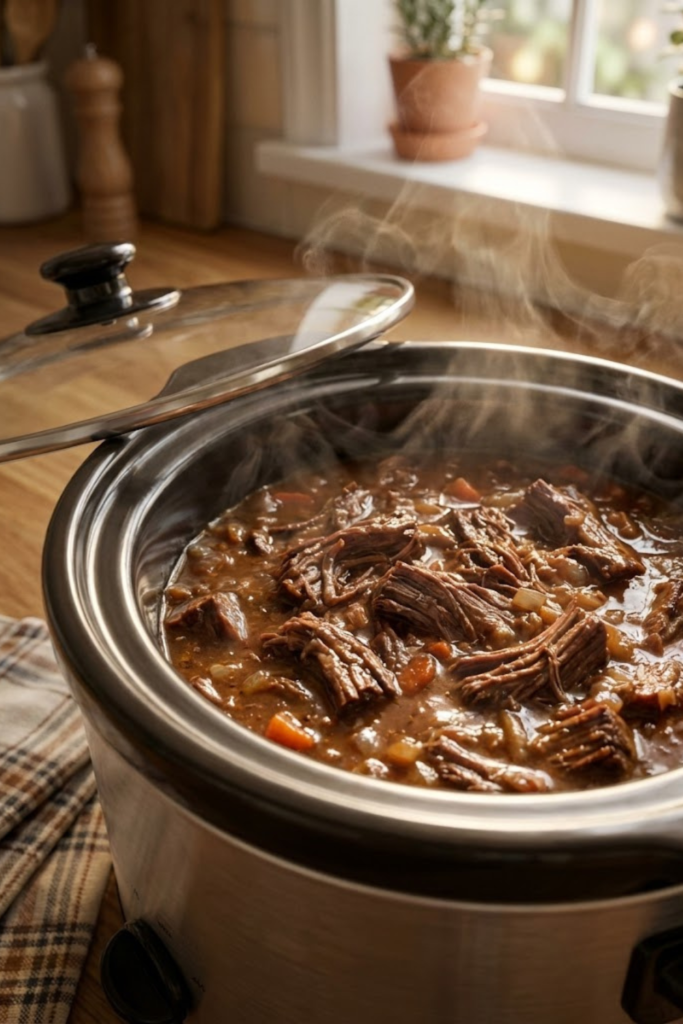
Use two forks and pull the meat apart right there in the liquid. This is how to shred beef the right way. It keeps the mess contained, and every strand of meat gets coated in that dark, salty au jus immediately.
Why You Must Let It Rest
This is the hardest part, and I admit I skip it when I’m starving. But if you can, let the shredded meat sit in the juices with the slow cooker turned off (or to “Warm”) for about 10 to 15 minutes.
I learned this from a friend who is way better at cooking than I am. If you serve it right away, the juices run out onto the bun instantly. If you let it sit, the meat absorbs some of that liquid back up. It makes for a juicier bite that doesn’t just disintegrate your bread immediately.
These slow cooking beef tips might seem small, but they are the difference between a “good” sandwich and a “wow” sandwich.
Assembling and Toasting the Sandwiches
You have spent hours smelling that beef cook, and it is finally time to eat. But wait! Don’t just slap it on a slice of flimsy white bread. I did that once because I forgot to buy rolls. It was a disaster.
The bread dissolved instantly into a soggy mush, and I was left eating beef soup with my hands. It was tasty, but it wasn’t a sandwich. The assembly is just as important as the cooking.
picking the Right Bread
You need a roll with a backbone. I always go for a sturdy French roll or a hoagie bun. You want something that has a bit of a crust on the outside but is soft in the middle.
If you are looking for french roll sandwich ideas, the texture is the main thing. It needs to hold up to the heavy meat and the dip. If the bread is too soft, it falls apart before it even reaches your mouth. I usually buy the “take and bake” kind from the bakery so they are super fresh. Best bread for french dip is always the one that fights back a little when you bite it.
The Garlic Butter Upgrade
Here is a little trick I started doing a few years ago. I used to just toast the bread dry, but then I thought, “Why not add more flavor?” Now, I brush the inside of the rolls with garlic butter before I put them in the oven.
It adds a savory crunch that actually helps “seal” the bread a little bit against the juice. Garlic butter rolls take this sandwich from “good” to “restaurant quality” instantly. It’s an extra step, but I promise it is worth the two minutes it takes.
Cheese Choices and Melting
Provolone is the classic choice here for a reason. It melts beautifully and has a sharp bite that cuts through the rich, salty beef. If you check out provolone cheese recipes, you’ll see it pairs perfectly with red meat.
I’ve used Swiss cheese before, and it was good, but it didn’t get as gooey. And honestly? I avoid cheddar on this. The oil separates too much. Stick to Provolone or a low-moisture Mozzarella for the best melting cheese for sandwiches.
The Broiler Danger Zone
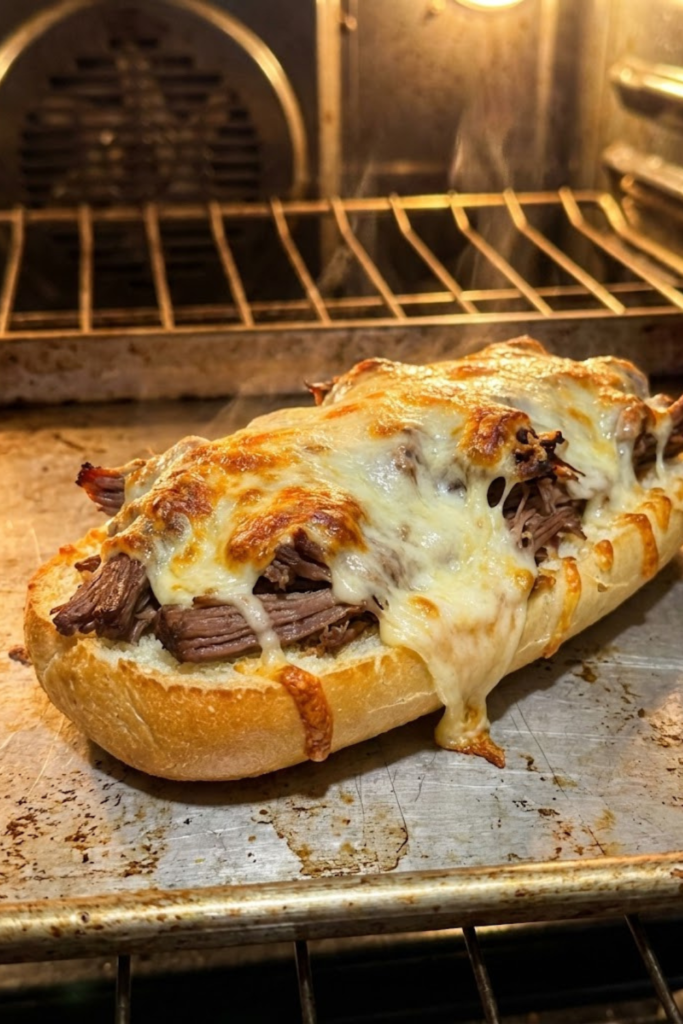
Okay, this is where I have messed up more times than I care to admit. To get that bubbly, golden cheese, you need to broil the open-faced sandwiches.
I load up the buns with meat and cheese and stick them under the broiler. But you have to watch them! I walked away to pour a drink once, and I smelled smoke. I burned a whole tray of toasted sub sandwiches to a crisp.
The difference between “perfectly melted” and “charcoal” is about thirty seconds. Stand right there and stare at it until the cheese bubbles. Don’t walk away!
The Best Sandwich You’ll Make in 2026
I still remember the silence at the dinner table the first time I finally nailed this recipe. Usually, dinner at my house is chaos—kids talking over each other, the dog barking, someone complaining about vegetables. But that night? Silence.
Everyone was too busy devouring their sandwiches to talk. That is when I knew this slow cooker french dip was a keeper. It’s one of those family dinner recipes 2026 is going to be all about: simple, hearty, and bringing people together.
Why This Recipe Works
If you’ve stuck with me this far, you know the secrets now. We aren’t just boiling meat in water; we are crafting a flavor bomb. By using a marbled chuck roast and searing it first, we built a foundation of flavor that you just can’t get from a packet.
And that au jus? It’s liquid gold. I catch my husband dipping his fries into the leftover bowl of it long after the sandwiches are gone. It’s rich, salty, and savory in all the right ways. It really turns a basic sandwich into a comfort food recipe that feels like a hug in a meal.
A Note on Leftovers (If You Have Any!)
I rarely have leftovers when I make this, but on the off chance you do, you are in luck. This meat actually tastes better the next day. I store the meat right in the juice in an airtight container in the fridge.
When you reheat it, do it gently on the stove. Don’t microwave it if you can help it! The microwave tends to make the beef rubbery. Gentle heat keeps it tender. I’ve even used the leftovers for easy weeknight dinners later in the week, like beef tacos or topping a baked potato. It’s super versatile.
Serving Suggestions
You might be wondering what to serve with these monsters. Since the sandwich is so rich, I like to keep the sides simple. A crisp green salad with a vinaigrette cuts through the heaviness of the cheese and beef perfectly.
If you are feeling indulgent, though, homemade potato wedges or onion rings are a solid choice. Just don’t forget the pickles! A tangy dill pickle spear on the side is the traditional partner for a reason. It cleanses your palate and gets you ready for that next savory bite.
Final Thoughts
I hope you give this recipe a shot. I know it takes a little planning to get the roast in the slow cooker in the morning, but your future self will thank you when you walk in the door at 5 PM.
There is no “perfect” cook, and I certainly still burn things from time to time. But this recipe is forgiving. As long as you keep the heat low and the lid on, you are going to end up with something amazing. So, grab a roast, get that slow cooker out of the cupboard, and treat yourself.
Share this on Pinterest! If this recipe made your mouth water, do me a huge favor and share it! Hover over the image below to pin this slow cooker french dip to your “Best Dinner Recipes” or “Crockpot Meals” board on Pinterest. It helps other foodies find these tips and saves the recipe for when you need it most!