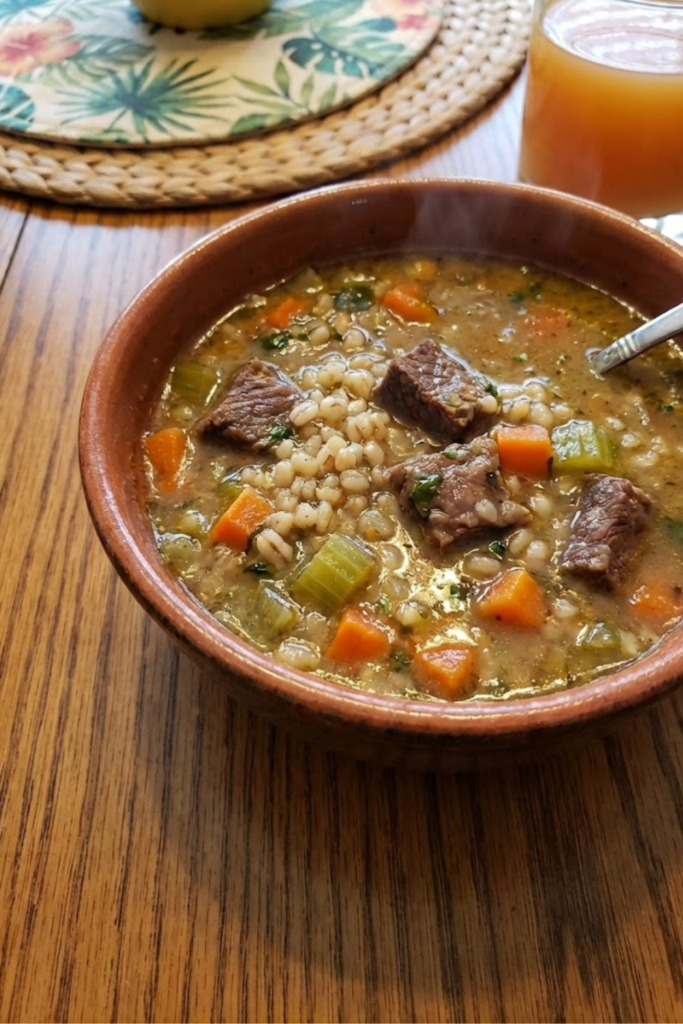
“A first-rate soup is more creative than a second-rate painting,” or so they say! I’ve spent years trying to find that one meal that feels like a warm hug after a long day of teaching, and let me tell you, this slow cooker beef barley soup is it. It’s thick. It’s rich. It’s exactly what your soul needs when the 2026 winter chill starts biting at your nose. I remember the first time I tried making this; I accidentally used way too much barley and ended up with a pot of beef-flavored porridge! But that’s how we learn,right? Using a crockpot or slow cooker makes this one-pot meal so simple that even my students could probably handle it. Let’s dive into how to get that tender beef and nutritious barley just right.
Choosing the Best Beef for Slow Cooking
I’ve spent a lot of my life in a classroom, and if there’s one thing I’ve learned, it’s that preparation is everything. My first try at this soup was a total disaster because I thought I knew better than the recipe. I bought a very lean, expensive cut of beef thinking it would be “healthier” for my family. Well, after eight hours in the crockpot, that beef was so dry and tough that my kids asked if I was serving them pieces of old leather! It was pretty embarrassing. Now, I make sure to pick the right cut every single time.
Why You Should Use Chuck Roast
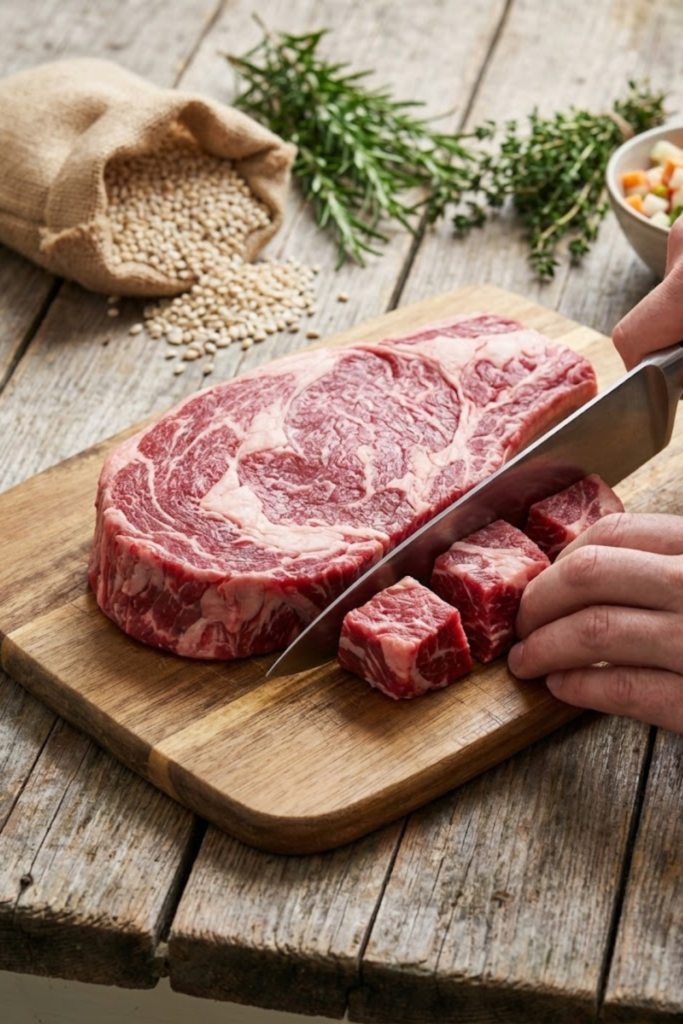
If you want that melt-in-your-mouth feel, you have to buy chuck roast. It is the best choice for any slow cooker meal. Look for the meat that has those little white lines of fat running all through it. This is called marbling. In a slow cooker, that fat melts down and keeps the meat moist while it cooks for hours. It also adds a ton of flavor to the beef broth. I usually look for a big piece at the store and cut it up myself so I know exactly what I’m getting.
The Problem With Lean Meat
Avoid lean cuts like sirloin or round steak for this recipe. These might be great for a quick stir-fry, but they just can’t handle the long heat of a slow cooker. They don’t have enough fat to break down properly. Instead of getting soft, they just get tighter and drier as the clock ticks. Trust me, nobody wants a soup where you have to chew each piece of meat twenty times. It ruins the whole experience of a cozy meal.
Browning for Better Flavor
I know it’s an extra step and another pan to wash, but you should brown the beef in a skillet before putting it in the pot. Just toss the cubes in some flour, salt, and pepper, then sear them in a hot pan with a little oil. This creates a crust that holds the juices inside. It also leaves behind little brown bits in the pan that add a deep color to your soup.
Sizing Your Beef Cubes
Try to keep your cubes around one inch. If they are too small, they might fall apart and get lost in the barley. If they are too big, they won’t cook at the same rate. I use a sharp knife to make sure they are all about the same size. This helps the final dish look professional and makes every bite taste just as good as the last one.
The Great Barley Debate: Pearl vs. Hulled
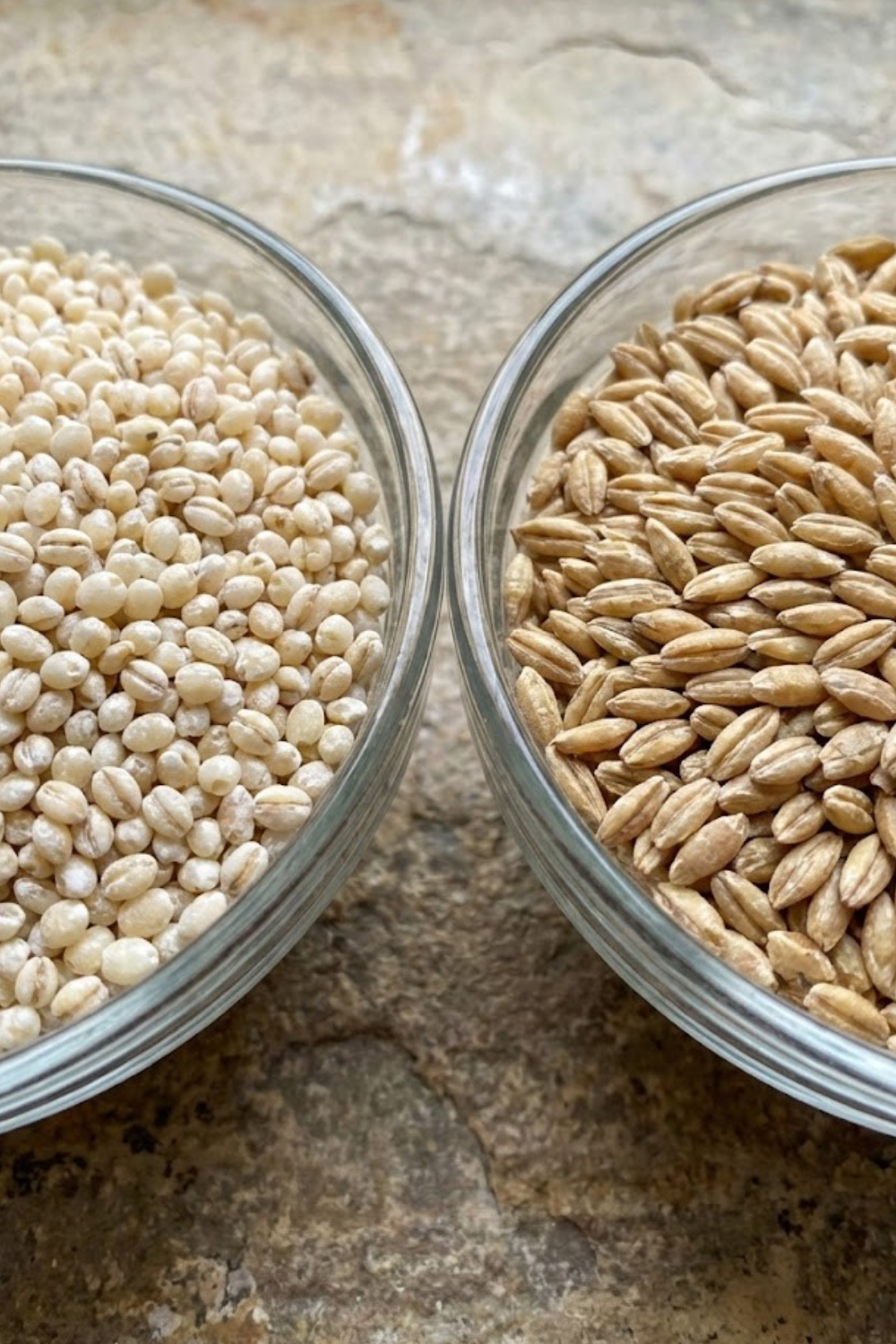
Walking down the grocery store aisle can feel like a surprise test sometimes. I remember the first time I decided to make a slow cooker beef barley soup, I just grabbed the first bag that had the word “barley” on it. I didn’t even look to see if it was pearl or hulled. That little mistake changed my dinner from a soup into a very weird, thick mass that my husband joked was “beef flavored oatmeal.” It wasn’t exactly what I had in mind! Since then, I have learned that there is a big difference between these two grains, and picking the right one is what makes the soup actually taste good.
Why I Choose Pearl Barley
Most people use pearl barley for their soup for a good reason. This type of barley has had its outer bran layer removed, which means it cooks much faster and gets a lot softer. In a slow cooker, pearl barley acts like a tiny sponge. It drinks up that savory beef broth and releases some of its own starch, which makes the soup feel thick and cozy. I love how it gets almost creamy when it sits in the pot all day. It is perfect for a teacher like me who just wants a warm, easy bowl of food after a long day of grading papers and talking to noisy kids. It is also very easy to find at almost any grocery store, which saves me from having to drive all over town.
Hulled Barley: The Chewier Cousin
Now, some people really like hulled barley because it is considered a whole grain. It still has the bran layer attached, so it is technically “healthier” for you because it has more fiber. But here is the catch: it takes a very long time to cook. Even in a slow cooker for eight hours, it can stay a little bit crunchy. If you really like a chewy texture, you might like it! But just know it won’t thicken your soup the same way pearl barley does. I tried using it once when I was trying to be “extra healthy,” but my kids complained that it felt like they were eating little pebbles. I haven’t gone back to using hulled barley since that day.
Don’t Let Your Soup Turn Into Porridge
The biggest trick with any kind of barley is how much you actually put in the pot. This grain expands a lot as it cooks! I once put in two whole cups because I thought I was being generous and wanted a “hearty” meal. By the time the timer went off, there was no broth left at all. It was just a giant pot of thick grain. Make sure you stick to about 1/2 or 3/4 of a cup for a standard slow cooker. This way, you still have plenty of liquid left to dip your crusty bread in. You want a soup, not a heavy side dish. Keeping that balance right is the secret to a great meal.
Secret Ingredients for a Richer Broth
I used to think that making soup was just about throwing some water and meat into a pot and hoping for the best. My early attempts at beef barley soup were pretty bland—kind of like drinking warm dish water with some salt in it. It was pretty disappointing after waiting all day for it to cook! As a teacher, I know that if you don’t put in the work at the start of a project, the final result won’t be very good. It took me a few tries and a lot of trial and error to realize that the liquid is actually the most important part of the whole meal. If your broth doesn’t have a deep, rich flavor, the barley and beef won’t taste like much either.
The Magic of Umami Boosters
One of my biggest “aha!” moments was discovering Worcestershire sauce. I know, it’s a hard word to say—my students can never spell it right on their vocab tests—but it is like magic in a bottle for this soup. Just a couple of tablespoons adds this savory, salty taste that you can’t really get from regular salt alone. I also started adding a little bit of tomato paste. You don’t want the soup to taste like spaghetti sauce, but a small spoonful helps give the broth a beautiful dark color and a subtle sweetness that balances out the heavy meat.
Using Real Stock Instead of Water
For a long time, I just used water and those little bouillon cubes because they were cheap and easy to keep in the cupboard. But if you want a soup that tastes like it came from a fancy cafe, you should use a good beef stock or broth from a carton. Or even better, if you have some extra time on a weekend, use those beef bones you can find at the butcher. I tried that once during my winter break, and the broth became so thick and rich it was almost like a light gravy. It made a huge difference in how the soup felt!
Don’t Forget the Fresh Aromatics
Finally, never underestimate the power of fresh herbs. I used to just shake some dried parsley from a jar that had been sitting in my pantry for years. It didn’t do much. Now, I always throw in a couple of fresh bay leaves and some sprigs of thyme. I don’t even bother to chop the thyme; I just put the whole stems in and fish them out later. It makes the whole house smell amazing while the slow cooker is doing its thing. It’s those little things that turn a boring dinner into something your family will actually ask for again.
Slow Cooking Times and Temperature Settings
I’ve learned that when you’re using a slow cooker, patience really is a virtue—something I try to teach my middle schoolers every day, though they don’t always listen! When I first started making this slow cooker beef barley soup, I was always in a rush. I’d come home late and try to blast everything on high heat just to get dinner on the table faster. The result was usually okay, but it never had that deep, soulful flavor that makes you want to go back for seconds. I finally realized that the machine is called a “slow” cooker for a reason. If you try to rush the process, you lose out on the best parts of the meal.
Low and Slow is Usually Better
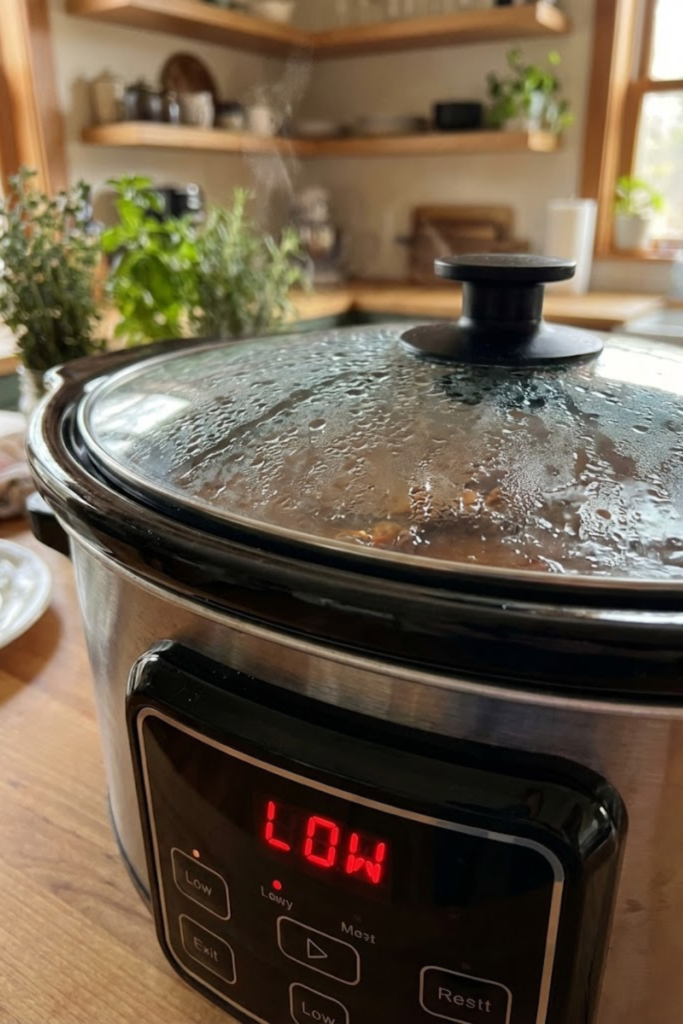
In my experience, setting the pot to “Low” for about seven or eight hours is the magic number. This gives the beef enough time to really break down and get soft. If you use the “High” setting for four hours, the meat might be cooked, but it won’t be as tender. It’s like studying for a big test; you can’t just cram everything in an hour before and expect to do great. You need to give it time to sink in. I usually set my pot right before I leave for school in the morning, and by the time I get home and finish grading, the house smells like heaven.
Keeping Your Veggies Fresh
One thing that used to bug me was how the carrots and celery would turn into mush. I like a little bit of bite in my vegetables! If you are going to be gone for ten hours, you might want to cut your veggies into bigger chunks. This way, they don’t just disappear into the broth. Some of my friends even wait until the last two hours to put the veggies in, but I’m usually too busy at work to do that. Big chunks of carrots are my secret for keeping things from getting too soggy.
Timing the Barley Just Right
This is the part that trips most people up. If you put the pearl barley in at the very beginning and cook it on low for eight hours, it will get very, very soft. Some people like it that way because it makes the soup real thick. But if you want the grains to stay separate and have a little chew, you should add them in the last three hours of cooking. Since I can’t do that while I’m teaching, I just put them in at the start and add an extra cup of broth. It makes the soup thicker, almost like a stew, but my family actually prefers it that way.
How to Know When It’s Done
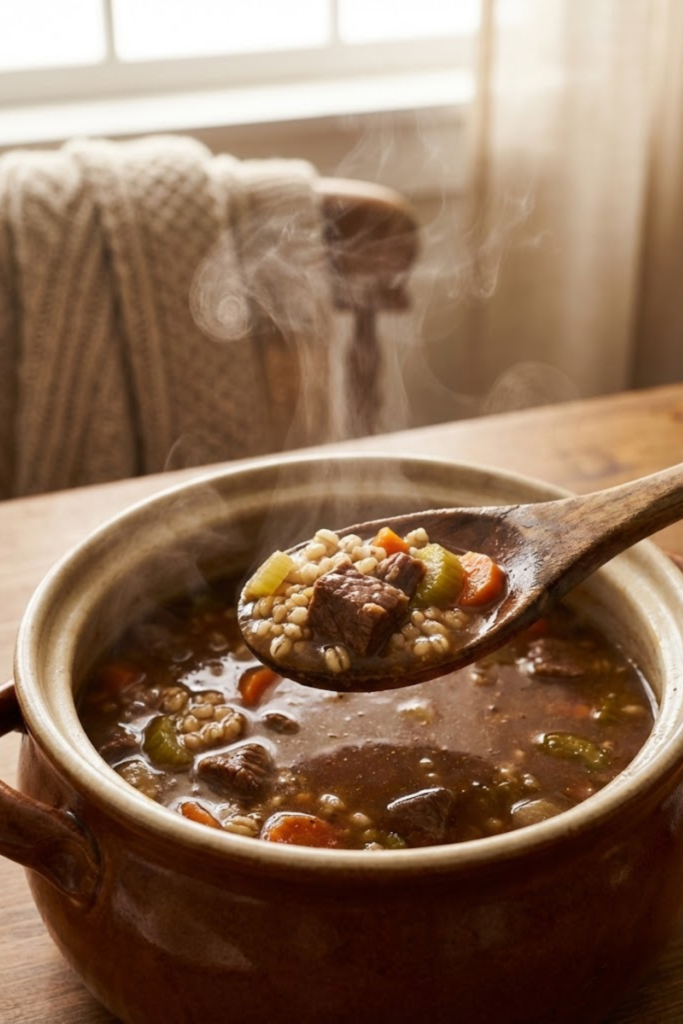
You’ll know your slow cooker beef barley soup is ready when the beef falls apart easily with just a fork. The barley should be plump and soft, and the broth should look dark and rich. If it looks too thick, don’t be afraid to stir in a little more water or stock at the end. I usually do a quick taste test to see if it needs more salt or pepper before I call the kids to the table. It’s the perfect way to end a long day. It’s also one of those meals that tastes even better the next day if you have any leftovers!
Bringing It All Together
Honestly, there isn’t much that can beat the feeling of walking through your front door after a long day of teaching and being hit with the smell of a savory soup. It makes all that grading and those loud hallways feel a million miles away. This slow cooker beef barley soup has become a staple in my house for a reason—it’s just plain good for the soul. I hope this guide helps you skip all the silly mistakes I made when I was first learning how to use my crockpot. It really is the ultimate comfort food for a busy family.
Making the Recipe Your Own
One thing I’ve learned in my years of cooking—and teaching—is that you don’t have to follow the rules perfectly once you’re comfortable. Sometimes I’ll throw in some chopped potatoes if I have a bag that’s about to go bad, or I’ll add a handful of frozen peas right at the very end to give the bowl a pop of bright green. My youngest son actually likes it better when I add a little extra black pepper for a tiny bit of heat. If you’re feeling fancy, a splash of red wine in the pot at the start can make the whole thing taste like it came from a five-star restaurant. Don’t be afraid to experiment a little and see what your family likes best!
Handling Your Leftovers
If you have leftovers, you are in for a treat! This is one of those rare meals that actually tastes even better the next day. The flavors have more time to hang out and get to know each other. Just a heads up though: that barley is a thirsty grain. It will keep drinking up the broth while it sits in the fridge overnight. When you go to reheat it for lunch the next day, it might look more like a thick stew than a soup. I usually just splash in a little extra water or a bit more beef stock before I pop it in the microwave. It brings it right back to life and keeps it from being too dry.
Final Thoughts
Thank you so much for taking the time to read through my kitchen adventures. I really hope your family loves this hearty meal as much as mine does. It’s a great way to get some nutritious whole grains and veggies into the kids without them making a fuss about it. If you found these tips helpful, please share it on Pinterest! It helps other busy parents and teachers find easy, cozy recipes that actually work for a real-life schedule. Happy cooking!