There is honestly nothing—and I mean nothing—that beats the smell of a hot casserole dish bubbling away in the oven on a rainy Tuesday. Did you know that the term “Shepherd’s Pie” didn’t formally appear until 1854? It’s true! Before that, people just threw leftover meat under potatoes and hoped for the best.
I remember the first time I tried to make this classic British dish; I accidentally used beef instead of lamb and my grandmother nearly fainted! We’ll get into that debate later. But seriously, this guide is going to walk you through creating a savory meat pie that is rich, hearty, and topped with the most pillowy, golden-brown mashed potato crust you’ve ever seen. Whether you are a culinary pro or just trying to feed a hungry family, this comfort food staple is about to become your new best friend. Let’s get cooking!
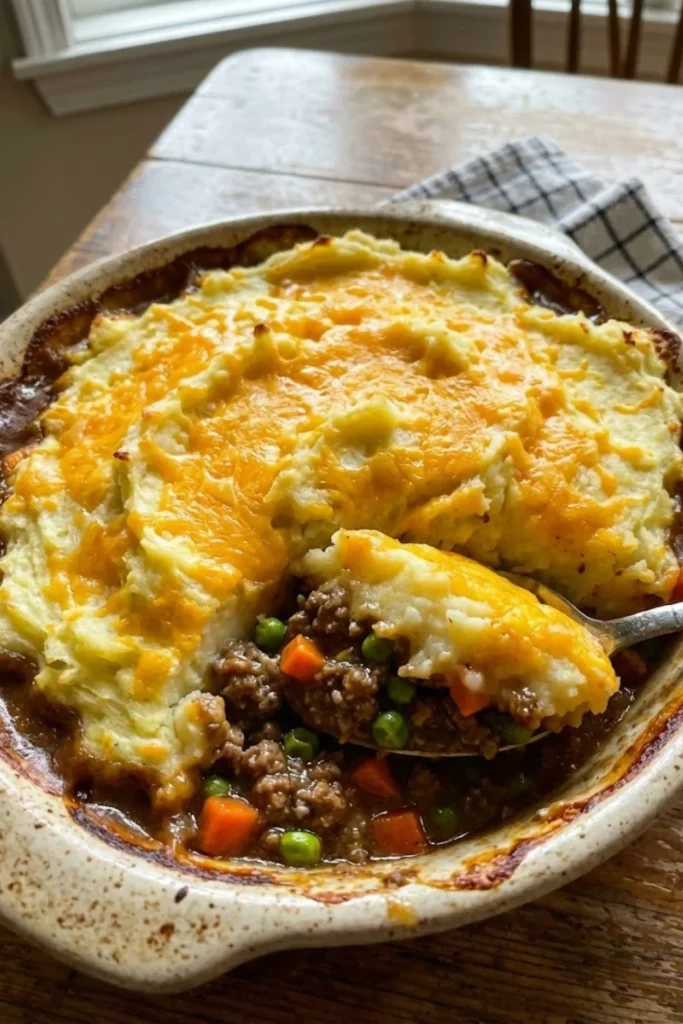
Shepherd’s Pie vs. Cottage Pie: What’s the Difference?
I have to admit something embarrassing. The first time I ever cooked this dish for my British father-in-law, I proudly slapped a casserole dish on the table and announced, “Here’s the Shepherd’s pie!” He took one bite, looked at me with a confused smirk, and said, “This is beef, isn’t it? Then it’s a Cottage pie, love.”
Talk about a kitchen fail. I wanted to crawl under the table!
It turns out, there is a massive difference between these two comfort food heavyweights, and people (especially in the UK) take it pretty seriously. If you’ve been using the terms interchangeably, don’t worry—I did it for years. But if we are going to master this savory meat pie, we gotta get the terminology right.
The Meat of the Matter
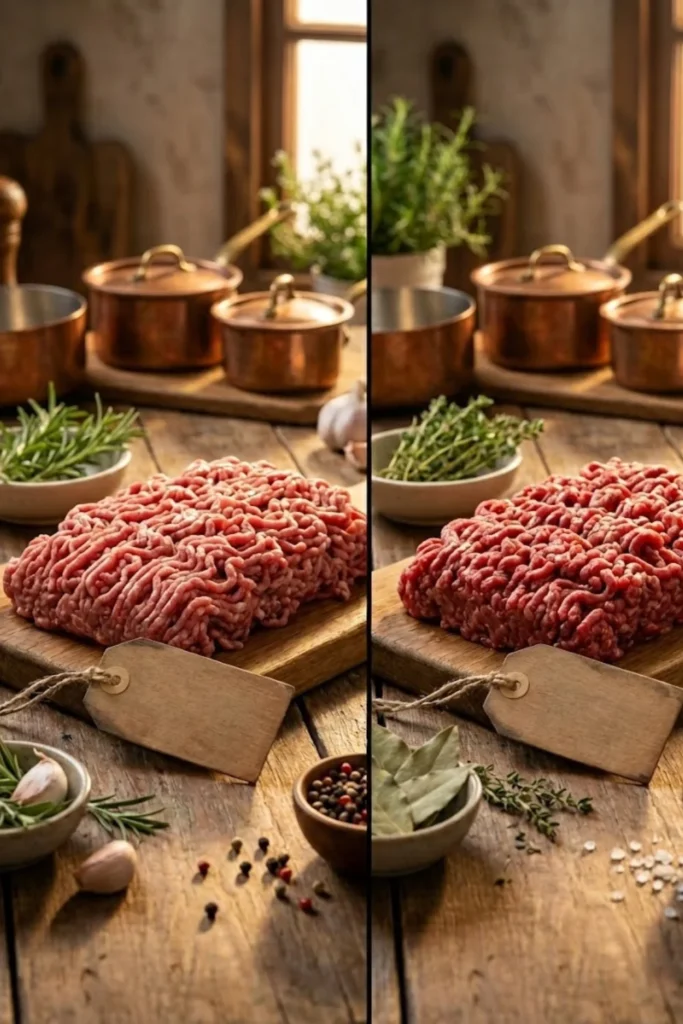
The main difference comes down to the protein you choose. It’s actually really simple when you think about it linguistically. Shepherds herd sheep, right? So, an authentic Shepherd’s pie recipe must strictly use ground lamb or minced mutton.
On the other hand, Cottage pie is made with ground beef. That’s it! That is the big secret.
I learned this the hard way, obviously. But knowing this distinction actually helps you decide what vibe you’re going for. Lamb has that distinct, slightly gamey richness that pairs so well with rosemary and red wine. Beef is usually heartier and a bit more familiar to American palates.
A Bit of History (Don’t Snooze!)
These dishes weren’t invented by fancy chefs in tall hats. They were born out of necessity. Back in the day, before we had refrigerators, people couldn’t just let leftovers sit around. British cuisine classics like this were created to use up leftover roasted meat.
The term “Cottage pie” actually came first, popping up around the late 1700s. It was named that because potatoes were being introduced as an affordable crop for the poor who lived in cottages. The term Shepherd’s pie didn’t really show up until the mid-1800s.
So, essentially, both of these are the ultimate “clean out the fridge” meals.
Why Does It Matter?
You might be thinking, “Who cares? It’s meat and potatoes!” And yeah, I get that frustration. But using the right name is about respecting the ingredients. If you serve a minced meat pie with beef and call it Shepherd’s, you’re promising a flavor profile (lamb) that isn’t there.
Practical Tip: If you are cooking for a crowd and aren’t sure if they like lamb—because let’s be real, lamb is a “love it or hate it” meat—stick to Cottage pie. It’s safer. But if you want that real, traditional experience, you have to go with the ground lamb.
In my house, we usually compromise. I’ll make the traditional Shepherd’s pie for me and the hubby, and a mini beef version for the kids who think lamb tastes “funny.” It’s a bit more work, but seeing everyone happy is worth the extra dish washing.
Just remember: Sheep = Shepherd. Beef = Cottage. Memorize that, and you won’t get roasted by your in-laws like I did!
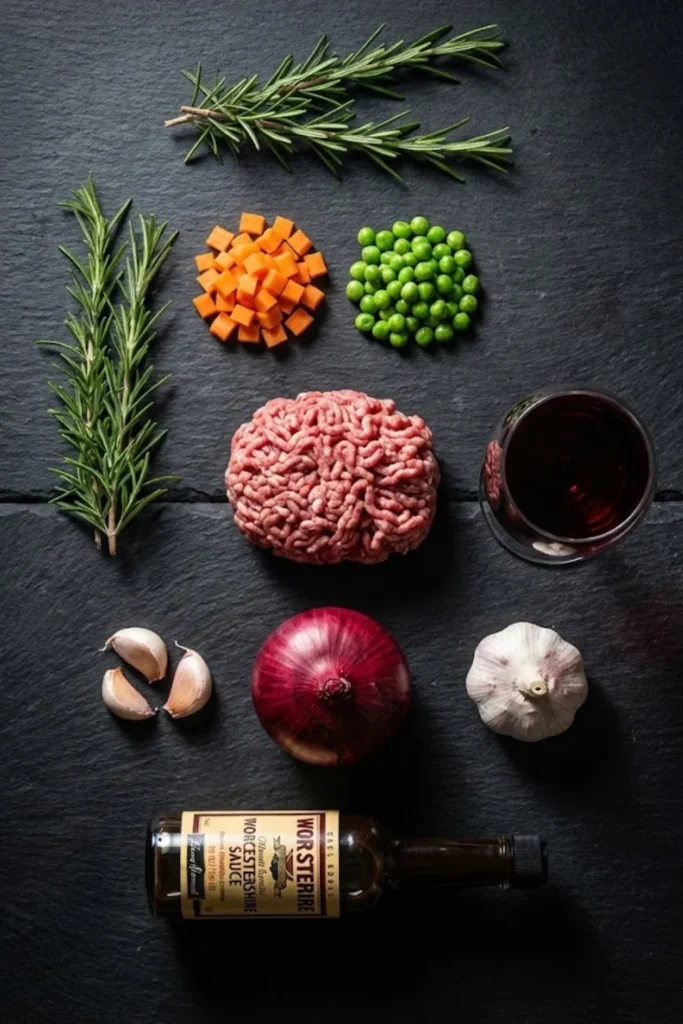
The Essential Ingredients for a Savory Filling
You know that saying, “garbage in, garbage out”? It sounds harsh, but it is 100% true when making Shepherd’s pie. I used to think I could get away with using whatever old veggies were wilting in my crisper drawer. Big mistake.
I remember once trying to sneak in some limp zucchini because I didn’t want to go to the store. Let’s just say the texture was… slime city. My kids still tease me about the “green slime pie.”
To get that rich, restaurant-quality flavor, you have to treat your ingredients with a little respect. It’s not just about tossing things in a pan; it’s about building layers of flavor.
Picking Your Protein
Since we established that we are making a traditional Shepherd’s pie, you need ground lamb.
Here is a tip I learned the hard way: don’t buy the leanest meat possible. I know, I know, we all want to be healthy. But fat is flavor! If you get super lean lamb, your filling is going to end up dry and crumbly, like seasoned sawdust. Aim for something with a bit of fat content, usually around 80/20 if you can find it.
If you have leftover roast lamb from a Sunday dinner, that is honestly the gold standard. Chopping that up gives you a texture that ground meat just can’t compete with.
The Veggie Base (Mirepoix)
You can’t skip the aromatics. We are talking about onions, carrots, and celery. In the culinary world, this is called a mirepoix, but I just call it the “flavor starter pack.”
Practical Advice: Chop your carrots small. Like, really small. There is nothing worse than biting into a soft, comforting bite of mashed potato and meat only to crunch down on a hard chunk of carrot that didn’t cook all the way through. It ruins the vibe immediately.
I used to rush this step. I’d throw the veggies in with the meat to save time. Don’t do that! Sauté your onions and carrots first until they are soft. It takes about 5 extra minutes, but it changes everything.
The Secret Sauce Weapons
Okay, this is where the magic happens. To get that deep, brown, savory meat pie gravy, you need three best friends:
- Tomato Paste: Don’t just stir it in; fry it for a minute with the meat. It gets rid of that metallic tin taste.
- Worcestershire Sauce: I can never pronounce it right, but I never cook without it. It adds that punchy umami flavor that salt alone can’t give.
- Red Wine or Beef Broth: I love using a splash of dry red wine (Cabernet is great) to deglaze the pan. It scrapes up all those tasty brown bits stuck to the bottom. If you don’t do alcohol, a strong beef broth works fine too.
Don’t Forget the Herbs
Finally, please don’t rely on that dusty jar of dried herbs from 2018. If you can, grab some fresh rosemary and thyme.
I made a batch once where I used way too much dried rosemary. It was like eating pine needles. Fresh herbs are softer and melt into the dish better. If you must use dried, use half the amount the recipe calls for because they are stronger.
Getting these components right basically guarantees a delicious dinner. It’s not rocket science, but paying attention to these little details makes a huge difference!
Mastering the Creamy Mashed Potato Topping
You know that feeling when you are super excited for a meal, you take a big bite, and the texture is just… wrong? I have been there. My first attempt at a mashed potato topping resulted in something that resembled wallpaper paste. It was gummy, sticky, and honestly, a little heartbreaking.
I actually cried. Over potatoes. That’s how frustrating cooking can be sometimes!
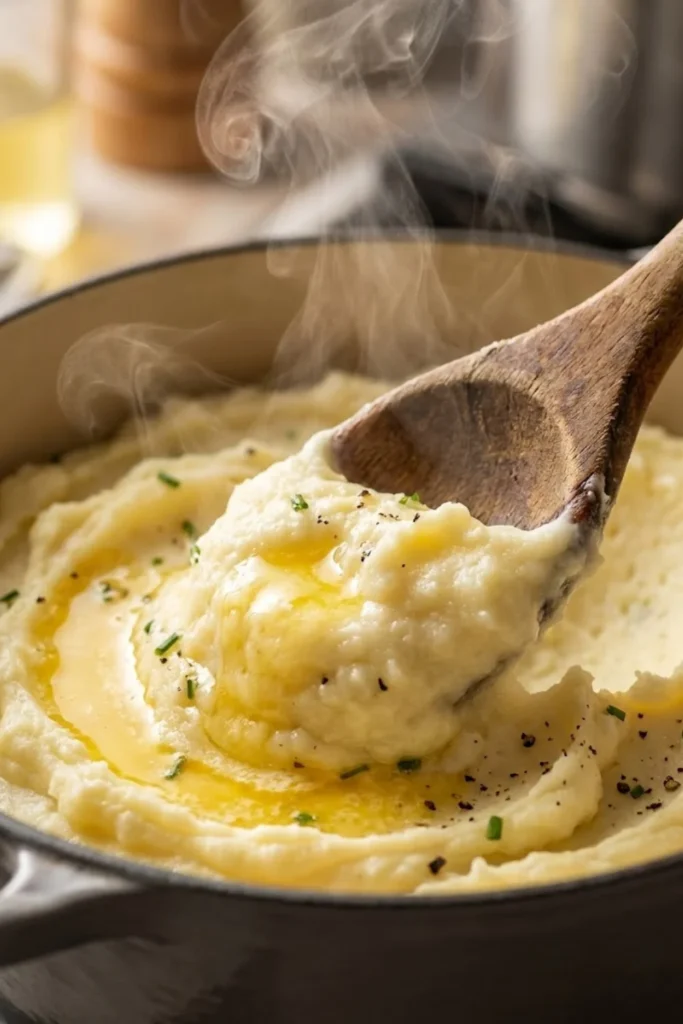
But listen, the potato layer is literally half the dish. It deserves just as much love as the meat filling. If you treat the potatoes as an afterthought, your Shepherd’s pie is going to flop. Through a lot of trial and error (and eating some questionable mash), I’ve figured out the tricks to get that fluffy, cloud-like topping.
Picking the Right Spud
First things first: not all potatoes are created equal.
I used to grab whatever bag was on sale. Big mistake. For the best mash, you generally want high-starch potatoes. Russet potatoes for mashing are the classic choice because they fall apart easily and get super fluffy.
However, I’m going to let you in on my personal favorite. I actually prefer mixing Russets with Yukon Gold mashed potatoes. The Yukon Golds have a natural buttery flavor and a creamier texture that holds up really well in the oven. If you use waxy red potatoes, they just don’t absorb the dairy as well and can end up lumpy.
The Water is the Enemy
Here is a pro tip that changed my life: after you boil your potatoes and drain them, put them back in the hot pot.
Turn the heat on low for just a minute or two. You want to steam off that excess moisture. If your potatoes are wet when you start mashing, your topping will be watery. Nobody wants a soggy pie! I learned this after serving a soupy mess to guests once. It was embarrassing.
Loading Up the Dairy
Now, let’s talk about the good stuff. We aren’t on a diet here, okay? This is comfort food.
To get those creamy mashed potatoes, you need fat. I use a generous amount of unsalted butter and warm heavy cream. Don’t use cold milk straight from the fridge! It cools down the potatoes and makes them gummy.
Practical Tip: Add an egg yolk to the mash once it’s cooled slightly. I know it sounds weird, but it makes the potatoes incredibly rich and helps them brown beautifully in the oven. Just make sure the potatoes aren’t piping hot, or you’ll scramble the egg.
The Cheesy Finale
Finally, we need that golden brown crust.
You can just use a fork to make ridges (which get nice and crispy), but adding cheese takes it to another level. I love sprinkling sharp Irish cheddar cheese on top. It adds a salty kick that cuts through the richness of the lamb.
And whatever you do, do not use a food processor to mash your potatoes. That is how you get glue. Use a hand masher or a ricer. Treat them gently!
Getting this topping right makes the dish feel special. It’s the first thing people see and the first thing they taste. So, take your time with it. Your family will thank you.
Step-by-Step Instructions for Assembly and Baking
Okay, we have our rich meat sauce and our fluffy potatoes. Now comes the fun part: putting it all together. You might think this is the easy bit, but let me tell you, I have managed to mess this up more times than I care to admit.
I once got so excited to eat that I rushed the assembly, and the whole thing collapsed on the plate. It looked like a soup kitchen disaster rather than a nice dinner. It still tasted good, but we definitely eat with our eyes first!
So, take a deep breath. We are in the home stretch.
The Layering Game
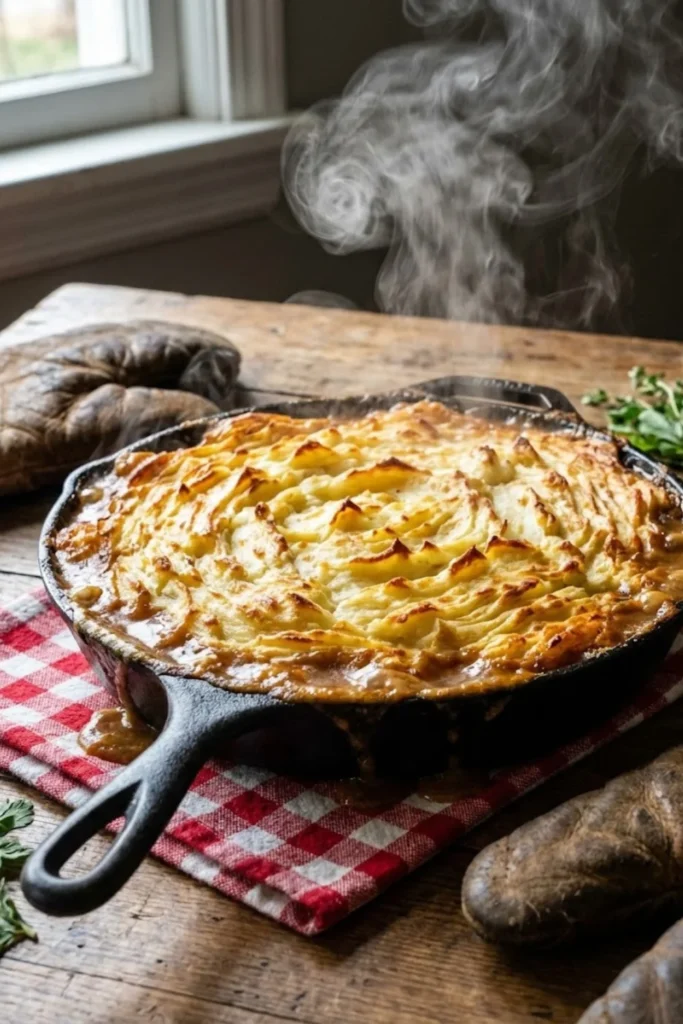
First, you need the right vessel. I am a huge fan of cast iron skillet recipes because they feel so rustic and save on dishwashing. You can cook the meat in the skillet and then just pile the potatoes right on top. If you don’t have one, a standard 9×13 baking casserole dish works perfectly fine too.
Spread your lamb mixture evenly across the bottom. You want a solid foundation.
Practical Tip: If your meat filling is super runny, let it simmer on the stove for another 5 minutes to thicken up before assembling. If it’s too liquidy, the mashed potatoes will sink into the gravy, and you’ll lose that distinct layering. I’ve had that happen, and it’s a bummer.
The Art of the Potato Top
Now, spoon the potatoes over the meat. Don’t just dump them all in the middle, or you’ll push the meat out to the sides when you try to spread it. Dollop spoonfuls all over the surface like little potato islands, then gently connect them.
Here is where you can get fancy—or not.
Some people pipe the potatoes to look like a bakery cake. I tried that once for a dinner party. It took forever, and honestly? It didn’t taste any better. Now, I just use a fork. Drag the tines of a fork across the surface to create rough textures. These little peaks turn into crispy potato ridges in the oven, which is literally the best part.
The Oven Drama
Preheat your oven to 400°F (200°C). You want a high heat because everything is already cooked; we are just browning the top and marrying the flavors.
Important Mistake to Avoid: Put a baking sheet on the rack underneath your pie. I learned this the hard way when my gravy started bubbling over the sides and burning onto the bottom of my oven. My smoke detector went off, the dog started barking, and the kitchen smelled like burnt grease for a week.
Bake it for about 20-25 minutes. You are looking for that golden brown crust and for the gravy to be bubbling up around the edges.
The Hardest Part: Waiting
This is the step everyone skips, and it ruins the meal. When you pull that oven baked dinner out, you have to let it rest.
I know, it smells amazing. You are hungry. But if you cut into it right away, it will be a hot, sloppy mess. The layers need about 15 minutes to set. Use this time to set the table or pour a glass of wine. If you wait, you’ll get that perfect, clean slice that looks like it came from a magazine.
Trust me, a little patience pays off big time here!
Variations to Suit Every Diet
Hosting dinner parties used to stress me out. I remember one Thanksgiving where I had a vegan cousin, a brother doing Keto, and my dad who thinks a meal isn’t real unless it has red meat. Trying to please everyone made me want to pull my hair out!
I realized pretty quickly that making three completely different meals was a recipe for a mental breakdown. Instead, I started tweaking my go-to recipes. Shepherd’s pie is actually perfect for this because it’s so forgiving. You can swap things out without ruining the soul of the dish.
Whether you are trying to be healthier or just have picky friends, here are the variations that actually taste good (because I’ve tried the ones that don’t, and yuck).
Going Green: The Veggie Version
If you want to skip the meat, please don’t just use chopped vegetables. I made a vegetarian Shepherd’s pie once with just carrots, peas, and corn. It was basically baby food. You need texture!
The best swap is using lentils. Vegetarian Shepherd’s pie lentils mimic the texture of ground meat surprisingly well. I usually use brown or green lentils because they hold their shape. If you use red lentils, they turn to mush, so avoid those unless you want soup.
Practical Tip: Add chopped mushrooms to the mix. They add a savory, meaty flavor (umami) that veggies lack. Even my meat-eating husband didn’t complain when I served this on a Meatless Monday.
The Low Carb Cheat Code
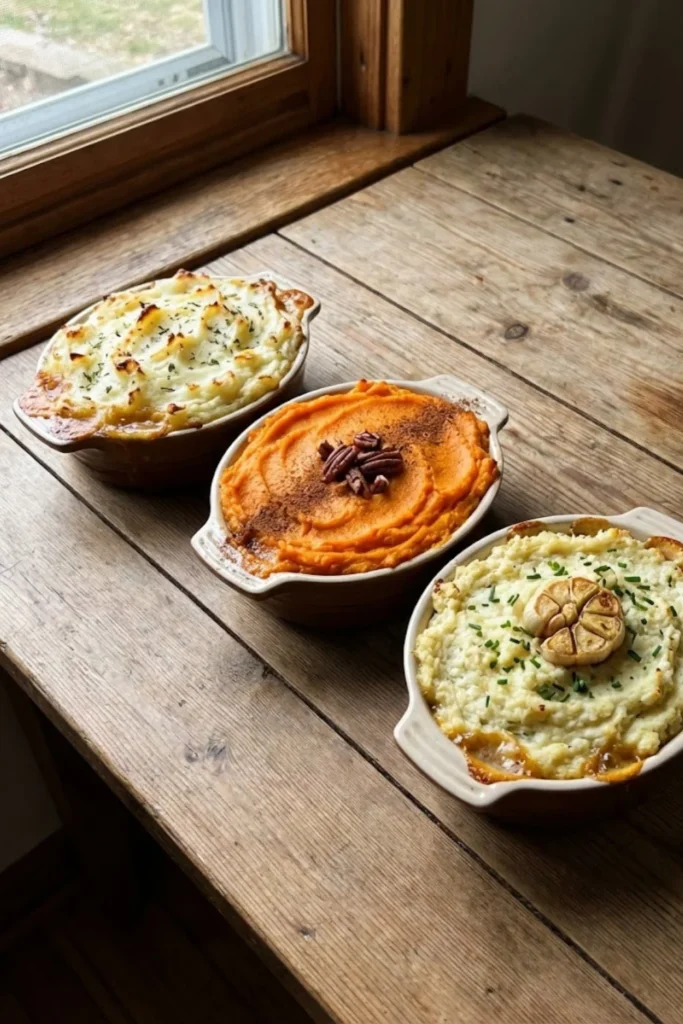
Okay, I tried the Keto diet a few years ago. The hardest part was giving up potatoes. I cried real tears over french fries. But I discovered that you can make a pretty decent Keto Shepherd’s pie cauliflower topping that scratches the itch.
The trick is steaming the cauliflower until it’s super soft, then blending it with cream cheese and butter.
My Big Mistake: The first time I did this, I didn’t drain the cauliflower well enough. The water seeped into the meat filling, and the whole casserole turned into a watery swamp. It was gross. You have to squeeze the water out of that cauliflower like your life depends on it!
If you do it right, it’s a solid healthy Shepherd’s pie option that won’t leave you in a carb coma.
The Sweet Potato Twist
Sometimes I just get bored of the same old white potatoes. Swapping them for mashed sweet potatoes is a total game changer.
Sweet potato Shepherd’s pie has a sweet-and-savory vibe that is honestly addictive. The sweetness of the yams pairs perfectly with the salty richness of the lamb. Plus, it’s got way more vitamins, so I tell myself it’s good for me.
If you have people who can’t do dairy, this is a great time to try dairy free mashed potatoes. Sweet potatoes are naturally moister, so you don’t need as much butter or cream to make them mashable. A little olive oil or coconut milk works great.
Don’t be afraid to experiment. Cooking should be fun, not a rigid set of rules! Even if you mess up, it usually still tastes pretty good covered in gravy.
Time to Dig In
Well, there you have it! We’ve officially navigated the potato-covered mountains of the ultimate Shepherd’s pie recipe. If you’ve stuck with me this far, you deserve a medal—or at least a very large glass of wine.
Looking back at my first attempt at this dish, where I burned the onions and served lumpy potatoes, I can honestly say mastering this meal is a journey. But it is one worth taking. There is just something special about pulling that bubbling, golden dish out of the oven. It screams comfort food in a way that ordering a pizza just can’t match.
The Takeaway
If you only remember one thing from today, let it be the golden rule: if it’s beef, it’s a Cottage pie! Don’t let the food police come after you like they did me. But seriously, whether you stick to the traditional ground lamb or swap it out for lentils, the heart of this dish is the same. It’s about slowing down and making something hearty for the people you love.
I made this last week for a gloomy Tuesday night, and the silence at the dinner table was the best compliment I could get. Usually, my kids are arguing or complaining about school, but they were too busy shoving savory meat pie into their faces to talk. That, my friends, is a victory.
A Note on Leftovers
I have to tell you a secret: this dish actually tastes better the next day. I know, everyone says that about lasagna, but it’s true here too. The flavors in the gravy have time to get to know each other better in the fridge. So, if you are looking for make ahead meals, this is your winner.
Just pop a slice in the microwave, and you have a winter comfort food lunch that will make your coworkers jealous.
Let’s Stay Connected!
I really hope this recipe makes it into your regular rotation for family friendly dinners in 2026. It’s a classic for a reason.
If you tried this recipe and loved it (or even if you had a funny kitchen fail like my “green slime” incident), I want to hear about it! Please snap a photo of your masterpiece—burnt edges and all—and pin it to your “Dinner Ideas” board on Pinterest.
Don’t forget to tag me so I can see your beautiful creations. Now, go grab a fork and enjoy that crispy potato crust. You earned it!