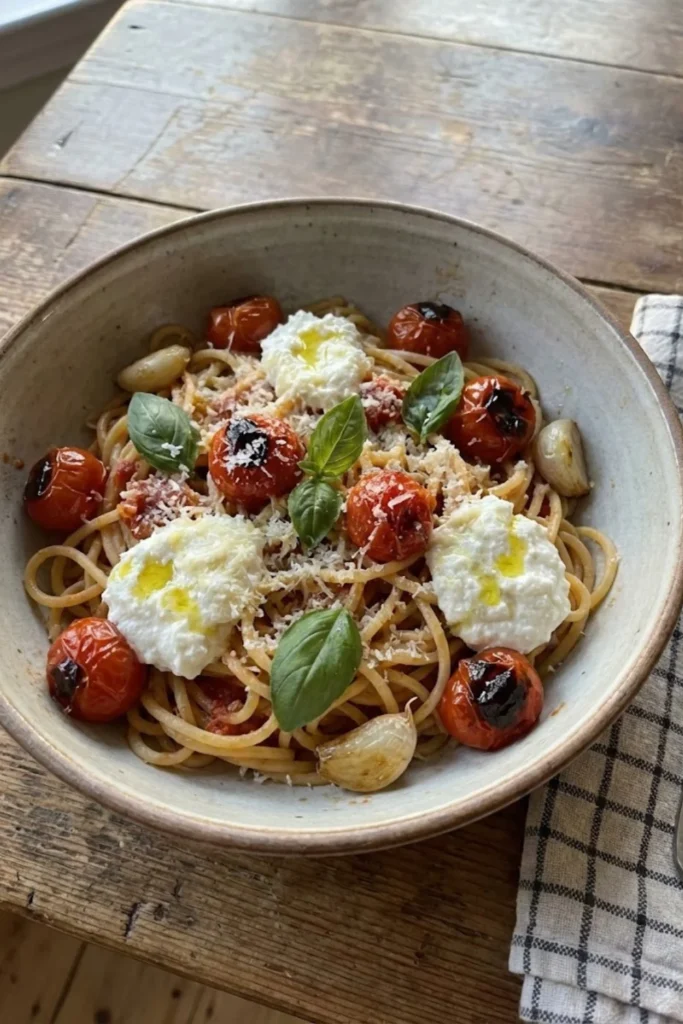
You know those days when you just need a hug in a bowl? That was me last Tuesday. I was staring into the fridge, tired and hungry, and then it hit me—roasted tomatoes and ricotta. This roasted tomato ricotta pasta isn’t just dinner; it’s a game-changer! Did you know that roasting tomatoes actually increases their lycopene content? It’s healthy and decadent. Whether you are cooking for a date night or a busy Tuesday, this dish delivers massive flavor with minimal effort!
Why You Will Fall in Love With This Pasta Dish
I have to be honest with you guys. For the longest time, I thought making a really good pasta sauce meant standing over a stove for four hours, stirring a pot until my arm felt like it was going to fall off. I was wrong. I remember trying to impress a friend with a “quick” stovetop sauce a few years back, and it just tasted like hot, acidic tomato juice. It was embarrassing! That’s when I stumbled onto the magic of this recipe.
The thing about this roasted tomato ricotta pasta is that it feels like a cheat code. You aren’t really cooking; you’re just letting the oven do the heavy lifting while you sip a glass of wine.
The Flavor is Actually Insane
Here is the deal. When you throw cherry tomatoes into a hot oven, something magical happens. They don’t just get hot; they transform. I used to think boiling them was fine, but roasting them until they burst creates this concentrated, jammy sweetness that you just can’t get from a jar.
Combined with the creamy ricotta sauce, the acidity of the tomatoes cuts right through the richness. It creates this balance that makes you want to lick the bowl clean. Seriously, don’t be surprised if you do.
It Saves Your Sanity on Weeknights
We all have those Tuesdays where work was a nightmare and the last thing you want to do is chop ten different vegetables. This is one of those easy weeknight meals that saves the day.
While the tomatoes are getting all blistered and delicious in the oven, you just boil water for the pasta. That is literally it. By the time the pasta is al dente, your sauce is basically done. It’s a total 30-minute pasta recipe if you time it right. I’ve made this with a crying toddler holding onto my leg, so trust me, it is doable.
You Can Totally Customize It
I love a recipe that isn’t bossy. You can tweak this Italian comfort food to fit whatever you have in the pantry.
- Gluten-Free Friend? Swap in some chickpea pasta or brown rice noodles. The sauce is so thick and flavorful it clings to gluten-free pasta options perfectly.
- Need Protein? Sometimes I toss in some grilled chicken or even spicy sausage if I’m feeling wild.
- Veggie heavy? I have thrown in spinach right at the end to wilt it down. It adds a nice pop of color and makes me feel a bit healthier about eating a giant bowl of cheese.
This dish is forgiving. It’s messy, it’s rustic, and it’s honestly one of the best things to come out of my kitchen. You are going to be obsessed.
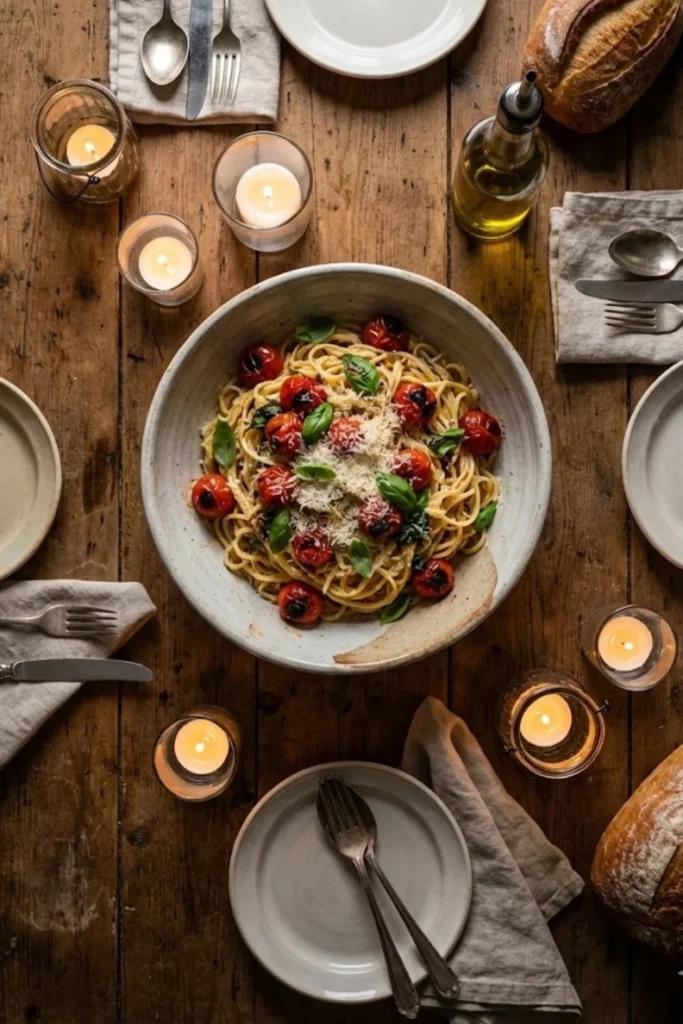
Essential Ingredients for the Perfect Sauce
I used to think that pasta sauce was just red stuff in a jar. Man, was I missing out. Over the years, I’ve learned the hard way that when a recipe has only five or six ingredients, there is nowhere to hide. If one ingredient is bad, the whole ship goes down. I remember trying to make this for a dinner party years ago using cheap, watery tomatoes and low-fat cheese. It was a disaster. The sauce separated, it tasted metallic, and I ended up ordering pizza.
Don’t be like me. Here is the lowdown on what you actually need to make this roasted tomato ricotta pasta sing.
The Great Tomato Debate
Here is where I messed up big time. I once used chopped-up beefsteak tomatoes because they were on sale. Huge mistake. They just released gallons of water and turned my nice pasta dish into a sad soup.
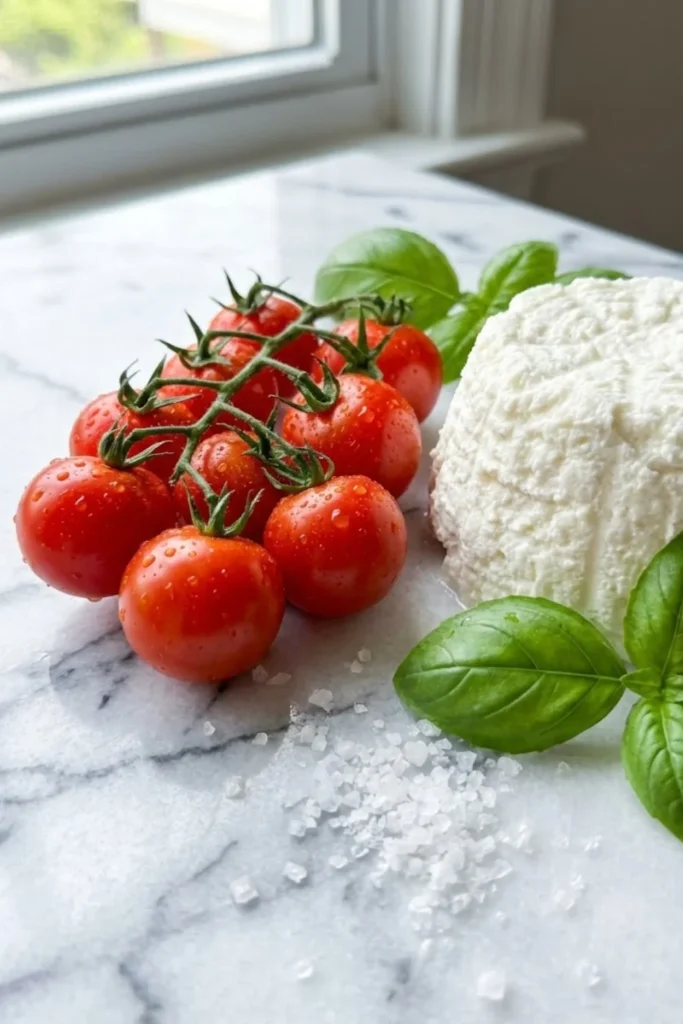
For this recipe, you really need to stick to the little guys. Grape tomatoes vs cherry tomatoes—it doesn’t matter too much which one you pick, but they need to be small. The skin-to-flesh ratio is higher, which means they hold their shape better while roasting. Plus, they are sugar bombs. When you blast them with heat, they caramelize instead of steaming. I usually grab about two pints. It looks like a lot, but they shrink down.
Why Ricotta Quality is Everything
Let’s talk cheese. I have a confession: I used to buy the fat-free ricotta thinking I was being healthy. Please, for the love of food, do not do this. Low-fat ricotta is often grainy and filled with stabilizers that make it taste like chalk.
You want whole milk ricotta. It’s creamy, sweet, and melts into the pasta water to create that lush sauce we are after. If you can find the fresh kind at the deli counter (the stuff they ladle into a container), get that. It is usually less watery than the tubs in the dairy aisle. If the tub is your only option, just check the label. If it has a bunch of gums listed, maybe skip it. The texture makes or breaks the dish.
Fresh Herbs vs. The Dust in Your Pantry
I am guilty of being lazy. I have definitely looked at a recipe calling for fresh basil, shrugged, and shook some dried green dust from a jar into the pot. It is not the same.
Dried basil has zero brightness. For fresh basil recipes like this, the herb is a main flavor, not just a garnish. You need that peppery, sweet punch that only comes from fresh leaves. I usually tear a whole bunch of it right over the hot pasta at the very end. The heat hits the oils in the leaves and the smell? Incredible.
Also, don’t ignore your olive oil. You are roasting the tomatoes in a good amount of it. If your oil tastes old or bitter, your sauce will too. Use the good stuff here. It creates the base of the sauce once it mixes with the tomato juices. Trust me, these little details are the difference between “meh” pasta and “can I have the recipe?” pasta.
How to Roast Tomatoes for Maximum Flavor
I used to be kind of scared of my oven’s high settings. I don’t know why, but anything over 375°F felt like I was asking for a smoke alarm situation. So, the first few times I tried to make roasted cherry tomatoes, I played it safe. I cooked them low and slow. And you know what? They were boring. They just wrinkled up like sad little raisins and didn’t release any of that sticky, sweet juice that makes this sauce incredible.
It took me burning a batch (oops) to realize that you actually want a little bit of char. That slight blackening on the skin adds a smoky depth that you just can’t fake.
Getting the Temperature Right
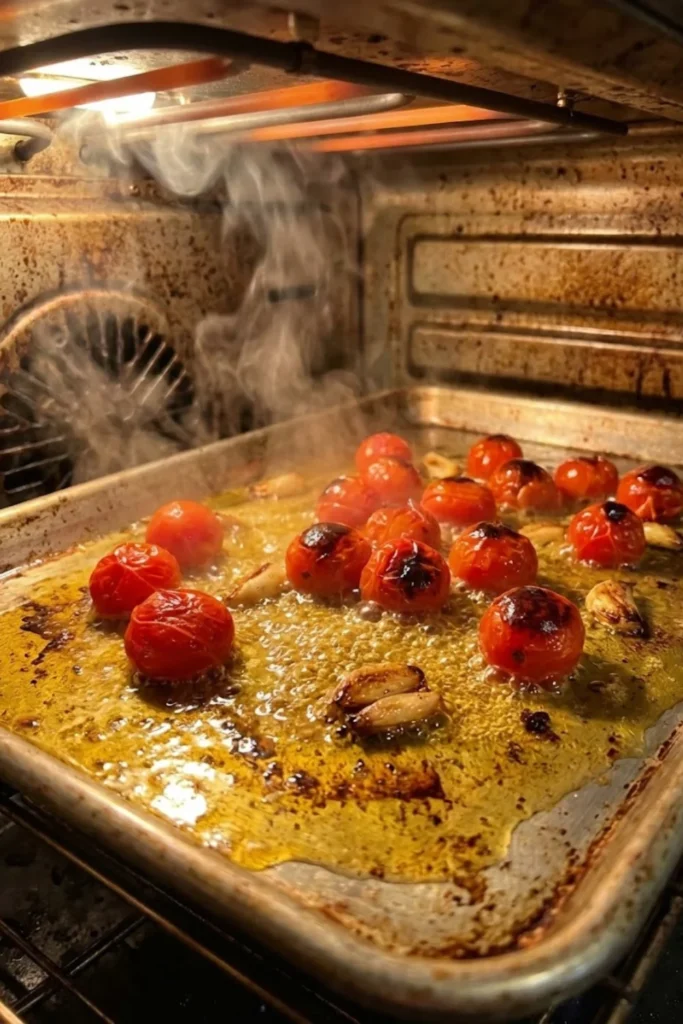
Here is the trick I learned: you have to be brave with the heat. Preheat that oven to 400°F (200°C). We aren’t drying the tomatoes out; we are blistering them. You want the heat to hit them hard and fast so the skins pop while the inside stays juicy.
If your oven runs hot like mine does, keep an eye on them around the 20-minute mark. You are looking for them to look a little defeated—slumped over and bursting. That’s when the slow-roasted flavor magic is happening, even if we are doing it quickly.
The Art of the Toss
Do not just dump the tomatoes on a dry pan. Please. I did this once because I was “watching my calories,” and the tomatoes just stuck to the metal. It was a nightmare to clean, and the sauce had zero richness.
You need a solid glug of olive oil—probably more than you think is polite. You are basically doing an olive oil roasting technique here.
- Throw the tomatoes on the sheet pan.
- Add your peeled garlic cloves whole (don’t chop them, or they will burn and taste bitter).
- Drizzle the oil and sprinkle a heavy pinch of sea salt.
Get your hands in there. Toss it all around until every single tomato is slick and shiny. It’s messy, but it makes a huge difference. The oil mixes with the tomato juices later to create the emulsion for the sauce.
The “Smash” Technique
This is honestly the most satisfying part of the whole recipe. Once the tomatoes come out of the oven, they will be super hot and fragile. While they are still on the pan, take the back of a fork and gently press down on them.
I call this the “smash.” You aren’t trying to make mashed potatoes, but you want to force out the remaining juice and seeds. This liquid mixes with the hot oil and the soft, roasted garlic to create an instant sheet pan tomato sauce. It’s rustic and messy, and it smells better than any candle I’ve ever bought.
Be careful, though! I have definitely squirted hot tomato juice onto my favorite shirt doing this too aggressively. Learn from my laundry mistakes—press gently. This liquid gold is the base of your entire meal, so don’t leave any of it behind on the pan. Scrape it all into the pasta pot.
Combining the Elements: Creating the Creamy Sauce
Okay, this is the moment of truth. This is where you either end up with a luxurious, restaurant-quality meal or a bowl of noodles with cheese globs stuck to them. I have been there, done that, and cried over the sticky mess.
I used to drain my pasta completely bone dry. Like, shaking the colander aggressively until not a drop of water was left. Then I would dump in the cheese and wonder why it turned into a rubbery, clumpy disaster. I didn’t know that I was literally pouring the secret ingredient down the drain.
The Magic of “Liquid Gold”
If you take one thing away from this post, let it be this: save your pasta water! That cloudy, starchy water is what makes the pasta water emulsion happen. It acts like a bridge between the oil from the roasted tomatoes and the fats in the cheese.
Before I drain the pot, I always dip a mug in and scoop out about a cup of water. It sounds weird, but you need it. When you add a splash of this salty, starchy water to the ricotta, it loosens it up and turns it into a silk ribbon of sauce rather than a thick paste. It’s science, but it tastes like magic.
Timing the Mix
You have to move kind of fast here. I like to call it one-pot style finishing. As soon as you drain the pasta, throw it back into the hot pot. Do not let it cool down!
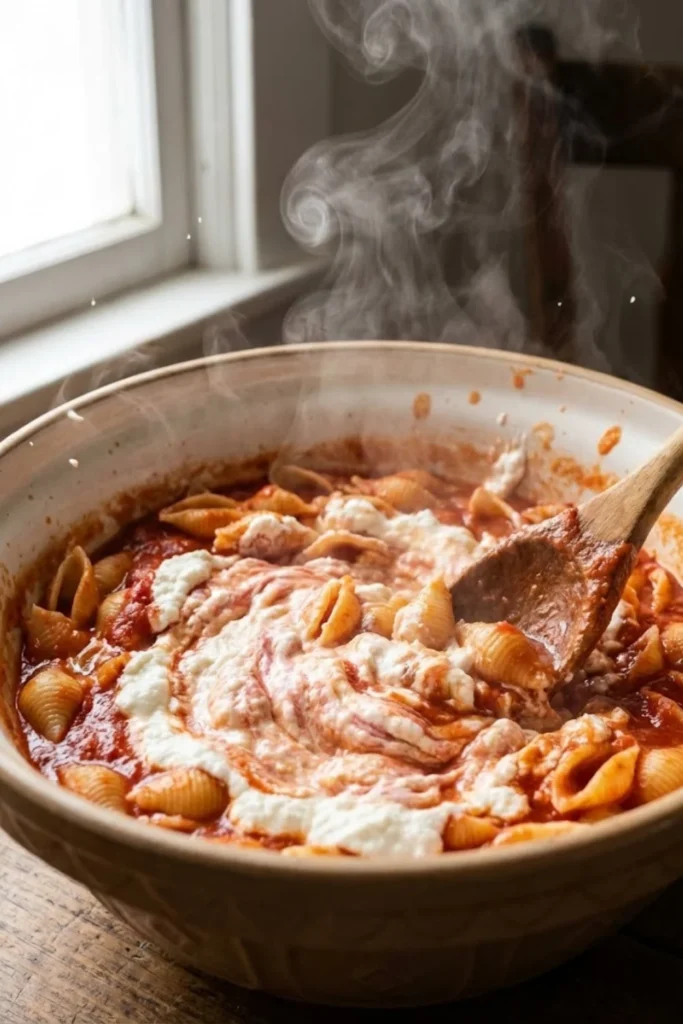
While the pasta is still steaming like crazy, dump in your tub of ricotta and the entire contents of your baking sheet—roasted tomatoes, garlic, oil, and all. The residual heat from the pasta is what melts the cheese. If you wait until the pasta is lukewarm, the ricotta won’t melt properly, and you’ll get a grainy texture. I learned this the hard way when I got distracted by a phone call once. We ate cold, clumpy pasta that night. It wasn’t great.
Troubleshooting the Texture
Here is where you get to play chef. Start stirring everything together vigorously. It’s going to look messy at first.
- Is it too thick? This happens to me a lot. If the sauce feels like glue, splash in that reserved pasta water a little bit at a time. Stir, check, and add more if needed. You want it to coat the noodles, not suffocate them.
- Is it too runny? Don’t panic. The sauce will thicken as it cools. Just let it sit for a minute or two off the heat. The starch will do its job.
Getting that perfect creamy ricotta sauce is a bit of a balancing act, but once you see it come together into a glossy pink coating, you’ll feel like a total pro. It’s messy, it’s fast, and it’s totally worth the frantic stirring.
Expert Tips and Common Mistakes to Avoid
I have made this dish probably a hundred times by now. But let me tell you, the first dozen times were definitely a learning curve. It is easy to look at a simple recipe and think, “I got this,” only to end up with something that is just… okay. I want your dinner to be amazing, not just edible.
So, here are the places where I tripped up so you don’t have to.
Stop Killing Your Pasta
We need to talk about texture. There is nothing—and I mean nothing—sadder than mushy pasta. I remember one night I was distracted by a podcast and let the timer run over by three minutes. When I tried to toss the noodles with the heavy cheese sauce, they just disintegrated. It was like eating baby food.
For al dente pasta tips, look at the box instructions and then ignore them. Well, sort of. If the box says 10 minutes, I start tasting at 8 minutes. You want the pasta to have a little “bite” in the center.
Remember, you are going to toss the hot pasta with hot sauce for another minute or two. It keeps cooking in the bowl! If it’s fully soft when you drain it, it’s going to be a gummy mess by the time it hits the table.
The Cold Cheese Problem
This is a mistake I made for years without realizing it. I used to grab the ricotta straight from the fridge and dump it into the pasta. Then I’d wonder why my food was lukewarm instantly.
Ricotta is dense. If it is fridge-cold, it acts like an ice cube in your sauce. It sucks all the heat out of the pasta immediately.
Now, I take the tub out when I start preheating the oven. By the time the roasted cherry tomatoes are done, the cheese is closer to room temperature. It melts faster, stays creamy, and keeps your dinner hot. It’s a small tweak, but it changes everything.
Don’t Salt Blindly
I love salt. Probably too much. But you have to be careful here because you have a lot of salty players in the game. You’ve got salted pasta water, salty roasted tomatoes, and then the cheese.
I once added a huge pinch of salt at the end without tasting it first. Then I added my parmesan cheese garnish. It was inedible. It tasted like I had gargled ocean water.
Wait until everything is mixed—the ricotta, the tomatoes, the pasta water—before you add more salt. Taste a noodle. Does it need a lift?
If it tastes “flat” but not salty, try a lemon zest addition or some black pepper instead. Sometimes what you think is a need for salt is actually a craving for acid. And if you like heat, a chili flake garnish wakes the whole dish up without making it too salty. Taste as you go, and trust your tongue more than the recipe.
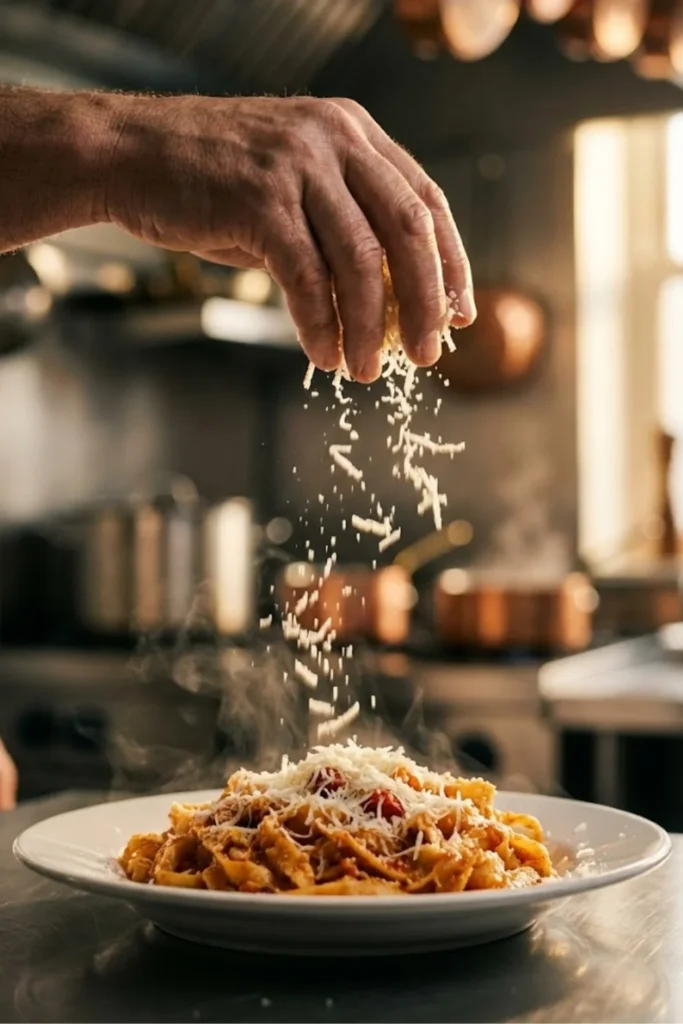
So, there you have it. This roasted tomato ricotta pasta isn’t just another dinner recipe to get lost in your bookmarks folder. It is a genuine lifeline for those days when you are exhausted but still want to eat like a queen.
I still get excited every time I smell that garlic and basil hitting the hot oil. It feels like such a treat, even though I know I barely did any work. The mix of sweet, roasted veggies and that savory cheese blend is just unstoppable.
I really hope this makes it into your regular rotation of easy weeknight meals. It has definitely earned a permanent spot in mine. Cooking doesn’t have to be hard to be amazing.
If you give this a try, please let me know! I love seeing how you guys tweak things to make them your own. And hey, if this recipe saved your dinner like it saved mine, do me a huge favor.
Pin this recipe to your favorite Pinterest board!
It helps other hungry people find us, and it means the world to me. Now, go enjoy that pasta while it’s hot!