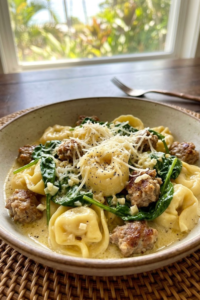
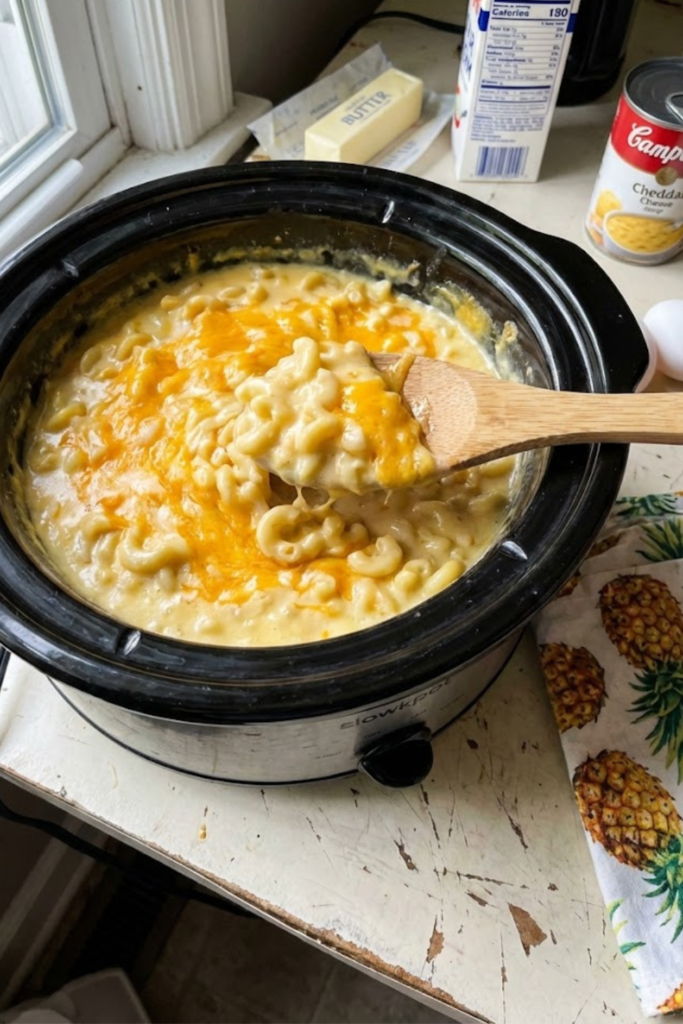
Let’s be honest for a second—is there anything that screams “home” quite like a massive, bubbling pot of cheesy goodness? I don’t think so! When I first tried making Paula Deen crockpot mac cheese, I was genuinely skeptical that a slow cooker could pull off that baked-style texture without turning into mush. Boy, was I wrong. It changed my Sunday dinner game forever! This isn’t just pasta; it’s a hug in a bowl. Whether you are prepping for a potluck or just need some serious soul food on a Tuesday night, this Southern staple delivers every single time.
Did you know that mac and cheese remains one of the top 10 comfort foods in America year after year? It’s true. In this guide, we are going to dive deep into getting that perfect Paula Deen richness, avoiding the dreaded “curdled cheese” disaster, and making sure your noodles stay perfectly al dente. Let’s get cooking!
Essential Ingredients for Southern Style Mac and Cheese
Look, I have to be real with you for a second. The first time I tried to whip up a Paula Deen crockpot mac cheese, I thought I could cut corners. I was tired, the kids were screaming, and I just wanted to get dinner started. So, I grabbed a bag of the cheap, pre-shredded cheddar and a carton of skim milk.
Big mistake. Huge.
I ended up with a pot of oily, gritty pasta that looked nothing like the glossy photos I’d seen online. I learned the hard way that when it comes to Southern comfort food, the ingredients you pick are literally everything. You can’t cheat the system! If you want that velvety, stick-to-your-ribs texture, you have to follow the rules of the road.
The Cheese: Grate It Yourself, Seriously
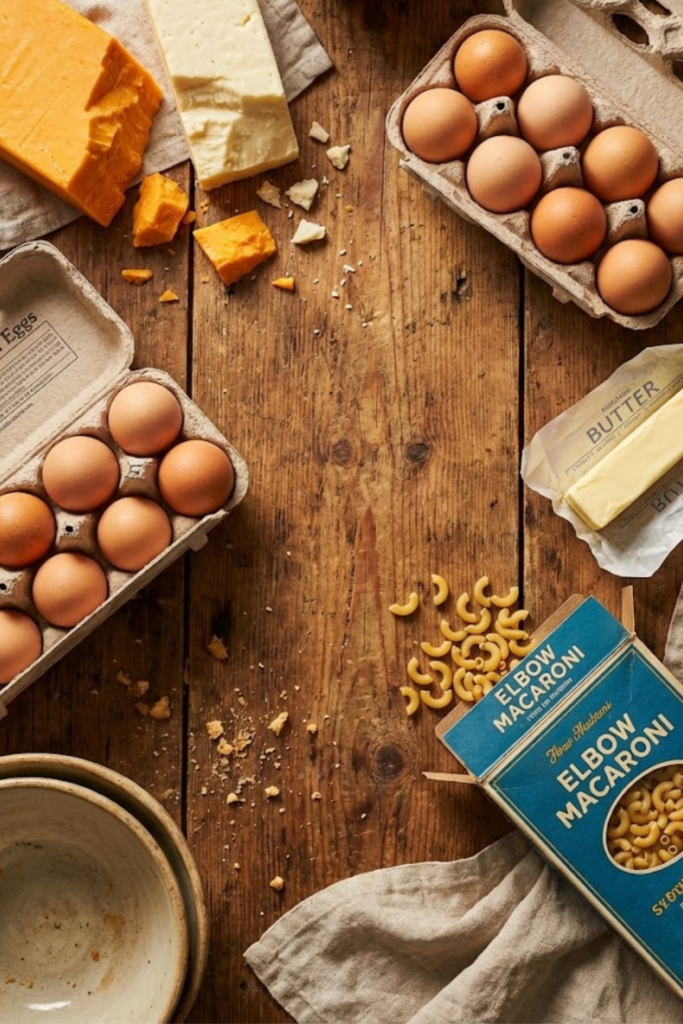
I know, I know. Grating cheese is a pain in the wrist. But listen to me: put down the bag of pre-shredded cheese. Those bags are coated in something called cellulose (basically wood pulp) to keep the strands from clumping together in the packaging. It’s great for shelf life, but it is terrible for melting.
When you throw that stuff into a slow cooker, that coating prevents the cheese from breaking down into a smooth sauce. You end up with a grainy mess. For the best Paula Deen crockpot mac cheese, grab a block of sharp cheddar and a block of mild cheddar and grate them yourself. It takes five minutes, but the difference is night and day. The sauce will be silky smooth.
The Creamy Binders
This isn’t your standard stovetop blue-box dinner. We are making a casserole here, folks. Paula’s recipe relies heavily on a custard-style base. This means we are using eggs. Yes, raw eggs mixed right into the milk mixture. It sounds weird if you haven’t done it before, but the eggs act as a binder that thickens the sauce as it cooks slowly.
Also, forget regular milk. We are using evaporated milk. It has had about 60% of the water removed, which means you get all the creaminess without the sauce becoming watery. I’ve tried using 2% milk in a pinch, and the pasta just swam in a milky soup. Stick to the evaporated stuff; it’s richer and holds up better to the heat.
The “Secret” Ingredient
Okay, don’t judge me on this one. The heavy hitter in this recipe is condensed cheddar cheese soup. I used to turn my nose up at using canned soup in a homemade dish, thinking I was too much of a “chef” for that. But honestly? It works.
The condensed soup contains emulsifiers that help keep the butter and cheese from separating into a grease puddle. It stabilizes the whole dish. When you combine that soup with a generous dollop of sour cream and a stick of melted butter, you create a flavor bomb that is undeniably delicious. It’s tangy, rich, and exactly what you want on a holiday table. So, don’t skip the soup, and definitely don’t skip the butter!
Step-by-Step Guide to the Slow Cooker Method
I used to think that “slow cooker” meant I could just dump everything in the pot, turn it on, and walk away for eight hours. That might work for a pot roast, but let me tell you, pasta is a whole different beast. If you treat this Paula Deen crockpot mac cheese like a beef stew, you are going to end up with a solid brick of mush.
I learned this the hard way during a Thanksgiving potluck a few years back. I threw raw noodles in with the milk and cheese, set it on high, and left. When I came back, the macaroni had disintegrated. It was embarrassing! Through a lot of trial and error (and many eaten mistakes), I’ve figured out the rhythm to getting it right.
The Par-Boil Is Non-Negotiable
There is a huge debate online about whether you need to boil the pasta first. Take it from me: you absolutely do. But here is the trick—you cannot cook it all the way. If the box says to boil for 8 minutes, you only boil for 6 minutes.
You want the macaroni to be firm, almost too crunchy to eat. This is often called al dente, but I just call it “under-cooked.” If the pasta is fully cooked when it hits the slow cooker, it will absorb all that liquid butter and milk and turn into paste. Drain it well, but don’t rinse it! The starch helps the sauce stick.
Layering vs. The Big Mix
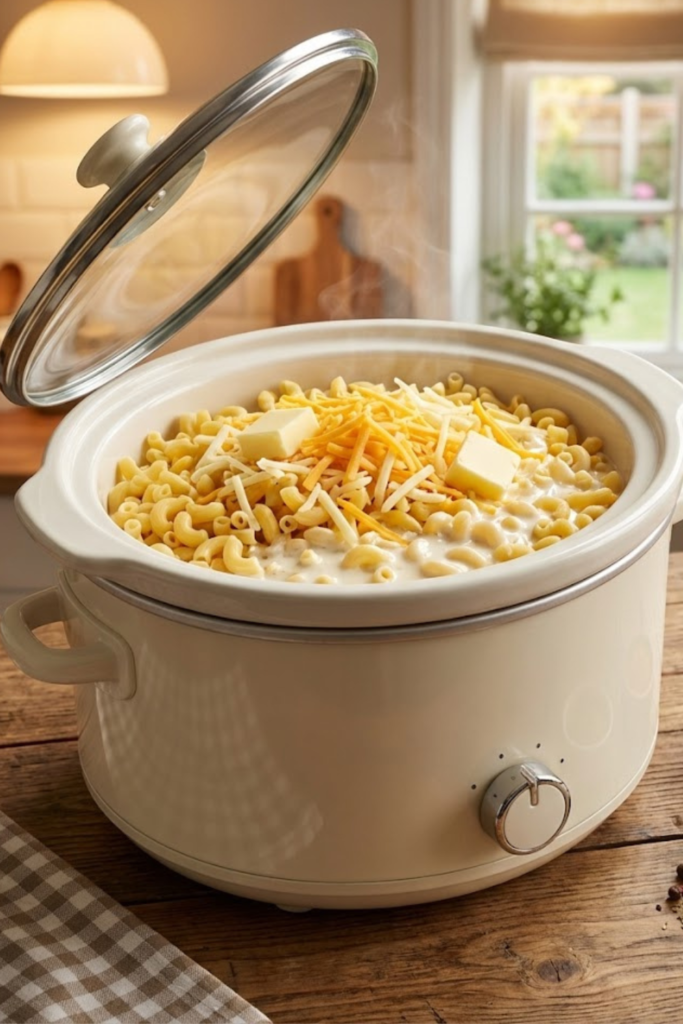
Paula’s method usually involves tossing everything into the pot, but I have found a slight tweak that helps. I always whisk my eggs, evaporated milk, sour cream, and condensed soup in a separate bowl first.
Why? Because one time I cracked the eggs directly into the hot pasta in the crockpot, and I ended up with bits of scrambled egg in my mac and cheese. Not appetizing. Whisk the liquids until smooth, pour them over the macaroni in the slow cooker, and then stir in the cheese. It guarantees that every single noodle gets coated in that liquid gold. Also, spray your crockpot insert with non-stick spray beforehand. You will thank me when it’s time to wash dishes.
The “Low and Slow” Rule
This is where the magic happens for Paula Deen crockpot mac cheese. You have to set your machine to LOW. Never use the high setting for this recipe. Dairy is temperamental; if you blast it with high heat, the milk solids separate, and the cheese gets oily.
Cook it for about 2.5 to 3 hours. That is the sweet spot. I usually give it a gentle stir halfway through just to make sure the corners aren’t burning. But don’t lift the lid too often! Every time you peek, you lose heat and mess up the cooking time. Trust the process. When the edges are bubbly and the center is set but still creamy, turn it off immediately. It’ll thicken up more as it sits, so don’t panic if it looks a little loose at the 3-hour mark.
Preventing Common Crockpot Mac and Cheese Mistakes
I have to confess something embarrassing. The first time I made this for a potluck, it was a total disaster. I opened the lid, expecting creamy perfection, and instead found a greasy, separated mess with noodles that were falling apart. I actually cried. I ended up ordering pizza and leaving the slow cooker at home.
It turns out, Paula Deen crockpot mac cheese is easy, but it’s also easy to mess up if you don’t know the science behind it. I’ve spent years tweaking this to make sure I never have to experience that “greasy puddle” shame again. Here is how you can dodge the bullets I took for you.
The Dreaded Curdling
Nothing ruins an appetite faster than grainy cheese sauce. This usually happens because the slow cooker got too hot. When cheese gets overheated, the proteins tighten up and squeeze out the fat, leaving you with a gritty texture and a pool of oil. It is gross.
To avoid this, stick to the “Low” setting religiously. If your slow cooker tends to run hot (some newer models do), check it at the two-hour mark. If you see bubbles breaking the surface rapidly, it’s too hot! Turn it to “Warm” immediately. Also, never add cold milk or eggs directly to a hot pot. If you are adding liquid late in the game, warm it up in the microwave first so you don’t shock the sauce.
The Mushy Noodle Crisis
We talked about par-boiling, but the shape of the pasta matters too. I once tried this with fancy spiral pasta because I wanted to look sophisticated. Bad move. The spirals unraveled and turned into mush way faster than standard elbows.
Stick to elbow macaroni for Paula Deen crockpot mac cheese. The small, sturdy shape holds up best under the weight of the heavy cheese sauce. Shells are okay, but they tend to trap huge pockets of sauce and can break apart if you stir them too much. If you open the lid and the pasta looks bloated, take the ceramic insert out of the heating element right away to stop the cooking.
It’s Too Dry!
Pasta is a sponge. It will keep drinking up that moisture even after the cooker is off. I’ve had times where it looked perfect at 4:00 PM, but by dinner time at 6:00 PM, it was a solid brick.
If you notice your mac is looking dry, do not panic. Just stir in a splash of warm milk or a little bit of extra melted butter right before serving. It brings the creaminess back instantly. Just don’t use water—it dilutes the flavor too much.
The Salt Trap
Here is a mistake I make when I’m in a rush. I salt the pasta water, and then I add salty cheese, and then I add the condensed soup (which is loaded with sodium). The result? A salt lick.
Because the ingredients in this recipe are already processed and savory, hold off on adding extra salt until the very end. Taste a noodle right before you serve it. You can always add salt, but you can’t take it out once it’s in there. Trust me, nobody wants to chug water all through dinner because the mac and cheese was too aggressive!
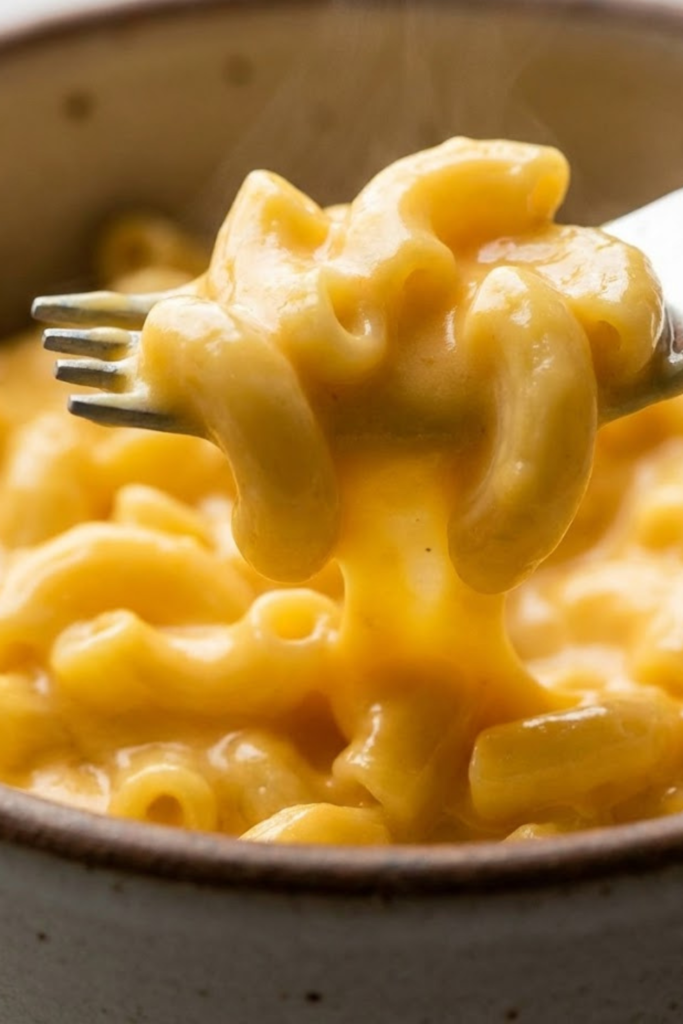
Variations to Spice Up Your Cheesy Dish
I love the classic Paula Deen crockpot mac cheese as much as the next person, but sometimes you just gotta shake things up. My family gets a little restless if I serve the exact same side dish every single Sunday. Over the years, I’ve experimented with tossing different things into the pot—some were huge hits, and some were total flops.
It’s actually pretty fun to play “mad scientist” in the kitchen, as long as you respect the base recipe. You don’t want to mess with the ratio of liquid to pasta, but you can definitely play around with flavors and textures. Here are a few twists that have earned a permanent spot in my recipe box.
For the Meat Lovers
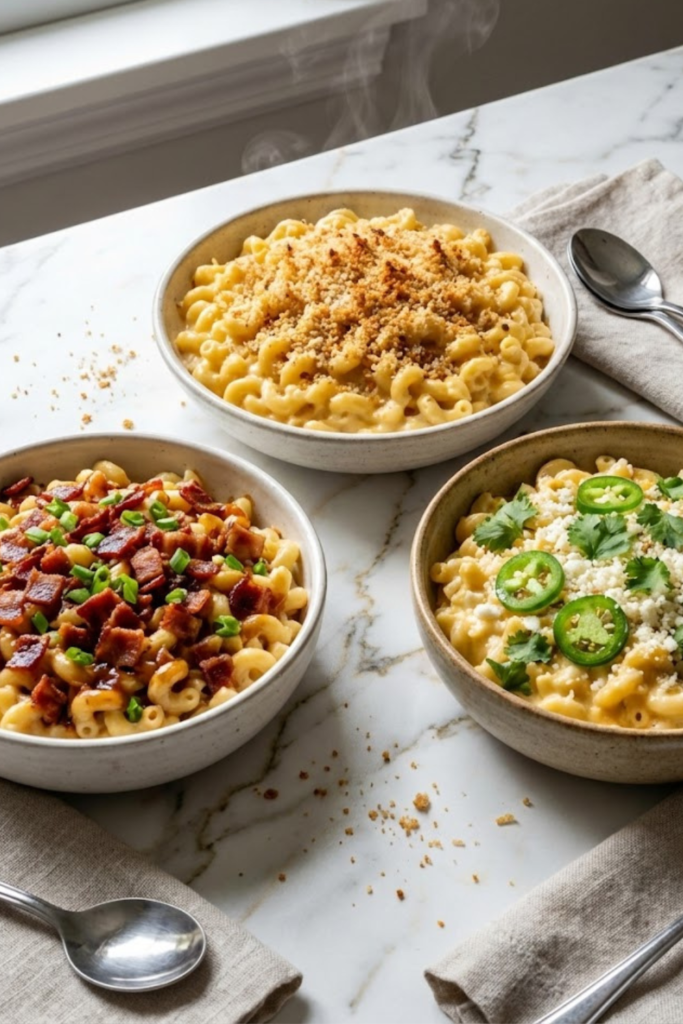
Everything is better with bacon, right? Well, yes, but only if you do it right. I once made the mistake of throwing raw bacon bits into the slow cooker, thinking they would crisp up as the pasta cooked. Nope. I ended up with chewy, flabby pieces of fat floating in my beautiful cheese sauce. It was gross.
If you want to add a smoky, savory kick, cook your bacon separately until it is super crispy. crumble it and stir it in during the last 30 minutes of cooking. This keeps the texture right. Also, if you have leftover holiday ham, dice it up small! It turns this side dish into a full-blown meal. My husband actually prefers it with ham now.
Sneaking in the Veggies
Trying to get my kids to eat green stuff is a battle I usually lose. But I figured out that if I drown broccoli in enough cheese, they don’t complain. The trick is to use fresh broccoli florets, not frozen. Frozen veggies release way too much water and will make your Southern style macaroni and cheese runny.
I usually chop the broccoli pretty small so it cooks through without turning to mush. If you want something for the adults, try tossing in some diced jalapeños or a can of green chilies. It cuts through the richness of the butter and sour cream perfectly. Just be warned: the heat intensifies in the slow cooker!
The Crunch Factor
The one downside of using a crockpot is that you don’t get that crusty, baked top layer that you get from the oven. I miss that crunch. But I found a cheat code.
Instead of just serving it soft, I take a cup of Panko breadcrumbs or crushed Ritz crackers and toast them in a skillet with a little butter. I do this on the stove right before dinner. When I scoop the mac into bowls, I sprinkle the buttery crumbs on top. You get the best of both worlds: the creamy, slow-cooked center and the crispy topping.
Cheese Swaps
While sharp cheddar is the gold standard for Paula Deen crockpot mac cheese, don’t be afraid to mix it up. I recently tried a 50/50 mix of sharp cheddar and Smoked Gouda. Oh my stars, it was good. The smoke flavor made it taste like something from a fancy BBQ joint.
Just avoid using only mozzarella or stringy cheeses. They don’t melt into a sauce as well and can get kinda rubbery. Stick to cheeses that melt creamy, like Monterey Jack or Gruyere, if you want to branch out.
Storage, Reheating, and Freezing Tips
I used to have a bad habit of throwing away leftovers. I’d look at that cold, solidified block of Paula Deen crockpot mac cheese in the fridge and think, “There is no way that is going to taste good again.” It just looked so sad and clumpy.
But let’s be real, throwing away food is throwing away money. And with grocery prices these days? No way. Over the years, I’ve figured out how to bring this dish back to life so it tastes almost as good as it did right out of the slow cooker. It just takes a little bit of know-how and a splash of milk.
The Fridge Life
First off, you need to get those leftovers into the fridge within two hours of serving. I know, when you are in a food coma after a big meal, putting away dishes is the last thing you want to do. But if you leave it out too long, bacteria start to party.
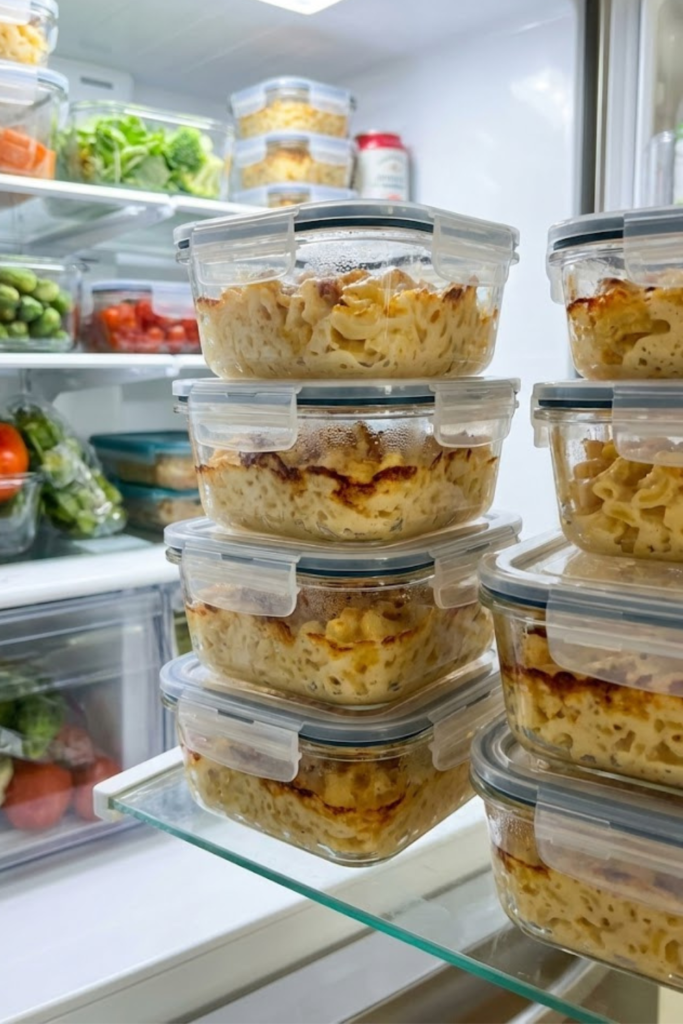
Store it in an airtight container. It will stay good for about 3 to 4 days. After that, the texture gets a little weird, and I usually toss it. Pro tip: Don’t store it in the ceramic crockpot insert! It retains heat for too long and can keep the food in the “danger zone” temperature-wise. Transfer it to Tupperware.
Reheating Without the Grease
Here is the secret to reheating creamy pasta: never, ever put it in the microwave without adding liquid. If you just zap it, the fats separate, and you get oily rubber.
I prefer to reheat it on the stove. Dump the leftovers in a saucepan, add a splash of milk (about a tablespoon per cup of pasta), and heat it on low. Stir it gently as it warms up. The milk helps re-emulsify the cheese sauce so it gets creamy again. If you must use the microwave, do it in 30-second bursts and stir in between, adding a little milk or butter to help it along.
Can You Freeze It?
People ask me this all the time. The short answer is yes, you can. The long answer is: yes, but it won’t be exactly the same. Because this Southern style macaroni and cheese has eggs and dairy, the sauce can sometimes look a little grainy after freezing and thawing.
If you want to freeze it, let it cool completely first. Put it in a freezer-safe bag and squeeze as much air out as possible. It will last for up to 3 months. When you are ready to eat it, thaw it in the fridge overnight. Do not try to reheat it from frozen! It will just turn into a watery mess. Thaw it, then use the stovetop method I mentioned above to perk it up.
The Make-Ahead Miracle
If you are hosting a holiday dinner, counter space is precious. You don’t want to be shredding cheese while the turkey is carving. You can absolutely prep this the night before.
Boil your noodles, shred your cheese, and mix your custard liquids (eggs, milk, soup, spices) in a bowl. Store the noodles in a ziplock bag and the liquid in a jar in the fridge. On the big day, just toss the noodles in the slow cooker, pour the liquid over, stir in the cheese and butter, and turn it on. It saves so much stress!
Well, there you have it! You are now fully equipped to master the art of Paula Deen crockpot mac cheese. No more dry, boxed pasta for you—only rich, creamy, homemade glory that will have your family scraping the pot clean.
I know it can feel a little intimidating to cook pasta in a slow cooker if you haven’t done it before. I was scared I’d ruin dinner the first time I tried it, too. But honestly, once you get the hang of par-boiling and resisting the urge to stir it every five minutes, it is the easiest side dish in the world. The secret is really just in the patience and the fresh cheese!
Give this recipe a try for your next gathering, and don’t forget to let the slow cooker do the heavy lifting while you enjoy the company. Trust me, your guests are going to ask for the recipe.
Pin this recipe! If you loved this guide and want to save it for later, please share it on Pinterest so you can find it easily for your next holiday feast!