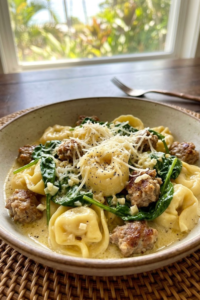
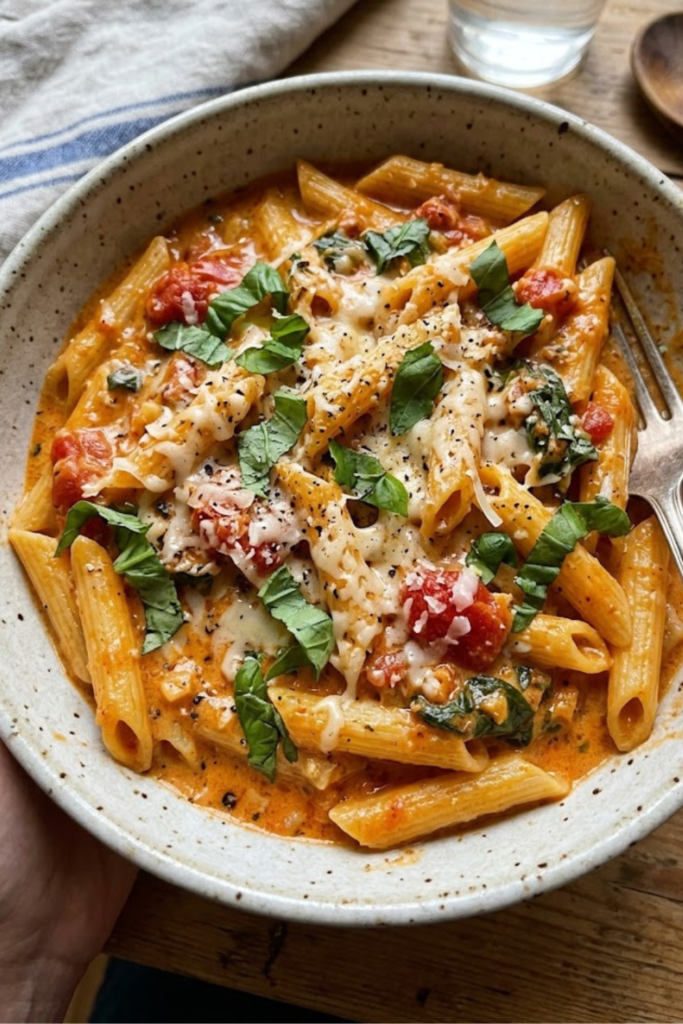
Listen, if you aren’t making one pot creamy tomato pasta yet, you are working way too hard in the kitchen! I used to be a total dish-hater, staring at a mountain of pots after every “simple” dinner until I realized I could cook the noodles right in the sauce. Did you know that nearly 60% of home cooks say cleaning up is the worst part of cooking? Well, consider this your lucky day! This recipe isn’t just a time-saver; the starch from the pasta stays in the pan, making the sauce naturally thick and luscious. Let’s dive into this vibrant, comforting bowl of goodness that’ll make your family think you spent hours at the stove.
Choosing the Best Pasta Shapes for One-Pot Success
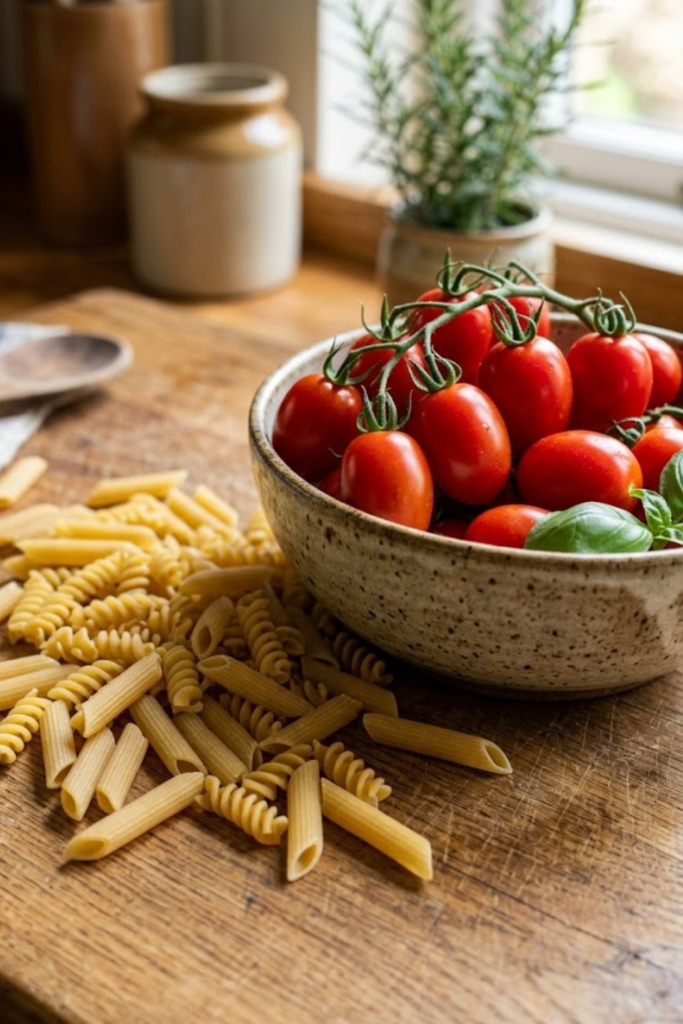
I’ve spent a lot of years in my kitchen trying to figure out why some of my dinners turned into a big pile of mush while others were totally perfect. When you are making a one pot creamy tomato pasta, the shape you pick is actually the most important part of the whole process. If you get it wrong, you’ll end up with a sticky mess that nobody wants to eat. Believe me, I’ve been there more than once and had to order a pizza because the noodles were just gross. You want a pasta that can stand up to being cooked right in the sauce instead of being boiled in a separate pot of water.
Why Ridges are Your Best Friend
You want a pasta that has places for the sauce to hide. Think about penne or fusilli. These have little ridges and spirals that grab onto that creamy tomato goodness. If you use something smooth like basic elbow macaroni, the sauce just slides right off. I always tell people that cooking is a lot like building a house—you need the right materials for the job. Penne is like a little sponge; it soaks up the flavor so every bite tastes exactly like the sauce. Plus, these thicker shapes hold up much better when they sit in the liquid for ten or twelve minutes.
Avoiding the Mushy Noodle Trap
One big mistake I see people make is using thin pasta like spaghetti or angel hair in a one-pot recipe. Don’t do it! These thin noodles cook way too fast. By the time your sauce is thick and creamy, the noodles are way overcooked and falling apart. You want what we call a “short” pasta. Shapes like rigatoni or even farfalle (those are the ones that look like bowties) are great because they are sturdy. They can handle being stirred around in the pan without breaking into tiny little pieces.
How the Shape Helps the Sauce
The cool thing about one-pot cooking is that the starch from the pasta stays in the pan. When you use shapes like orecchiette, which look like little ears, they trap the starchy water and the cream. This helps make the sauce thick without you needing to add a bunch of flour. It’s like a fun science experiment in your kitchen! Just make sure you don’t pick a shape that’s too big, like jumbo shells, or it won’t cook evenly in the sauce. Stick to the medium-sized ones and your dinner will turn out great every single time.
Essential Ingredients for a Rich and Zesty Sauce
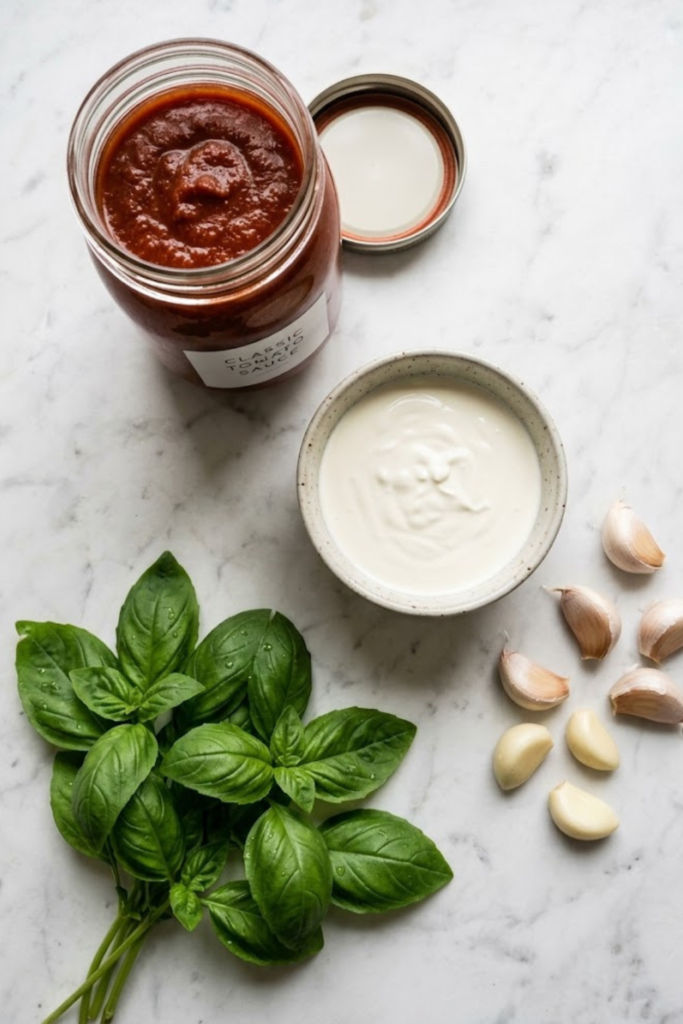
I used to think that making a really good pasta sauce required some kind of secret Italian grandmother or a bunch of expensive jars from the fancy grocery store. But honestly, after making this for my family about a hundred times, I realized that the magic is really just about having a few basic things in your cupboard. You want your sauce to have that “zesty” kick while still being smooth enough to coat every single one of your noodles. If you grab the wrong kind of tomatoes or forget the garlic, you will definitely notice the difference. I made that mistake once on a Tuesday night when I was exhausted, and trust me, it was not my best work.
Finding the Right Tomato Base
The most important thing is the tomatoes. I usually keep a few cans of crushed tomatoes in my pantry because they are just so easy to work with. They give you a smooth texture without being too chunky or watery. If you want something even deeper in flavor, you can add a big spoonful of tomato paste right at the start. This really helps build that rich, dark red color and a concentrated taste that feels very professional. I once tried using just fresh cherry tomatoes because they were on sale, and while it was okay, it did not have that “saucy” feel I was looking for. Combining canned tomatoes with a little bit of paste is my favorite way to go.
The Secret to the “Creamy” Part
Now, let’s talk about the part that makes everyone want seconds—the cream. Most of the time, I use heavy cream because it does not curdle when it hits the heat of the pan. If you want something a little lighter, you can use half-and-half, but you have to be careful not to let it boil too hard or it might separate and look a bit funny. I have also had friends use full-fat coconut milk for a dairy-free version, and it actually tastes pretty good, though it does change the flavor a little bit. The cream is what balances out the acid from the tomatoes, making the whole dish feel like a big, warm hug in a bowl.
Don’t Skimp on the Aromatics
Lastly, please do not forget the garlic. I usually use about four or five cloves because we love that bold flavor in our house. Sautéing your garlic and maybe some shallots in olive oil before you add the liquid is the step that makes your whole house smell amazing. I also like to throw in some red pepper flakes for a tiny bit of heat, but keep it low if you are feeding kids who do not like spicy food. These small things are what take a simple meal and make it taste like it came from a restaurant. Just keep an eye on the garlic so it doesn’t burn, or it will taste bitter!
Step-by-Step Guide to Cooking Everything in One Pan
Honestly, I used to be so skeptical about throwing everything into one pan. I thought the pasta would just be a soggy mess or the sauce wouldn’t taste right. But once you see how it all comes together, you’ll never go back to boiling water in a separate pot again. It’s almost like a magic trick happening right on your stove. One minute you have a bunch of liquid and some hard noodles, and the next, you have a gourmet meal. I’ve taught plenty of people how to do this, and they always look so surprised when it actually works!
Starting with the Sizzle
First, you want to get your pan nice and hot with some olive oil. Don’t rush this part. I usually throw in my chopped garlic and maybe some red pepper flakes right away. You want to cook them until you can really smell that garlic—it shouldn’t take more than a minute or two. If you let it go too long and it turns dark brown, it gets bitter, and that’s no good. If you are using tomato paste, this is the time to stir it in too. It smells so good that my family usually wanders into the kitchen asking when dinner is ready before I’ve even added the pasta!
Adding the Liquids and Pasta
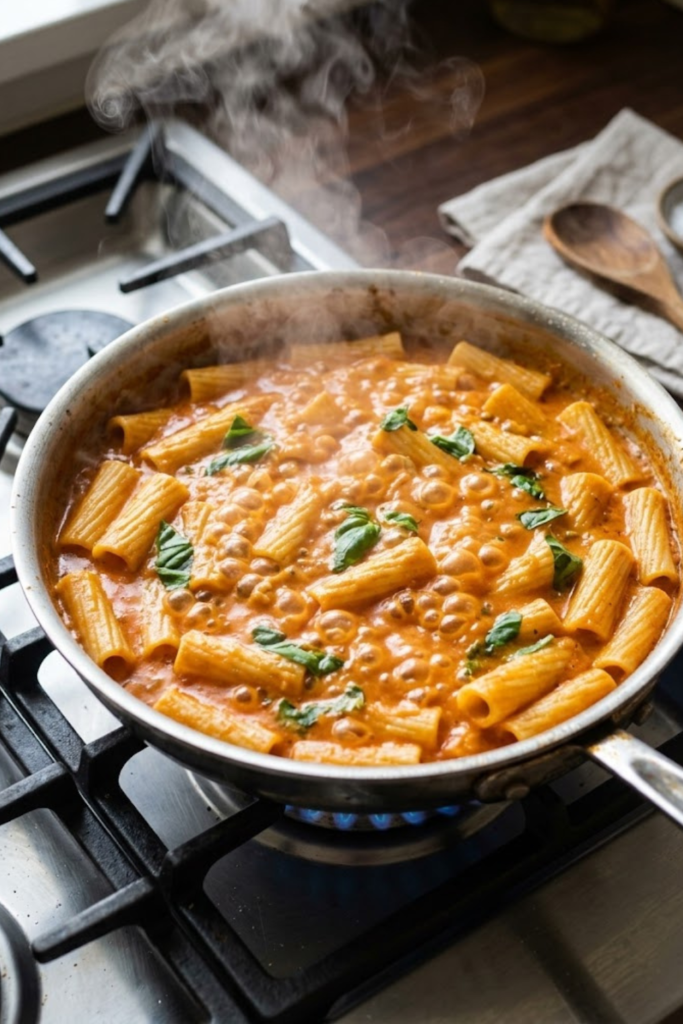
Next, you pour in your chicken or vegetable broth along with the crushed tomatoes. Some people like to add the cream now, but I usually wait just a little bit. Once the liquid is starting to bubble, you dump in your dry pasta. Now, here is the big trick: make sure the noodles are mostly covered by the liquid. You might need to push them down with your spoon. You want to bring everything to a boil and then turn the heat down so it’s just a nice, steady simmer. If it’s boiling too hard, the liquid will disappear before the pasta is even soft.
The Final Touch
You need to stir it every few minutes. This is important because the pasta likes to stick to the bottom of the pan since there is so much starch. About two minutes before the timer goes off, I pour in the heavy cream. This is when the sauce turns that beautiful orange color. After the pasta is soft enough to eat, turn off the heat and throw in a big handful of parmesan cheese and some fresh basil. Give it one last stir and let it sit for a minute. The sauce will thicken up perfectly as it cools down just a tiny bit. It’s so easy and so good!
Troubleshooting Common One-Pot Pasta Mistakes
I have to be honest with you—the first few times I tried making a one-pot meal, it was kind of a disaster. I thought I could just throw everything in and walk away to go fold some laundry. Big mistake! I came back to a big clump of noodles that were stuck to the bottom of my favorite skillet. It took me forever to scrub that pan! But don’t let that scare you off. Most of the problems people have with one-pot creamy tomato pasta are really easy to fix once you know what to look for. I’ve made all the mistakes so you don’t have to.
Dealing with Sticky Noodles
The biggest issue I hear about is the pasta sticking together in one giant ball. This usually happens right at the beginning. When the dry pasta hits the hot liquid, it starts releasing starch immediately. If you aren’t there to move it around, that starch acts like glue. My best advice is to stay by the stove for the first five minutes. Give it a good stir every sixty seconds or so. This keeps the noodles separate until they soften up a bit. If they still seem like they want to stick, add a tiny splash more olive oil. It helps things stay separate and adds a little extra flavor too.
What to do if the Sauce is Too Thin
Sometimes you get to the end of the cooking time and the sauce looks more like a soup than a thick pasta sauce. Don’t panic! This usually happens if you didn’t let enough of the liquid simmer away. The easiest fix is to just let it keep cooking for a few more minutes without a lid. The steam needs to escape so the sauce can thicken up. Another trick I use is adding a little bit more parmesan cheese. Cheese is great because it helps bind everything together and makes it taste even better. Just remember that the sauce will also thicken up a lot as it sits for a minute or two off the heat.
Avoiding the Mushy Noodle Mess
Nobody likes mushy pasta. It’s probably the worst kitchen fail. To keep your pasta “al dente,” which just means it still has a little bit of a bite to it, you have to start tasting it early. About two minutes before the box says it should be done, take a piece out and try it. If it’s still a little hard in the middle, it needs another minute. But if it feels almost done, turn off the burner! The heat from the sauce will keep cooking the pasta even after the stove is off. If you wait until it’s perfectly soft to turn off the heat, it will be overcooked by the time you put it on a plate. It’s all about watching the clock and trusting your taste buds!
Bringing it All Together: Your New Favorite Dinner
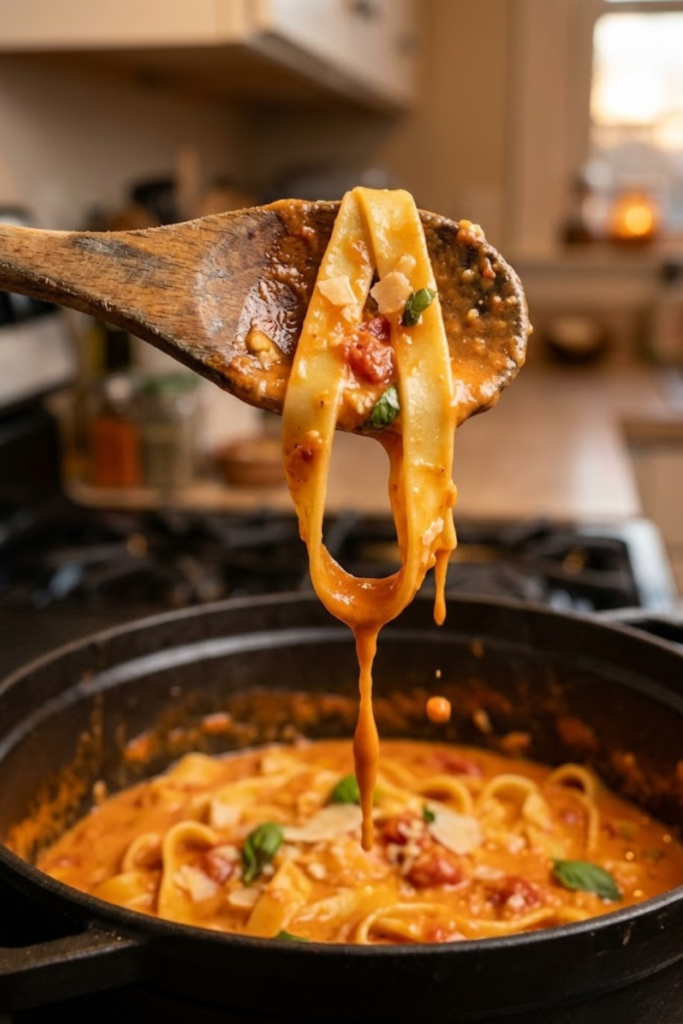
I really hope you give this one pot creamy tomato pasta a try very soon. It has honestly changed the way I look at weeknight dinners forever. I used to think I had to spend an hour in the kitchen to get a meal that tasted like it was from a fancy Italian restaurant, but this recipe proved me wrong. When you are tired after a long day of work or taking care of the kids, the last thing you want to do is scrub four different pots and pans. This meal is the answer to that problem. Plus, it’s just so comforting. There is something about the combination of warm tomatoes and heavy cream that makes everything feel a little bit better. I find myself making this at least twice a month because it is just so reliable.
I also love how easy it is to make this recipe your own. Sometimes I throw in a few handfuls of fresh baby spinach right at the end so I can get some greens in. My kids don’t even mind because the sauce is so good! If you have some leftover grilled chicken in the fridge, you can chop that up and toss it in there too. It’s a very flexible meal. I’ve even used different types of cheese like mozzarella or a little bit of goat cheese when I was feeling extra fancy, and it always turns out great. Just keep an eye on your liquid levels and you really can’t go wrong. It is the kind of recipe that grows with you as you get more comfortable in the kitchen.
Another great thing is how well this stays as leftovers. If you have some left over for lunch the next day, it might get a little thick in the fridge. That is totally normal because the pasta keeps soaking up the sauce. When you go to reheat it, just add a tiny splash of milk or water before you put it in the microwave. This brings that creamy texture right back to life. I actually think it tastes even better the next day sometimes because the flavors have had more time to sit together.
Once you get the hang of the one-pot method, you might start looking at all your other favorite pasta dishes and wondering if you can cook them this way too. It’s all about finding that balance between the pasta, the sauce, and the heat. Cooking should be fun and low-stress, and this dish is exactly that. If you enjoyed this guide and found it helpful for your next dinner, please save it to your favorite board and share it on Pinterest! Sharing helps other busy home cooks find easy recipes that actually work. Happy cooking!