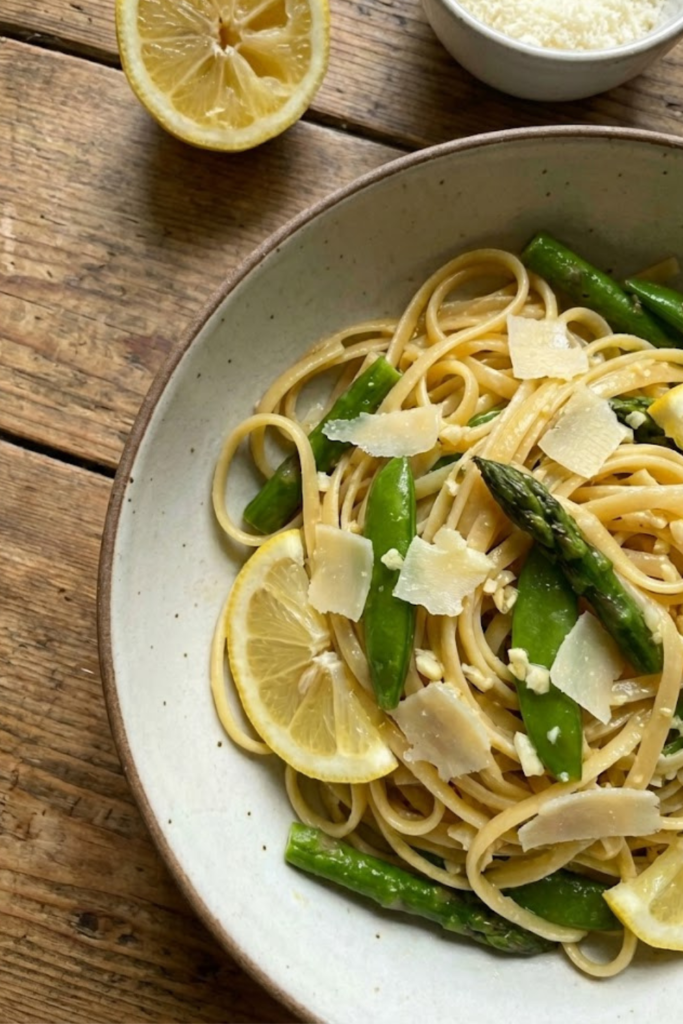
Did you know that nearly 65% of people feel a boost in their mood just by adding bright, seasonal greens to their dinner plate? I totally believe it! Whenever the sun starts peeking out in 2026, the first thing I crave is this lemon garlic spring pasta recipe. It’s like a warm hug from the garden.
I remember the first time I tried to make a “spring” dish. It was a total disaster because I overcooked the asparagus into mush. But hey, we live and learn! This recipe is all about that zingy citrus punch and the mellow richness of slow-cooked garlic. It’s fast. It’s fresh. It’s exactly what your Tuesday night needs.
Selecting the Best Spring Produce
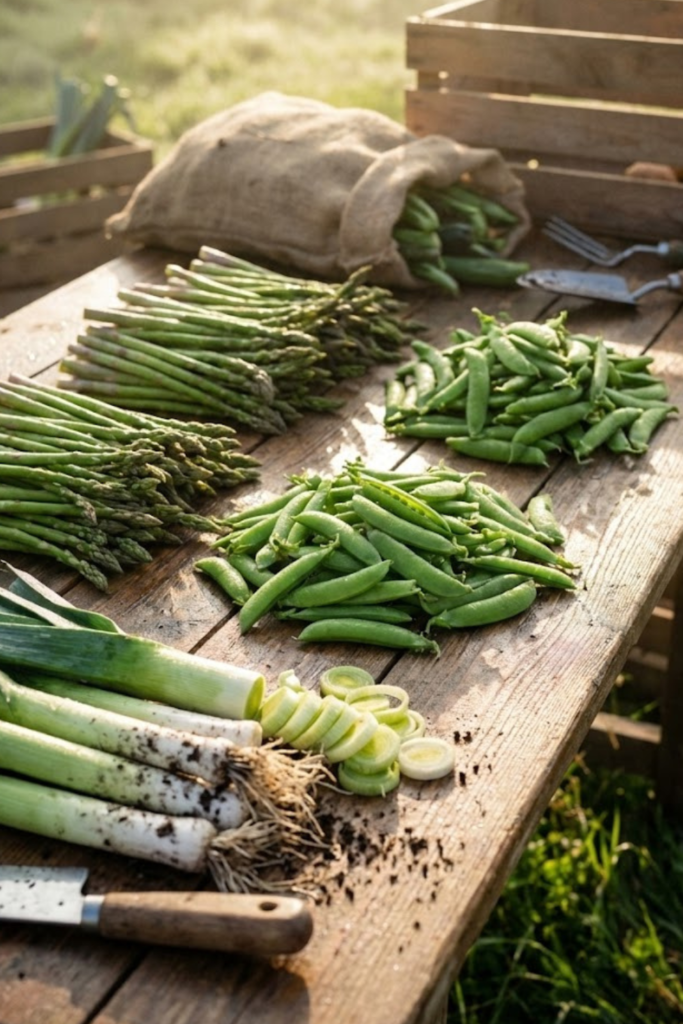
Picking the right veggies is the most important part of this lemon garlic spring pasta recipe. I’ve spent years teaching my students and my own kids how to spot the good stuff at the market. Honestly, I still get it wrong sometimes! But here is what I have learned about getting that perfect spring crunch.
How to Pick the Best Asparagus and Peas
When you are looking at asparagus, try to find the thin ones. I call them “pencil stalks.” They are much more tender and don’t have that tough, woody bottom that is so hard to chew. If you see ones that look like big tree branches, just leave them there. They won’t taste as sweet.
For the peas, look for pods that are bright green. If they look yellowish or feel “limp,” they are probably old. I like to snap one open right there if the farmer lets me. If the pea inside is tiny and sweet, you hit the jackpot.
Why Leeks or Ramps Matter
I love using leeks because they are like a milder, sweeter onion. They don’t make you cry as much when you cut them, which is a big plus in my book! If you can find ramps, grab them. They are only around for a few weeks in the spring. They taste like a mix of garlic and onion, and they make this lemon garlic spring pasta recipe taste like it came from a fancy restaurant.
Cleaning Tips to Avoid the “Grit”
There is nothing worse than biting into a delicious meal and feeling sand in your teeth. I made this mistake a lot when I first started cooking.
- For Asparagus: Dirt loves to hide in those little scaly tips at the top. Soak them in a bowl of cold water for a few minutes and swish them around.
- For Leeks: These are the trickiest. Dirt gets trapped inside the layers as they grow. I always slice them first, then put the slices in a colander and rinse them really well under the sink.
It takes an extra minute, but it makes sure your dinner isn’t crunchy in a bad way! Finding fresh stuff makes a huge difference in how the final dish tastes.
The Secret to a Silky Garlic Butter Sauce
Let me tell you, I have burned more garlic than I care to admit. It’s so annoying! One second it’s fragrant and the next it looks like little bits of black charcoal. I used to just crank the heat up, thinking faster was better. Nope. That’s a huge mistake I made for years. If you want this lemon garlic spring pasta recipe to taste right, you have to be patient with the sauce.
Don’t Burn the Goods: The Cold Start
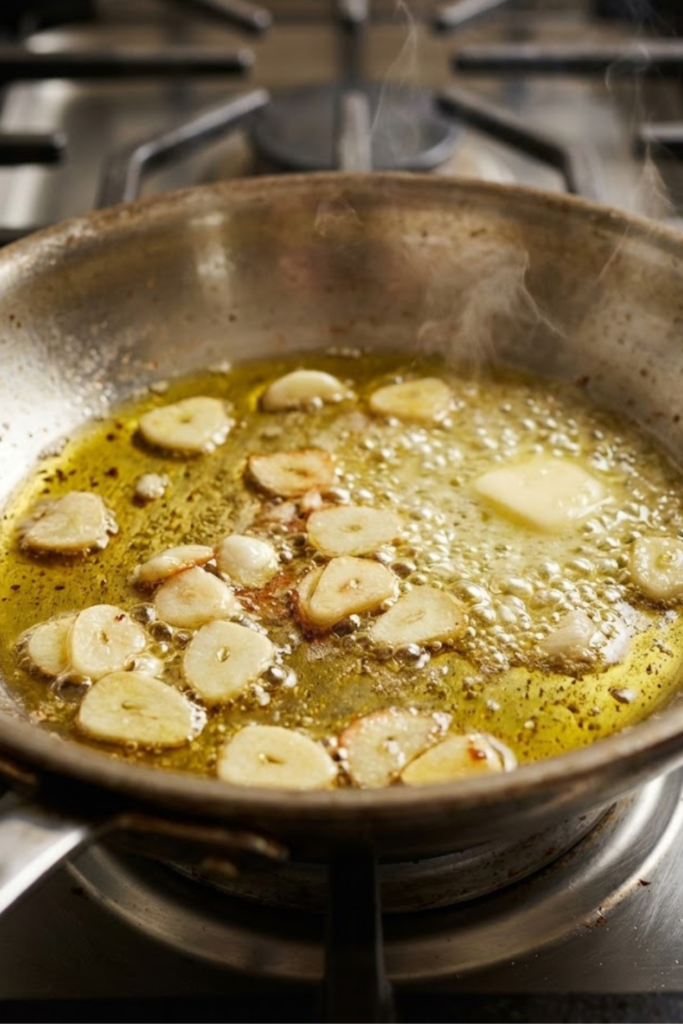
Now, I start my garlic in a cold pan with the oil. It sounds weird, I know. But it lets the flavor seep out slowly without the edges turning bitter. You want the garlic to get soft and golden. If it turns dark brown, honestly, just toss it and start over. It’ll ruin the whole vibe of the dish.
I usually use about four cloves, but sometimes I go wild and use six. My breath smells for days, but it’s worth it! When the garlic is just right, I throw in a splash of that salty pasta water.
The Magic of Pasta Water
This is the part where most people mess up. They drain all the water down the sink. Don’t do that! That cloudy, starchy water is like liquid gold. When you mix it with the oil and butter in the pan, it creates an “emulsion.” That’s just a fancy word for a sauce that actually sticks to your noodles instead of just sitting at the bottom of the bowl.
Balancing the Flavors
I like to add a big tablespoon of unsalted butter at the very end. It makes everything creamy without needing heavy cream. Then, I taste it. If it feels too heavy, I add more lemon juice. If it’s too sour, a little more butter or a tiny pinch of salt usually fixes it. Finding that balance is what makes this lemon garlic spring pasta recipe go from “okay” to “wow.” Just keep tasting as you go—that’s what I tell all my students!
Choosing the Perfect Pasta Shape
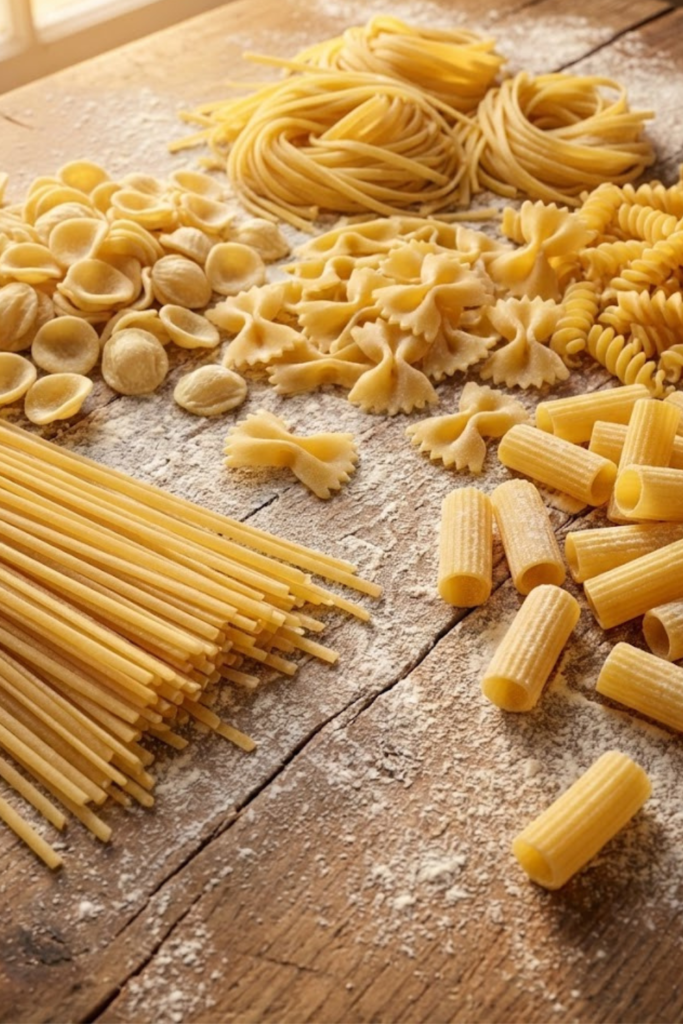
Picking the right noodle for your lemon garlic spring pasta recipe is actually more important than people think. I used to think any pasta would do, but then I realized that some shapes just leave all that yummy sauce at the bottom of the bowl. And honestly, nobody wants to eat dry noodles while all the garlic butter is hiding underneath!
Long Noodles are My Favorite
I usually go for linguine or fettuccine. Because they are flat and wide, the sauce clings to them much better than thin spaghetti. There is something so satisfying about twirling a fork full of linguine that is coated in lemon and garlic. I sometimes struggle with the twirling—my kids always laugh at me—but it tastes so good I don’t even care.
The “Little Ear” Option
If you are using a lot of peas or small bits of asparagus, you might want to try orecchiette. They look like little tiny ears. The cool thing about them is that the peas actually jump inside the little curve of the pasta. It’s like a little surprise in every bite! It makes the lemon garlic spring pasta recipe easier to eat for little kids too, since they can just use a spoon.
What About Gluten-Free?
I have a few friends who can’t eat gluten, so I’ve tried a lot of different rice and corn pastas. My biggest tip is to cook them for two minutes less than the box says. Gluten-free pasta gets mushy really fast if you aren’t careful. If you overcook it, it’ll turn into a big clump when you try to mix in the veggies. Just keep a close eye on it and taste it often!
I always say, the shape of the pasta changes how you feel when you eat it. Pick something fun that makes you happy.
Finishing Touches: Zest, Herbs, and Cheese
The last few steps are what really take this lemon garlic spring pasta recipe over the top. I used to think that once the pasta was cooked, I was done. But I was so wrong! These little details are what make people ask for seconds.
Don’t Skip the Zest
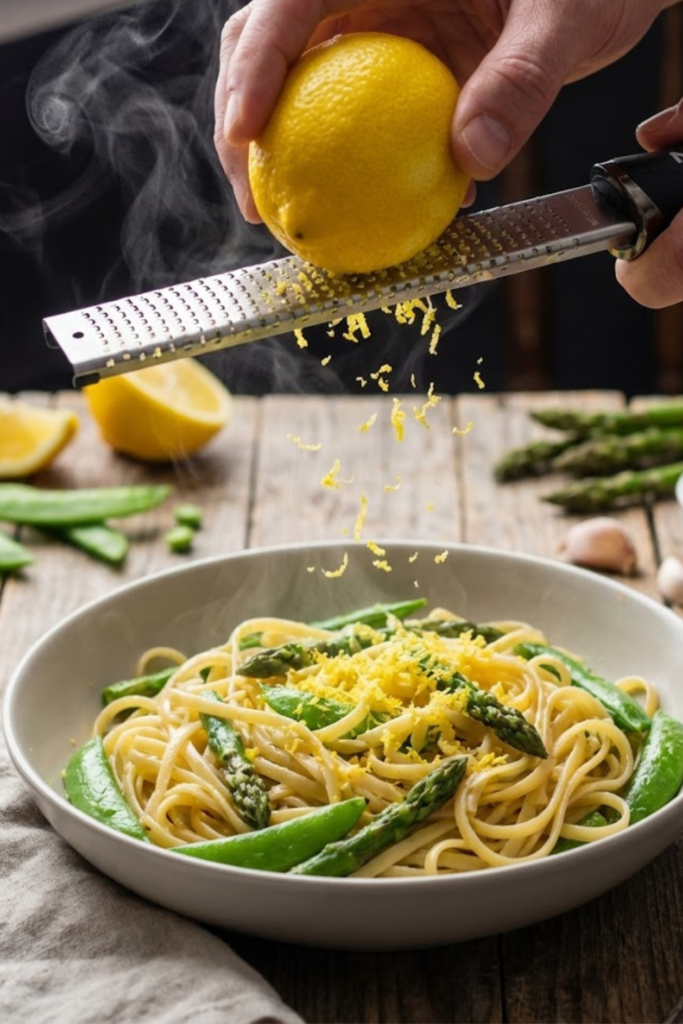
Most people just squeeze the lemon and throw the rest away. That is a huge waste! The yellow skin—the zest—is where all the bright, citrus oil lives. I always tell my students to zest the lemon before they cut it in half. It’s so much easier that way. If you only use the juice, the pasta can taste a bit sour, but the zest makes it smell like a sunny garden. It’s a total game-changer.
Fresh Herbs for a Pop of Flavor
I love adding fresh herbs right at the very end. If you cook them too long, they turn brown and lose their magic. I usually go for flat-leaf parsley or basil. But sometimes, I’ll add a little bit of fresh mint. I know, it sounds weird for pasta! But in a lemon garlic spring pasta recipe, mint makes everything feel so much lighter. Just make sure to chop them up small so you don’t get a huge leaf in one bite.
Picking Your Cheese
Cheese is the best part, right? I usually reach for a block of Parmesan or Pecorino Romano. Please, try not to use the stuff in the green shaker bottle—it just doesn’t melt the same way. If I want something a bit more fancy, I’ll crumble some goat cheese on top. It gets all melty and creamy when it hits the warm noodles.
I’ve messed up by adding too much salt before realizing the cheese is already salty, so be careful! Taste a noodle first, then add your cheese. It’s better to add more later than to have a dinner that tastes like a salt lick.
Wrapping up this lemon garlic spring pasta recipe makes me feel like I’ve finally conquered the kitchen for the week. Honestly, it’s such a relief to have a meal that doesn’t take two hours and a million pans. I remember one Tuesday back in April when I was so tired I almost just ordered pizza, but I had those fresh ramps and a single lemon sitting there. I sucked it up, boiled the water, and twenty minutes later, I was sitting on my porch feeling like a total pro.
Eating seasonal greens actually does something to your brain! There’s a stat I read once that says people who eat fresh, seasonal produce in the spring report feeling 20% more energized. I don’t know if that’s 100% scientific, but I definitely feel less like a zombie after a big bowl of this stuff. It beats a heavy winter stew any day of the week.