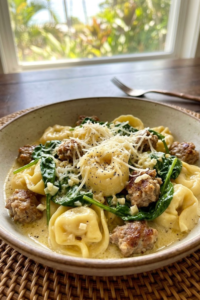
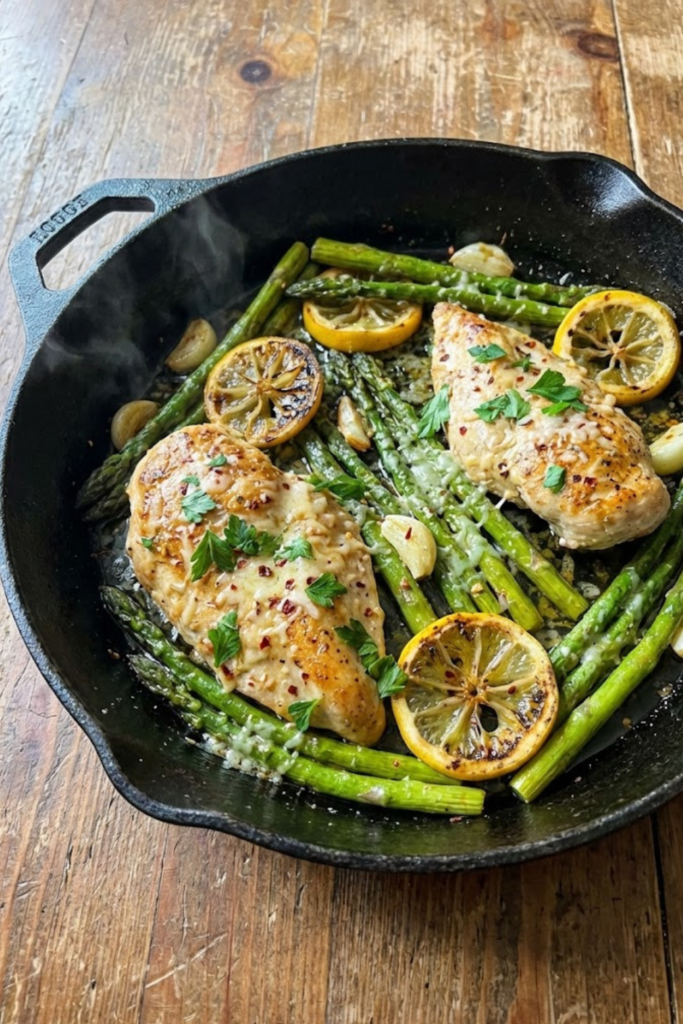
Did you know that nearly 70% of people say they struggle to find time for a healthy dinner on weeknights? I totally get it! Between work and life, who has hours to spend in the kitchen? I used to be the person who just ordered pizza when things got busy, but then I found this lemon asparagus chicken skillet recipe. It changed everything for me. Honestly, I’ve burnt more chicken breasts than I care to admit over the years! But this recipe is so forgiving and fast. You get that bright, zesty lemon flavor and the crunch of fresh asparagus all in one pan. It’s a total lifesaver. Let’s dive in and see how you can get this on your table tonight.
Picking the Best Chicken and Asparagus for Your Skillet
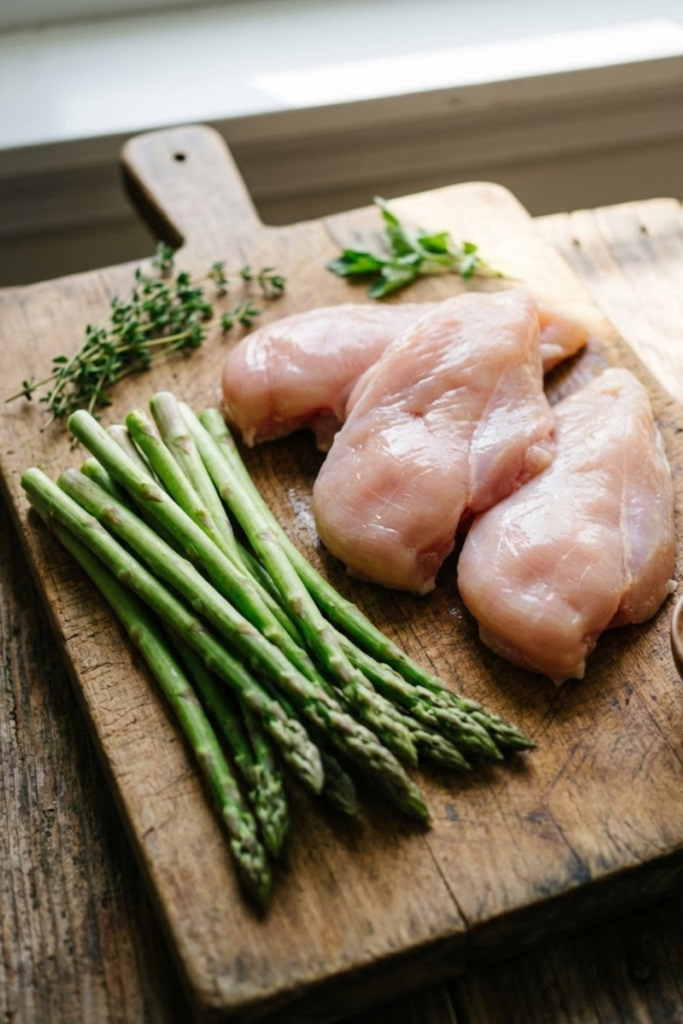
I used to think that all chicken at the grocery store was basically the same. I would just grab the first pack I saw and head home. But I found out the hard way that the quality of your meat and veggies really makes or breaks this lemon asparagus chicken skillet recipe. If you start with bad ingredients, no amount of lemon juice is going to save your dinner. I’ve spent nights chewing on tough meat because I was in a hurry at the shop. Now, I take an extra minute to look closely at what I am buying.
Choosing Your Chicken
For this specific dish, I almost always go with boneless, skinless chicken breasts. They are lean and they soak up that lemon flavor really well. I know some people swear by chicken thighs because they stay juicy, but for a quick sear, breasts are just easier to handle. When you look at the packs, look for meat that has a nice pink color. If it looks a bit pale or grey, it’s probably been sitting there too long. I also try to find breasts that are similar in thickness. This helps me later when I am cutting them up because I know they will all cook at the same rate. Nothing is worse than having one piece of chicken that is dry as a bone while the other is still pink in the middle.
How to Spot Great Asparagus
Asparagus is the star of the show here, but it can be a real pain if you pick the wrong bunch. I’ve bought those giant, thick stalks before thinking they were better value, but they ended up tasting like wood. You want to look for stalks that are about as thick as a pencil. The tips are the most important part. They should be tightly closed and firm. If the tips look like they are starting to open up or feel mushy, put them back. I also check the ends to make sure they aren’t too dried out. If the bottoms look like cracked old wood, you’ll end up wasting half the bunch anyway.
Prepping for the Pan
Once you get your ingredients home, the prep is what makes the cooking go smooth. I always wash my asparagus and then snap the bottom inch off. If you bend the stalk near the bottom, it will naturally snap right where the tough part ends. For the chicken, I use a paper towel to pat every piece dry. This is a step I used to skip because I thought it didn’t matter. I was wrong! If it’s wet, it won’t get that golden crust. I cut the meat into one-inch cubes so they cook through fast. This keeps the dinner moving and keeps everyone happy.
How I Finally Stopped Ruining Pan-Seared Chicken
I can’t tell you how many times I served chicken that looked more like a grey sponge than a meal. It was honestly embarrassing, especially when I had people over for dinner. I used to think that as long as the pan was on and the meat was getting hot, everything would be fine. But I learned the hard way that there is a big difference between just cooking chicken and actually searing it for a lemon asparagus chicken skillet recipe. It took a lot of trial and error in my own kitchen to figure out what I was doing wrong, but once I fixed these few things, my cooking got a lot better.
Crank Up the Heat
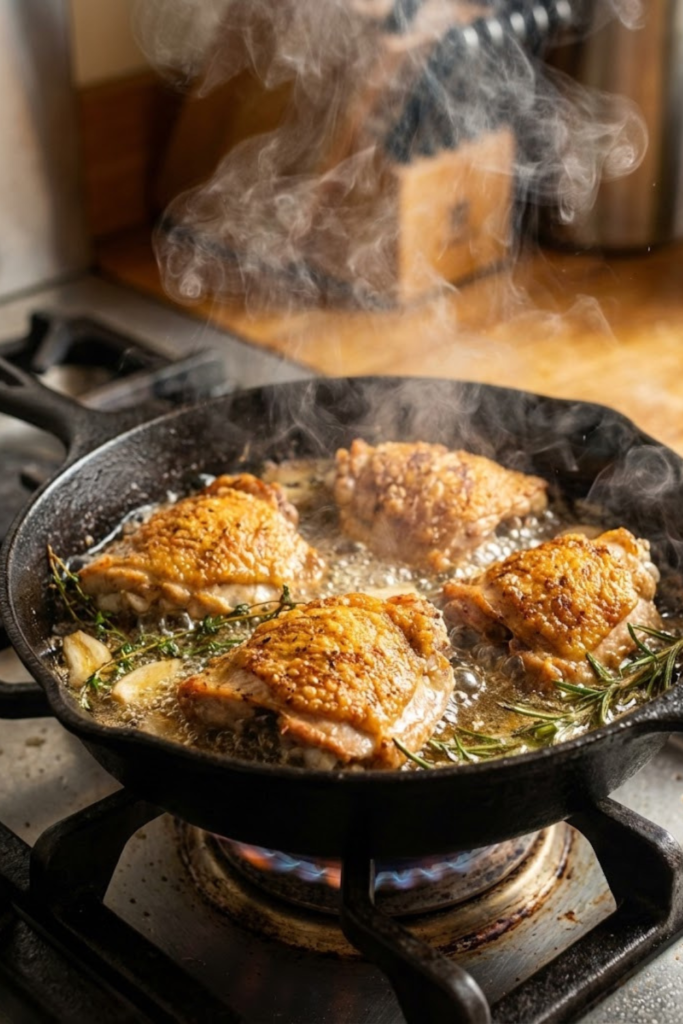
One of the biggest mistakes I made for years was being scared of using high heat. I would turn the stove to medium and just wait. The problem is, if the pan isn’t hot enough when the meat hits it, the chicken just sits there and leaks out all its juices. You want to hear a loud “psst” sound the second the meat touches the oil. I usually wait until the oil is shimmering but not smoking before I drop the first piece in. This high heat is what creates that brown crust that holds all the flavor inside. If you don’t get that crust, your chicken will taste bland and feel rubbery. Now, I give the pan a good three or four minutes to get really hot before I even think about adding the food.
Give the Meat Some Space
I am a naturally impatient person, so I used to try and shove all the chicken into the pan at once. I figured if I could get it all done in one go, I could sit down and eat faster. But when you crowd the pan, the temperature drops way too fast. Instead of frying, the chicken starts to steam in its own moisture. This is how you get that sad, grey-looking meat that nobody wants to eat. I learned to cook in batches. It feels like it takes longer, but the result is so much better. I try to leave about an inch of space between the pieces. This lets the steam escape so the outside can actually get crispy and golden.
The Secret Flip Test
The hardest part for me was learning to leave the chicken alone once it was in the pan. I used to poke and prod it every thirty seconds because I was worried it would burn. Here is the trick I tell my friends: if you try to flip the chicken and it sticks to the pan, it is not ready yet! When the meat is seared correctly, it will naturally release from the surface. If you have to tug at it or scrape it, give it another minute. This “flip test” saved me from ripping the best parts of the chicken off and leaving them stuck to the bottom of the pan. Just take a breath, let it cook, and trust the heat to do its job.
Making the Zesty Lemon Sauce Without the Stress
I used to think that making a sauce was something only fancy chefs in tall hats did on TV. I was so scared of ruining a meal with a bad sauce that I usually just ate dry chicken and called it a day. But once I learned how easy it is to make a pan sauce for this lemon asparagus chicken skillet recipe, I never went back. The best part is that you don’t even need a separate bowl. Everything happens right in the same pan where you cooked your chicken. This means less dishes for me to wash later, which is always a win in my book.
The Magic of Deglazing
Have you ever noticed those little brown bits stuck to the bottom of the pan after you fry meat? Those bits are like gold! Chefs call it “fond,” but I just call it the tasty stuff. To get that flavor into your sauce, you have to deglaze the pan. While the pan is still hot, you pour in some chicken broth or even just water. It makes a big cloud of steam and starts bubbling like crazy. I use a wooden spoon to scrape all those brown bits off the bottom. As they melt into the liquid, the sauce turns a beautiful dark color and starts to smell amazing. If you skip this, you’re leaving all the best flavor behind in the sink.
Balancing the Tart Lemon Flavor
Lemon is great, but it can be really strong. I remember one time I squeezed three whole lemons into the pan because I thought “more is better.” My poor kids looked like they were sucking on sour candies at the dinner table. To keep things balanced, I like to add a little bit of butter or a tiny drizzle of honey at the very end. The fat in the butter cuts through the sharp acid of the lemon and makes the sauce feel creamy. It’s also important to taste as you go. I keep a few clean spoons nearby so I can take a little sip. If it tastes too sour, add more broth. If it’s too bland, a pinch more salt or another squeeze of lemon usually does the trick.
Garlic and Fresh Herbs
Garlic is one of those things that can go from perfect to ruined in about five seconds. I wait until the sauce is almost done before I add my minced garlic. If you put it in too early, it burns and makes the whole meal taste bitter. I just let it cook for about thirty seconds until I can smell it. Then, I toss the chicken and asparagus back into the pan to coat them in that liquid. For a final touch, I chop up some fresh parsley or thyme. It adds a pop of green and a fresh taste that really wakes up the whole lemon asparagus chicken skillet recipe. It looks so good you’ll want to take a picture before you eat!

Variations and Storing Your Chicken Skillet
I have made this lemon asparagus chicken skillet recipe so many times now that I could probably do it with my eyes closed. But even a great recipe can get a little boring if you eat it the exact same way every single week. My family loves it, but sometimes I like to switch things up to keep them on their toes. I’ve learned that this meal is actually really flexible. You don’t always have to follow the rules to get a dinner that tastes like you spent hours on it. Over the years, I’ve tried all sorts of different versions when I was missing an ingredient or just felt like trying something new.
Swapping Out Your Veggies and Sides
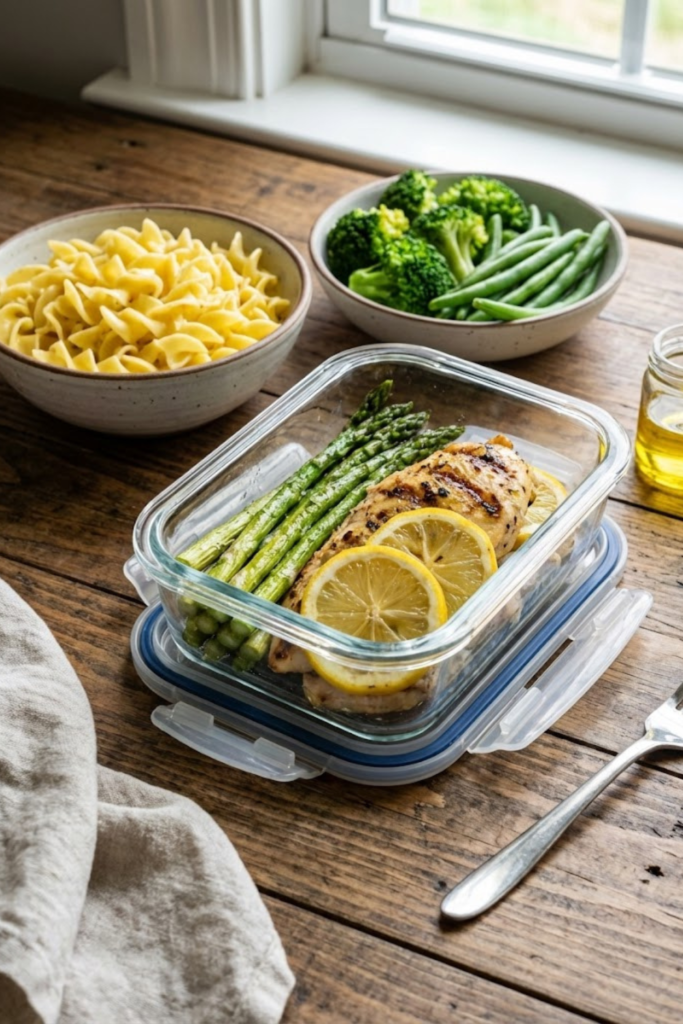
If you go to the store and the asparagus looks sad and limp, don’t worry! I’ve made this same dish using thin green beans or even broccoli florets. The trick is to make sure whatever veggie you use is cut into small enough pieces so they cook fast. If you use broccoli, I like to cut the stems real thin so they get tender at the same time as the tops. As for what to serve it with, my kids always ask for buttered noodles or white rice to soak up all that extra lemon sauce. If I am trying to be a bit healthier, I’ll serve it over a big pile of cauliflower rice or even just a simple side salad. It’s a great way to fill up without feeling too heavy after dinner.
Keeping Your Leftovers Fresh
In my house, we rarely have leftovers because everyone usually goes back for seconds. But on the rare nights when I make a double batch, I have to be careful about how I store it. I always put the leftovers in a glass container with a tight lid. You want to make sure the chicken is completely covered in whatever sauce is left in the pan. This helps keep the meat from drying out while it sits in the fridge. I usually try to eat it within two days. Any longer than that and the asparagus starts to get a bit mushy, and nobody wants to eat mushy greens for lunch.
The Right Way to Reheat
Reheating chicken is where most people mess up. I used to just throw the plate in the microwave for three minutes and walk away. The chicken would come out like a piece of rubber! Now, I’m much more careful. If I have the time, I actually put the leftovers back in a small pan on the stove with a tiny splash of water or broth. I cover it with a lid and heat it on low. This steams the chicken and keeps it juicy. If you must use the microwave, use a lower power setting and cover the plate with a damp paper towel. It makes a huge difference in how the meal tastes the next day.
I really hope this lemon asparagus chicken skillet recipe becomes as much of a favorite in your home as it is in mine. It took me a long time to realize that cooking doesn’t have to be a scary or difficult chore. Once you get the hang of searing the chicken and making that simple sauce, you’ll feel like a pro in your own kitchen. I love that I can get this on the table in about thirty minutes, which gives me more time to relax after a long day of teaching. It’s healthy, it’s fast, and it’s full of bright flavors that make everyone happy. If you enjoyed this recipe, please share it on Pinterest so other busy families can find a quick and tasty dinner idea too!