Did you know that Americans purchase millions of boxes of dry pasta meals every year? It’s crazy! Look, I grew up on that red box just like everyone else. There was something magical about the powdered cheese packet, right? But now that I’m cooking for my own crew—and trying to keep things a bit healthier—I realized I could do better.
Honestly, making homemade hamburger helper is barely harder than the boxed stuff. Seriously. You brown the meat, dump in the pasta and liquid, and boom! Dinner is served. I messed this up the first few times by adding way too much salt (oops), but I’ve finally cracked the code. It is so creamy and comforting! You are going to love having this in your rotation for busy weeknights. Let’s get cooking!
Why You Should Make Hamburger Helper from Scratch
I used to be totally addicted to those red boxes. Seriously, there was a time in my life where three nights a week, dinner was whatever flavor of hamburger helper was on sale at the grocery store. But then I had a moment of clarity while squinting at the nutritional label. I looked at the sodium content on the back of the package and nearly fainted; it was basically a salt lick in a cardboard box! That was the day I decided I had to figure out a homemade hamburger helper recipe that didn’t make my rings feel tight the next day.
Controlling the Salt Monster
When you cook from a box, you are stuck with their seasoning ratios. And let me tell you, big food companies do not go easy on the salt. I remember feeling so thirsty and bloated after eating the boxed stuff, like I’d just drunk seawater.
By making it yourself, you control exactly what goes in. I learned the hard way during my first attempt that you don’t need a ton of salt to make beef taste good; I accidentally over-salted my first batch and we had to order pizza. A little garlic powder and onion powder go a long way. Plus, you can actually taste the ground beef instead of just tasting salty chemicals.
Real Cheese vs. Orange Powder
Okay, let’s be real for a second about that packet of neon orange powder. It’s weird, right? I don’t know exactly what is in there, but it definitely isn’t cheese found in nature.
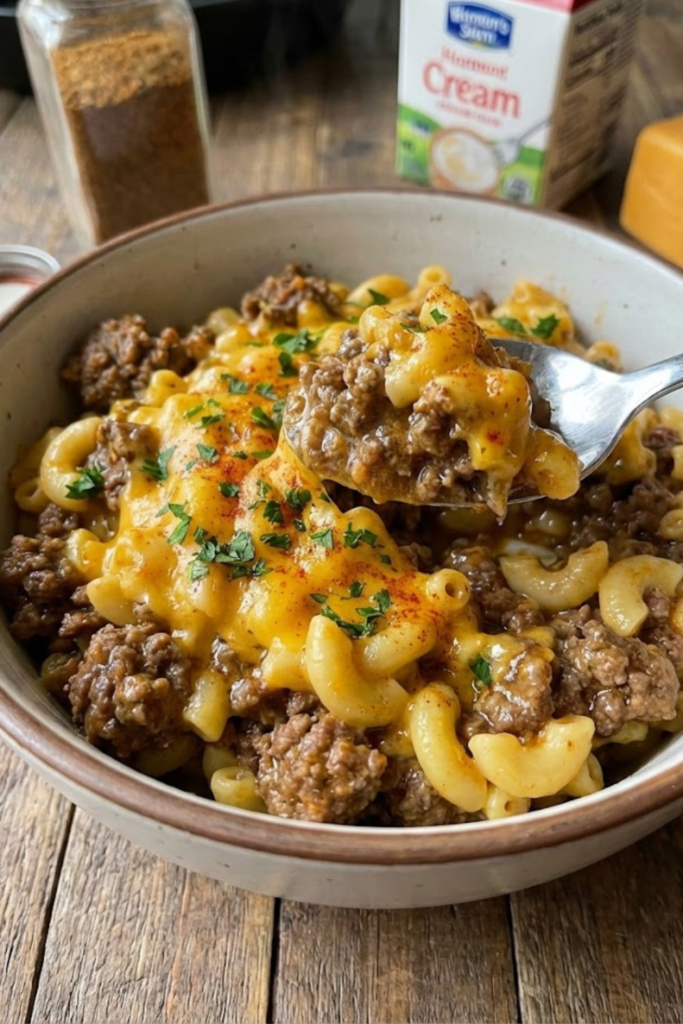
When you make creamy beef pasta at home, you get to use real, sharp cheddar. The difference in texture is insane. The first time I made this with real cheese, the sauce was so velvety I wanted to cry tears of joy because it coated the noodles perfectly. The boxed stuff always felt a bit… grainy or chalky to me. Using real ingredients makes this a true comfort food rather than just “fuel” to get you through the night.
It’s Still a One-Pot Wonder
A lot of people think “from scratch” means “huge pile of dirty dishes.” Not true! One of the biggest reasons I love this beef pasta recipe is that it is still a one pot meal.
You brown the meat, dump the noodles in, and let it ride. I am notoriously lazy when it comes to doing dishes; if a recipe requires three pans, I’m usually out. So don’t worry, you won’t be scrubbing pots all night. It’s just as easy as the box, but the flavor payoff is huge.
Easy on the Wallet
I know groceries are expensive right now, and we are all feeling the pinch. I try to teach my kids about budgeting, and we actually sat down and looked at the cost of this easy dinner idea. Pound for pound, making it at home is often cheaper, especially if you buy pasta in bulk or catch a sale on meat.
You probably have the spices in your cupboard already. So you are really just buying meat and cheese. It feels like a luxury meal compared to the powdery stuff, but it’s totally a budget saver. Plus, the leftovers are actually edible the next day, unlike the boxed kind that turns into a solid brick of sadness in the fridge.
Essential Ingredients for Creamy Beef Pasta
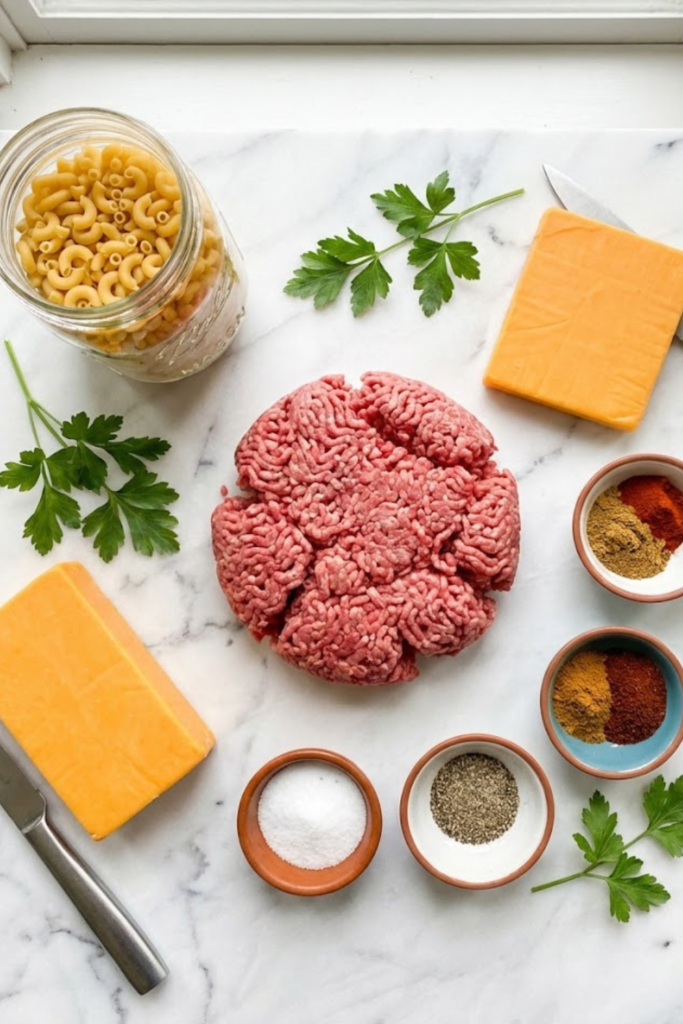
You know what I love about this dish? You don’t need to go on a scavenger hunt for ingredients. Most of this stuff is probably sitting in your kitchen right now, just waiting to be used. I remember one time I wanted to make a fancy lasagna on a Tuesday (ambitious, right?), and I spent forty dollars on cheeses I couldn’t even pronounce. This isn’t like that. This is real food for real life.
The Meat Situation
Let’s talk about the star of the show: ground beef. When I first started making this, I grabbed the cheapest tube of meat I could find. Huge mistake. It was so greasy that my creamy beef pasta turned into an oil slick. It was gross, and I felt terrible wasting it.
Now, I stick to 85/15 lean ground beef. It has enough fat for flavor but doesn’t leave your dinner swimming in grease. If you do use a fattier blend, you just have to drain it really well. I’ve also swapped in ground turkey when I’m trying to be a bit healthier. It works great, but you might need to add a splash of olive oil so it doesn’t dry out. Just keeping it real with you!
Noodle Talk
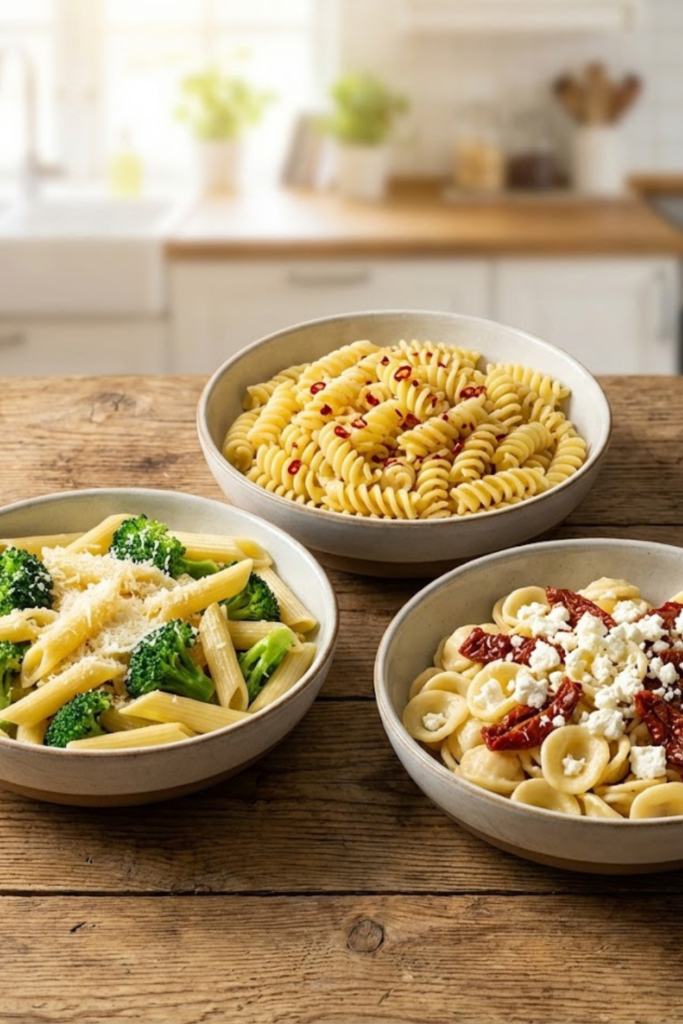
Technically, you can use whatever pasta you want, but shape matters. I’ve tried this with penne, and it was… okay. But the sauce just slid right off. The classic elbow macaroni is traditional for a reason.
However, if you want to feel fancy or shake things up, medium shells are actually my secret weapon. They act like little cups that scoop up that delicious cheese sauce. Rotini is another solid choice because the spirals hold onto the flavor. Just don’t use spaghetti; I tried that once out of desperation, and it was a mess to eat.
The Liquid Gold
Here is where the magic happens. The boxed stuff usually asks for water and milk, but water is flavorless! Why would we do that? For a truly rich homemade hamburger helper, I use beef broth. It deepens the beefy flavor way more than water ever could.
Then there is the milk. Please, I am begging you, do not use skim milk. I did that once thinking I was saving calories, and the sauce broke and looked curdled. It was tragic. Whole milk is best for that creamy texture. If I’m feeling like treating myself after a long week, I’ll even swap half the milk for heavy cream. It makes the sauce unbelievably thick and luxurious.
The Spice Blend
You might think you need a magic packet to get that signature taste, but you don’t. The “secret” is usually just a mix of paprika, garlic powder, and onion powder.
But here is the trick I learned after about ten failed attempts: tomato paste. You don’t need a lot, just a tablespoon. It adds that little bit of acidity and “umami” (savory deliciousness) that makes the dish taste finished. If you leave it out, the beef pasta recipe tastes flat. I usually buy the tomato paste in a tube so I can just squeeze out what I need and put the rest in the fridge, rather than wasting a whole can.
Step-by-Step: How to Make Homemade Hamburger Helper
Alright, put on your apron—or don’t, I usually cook in my sweatpants—and let’s get this show on the road. Making homemade hamburger helper is honestly pretty therapeutic. You just stand over one pan and watch it transform from raw ingredients into a bubbling masterpiece. But, there are a few little pitfalls I’ve fallen into over the years, so I’m going to walk you through this so you don’t make the same mistakes I did.
Getting a Good Sear
First things first, get your skillet hot. I like using a large cast-iron skillet because it holds heat really well, but a big non-stick pan works too. Drop your ground beef in there.
Here is a tip I learned from a chef friend after he watched me sadly gray my meat: don’t mess with it too much at first. Let it sit for a minute to get that nice brown crust. That’s flavor! If you stir it constantly, it just steams in its own juices, and nobody wants gray, sad meat. Once it’s mostly browned, drain the excess grease. I used to skip this, and my one pot meal ended up with an oil slick on top that was… not appetizing. After draining, then add your diced onions. If you add them too early, they burn before the beef is done. Learned that the hard way!
Waking Up the Flavors
This is the step that separates the rookies from the pros. Do not just dump your liquid in yet! Once your meat and onions are cooked, you need to add your garlic, tomato paste, and spices.
We call this “blooming” the spices. It sounds fancy, but it just means cooking them in the hot fat for about a minute. I used to just throw the spices in with the milk, and the flavor was kind of muted. But when you let that paprika and garlic powder toast in the pan? Wow. The smell will hit you instantly. Just keep stirring so the garlic doesn’t burn; burnt garlic tastes bitter and ruins everything.
The Simmer (Don’t Panic!)
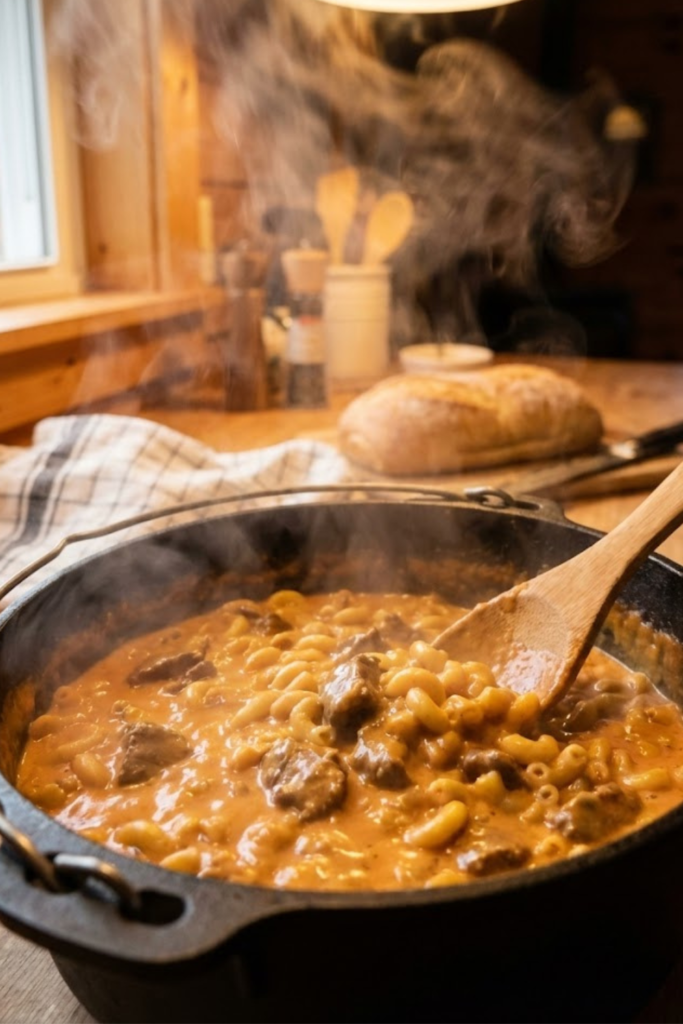
I promise I didn’t! It looks like way too much liquid, but the pasta is going to drink it all up. Bring it to a boil, then turn the heat down to low. Cover it and let it simmer. You need to take the lid off and stir it every few minutes. One time, I got distracted by a phone call and didn’t stir, and all the macaroni glued itself to the bottom of my favorite pan. It took me three days of soaking to get it clean. So, keep an eye on it! The starch from the pasta will thicken the liquid into a sauce naturally.
The Cheesy Finale
After about 10-12 minutes, the pasta should be tender and the liquid reduced. Now, this is crucial: turn off the heat.
If you try to stir the cheese in while the pan is still boiling, the cheese will separate and get grainy and oily. It’s gross. Remove the pan from the burner, let it chill for thirty seconds, and then stir in your shredded cheddar. It will melt into a smooth, glossy sauce that coats every noodle. I usually throw a handful of fresh parsley on top just so I can pretend I’m a gourmet chef, but that is totally optional. Dig in while it’s hot!
Customizing Your One-Pot Meal
One of the reasons I broke up with the boxed stuff is because it’s just so rigid. You get what you get, and you don’t get upset (except my stomach usually did). But when you make homemade hamburger helper, you are the boss of the sauce. I rarely make this recipe exactly the same way twice because I’m usually trying to use up whatever random ingredients are staring at me from the fridge. It is the perfect canvas for experimentation.
Hiding the Greens
Okay, I have a confession. I am a grown woman, and I still struggle to eat enough vegetables. And don’t even get me started on my kids; for a while, if they saw anything green on their plate, they acted like I was serving them poison ivy. So, I started sneaking veggies into this one pot meal.
My favorite trick is finely dicing carrots and sautéing them right along with the onions. They get soft and sweet, and honestly, you barely notice they are there. Peas are another easy win. I just toss a cup of frozen peas in during the last two minutes of cooking. They pop with sweetness and add a nice color contrast to all that orange cheese. I tried adding spinach once at the very beginning, and it turned into slimy green strings—gross. So if you use spinach, stir it in at the very end until it just wilts.
Bringing the Heat
Sometimes, plain cheddar and beef is a little too vanilla for my tastebuds. I like a little kick! If I’m making this just for the adults, I love turning this into a spicy beef pasta recipe.
It’s super easy to do. Just add a teaspoon (or two, if you’re brave) of red chili flakes when you add the garlic. It infuses the whole dish with a subtle heat that hits you at the back of the throat. If you want to go full “Tex-Mex,” dice up a fresh jalapeño or toss in a can of green chilies. I did this last week and topped it with some crushed tortilla chips—total game changer. It gave the dish a whole new vibe.
Cheese Please
Cheddar is the classic choice here, obviously. It’s what we all grew up with. But have you ever tried smoked Gouda? Oh my goodness.
I swapped half the cheddar for smoked Gouda once because I ran out of cheddar, and it added this incredible smoky depth that tasted like I’d been cooking over a campfire. Pepper Jack is another awesome option if you want that creamy melt but with a bit of spice. Just be careful with cheeses like mozzarella; I tried that once thinking it would be awesome, but it just got really stringy and clumpy instead of creamy. Stick to cheeses that melt smooth for the best comfort food experience.
Switching the Meat
We eat a lot of red meat in my house, but sometimes I need a break. You can absolutely swap the ground beef for other proteins. Italian sausage is a fantastic alternative because it’s already seasoned with fennel and herbs.
Just keep in mind that sausage is usually saltier than beef, so cut back on the added salt if you go that route. I’ve also had great success with plant-based meat crumbles for a “Meatless Monday” version. They cook up surprisingly well in the sauce. Just make sure to brown them really well first, or the texture can get a bit mushy in the liquid. Whatever you choose, just make it your own!
Storage and Reheating Tips
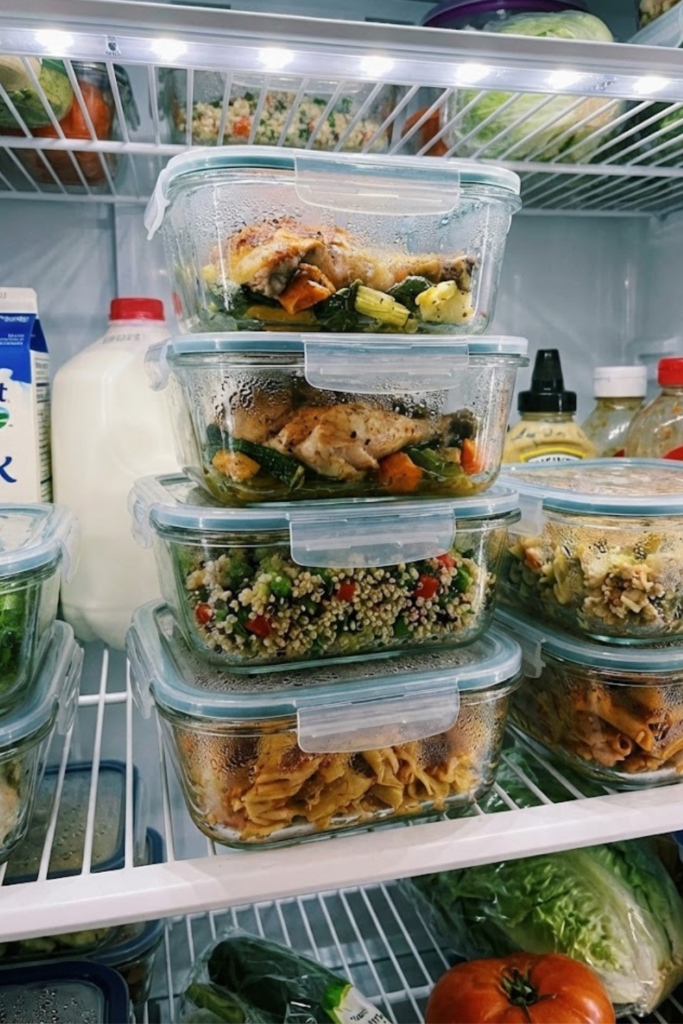
I’m going to be honest with you: I usually double this recipe on purpose. Not because my family eats that much in one sitting (though my teenager comes close), but because the leftovers are absolute gold. Having a container of this creamy beef pasta ready to go in the fridge has saved me from so many sad desk lunches. But, you have to treat the leftovers right, or things can get weird.
Fridge Life
If you have leftovers—which is a big “if”—they store beautifully in the fridge. I always use an airtight container to keep it fresh. You can expect it to stay good for about 3 to 4 days.
After that, the texture starts to get a little gummy. I once tried to eat a bowl that had been hiding in the back of the fridge for a week. Let’s just say it wasn’t my finest moment, and I don’t recommend it. So, stick to the 4-day rule. It’s perfect for meal prep ideas if you cook on Sunday for the week ahead.
The Freezer Debate
People always ask me, “Can I freeze this?” Technically, yes. But should you? In my experience, absolutely not.
I tried freezing a batch before a busy work week once. When I thawed and reheated it, the pasta had turned into absolute mush. It was like baby food. The creamy sauce also separated and became grainy. The dairy just doesn’t hold up well in the freezer. So, do yourself a favor and enjoy this one fresh or from the fridge.
Reheating Magic
Here is the secret to bringing your homemade hamburger helper back to life. When you take it out of the fridge, it’s going to look solid. The pasta absorbs the moisture as it sits, turning it into a brick.
Don’t just zap it in the microwave like that! It will be dry and sad. Add a splash of water or milk—about a tablespoon—before you heat it. This loosens everything up and makes the sauce creamy again. I usually cover the bowl with a damp paper towel and microwave it in 30-second bursts, stirring in between. It tastes almost as good as it did fresh off the stove.
So, there you have it! That is how you make a homemade hamburger helper that kicks the boxed version to the curb. It’s hearty, it’s cheesy, and it just feels like a warm hug in a bowl. My kids absolutely devour this, and I bet yours will too!
Next time you are staring at the pantry wondering what on earth to make for dinner, grab that bag of macaroni and get this going. It’s one of those easy dinner ideas that makes you feel like a kitchen rockstar without all the effort. If you try it, let me know how it turned out! And hey, if you loved this recipe, please share it on Pinterest so others can find it too!