Have you ever had one of those days where the rain just won’t stop and your bones feel chilled to the core? I know I have! That is exactly when I head to the kitchen. There is something undeniably magical about a pot simmering on the stove, isn’t there? In fact, a recent poll suggested that over 60% of people consider chicken soup variations their top comfort food choice. Well, buckle up! This isn’t just soup; it’s a hug in a bowl. We are going to dive deep into the most savory, satisfying homemade chicken and dumplings recipe you will ever make. It is easier than you think, and the payoff is huge!
Choosing the Best Chicken for Your Stew
Look, I have to be real with you for a second. When I first started trying to master this homemade chicken and dumplings recipe, I made a rookie mistake that haunts me to this day. I went straight for the boneless, skinless chicken breasts because, well, they seemed “healthier” and easier to chop. Big mistake. Huge! The result was this dry, stringy meat that felt like chewing on an old eraser, and the broth tasted like… well, hot water. It was super frustrating, and my family’s polite silence at the dinner table said it all.
After crying over that pot of sad soup, I learned that fat and bone are actually your best friends here. You need them for flavor. So, grab a coffee (or a glass of wine, I won’t judge), and let’s talk about picking the right bird so you don’t mess this up like I did.
Why Bone-In Thighs are the MVP
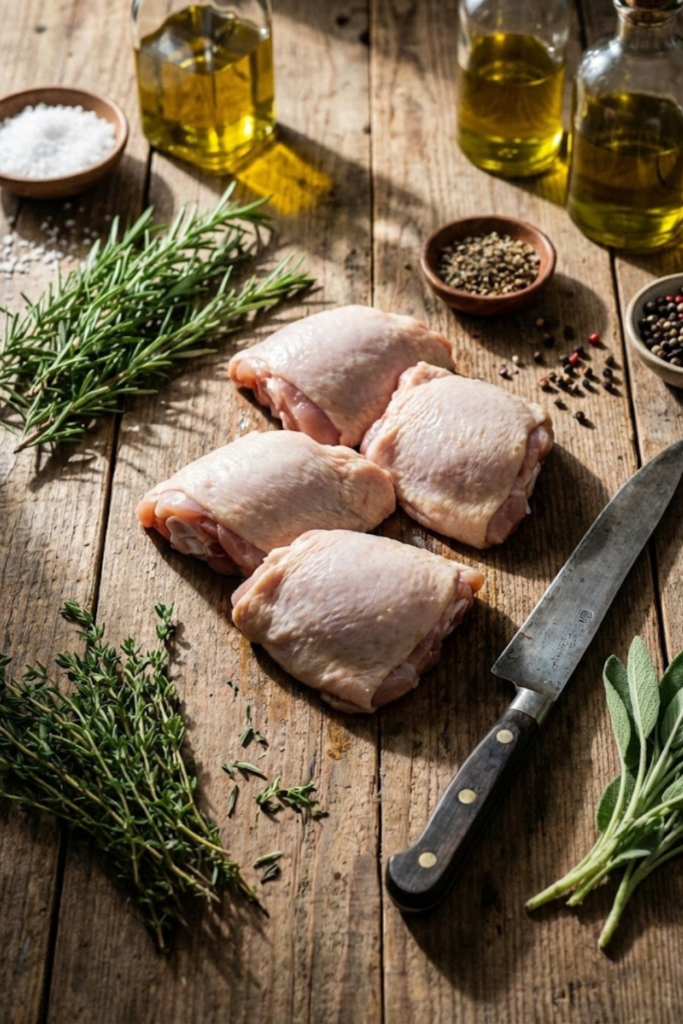
If you want that rich, stick-to-your-ribs flavor, you really gotta ditch the white meat. Seriously, leave the breasts for a salad. For a stew that actually tastes like something, dark meat is where it’s at. I almost exclusively use bone-in, skin-on chicken thighs now.
Why? Because when you boil them, the bones release collagen. That stuff thickens the soup naturally and gives it that silky mouthfeel we all crave. Plus, dark meat stays juicy way longer than white meat. It is cooked by the heat of the broth, but it doesn’t dry out. If you are dead set on using white meat, please, at least mix it 50/50 with some thighs. Your tastebuds will thank you later.
The Rotisserie Cheat Code
Okay, sometimes we just don’t have time to boil a raw bird for an hour. I get it! I’m a teacher; by the time I get home, I’m exhausted. My favorite hack? Buying a pre-cooked rotisserie chicken from the grocery store.
It’s cheap, it’s already seasoned, and the meat is usually falling off the bone. You just strip the meat off and throw the carcass into your pot with some water and veggies to make a quick stock. It adds this roasted, savory depth to the homemade chicken and dumplings recipe that you just can’t get from a carton of store-bought broth. It’s a total game-changer on a Tuesday night.
Shredding vs. Cubing: Texture Matters
Here is a hill I am willing to die on: chicken for dumplings should be shredded, not cubed. There is something so industrial and cafeteria-like about perfect little squares of chicken floating in a bowl. It just feels wrong.
When you shred the meat, it has all these little nooks and crannies that grab onto the thick broth. I usually use two forks to pull the meat apart once it’s cool enough to handle. Don’t worry about making it look perfect. We are going for “rustic farmhouse” vibes here, not a Michelin-star restaurant. If you have some big chunks and some small bits, that’s actually better.
Getting the Ratio Right
Finally, let’s talk balance. You don’t want a bowl of meat with a splash of soup, but you also don’t want to go fishing for protein. I’ve found that about 3 to 4 cups of shredded chicken is the sweet spot for a standard Dutch oven pot. This ensures that every single spoonful has a bite of chicken, a piece of dumpling, and that glorious liquid gold.
Trust me, once you nail the chicken part, the rest is just details. Start with the right meat, and you are halfway to comfort food heaven.
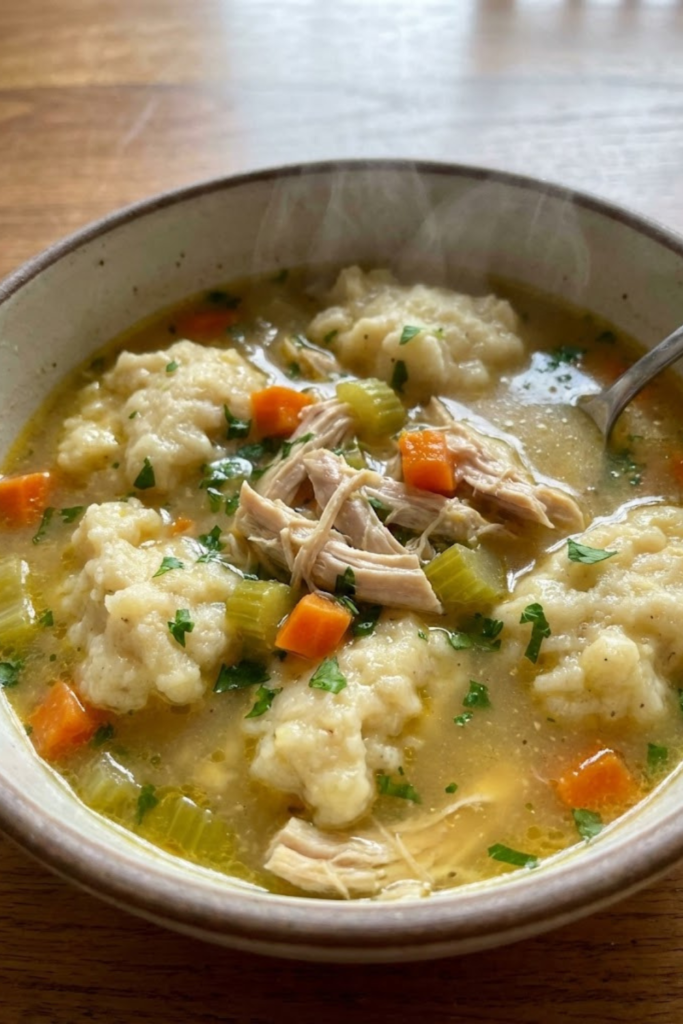
The Secret to Fluffy Drop Dumplings
Okay, class is in session! Just kidding. But seriously, we need to have a heart-to-heart about dumplings. The first time I tried to make dumplings from scratch, I was so proud of myself. I mixed the dough, dropped it in the pot, and waited. When I fished them out, they weren’t fluffy clouds of joy. They were dense, chewy hockey pucks. I am pretty sure if I had thrown one against the wall, it would have bounced back and hit me in the face. It was a total disaster.
I was so frustrated I almost swore off making this homemade chicken and dumplings recipe forever. But I didn’t give up. I spent years tweaking things, and I finally figured out why my dumplings were turning into weapons instead of dinner. It turns out, the secret is doing less work, not more.
Butter vs. Lard: The Great Debate
Let’s talk about fat. Most recipes tell you to use butter, and don’t get me wrong, butter tastes amazing. It gives that rich, creamy flavor we all love. But if you want the fluffiest dumplings imaginable, you might want to look at lard or vegetable shortening.
I know, I know. “Lard” sounds scary and old-fashioned. But my grandma swore by it, and she was right. Shortening has a higher melting point than butter, which helps the dumplings hold their structure better while they steam. My compromise? I use half cold butter (for flavor) and half shortening (for texture). It gives you the best of both worlds.
Check Your Baking Powder Dates!
This is the one thing that trips people up the most. Go to your pantry right now and check the expiration date on your baking powder. If you bought it three years ago for a holiday bake sale and haven’t touched it since, throw it away!
Old baking powder is the silent killer of fluffy dumplings. If it’s expired, it won’t react with the liquid, and your dough won’t rise. It is simply wasted effort. I learned this the hard way when I tried to use a dusty can from the back of my shelf. The result was flat, sad strips of dough that sank to the bottom of the pot. Fresh is always better.
The “Ugly Dough” Rule
Here is where my Type-A personality really struggled. When you mix your wet and dry ingredients, you want to do it barely. I used to mix until the dough was smooth and pretty because I thought that’s what good bakers did. Wrong!
When you overmix flour, you develop gluten. Gluten is great for chewy pizza crust, but it is the enemy of tender dumplings. You want to stir the milk (or buttermilk) into the flour mixture just until the dry spots disappear. The dough should look lumpy and frankly, kind of ugly. If it looks smooth, you have gone too far. Leave the lumps alone! It’s hard to resist the urge to keep stirring, but you have to trust the process.
The No-Peeking Policy
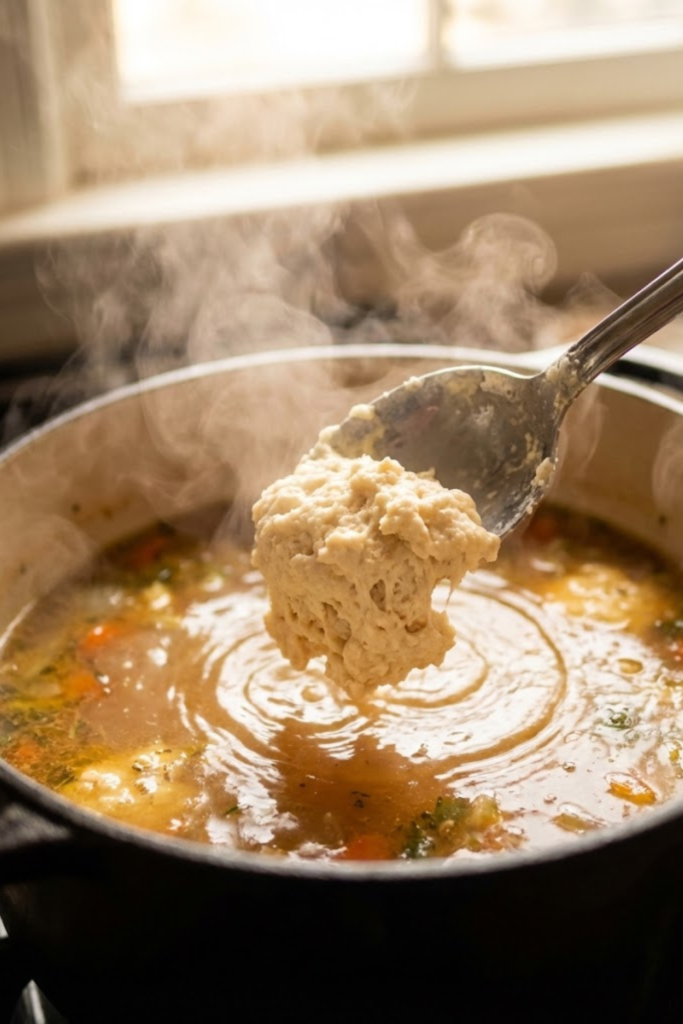
Once you drop those spoonfuls of dough into the simmering soup, you have one job: Put the lid on and walk away. This was so hard for me because I am a “hoverer” in the kitchen. I always want to check on things.
But dumplings cook by steaming. If you lift the lid to check on them, all that precious steam escapes, and the temperature drops. Then your dumplings get gummy on the outside and raw on the inside. Set a timer for 15 minutes, put the lid on tight, and go fold some laundry or scroll on your phone. Do not lift that lid until the timer goes off! When you finally open it, seeing those puffed-up, pillow-soft dumplings is the best feeling in the world.
Essential Aromatics and Broth Flavor Builders
We need to have a serious talk about flavor. There is nothing—and I mean nothing—more disappointing than spending two hours cooking dinner only to taste it and realize it tastes like… well, hot salty water. I have been there. I once made a batch of soup for my husband when he had the flu, and I was so worried about “keeping it simple” that I barely added anything to the pot. He ate it to be nice, but I knew. It was tragic.
Since then, I have learned that a great homemade chicken and dumplings recipe isn’t just about the chicken or the dough. It is about the liquid gold that surrounds them. You have to build layers of flavor, or the whole dish falls flat.
The Holy Trinity: Don’t You Dare Skip the Celery
I know some of you hate celery. I see you rolling your eyes! I used to be the same way. I thought it was just crunchy water strings that got stuck in my teeth. But in the world of soup, celery is non-negotiable.
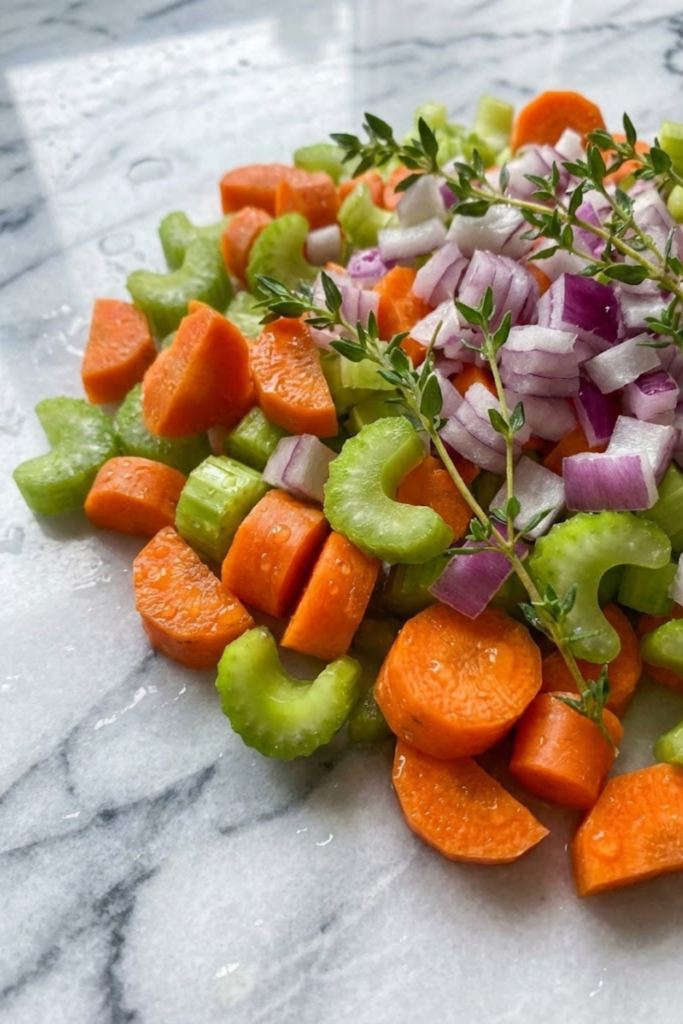
Chefs call it “mirepoix” (fancy, right?), but it’s just onions, carrots, and celery chopped up. These mirepoix ingredients are the foundation of everything good. When you sauté them in a little butter or bacon grease before adding your stock, they release this sweet, savory base flavor that you cannot get any other way. I once tried to make this without celery because I didn’t feel like running to the store. The soup tasted hollow. It was missing a bottom note that I couldn’t quite put my finger on. Learn from my laziness: buy the celery.
Herbs: My Thanksgiving Secret
If you want your kitchen to smell like the holidays on a random Tuesday, you need poultry seasoning blend. It is my secret weapon. It’s basically just sage, thyme, and rosemary already mixed up for you. I use a heavy hand with it because I want that cozy, “Grandma’s kitchen” vibe.
However, if you are feeling fancy, fresh herbs do make a difference. I love tossing in a few sprigs of thyme. Fresh thyme uses are endless, but in soup, it adds a lemony, earthy brightness that cuts through the heavy fat. And don’t forget the bay leaf flavor. People joke that bay leaves are a scam, but if you leave them out, you will notice. They add a subtle tea-like depth that rounds everything out. Just remember to fish them out before serving! Nobody wants to choke on a leaf while eating comfort food.
Creamy vs. Clear: The Texture Debate
This is where families get into fights. Some people believe chicken and dumplings should have a clear, thin broth. Those people are wrong. (I’m kidding… mostly.)
For me, comfort food means creamy. I want that broth to coat the back of a spoon. To get that rich texture, I usually add a splash of heavy cream right at the end. If you want a heavy cream substitute, evaporated milk works wonders and is shelf-stable, so you can keep a can in the pantry.
I made a huge mistake once by pouring cold milk directly into a boiling pot of soup. It curdled instantly. It looked like a science experiment gone wrong. If you add dairy, turn the heat down to low first and temper it (mix a little hot soup into the cream before pouring it back in). It keeps things smooth and dreamy.
The Salt Problem
Here is the hard truth: the reason restaurant food tastes better than yours is usually salt. Home cooks are terrified of over-salting, so they end up under-salting.
You have to taste as you go. Add a little salt when you cook the veggies. Add a little more when you add the chicken stock. Taste it again before you drop the dumplings. If it tastes bland, it probably just needs a pinch more salt or some black pepper seasoning. Trust your tongue. If it doesn’t make you say “Yum” instantly, keep seasoning until it does.
Step-by-Step Cooking Instructions
I used to be a “chaos cook.” You know the type—throwing things into the pot whenever I felt like it, ignoring the order of operations. I learned the hard way that in a homemade chicken and dumplings recipe, the order actually matters. If you dump everything in at once, you end up with mushy veggies and tough meat. It’s not great.
Over the years, I’ve developed a rhythm that works. It keeps the flavors distinct but married together. Grab your apron, and let’s walk through this process together so you don’t have to make the same messy mistakes I did.
Searing is Non-Negotiable
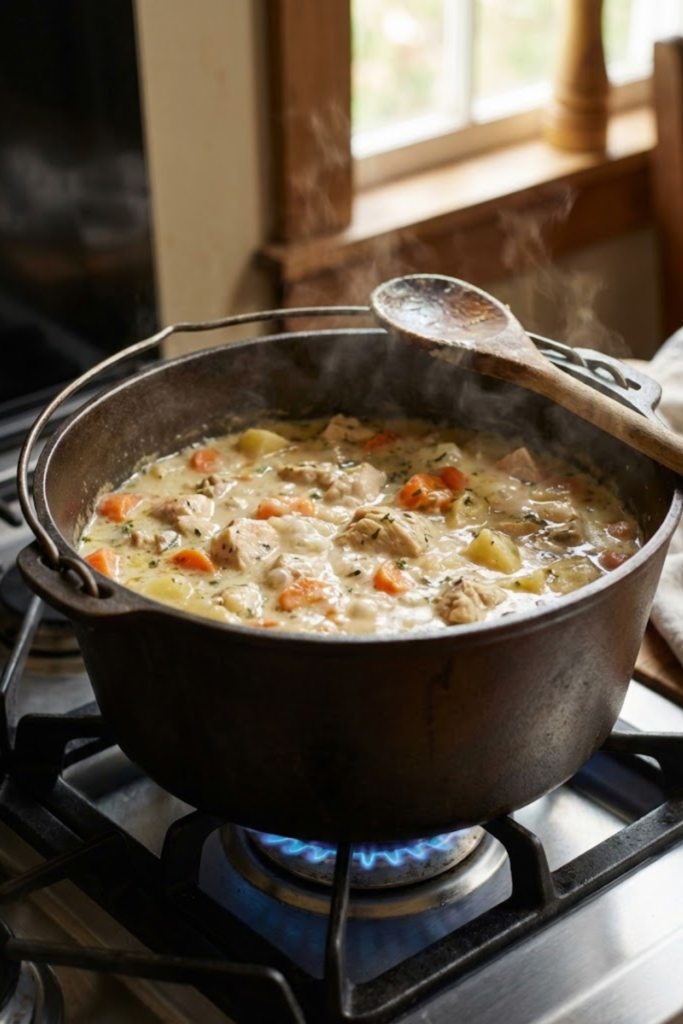
First things first: do not just boil the chicken in water! I mean, you can, but it’s a missed opportunity. I always start by heating a little oil in my heavy Dutch oven and searing the chicken thighs skin-side down. You want that skin to get golden brown and crispy.
This creates what chefs call “fond”—those brown sticky bits stuck to the bottom of the pot. That is pure flavor! I used to panic and think I was burning the pan, so I’d wash it out. Don’t do that! That residue is the foundation of your soup’s personality. Sear the meat for about 5-7 minutes until it releases easily from the pan, then set it aside.
Sweating the Veggies
Now, toss your onions, carrots, and celery into that same pot with the chicken fat. This is where the magic happens. Scrape the bottom of the pot with a wooden spoon to lift up those brown bits. It turns the veggies into flavor bombs.
I usually let them cook for about 5 to 6 minutes. You want the onions to be translucent, not brown. If you add the garlic too early, it will burn and taste bitter (ask me how I know). So, I always toss the garlic in for just the last 30 seconds before I pour in the liquid. It’s a small detail, but it saves the dish.
The Long Simmer
Once you add your broth and put the chicken back in, you need to have patience. This was hard for me because I always want dinner now. But simmering techniques are key here. Bring it to a boil, then turn it down to low.
Let it bubble gently for at least 45 minutes to an hour. This breaks down the tough connective tissue in the thighs and makes the meat tender enough to shred with a fork. If you rush this part, the chicken will be rubbery. Use this time to clean up the kitchen or have a glass of wine.
The Critical Dumpling Drop
Okay, this is the final countdown. Once your soup is seasoned and the chicken is shredded and back in the pot, bring the liquid to a gentle simmer. Not a rolling boil! If the water is too rough, it will tear your dumplings apart.
Drop spoonfuls of your dough right onto the surface of the soup. Do not push them down! I used to push them under the liquid thinking they needed to drown to cook. Nope. They need to sit on top. Cover the pot immediately. Set your timer for 15 minutes and step away. No peeking! If you follow these steps, you’ll have a Dutch oven recipe that tastes like it took all day, even if you did most of the work in the last hour.
Storage, Freezing, and Reheating Tips
Let’s be honest, one of the best things about making a huge pot of stew is the leftovers. There is nothing better than knowing lunch is already made for the next two days. It makes my morning routine so much smoother! But, I have to warn you: dumplings are thirsty little sponges.
If you don’t store this right, you’ll open your Tupperware the next day to find a solid block of dough and no soup. I’ve definitely been there, staring at a dry, gelatinous mass wondering where all my beautiful broth went. Don’t worry, though. I’ve got some tricks to keep your homemade chicken and dumplings recipe tasting fresh, even on day three.
The 3-Day Rule
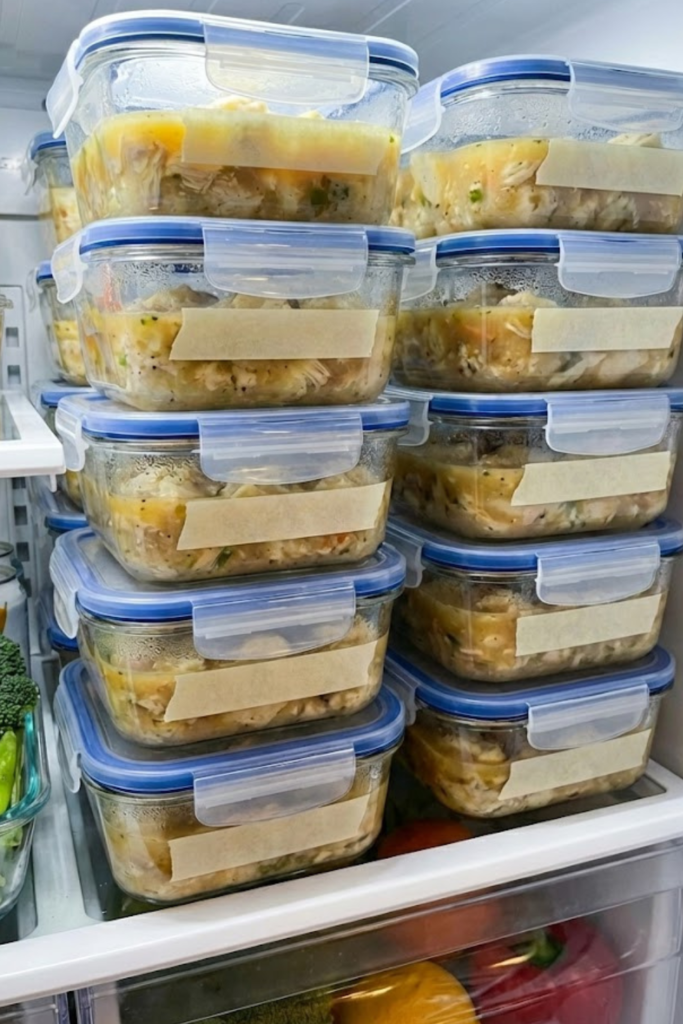
First off, let’s talk about the fridge. You can keep this in an airtight container for about 3 to 4 days. After that, the chicken starts to taste a little “off,” and the veggies get too mushy for my liking.
Because the dumplings will soak up the liquid while they sit in the fridge, I always try to scoop the dumplings into a separate container if I have the energy. I know, it sounds like a pain. But keeping the dough separate from the chicken stock stops them from turning into giant, waterlogged marshmallows. If you are too tired (I get it!), just store them together, but be prepared to fix it later.
Reheating Without the Mush
When you are ready to eat, please don’t just zap it in the microwave on high for three minutes. You will regret it. The chicken will explode, and the dumplings will get rubbery.
The best way to handle reheating leftovers is on the stove. Dump your portion into a small saucepan. You will notice it looks thick—almost like gravy. This is normal! Just add a splash of water or extra chicken broth to loosen it up. Turn the heat to medium-low and stir gently until it bubbles. This brings the creamy texture back to life. If you must use the microwave, add that splash of water first and cover the bowl with a damp paper towel.
Can You Freeze It? (Yes, But…)
I have a love-hate relationship with freezing soup. The soup base freezes beautifully. The dumplings? Not so much. I once froze a whole batch for a meal prep week, and when I thawed it, the dumplings disintegrated into a grainy mess. It was heartbreaking.
If you want to use this for meal prepping soups, my advice is to freeze the soup base (chicken, veggies, and broth) on its own. Freeze it flat in freezer bags to save space. Then, on the night you want to eat it, thaw the soup, bring it to a simmer, and make a fresh batch of dumpling dough. Fresh dumplings only take 15 minutes, and it makes the meal taste brand new rather than like typical frozen food.
Time to Dig In
Look, if your kitchen is a messy disaster right now, don’t sweat it. Mine is too! But when you take that first bite of this homemade chicken and dumplings recipe, you won’t even care about the dirty dishes. You have created something warm, rustic, and honestly, good for the soul.
Remember, this dish isn’t about looking picture-perfect—it’s about that cozy flavor. So if your dumplings are a little lumpy, just call them “rustic” and enjoy them! I really hope this becomes a regular Sunday dinner tradition in your rotation. If you found this guide helpful, please do me a huge favor and pin this recipe to your Dinner Ideas board on Pinterest. It helps me out a ton. Now, go grab a spoon and enjoy!