You know, I still remember the first time I tried to make stuffed peppers for a dinner party. It was a disaster! The peppers were crunchy, the filling was dry, and I was so embarrassed I almost ordered pizza. But hey, we live and we learn, right? Now, after years of tweaking and testing in my own kitchen, I’ve finally cracked the code. Did you know that bell peppers actually contain more Vitamin C than oranges? It’s true! So not only are you getting a meal that tastes like a warm hug, but you’re also sneaking in some serious nutrition.
This isn’t just another recipe; it’s my go-to “save the day” meal when the kids are hungry and I want something wholesome. We are going to dive into how to choose the right peppers, the secret to a juicy filling, and the baking technique that melts the cheese perfectly without burning it. Let’s get cooking!
Choosing the Perfect Bell Peppers for Stuffing
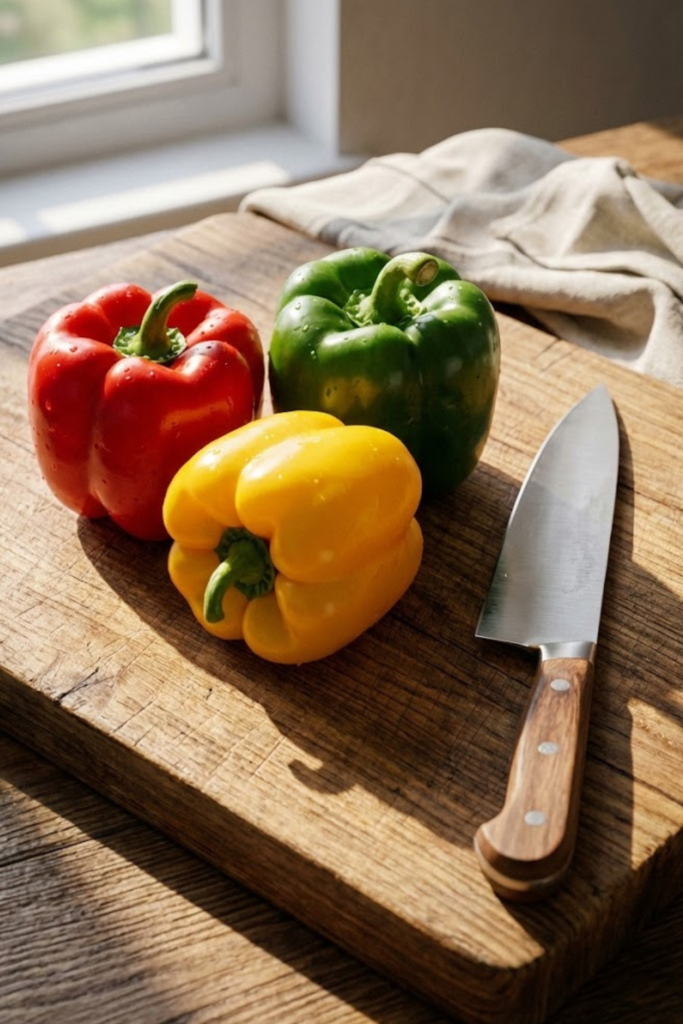
I have spent a lot of time wandering the produce aisle over the years, and I can tell you that not all peppers are created equal. When you are making ground beef stuffed peppers, the pepper itself is basically your bowl. If the bowl is leaky or won’t stand up, you are going to have a bad time in the kitchen. I usually look for ones that feel heavy for their size because that means they are full of water and won’t dry out too fast in the oven. You want a pepper that can hold its own against the weight of the meat and rice mixture. Picking the right ones makes the whole recipe much easier to handle.
Finding Peppers That Stand Tall
One of the biggest mistakes I made early on was buying those skinny, pointy peppers. They always fall over in the pan and all that delicious juice runs out. Now, I spend a minute doing careful produce selection by testing them right there on the shelf. I look for peppers with four distinct bumps on the bottom. These are usually wider and have a flat base, so they sit perfectly in your baking dish without wobbling around. If you can only find three-bump peppers, don’t worry—you can always shave a tiny bit off the bottom to level it out. Just don’t cut all the way through or your filling will leak out the bottom! Having a sturdy base makes the baking part way less stressful.
Sweet Peppers vs. Green Peppers
Does the color matter? Oh, for sure. Green peppers are the classic choice because they have a bit of a bite and aren’t very sweet. They stay a little firmer during cooking too. But if you want something that kids might like more, go for the red, orange, or yellow ones. These are actually just riper versions of the green ones! They have more vitamins—great bell pepper nutrition here—and a much sweeter taste. I like to mix and match colors to make the plate look pretty. Just know the red ones will be the softest after they bake. Sweet peppers bring a different flavor to the beef that my family really loves.
Prepping Vegetables for the Oven
Once you get them home, prepping vegetables is pretty easy. Wash them good and then decide how you want to cut them. I usually cut the tops off and scoop out the seeds with a metal spoon. If the peppers are huge, I might cut them in half from top to bottom instead. This makes “boats” that are easier for smaller hands to eat. Just make sure you get all those white ribs out from the inside, since they can be a bit bitter. If you want to make sure they are soft enough, you can even pre-cook them for a few minutes, but we will talk about that later. Taking these steps will help you have a great dinner.
Creating the Juicy Ground Beef Filling
I used to think any pack of meat from the store would work for this recipe, but I learned the hard way that the filling can make or break the whole meal. My first few tries were so dry they tasted like cardboard, and my kids wouldn’t even finish one. Now I know that the beef mixture is the heart of the dish. If you don’t treat it right, the whole pepper falls flat. You want a middle that is moist and stays together when you cut into it with a fork. It takes a little practice to get the texture just right, but once you do, it is a game changer for your dinner routine.
Picking Your Meat Carefully
When you are at the grocery store, look for lean ground beef. I usually grab the 85% lean pack. If you buy the really fatty kind, your peppers will end up swimming in a pool of grease at the bottom of the pan, which is pretty gross. But if you go too lean, like 90% or 95%, the meat gets tough and crumbly. You need that little bit of fat to keep everything tender while it bakes for a long time. One big tip I can give you is to brown the meat in a skillet first, but stop as soon as the pink is gone. Don’t cook it until it’s crispy! It still has to cook more in the oven, so you want to keep some of those juices inside the meat for later.
Why the Rice Matters
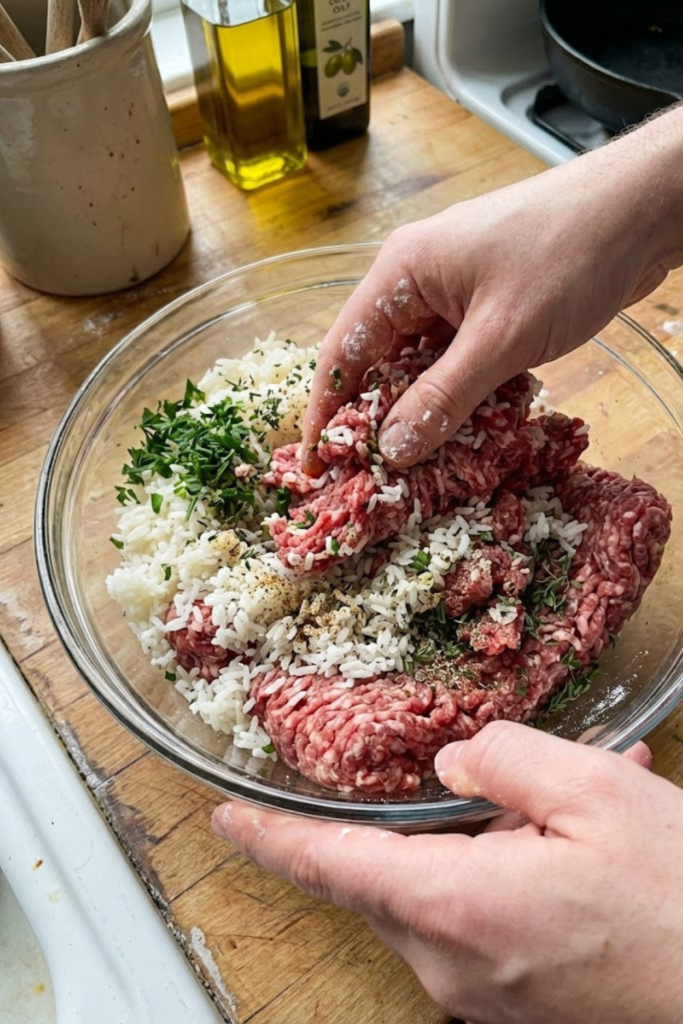
The rice isn’t just a way to save money or fill up the pepper; it actually helps soak up the flavors of the beef and the sauce. I always use pre-cooked white rice for my rice filler. Some old recipes tell you to put raw rice in with the meat, but that is a huge mistake. Sometimes the rice doesn’t get enough liquid to soften up, and you end up biting into crunchy, hard bits. That’s a fast way to ruin a good meal. I often use leftover rice from the night before, or even those quick microwave bags if I am in a hurry. It blends into the savory filling much better when it is already soft and fluffy.
My Favorite Seasoning Blend
This is where you can really have some fun and make it taste like home. My standard seasoning blend is pretty simple because I like to keep things easy. I use a lot of garlic powder, onion powder, and a good amount of salt and pepper. But the real secret I use is a big splash of Worcestershire sauce. It adds a deep, savory flavor that makes the beef taste much richer. I also like to mix in a half cup of tomato sauce right into the meat before I stuff the peppers. This keeps the inside from drying out while it’s in the hot oven. Just mix it all in a big bowl with your hands—it’s the best way to make sure every bite tastes great.
The Secret Step: To Blanch or Not to Blanch?
I’ve had so many debates with my friends about this one specific step over the years. Some people say you should just stuff the peppers raw and throw them right in the oven to save time, but I strongly disagree with that. If you do that, you usually end up with a pepper that is still a bit too firm while the meat inside is already finished cooking. Or worse, the pepper is still crunchy and tastes like a raw salad! Nobody wants to fight with their food using a heavy steak knife just to get a bite of a vegetable. This is where cooking techniques like blanching come into play, and it really changes the whole experience of the meal for your family.
Why Par-Boiling Peppers Matters
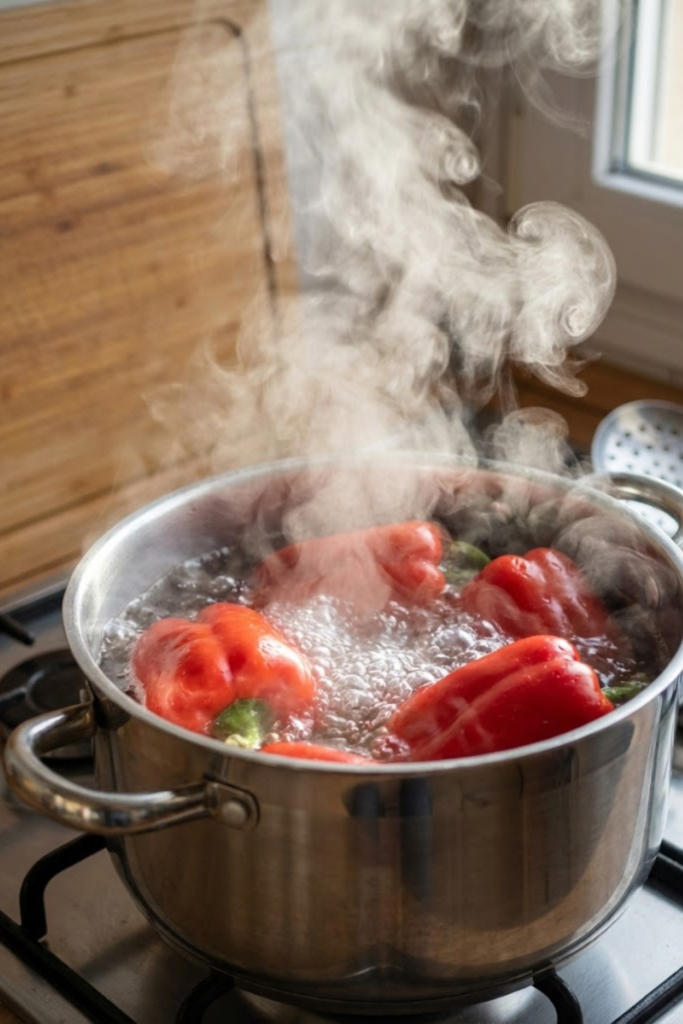
When we talk about par-boiling peppers, we just mean giving them a quick head start in some hot water before the main event. I like to get a big pot of water boiling with a little bit of salt. Once it is bubbling, I drop the cleaned-out peppers in for about three to five minutes. You don’t want them to turn into mush, you just want them to soften up a little bit. This makes sure that when the whole dish comes out of the oven, the pepper has that “melt-in-your-mouth” feel. It makes the skins much easier to chew and lets the flavor of the beef soak into the walls of the pepper better. It’s a simple trick that most people skip because they are in a rush, but it is worth the extra few minutes of effort.
A Quick Shortcut for Busy Nights
Now, I know some of you are thinking that you don’t have time to boil a huge pot of water on a school night. I totally get it; some Tuesdays are just way too busy for extra pots and pans. If you are in a time crunch, you can try blanching vegetables in the microwave instead. Just put your cleaned peppers in a microwave-safe dish with a tiny bit of water at the bottom. Cover it with some plastic wrap or a lid and zap them for about four minutes. It basically steams them from the inside out. This gives you those tender peppers without the mess of a big boiling pot. It is a great way to save time and still get a good result. I do this more often than I’d like to admit when I’m running late.
Avoiding the Soggy Bottom Disaster
The biggest worry people have with pre-cooking the peppers is that they will get too watery or soggy at the bottom of the pan. To avoid this, make sure you drain them really well before you put the meat inside. After I take them out of the water or the microwave, I always flip them upside down on a thick paper towel for a minute or two. This lets all the extra steam and water escape from the inside. You want them to be soft, but you don’t want them to be dripping wet when you start adding the meat mixture. If you follow this simple step, you get the perfect texture every single time. It makes the dish feel much more professional, even if it is just a simple family dinner on a random weeknight.
Baking Temperature and Cheese Topping
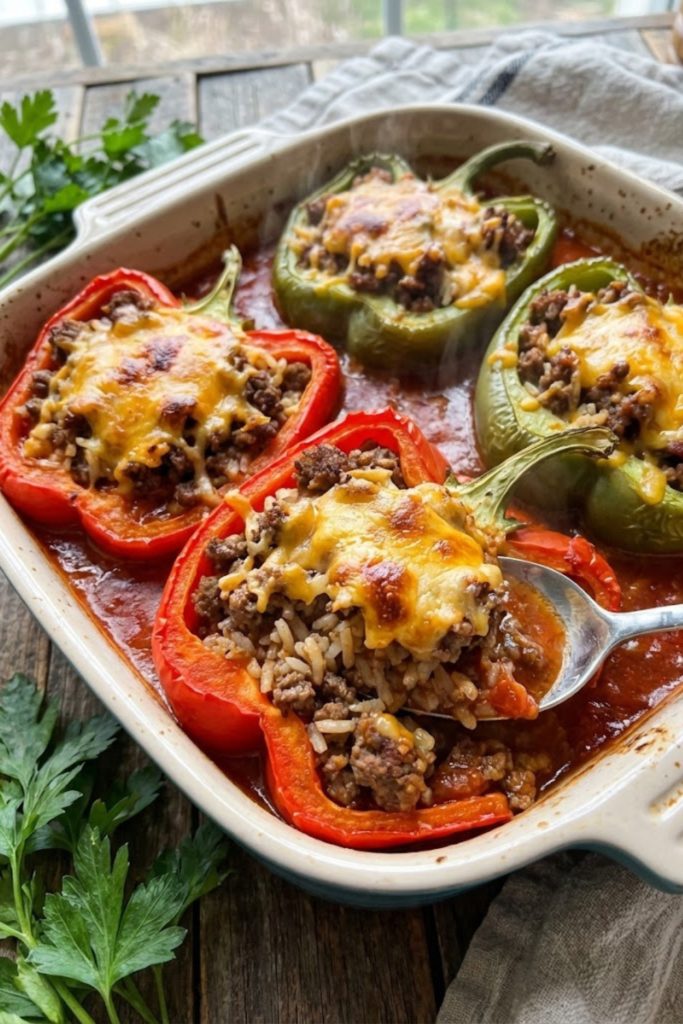
I’ve spent many nights standing in front of my oven glass, just watching and waiting for dinner to be done. Getting the oven temperature right is probably the most important part of the whole process. If it’s too hot, the peppers get mushy and burnt on the outside before the middle is hot. If it’s too cold, you’ll be waiting until midnight to eat. I’ve found that 375°F is the magic number for most home ovens. It’s hot enough to cook the beef all the way through but gentle enough that the peppers keep some of their shape. You want them to be soft, but they shouldn’t just collapse into a pile of goo when you try to put them on a plate.
The Magic of Aluminum Foil
The casserole dish you pick also plays a big part in how things turn out. I like to use a deep 9×13 inch glass pan because it fits six large peppers perfectly. If you have extra room in the pan, the peppers might tip over during the bake, so I sometimes bunch up some aluminum foil to fill the gaps and keep them standing tall. Speaking of foil, here is a trick I learned from my neighbor years ago: cover the whole dish with foil for the first 20 to 25 minutes. This traps the steam inside and cooks the pepper walls. If you leave them uncovered the whole time, the tops of the meat get dry and crusty before the pepper is even tender. It’s a small step, but it makes a huge difference in these baking instructions.
Choosing the Best Melted Cheese
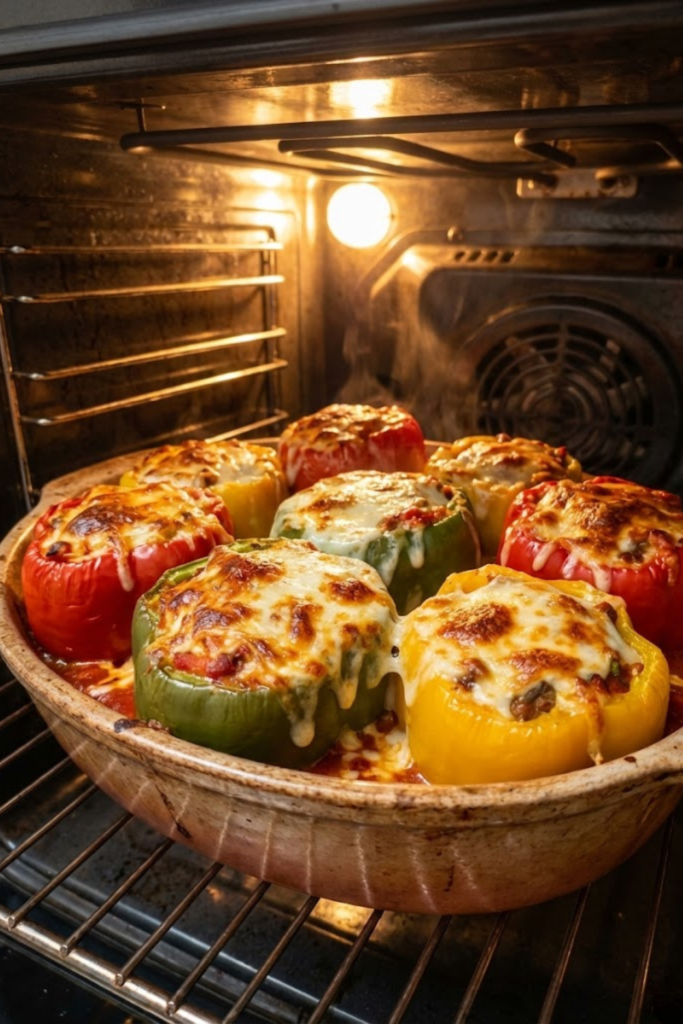
Now, let’s get to the best part: the melted cheese. I’ve tried just about every kind of cheese you can find at the local grocery store. About the cheese choice, a sharp cheddar is my personal favorite because it stands up to the flavor of the beef really well. However, if you want that classic look, a blend of Monterey Jack and mozzarella is the way to go. It melts so smoothly and gets those little brown spots that look so good in photos. One big tip I can give you: don’t put the cheese on at the very start! It will burn and get greasy. Wait until there are only about 5 or 10 minutes left in the baking time. Take the foil off, sprinkle the cheese on thick, and put it back in. When it’s bubbly and gooey, you know dinner is finally ready. Just let them sit for a minute so you don’t burn your tongue!
Variations and Dietary Swaps
One of the things I love most about this recipe is how easy it is to change things up. My husband really likes the classic version, but my sister is always looking for healthy alternatives that fit her diet. After making this dish dozens of times, I’ve found that you can pretty much swap out anything in the filling and it will still taste amazing. It’s like a blank canvas for whatever you have in your fridge. If you’re tired of the same old flavors, don’t be afraid to experiment a little bit. That’s how I found some of my favorite versions! Just remember that the cook times might change a little depending on what you put inside.
Keto Stuffed Peppers and Low Carb Hacks
A lot of my friends are trying to eat fewer carbs these days, so I get asked about keto stuffed peppers all the time. The biggest hurdle is usually the rice. Instead of using regular white rice, I love to use cauliflower rice. You can buy it already crumbled in the freezer section, which saves so much time and mess in the kitchen. I usually sauté it in a pan for a few minutes first to get the extra moisture out so the peppers don’t get soggy. It’s a perfect gluten-free dinner option too. Honestly, once it’s mixed with the beef and all those spices, you can barely tell the difference. It’s a great way to sneak more vegetables into your kids’ meals without them making a face at the table.
Trying Different Proteins
If you want to move away from red meat, turkey stuffed peppers are a fantastic choice. Ground turkey is much leaner, so you might need to add a little extra olive oil or a splash more tomato sauce to keep the mixture from getting dry in the oven. I’ve also tried using ground chicken, but my personal favorite swap is using half ground beef and half Italian sausage. The sausage adds a ton of flavor and a little bit of a kick that my family really enjoys. It makes the whole house smell like an Italian restaurant while it’s baking. You could even use plant-based meat crumbles if you want to keep it vegetarian for a night.
Mixing Up the Sauce and Spice
You don’t have to stick to just Italian seasoning and tomato sauce every time. Sometimes I go for a taco vibe by using taco seasoning in the meat and swapping the tomato sauce for some chunky salsa. Then I top it with pepper jack cheese instead of cheddar and add a dollop of sour cream at the end. Or, you can go for a “Philly Cheesesteak” style by using sliced beef, sautéed onions, and provolone cheese. There are so many ways to make this dish feel new every single time you make it. Just use what you have on hand and don’t worry too much about being perfect. That is the fun of cooking at home!
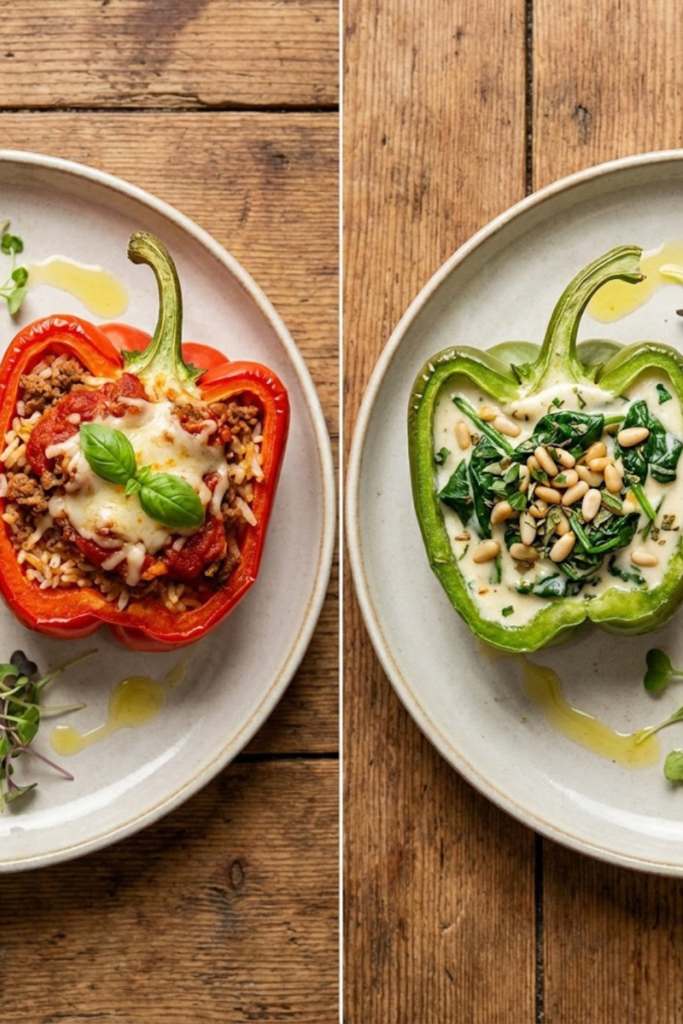
Well, we have finally reached the end of our little kitchen journey today. I really hope you feel a lot more confident about making these ground beef stuffed peppers for your own family now. I know I talked a lot, but that is just the teacher in me coming out! I want you to succeed because there is nothing quite like the feeling of putting a hot, homemade meal on the table and seeing everyone actually eat it without complaining. It took me a long time to get my recipe to this point, so don’t feel bad if yours aren’t perfect on the very first try. Cooking is a skill that grows over time, just like anything else you learn in school or at work.
One thing I should probably mention before I let you go is how great these are the next day. If you happen to have any leftovers, just put them in a sealed container in the fridge. When you reheat them for lunch, the flavors have had even more time to sit together, and they honestly taste even better. My kids usually fight over who gets the last one for their school lunch. I think the peppers stay pretty sturdy too, so they don’t turn into a big mess in a lunchbox or a plastic container. It’s the kind of meal that just keeps on giving.
Cleaning up is also pretty easy with this meal, which is a big win in my book. If you used a single baking dish, you don’t have a million pots and pans to scrub after dinner is over. I usually just let the pan soak in some warm soapy water for a bit while we sit down to relax, and then the bits of burnt cheese and tomato sauce slide right off. It makes the whole night feel much more relaxing when you aren’t stuck at the sink for an hour.
So, go ahead and give it a shot this week! Pick out some bright, colorful peppers, get your beef mixture ready, and let the oven do the hard work for you. I promise your house will smell amazing while it bakes. If you enjoyed following along with this guide, I would be so happy if you could pin this on Pinterest to your favorite recipe board. It helps other home cooks find these tips and helps me keep sharing my kitchen stories with you all. I can’t wait to hear how your dinner turns out. Happy baking, and I’ll see you next time!