Did you know that over 65% of home cooks say their biggest struggle is finding a dinner that is both healthy and actually tastes good? I’ve been there, standing in front of the fridge at 5 PM feeling totally lost! But let me tell you, these ground beef stuffed bell peppers are the absolute answer to your weeknight prayers in 2026. They are colorful, filling, and so incredibly easy to whip up. We’re going to use fresh ingredients and a few secret tricks I’ve learned over the years to make sure they aren’t soggy. Let’s get cooking!
Picking the Best Bell Peppers for Stuffing
When I first started making ground beef stuffed bell peppers, I didn’t think much about the actual peppers. I just grabbed whatever was on sale at the grocery store. That was a big mistake! I ended up with these wobbly things that tipped over in the oven, spilling all that good meat and rice everywhere. It was a literal hot mess. Since then, I’ve learned that picking the right pepper is just as important as the filling itself. You want something that can hold up to the heat and look good on the plate.
Look for the “Four Bumps” on the Bottom
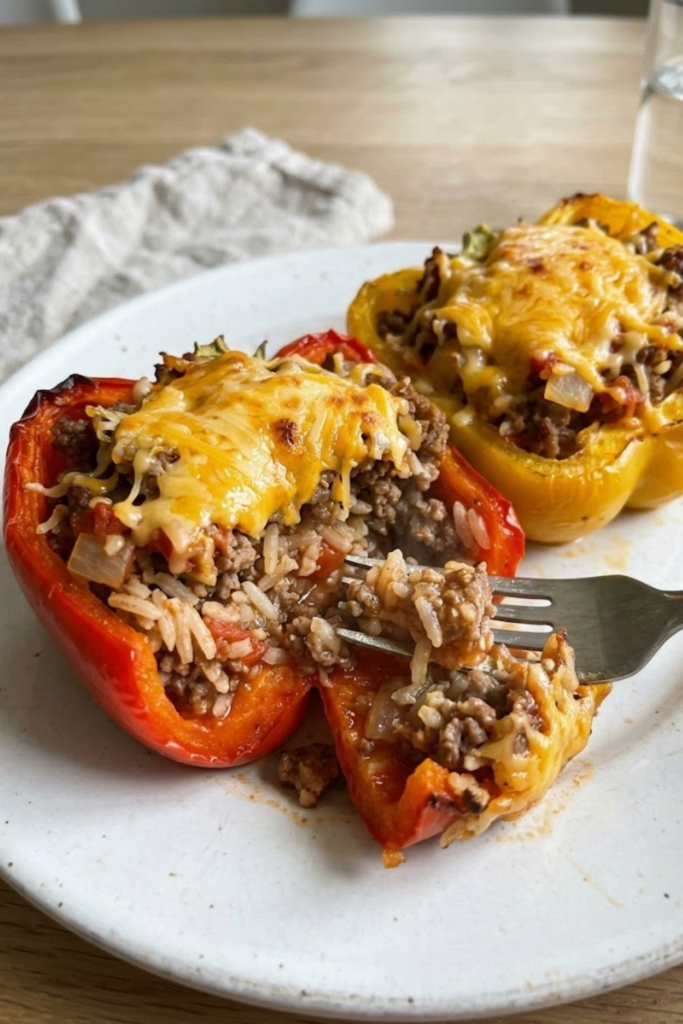
Have you ever turned a pepper upside down and noticed the bumps? Some have three and some have four. I always tell my students to look for the four-bump ones for this recipe. People often call these “female” peppers. They have a wider, flatter base which makes them perfect for standing up in a baking dish without leaning. If you get the three-bump ones, they usually tip to one side. Then you have to do a bunch of “surgery” with a knife to trim the bottom just to make them sit flat. Save yourself the headache and go for the stable ones so your dinner stays where it belongs!
Why Color and Ripeness Matter
Color actually changes the taste quite a bit. Green peppers are the least ripe and have a bit of a bite to them—they are more savory and sometimes even a little bitter. If you want something sweeter that your kids might actually enjoy, reach for the red, orange, or yellow ones. These are fully ripe and get really mellow and delicious when they roast with the beef. I usually like to mix and match the colors because it looks like a bright rainbow on the dinner table. It makes a simple weeknight meal feel a lot more special.
Checking for Ultimate Freshness
When you are at the store, look at the skin of the pepper. It should be tight and shiny, almost like it’s polished. If you see any wrinkles or soft spots, it’s already getting old. An old pepper will get mushy and gross in the oven instead of staying tender-crisp. Also, take a quick peek at the stem. A bright green, sturdy stem means it was picked recently. If the stem is brown, dry, or fuzzy, just put it back. You want your peppers to have a nice “snap” when you finally bite into them.
Get the Size Just Right
Try to pick peppers that are all about the same size. If you have one giant pepper and three tiny ones, they won’t cook at the same speed. The little ones will turn into a puddle by the time the big one is finally soft. I usually aim for medium-sized ones that are about the size of a softball. This size fits a good amount of ground beef but still cooks through perfectly in about 35 to 40 minutes. Consistency really helps everything turn out great at the same time.
Prepping the Savory Ground Beef Filling
Getting the meat ready for your ground beef stuffed bell peppers is really where the flavor happens. I remember one time I was in a huge rush and I didn’t brown the beef long enough. The result? A grey, soggy mess that nobody wanted to touch. It was pretty embarrassing, especially since I’m supposed to be the cook in the house! You really need to take your time here to get those deep, savory notes. If you just rush through this part, the whole dish feels a bit flat.
Get a Good Brown on That Meat
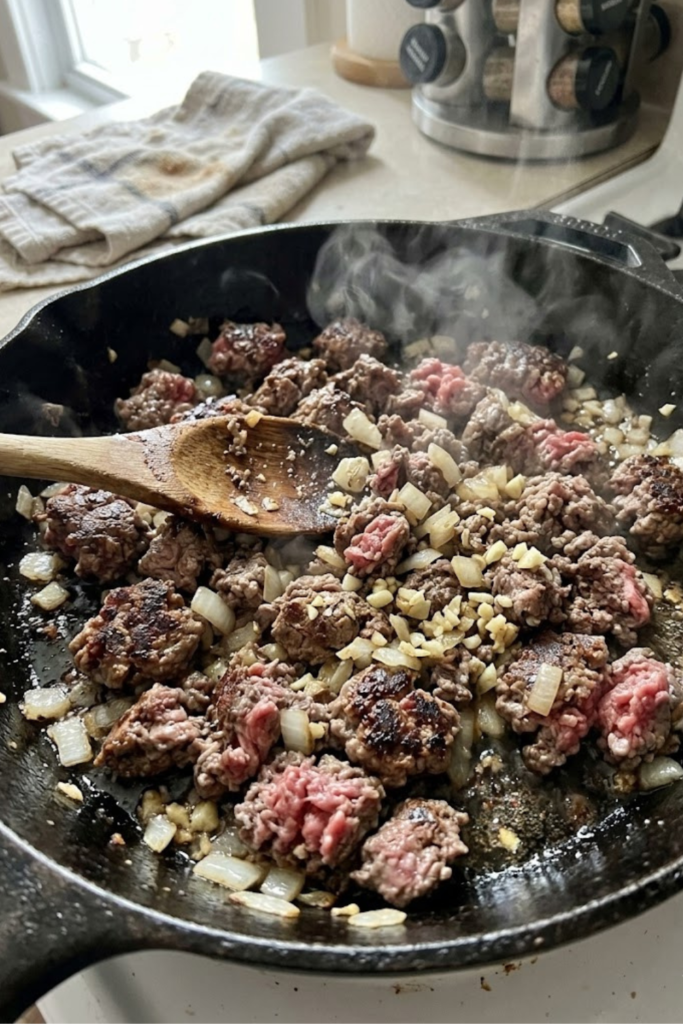
First things first, you gotta get your skillet nice and hot. I like using a cast iron one because it holds the heat so well. When you put the ground beef in, don’t just stir it around right away. Let it sit for a minute or two so it gets a nice crust. That brown stuff on the bottom of the pan is pure flavor! If you just steam the meat until it turns grey, you are missing out on the best part of the meal. I usually use a 90/10 blend of beef. The leaner stuff is better because you don’t want a huge pool of oil later on, but a little bit of fat is okay for the taste.
The Magic of Onions and Garlic
Once the meat is mostly browned, I toss in a diced yellow onion. I used to wait until the end, but the onions need time to get soft and sweet. If you leave them crunchy, it ruins the texture of the stuffed pepper. About a minute before the meat is totally done, I add the garlic. Garlic burns really fast, so don’t put it in too early or it gets bitter! I also love adding a splash of Worcestershire sauce. It adds a salty kick that makes people ask what your secret ingredient is. It’s way better than just using plain salt and pepper alone.
Why You Must Drain the Grease
This is a step that some people skip, but it’s a big mistake. If you leave all that liquid fat in the skillet, it will soak into the rice and make the peppers greasy. I usually push the meat to one side and use a big spoon to scoop the oil out into an old soup can. Don’t ever pour it down the sink! My husband did that once and we had a plumbing bill that made me want to cry. Making sure the meat is mostly dry before you add the tomato sauce is the trick to a filling that stays together. It makes the final dish feel much lighter and healthier too.
The Perfect Rice and Veggie Balance
When I first started making ground beef stuffed bell peppers, I thought I could just throw anything into the bowl and it would work out. Boy, was I wrong! I remember this one time I used leftover rice from a Chinese takeout place. The rice was already really soft and sticky. By the time those peppers came out of the oven, the inside was like eating wet mush. It was pretty gross, honestly. My kids looked at me like I was trying to feed them baby food for dinner. Now I know that getting the balance between the rice and the veggies is what makes or breaks the whole meal.
Why You Should Under-Cook Your Rice
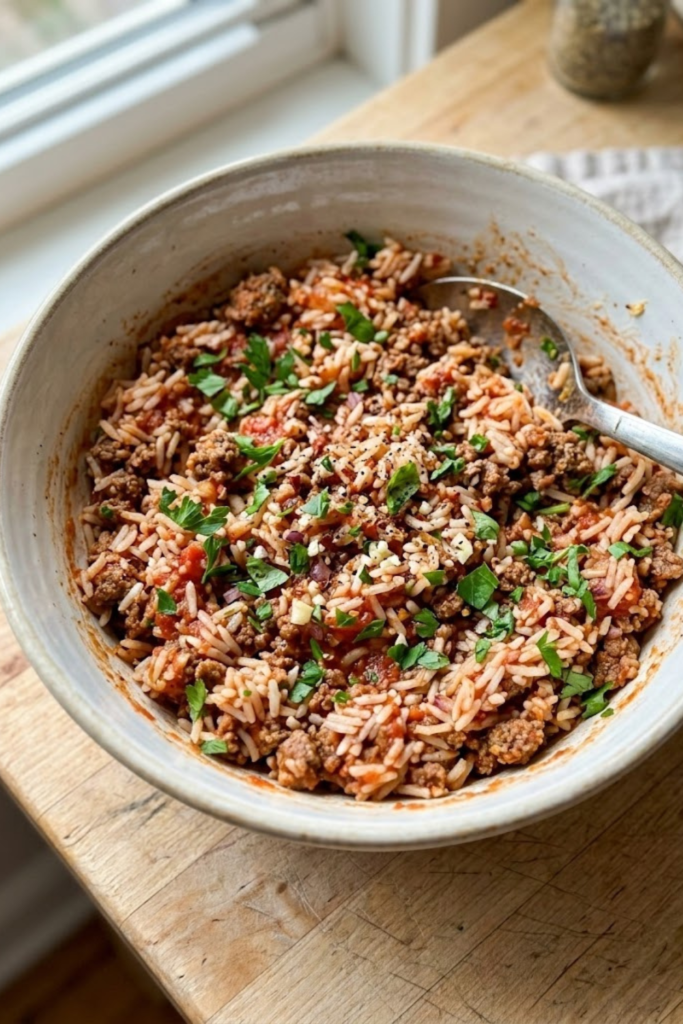
The biggest secret I can share is to never use fully cooked rice in your filling. I usually cook my rice on the stove for about five or six minutes less than what the box says. You want it to still have a little bit of a bite to it. Since the beef and the peppers release a lot of juice while they bake, the rice acts like a little sponge. If the rice is already full of water, it can’t soak up those tasty meat juices and it just turns into a puddle. Using “al dente” rice makes the filling stay fluffy and firm. It’s a total game changer and makes the texture so much better when you finally sit down to eat.
Sneaking in Those Extra Nutrients
As a parent, I’m always looking for ways to get more “good stuff” into my family’s diet without them making a face. In 2026, we all know how important it is to eat our greens, but it isn’t always easy! I love to grate up a zucchini or a couple of carrots and mix them right in with the ground beef. If you use a fine grater, the veggies basically disappear into the meat. They add a lot of moisture which keeps the beef from getting tough or dry, but they don’t change the flavor much at all. Just a little tip: if you use zucchini, squeeze it out with a paper towel first. You don’t want all that extra water thinning out your sauce.
Keeping the Filling Together
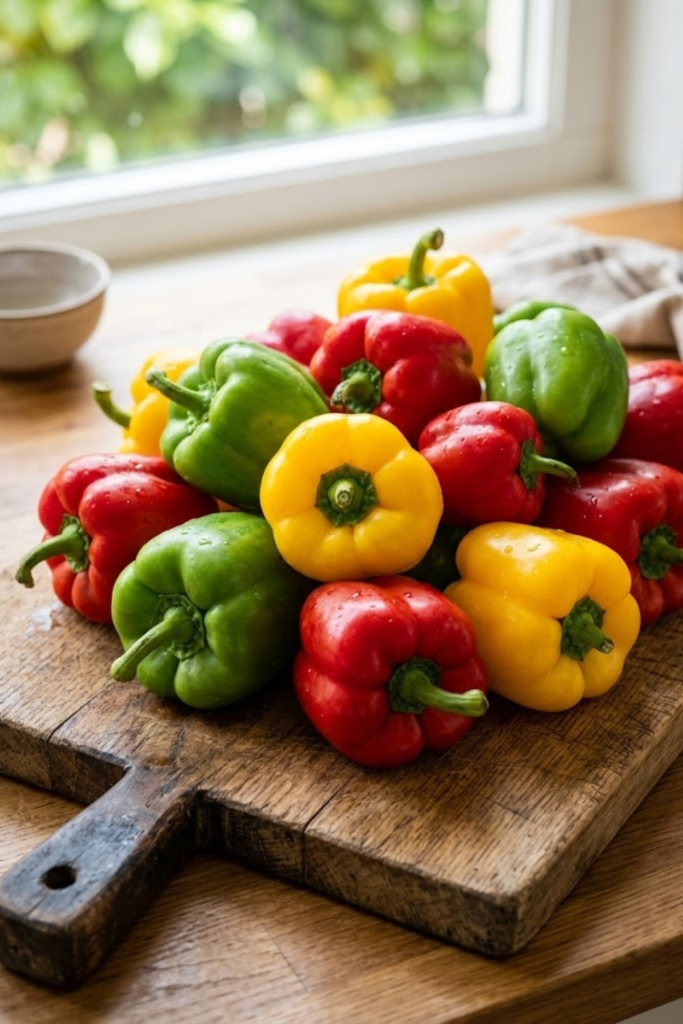
The last thing you want is a pepper that falls apart the second you put a fork in it. I use a little bit of tomato sauce and some shredded cheese as a sort of “glue” for the inside. It helps the rice and meat stay in one big scoop instead of rolling all over your plate. I usually go for a handful of cheddar or mozzarella right in the mix. It makes every bite a little bit cheesy and rich. I also like to add a pinch of salt and maybe some dried oregano to keep the flavors bright. If the mix feels too dry, just add another spoonful of sauce until it looks like a thick chili. This makes sure every pepper is packed tight and stays delicious!
Baking to Perfection in 2026
Now that your peppers are all stuffed and ready to go, it’s time for the final stretch. I always get so excited when the house starts smelling like roasted peppers and savory beef. It’s probably the best part of my day, honestly! But if you don’t bake them correctly, all that hard work prepping the ground beef might go to waste. You want the peppers to be soft enough to cut with a fork but still have enough structure so they don’t just fall apart into a pile of mush. It’s a delicate balance, but totally worth it.
Find the Sweet Spot for Heat
I usually set my oven to 375 degrees. Some people like it hotter, at 400, but I find that the tops of the peppers get way too dark before the actual pepper skin is soft enough. One trick I learned from my neighbor is to put about half a cup of water or beef broth in the bottom of the baking dish before putting it in. Then, I cover the whole thing tightly with aluminum foil. This creates a little steam room inside the pan. It helps cook the pepper from the outside in while keeping the meat juicy. I leave the foil on for about 30 minutes, then I take it off for the last 10 minutes. This way, the edges get a little bit of color without being burnt to a crisp.
Timing the Cheese Melt
Okay, let’s talk about the cheese because that’s what everyone really wants anyway! Don’t put the cheese on at the very beginning. If you do, it will turn into a hard, plastic-like crust by the time the meat is hot. I wait until there are only about 5 or 10 minutes left in the baking process. I pull the pan out, sprinkle a generous amount of Monterey Jack or Sharp Cheddar on top, and put it back in. You want it to be bubbly and maybe have a few little brown spots. It looks so much better when the cheese is stretchy and fresh instead of overcooked and greasy.
Let It Sit Before Serving
This is the hardest part for me because I’m usually starving by the time the timer goes off. You have to let the peppers sit for at least five minutes once they come out of the oven. If you try to serve them immediately, the juices will just run all over the place and the filling might slide out. Letting them rest helps everything set up and stay together. Plus, you won’t burn the roof of your mouth! I’ve done that more times than I care to admit, and it ruins the whole experience. Just give it a few minutes to cool down, and then you’re ready to dig in!
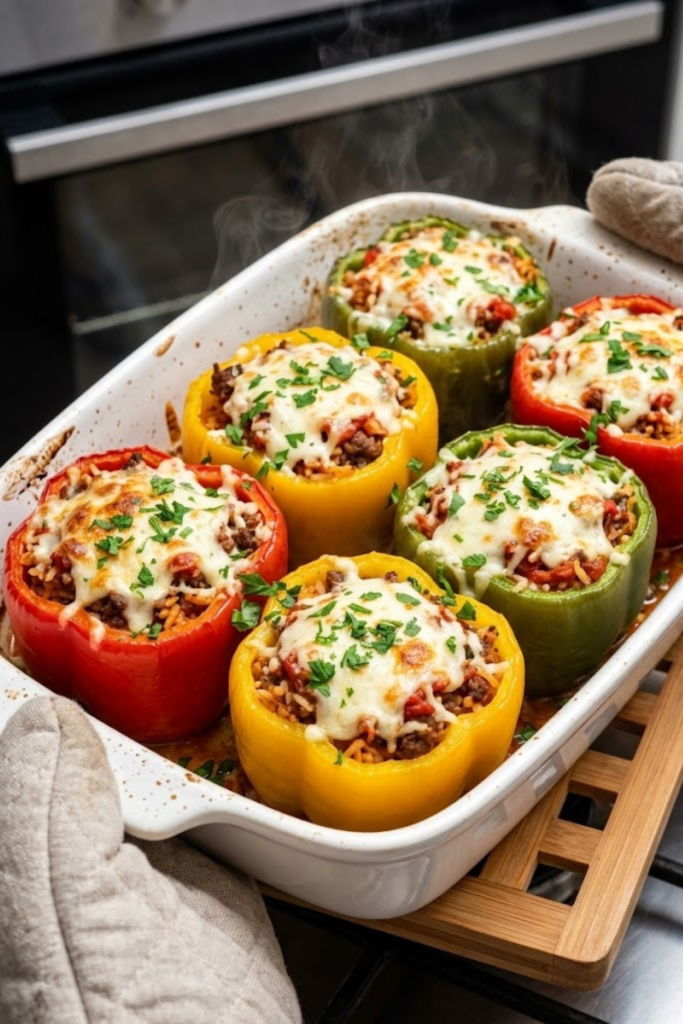
Wrapping things up, I really hope you feel ready to tackle these ground beef stuffed bell peppers tonight. It’s funny because I used to be so scared of making these. I thought they were way too fancy for a regular Tuesday night. But after doing it a few times, I realized it’s actually one of the easiest ways to get a full meal on the table without using ten different pots and pans. Plus, they just look so pretty! There is something about those bright colors that makes everyone at the table a bit happier.
We talked about a lot of stuff today, so let’s do a quick recap. First, remember those four bumps on the bottom of your peppers. That little trick alone will save you so much frustration in the kitchen. No more peppers falling over and leaking! Then, don’t forget to really brown your ground beef. That color is where all the flavor lives. If you skip that part, your dinner will taste a bit boring. And please, please undercook your rice just a little bit. That one step makes the difference between a soggy mess and a perfect, fluffy filling. It’s such a simple thing, but it really changes everything.
I also want to remind you about the baking part. Using that bit of water in the pan and covering it with foil really is the secret to getting a tender pepper. If you just throw them in the oven dry, the outside gets tough before the inside is ready. And wait for the cheese! Putting it on at the end makes it so much more delicious. It’s those small things that really make a difference. I’ve messed this up before, so learn from my mistakes!
If you have some leftovers, don’t worry. These peppers actually taste even better the next day. The flavors have more time to mingle and get to know each other. I usually just pop one in the microwave for lunch, and it’s perfect. My husband even likes them cold, which I think is a bit weird, but hey, to each their own!
If this guide helped you out, I would love it if you could share it on Pinterest. It really helps other home cooks find these easy recipes. Plus, it’s a great way to save the recipe so you can find it next time you are standing in the grocery store wondering what to make for dinner. Happy cooking, and I’ll see you in the next post!