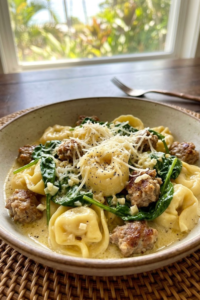
“A house is built on a foundation, but a home is built on a ground beef meatloaf!” Honestly, I used to think meatloaf was just a boring, dry brick of meat that moms made when they ran out of ideas. I was so wrong! After years of trial and error in my own kitchen, I finally cracked the code to making it actually taste good. You want it juicy, flavorful, and topped with a glaze that’s just the right amount of tangy. It’s the ultimate comfort food for a busy Tuesday night or a cozy Sunday dinner. Let’s get cooking!
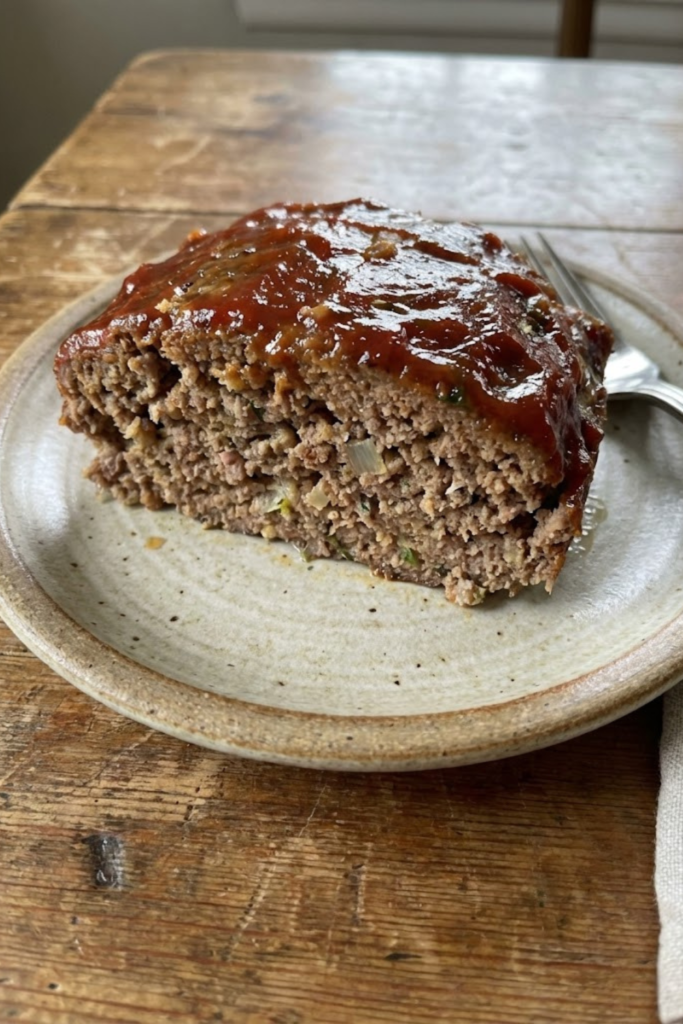
Choosing the Best Beef for Your Meatloaf
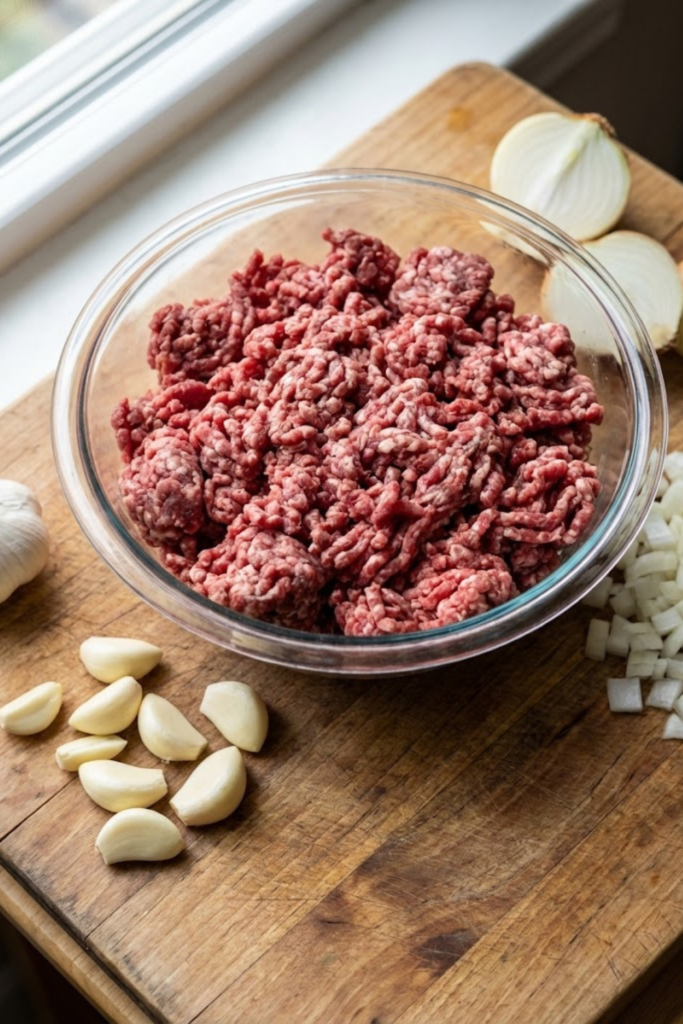
If you want a ground beef meatloaf that actually tastes like something, you have to start with the right meat. I’ve seen so many people just grab whatever is on sale at the grocery store without looking at the labels. As a teacher, I tell my students all the time that the foundation of any project is what matters most. If you start with a bad foundation, the whole thing falls apart. It is the same thing with cooking! You can’t just use any old pack of meat and expect a five-star dinner. You need to be a little picky at the meat counter if you want those leftovers to be worth eating the next day.
The Magic of the 80/20 Blend
I used to think that buying the most expensive, leanest beef was the “smart” move. I’d grab that 95% lean pack because I thought it was better for my family. Let me tell you, that was a huge mistake. My meatloaf ended up as dry as a piece of chalk! If you use meat that is too lean, there isn’t enough fat to keep the loaf moist while it bakes for an hour.
Nowadays, I always go for the 80/20 ground chuck. The “80” is the lean meat and the “20” is the fat. That fat is where all the flavor lives. As it cooks, the fat melts and bastes the meat from the inside out. This keeps your ground beef meatloaf juicy and tender. If you’re really worried about the extra grease, I have a trick for that later, but don’t skip the fat. Your taste buds will thank you later.
Why Freshness Is Everything
You also want to look at the color of the beef. I always look for that bright, cherry-red color. If the meat is starting to look a little gray or brown on the edges, just leave it there. It won’t taste fresh, and the texture can get a bit weird. I try to buy my meat the same day I’m going to cook it. If I can’t do that, I make sure it stays in the coldest part of my fridge. Fresh meat just holds together better and has a much cleaner flavor.
How to Avoid the Dreaded Grease Puddle
One thing my friends always ask me is how to handle the grease. If you use 80/20 beef, you are going to have some liquid in the pan. Don’t panic! That’s a good sign. It means your meat isn’t drying out. I usually bake mine on a rimmed baking sheet instead of a deep loaf pan. This lets the edges get a little bit of a crust, and the extra fat can run off away from the meat. If you do use a loaf pan, just use a spoon to carefully pour off the extra liquid about ten minutes before the timer goes off. This way, your ground beef meatloaf doesn’t sit there soaking in oil, but it stays perfectly juicy on the inside.
The Secret to a Perfectly Moist Binder
Getting the binder right is probably the most important lesson I can teach you about making a ground beef meatloaf. If you just throw meat and salt into a pan, you have basically made a giant, sad hamburger. That is not what we want! The binder is what gives the loaf that soft, melt-in-your-mouth feel that makes everyone want to go back for a second slice. In my science labs at school, we talk about how different materials hold together, and a meatloaf is really just one big chemistry experiment happening in your kitchen.
Why You Need a Panade
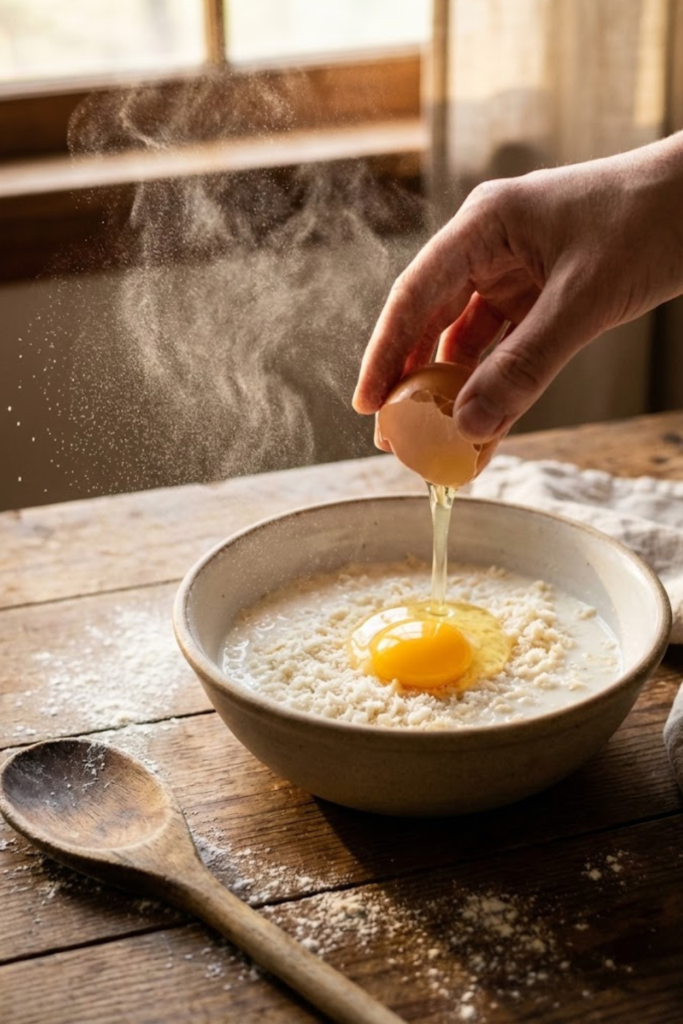
I never knew what a “panade” was until a few years ago, and honestly, it sounds way fancier than it actually is. It is really just a mix of breadcrumbs and milk. This is the absolute best way to keep your loaf from turning into a dry brick. If you put dry breadcrumbs directly into the beef, they act like little sponges. They suck all the natural juices out of the meat while it bakes. By the time the oven timer goes off, the meat is dry and the crumbs are soggy.
I usually take a small bowl, put in about half a cup of breadcrumbs, and pour just enough milk to cover them. I let it sit for about five minutes while I am busy chopping up the onions. By the time I am ready to mix everything, the crumbs have turned into a soft paste. When you fold that paste into the ground beef meatloaf mix, it keeps the meat fibers from sticking too tightly together. This keeps the texture tender instead of tough.
Eggs Are the Edible Glue
Then you have the eggs. In my house, we call the eggs the “glue.” Without them, your meatloaf will just crumble into a pile of loose meat as soon as you try to lift a slice onto a plate. I usually use two large eggs for every two pounds of beef. I like to whisk them in a small cup before adding them to the bowl. This helps them distribute evenly so you don’t end up with a random chunk of cooked egg in one corner of your dinner.
Sauté Your Veggies for Moisture
Lastly, I always add onions and garlic, but I never put them in raw. Raw onions release too much water as they cook, which can make the bottom of the meatloaf feel mushy. I quickly cook them in a pan with a little butter until they are soft and translucent. This adds a sweet, savory flavor to the ground beef meatloaf and provides even more moisture without making the meat fall apart.
Nailing the Tangy Tomato Glaze
I honestly think the glaze is what makes people love or hate a ground beef meatloaf. If you just leave the top bare, it gets dry and looks kind of gray. Nobody wants that for dinner! As a teacher, I compare the glaze to the “extra credit” on a test. You can pass without it, but it’s what really makes you stand out. My first few attempts at making meatloaf were pretty basic. I would just squeeze some ketchup on top right before putting it in the oven. It was okay, but it wasn’t anything special. It tasted like… well, hot ketchup. It didn’t have any depth or that sticky sweetness that everyone loves.
The Perfect Sweet and Tangy Balance
To get a glaze that actually tastes good, you need a mix of flavors. Most people just use sugar or ketchup, but you need some acid to cut through the richness of the beef. I started mixing ketchup with some brown sugar and a splash of apple cider vinegar. The vinegar is the secret part. It adds a little bit of a “zing” that keeps the sweet sugar from being too much.
I remember one time I was in a rush and I didn’t have any brown sugar in the pantry. I tried using honey instead. It was way too sticky and it burned on the edges of the pan! My kids still tease me about the “charcoal meatloaf” night. That taught me that the type of sugar you use really matters for the texture. Brown sugar melts down into a nice syrup that sticks to the meat without turning into a rock. It creates that classic glaze that kids and adults both enjoy.
When to Apply the Glaze for Best Results
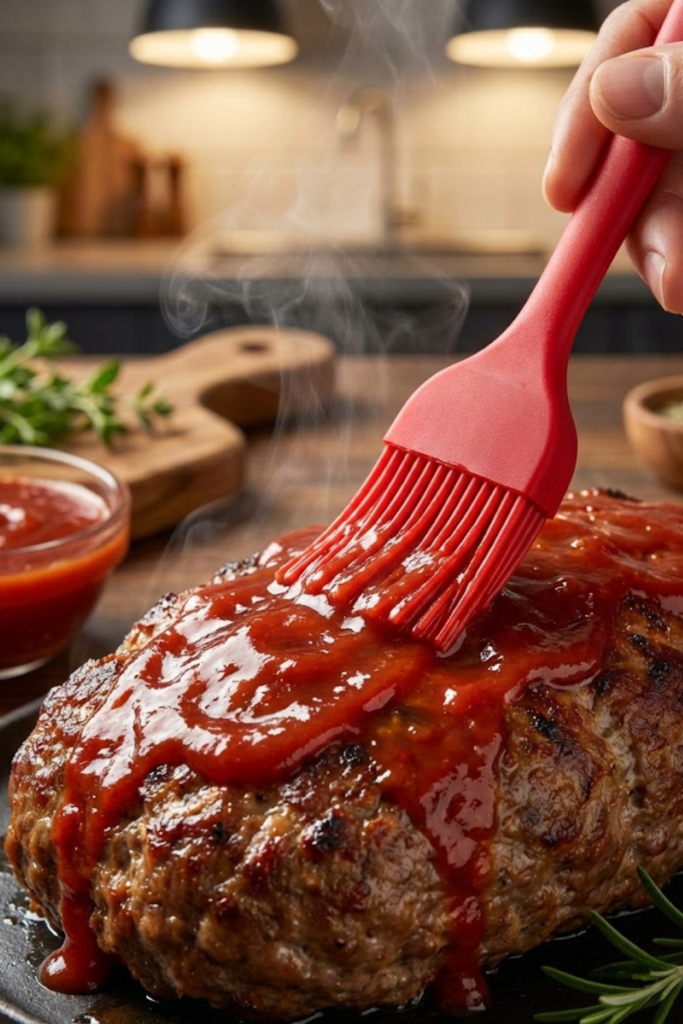
The timing is another thing I had to learn the hard way. If you put all the glaze on at the very beginning, it can burn before the middle of the meat is actually cooked. Now, I do it in two steps. I put a thin layer on before it goes in the oven to help seal in the moisture. Then, about ten or fifteen minutes before it’s done, I pull it out and slather on a thick second coat. This second layer gets all bubbly and shiny. It makes the ground beef meatloaf look like something out of a magazine.
Fun Ways to Customize Your Topping
If you want to get creative, you can add different things to your glaze. Sometimes I add a teaspoon of Dijon mustard if I want it to be a bit more sophisticated. My husband likes it when I add a tiny bit of smoked paprika to give it a barbecue vibe. Just be careful not to add too much liquid, or it will just slide right off the meat and pool at the bottom of the pan. You want it to be thick enough to stay right where you put it. This helps every slice have a bit of that amazing flavor.
Wrapping Up Your Ground Beef Meatloaf Dinner
Well, there you have it! Making a ground beef meatloaf isn’t as scary as it might seem when you first look at a big bowl of raw meat. I know I used to feel a little bit overwhelmed by it all but like any good lesson plan, once you break it down into steps it becomes much easier to handle. This meal has really become a lifesaver for me during those busy school weeks when I get home late and still have a pile of papers to grade. It’s the kind of food that makes the whole house smell like a real home, and there is something so nice about seeing my kids actually finish their plates without any complaining. Its one of those rare wins where everyone at the table is happy at the same time.
Quick Tips for Success
The big takeaways are pretty simple to remember. You want to start with that 80/20 beef so you have plenty of moisture. If you use the lean stuff, it just won’t be the same. Also, don’t skip the milk-soaked breadcrumbs, because that’s the real secret to a soft texture that won’t fall apart or taste like a dry rock. And please, for the sake of your dinner guests, don’t forget that glaze! That sweet and tangy finish is what pulls everything together and gives it that professional look. It’s like the final bell at the end of the school day—it’s the part everyone is waiting for. If you follow these basic rules, you’ll never have to worry about a boring dinner again.
What to Do with Leftovers
I usually serve my meatloaf with a big pile of buttery mashed potatoes and maybe some roasted green beans. The potatoes are great because they soak up any extra glaze that drips off the meat. If you happen to have any leftovers, you are in for a real treat. Cold meatloaf sandwiches on white bread with a little extra ketchup are honestly just as good as the dinner itself. I sometimes make an extra loaf just so I can have those sandwiches for my lunch the next day. It makes my time in the teacher’s lounge a lot more enjoyable!
If you have any meat left over, just wrap it tightly in some foil or put it in a container. It stays good in the fridge for about three or four days, which is perfect for meal prep. You can even freeze it if you want to get ahead on your shopping for next month. I really hope you give this a try in your own kitchen soon. It’s a classic for a reason, and once you get the hang of it, you’ll probably find yourself making it all the time. If you found these tips helpful, please take a second to save this and share it on Pinterest. It helps other home cooks find these ideas! Happy cooking!