Did you know that 75% of people say their biggest grilling struggle is dry chicken? I used to be one of them! I remember standing over my grill, tongs in hand, praying the meat wouldn’t turn into shoe leather. It was stressful! But then, I discovered the magic of acidic marinades. This grilled salsa verde chicken isn’t just a meal; it’s a flavor explosion that guarantees juicy results every single time. We are talking about tangy tomatillos, fresh cilantro, and a kick of lime that penetrates deep into the meat. It is absolutely life-changing for your summer BBQs. Let’s get grilling!
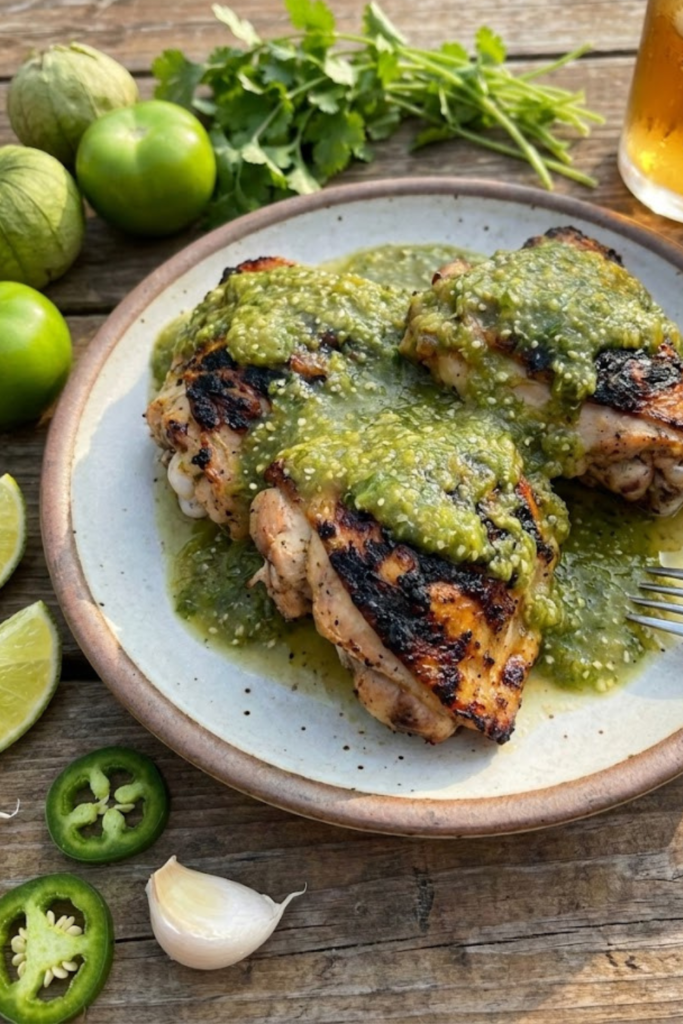
Selecting the Best Ingredients for Verde Marinade
I’ll be honest with you guys, I used to be terrified of the produce section. Specifically, that weird corner where they keep the tomatillos. For the longest time, I thought, “Why bother peeling these sticky green things when I can just buy a jar of salsa?” Big mistake. Huge. I once served a dinner party some grilled chicken marinated in cheap, jarred salsa, and it tasted like vinegar and regret. The meat was tough, the flavor was flat, and I wanted to hide under the table.
So, let’s talk about getting the right goods so you don’t make my mistakes.
Fresh vs. The Jar of Regret
If you want that zesty flavor profile that makes people’s eyes pop, you have to go fresh. Jarred salsa is cooked to death during canning, which kills the bright, acidic punch we need for a good marinade.
When you are picking out tomatillos, look for husks that are tight and dry. If the fruit underneath feels squishy, put it back. You want them firm, like a green apple. And yes, once you peel the husks off, your hands are gonna get sticky. It’s a weird resin that’s totally natural. Just wash the tomatillos in warm water, and the stickiness washes right off. Trust me, the effort is worth it for that authentic salsa verde taste.
Why I Ditched Chicken Breasts
Okay, I might get some heat for this, but stop grilling boneless skinless breasts for this recipe. I went through a phase where I only cooked breasts because I thought they were “healthier.” But here is the thing: breasts have almost no fat. When you throw them on a high-heat grill, they dry out faster than a sidewalk in July.
For the best grilled salsa verde chicken, you really need boneless skinless thighs. The dark meat has just enough fat to keep the inside juicy while the outside gets that nice char. Plus, thighs are way more forgiving. If you get distracted by the kids and leave them on a minute too long, they’ll still be edible. My husband used to complain about “dry chicken” constantly until I made the switch. Now? He asks for seconds.
The Heat and The Acid
Let’s talk about peppers. The jalapeño heat level can vary wildy. I once chopped a jalapeño that was basically a bell pepper, and the next week, I got one that melted my face off.
Always taste a tiny slice of the raw pepper before tossing it in the blender. If you are feeding kids or people who think ketchup is spicy, scrape out all the seeds and white ribs. That is where the demon fire lives. If you want it spicy, leave ’em in.
Lastly, please don’t use the lime juice from the little plastic squeeze bottle. It has preservatives that taste metallic. Buy actual limes. Roll them on the counter with your palm before cutting to release the juice. That fresh lime juice acidity is what tenderizes the meat fibers, making your chicken melt-in-your-mouth good.
It’s these little specific choices that turn a “meh” dinner into a “whoa” dinner.
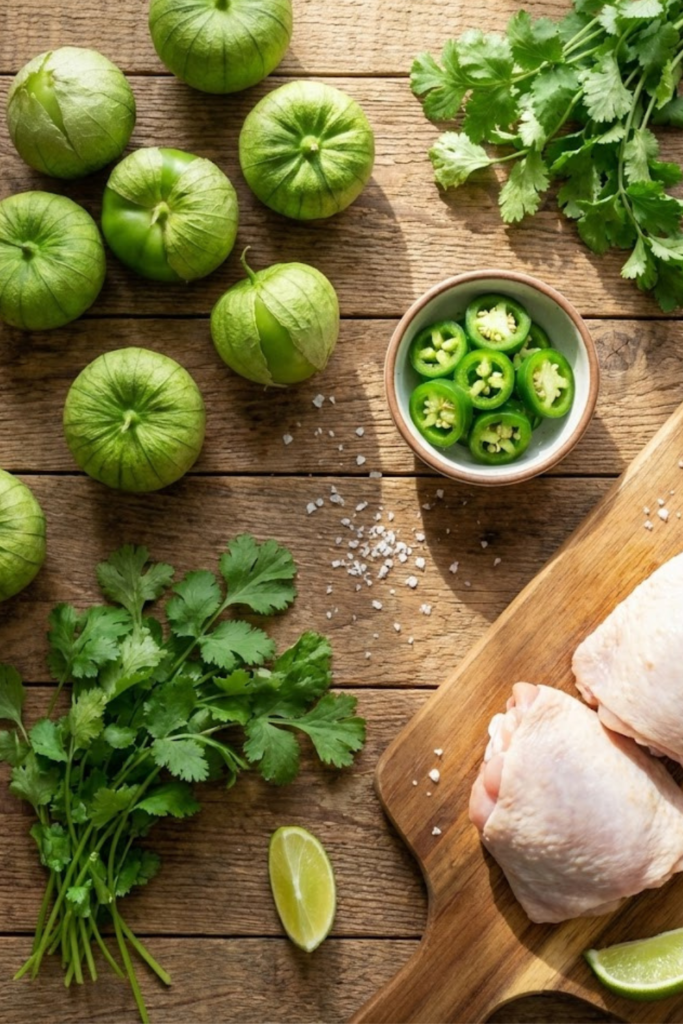
Preparing Your Homemade Salsa Verde
Remember that time I told you about my “grassy” salsa disaster? Yeah, that happened because I didn’t roast my veggies. I just threw raw tomatillos into a blender and hoped for the best. It was awful. It tasted like I went into the backyard, grabbed a handful of weeds, and blended them up.
To get that deep, smokey flavor found in authentic salsa verde, you absolutely have to roast your ingredients. It’s not optional!
Roasting: The Broiler is Your Best Friend
You don’t need a fancy grill for this part (though you can use one). I usually just use my oven’s broiler.
Here is what I do: line a baking sheet with foil because tomatillos release a lot of sticky juice when they cook, and nobody wants to scrub a pan for twenty minutes. Arrange your peeled tomatillos and jalapeños in a single layer.
Put the pan on the top rack, about 4 to 6 inches from the heating element. Broil them for about 5 to 7 minutes. You are looking for the skins to blacken and blister. Don’t panic if they look burnt; that char is where the flavor lives!
Flip them over and go for another 3 to 5 minutes until they are soft.
My big mistake: I used to throw the garlic cloves on the pan at the same time as the tomatillos. Don’t do that. Roasted garlic cloves are delicious, but burnt garlic is bitter and nasty. Garlic burns way faster than the peppers. I learned to either leave the skins on the garlic to protect them or just toss them onto the pan for the last 2 minutes only.
The Blending Game: Don’t Make Baby Food
Once your roasted veggies have cooled down a bit (give them 10 minutes so you don’t blow the lid off your blender with steam), it’s time to mix.
Toss the roasted tomatillos, peppers, garlic, and any juices from the pan into the blender. Add your fresh cilantro and that squeeze of lime we talked about.
Here is where people mess up blender salsa recipes. They turn the machine on high and walk away. When they come back, they have a green smoothie. You want texture!
Pulse the blender. Hit the button for a second, stop, look, and hit it again. You want it chunky enough to scoop but smooth enough to coat the chicken. If it’s too thick, add a splash of water, but usually, the tomatillos provide enough liquid.
Seasoning and Cooling Down
Before you even think about pouring this over your chicken, taste it.
Tomatillos can be really tart. Sometimes, if my batch is super acidic, I add a tiny pinch of sugar to balance it out. This is also when I add salt and a dash of cumin for that zesty flavor profile.
Important safety tip: Let the salsa cool completely before using it as a marinade. If you pour hot salsa over raw chicken, you start cooking the outside of the meat slightly, and it keeps the bacteria in a warm danger zone. I usually stick the salsa in the fridge for 20 minutes while I prep the rest of the kitchen.
If you are into meal prep chicken, you can make this sauce up to 3 days in advance. In fact, it tastes even better the next day because the flavors have time to hang out and get to know each other.
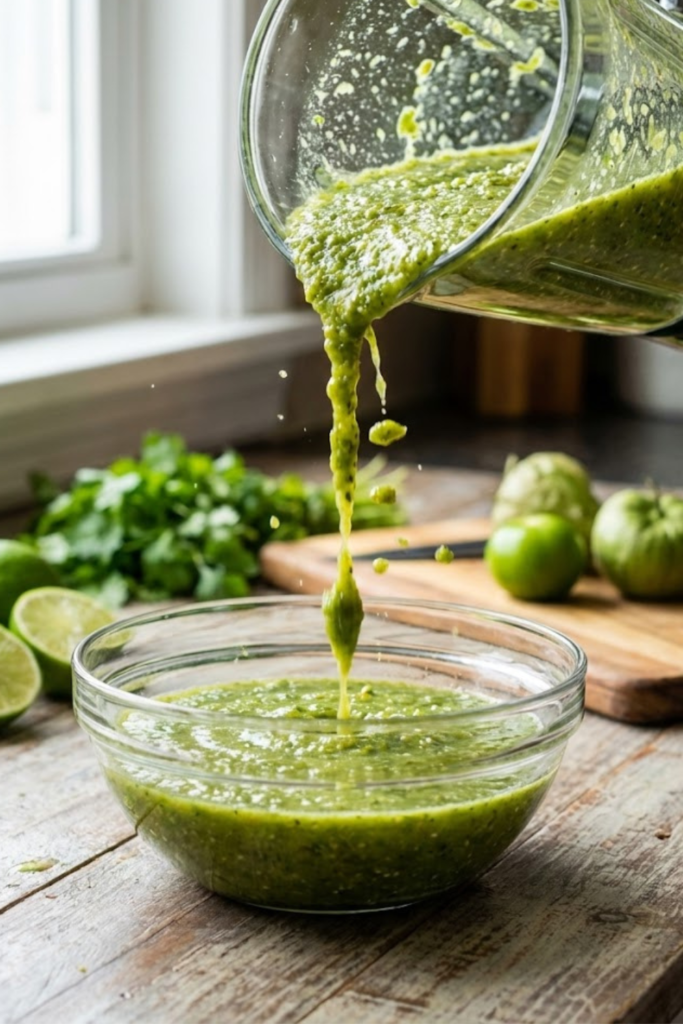
Marinating and Grilling for Maximum Flavor
I have a confession to make. A few years ago, I thought I was being super proactive by marinating my chicken the night before a big BBQ. I let those thighs sit in that lime-heavy bath for about 24 hours. When I grilled them, the texture was… mushy. It was like the meat had pre-dissolved. I was so embarrassed I ended up ordering pizza for everyone.
Here is the hard truth I learned: lime juice acidity is powerful stuff. It’s not like an oil-based marinade that just sits there. The acid actively breaks down the protein fibers.
The Sweet Spot for Marinating
If you are looking for that perfect texture, you have to watch the clock. For this recipe, the marinating times are crucial. I’ve found that 30 minutes is the minimum to get the flavor to penetrate, but 4 hours is the absolute max.
If you go over 4 hours, the meat starts to get mealy. It’s basically turning into ceviche in the fridge. My sweet spot is usually about two hours. I toss the chicken and salsa in a ziplock bag, massage it around to coat everything, and then go do some laundry or drink a coffee.
Prepping the Grill (Don’t Skip This!)
While the chicken is soaking up all that green goodness, get your grill ready. Whether you are using gas grill temperature controls or managing charcoal, you want medium-high heat. If the grill is too hot, the exterior will burn before the inside is cooked.
Also, food safety tips usually focus on temperature, but let’s talk about sticking. There is nothing sadder than flipping a piece of chicken and watching that beautiful golden crust stay stuck to the grate.
Clean your grates! I scrub mine down when they are hot, then I grab a paper towel soaked in oil (use tongs, please, don’t burn your fingers like I have) and rub it rapidly over the bars. It creates a non-stick surface that is essential for these thighs.
The Grilling Process
When you take the chicken out of the bag, shake off the excess marinade. I know, it hurts to waste it. But if the chicken is dripping wet with salsa, it won’t sear; it will steam. Plus, the chunks of cilantro and garlic in the salsa will burn instantly if there’s too much of it.
Lay the chicken on the grill. You should hear a distinct sizzle—if you don’t, your grill isn’t hot enough. Wait.
Don’t touch it! I used to be a nervous flipper, constantly moving the meat around. Leave it alone for 5-6 minutes. It will release from the grates naturally when it has a good sear. Flip it and give it another 4-6 minutes.
The Only Way to Know It’s Done
I used to cut into the chicken to check if it was done, letting all those precious juices run out. It was a terrible habit.
Do yourself a favor and buy a digital instant-read thermometer. It is the only way to accurately check the internal meat temperature. You are looking for 165°F (74°C).
Keep in mind that boneless skinless thighs are forgiving. If they hit 170°F, they are still going to be juicy because of the higher fat content. But aim for 165°F. Once they hit that number, pull them off immediately. Let them rest on a plate for 5 minutes. This lets the juices redistribute. If you cut into them right away, your cutting board gets all the flavor, and your guests get dry meat.
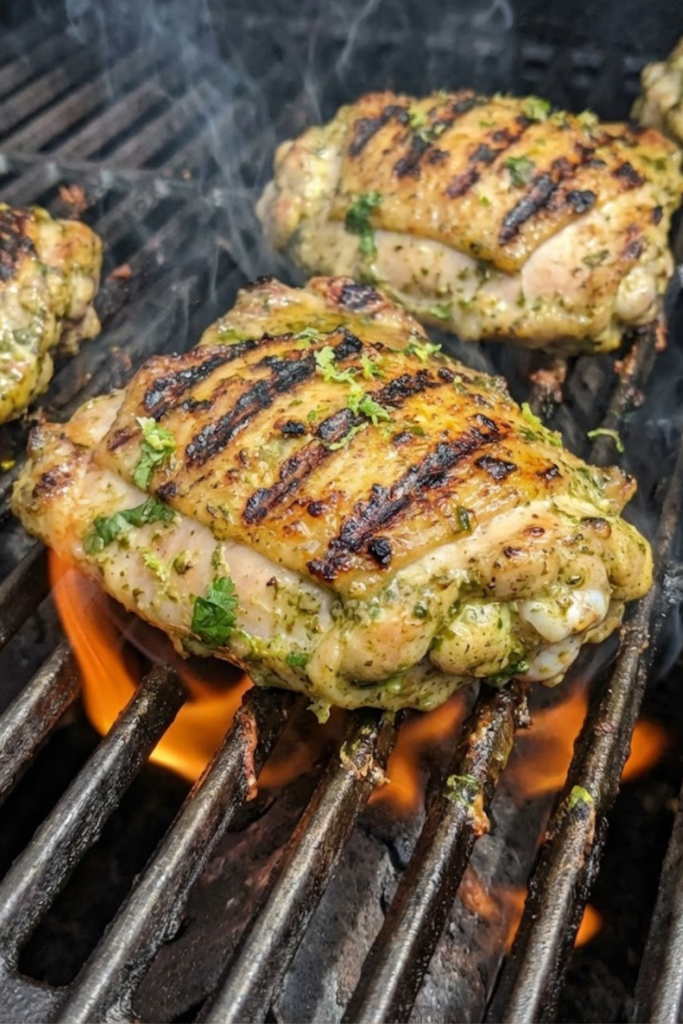
Serving Suggestions and Pairings
I used to be the kind of cook who would spend hours on the main dish and then completely forget about the sides. I’d slap this beautiful grilled salsa verde chicken onto a plate next to some plain, boil-in-the-bag white rice. It was tragic. The chicken deserved better, and honestly, my family looked at me like I had given up on life.
Over the years, I’ve learned that how you serve this dish is almost as important as how you cook it. You need textures and colors to make it a real meal.
Taco Night Done Right
If you want to be the hero of the weekend, turn this into a taco bar. But please, for the love of food, do not serve cold tortillas.
I made this mistake at a block party once. I put out a stack of cold corn tortillas straight from the bag. They crumbled instantly when people tried to pick them up. It was a mess of falling meat and sad faces.
Now, I always throw the corn tortilla tacos directly on the grill grates for about 30 seconds a side. You want them warm and pliable with a tiny bit of char. Slice the chicken against the grain into thin strips. Top it with a sprinkle of cotija cheese topping (it’s way better than shredded cheddar here) and some sliced radish for crunch. It screams Mexican street food.
Keeping it Light (Low Carb)
Since we are all trying to be a bit healthier in 2026, I often skip the tortillas during the week.
My go-to keto chicken dinner hack is serving this over cilantro-lime cauliflower rice. I know, I know—cauliflower rice can smell a bit “funky” when you cook it. My tip? Sauté it in a pan with a little butter and a massive squeeze of lime juice. The acid cuts that cabbage smell right out.
You can also make a “burrito bowl” with avocado slices, black beans (if you aren’t strict keto), and a drizzle of sour cream. It’s filling but won’t make you need a nap immediately after dinner.
What to Drink?
You can’t have a backyard BBQ without the right drink. The acidity in the salsa verde needs something crisp to cut through it.
If I’m feeling fancy, I’ll mix up a margarita. But honestly? A cold Mexican lager pairing with a lime wedge is perfection. It refreshes your palate between bites of the spicy tomatillo sauce.
The Leftover Miracle
On the rare occasion that my teenagers don’t inhale everything in sight, I love having leftovers of this chicken.
Don’t just microwave it, though. That makes it rubbery. I chop up the cold chicken and use it for enchilada filling or toss it into a skillet for quesadilla ingredients. Because the flavor has had time to sit, the second-day meals are often even tastier than the first. It makes weeknight dinner solutions a breeze when you have this prepped in the fridge.
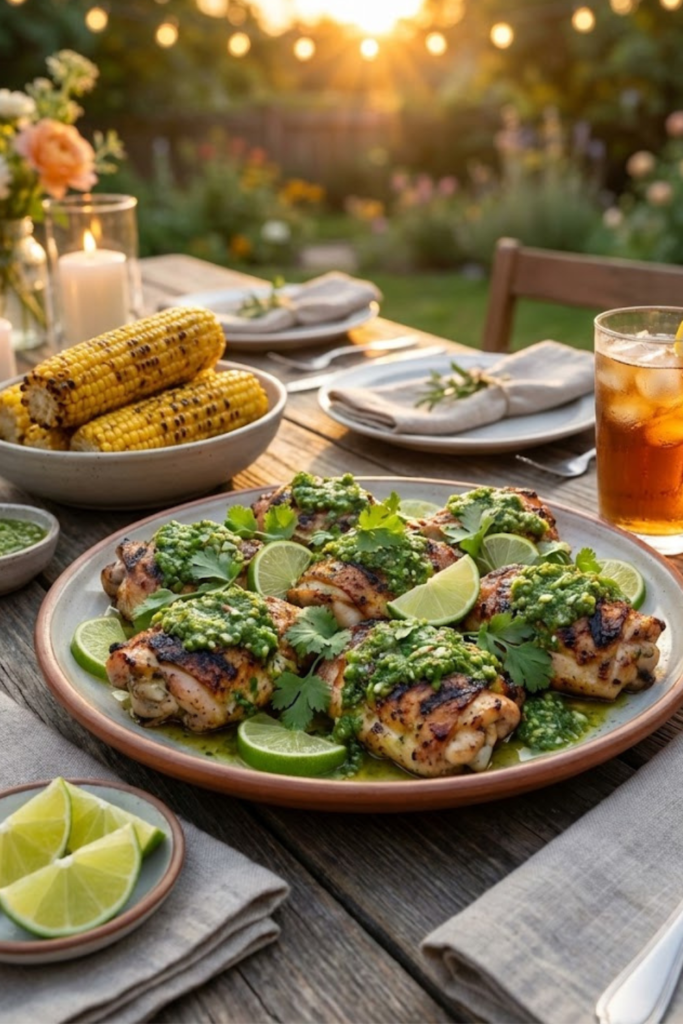
Look, we have officially moved past the days of serving sad, dry bird at our backyard parties. This grilled salsa verde chicken has become a staple in my rotation because it delivers that authentic Mexican street food flavor while being one of those easy prep meals that actually respects your busy schedule. Just do me a favor and use a digital thermometer—don’t guess and let the juice run out like I used to do! If this recipe saves your dinner, don’t forget to pin it to your Summer Recipes board on Pinterest so you can find it when the craving hits.