Did you know that the Mediterranean diet has been ranked the #1 healthiest diet for six years in a row? It’s true!
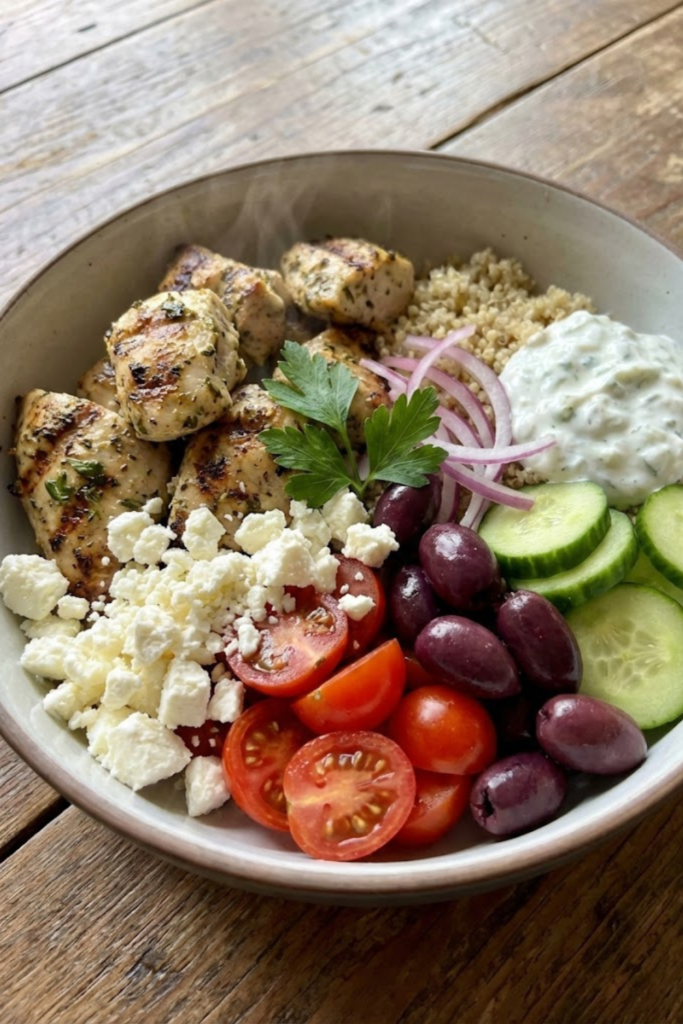
But let’s be real, sometimes you just want something that tastes amazing without spending hours in the kitchen. That’s where these Greek Chicken Bowls come to the rescue. I absolutely love making these on busy weeknights because they are a total flavor bomb! We are talking juicy, marinated chicken, salty olives, and that creamy, dreamy tzatziki sauce—honestly, I could eat it by the spoonful. Whether you are meal-prepping for the week or just need a fresh dinner idea, this bowl has got your back. Let’s dive in!
Mastering the Greek Chicken Marinade Essentials
Look, I’m going to be honest with you. For years, I was that person who thought “Greek marinade” just meant splashing some store-bought vinaigrette on a chicken breast and hoping for the best. It was tragic. The chicken usually came out rubbery, and the flavor? Totally nonexistent. It wasn’t until I actually sat down and learned how the flavors work together that my dinner game changed. I’ve burned a few batches and over-salted more than I’d like to admit, but I’ve finally cracked the code.
Making a killer Greek chicken marinade isn’t rocket science, but you can’t just throw things in a bag willy-nilly. You need to balance the acid and the fat. If you don’t, you end up with dry meat, and nobody wants that.
The Holy Trinity of Flavor
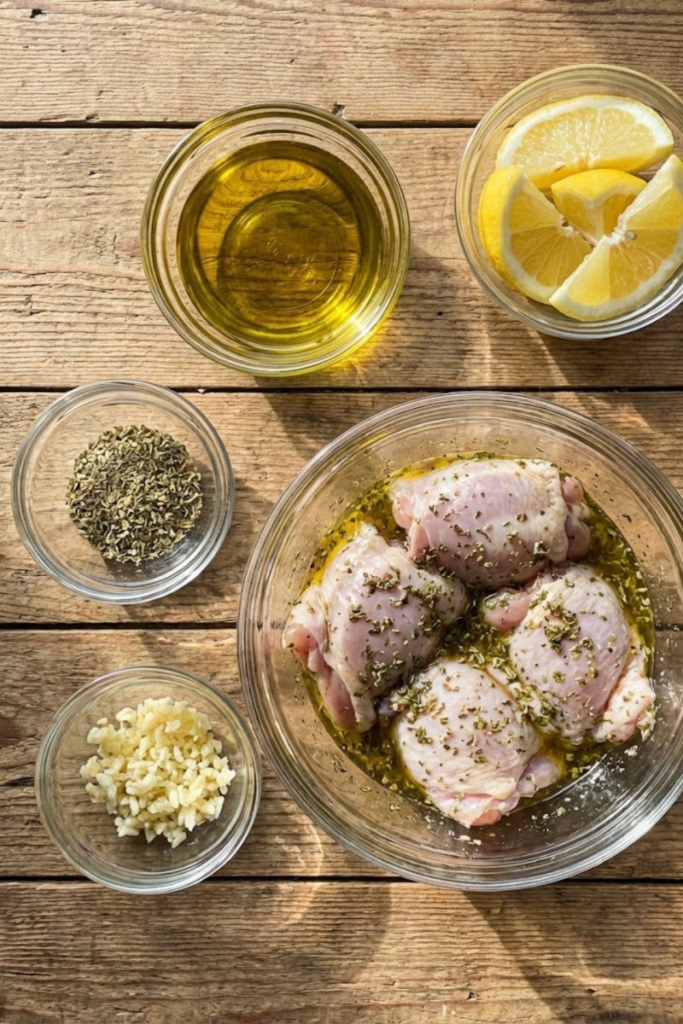
You really only need three main things to get that classic taste: lemon juice, olive oil, and dried oregano. I used to try getting fancy with fresh herbs, but here is the thing I learned the hard way. Fresh herbs burn on the grill. Dried oregano stands up to the heat way better.
You want to use good extra virgin olive oil. Don’t use the cheap stuff for this; you can taste the difference. And for the love of food, squeeze real lemons! I once used that plastic lemon squirt bottle because I was feeling lazy, and the chemical aftertaste ruined the whole bowl. Never again.
Stop Being Lazy with Garlic
I know, I know. Peeling garlic is annoying. Your fingers smell for days. But if you are using garlic powder in your Greek chicken marinade, you are cheating yourself. I tried it once when I was in a rush, thinking my kids wouldn’t notice. They noticed.
Fresh, minced garlic gets into the nooks and crannies of the meat. It caramelizes when you cook it. Powder just kind of sits on top and burns. Get a garlic press if you hate chopping, it saves so much time. Trust me on this one.
To Yogurt or Not to Yogurt?
Here is a debate I have with my neighbor all the time. She swears by an oil-based marinade, but I am Team Yogurt. Adding a scoop of plain Greek yogurt to the mix does something magical. The enzymes in the dairy break down the protein gently.
The result? The most tender chicken you have ever bitten into. It creates this nice little crust, too. If you want a really sharp, clean sear, stick to oil. But if you want juicy, melt-in-your-mouth texture, throw in the yogurt.
Patience is a Virtue (Unfortunately)
I am the most impatient person in the world. I usually decide what’s for dinner at 5:00 PM. But you have to give the marinade time to work. I’ve tried cooking it right away, and it was bland. I’ve also left it for two days, and the lemon juice turned the meat mushy.
The sweet spot is about 30 minutes to 2 hours. Just toss it in the fridge, go help with homework or fold some laundry, and come back. It makes a huge difference in the final taste.
How to Cook Perfect Greek Chicken Every Time
Okay, raise your hand if you’ve ever served chicken that was basically a hockey puck. I am definitely raising my hand right now. There is nothing worse than putting all that effort into a marinade only to ruin the meat on the stove. I used to think cooking chicken was just about blasting it with heat until I was sure it wasn’t raw anymore. Big mistake.
I learned the hard way that temperature control is everything. If you treat your protein nicely, it rewards you. If you abuse it with high heat for too long, you get dry, stringy sadness. Here is how I actually get it right these days.
Grilling for That Summer Char
If the weather is nice, I am firing up the grill. There is just something about the smoky flavor that pairs perfectly with the lemon and oregano. But here is where I used to mess up: I would throw the chicken on and walk away.
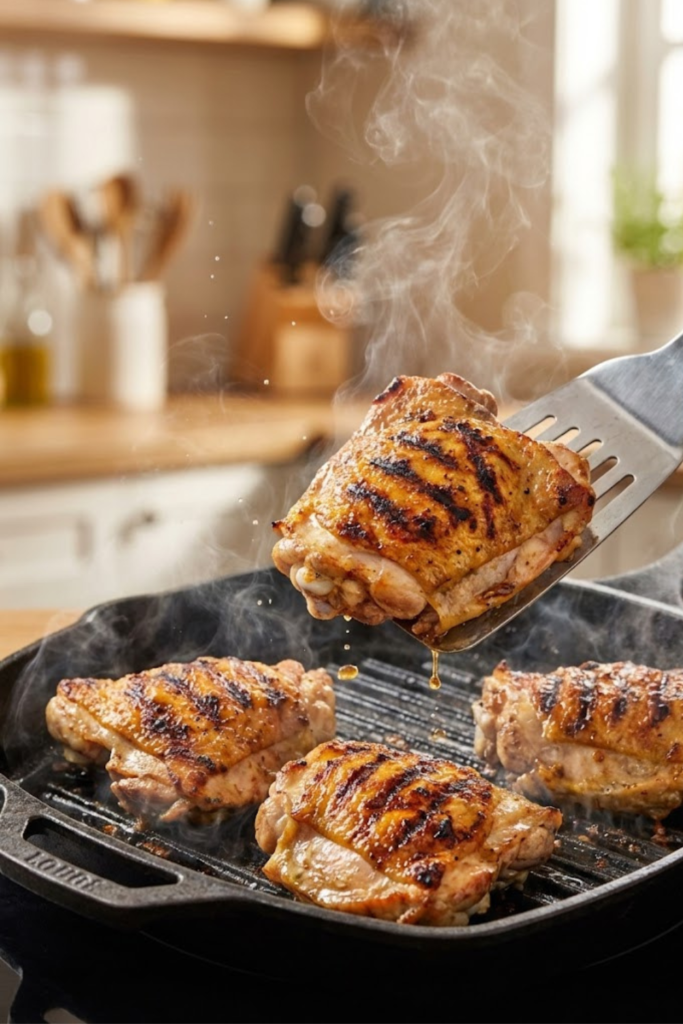
You have to watch it. Grilled chicken thighs are forgiving, but they can still burn if you aren’t paying attention. I like to oil the grates, not just the meat. I learned that trick after losing half the skin of a chicken breast to the grill grates last July. It was a tragedy.
Keep the lid closed to let the heat circulate, but check it every few minutes. You want those nice grill marks, but you don’t want charcoal. It’s a fine line.
The Stovetop Pan-Sear (My Weeknight Go-To)
Let’s be real, sometimes it’s raining, or I just don’t have the energy to uncover the grill. That is when my cast iron skillet comes out. Honestly, cast iron chicken might be my favorite way to cook this because you get those crispy edges.
I heat the pan until it’s pretty hot before I add the oil. If the oil doesn’t shimmer, the pan isn’t ready. I remember one time I put the chicken in a cold pan; it just boiled in its own juices. It was gross.
Don’t crowd the pan! I used to try to fit five pieces in at once to save time. All that did was steam the meat instead of searing it. Cook in batches if you have to. It’s annoying, but the flavor is worth it.
The Hands-Off Baking Method
If I am doing meal prep for the whole week, I am not standing by the stove flipping chicken for an hour. No way. Oven baked Greek chicken is the savior for bulk cooking.
I toss everything on a sheet pan and shove it in the oven at 400°F. It’s easy, but you won’t get that same char. To fix that, I usually switch the oven to broil for the last 2-3 minutes. Just don’t walk away while the broiler is on! I set off the smoke detector last month doing that, and my dog hid in the bathroom for an hour.
Stop Guessing, Start Measuring
Please, I am begging you, stop cutting into the chicken to see if it’s done. You let all the juices run out! I did this for years until my brother bought me a digital meat thermometer. It was a total game changer.
You are looking for an internal temperature of 165°F. Once it hits that, pull it off immediately. Actually, I take it off at 160°F and let it rest under foil. The heat keeps cooking it for a few minutes. Trust me, resting the meat is the secret to keeping it juicy.
Assembling Your Bowl: The Fresh Fixings
You know that feeling when you order a salad at a restaurant and it’s just perfect, but when you make it at home, it feels… sad? I used to have that problem constantly. I’d throw some chicken on lettuce and call it a day, then wonder why I was hungry an hour later. The secret isn’t actually the chicken; it’s all the other stuff you pack into the bowl.
Building the perfect Greek chicken bowl is basically an art form. It’s about texture. You need crunch, creaminess, and saltiness all in one bite. If you skip a layer, you really miss out on the full experience. Here is how I build mine to make sure every forkful is awesome.
The Base Layer Dilemma
For the longest time, I stuck to plain white rice because it was easy. But honestly? It gets boring. Lately, I’ve been swapping it out for quinoa or brown rice to get a bit more fiber. My husband complains if I switch it up too much, but he usually eats it anyway.
If you are trying to be healthy, cauliflower rice is an option. But here is a tip I learned the hard way: squeeze the water out of the cauliflower first! I made a cauliflower rice bowl last year without doing that, and the bottom of my bowl turned into a watery soup. It was disgusting. Now, I pan-fry the cauliflower rice until it’s dry and nutty. Much better.
The Crunch Factor
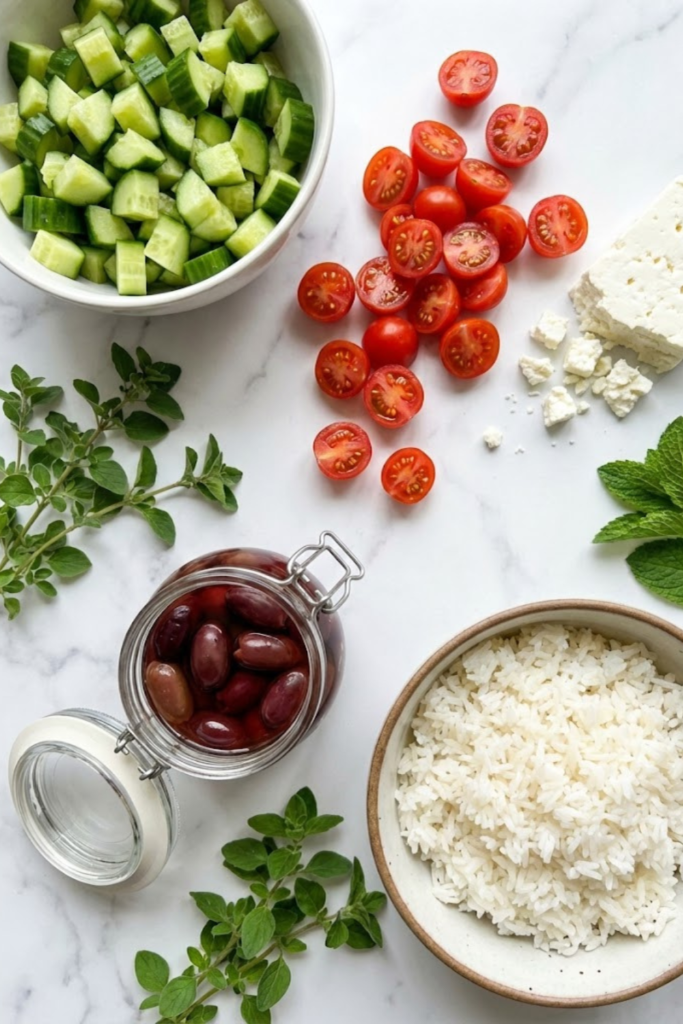
You cannot have a mushy bowl. You just can’t. I like to chop up Persian cucumbers because they have fewer seeds and stay crunchy longer. I used to use regular cucumbers, but the seeds made everything soggy by the next day.
I also throw in some red onion and bell peppers. One time, I chopped the onions way too big, and it overpowered the whole dish. My breath could have peeled paint off the walls. Slice them thin! It blends better with the cucumber tomato salad mix so you don’t get a mouthful of straight onion.
Salty & Savory: The Good Stuff
This is my favorite part. You need that salty punch to cut through the heavy yogurt sauce. I always use Kalamata olives. I accidentally bought the cheap black olives in a can once, and it tasted like nothing. Kalamata olives benefits include healthy fats, but mostly they just taste amazing.
And let’s talk about cheese. Please, do not buy the pre-crumbled feta. It is coated in starch to keep it from clumping, and it tastes like chalk. Buy the block of feta in the brine. It’s creamier, tangier, and just superior in every way. Crumbing it yourself takes five seconds.
Homemade Tzatziki (Don’t Skip This!)
I know it’s tempting to buy the tub of tzatziki at the store. I’ve done it when I was tired. But homemade tzatziki sauce is so easy, it’s criminal not to make it.
The key here is fresh dill and lemon. I tried using dried dill once when I ran out of fresh, and it was barely edible. Also, grate your cucumber and squeeze the juice out with a paper towel. If you don’t, your sauce will be runny. I learned that lesson when my sauce turned into cucumber milk. It wasn’t pretty, but hey, you live and learn.
Meal Prep & Storage Tips for Greek Bowls
I have a love-hate relationship with meal prepping. I love opening the fridge on a Tuesday and seeing dinner ready to go, but I hate the actual act of spending my Sunday afternoon chopping vegetables. However, for these Greek chicken bowls, the effort is actually worth it. I used to think I could just throw everything in one big tupperware and hope for the best. Big mistake. By Wednesday, my lunch was a soggy, sad mess.
If you want to be a healthy meal prep ideas genius, you have to be strategic about how you store things. I’ve learned a few tricks after ruining perfectly good chicken more times than I can count.
The Container Strategy
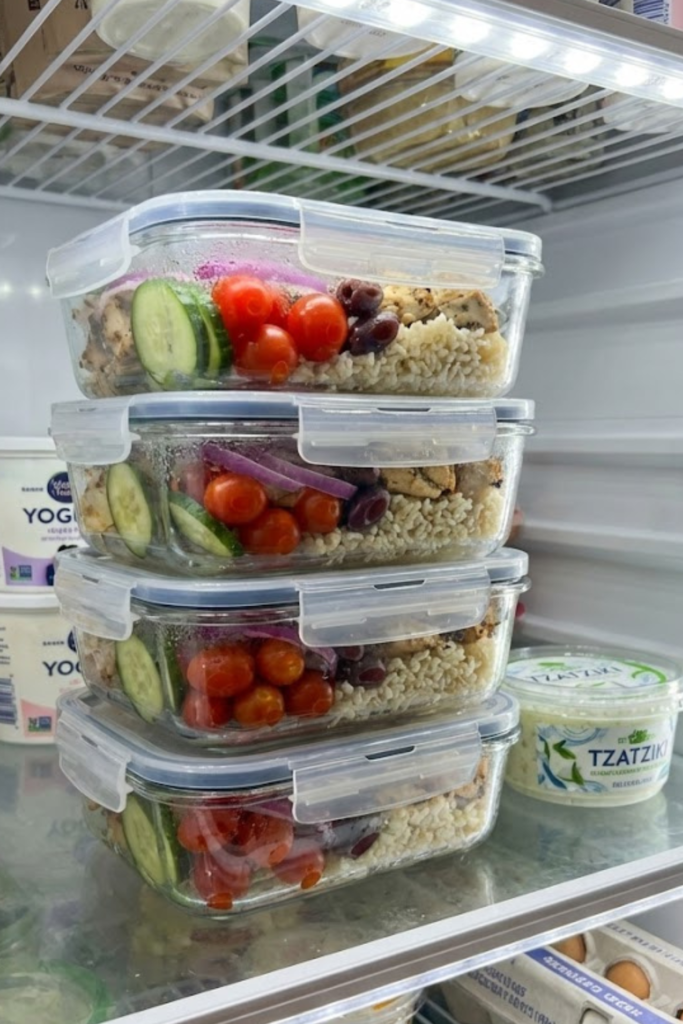
First off, plastic containers are the enemy here. They stain, they smell weird after a while, and they just don’t keep food as fresh. I finally switched to glass meal prep containers a few years ago, and I am never going back. But here is the real secret: dividers.
If you mix the juicy tomatoes and cucumbers with the rice, the rice soaks up all the liquid. It gets mushy and gross. I bought those containers with the little separate sections. It keeps the wet ingredients away from the dry ones until you are ready to eat. It sounds like a small thing, but it saves the texture completely.
Sauce on the Side (Always!)
Do not, and I repeat, do not put the Greek yogurt sauce on the bowl until you are about to eat it. I made this mistake when I first started prepping lunches for work. I drizzled the tzatziki all over the chicken on Sunday night.
By Tuesday, the sauce had separated into this weird watery liquid, and the chicken was slimy. It was not appetizing. Now, I use those tiny little dressing cups. I fill 5 of them up at once and just toss one in my lunch bag each day. It keeps the sauce fresh and creamy.
Fridge Life and Safety
How long does this stuff actually last? I’m usually comfortable eating the chicken for up to 4 days. After day 4, the texture starts to get a little questionable. If you are making a healthy office lunch for Friday, maybe cook that batch on Tuesday night instead of Sunday.
Also, chopped cucumbers and tomatoes tend to get slimy faster than the meat. I usually try to eat the bowls with the fresh veggies earlier in the week. If I need them for later in the week, I might chop the veggies fresh the night before. It’s a pain, but eating slimy cucumbers is worse.
Reheating 101: Don’t Microwave the Salad!
This sounds obvious, but I have done it. I was in a rush, threw the whole bowl in the microwave, and nuked it for two minutes. Have you ever eaten hot, wilted cucumber? It is absolutely terrible. It ruins the whole vibe of the nutritious dinner recipes you worked so hard on.
If you stored everything in one container, take a fork and fish out the cold stuff (cucumbers, tomatoes, feta, olives) before you heat the chicken and rice. I usually put the cold stuff on the lid while the rest heats up. Then, I mix it all back together. It takes an extra 30 seconds, but it makes the meal actually taste fresh instead of like leftovers.
So, there you have it. That is literally everything you need to know to make these bowls. I hope this guide helps you escape the boring dinner rut! These Greek chicken bowls have saved my sanity on more busy weeknights than I can count. It is honestly the perfect mix of feeling like you are eating something fancy and healthy, but with barely any actual stress in the kitchen.
Whether you are meal prepping for a chaotic work week or just want a fresh summer meal on the patio, you really can’t go wrong here. Remember, the secret is strictly in that marinade (give it time!) and keeping your veggies crisp by storing them separately. Once you get the hang of it, you will be making this on repeat.
If you enjoyed this recipe or learned a trick or two—like not microwaving the cucumbers, please!—I would love for you to share it.
Pin this recipe to your “Healthy Dinners” board on Pinterest so you never lose it!