Did you know that during the big game weekend, people eat about 1.45 billion wings? That is a whole lot of chicken! I have spent years trying to get that restaurant-quality crunch at home without making a giant mess of my kitchen. Honestly, my first few tries were a total disaster. They were soggy, sad, and way too salty. But I finally cracked the code for these garlic parmesan chicken wings!
You want wings that crackle when you bite into them. You want that punch of fresh garlic hitting your tongue followed by the salty goodness of aged parmesan. It is a flavor explosion! In this guide, I am going to show you exactly how to level up your wing game for 2026. Let’s get cooking!
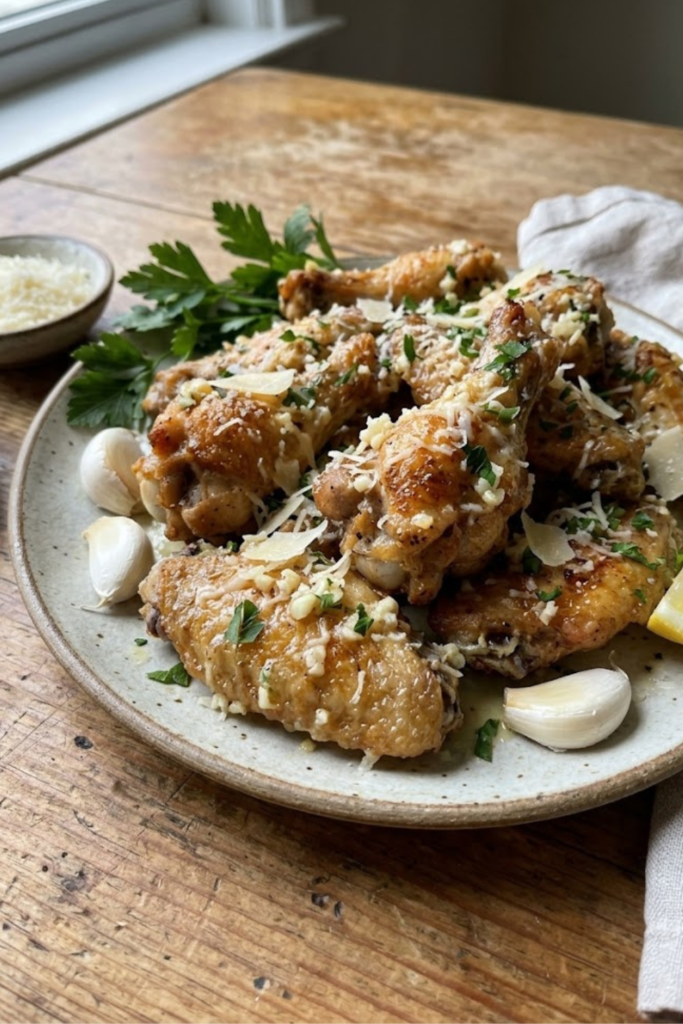
Choosing the Best Chicken Wings for Frying or Baking
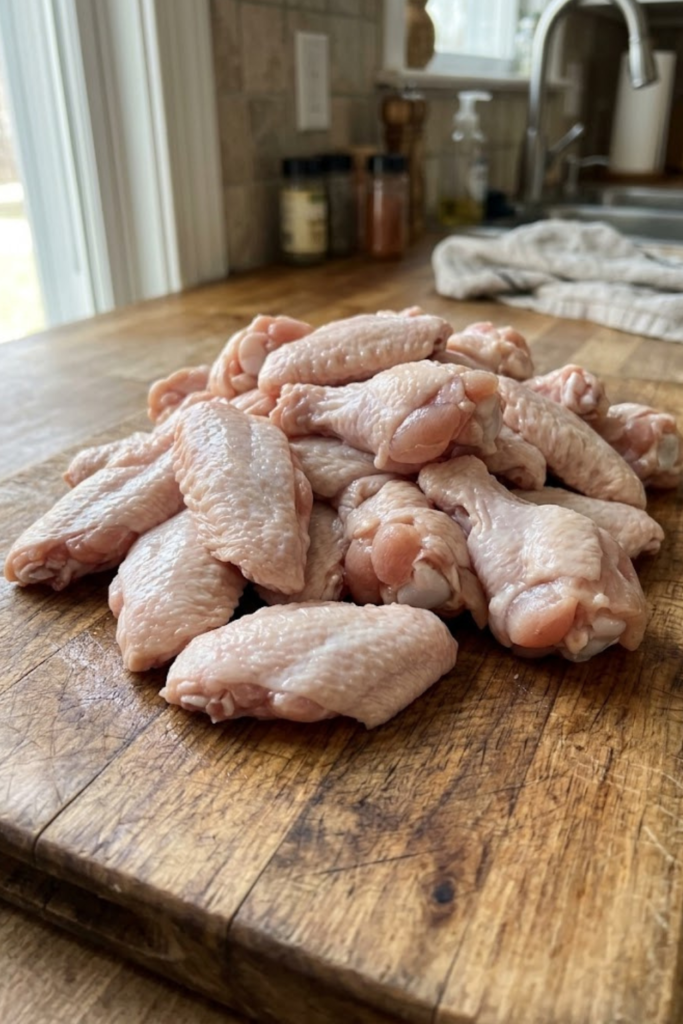
I have been cooking for a long time, and if there is one thing I’ve learned, it is that you can’t make a great meal out of bad ingredients. When you are getting ready to make garlic parmesan chicken wings, the very first thing you need to think about is the meat itself. I used to think a wing was just a wing, but that is not true at all. I remember one time I just grabbed the cheapest bag of wings I could find at the store. It was a big mistake. They were tiny, mostly bone, and had a weird smell. My kids barely touched them, and I felt like I wasted my whole afternoon. Now, I spend a little more time looking at what I’m putting in my grocery cart.
Fresh vs. Frozen: Which One Wins?
Whenever I can, I always try to buy fresh wings from the meat counter instead of the frozen bags. Frozen wings are okay if you are in a big hurry, but they usually have a lot of extra water in them. When that water leaks out in the oven or the air fryer, it makes your wings soggy instead of crunchy. It’s hard to get that perfect snap when the meat is swimming in its own juices! If you do have to use frozen ones, make sure you let them thaw all the way in the fridge. After that, you need to spend some time drying them off. I usually use a whole roll of paper towels to pat them dry. It sounds like a lot of work, but it helps the skin get that nice golden color we are looking for.
The “Party Wing” Cut Makes Life Easier
In the store, you are going to see “party wings” or “whole wings.” Party wings are already cut up into drums and flats for you. I usually pick these because I’m a bit lazy and I don’t want to spend twenty minutes hacking at bones with a kitchen knife. If you buy the whole ones, you have to find the joint and cut through it yourself. It can get pretty messy and it’s easy to slip and hurt your hand. The drums are the ones that look like tiny chicken legs, and the flats are the middle part with the two small bones. In my house, everyone fights over the flats because they get the crispiest!
Why Size Matters for the Best Crunch
Don’t go out and buy the giant “jumbo” wings. I know they look like a good deal, but they actually take way too long to cook. Usually, the skin starts to burn before the inside is even done. I like to find medium-sized wings. They have a good balance of meat and skin. You want enough skin so the garlic and the cheese have something to hold onto. If the wing is too big, it just doesn’t taste as good. Stick to the normal sized ones and your garlic parmesan chicken wings will turn out just right every single time. Trust me, your family will thank you for it!
The Secret Ingredient for Ultra-Crispy Wing Skin
I spent way too many years eating wings that were okay, but never really great. My biggest problem was always the skin. I’d bake them for an hour, and they would still come out kind of rubbery. It was so frustrating! I even tried frying them in a big pot of oil, but that made my whole house smell like a greasy spoon for three days. Plus, cleaning up that oil is a total nightmare. I almost gave up on making garlic parmesan chicken wings at home until I learned a secret from a science teacher friend of mine. It sounds weird, but the key to a perfect crunch is actually in your baking cabinet.
The Magic of Baking Powder
The secret is baking powder. Now, you have to be careful here because baking soda is not the same thing. If you use soda, your chicken will taste like a chemistry project gone wrong. But baking powder is a miracle worker. When you coat the wings in a little bit of it, it changes the pH level on the surface of the skin. This helps the proteins break down much faster so the skin can get brown and crispy without the meat getting dry. I usually use about one tablespoon for every dozen wings. You just toss them in a bowl until they look a little bit dusty. It looks funny at first, but once they hit the heat, that dust turns into a glass-like crunch that is honestly better than anything you get at a restaurant.
Cornstarch vs. Flour for the Coating
Some people like to use flour, but I’ve found that it can get a bit heavy and cakey. If you want a light crunch that doesn’t feel like a heavy breading, cornstarch is a much better choice. I sometimes mix a little bit of cornstarch with my baking powder to give it some extra body. Flour tends to soak up the juices and can turn into a soggy mess if you aren’t careful. Cornstarch stays crisp even after you pour the buttery garlic sauce over the top. It’s all about creating a surface that can stand up to the sauce without losing its snap.
The Importance of the Overnight Rest
If you really want to be the hero of the party, you should prep these the day before. After I coat the wings in the powder and salt, I put them on a wire rack over a baking sheet and leave them in the fridge overnight. You don’t even have to cover them! The cold air in the fridge pulls all the moisture out of the skin. Think of it like making beef jerky but for chicken skin. When the skin is bone-dry, it crisps up almost instantly in the oven. It makes a huge difference in the final texture.
Seasoning the Base Early
Before I even think about the parmesan, I make sure the wings have a good base of salt and pepper. I mix the salt right into the baking powder so every inch of the wing is seasoned. You want that salt to penetrate the meat while it sits in the fridge. This makes the chicken juicy on the inside while the outside gets that salty, savory crust we all love. Just don’t go too heavy on the salt at this stage because the parmesan cheese we add later is already pretty salty on its own. It’s a balancing act, but once you get it right, you’ll never go back to your old way of cooking.
Crafting the Ultimate Garlic Parmesan Sauce
The sauce is really where the magic happens. You can have the crunchiest wings on the planet, but if your sauce is bland or way too salty, nobody is going to want a second helping. I learned this the hard way at a neighborhood potluck a few years back. I spent all morning on the wings, but I just melted some salted butter and threw in some cheap garlic salt. It was so salty it actually made my mouth pucker! My neighbor, who is a retired chef, pulled me aside and told me that the sauce needs layers. It shouldn’t just be one note. Now, I take my sauce seriously because it’s the soul of the whole dish.
Start with a Good Butter Base
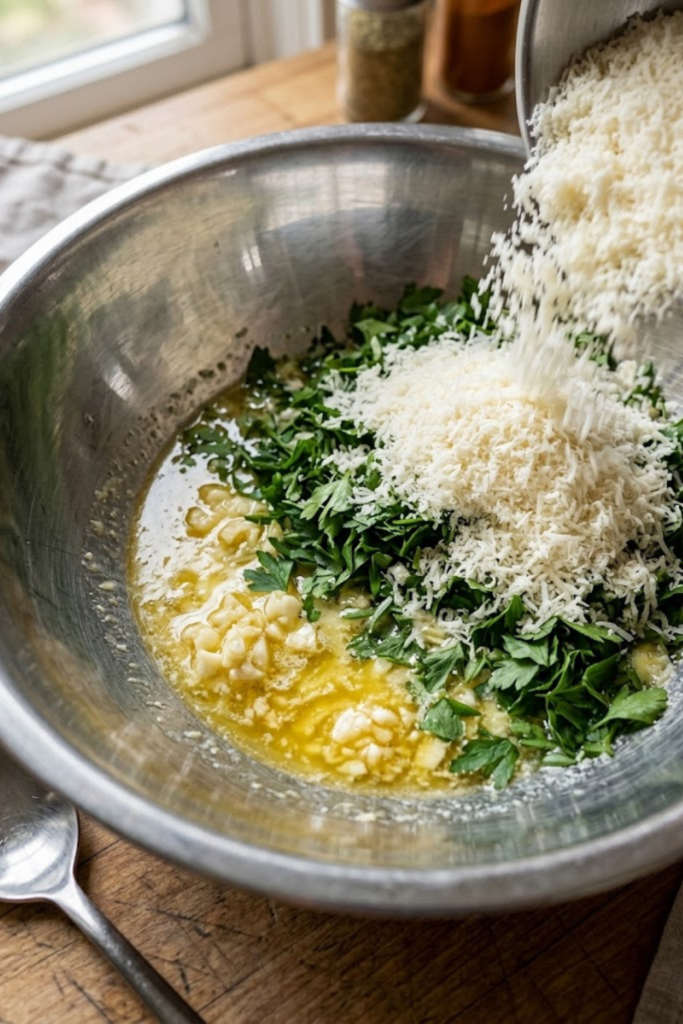
I always tell people to use unsalted butter. This is important because the parmesan cheese and the chicken seasoning already have a lot of salt. If you use salted butter, you lose control over the flavor. I like to melt the butter slowly in a small saucepan on the stove. You don’t want it to brown or burn; you just want it liquid and warm. If you get it too hot, the cheese will clump up later, and that makes a big mess. I usually use about half a cup of butter for a big batch of wings. It seems like a lot, but you want every single wing to be swimming in that buttery goodness.
The Double Garlic Threat
Some people ask me if they should use fresh garlic or garlic powder. My answer is always: use both! Fresh garlic gives you that sharp, spicy kick that hits your nose right away. I mince about four or five cloves as small as I can get them. But garlic powder is great too because it dissolves into the butter and coats every tiny crevice of the wing. By using both, you get a deep flavor that sticks to the meat. I throw the fresh garlic into the warm butter for just a minute to take the raw edge off, but I don’t let it turn brown. If garlic turns brown, it gets bitter, and that will ruin your whole dinner.
The Cheese Factor
You really want to get the good stuff here. Skip the green shaker bottle that sits on the shelf for months. Go to the deli section and find a block of Parmigiano-Reggiano. I like to grate it myself using the finest side of the grater. The smaller the cheese bits, the better they stick to the wings. If the pieces are too big, they just fall off and sit at the bottom of the bowl. When you toss the hot wings in the sauce, the cheese melts just a little bit, creating a creamy coating that is absolutely addictive.
Adding Herbs for a Pop of Color
Lastly, I always add a handful of fresh chopped parsley. It doesn’t add a ton of flavor, but it makes the wings look like they came from a fancy restaurant. I also like to add a pinch of red pepper flakes. It doesn’t make them spicy, but it adds a tiny bit of warmth that cuts through all that heavy butter and cheese. Just a quick stir, and your sauce is ready. When I pour this over my crispy wings, the smell fills the whole house. It is easily the best part of the entire cooking process!
Air Fryer vs. Oven: Which Method Wins?
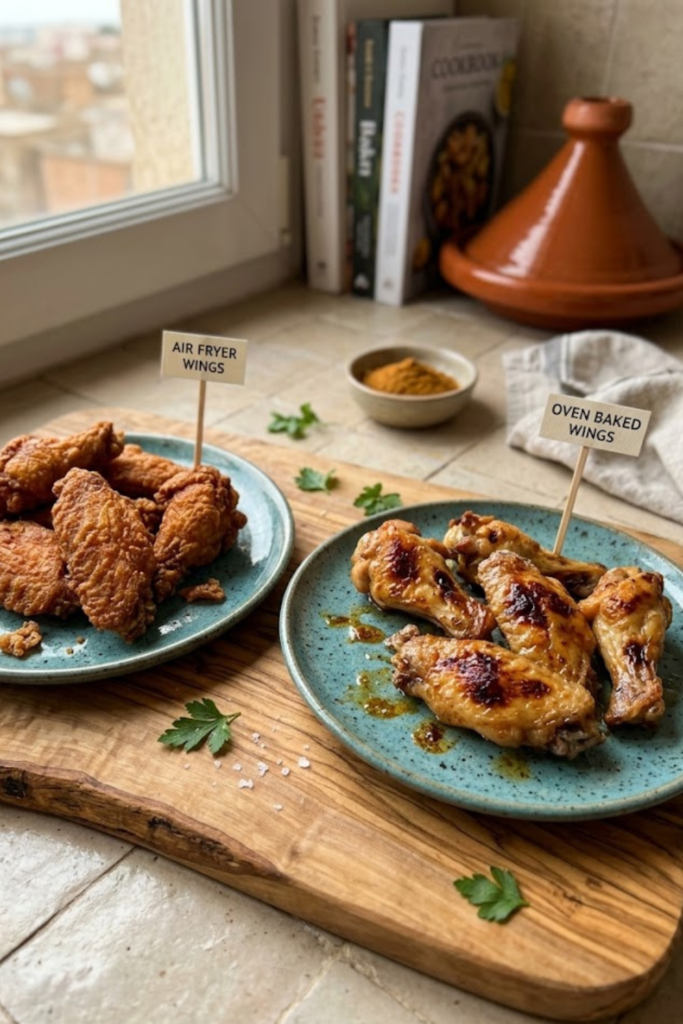
I get asked this all the time by my fellow teachers in the breakroom. Everyone wants to know the “best” way to cook garlic parmesan chicken wings. Some people swear by their air fryers like they are a new religion, while others think the traditional oven is the only way to go. Honestly, I have tried both ways about a hundred times, and it really depends on how many people you are trying to feed and how much time you have. Back when I first started, I tried to cook twenty wings in a tiny air fryer. It was a mess! They were all piled on top of each other and half of them came out white and soggy. I learned my lesson the hard way that day.
The Speed of the Air Fryer
If it is just me and my wife sitting down for a quick Friday night snack, the air fryer is a total game changer. It is basically a tiny convection oven that blows hot air around at high speeds. Because the space is so small, it gets the skin of the wings incredibly crunchy in about 20 minutes. I don’t even have to wait for a big oven to preheat for fifteen minutes. The crunch you get from an air fryer is very close to deep frying, but without all the heavy oil. The only downside is the space. You can’t crowd the basket. If the wings are touching too much, the air can’t get to the skin, and you won’t get that snap when you bite into it.
Using the Oven for Big Crowds
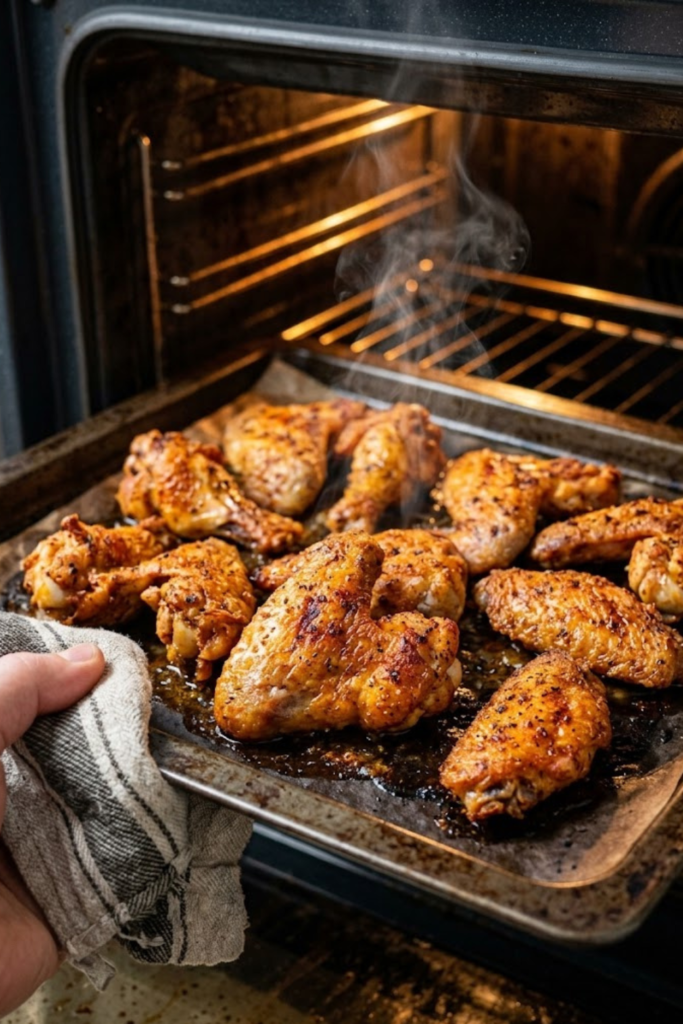
Now, when I have the whole family over for a birthday or a football game, the air fryer just doesn’t cut it. I can’t be standing in the kitchen making five different batches while everyone else is having fun in the living room! That’s when the big oven comes in handy. I use two large baking sheets and put wire cooling racks on top of them. The wire racks are the most important part because they let the heat get under the wings. If you put them flat on a cookie sheet, the bottom side stays mushy and gross. In the oven, I can cook forty or fifty wings at once. It takes longer—usually about 45 to 50 minutes—but everyone gets to eat at the same time.
Finding the Right Temperature
Whether you use the air fryer or the oven, you have to get the heat right. I found that 400°F (205°C) is the magic number. If you go lower, like 350, the fat in the chicken skin doesn’t melt fast enough and the wings stay greasy. If you go much higher, the skin might burn before the meat is cooked through. I always set my timer for halfway through so I can flip them over. Flipping is key! It makes sure both sides get that beautiful golden brown color. I usually use a pair of metal tongs so I don’t poke holes in the skin and let the juices out.
The Final Toss
Once they are done and looking beautiful, I pull them out and let them sit for just a minute. Then, I dump them into a big metal bowl and pour my homemade garlic parmesan sauce over them. Give them a good shake! You want to hear that “clinking” sound of the crispy skin hitting the side of the bowl. That is how you know you did it right. If they sound soft or quiet, they might need another five minutes in the heat to crisp up. When they are perfectly coated, they are ready to serve immediately!
Bringing the Restaurant Experience Home
Well, there you have it! We have gone through the whole process, from picking out the best meat at the store to making that buttery, cheesy sauce that smells like heaven. I really hope you give this a try the next time you have a few friends over or just want a special treat for yourself on a Tuesday night. Being a teacher, I am always looking for “teachable moments,” and I think learning how to cook a perfect wing is one of the best lessons you can learn in the kitchen. There is just something so satisfying about putting a plate of food down on the table and watching it disappear in about five minutes. It makes all that time spent patting chicken dry with paper towels feel totally worth it.
What to Do with Leftover Wings?
Now, if you are like me, you might accidentally make way too many wings because you were worried about people going hungry. If you have leftovers, please do me a huge favor: stay away from the microwave! Putting a crispy wing in the microwave is like putting a beautiful silk shirt in a blender. It just ruins it. The skin gets soft and chewy like a rubber band. Instead, throw them back in the air fryer or a hot oven for about five or six minutes. They will crisp right back up and taste almost as good as they did when they were fresh. I actually think the garlic flavor gets even stronger the next day, which is a nice little bonus for your lunch.
The Great Dipping Sauce Debate
Of course, we can’t talk about wings without talking about what you dip them in. In my house, this is a big deal. I am a huge fan of a cold, creamy ranch dressing. I think the cool herbs in the ranch go perfectly with the warm garlic butter. But my wife? She is strictly a blue cheese person. She likes that extra funky kick. Honestly, these wings have so much flavor on their own that you don’t even really need a dip, but having a little bowl of something cold on the side is always a good idea. Throw in some celery sticks too, just so you can tell yourself you ate some vegetables!
I’ve made these for so many school potlucks and family reunions, and they are always the first thing to go. It’s a great feeling when someone asks you for the recipe because they can’t believe you made them in your own kitchen. If you end up making these, I would love to hear how they turned out for you!
If you loved this guide, please save it to your favorite appetizer or game day board on Pinterest so you can find it whenever the wing craving hits!