I’ve spent twenty years in a classroom, and let me tell you, a room full of hungry middle schoolers is nothing compared to my own kids at 6:00 PM on a Tuesday! Did you know that nearly 70% of families struggle to find time for a home-cooked meal more than three nights a week? It’s a real battle. I used to rely on the drive-thru way too much, and my wallet—and my energy—really felt it. This easy cheesy ground beef pasta skillet quick family dinner saved my sanity. It’s a one-pot wonder that feeds the whole crew without leaving a mountain of dishes. You just brown the meat, toss in the noodles, and let the cheese do the heavy lifting!
Choosing the Right Ground Beef for a Non-Greasy Skillet
I can’t tell you how many times I’ve messed this up over the years. Back when I first started cooking for my family, I would just grab the cheapest tube of meat at the grocery store without looking at the label. I honestly thought ground beef was just ground beef. Boy, was I wrong! One night I made a version of this pasta and it looked more like a grease soup. The kids wouldn’t even touch it, and I didn’t blame them one bit. Picking the right meat is the most important part of this whole dinner. It sets the tone for everything else you put in the pan, and it’s the foundation of a good meal.
Finding the Sweet Spot for Fat Content
If you look at the meat case, you’ll see numbers like 80/20 or 90/10. These represent the meat-to-fat ratio. For a skillet meal like this, I usually aim for 85/15. Why? Because 80/20 has a bit too much oil that ends up soaking into the noodles, making them feel heavy and a bit gross. On the other side, 93/7 or “extra lean” ground beef can get really dry and crumbly. It lacks that beefy flavor we all want in a comfort food dish. If you only have the fattier 80/20 on hand because it was on sale, that’s totally fine, but you just have to be ready to do a little more work at the sink later to get that grease out.
Why You Should Not Rush the Browning Process
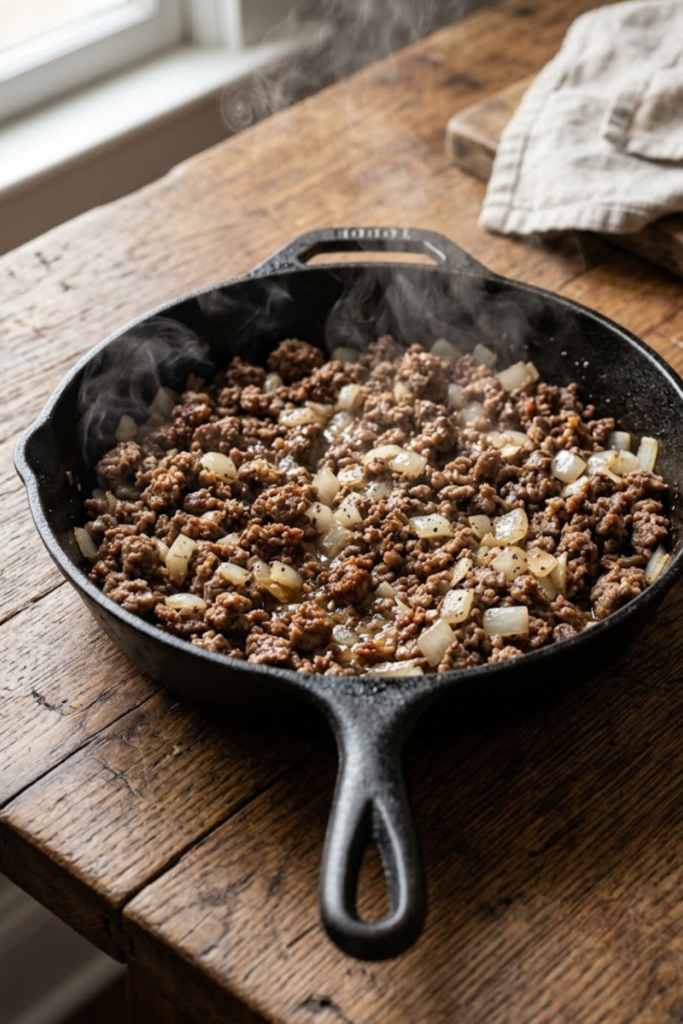
A big mistake I see—and I did this for years—is throwing the meat in the pan and immediately breaking it into tiny little pieces. If you do that, the meat just steams in its own juices and turns a sad grey color. You want to get the pan nice and hot first. Lay the beef down in big chunks and let it sit for a few minutes without touching it. You want to see that dark brown crust form. In the cooking world, people use fancy words for this, but let’s just call it “flavor.” That brown stuff on the bottom of the pan is going to mix with your sauce and create a deep, rich taste that makes people think you spent hours on dinner.
The Proper Way to Drain Excess Grease
Even with the best meat, you’ll have some liquid left over in the skillet. Please, don’t leave it all in there! If you do, the cheese will slide right off the noodles instead of sticking to them. I keep an old empty soup can under my sink just for this. I tilt the skillet carefully and spoon out the extra oil into the can. Some people use a paper towel to soak it up, which works too if you’re careful. Just leave about a tablespoon of the fat in the pan so the onions and garlic have something to cook in. This simple step keeps your easy cheesy ground beef pasta skillet from being a heavy, oily mess that sits like a brick in your stomach.
The Secret to One-Pot Pasta Perfection
I used to think that the only way to cook pasta was in a giant pot of boiling salted water. That’s what they teach you in every basic cookbook, right? But after a long day at school, the last thing I wanted to do was wait ten minutes for water to boil, then drain it, then mix it back in. It felt like so much extra work for no reason. When I found out the secret to cooking the noodles right in the same skillet as the beef, it was like a lightbulb went off. It doesn’t just save time; the noodles actually taste better because they soak up the beef broth instead of just plain water.
Mastering the Liquid Balance
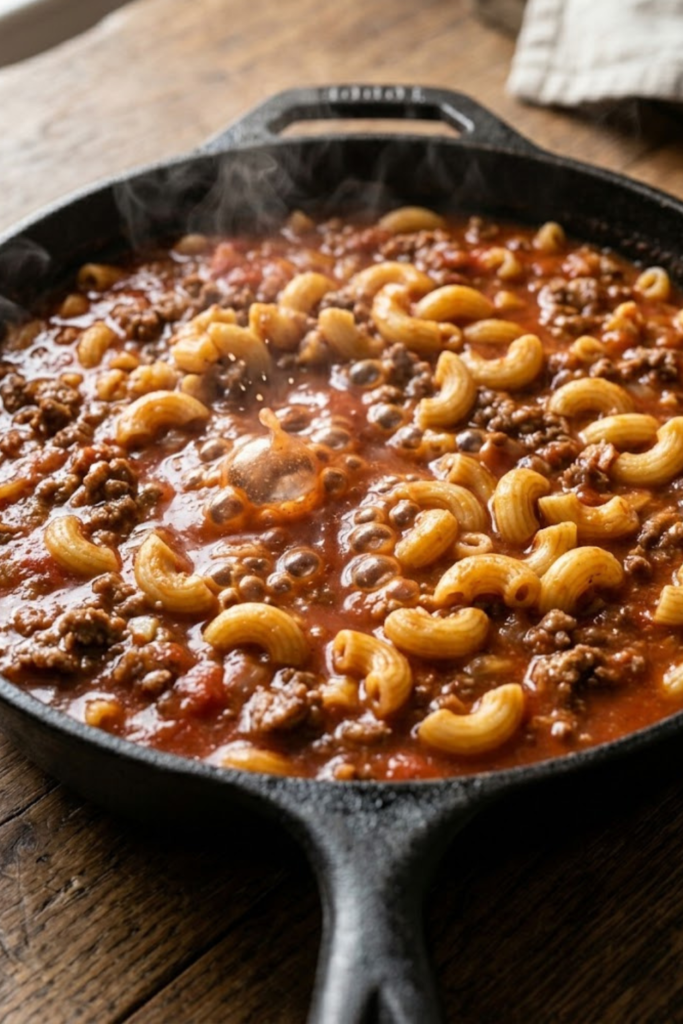
This is where most people get nervous. If you add too much liquid, you get soggy soup. If you add too little, you get crunchy noodles that stick to the pan. For this easy cheesy ground beef pasta skillet quick family dinner, I usually go with a two-to-one ratio. For every cup of dry macaroni, I add about two cups of liquid. This is usually a mix of beef broth and a little bit of tomato sauce. My big tip here is to keep a little extra broth on the side. Every stove is different, and sometimes the liquid evaporates faster than you expect. If the noodles look thirsty but they aren’t soft yet, just pour in a splash more. It’s a lot easier to fix dry pasta than it is to fix a swampy mess!
Keep the Lid On and the Heat Low
One mistake I made early on was keeping the heat too high. I thought if it was boiling hard, it would cook faster. All that did was burn the bottom of my skillet while the noodles on top stayed hard. You want a gentle simmer—just a few bubbles popping up. I always put a lid on the skillet during this part. The steam stays trapped inside and helps cook the pasta evenly from all sides. I usually give it a good stir every three or four minutes just to make sure nothing is grabbing onto the bottom of the pan. It takes about 10 to 12 minutes usually, which is just enough time for me to quickly wipe down the counters or get the kids to set the table.
The Magic of Starchy Pasta Water
The coolest part about this method is what happens to the sauce. When you boil pasta in a big pot and pour the water down the drain, you are literally throwing away the secret ingredient. Pasta releases starch as it cooks. In a one-pot meal, that starch stays in the skillet and acts as a natural thickener. It turns a thin broth into a rich, silky sauce that clings to the beef and the noodles. This is why the final dish feels so much heartier than if you just mixed cooked pasta with meat at the end. It’s a small detail, but it makes a massive difference in how good the meal feels.
Creating the Ultimate Gooey Cheese Blend
Now we get to the absolute best part of the whole process—the cheese! If you ask my students what their favorite food group is, I bet half of them would say cheese. In my house, it’s the same way. The cheese is what turns a regular pan of meat and noodles into an easy cheesy ground beef pasta skillet quick family dinner. But I’ve learned over the years that not all cheese is created equal. If you just throw any old thing in there, you might end up with a greasy mess or clumps that don’t melt. Getting that perfect, gooey texture is a bit of a science project, but it’s one that tastes way better than the ones in my classroom!
Why Freshly Grated Cheese Wins Every Time
I used to be a big fan of the bags of pre-shredded cheese because it saved me five minutes of prep. I thought I was being efficient. But I kept noticing that the cheese wouldn’t really “melt” together; it just kind of sat on top in little waxy strings. Then I found out that the companies put cellulose or potato starch on the shredded cheese so it doesn’t stick together in the bag. That stuff also stops it from melting smoothly! Now, I always buy the big blocks and grate it myself. It takes a little extra muscle, but the difference is huge. The cheese melts into a creamy, dreamy blanket that coats every single piece of pasta.
Mixing Your Flavors for the Best Result
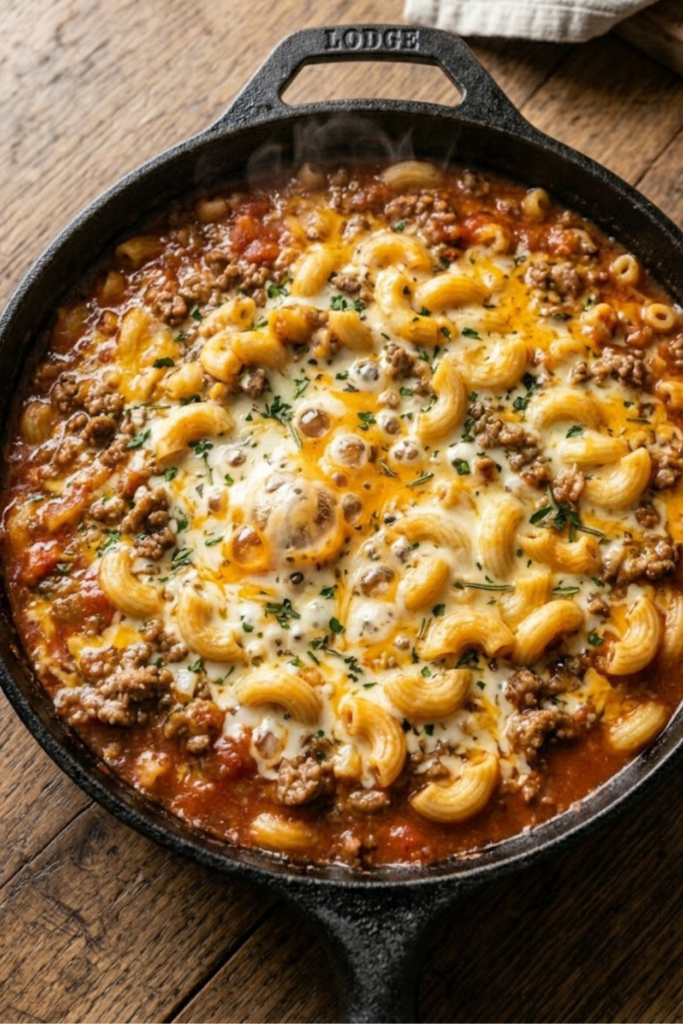
Don’t just stick to one kind of cheese if you can help it. I like to use a “triple threat” blend. I start with sharp cheddar because it has that classic, bold taste that stands up to the ground beef. Then, I add some mozzarella. Mozzarella doesn’t have a ton of flavor on its own, but it’s the king of the “cheese pull.” Finally, I usually toss in a bit of Monterey Jack or even some Muenster because they melt at a very low temperature and make everything extra creamy. Mixing them together gives you the best of both worlds: great flavor and that stretchy, picture-perfect look that makes the kids actually want to finish their plates.
How to Get That Perfect Cheese Pull
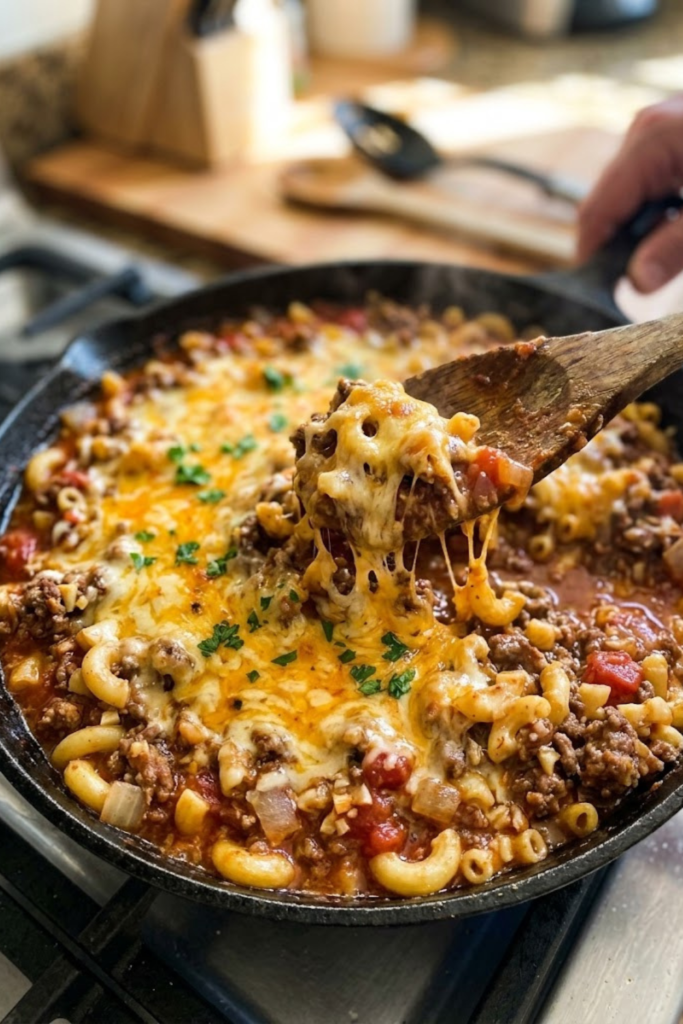
The secret to the perfect finish is all in the timing. If you cook the cheese too long, the oils separate and it gets oily. I wait until the pasta is totally done and the heat is turned off. I stir in about half of my grated cheese blend so it gets into all the nooks and crannies of the macaroni. Then, I sprinkle the rest over the top in a thick layer. I put the lid back on the skillet and just let it sit for two or three minutes. The trapped steam melts the top layer perfectly without overcooking it. When you lift that lid and pull out a spoonful, you’ll get those long, stretchy cheese strings that everyone loves. It makes the dinner feel special even though it only took half an hour to make.
Wrapping Up Your Weeknight Win
I really hope this recipe becomes a staple in your house like it has in mine. As a teacher, I know how hard it is to balance a full work schedule with the needs of a family that seems to always be hungry the second I walk through the door. Finding a meal that doesn’t require a ton of brainpower but still tastes like a million bucks is a huge win. This easy cheesy ground beef pasta skillet quick family dinner isn’t just about food; it’s about taking back a little bit of your evening so you aren’t stuck standing over a hot stove for two hours. It’s simple, it’s fast, and most importantly, it’s something everyone will actually eat without complaining.
Customizing the Skillet for Your Family
One of the things I love most about this dish is how easy it is to change based on what you have in the pantry. If you don’t have macaroni, use penne or rotini. If your kids are picky about onions, you can use onion powder instead of fresh ones to get the flavor without the “crunch” they hate. Sometimes I’ll even throw in a handful of frozen peas or some chopped bell peppers during the simmering stage to sneak in some extra nutrition. It’s a very forgiving recipe, so don’t be afraid to experiment. You can even swap the ground beef for ground turkey if you want a lighter version, though you might need to add a bit more seasoning to make up for the lower fat content.
Storing and Reheating for Busy Days
If you’re lucky enough to have leftovers, this meal actually tastes even better the next day. The flavors have more time to hang out together in the fridge. I usually put the leftovers in individual glass containers so I can grab one for my lunch at school the next day. When you reheat it, the pasta might have soaked up all the sauce, so I suggest adding a tiny splash of water or milk before you put it in the microwave. This helps bring that creamy, cheesy texture back to life so it doesn’t get dry. It’s a lifesaver on those days when I have meetings through my lunch break and just need something filling and fast.
Share the Love on Pinterest
I’ve spent a lot of time testing out different ways to make this meal perfect, and I’m so happy to share my “teacher hacks” with you. If this skillet meal saved your Tuesday night, I would love for you to help me out! Please take a second to pin this recipe to your favorite board on Pinterest. It helps other busy parents find easy dinner solutions, and it keeps my little corner of the internet growing. I’d also love to hear if you added any of your own twists to it. Cooking is always better when we share what works! Thanks for letting me be a part of your kitchen tonight.