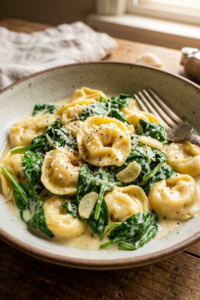
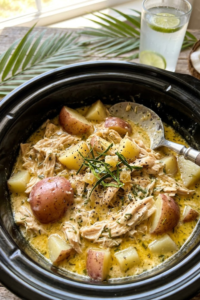
Did you know that lemon is one of the most searched flavor profiles for spring holidays? I’m so excited to share this with you! Honestly, Easter just doesn’t feel right without that bright, citrusy zing on the dinner table. For years, I struggled with dry chicken, but I finally cracked the code to making it tender and bursting with flavor every single time. This Easter lemon chicken recipe is going to be your new go-to because it’s simple, fresh, and honestly, just plain delicious! Whether you’re hosting a big crowd or a small family brunch, this dish brings that sunny, tropical vibe right to your plate.
Choosing the Right Cut: Thighs vs. Breasts
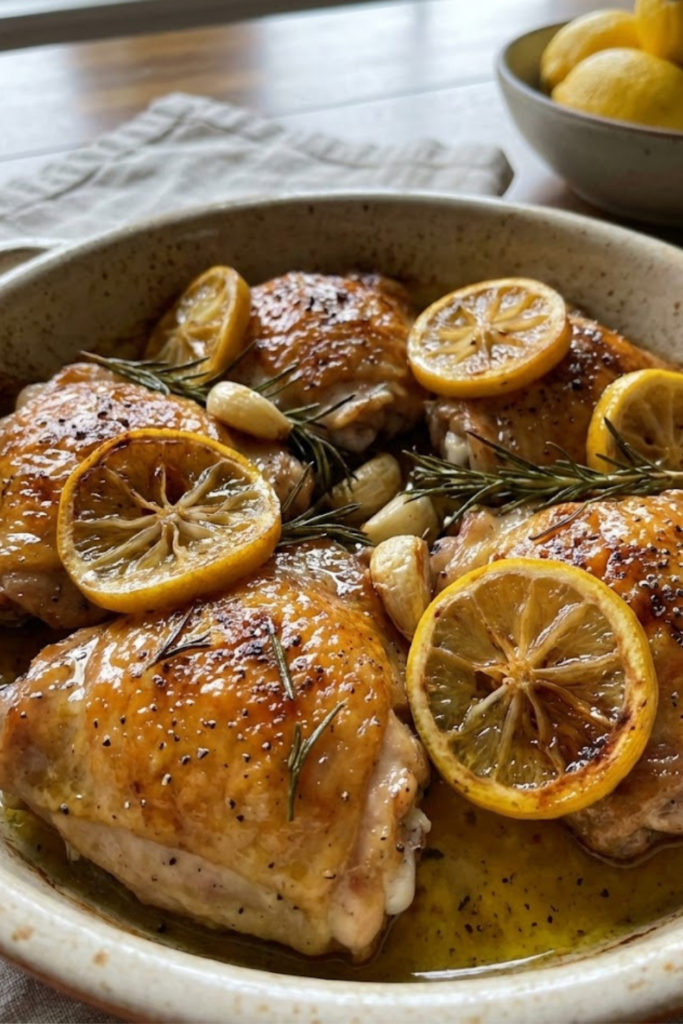
I’ve messed this up more times than I can count. One time I used super thin chicken breasts and they turned into cardboard by the time the lemon slices looked pretty. My family still teases me about that “chicken jerky” Easter of 2019! If you want the best results for your Easter lemon chicken recipe, I really suggest you go with bone-in, skin-on thighs. They have more fat, which is great because it means they won’t dry out if you leave them in the oven five minutes too long while you’re busy hiding eggs for the kids.
When you’re at the store, I usually look for the family packs since they’re cheaper. You’ll want to trim off any of those big hanging bits of fat with kitchen scissors, but definitely keep that skin on! The skin acts like a little blanket that keeps the meat tender while it roasts. If your family really only likes white meat, you can use breasts, but try to buy the ones with the ribs still attached. It helps protect the meat from the high heat.
Another big tip: don’t crowd your pan. I once shoved twelve pieces of chicken into one tiny tray and they just boiled in their own juices. It was kind of grey and soggy—not exactly the golden, crispy look we want for a holiday. Give the chicken some room so the hot air can move around. This helps the skin get that perfect crunch while the inside stays nice and juicy.
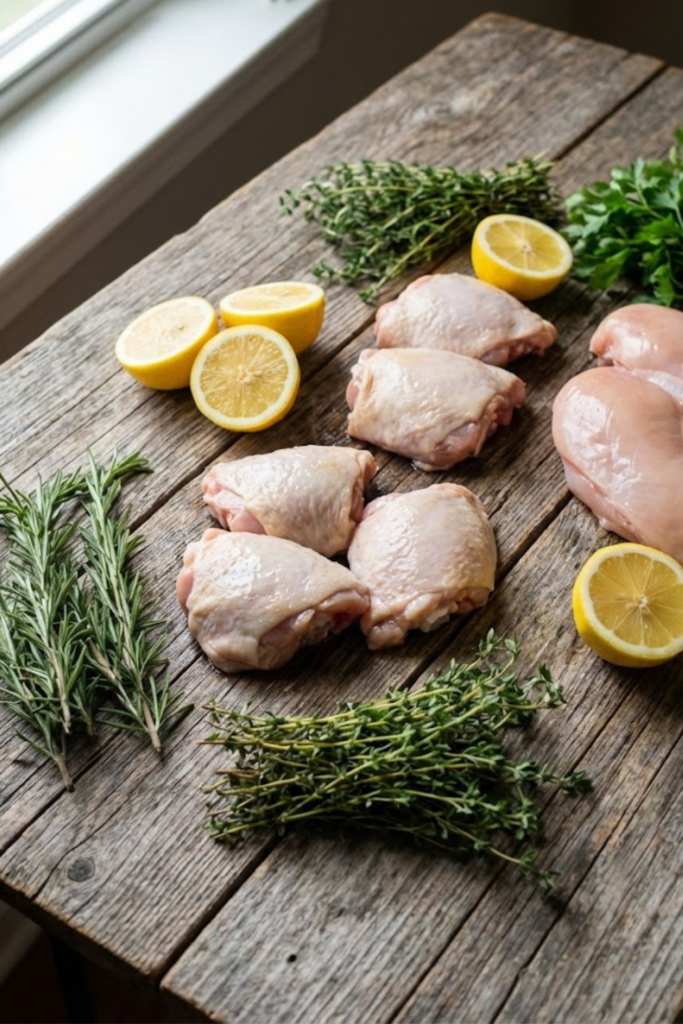
The Secret Citrus Marinade Ingredients
I’ve spent way too much time obsessing over how to get that perfect zing for my Easter lemon chicken recipe. To be honest, I once thought the bottled juice from the green plastic lemon was “good enough” for a quick family dinner. Boy, was I wrong! That stuff has a weird metallic aftertaste that totally ruins the vibe of fresh spring herbs. I’ve realized that since it’s a holiday meal, you really can’t cut corners on the fruit. When you go to the store, look for lemons that feel heavy for their size and have a thin, smooth skin—those are always the ones with the most juice inside. I usually buy a whole bag because you’ll want extra wedges for serving later anyway.
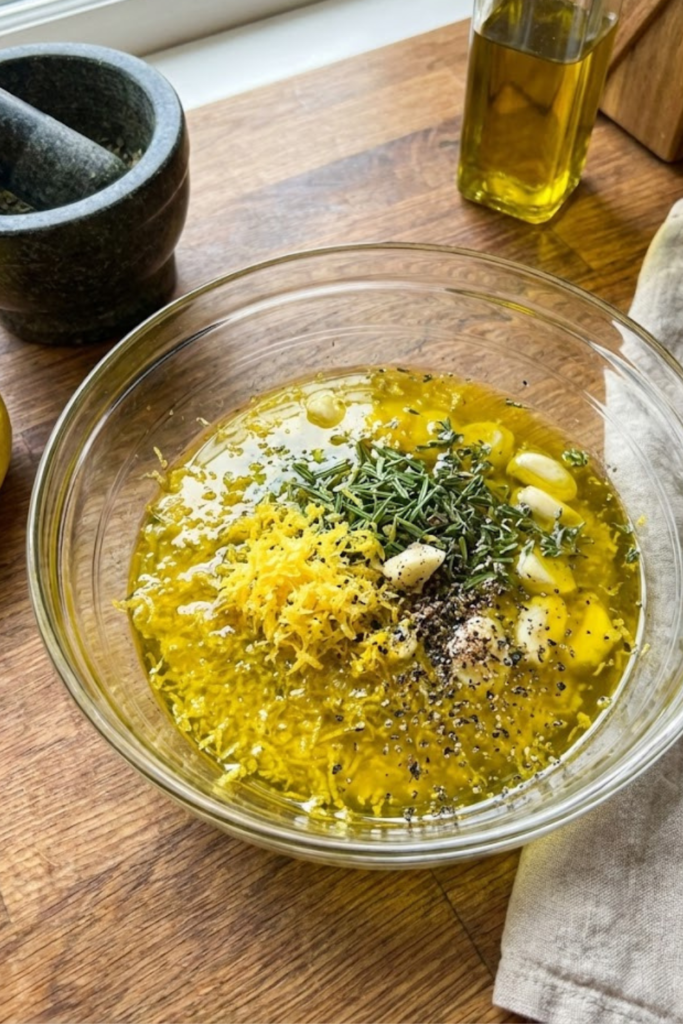
Now, I only use real, heavy-bottomed lemons because the juice is brighter and less bitter. One little trick I learned the hard way: always zest your lemons before you juice them. Trying to zest a squished, juiced lemon half is a great way to lose a fingernail on the grater! Plus, the zest is where all those fragrant oils live. If you skip the zest, you’re missing out on half the flavor. I like to rub the zest into the salt before mixing the rest of the liquid, which really helps release that amazing citrus aroma throughout the whole kitchen.
Getting the Herb Balance Right
For the herbs, I usually grab whatever is looking perky in my little windowsill garden. Rosemary and thyme are the classic heavy hitters here, but I’ve found that adding a bit of fresh oregano gives it a cool Mediterranean twist. Don’t be shy with the garlic cloves either; I usually double what any recipe says because, well, garlic is life. If you really want to be extra, try smashing the garlic with the side of your knife instead of mincing it perfectly. This lets the juices flow out without the tiny bits burning too fast in the hot pan later.
I remember one year I forgot to add a pinch of sugar or honey to the mix. The marinade was so sour it actually made my cousin’s eyes water! Now, I always whisk in about a teaspoon of honey to balance out the acidity from the citrus. It also helps the chicken get those beautiful brown charred bits in the pan. That little bit of sweetness doesn’t make the chicken taste like dessert; it just rounds everything out so it’s not too sharp. I’ve even tried maple syrup once when I was out of honey, and it gave the sauce a really interesting depth that my family loved.
Marinade Pro-Tips
- Whisking is Key: Make sure you emulsify the extra virgin olive oil and lemon juice until it looks cloudy. If you see the oil floating on top, it won’t stick to the meat properly.
- Time Matters: Don’t let the chicken sit in the lemon for more than 4 hours, or the acid starts to cook the meat and makes the texture all mushy. I find that two hours is the sweet spot for the best flavor.
- Salt Early: I like to add my kosher salt directly into the marinade so it can penetrate deep into the chicken thighs. This keeps the meat seasoned all the way through, not just on the surface.
Sometimes I get a bit lazy and just throw everything in a gallon-sized plastic bag. It actually works better than a bowl because you can massage the marinade into every nook and cranny. Plus, it’s one less dish to wash, which is a total win in my book. Just make sure the bag is sealed tight—I’ve had a “lemon juice in the fridge” disaster before, and it smells great but is a pain to clean up! I usually put the bag inside a bowl just in case there’s a tiny leak. It’s a small step that saves a lot of scrubbing later on.
Master the Sear: Getting That Golden Skin
I used to think that just tossing the meat in the oven was enough to get it done. Man, was I wrong! I remember one Easter Sunday where I served what looked like boiled, grey chicken to my in-laws, and the silence at the table was deafening. Since then, I’ve learned that the secret to a truly mouthwatering Easter lemon chicken recipe is all in the initial sear.
If you want that crispy skin that crackles when you bite into it, you have to start with a screaming hot pan. I personally swear by my heavy cast iron skillet because it holds heat like a champ. Just be careful not to crowd the pieces, or they’ll just steam instead of browning. You really want to hear that loud sizzle the second the meat touches the metal; if it’s quiet, the pan isn’t ready. I usually let the oil get just to the point where it’s shimmering before I even think about adding the chicken. It takes a bit of patience, but skipping this step is how you end up with soggy skin that nobody wants to eat.
The Importance of a Dry Surface
One of the biggest mistakes I made for years was taking the chicken straight from the marinade and dropping it into the oil. The moisture creates a massive steam cloud and prevents any actual browning from happening. Now, I always pat the skin bone-dry with paper towels before it touches the pan. It feels like you are wiping away all that hard work you put into the marinade, but don’t worry. The lemon and garlic have already soaked into the meat, and the surface needs to be dry to get that beautiful color.
It sounds counterintuitive to wipe off the flavor, but trust me, the seasoning is already in the meat. You can always sprinkle a little extra kosher salt and cracked black pepper right before it hits the oil. It makes a world of difference for the texture. If you leave the skin wet, the heat goes into evaporating the water instead of crisping the fat. I’ve found that taking an extra minute to really dry each piece properly is what separates a basic home meal from something that looks like it came from a fancy bistro.
Getting the Temperature Right
You want to see that skin turn a deep, golden mahogany color before you even think about flipping it. Don’t poke and prod it; just let it sit and do its thing for about 5 to 7 minutes. If the chicken is sticking to the pan when you try to lift it, that’s a sign it isn’t ready to flip yet—it will naturally release once that crust has formed. Once you move the pan to the oven, the heat will finish the job, but that stovetop crust is where all the flavor lives.
Use a meat thermometer to check the internal temperature once you finish it in the oven; 165°F is the magic number for safety. I once tried to guess the doneness by poking the meat with my finger like a pro chef I saw on TV. I ended up serving slightly undercooked poultry and spent the rest of the afternoon apologizing. Nowadays, I don’t take chances and always use my digital probe. It’s way better to be sure than to worry about whether the middle is still pink while everyone is trying to enjoy their holiday.
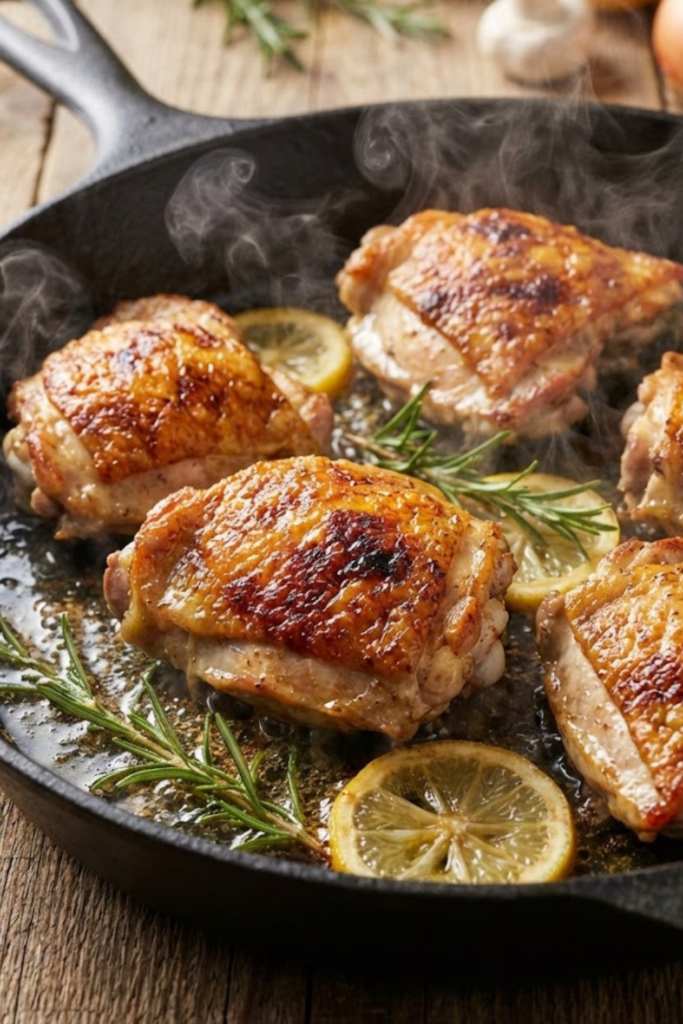
I really hope this Easter lemon chicken recipe brings a little extra sunshine to your holiday celebration! It’s a dish that reminds me of new beginnings and finally getting to enjoy some fresh air with the family. Honestly, after a long winter, there’s nothing better than those bright, citrusy smells filling up the kitchen.
If you try this recipe and love it as much as I do, please pin it to your favorite Pinterest boards! I’d also love to hear how your spring feast turned out, so feel free to share your photos or tell me about any little tweaks you made. Happy Easter, and I hope your day is filled with good food and even better company!