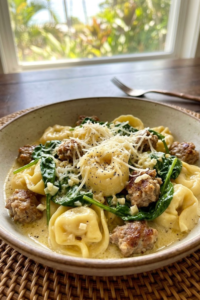
They say that “patience is a virtue,” but in my kitchen, patience is just a slow cooker doing all the heavy lifting while I take a nap! Did you know that over 65% of home cooks now prefer “set it and forget it” meals for weeknight dinners? If you are craving a warm, comforting bowl of crockpot beef curry, you are in the right place. We’re going to dive into how to get that beef meltingly tender using rich coconut milk, aromatic ginger, and a spice blend that will make your house smell like a five-star restaurant. Whether you’re a pro or a total newbie, this guide is going to make your life a whole lot easier and tastier!
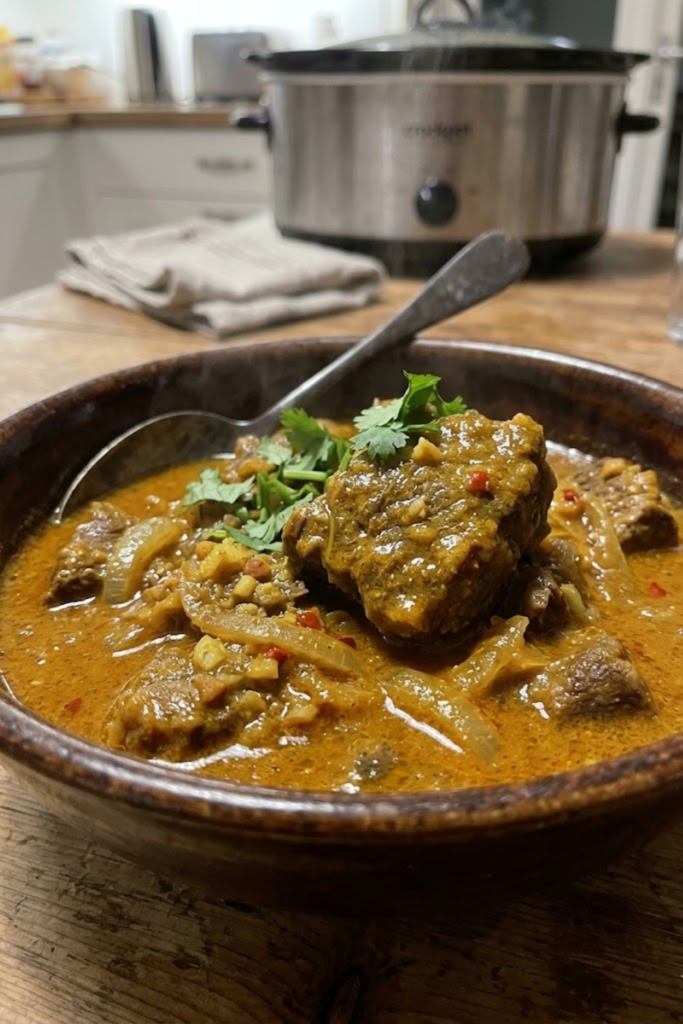
The Best Cuts of Beef for Slow Cooking
If you walk into the grocery store without a plan, you might just grab whatever beef is on sale. I did that once back when I first started teaching. I bought a really lean eye-of-round because it looked “clean” and healthy. Man, that was a huge mistake. By the time I got home from school, that crockpot beef curry smelled amazing, but the meat was basically a bunch of dry strings. My husband tried to be nice and eat it, but we both knew it was a total disaster. Choosing the right meat is the most important step for this recipe.
Why Fat and Gristle are Actually Good
Most people think they should cut away every bit of white stuff on a piece of meat before they cook it. In a slow cooker, that white stuff—which is actually fat and connective tissue—is where the magic happens. While the meat sits in the pot for six or eight hours, those tough bits slowly melt. This process turns into something called gelatin. It is what makes the sauce thick and keeps the beef from tasting like cardboard. Without that fat, the heat just squeezes the moisture out of the meat fibers, leaving you with a rubbery mess.
Why Beef Chuck is the Winner
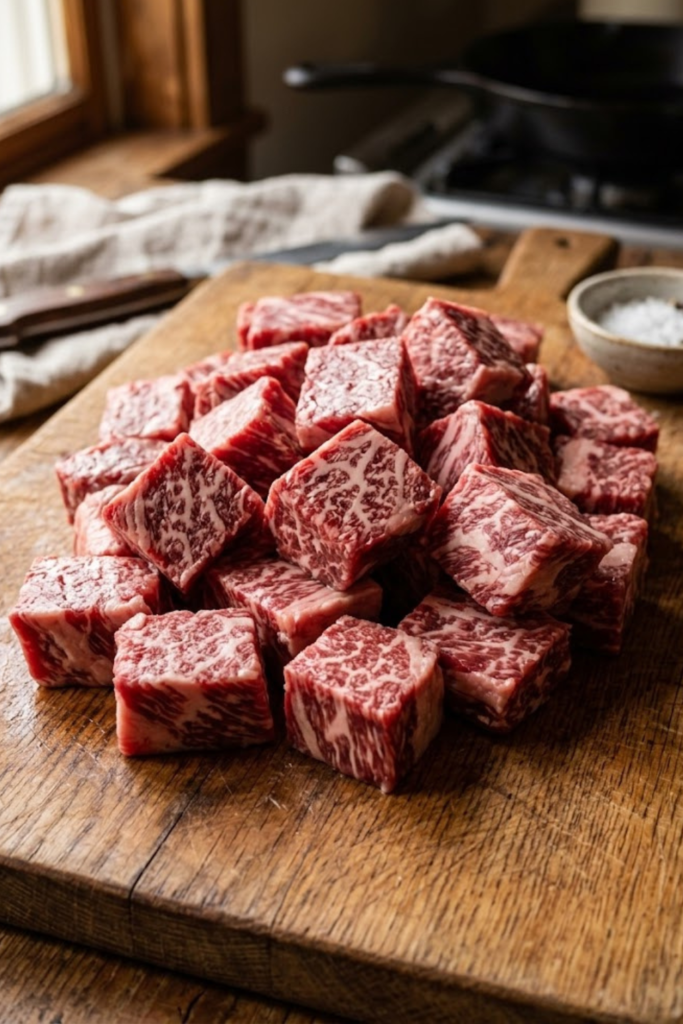
If you want the absolute best results for your crockpot beef curry, you want to look for beef chuck roast. It is usually pretty cheap and has great marbling. Marbling is just a fancy word for those little white lines of fat running through the red meat. Because chuck comes from the shoulder, it is a hard-working muscle. That means it has tons of flavor and plenty of that collagen I talked about. When it breaks down over several hours, it gets so tender you can practically eat it with a spoon.
Sizing Your Meat for Success
Try to cut your beef into chunks that are about an inch and a half wide. If you make them too small, they will just disappear into the sauce and you’ll end up with beef mush. You want those nice, chunky bites that can hold their shape while soaking up all those delicious spices. Also, try to make the pieces about the same size so they all finish cooking at the same time. It’s okay if they aren’t perfect; we’re making a home meal, not entering a contest!
Essential Spices for an Authentic Curry Flavor
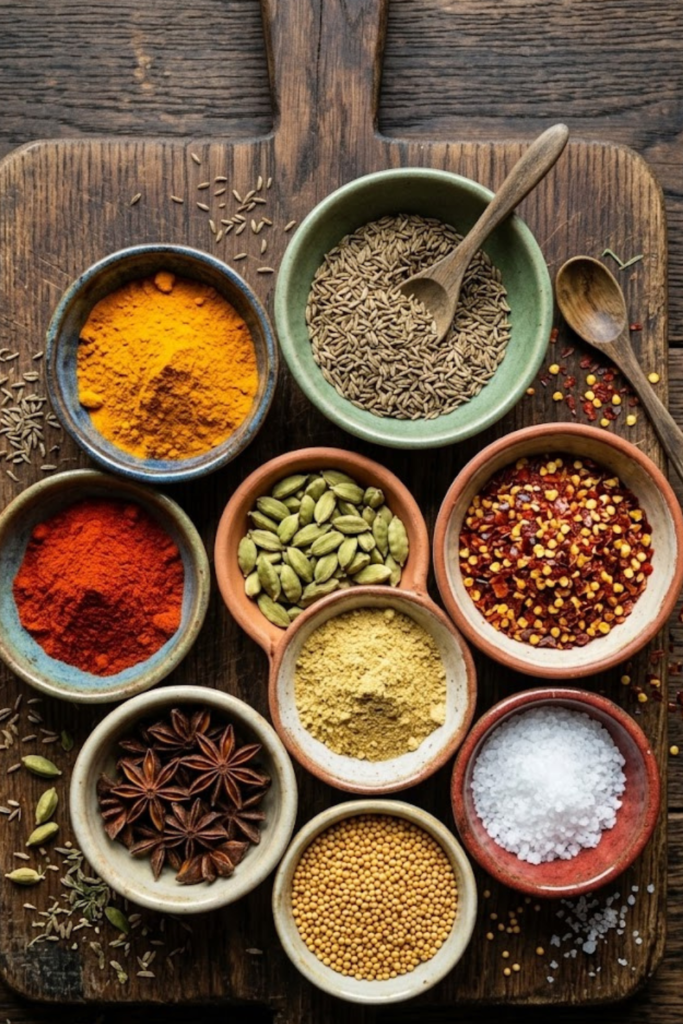
If you’ve ever walked into a really good Indian restaurant and wondered why it smells so amazing, it’s not magic—it’s the spices. When I first started making crockpot beef curry, I thought I could just use a dusty jar of generic curry powder from the back of my pantry that had been there since the Clinton administration. Boy, was I wrong. It tasted flat, kind of like cardboard with a hint of yellow. To get that real-deal flavor, you need to understand how these little powders work together. It’s like a choir; if one person is off-key, the whole thing sounds a bit wonky.
The Big Three Spices
You really need three main players to get started: turmeric, cumin, and coriander. Turmeric gives your crockpot beef curry that beautiful golden color that we all love, but be careful—it stains everything! I’ve ruined a few good white dish towels because I was being messy while multitasking. Cumin adds an earthy, smoky smell that makes the house feel cozy while it cooks. Then there is coriander, which is a bit citrusy and light. If you have these three in your cabinet, you are halfway to a great meal. I usually tell my students that cooking is just like a science lab experiment, and these are your primary chemicals.
Don’t Forget the Warmth
A lot of people think curry has to be “burn your tongue” hot, but that isn’t true at all. For warmth without the pain, I love using garam masala. I usually add this toward the end of the slow cooking time because it’s a blend of “warm” spices like cinnamon and cloves. If you put it in too early, the flavor can kind of disappear into the steam. If you do want real heat, just toss in some red chili flakes or a chopped jalapeno. Just remember, you can always add more heat later, but you can’t really take it out once it is in there!
The Quick Pan-Fry Trick
Here is a tip that changed my life: “bloom” your spices. Before you throw everything into the slow cooker, put your spices in a dry pan over medium heat for about 30 seconds. You’ll know it’s working when you start to smell them really strongly. This wakes up the oils inside the powder. It takes an extra minute, but it makes your crockpot beef curry taste like you spent all day hovering over a stove instead of just hitting a button on a machine. Plus, it makes the whole house smell incredible before the beef even starts cooking.
Selecting Your Liquid Base: Coconut Milk vs. Broth
Choosing what liquid to pour into your slow cooker is a bigger deal than most people realize. I remember one time I was in a huge rush and just dumped a whole bunch of water in with my beef and spices. I figured the spices would do all the work, right? Well, when I got home, I didn’t have a crockpot beef curry; I had a watery, brown soup that tasted like nothing. It was such a letdown after waiting all day! The liquid you choose is what carries the flavor to every single bite of meat, so you have to pick something that has some body to it.
The Creamy Magic of Coconut Milk
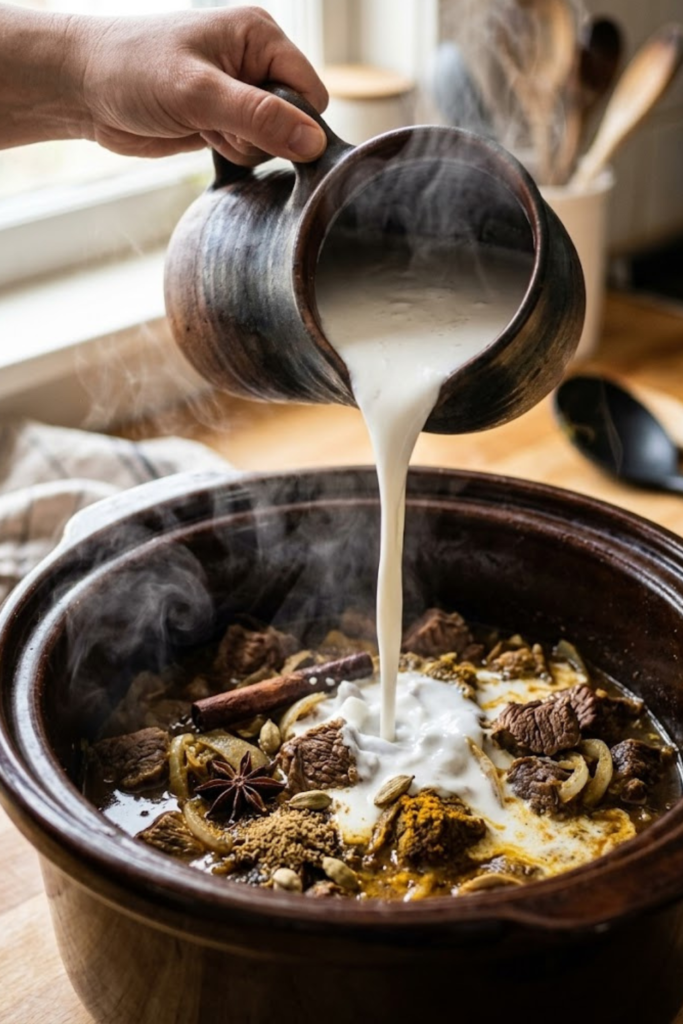
If you want that thick, velvety sauce that you get at those fancy Thai or Indian restaurants, you really need to use full-fat canned coconut milk. Don’t grab the “lite” version or the stuff in the carton that you put in your cereal. The fat in the canned milk is what makes the sauce rich and helps calm down the heat from the spices. I usually shake the can really well before opening it because the cream likes to settle at the top. When it mixes with the beef juices in the slow cooker, it creates a gravy that is so good you’ll want to drink it with a straw.
Going Savory with Beef Broth
Sometimes, I’m not in the mood for something super creamy, or maybe I just forgot to buy coconut milk. In those cases, a good quality beef broth is your best friend. It makes the crockpot beef curry taste more like a traditional hearty stew but with those amazing exotic spices. If you use broth, the sauce will be much thinner, so you might need to add a little bit of cornstarch at the end to thicken it up. I’ve found that using a mix of half broth and half coconut milk is actually a really great middle ground if you want a lighter meal that still feels satisfying.
Balancing the Flavors at the End
Whatever liquid you choose, remember that slow cooking can sometimes make flavors go a bit flat. About thirty minutes before I serve dinner, I always do a taste test. If the liquid tastes a little dull, I add a squeeze of fresh lime juice or a tiny spoonful of brown sugar. The acidity from the lime cuts through the fat of the coconut milk and really makes the spices pop. It’s a simple trick I learned from a fellow teacher who used to live in Southeast Asia, and it has saved many of my dinners from being boring!
Adding Vegetables Without Making Them Mushy
I remember one specific Tuesday where I was running super late for a staff meeting. I just dumped a bag of frozen “mixed vegetables” into my crockpot beef curry right at the beginning of the day. I figured, hey, it’s a slow cooker, it’ll be fine! When I got home eight hours later, the carrots were okay, but the peas had turned into grey little mushy circles and the corn was just sad. It looked more like a science project gone wrong than a delicious dinner. If you want your veggies to actually taste like veggies, you have to be a little strategic about when they join the party.
The Heavy Hitters: Hard Vegetables
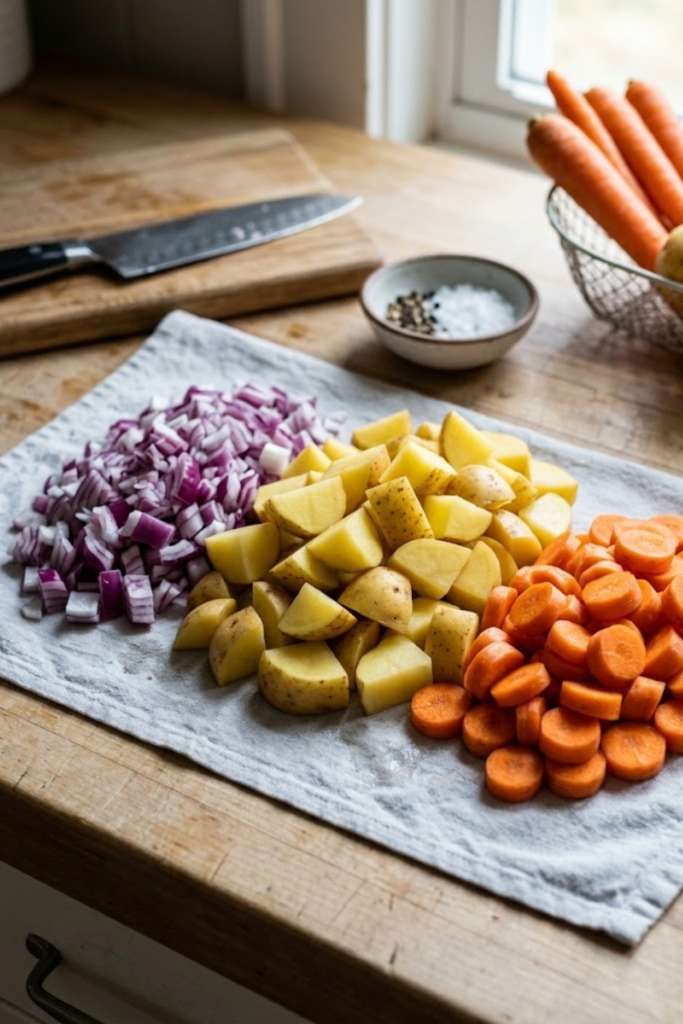
For a hearty crockpot beef curry, you really want vegetables that can stand up to the heat. Potatoes, carrots, and onions are the champions here. I usually cut my potatoes into fairly large chunks—about the size of a golf ball. If you cut them too small, they will just dissolve into the sauce. Yukon Golds are my favorite because they stay creamy but keep their shape. Carrots are great too, but I like to slice them pretty thick. These “hard” vegetables can sit in the pot for the full six or eight hours and they just get better and better as they soak up all that beefy flavor.
The Last-Minute Guests: Soft Greens
This is the part where most people mess up. If you are using things like baby spinach, frozen peas, or even bell peppers, do not put them in at the start! I’ve learned to wait until about fifteen or twenty minutes before we are ready to eat. I just lift the lid, stir in a couple of handfuls of spinach, and put the lid back on. The steam inside the pot is plenty strong enough to wilt the greens or warm up the peas. This keeps the colors really bright and pretty. Nobody wants to eat a brown leaf, right? It makes the whole dish look fresh and way more appetizing.
Layering for the Best Results
I actually tell my students that a slow cooker is like a bunk bed. The bottom bunk is the hottest! I always put my onions and carrots at the very bottom of the pot. Then, I place the beef chunks right on top of them. This does two things: it keeps the meat from sticking to the bottom, and it lets the beef juices drip down and “marinate” the vegetables while they cook. It’s a simple little trick that I wish someone had told me years ago. It really helps everything cook evenly without anything getting too soggy or staying too hard.
So, after all that talk about meat and spices, you are probably ready to actually start cooking. I remember the first time I finally got this crockpot beef curry exactly right. I put the bowl down on the kitchen table, and for once, my kids didn’t ask if we could just have cereal for dinner instead. My daughter actually asked for seconds! That was the moment I knew I had finally cracked the code. It is funny how a little bit of planning—like picking the right chuck roast and waiting to put the spinach in at the end—can make such a huge difference in how your day ends.
Cooking should be fun, not a chore that makes you feel stressed out or tired. The best part about using a slow cooker is that it lets you be a “chef” while you are actually busy doing other things, like grading a stack of papers or finally folding that mountain of laundry in the hall. If you follow these steps, you will end up with a meal that feels like it cost fifty bucks at a fancy restaurant, but it really only cost you a few minutes of prep in the morning. It’s the ultimate win for a busy weeknight.
How to Serve Your Masterpiece
When you are finally ready to eat, don’t just serve the curry by itself in a bowl. I always make a big pot of fluffy jasmine rice to go with it. The rice acts like a sponge; it soaks up all that creamy coconut sauce so none of it goes to waste. If I am feeling extra fancy or have a little more time, I will toast some naan bread in the oven for a couple of minutes until it’s warm. Having something chewy to dip into the sauce makes the whole experience way better for everyone at the table.
Don’t Toss the Leftovers!
One last thing I want to share: this crockpot beef curry actually tastes even better the next day. I don’t know the exact science behind it, but something happens in the fridge overnight where the spices really get to know the beef. I usually make a double batch on Sundays just so I have lunch ready for Monday and Tuesday. It saves me so much money because I am not tempted to go out and buy a greasy burger during my short lunch break at school.
I really hope this guide helps you feel more confident in your kitchen this week! If you tried this out and liked it, please save this to your “Easy Dinners” board and share it on Pinterest so other busy families can find it too!