Have you ever bought a pack of cubed steak because it was on sale, only to cook it and end up with something that tasted like shoe leather? I have been there! It is so frustrating. But, let me tell you, the slow cooker changes everything. This isn’t just another dinner; it’s a hug in a bowl.
Did you know that slow cooking actually breaks down the collagen in tougher cuts of meat, making them scientifically more tender than quick frying? It’s true! In this guide, I’m going to share my absolute favorite method for making crock pot cubed steak with gravy. It is savory, rich, and honestly, the gravy is good enough to drink (but let’s stick to putting it on mashed potatoes). Get your crockpot ready, because we are about to make some magic happen!
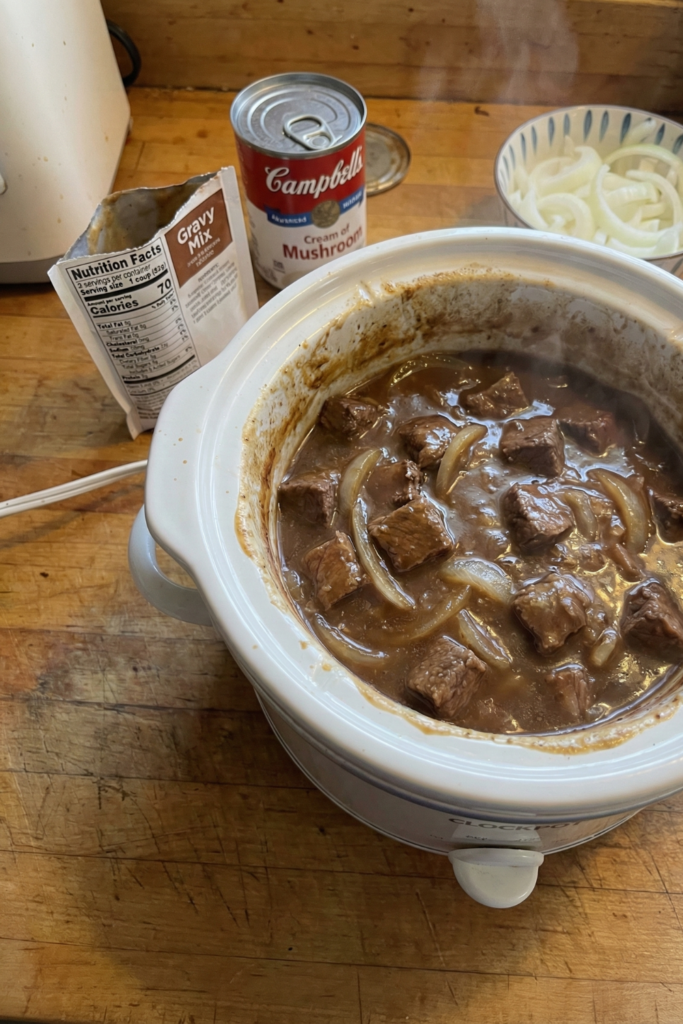
Why Cubed Steak is the Perfect Slow Cooker Candidate
Honest truth time? The first time I bought cubed steak, I had absolutely no clue what I was doing. I saw the price tag—which was delightfully cheap—and tossed it into a sizzling frying pan thinking it would cook up like a ribeye. Big mistake. Huge. It ended up with the texture of a rubber boot, and my jaw actually hurt after dinner. I swore off the stuff for years until I realized that the problem wasn’t the meat; it was the method.
See, cubed steak isn’t bad meat; it’s just misunderstood.
Understanding the Cut
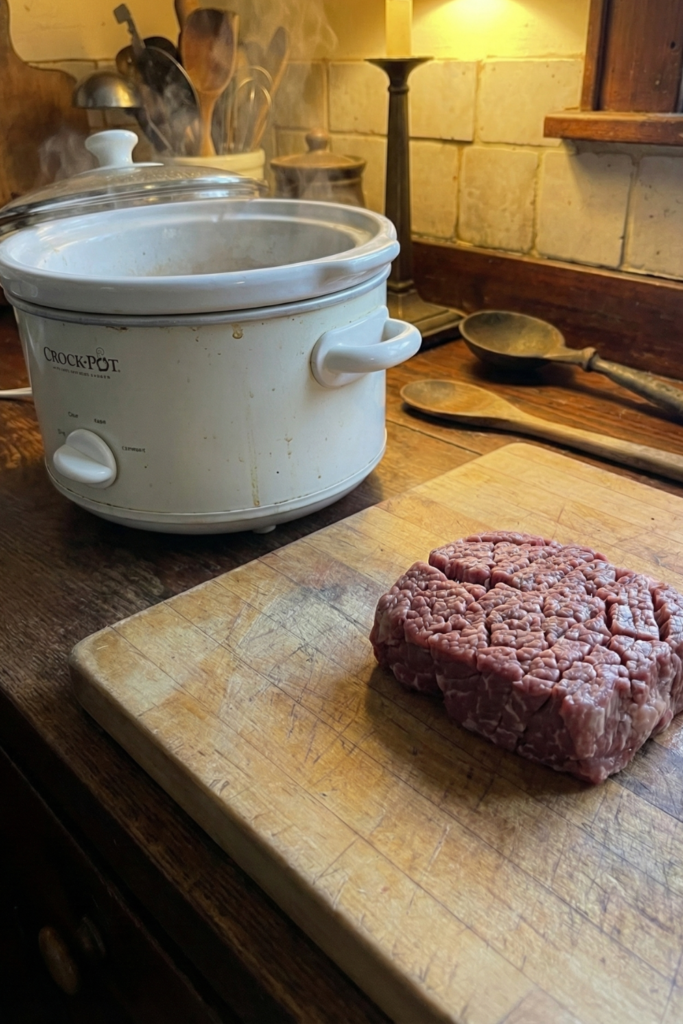
So, what is it? Basically, it’s usually top round or top sirloin that’s been run through a mechanical tenderizer. That’s why it has those little waffle-iron marks all over it. The butcher does this to break up the muscle fibers because, let’s keep it real, this is a tough cut of beef.
But here is the thing about tough cuts: they have a secret weapon called collagen. When you flash fry them, that collagen tightens up like a fist. But when you introduce them to slow cooker beef recipes, that collagen melts. It turns into gelatin, which gives you that rich, sticky mouthfeel that we all crave in comfort food.
The Science (and Magic) of Patience
I used to think slow cookers were just for lazy days, but they are actually science labs on your counter. Cooking tender cubed steak requires low heat over a long time. It’s not just about heating the food; it’s about transformation.
When you let this meat simmer for 6 to 8 hours, those tough connective tissues finally give up the ghost. They break down completely. I remember the first time I pulled a piece out of my crockpot after an 8-hour shift. I poked it with a fork, and it just fell apart. I felt like a culinary genius, even though the appliance did all the heavy lifting! It really is the best way to cook these cheaper cuts without needing a culinary degree.
Budget-Friendly Comfort
Let’s talk money for a second. Groceries are expensive right now, and budget meal planning is basically an Olympic sport at my house. Cubed steak is almost always one of the cheapest beef options in the meat case.
If you treat it right, you can make a meal that tastes like a $30 pot roast for a fraction of the cost. It’s incredibly satisfying to take a humble, inexpensive ingredient and turn it into something that feels fancy. Plus, since it’s usually lean, you aren’t paying for a bunch of fat that just gets trimmed away. You get exactly what you pay for, and with the slow cooker, you get a whole lot more flavor than you bargained for.
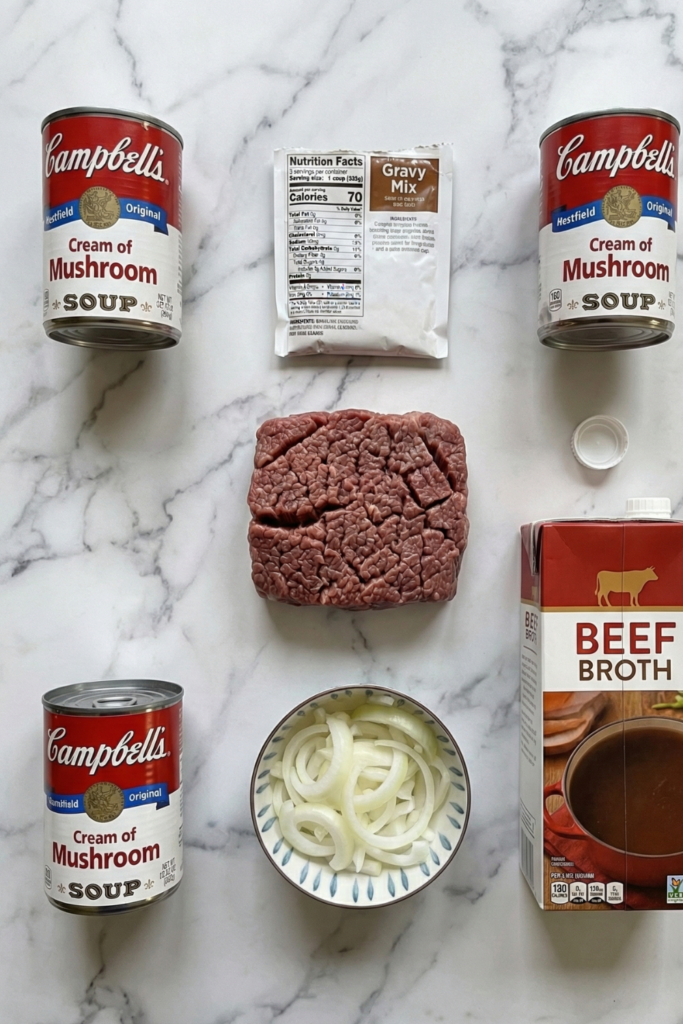
Essential Ingredients for Savory Beef and Gravy
Can I be real with you for a second? For years, I was a bit of a food snob. I thought that if I didn’t make my gravy from scratch with drippings and a whisk, I was failing as a home cook. I remember trying to make a fancy red wine reduction for cubed steak once. It took me forty minutes, stained my favorite wooden spoon, and honestly? It just didn’t taste like home.
My kids barely touched it. It was a total flop.
That was the day I learned a valuable lesson: sometimes, the classic “dump and go” ingredients are popular for a reason. They just work. When you are making crock pot cubed steak with gravy, you aren’t looking for Michelin-star complexity; you want that sticky, savory goodness that sticks to your ribs.
The Meat: What to Look For
Obviously, the star of the show is the beef. When you are at the store, don’t just grab the first gray-looking pack you see. You want fresh cubed steaks that are bright red.
If the meat looks a little dry or brown around the edges, skip it. I usually look for packs that have a little bit of white fat marbling, but not too much gristle. Since the butcher has already run this through the tenderizer, it should look dimpled. That texture is actually super important because it holds onto the sauce like a sponge.
The Soup Mix Trio
Okay, here is where the magic happens. We are going to use the “Cream of” soups. I know, I know—it’s processed. But for this recipe, cream of mushroom soup is the glue that holds everything together. It creates a velvety texture that you just can’t get with cornstarch alone.
If you aren’t a mushroom fan (my husband hates them), you can swap it for cream of chicken soup or, my personal favorite, golden mushroom soup. The golden version has a deeper, beefier flavor that really amps up the richness. I’ve found that mixing one can of cream of mushroom with one can of golden mushroom creates the ultimate savory beef gravy. It’s a little trick I stumbled upon when I was trying to clean out my pantry, and I’ve never looked back.
Flavor Boosters
You can’t rely on just the soup for flavor. It needs a kick. I swear by using an onion soup mix packet. It’s salty, it’s oniony, and it dissolves perfectly into the gravy.
However, I like to add a layer of freshness too. I toss in some roughly sliced onions—yellow or white work best. As they cook down over 6 hours, they almost melt into the sauce, adding a natural sweetness that balances the salt from the soup mix. A dash of garlic powder doesn’t hurt either. Just don’t go overboard, or you’ll drown out the beef.
Liquid Gold
Finally, you need liquid to turn that soup concentrate into actual gravy. A lot of recipes call for water, but water is boring. It adds zero flavor.
I always use beef broth. It reinforces that meaty flavor profile we are going for. If I am feeling extra fancy, or if I ran out of broth (which happens more than I’d like to admit), I’ll mix a bouillon cube with hot water. The goal is to have enough liquid to almost cover the steaks but not drown them. You want a savory beef gravy, not beef soup! Trust me, stick to these staples, and you will have a sauce so good you’ll want to lick the spoon.
Step-by-Step Instructions for Tender Steak
I have a confession to make: I used to be a “dump and pray” kind of slow cooker user. I would literally throw raw meat and cold soup into the pot, turn it on, and hope for the best. And honestly? It was edible, but it looked kind of gray and sad. My family ate it, but nobody was asking for seconds.
It took me a few tries—and one particularly rubbery batch that we ended up feeding to the dog—to realize that a tiny bit of prep work makes a massive difference. You don’t have to be a professional chef, but you do need to follow a few rules if you want that melt-in-your-mouth texture.
The Prep Work: Searing is Caring
First off, do not skip the sear. I know, I know. It creates an extra pan to wash, and I loathe doing dishes just as much as you do. But searing meat before slow cooking is the only way to get that deep, rich flavor and appetizing color.
I like to start by dredging steak in flour seasoned with a little salt and pepper. Just a light dusting—don’t cake it on. Then, pop it into a hot skillet with some oil for just a minute or two on each side. You aren’t trying to cook it through; you just want to get a nice brown crust. That crust equals flavor. If you skip this, your steak will taste fine, but it won’t have that “Sunday dinner” depth.
Layering for Success
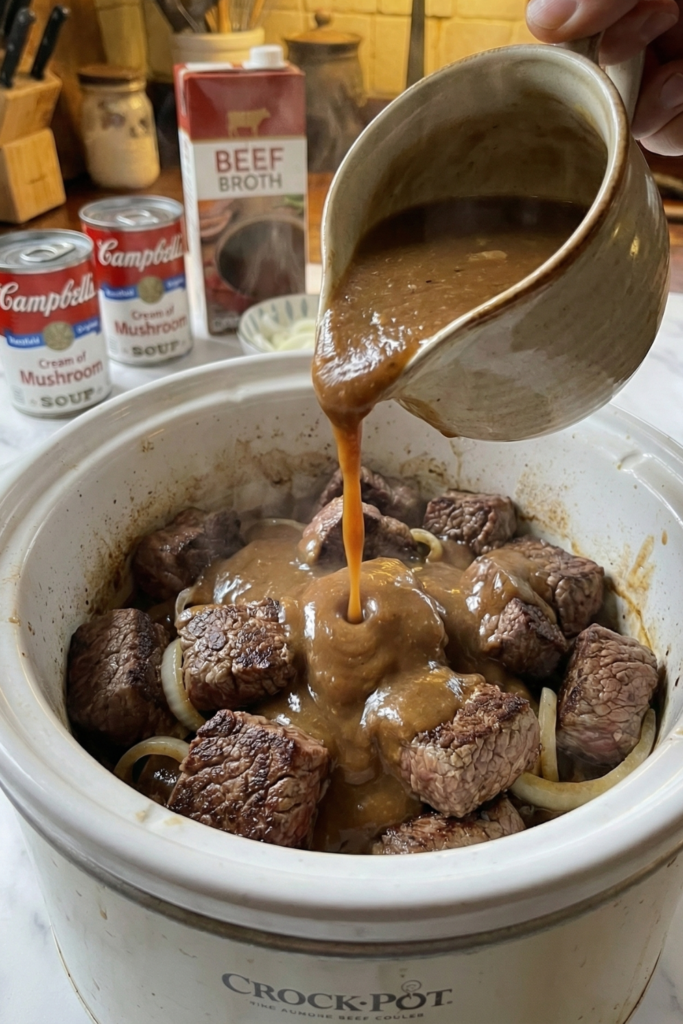
Once your steaks are browned, move them into the crock pot. I used to just pile them all in a heap, but I learned that layering them helps them cook more evenly. Put a little bit of your soup mixture on the bottom, then a layer of steak, then more soup, and repeat.
This makes sure every inch of the meat is smothered in that onion gravy recipe base. If you leave a piece of steak sticking out of the liquid at the top, it’s going to dry out and get hard. Trust me, I’ve done it, and that piece of jerky was not pleasant to eat.
The Waiting Game
Here is the hardest part: waiting. You have two options here, but one is definitely better. You can cook on High for 4-5 hours or Low for 6-8 hours.
In my experience, cooking times matter immensely for cubed steak. If you have the time, always go with Low. The longer, gentler heat really gives those tough fibers time to break down properly. I’ve tried rushing it on High when I started dinner late, and while it was cooked safely, it just wasn’t as tender. It still had a bit of “chew” to it that I didn’t love.
Troubleshooting the Gravy
About an hour before you’re ready to eat, take a peek. Sometimes, the condensation from the lid makes the sauce a little watery. Don’t panic! This happens to me about half the time.
The fix is super easy. Just mix two tablespoons of cornstarch with two tablespoons of cold water in a small cup until it’s smooth—this is your cornstarch slurry for gravy. Pour that into the crock pot and stir it gently. Let it cook for another 30 minutes on High, and watch it thicken up into a glossy, beautiful sauce. It saves the day every single time.
Serving Suggestions and Side Dishes
I will never forget the first time I served this cubed steak to my in-laws. I was so focused on getting the meat right that I completely forgot about the sides until twenty minutes before dinner. I ended up microwaving some frozen corn and slapping a slice of white bread on the plate.
It was… underwhelming. The steak was great, but the plate looked sad. That’s when I realized that comfort food recipes are a team sport. The main dish needs a supporting cast to really shine. You can have the best meat in the world, but if it’s sitting next to bland, rubbery veggies, the whole meal feels like a letdown.
The Classic Pairing: Mashed Potatoes
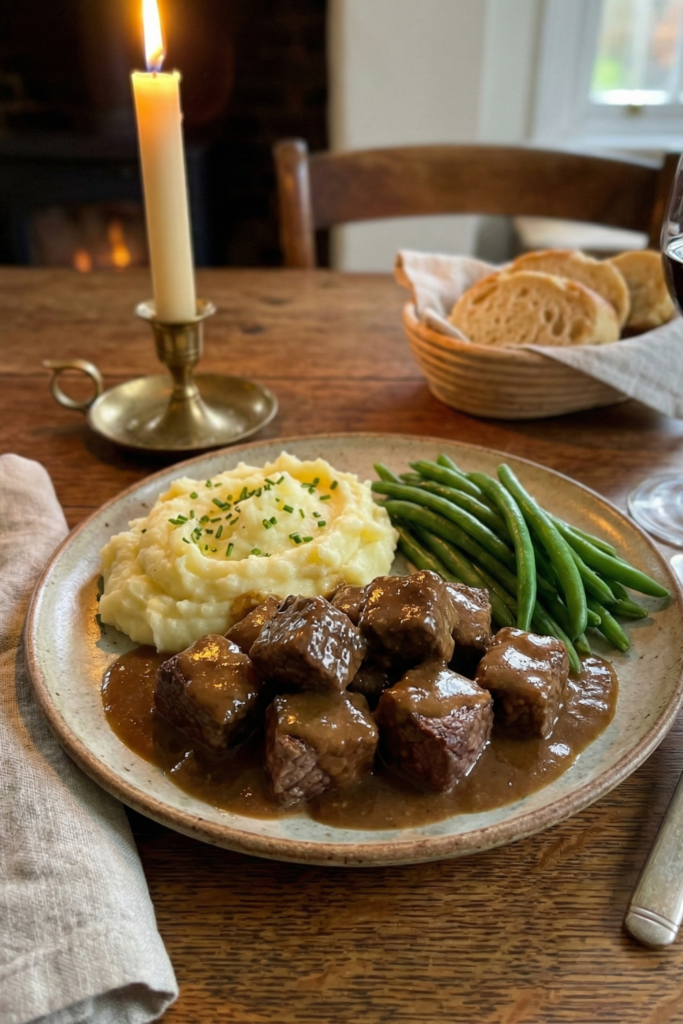
Let’s just get this out of the way: mashed potatoes and gravy are the undisputed kings of this meal. It is almost a crime to serve this steak without them. I’m serious! The gravy we just made is thick and savory, and it needs a soft, fluffy bed to rest on.
I used to use the boxed potato flakes because I was lazy. Don’t judge me; we have all been there. But I learned that taking the extra fifteen minutes to boil actual russet potatoes makes a huge difference.
I like to whip them with plenty of butter and a splash of warm milk. If you want to get fancy, throw in some roasted garlic. When you plate this, make a little “volcano” crater in your potatoes and ladle that savory onion gravy right into the middle. It’s pure nostalgia on a plate.
Rice and Noodles: The Absorbent Alternatives
Sometimes, I just don’t have the energy to peel five pounds of potatoes. That is when I pivot to starch option B: noodles. Specifically, wide egg noodles.
There is something about buttery egg noodles that screams “grandma’s kitchen.” They cook in like 8 minutes, which is a lifesaver on busy weeknights. They do an amazing job of coating themselves in the sauce.
White rice works too, especially if you want to stretch the meal further for family friendly dinners. The rice soaks up the liquid like a sponge, ensuring not a drop of that liquid gold goes to waste. My youngest actually prefers rice because he likes to mix it all into a big, messy bowl.
Green Sides to Cut the Richness
Okay, we need to talk about balance. This meal is heavy. It’s rich, salty, and very brown. You need something green to wake up your palate.
I used to just open a can of green beans, heat them up, and call it a day. But I’ve found that fresh veggies work way better here. Roasted broccoli with a squeeze of lemon juice is my go-to. The acidity from the lemon cuts right through the heaviness of the cream soup gravy.
Fresh steamed green beans with a little bacon bits are also a winner. You want something with a little bit of crunch or “snap” to contrast with the soft, tender meat. If I’m really pressed for time, a simple garden salad with a sharp vinaigrette does the trick.
Bread: The mop-Up Crew
Finally, don’t forget the bread. I am a firm believer that the best part of dinner is sopping up the leftover sauce at the end.
I usually grab a loaf of crusty French bread or bake some simple dinner rolls. If you are feeling ambitious, garlic bread is a nice touch, but plain buttered rolls are safer so you don’t clash with the onion flavor in the gravy. There is nothing sadder than seeing delicious gravy get washed down the sink because you didn’t have a piece of bread to wipe the plate clean!
Storing and Reheating Leftovers
Is there anything sadder than ruining a perfectly good meal the next day? I used to be terrible at leftovers. I would take a delicious, tender steak, stick it in the microwave on high for three minutes, and then wonder why it tasted like a tire. I ruined so many lunches that way.
The truth is, beef is temperamental. It likes to be treated gently, even the second time around. If you put in the effort to make this meal, you owe it to yourself to enjoy it just as much on Tuesday as you did on Monday.
The Fridge Reality Check
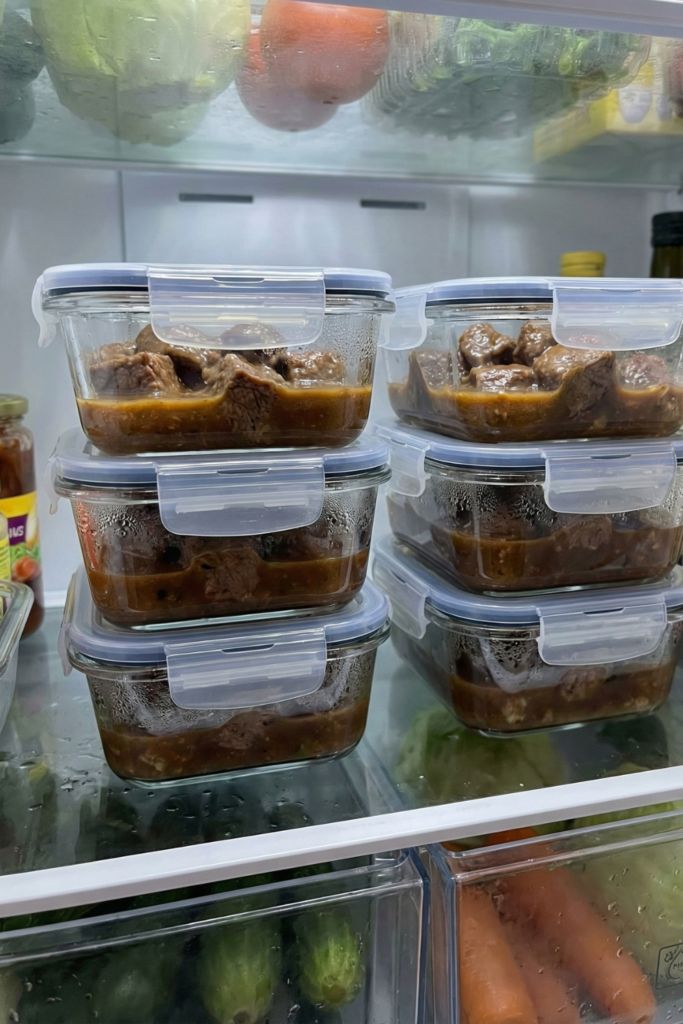
First things first: let’s talk about the fridge. You can store these leftovers in an airtight container for about 3 to 4 days.
Here is a heads-up so you don’t panic: when you take the container out of the fridge the next day, the gravy is going to look weird. It’s going to be a gelatinous, wiggly blob. Do not throw it out!
This is actually a good sign. It means all that collagen from the meat and the gelatin from the soup have set. It looks gross cold, but the second it hits heat, it melts right back into that silky savory beef gravy you loved the night before. I remember throwing a batch away once because I thought it had “gone bad.” I still kick myself for that waste.
Freezing for Future You
If you are into meal prep beef ideas, this recipe is a goldmine. It freezes beautifully.
I like to freeze individual portions in freezer-safe bags or glass containers. It’s a lifesaver on nights when I’m too exhausted to cook. Just make sure the meat is completely cooled down before you freeze it to avoid ice crystals. It will stay good in the freezer for up to 3 months.
The Reheating Rule: Low and Slow (Again)
Okay, here is where most people mess up. Do not—I repeat, do not—nuke this on high power.
If you are reheating leftover steak in the microwave, add a splash of water or beef broth to the container first. The gravy thickens up in the fridge, and it needs a little extra liquid to loosen up. Cover it loosely with a paper towel to stop splatters, and heat it at 50% power in 30-second intervals. Stir in between.
If you have the time, the stovetop is way better. Put the steak and gravy in a saucepan, add a splash of water, and cover it. simmer it on low heat until it’s bubbly. This keeps the meat tender instead of shocking it into toughness. Trust me, patience pays off here.
There you have it—the secret to making the most tender, flavorful crock pot cubed steak with gravy you will ever taste. It is simple, it is hearty, and it brings everyone to the table. I honestly believe that dinner doesn’t have to be complicated to be memorable. Some of the best meals are the ones that simmer all day while you are busy living your life.
I hope this recipe becomes a regular in your rotation just like it is in mine! The next time you see that inexpensive pack of meat at the grocery store, you’ll know exactly what to do with it. Don’t forget to save this pin to your favorite dinner board on Pinterest so you can find it next time you need an easy win.