I used to think making restaurant-quality Chinese food at home was impossible. Seriously! My first attempt resulted in soggy chicken and a sauce that tasted like pure vinegar. Yikes. But after years of testing (and a lot of sticky messes), I’ve finally cracked the code. This isn’t just another dinner idea; it’s a game-changer. Imagine biting into perfectly golden, crunchy chicken coated in a sauce that screams fresh citrus. You are going to be the hero of the dinner table tonight! Let’s ditch the delivery fees and get cooking.
What Makes This Chinese Lemon Chicken Authentic?
Look, I have to be honest with you. My first attempt at making Chinese lemon chicken was a total disaster. I invited a few friends over, thinking I was going to impress them with my wok skills, but what I served was basically soggy chicken nuggets swimming in yellow syrup. It was embarrassing! I remember sitting there, watching them politely chew, realizing I had missed the mark completely.
That failure taught me a lot, though. I spent the next few months obsessing over what makes the restaurant version so addictive while my homemade version was just… sad. It turns out, “authenticity” in this dish isn’t about using rare ingredients you can’t find; it’s about technique.
The Secret is in the Starch
If you take one thing away from my kitchen disasters, let it be this: put the all-purpose flour away. Seriously, keep it in the pantry. When I first started, I used a heavy flour batter, and the chicken acted like a sponge. It soaked up all the oil and got soggy the second the sauce touched it.
The trick to that signature crunch is cornstarch (or potato starch if you have it). Cornstarch creates a barrier that fries up incredibly light and crispy. It holds its texture even after being tossed in the glaze. I found this out by accident when I ran out of flour one night, and I haven’t looked back since. The difference is night and day.
Freshness Over Convenience
Another mistake I made was using bottled lemon juice. I know, I know—it’s easier. But that stuff has a metallic, preservative taste that ruins the dish. Authentic Chinese lemon chicken needs that bright, floral hit that you can only get from fresh lemons.
You need the acidity to cut through the fried batter. When you use fresh juice and a little bit of zest, the sauce sings. It shouldn’t just be sweet; it needs to make your mouth water. I usually roll my lemons on the counter before cutting them to get every last drop of juice out.
Choosing the Right Cut
I am usually a chicken thigh person because they are juicier, but for this recipe, breast is best. I tried it with thighs once, and it was just too heavy with the frying and the sauce. The lean texture of the chicken breast balances out the richness of the fried coating.
Plus, slicing the breast into uniform pieces allows them to cook super fast. This keeps the meat tender inside while the outside gets that golden, shatter-proof crust. Trust me, if you follow these simple tweaks, your dinner is going to taste better than anything that comes in a cardboard box.
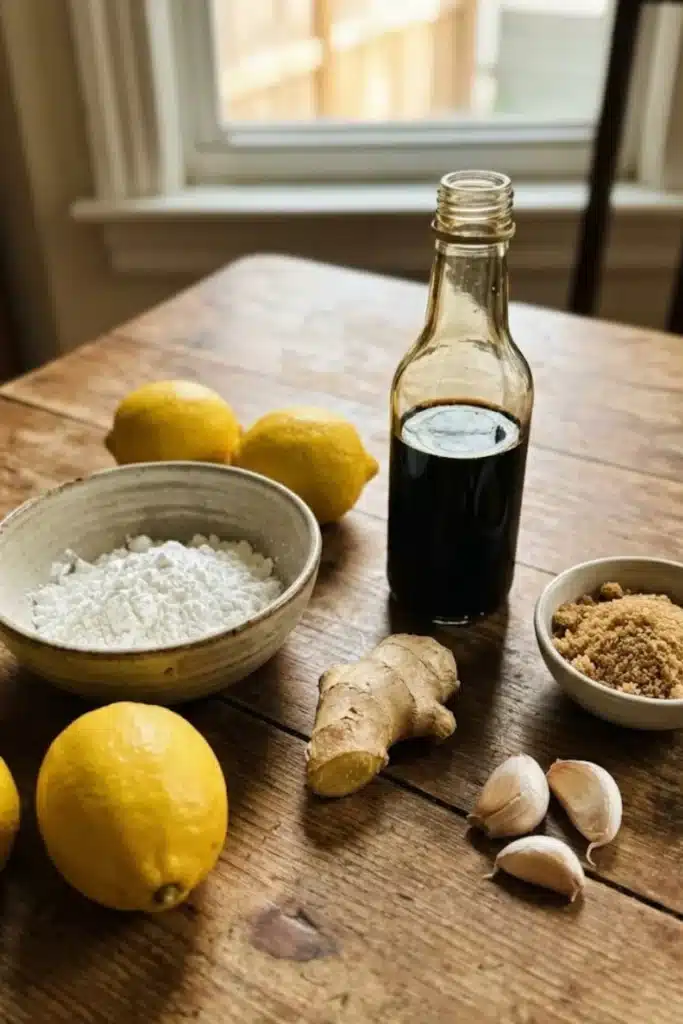
Essential Ingredients for the Lemon Sauce
I have to confess something embarrassing. For a long time, I thought the bright yellow color in takeout Chinese lemon chicken came from some magical, exotic spice I couldn’t find at my local grocery store. I spent hours looking for it. Turns out? A lot of places just use custard powder or food coloring!
But we aren’t doing that here. We want flavor, not just a neon glow. Over the years, I’ve learned that the sauce is the soul of this dish. If you get the sauce wrong, it doesn’t matter how crispy your chicken is; the whole meal falls flat. Here is what you actually need to make that sticky, addictive glaze.
Fresh Citrus is Non-Negotiable
I mentioned this before, but I’m going to double down on it. Put the bottled juice away! I once tried to make this sauce with that plastic lemon-shaped bottle because I was feeling lazy. Big mistake. The sauce tasted like cleaning product.
You need fresh lemon juice for the acidity, but the real secret is the zest. That is where all the aromatic oils live. When you zest your lemon, stop as soon as you see the white part (the pith). The white part is incredibly bitter and will ruin your sweet sauce instantly. I usually zest about half a lemon for a standard batch.
The Sweetener Balance
This is where I used to mess up constantly. I would try to be “healthy” and cut back on the sugar. Don’t do it! Lemons are extremely sour. To get that authentic sweet and tangy flavor, you need a decent amount of sugar to balance the acid.
I stick to plain white sugar because it keeps the sauce color bright and clear. I tried honey once, and while it tasted okay, the flavor was too distinct and didn’t taste like the classic Chinese takeout recipes I love. If you skimp on the sugar, you are just eating sour chicken.
The Secret to the Gloss (The Slurry)
Have you ever wondered how restaurants get that sauce to sit perfectly on top of the meat without making it a soggy mess? It’s the cornstarch slurry.
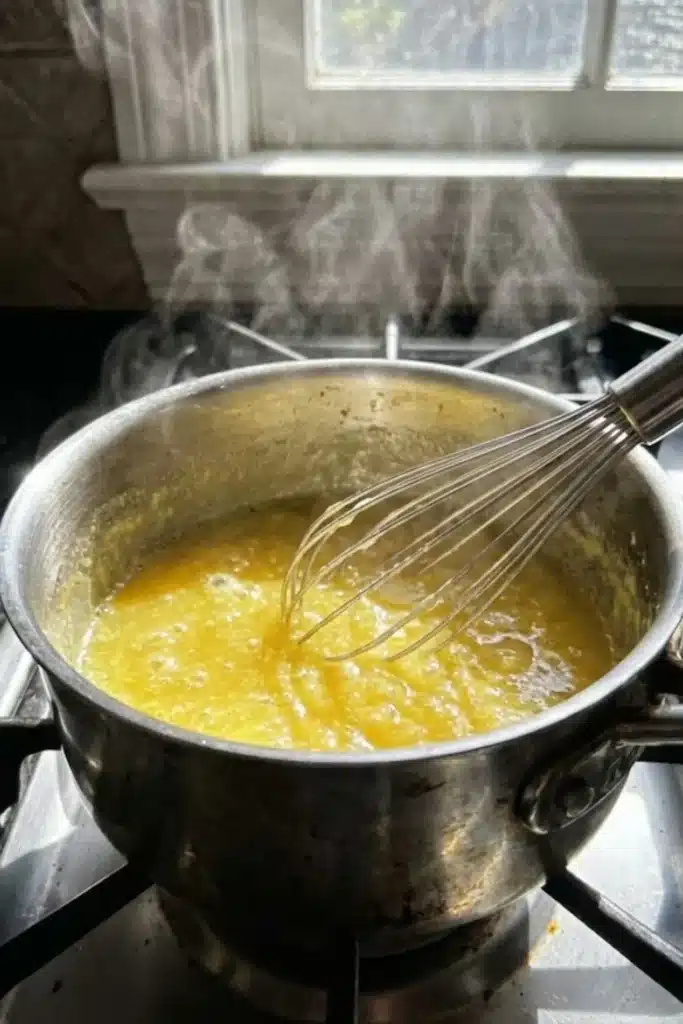
Early on, I made the rookie error of dumping dry cornstarch powder directly into my boiling sauce. It turned into a lumpy, white disaster that I had to strain out. You have to mix the cornstarch with a little cold water before adding it to the hot pan.
My rule of thumb:
- Mix 1 tablespoon of cornstarch with 2 tablespoons of cold water.
- Pour it in slowly while whisking.
- Let it bubble for a minute.
You will see the sauce transform from a watery juice into a glossy lemon glaze right before your eyes. It should be thick enough to coat the back of a spoon.
The Umami Factor
It isn’t just lemonade; it’s dinner. To make it savory, you need a splash of soy sauce. But be careful here! If you use dark soy sauce, your beautiful yellow sauce will turn a murky brown. Stick to light soy sauce or even just a pinch of salt if you want to keep the color vibrant. A little bit of grated ginger also goes a long way to giving it that warm, spicy kick that makes you want to go back for seconds.
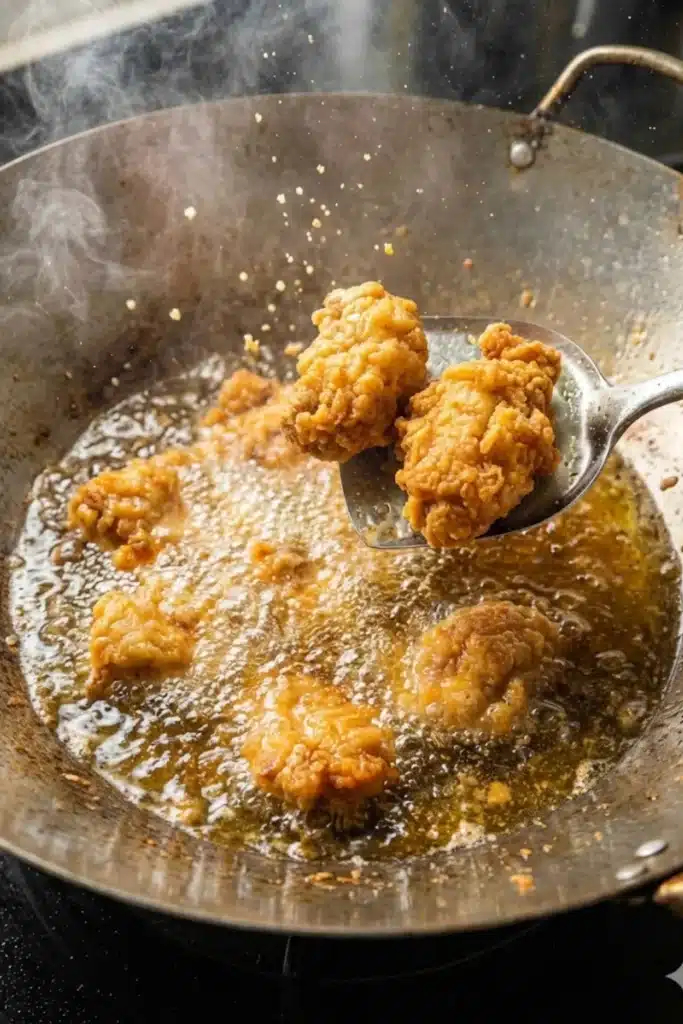
Step-by-Step: Frying the Chicken to Golden Perfection
I used to be absolutely terrified of deep frying. The popping oil, the mess, the fear of burning my house down—it was a lot. For years, I tried to make “healthy” baked versions of Chinese lemon chicken, but let’s be real. They were dry, sad, and tasted nothing like the takeout I was craving.
If you want that shatteringly crisp coating that stays crunchy even after you pour the sauce on, you have to embrace the oil. I’ve burned a few batches in my day (and maybe a finger or two), but I’ve finally figured out the rhythm. It is easier than you think, and the result is absolutely worth the cleanup.
The Marinade Matters
Before we even get to the hot oil, we need to talk about the chicken itself. Have you ever noticed how restaurant chicken is incredibly soft, almost silky inside? That’s not an accident.
I marinate my chicken pieces for at least 20 minutes. It doesn’t need all day. I mix an egg white, a splash of Shaoxing wine (or dry sherry if you are stuck), and a pinch of salt. The egg white protects the meat from the harsh heat of the oil. This keeps the marinated chicken breast juicy while the outside gets crunchy. If you skip this, your chicken will be tough. I learned that the hard way.
The Double Fry Technique
This is the big secret. This is the hill I will die on. You have to fry the chicken twice.
I know, it sounds like extra work. I used to roll my eyes at recipes that called for this. But then I tried it. The first fry cooks the chicken through at a lower temperature. The second fry, done at a higher heat for just a minute or two, drives out the remaining moisture in the crust.
Here is my workflow:
- Fry 1: Cook the chicken until it’s a pale gold. Take it out and let it rest on a wire rack. It will look a bit underwhelming.
- Rest: Let it sit for about 10 minutes. The residual heat finishes cooking the inside.
- Fry 2: Crank up the heat and drop the chicken back in. It will turn a deep, golden brown in seconds.
This method is the only way to get crispy battered chicken that doesn’t get soggy the moment you sauce it.
Managing the Oil Temperature
You don’t need a fancy deep fryer, but you do need a thermometer. I used to guess, throwing a piece of bread in to see if it sizzled. That is a terrible way to cook.
Aim for 350°F (175°C) for the first fry. If the oil is too cool, the chicken absorbs grease like a sponge, and nobody wants oily chicken. If it’s too hot, the outside burns before the inside is cooked.
Also, don’t overcrowd the pan! I am impatient, so I used to dump all the chicken in at once. The temperature would plummet, and the pieces would stick together in one giant clump. Fry in batches. It takes longer, but your deep frying techniques will improve instantly. Just put on some music and take your time.
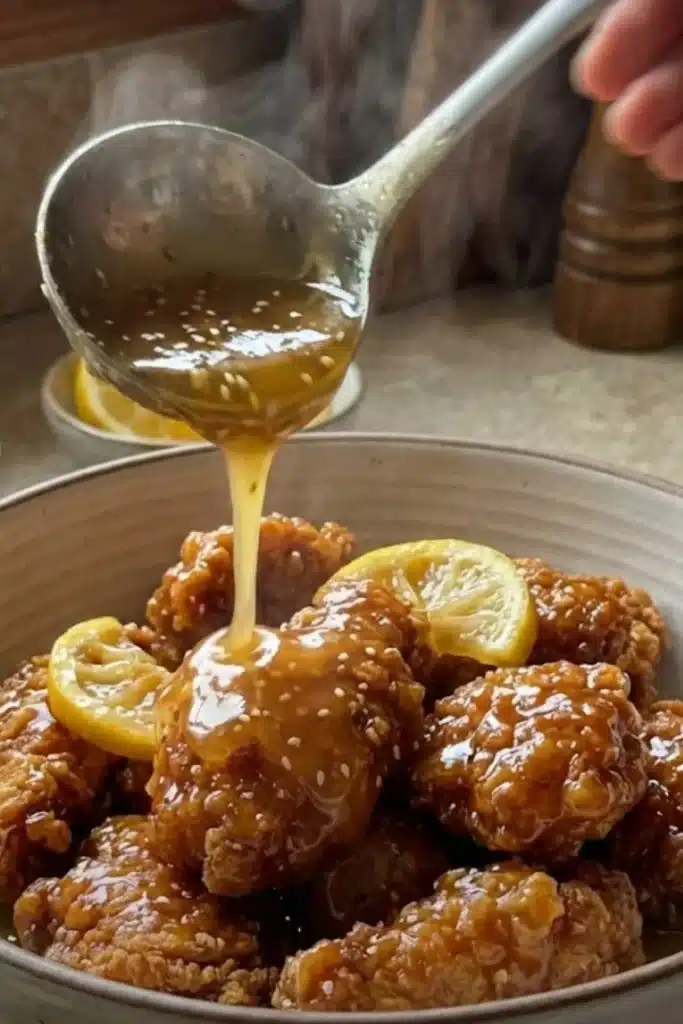
Assembling Your Chinese Lemon Chicken Bowl
We are in the home stretch now! This is the moment where all that hard work pays off. I can’t tell you how satisfying it is to see those golden nuggets turn into a glossy, sticky masterpiece. But hold on, because you can still mess it up here.
I’ve definitely ruined a perfect batch of Chinese lemon chicken in the final seconds. I used to think, “The more sauce, the better,” and I would just drown the poor chicken until it was swimming. By the time I carried the plates to the table, the crunch was gone. It was heartbreaking. The assembly is just as important as the frying.
The Quick Toss Technique
Here is the trick I learned from watching the guys at my local takeaway spot: speed is everything. You do not want the chicken to sit in the sauce for long.
Wait until you are absolutely ready to eat. Have the plates out and the family sitting down. Heat your sticky lemon glaze in the wok or large pan until it’s bubbling. Throw the fried chicken in and give it three or four big tosses. That’s it!
You want the sauce to just coat the outside, not soak into the crust. I usually count to ten, then immediately get it out of the pan. This technique ensures (oops, I mean makes sure) your crispy chicken strips stay crunchy for that first bite. If you pour the sauce over the chicken on the plate, the bottom pieces turn to mush. Don’t do that.
We Eat With Our Eyes
My kids are the harshest critics I know. If dinner looks “boring,” they won’t touch it. For the longest time, my Chinese lemon chicken looked like brown lumps on white rice. It tasted good, but it looked sad.
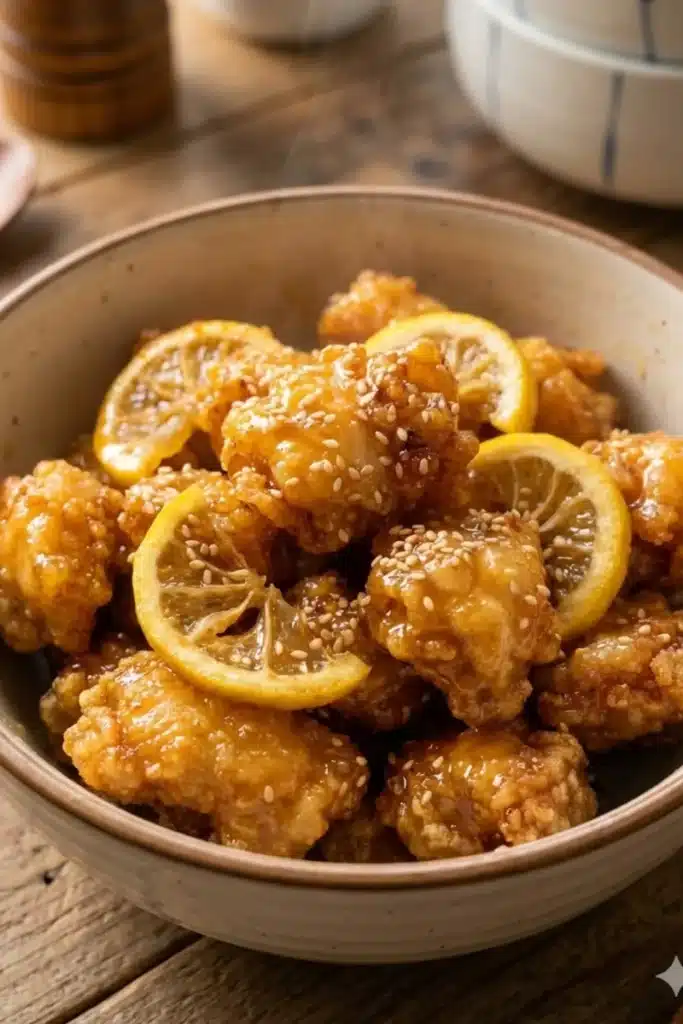
Presentation is a huge part of Asian dinner ideas. It makes the meal feel special. I always keep a jar of toasted sesame seeds in the pantry now. A quick sprinkle of sesame seed garnish adds a nice nutty flavor and makes it look professional.
Also, don’t forget the color! A handful of sliced scallions (green onions) breaks up all that yellow and brown. Sometimes, if I’m feeling fancy, I’ll add thin lemon slices garnish around the edge of the plate. It takes two seconds but makes you look like a master chef.
What to Serve With It?
This dish is intense. It’s sweet, sour, and salty all at once. You need something plain to balance it out. I used to serve this with fried rice, but it was just too much oil and salt.
Honest advice? Stick to steamed jasmine rice side dish. The fluffy, plain rice is the perfect vehicle to soak up any extra sauce that drips down. It cleans your palate between bites.
If you want to add veggies, keep it simple. I usually do some steamed broccoli or a quick stir-fry of bok choy with garlic. You want the Chinese lemon chicken to be the star of the show, not fighting for attention with five other side dishes. This combination makes for a perfect family friendly dinner that doesn’t leave you feeling heavy afterwards.
Storage and Reheating Tips for Leftovers
I used to hate leftovers. Seriously. There is nothing sadder than opening the fridge, excited for round two of your Chinese lemon chicken, only to find a soggy, congealed mess. For years, I would just throw the extra food away because I thought it was hopeless. I mean, fried food never tastes good the next day, right?
Wrong. I was just doing it all wrong. I’ve learned that with a little bit of care, your lunch tomorrow can be almost as good as dinner tonight. Okay, maybe not as crispy, but definitely still delicious. Don’t let your hard work go to waste!
The Fridge Reality
First things first: do not leave the chicken sitting out on the counter all night. I’ve done that after a few too many glasses of wine, and well, let’s just say my stomach didn’t thank me. You need to get those leftovers into the fridge within two hours.
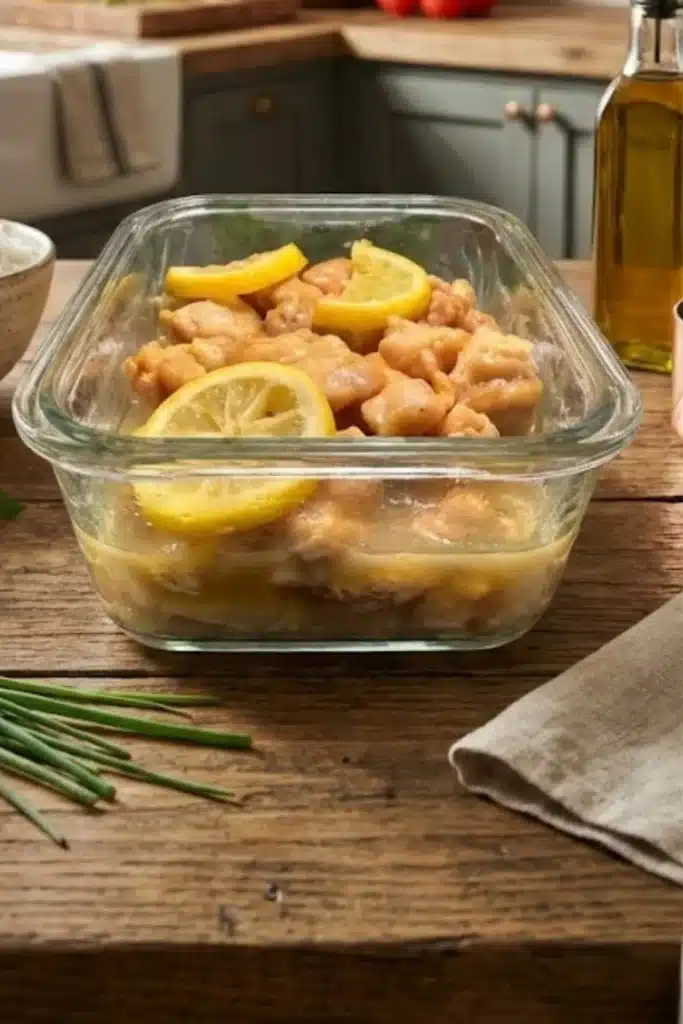
I use an airtight container to keep the chicken fresh. If you can, store the sauce separately from the chicken. I know, usually, it’s already mixed together. That’s fine. But if you happened to keep some sauce on the side, keep it in a jar. The chicken will stay crunchier if it isn’t swimming in liquid all night. It will last safely for about 3 days.
Please, Step Away from the Microwave
This is the most important advice I can give you. Do not use the microwave. Just don’t do it.
I used to nuke my leftover Chinese food at work, and the chicken would turn into hot, rubbery balls of sadness. The breading gets gummy, and the meat gets tough. It’s a texture nightmare. The microwave destroys all the crispy goodness you worked so hard to create.
The Air Fryer Trick
If you have an air fryer, you are in luck. This gadget saved my relationship with leftovers. It is hands down the best way to bring fried food back to life.
Here is what I do:
- Preheat the air fryer to 350°F.
- Toss the cold chicken in for about 3 to 4 minutes.
- Shake the basket halfway through.
The hot air crisps up the coating again, even if it has sauce on it! It won’t be perfect, but the edges get crunchy again, and the sauce caramelizes a bit. It is so good. If you don’t have an air fryer, a toaster oven works too. Just put the chicken on a foil-lined tray.
Freezing for Later?
Can you freeze Chinese lemon chicken? Technically, yes. But should you? I’m torn.
If you freeze the cooked dish with the sauce, the batter tends to get a bit mushy when it thaws. However, if you are into meal prep chicken, here is a pro tip: freeze the fried chicken without the sauce.
I freeze the breaded chicken nuggets in a bag and keep the lemon sauce in a separate container. When I need a quick dinner, I bake the frozen chicken until crisp and heat the sauce on the stove. It tastes freshly made. It’s a total lifesaver on busy Tuesdays.
Ready to Wok?
Making Chinese lemon chicken from scratch is easier than you think, right? I remember staring at those takeout menus, assuming there was some secret magic I couldn’t replicate in my own kitchen. But honestly, once you get the hang of the double fry method and trust your taste buds with the sauce balance, you are golden. Literally.
There is nothing quite like the satisfaction of hearing that crunch when you bite into homemade takeout. No soggy cardboard boxes, just fresh, hot, citrusy goodness. I really hope this recipe brings a little zest to your weeknight dinner routine. It has definitely saved me from a few “what are we eating?” panics!
If you try this recipe and love it (and I really think you will), please do me a huge favor. Pin this recipe to your Asian Recipes board on Pinterest! It helps other home cooks find it, and it helps me keep testing new recipes for you.