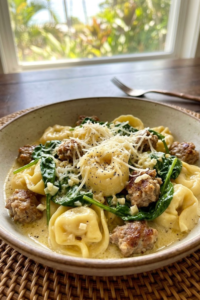
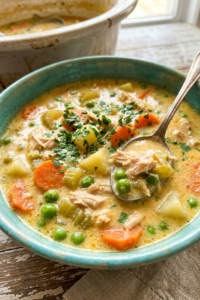
Is there anything in this world more comforting than a steaming, aromatic bowl of chicken noodle soup? I seriously doubt it! Statistics show that soup consumption spikes by over 40% during the winter months, and for good reason—it’s the culinary equivalent of a warm hug. Whether you are fighting off a nasty cold or just need a cozy dinner for a rainy Tuesday, this recipe is your new best friend. I remember my grandmother simmering her stock for hours, filling the house with a smell that just screamed “home.” In this guide, we aren’t just opening a can; we are creating liquid gold from scratch using fresh celery, carrots, and savory herbs. Let’s get cooking!
Selecting the Best Ingredients for Rich Flavor
Honestly, I used to think chicken noodle soup was just about throwing whatever leftovers I had into a pot and hoping for the best. I remember one specific Tuesday back in my 20s when I tried to make soup using boneless, skinless chicken breasts and a bag of frozen mixed veggies. It was… sad. The broth tasted like hot dishwater, and the chicken was drier than cardboard. I learned the hard way that you can’t get that deep, soul-warming flavor without the right stuff.
If you want your house to smell like heaven and your soup to actually taste good, you have to be picky at the grocery store. It’s not about buying the most expensive things, but buying the right things.
The Great Chicken Debate
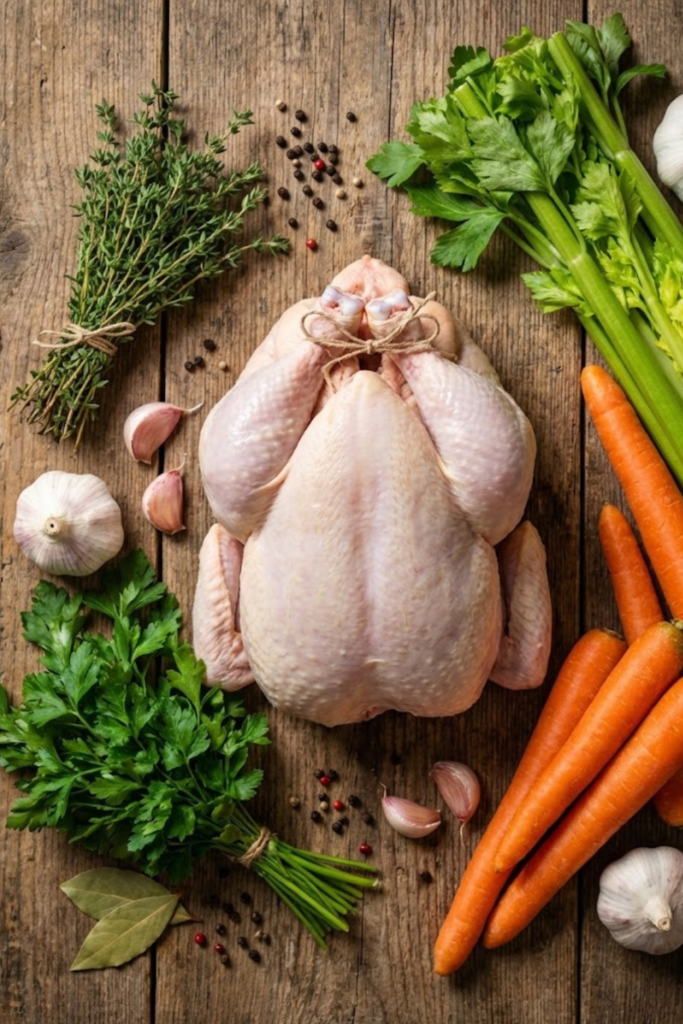
Here is the deal: fat equals flavor. I know, we’re all trying to be healthy, but if you use lean meat, your soup is gonna be boring. I always grab a whole organic chicken if I have the time to break it down.
If roasting a whole bird feels like too much work on a weeknight, go for bone-in, skin-on chicken thighs. They are cheaper usually, and the dark meat stays tender way longer than breast meat. The bones are crucial because they release collagen, which gives the broth that rich, silky feel that coats a spoon. Don’t throw them away!
The Holy Trinity of Veggies
Chefs call it “mirepoix,” but I just call it the base. You need onions, carrots, and celery. Please don’t use those limp carrots that have been sitting in the crisper drawer for three weeks. I’ve done it, and I regretted it immediately. Old veggies give the soup a weird, slightly bitter taste.
Get fresh, firm carrots and crisp celery. Also, I like to use yellow onions because they add a nice sweetness that balances out the savory chicken. A quick tip I learned: sauté these veggies in a little butter before you add the water. It wakes up the flavors.
Fresh Herbs vs. The Dust in Your Cabinet
I have a cabinet full of dried herbs that are probably older than my car. While dried thyme is okay in a pinch, fresh herbs are a total game-changer for chicken noodle soup.
I grab a bundle of fresh parsley, a few sprigs of thyme, and a couple of bay leaves. Throwing fresh herbs in at the end makes the soup taste bright and alive. And don’t forget the peppercorns! I accidentally bit into a whole peppercorn once, which wasn’t fun, but simmering them whole adds a subtle heat that ground pepper just can’t match.
Water or Stock?
This is where I get a little controversial. Some people swear by using store-bought stock as a base, but I think it makes the soup too salty. I prefer using cold, filtered water.
If you have good chicken and enough veggies, the water will turn into an amazing broth all on its own. If you are really in a rush and need to use boxed broth, get the low-sodium kind so you can control the salt level yourself. There is nothing worse than a bowl of soup that tastes like a salt lick.
Mastering the Golden Bone Broth Technique
I have a confession to make. The first time I tried to make bone broth, I turned the heat up as high as it would go and boiled that poor chicken for three hours straight. I thought hotter meant faster, right? Wrong.
I ended up with a cloudy, greasy mess that looked absolutely unappetizing. It was a total kitchen fail. I was so mad at myself for wasting a good bird. It took me a few years (and a lot of reading old cookbooks) to realize that patience is actually the main ingredient here.
The Low and Slow Simmer
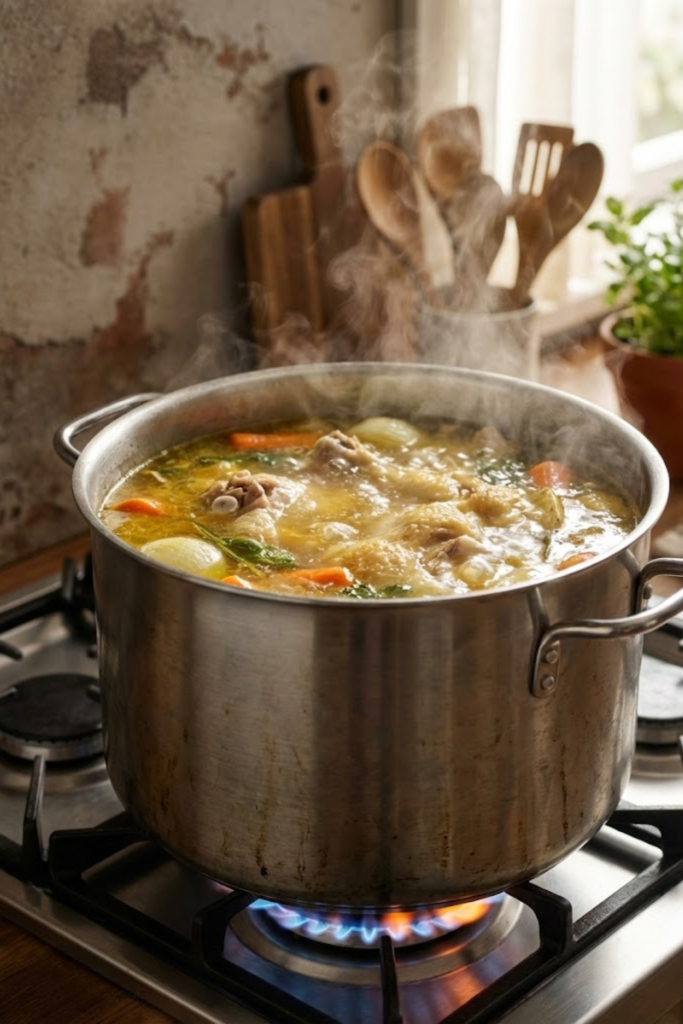
You can’t rush this. If you want that gelatinous stock that jiggles when it’s cold—which is exactly what you want—you have to let it simmer gently. I usually aim for a bare bubble.
If the water is rolling like a jacuzzi, you are emulsifying the fat into the liquid, which makes it cloudy. I let my pot go for at least four hours. Honestly, if I’m home on a Sunday, I might let it go for six or eight. The longer it goes, the more goodness you pull out of those bones. It’s gotta extract all that collagen.
Skimming the “Scum”
Okay, this part is kind of gross to talk about, but we’re friends here. When you first start heating the water, this gray foam is gonna float to the top. It looks nasty.
You have to get rid of it. I stand by the stove for the first 20 minutes with a spoon and a small bowl, just skimming that stuff off. If you leave it, your clear broth will taste slightly funky. It’s tedious, I know. But putting on a podcast helps the time pass. Just don’t skip this step if you want that beautiful, golden look.
The Straining Nightmare
I once poured my entire pot of stock directly into a colander in the sink… without putting a bowl underneath it. I literally watched four hours of work go down the drain. I cried. I actually cried.
Learn from my mistake: Put a big pot under your fine-mesh sieve before you pour! You want to catch every drop of that liquid gold. I usually strain it twice. Once to get the big chunks of veggies and bones out, and a second time through a cheesecloth if I’m feeling fancy and want it super clear. But usually, just the sieve is fine for a weeknight dinner.
The Salt Trap
Here is a tip that saved my soup game: do not salt the stock while it cooks. The liquid reduces down over those hours, right? So if you salt it at the beginning, by the time it reduces, it’s going to be way too salty.
I wait until the very end. I taste it, add a pinch, taste it again. You can always add more salt, but you can’t take it out. A perfect homemade chicken noodle soup relies on this balance. When you get it right, it’s magic.
Choosing and Cooking the Perfect Noodles
I have a love-hate relationship with noodles. I love eating them, but for the longest time, I hated how they ruined my leftovers. There is nothing—and I mean nothing—more disappointing than opening the fridge the next day to find your beautiful soup has turned into a solid, gelatinous brick of mush.
We have all been there. You make a huge pot of chicken noodle soup, toss the pasta in, and it tastes great the first night. But by lunch the next day? The noodles have drunk every drop of broth. It’s basically a chicken casserole at that point. I used to just add water and reheat it, but the texture was always gross and slimy.
The Egg Noodle Standard
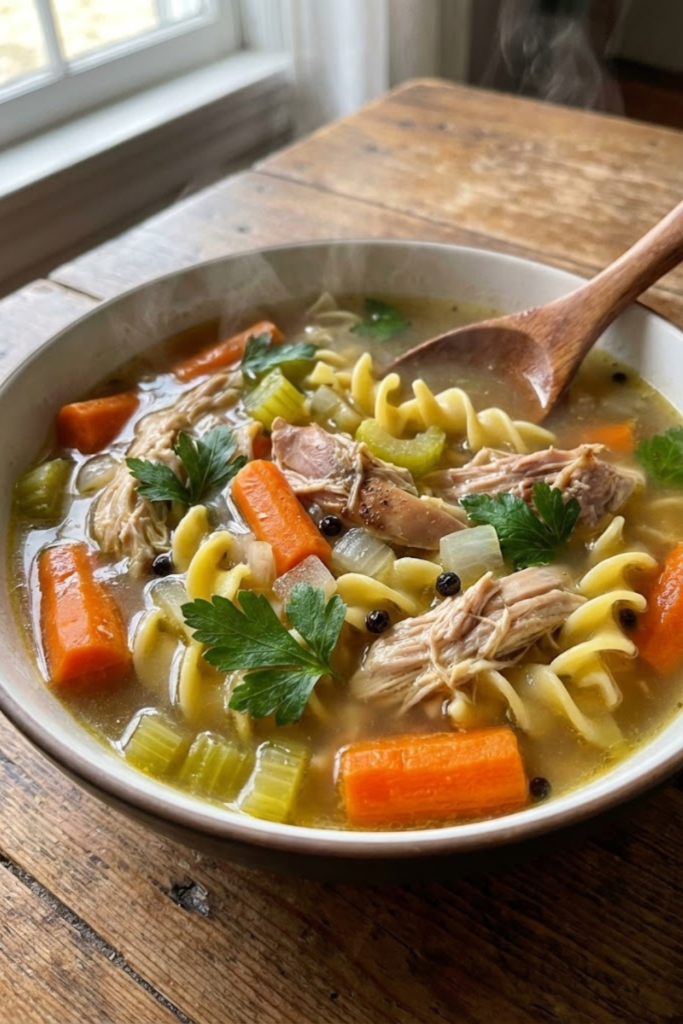
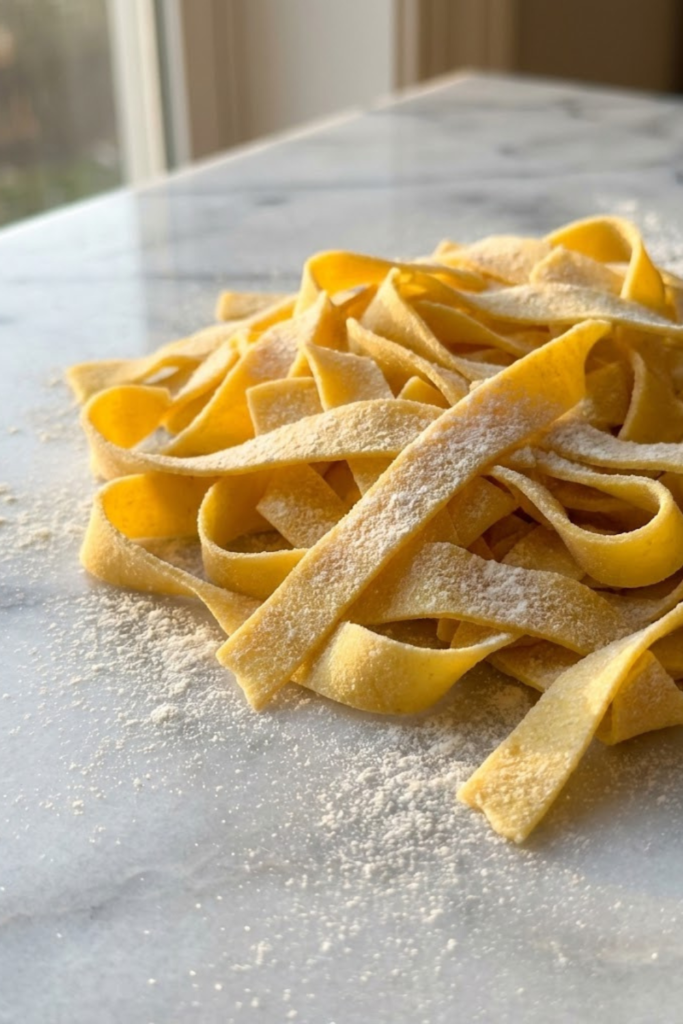
When it comes to variety, I am a traditionalist. You can use rotini or fusilli if you want, but wide egg noodles are the king here. They have that hearty, chewy texture that holds up against the shredded chicken.
I tried using angel hair pasta once because it was the only thing in my pantry. Big mistake. It turned into a paste almost instantly. If you are feeling super ambitious, making homemade pasta is amazing, but let’s be real—who has time for that on a Wednesday? I stick to the dried bags of “Grandma’s” style egg noodles. They get the job done perfectly.
The Golden Rule: Cook Separately
This is the hill I will die on: cook your noodles in a separate pot of salted water. I know, I know. It’s an extra pot to wash. I hate doing dishes too. But if you cook the noodles directly in the soup pot, the starch clouds up your beautiful clear broth that you spent hours making.
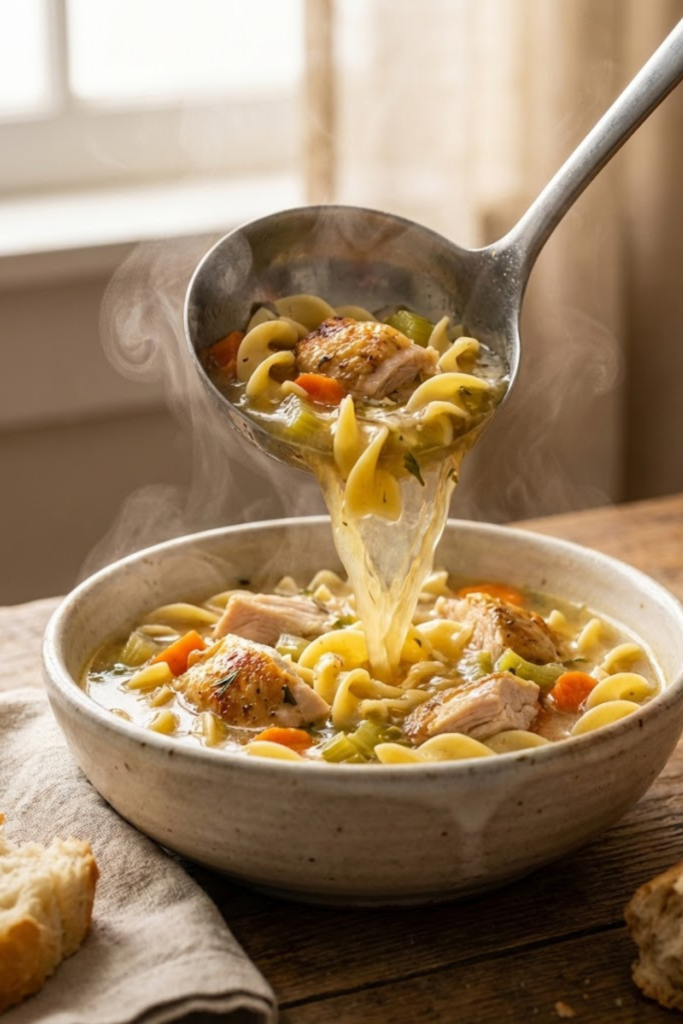
Plus, cooking them separately gives you control. I drain them, toss them with a tiny bit of olive oil so they don’t stick, and put them in bowls. Then, I ladle the hot soup over the noodles. This keeps the noodles chewy and the broth clean. Trust me, the extra dishwashing is worth it.
Dealing with Dietary Needs
I have a few friends who are gluten-free, so I’ve had to experiment with alternatives. Gluten-free pasta is tricky in soup. It tends to disintegrate if you look at it wrong.
If you are using rice noodles or a corn blend, you absolutely must cook them separately and add them right before eating. Do not let them sit in the hot liquid for more than a few minutes. I served a gluten-free chicken noodle soup once where the pasta dissolved into a grainy mess before we even finished the appetizer. It was embarrassing.
Timing is Everything
If you are stubborn and insist on cooking noodles in the broth (I can’t stop you), wait until the very last 10 minutes. Do not boil them to death. Turn the heat off while they still have a little “bite” to them, because they will keep cooking in the hot liquid even after the stove is off. But seriously, just use the second pot. Your leftovers will thank you.
Step-by-Step Instructions for Stovetop and Slow Cooker
I used to be a “dump and pray” kind of cook. You know what I mean—dumping everything into a pot, turning the heat on, and praying it tastes edible. Spoiler alert: it usually didn’t. My early attempts at homemade chicken noodle soup were edible, sure, but they lacked that depth of flavor I craved.
It took me burning a few batches and serving some seriously undercooked carrots to realize that the order of operations matters. Whether you are using a heavy Dutch oven or a fancy gadget, following the steps makes the difference between “meh” soup and “wow” soup.
The Sauté Step You Can’t Skip
If you take raw onions and boil them in water, they taste like boiled onions. Groundbreaking, right? But if you sweat them in butter first? Magic.
I always start my Dutch oven recipes by melting a knob of butter over medium heat. Toss in your diced onions, carrots, and celery. Let them cook for about 5 to 7 minutes. You want the onions to look translucent, not brown. This releases the aromatics. I skipped this step for years because I was lazy, and I always wondered why my soup tasted flat. Don’t be like the old me. Sauté your veggies!
The Shredding Struggle
Here is a painful lesson I learned: do not try to shred a chicken straight out of the boiling broth with your bare hands. I almost lost my fingerprints one year trying to rush dinner.
Let the meat cool down for ten minutes. Please. Once it’s safe, I use two forks to pull the meat apart. If I’m feeling really lazy and have a ton of meat, I actually throw the boneless chicken into my stand mixer with the paddle attachment. It shreds perfectly in like 20 seconds. It’s a total game-changer for shredding the meat quickly.
The Set-It-and-Forget-It Magic
I love my slow cooker. There is nothing better than walking into the house at 5 PM and getting hit with the smell of savory chicken. For Crockpot chicken soup, I just dump everything (except the noodles!) in the morning.
Cook it on low for 6-8 hours. The chicken gets so tender it basically falls apart if you look at it. Just remember, don’t put the pasta in the slow cooker in the morning. If you do, you will come home to a paste that looks like glue. Add cooked noodles right before serving.
The Panic Button (Instant Pot)
Sometimes I forget to defrost dinner. It happens. That is when I grab the pressure cooker. You can make an Instant Pot soup that tastes like it simmered all day in just about 40 minutes.
I use the “Sauté” function for the veggies first (don’t skip it!), then pressure cook the chicken and broth. Just be careful with the quick release valve. I once sprayed chicken steam all over my kitchen cabinets because I wasn’t paying attention. It was a nightmare to clean, but the soup was delicious.
Storage, Freezing, and Reheating Tips
I am a huge fan of “past me” doing favors for “future me.” There is honestly no better feeling than coming home exhausted on a Thursday night and realizing there’s a quart of homemade soup waiting in the freezer. It’s like winning the lottery, but tastier.
However, I have definitely ruined a few batches by storing them wrong. I used to just shove the whole hot pot in the fridge because I was too tired to deal with it. Bad move. Not only does it heat up your fridge (unsafe!), but the soup doesn’t last as long.
The Refrigerator Rules
First off, let the soup cool down before you pack it away. But don’t leave it out all night! I aim for the “two-hour rule.” Once it’s cool, I ladle it into airtight containers.
In my experience, homemade chicken noodle soup is good in the fridge for about 3 to 4 days. After that, it gets a little sketchy. I usually sniff it. If it smells even a little bit sour, toss it. It’s not worth the stomach ache. I like using glass containers because plastic ones always get stained yellow from the turmeric or carrots, and I hate scrubbing them.
The Freezing Guide (Listen Carefully!)
If you take nothing else away from this post, listen to this: Do not freeze the noodles. Just don’t do it.
I froze a big batch with the noodles in it once. When I thawed it out a month later, the noodles had completely disintegrated into mushy sludge. The texture was horrifying. Now, I freeze just the broth, chicken, and veggies. I use gallon freezer bags and lay them flat so they stack like books. It saves so much space! When you are ready to eat, just boil fresh pasta while the freezer friendly meals thaw. It tastes brand new.
Reheating Without Ruining It
I am guilty of nuking my soup in the microwave until it explodes. We all do it. But for the best flavor, the stovetop is king.
Dump your cold soup into a pot and warm it over medium heat. If you froze it, you might need to add a splash of water or extra chicken stock because it tends to thicken up in the freezer. If you must use the microwave, cover the bowl with a damp paper towel. It keeps the chicken from drying out and popping all over the walls of your microwave.
Meal Prep Like a Boss
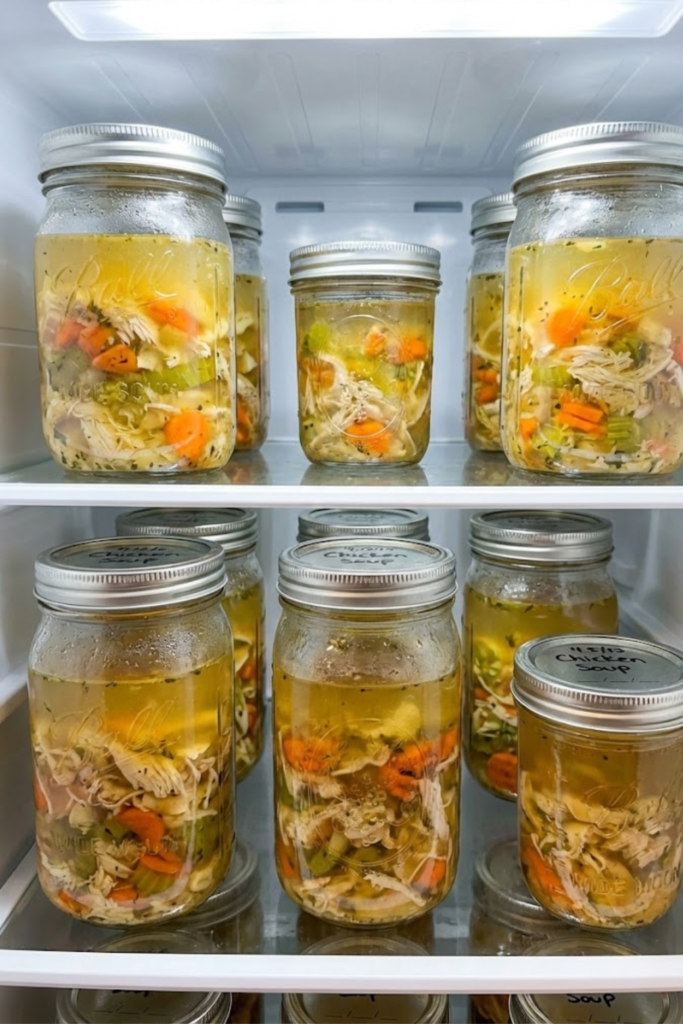
I’ve started doing this thing where I portion the soup into individual mason jars for the week. It makes meal prep soup so easy for lunches.
Just grab a jar, take it to work, and you are good to go. Just remember to leave an inch of space at the top if you are freezing the jars, or the glass will crack when the liquid expands. I learned that one the hard way, cleaning frozen broth and glass shards out of my freezer was not the highlight of my week.
Making homemade chicken noodle soup is more than just cooking; it is an act of love for yourself and your family. By following these steps, you’ve created a bowl that is rich in flavor and packed with nutrients. Whether you used the slow cooker or the stovetop method, I hope this recipe warms your kitchen and your heart! Don’t forget to save this recipe for the next rainy day.
Did you love this recipe? Pin it to your “Comfort Food” board on Pinterest and tag us in your photos!