I have a confession to make: I used to be the queen of soggy breading. It was so embarrassing! I’d pull my tray out of the oven, and instead of a crunch, I got a sad, mushy mess. Did you know that over 60% of home cooks say “texture” is the hardest part of healthy cooking? Well, I finally cracked the code for baked chicken tenders that actually snap when you bite them! You don’t need a deep fryer to feel like a pro. Let’s dive into how I turned my kitchen “oops” into a family favorite that everyone begs for on Tuesday nights.
Why Oven-Baking Trumps Deep Frying Every Time
I used to think that the only way to get a good chicken tender was to drop it into a bubbling pot of oil. My mom did it that way, and her mom did too. But honestly? I hated the whole process. It felt like a huge production every time I wanted a quick dinner. Once I started baking them, I realized I was missing out on a much easier way to live. Baking isn’t just some “healthy choice” that tastes like dry cardboard. If you do it right, it actually tastes better because you can taste the chicken and the spices instead of just hot grease. It took me a few tries to get it right, but now I’ll never go back.
Your Heart Will Thank You Later
Let’s talk about the big issue: oil. When you deep fry, that chicken acts like a big sponge. It soaks up all that heavy fat and stays there. I noticed that after eating fried food, I usually felt like I needed a long nap. It makes you feel slow and sluggish. By baking your chicken tenders, you’re cutting out hundreds of calories and tons of fat that you just don’t need in your body. I’ve found that my energy stays way higher when I bake my food instead. Plus, you don’t have to deal with the gross job of throwing away a giant pot of used oil. Have you ever tried to pour cold grease into a old jar? It’s a total nightmare!
Say Goodbye to the Kitchen Splatter
Another big reason I prefer using the oven is the safety and the cleanup. When I used to fry, I’d end up with tiny little grease burns on my arms. Not a fun time! My stove would also be covered in a sticky layer of oil that took forever to scrub off. It felt like I spent more time cleaning the kitchen than I did actually eating the meal. With baking, you just throw some parchment paper on a tray, slide it in, and you’re good to go. When you’re finished, you just crumple up the paper and toss it. It’s so much simpler for a busy night when you’re tired.
Keeping the House Smelling Fresh
We’ve all been there—you fry something for dinner, and then late at night, the whole house still smells like a fast food place. It gets into the curtains and even your clothes. It’s not a nice smell to wake up to the next morning. When you bake these tenders, the house just smells like yummy toasted bread and garlic. It’s much more pleasant. You get all the flavor without that heavy “fried” scent that sticks around for days. Honestly, once you make the switch to the oven, you won’t want to go back to the old greasy way. It’s just a way smarter way to cook for your family.
The Panko Secret for Maximum Crunch
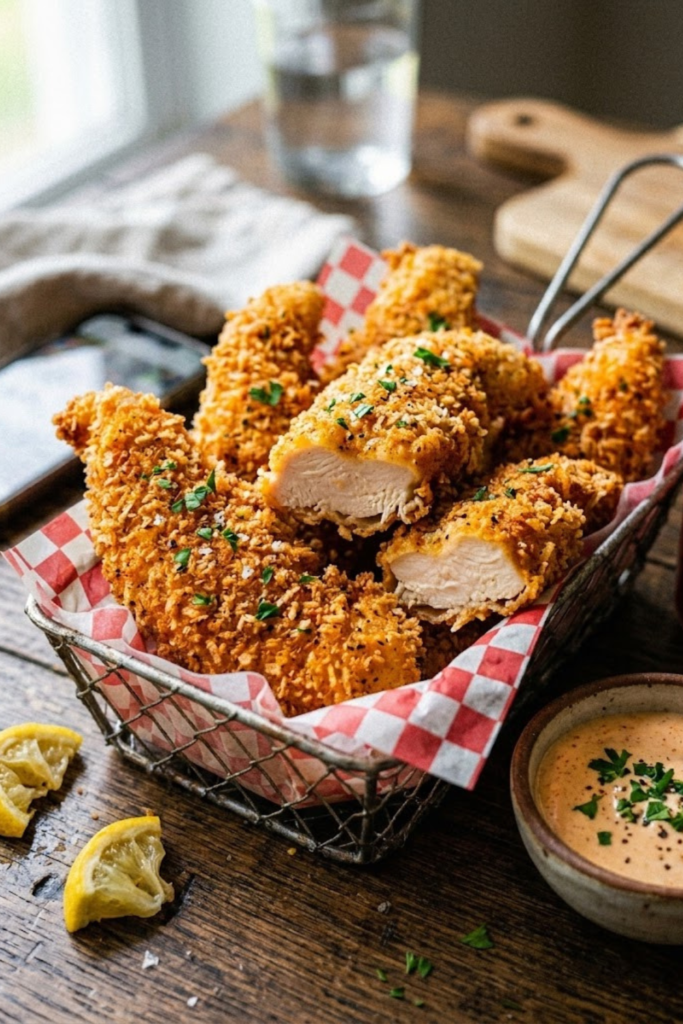
I used to be so frustrated with my baked chicken. I’d use those tiny, sandy breadcrumbs from the grocery store, and the chicken would come out looking pale and tasting kind of boring. It wasn’t until I started using panko that everything changed. Panko breadcrumbs are a Japanese style of breadcrumb that are much bigger and airier than the regular kind. They don’t just sit there; they create these little jagged edges that get super crispy in the heat of the oven. If you want that “fried” crunch without the deep fryer, this is the first thing you need to change.
The Five-Minute Toasting Trick
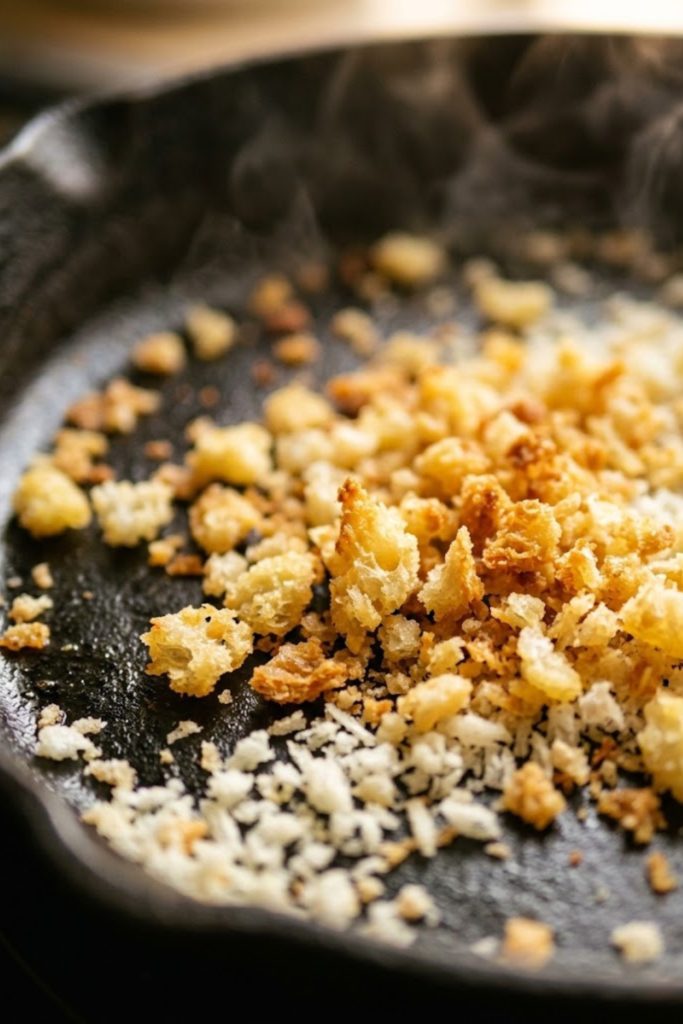
Here is the real secret that most people miss. If you just put raw panko on your chicken and bake it, the chicken finishes cooking before the crumbs can turn a nice golden brown. To fix this, I always toast my panko in a pan first. I just put a little bit of olive oil or butter in a skillet, throw in the crumbs, and stir them over medium heat for about five minutes. You have to watch them like a hawk so they don’t burn! Once they look like the color of a golden retriever, take them off the heat. This way, your chicken starts out with a head start on that beautiful color and crunch.
How to Make the Coating Actually Stick
There is nothing worse than picking up a chicken tender and having all the breading fall off on the plate. It’s so annoying! I’ve learned that the “three-step” method is the best way to keep things together. First, I lightly coat the chicken in a little bit of flour. Then, I dip it into a mixture of egg and a spoonful of Dijon mustard. The mustard adds a nice tang but it also act like a glue. Finally, I press the chicken firmly into the toasted panko. You really have to push it down so the crumbs get nestled into the egg wash.
Why Texture Matters So Much
When you bite into a piece of chicken that has that perfect snap, it just feels more satisfying. My students always tell me that “mouthfeel” is a big deal, and they’re right. Using panko instead of regular crumbs makes the meal feel like a real treat instead of just a healthy “diet” dinner. It takes a tiny bit of extra effort to toast those crumbs, but the look on your family’s faces when they hear that crunch is totally worth it. It’s a simple change that makes a huge difference in how your cooking turns out.
My Favorite 2026 Seasoning Blend
I remember when I first started making baked chicken tenders, they were so bland. It was like eating a piece of wet cardboard with some salt on it. My kids would just look at me with those “are we really eating this?” eyes. It was a bit embarrassing! I realized that if I wasn’t frying the chicken in fat, I had to bring the flavor in other ways. After playing around with my spice cabinet for a few months, I finally found a blend that makes these taste like they came from a fancy restaurant. It’s all about being bold with your spices.
The Power of Smoked Paprika
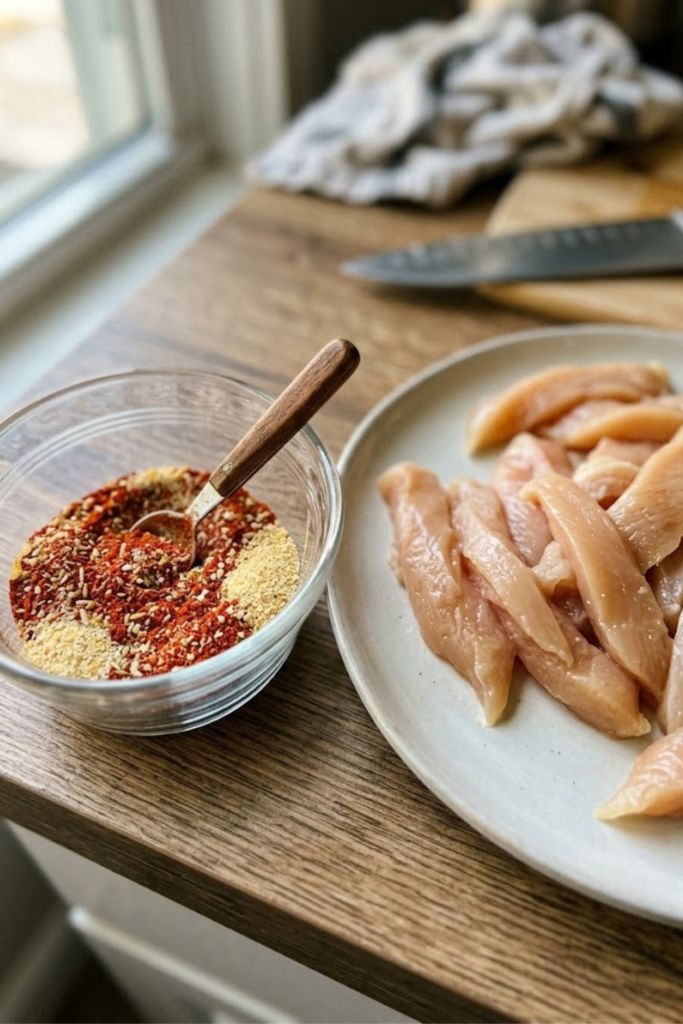
If you only buy one new spice this year, make it smoked paprika. It’s totally different from the regular kind you find in the little tins. It has this deep, woody smell that makes the chicken feel like it was cooked over a grill. I use a lot of it because it also gives the tenders a beautiful red-orange color that looks great on the plate. Along with that, I always add a good amount of garlic powder and onion powder. Don’t use fresh garlic here because it will burn in the oven and taste bitter. Stick to the powders for the best results. And if you like a little kick, a tiny pinch of cayenne pepper goes a long way. It doesn’t make it “hot” exactly, it just gives a little warmth.
Forget the Plain Egg Wash
Most people just crack an egg and call it a day. But I’ve found a much better way. I like to mix my egg with a big dollop of plain Greek yogurt or even some yellow mustard. It sounds a bit weird, I know! But the yogurt keeps the chicken super juicy while it bakes. Chicken breast gets dry so fast in the oven, and the yogurt acts like a little shield to keep the moisture inside. If you use mustard, it gives a nice little zing that cuts through the breading. It makes the “glue” for your crumbs much thicker so the panko stays right where it belongs.
The Perfect Mix for Four People
When I’m cooking for my family of four, I usually use about one and a half pounds of chicken. For that much meat, I mix one cup of panko with one tablespoon of smoked paprika, one teaspoon of garlic powder, half a teaspoon of salt, and a quarter teaspoon of black pepper. For the wet part, I use one large egg and two tablespoons of Greek yogurt. This is the exact ratio that works every single time for me. It’s enough to cover every piece of chicken without having a ton of leftover mess at the end of the night. My students always tell me this is the best part of the recipe because it’s so easy to remember when they try it at home. It really takes the guesswork out of dinner time.
How to Tell When They Are Perfectly Done
There’s nothing worse than biting into a piece of chicken that feels like you’re chewing on a big rubber band. I’ve done it so many times! It’s the biggest worry when you’re baking instead of frying. You want to make sure it’s cooked so nobody gets sick, but if you leave it in too long, it turns into a dry mess. It took me a while to realize that “just a few more minutes” is usually the enemy of a good dinner. Here is how I make sure my tenders are just right every single time without having to guess.
Don’t Guess, Use a Thermometer
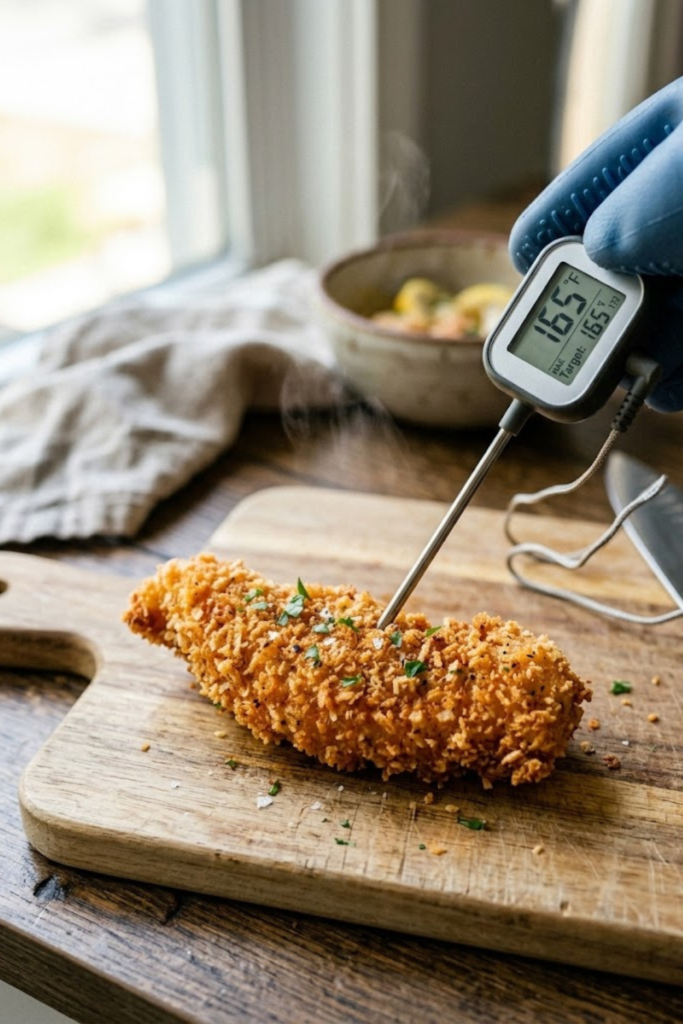
If you don’t have a digital meat thermometer yet, please go get one. It totally changed my life in the kitchen. I used to try and cut the chicken open to see if it was still pink inside, but then all the juice runs out and the chicken gets dry anyway. Now, I just poke the thickest part of the tender with the metal probe. You are looking for exactly $165^\circ F$. I usually pull mine out when they hit $162^\circ F$ because the heat keeps rising for a minute after they leave the oven. This is the best way to make sure they are safe to eat but still super juicy on the inside. It’s a simple tool that makes you look like a pro.
Look for the Bubbles and Gold
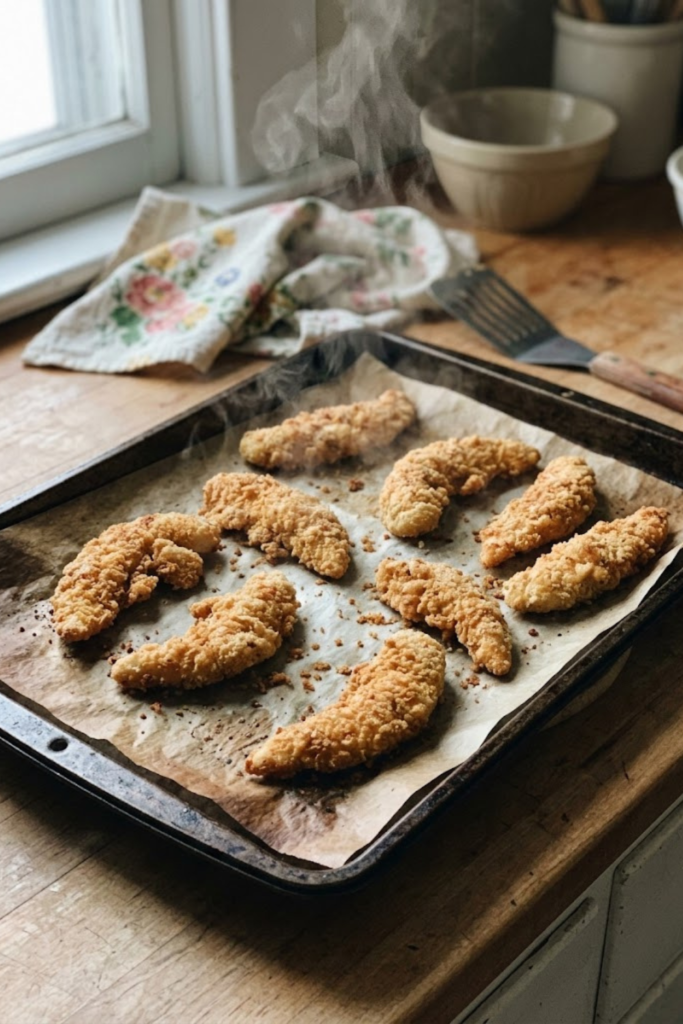
While the thermometer is the best tool, you can also use your eyes to see what’s going on. When the chicken is done, you’ll see tiny little bubbles of clear juice popping up through the panko crust. The crust should be a deep, beautiful golden color—not a pale yellow. If it looks a bit light, you might need to turn the heat up a tiny bit next time or toast your crumbs longer. The smell will also change; it starts to smell like toasted bread and savory spices rather than just raw meat. It’s a subtle thing, but once you notice it, you’ll know exactly when to pull the tray out.
The Magic of the Three-Minute Rest
I know it’s hard when you’re hungry and the kitchen smells amazing, but you have to wait. If you cut into that chicken the second it comes out of the oven, all the moisture just spills out onto the plate. I always tell my students to give it at least three minutes of resting time. This lets the juices settle back into the meat so it stays tender. It’s a simple trick that makes a huge difference. While you wait, you can get your dipping sauces ready or finally set the table. Trust me, that short wait is the secret to a professional-tasting meal that isn’t dry as a bone.
Dipping Sauces That Elevate the Meal
I’ll admit it—I am a total sauce person. My husband always laughs because I usually have three different little bowls on my plate for just one meal. But let’s be real, a plain chicken tender is just half the fun. The right sauce takes a good dinner and makes it feel like a real party. I used to just grab whatever was on sale at the store, but once I started making my own, I realized how much better it can be. It’s so much fresher and you can control exactly how sweet or spicy it gets. Plus, it’s a great way to use up those half-empty jars in the back of your fridge.
Homemade Honey Mustard is King
I used to buy the bright yellow honey mustard from the plastic squeeze bottles, and it was… fine. But making it yourself is a total game changer. All you need is some Dijon mustard, a bit of honey, and a splash of apple cider vinegar. Sometimes I add a tiny bit of mayo if I want it extra creamy. Store-bought versions are usually full of weird thickeners and way too much corn syrup. When you make it at home, it tastes sharp and bright. It really wakes up the flavor of the chicken instead of covering it up. My students are always surprised when I tell them it only takes thirty seconds to whisk together in a small bowl.
My “Happy Accident” Spicy Ranch
One night I was in a big rush and realized I was out of my favorite hot sauce. I had some regular ranch dressing in the fridge and a jar of pickled jalapeños. I just threw a spoonful of the jalapeño juice and some chopped bits into the ranch and stirred it up. Oh my goodness, it was amazing! Now, I make it on purpose every time we have chicken. It’s just ranch, a little lime juice, and some chili powder or jalapeño juice. It gives a nice little kick that isn’t too scary for the kids but still feels “fancy” for the adults. It’s the perfect dip for those crispy panko edges.
Keeping Leftovers Crunchy
If you actually have any chicken left over—which doesn’t happen very often at my house—you have to store it right. Don’t just put them in a plastic bag while they are still warm, or the steam will make the breading totally soggy. Let them cool down completely on the counter first. Then, put them in a glass container with a piece of paper towel on the bottom. When you want to eat them the next day, stay away from the microwave! That will make them soft and sad. Put them back in the oven or an air fryer for just a few minutes. They get that snap right back, and they are perfect on top of a big green salad for lunch. It makes me actually look forward to my leftovers.
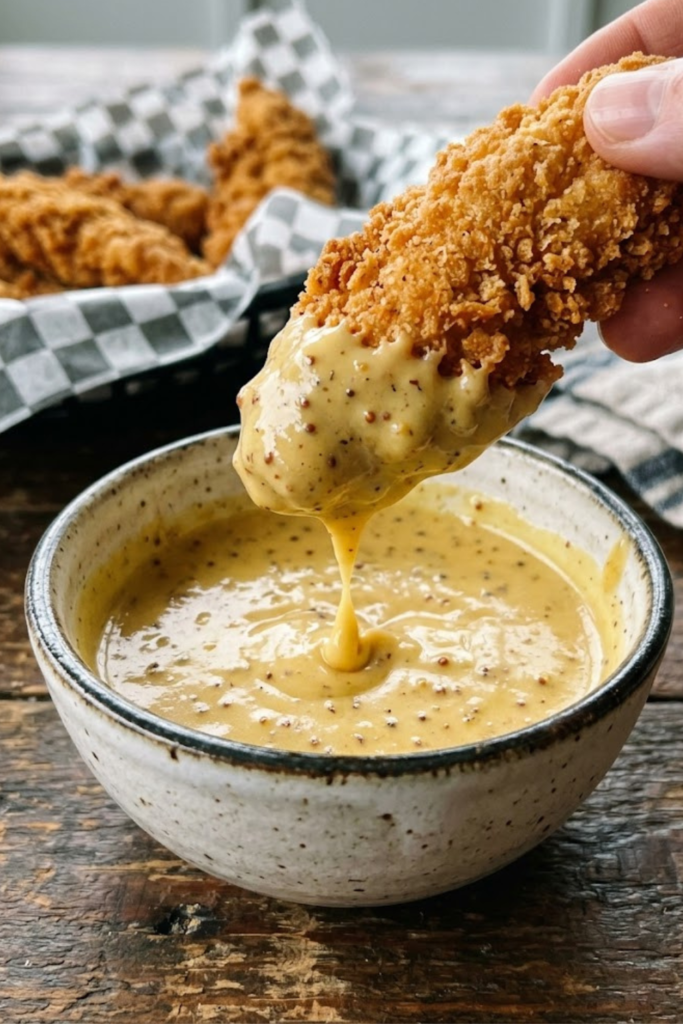
So, that’s my whole routine for making these baked chicken tenders. I really hope this helps some of you who have been struggling with soggy breading or dry meat for a long time. I know exactly how it feels to put a lot of work into a meal and then have it not turn out right. It’s so frustrating when you’re tired after work! But honestly, once you get the hang of toasting those crumbs and using a simple thermometer, you’re going to feel like a total rockstar in the kitchen. My kids actually ask for these now, and that’s the best feeling in the world for a busy parent. It makes the whole day feel a little bit easier when dinner isn’t a struggle.
I’ve shared this recipe with so many of my fellow teachers and my students over the years. Some of them were really nervous about cooking chicken at first because they were scared of undercooking it. But they all said the same thing after they tried this—it is way easier than it looks. You don’t need a fancy kitchen or any expensive tools to make this work. Just a basic tray, some parchment paper, and a little bit of patience. If you’ve been stuck in a food rut lately, this is a great way to shake things up. It’s healthy, it’s fast, and it tastes just as good as the greasy stuff from the drive-thru. Maybe even better because you know exactly what went into it!
Don’t be afraid to make a little mess, either. My kitchen usually has a few panko crumbs on the floor by the time I’m done, but that’s just part of the fun of cooking. Cooking should be something you enjoy doing for your family, not something you dread every single night. If you mess up the first time, don’t worry about it too much. My first batch was a total disaster and we ended up ordering pizza! Just try again tomorrow. You’ll get it eventually, and when you do, it’s going to be so satisfying. Your family will be so impressed with that perfect crunch.
If you liked this guide, please do me a huge favor and share it on Pinterest! It helps other people find these tips, and I’d love to know if you tried the spicy ranch or the honey mustard sauce. I’m always looking for new ideas for my own kitchen, too. Happy baking, everyone! I hope your next dinner is a big hit with the whole family.