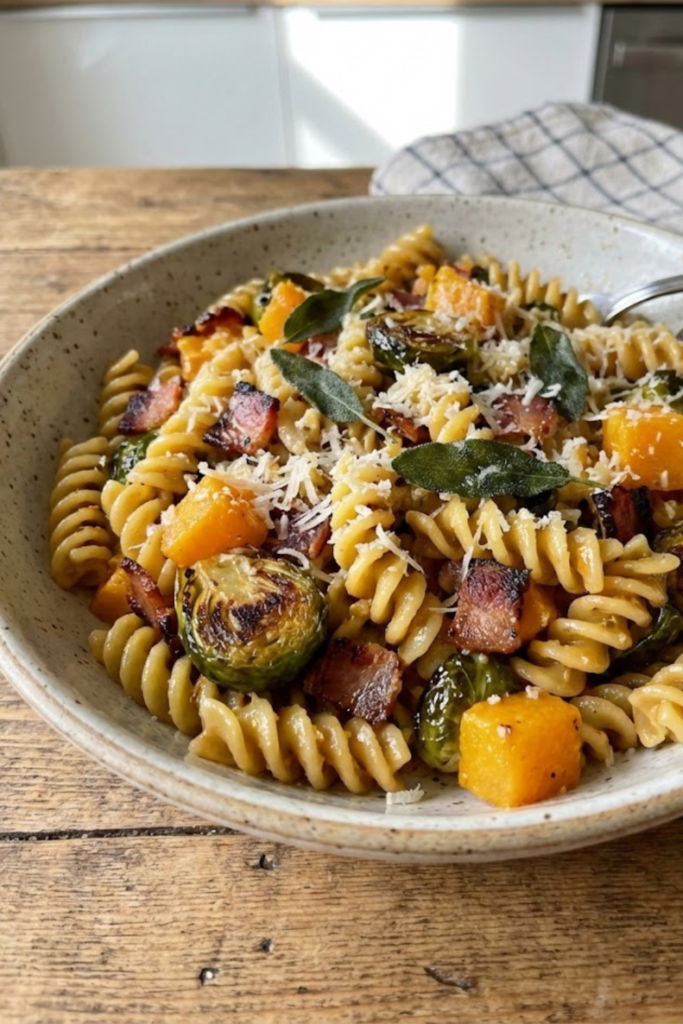
have a confession to make: I used to absolutely loathe Brussels sprouts! But let me tell you, when you roast them until they are crispy and toss them into a creamy bacon Brussels butternut pasta, everything changes. There is something magical about the combination of sweet, caramelized squash and salty, savory pork that just screams “comfort food.” Did you know that roasting squash actually concentrates its natural sugars, creating a depth of flavor boiling just can’t match? In this post, I’m going to walk you through exactly how to nail this dish, ensuring every bite is a perfect balance of textures and flavors. Let’s get cooking!
Selecting the Best Ingredients for Fall Pasta
Honest truth time? I used to think the quality of my ingredients didn’t really matter that much. I was the person grabbing the sad, pre-bagged spinach and the cheapest bacon I could find, thinking, “It’s all going into a sauce anyway, right?” Wrong. So wrong. especially when you are making bacon brussels butternut pasta.
I remember attempting this dish for a dinner party a few years back. I bought pre-cut squash that was dry as a bone and thin, flimsy bacon. The result was… well, let’s just say we ordered pizza. The squash turned to mush, and the bacon burned before it rendered any fat. It was a disaster. Through a lot of trial and error (and a few more pizza nights), I’ve learned that picking the right stuff is half the battle.
The Squash Situation
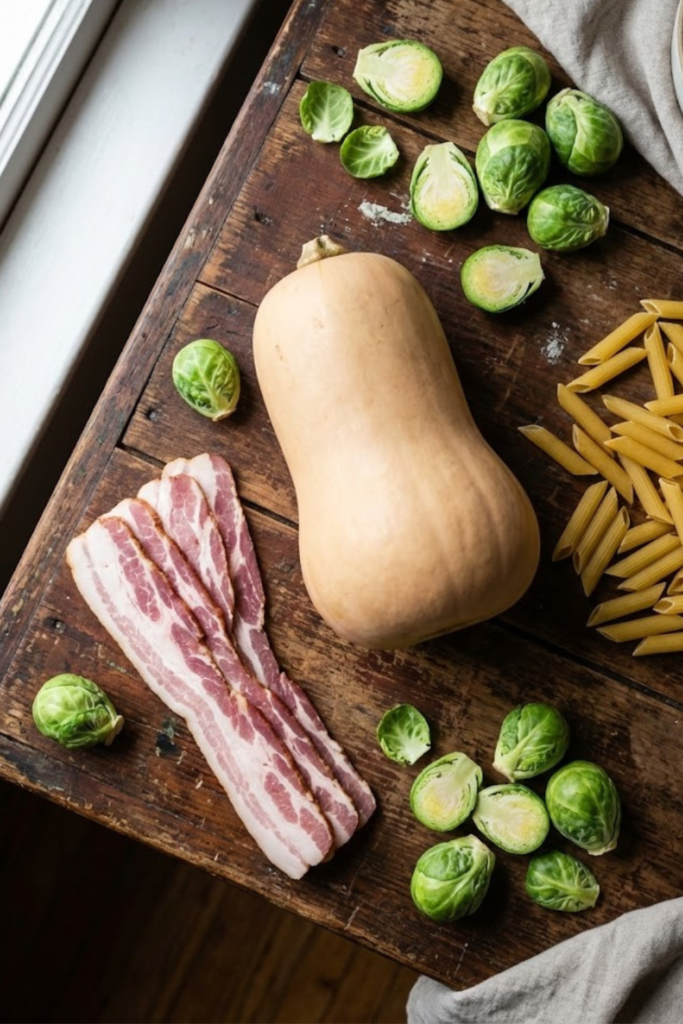
First things first, let’s talk about the butternut. Please, I am begging you, step away from the pre-cut cubes in the plastic tub. I know it saves time! I get it. But those cubes are often dried out and lack flavor.
When you’re shopping for your bacon brussels butternut pasta, look for a whole squash that feels heavy for its size. That weight means it’s full of moisture and sugars, which is exactly what we need for caramelization. Also, check the skin. You want a matte finish. If it’s shiny, it was picked too early and won’t be as sweet. Trust me on this one.
Bacon: Thick Cut or Bust
Okay, here is where I get a little bossy. Do not buy thin-cut bacon for this recipe. Thin strips cook way too fast. They turn into charcoal before they release enough of that liquid gold (bacon fat) that we need to cook the veggies in.
You want thick-cut bacon or even a nice slab of pancetta. I usually grab a pack from the butcher counter if I can. You need that fat to render slowly. This creates the savory base that coats the bacon brussels butternut pasta, making it taste like something from a fancy restaurant. If you use the cheap stuff, you’ll end up adding oil later, and the flavor just isn’t the same.
The Brussels Sprouts Strategy
I used to hate Brussels sprouts. Like, despise them. Turns out, I was just eating big, bitter ones. The trick is to look for the smallest heads you can find. Smaller sprouts are sweeter and more tender.
Also, check the leaves. They should be tight and bright green. If they are yellowing or have black spots, put them back. I usually buy a whole stalk if I see one, they tend to stay fresh longer. Prepping them is easy—just trim the bottom and slice them in half.
Don’t Forget the Pasta Shape
You might think any noodle works here, but that’s another mistake I’ve made. Long noodles like spaghetti just don’t work well with chunky veggies. The yummy bits fall to the bottom of the bowl, and you’re left eating plain pasta.
For the ultimate bacon brussels butternut pasta, you need a “short” pasta. My go-to is orecchiette. It means “little ears” in Italian, and the shape acts like a little cup that catches the bacon bits and creamy sauce. Penne or rigatoni are totally fine too. Just pick something with ridges or holes to hold onto all that flavor we are building.
So yeah, spend the extra ten minutes looking for the good produce. It makes the cooking part way easier, and your tastebuds will thank you later.
Roasting Vegetables for Maximum Flavor
I have to be honest with you—my first attempt at roasting vegetables for this bacon brussels butternut pasta was a total flop. I mean, it was actually embarrassing. I invited my sister over for dinner, bragging about this new recipe I found. I chopped everything up, threw it all into one baking dish, and shoved it in the oven.
When the timer went off, I didn’t have golden, crispy deliciousness. I had a tray of sad, gray, soggy mush. The squash was falling apart, and the Brussels sprouts tasted like boiled cabbage. My sister, bless her heart, ate it anyway, but I knew I had messed up big time. That failure taught me a very important lesson: roasting is an art, but it’s one you can easily learn if you know the rules.
The Chop Matters
One thing I learned the hard way is that size actually matters here. If you cut your butternut squash into big huge chunks but slice your Brussels sprouts thinly, you are going to have a problem. The sprouts will turn to charcoal before the squash is even soft.
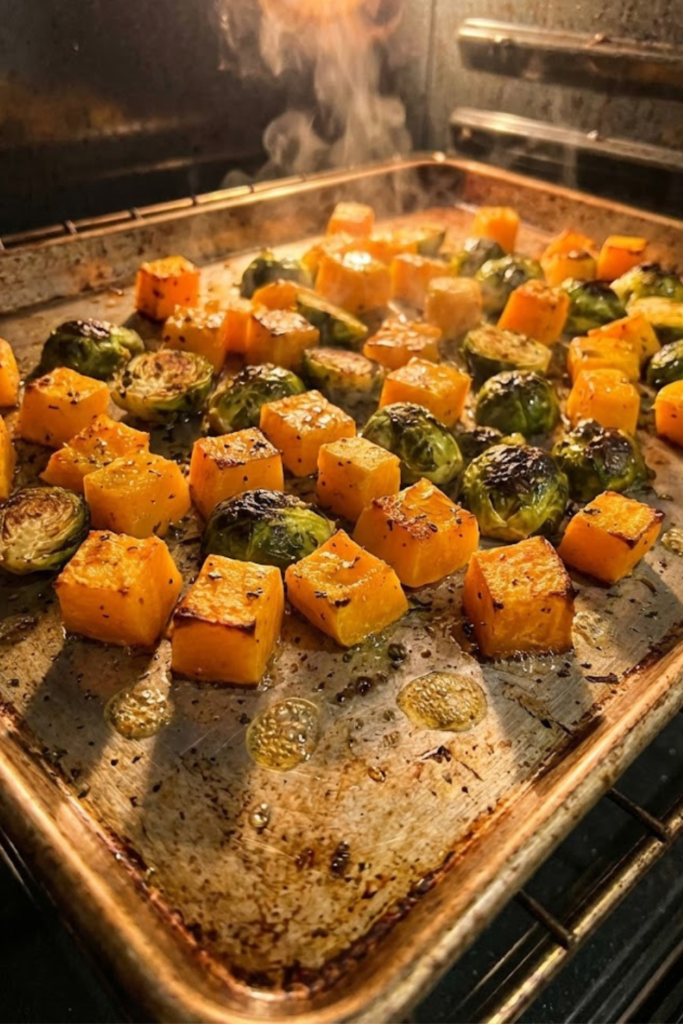
When prepping for your bacon brussels butternut pasta, try to get everything roughly the same size. I aim for cubes about one inch wide. It doesn’t have to be perfect—we aren’t building a rocket ship here—but keeping them uniform helps everything cook evenly. This way, you aren’t picking out burnt bits while waiting for the raw bits to finish.
Don’t Crowd the Pan!
If you only take one piece of advice from me today, let it be this: do not overcrowd your pan. This was my fatal mistake during “the soggy vegetable incident” of 2018. When vegetables are packed in too tight, they release moisture as they cook. If there isn’t room for that air to circulate, the moisture gets trapped.
Basically, you end up steaming your veggies instead of roasting them. Steaming is fine for a diet plate, but for a rich bacon brussels butternut pasta, we want caramelization. We want those brown, crispy edges that taste sweet and savory. So, use two sheet pans if you have to. Spread them out. Give them personal space. It makes a world of difference.
Crank Up the Heat
I used to be afraid of high heat. I thought I would burn the house down. But low temperatures just dry things out. You need to be brave and set that oven to 400°F (200°C).
That high heat is what creates the chemical reaction—I think it’s called the Maillard reaction—that turns the natural sugars in the squash golden brown. Toss your veggies generously in olive oil, salt, and pepper before they go in. Don’t be stingy with the oil; it helps conduct the heat. After about 20 or 25 minutes, you should see those beautiful charred spots on the sprouts. That is exactly when you know they are ready to be tossed into your bacon brussels butternut pasta. Trust your eyes, not just the timer.
Mastering the Creamy Bacon Sauce
I used to be terrified of making cream sauces from scratch. For years, I was strictly a “jar open, pour, heat” kind of cook. I had this irrational fear that the sauce would break or taste like warm milk. But let me tell you, once you make this sauce for your bacon brussels butternut pasta, you will never look at a jar of Alfredo the same way again. It is surprisingly forgiving if you just pay attention to a few little details.
The secret really is in the timing. I remember the first time I tried to rush this step; I cranked the heat up way too high and ended up with a separated, oily mess that looked totally unappetizing. I almost cried over the stove. So, take a breath, pour yourself a glass of wine (you’ll need some for the sauce anyway), and let’s do this right.
Liquid Gold: The Bacon Fat
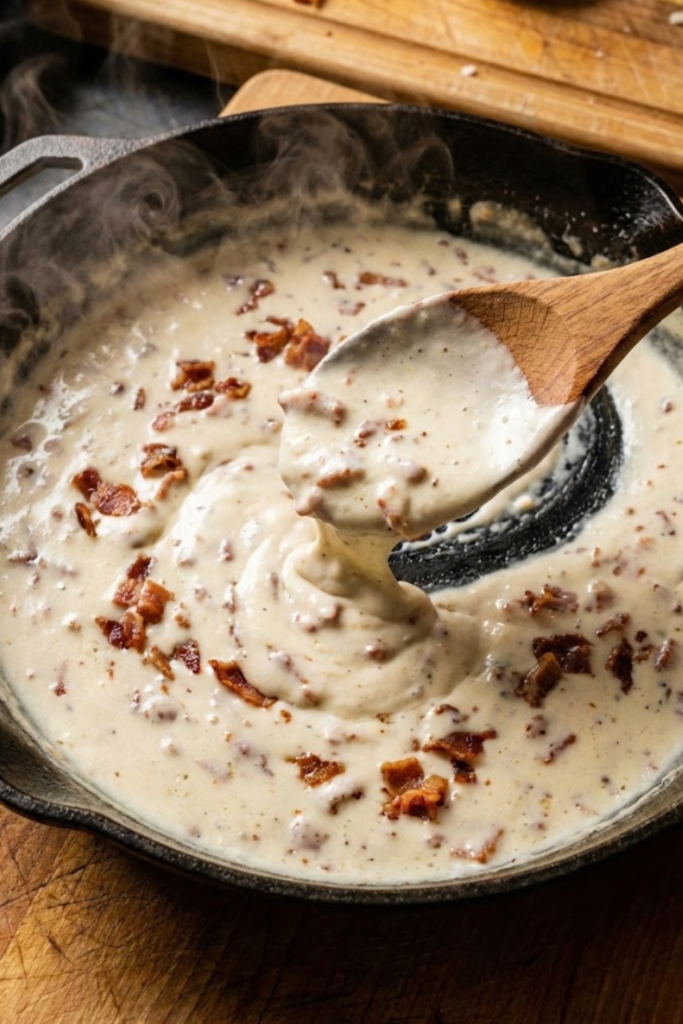
Okay, do not—and I mean do not—drain that bacon grease! After you’ve crisped up your thick-cut bacon, that rendered fat left in the pan is basically liquid gold. It’s packed with smoky, salty flavor that is going to infuse the entire dish.
If you dump it out and replace it with olive oil, you’re robbing your bacon brussels butternut pasta of its soul. Seriously. Keep about two tablespoons of the fat in the skillet. If you have way too much, spoon a little out, but we need a good amount to sauté the aromatics. This is the foundation. It’s what bridges the gap between the veggies and the pasta.
The Garlic Trap
Here is a mistake I have made more times than I care to admit: burning the garlic. I used to throw the garlic in right when the pan was screaming hot from the bacon. Bad move. Garlic burns in seconds, and once it’s burnt, it tastes bitter and acrid. There is no saving it.
Turn the heat down to medium-low before you add your minced shallots and garlic. You want them to soften and smell amazing, not turn black. Sauté them gently in the bacon fat for just a minute or two. You’ll smell it when it’s ready. It’s that smell that makes everyone in the house ask, “What are you cooking?”
Scrape Up the “Fond”
Now comes the fancy chef part that is actually super easy. See those brown, stuck-on bits at the bottom of the pan? That is called “fond,” and it’s concentrated flavor. We need to get that up.
Pour in a splash of dry white wine or a little chicken broth. As it sizzles, use a wooden spoon to scrape the bottom of the pan. The liquid lifts those caramelized bacon bits and incorporates them into the liquid. It creates a depth of flavor that you just can’t get any other way.
Don’t Break the Sauce!
This is the part that used to stress me out. When you add the heavy cream, keep the heat on a gentle simmer. Do not let it boil vigorously! If cream gets too hot too fast, it can curdle or split.
Let it bubble lazily until it thickens a bit. Then—and this is crucial—take the pan off the heat before you stir in the Parmesan cheese. If you add cheese to a boiling sauce, it will clump up and get stringy instead of melting smoothly. We want velvety, not rubbery. Whisk it in slowly off the burner, and you’ll get that perfect, glossy texture that clings to your bacon brussels butternut pasta. It’s a game-changer.
Assembling Your Bacon Brussels Butternut Pasta
I have a confession to make. For the longest time, I was doing pasta completely wrong. I used to drain the noodles in the sink, shake the colander like it owed me money until every drop of water was gone, and then dump the dry noodles onto a plate and spoon sauce on top.
The result? The sauce would slide right off, pooling at the bottom of the bowl, leaving me with sticky, dry pasta. It was tragic. I learned the hard way that the assembly is actually the most critical part of cooking. It’s the difference between a sad desk lunch and a restaurant-quality meal. When it comes to this bacon brussels butternut pasta, how you bring it all together matters just as much as how you cooked the bacon.
The Magic of Pasta Water
If you throw away your pasta water, you are throwing away the secret ingredient. I’m serious! That cloudy, starchy water is the glue that binds the sauce to the noodle.
Before you even think about draining your pot, take a mug and scoop out about a cup of that water. Keep it right next to the stove. When you toss the pasta into the skillet with your creamy sauce, it might look a little thick or gloppy. That is where the magic happens. Splash in a little bit of that reserved water. The starch helps emulsify the sauce, making it silky and loose enough to coat every single curve of the orecchiette. It sounds fancy, but it’s actually just basic chemistry.
The Big Toss
Don’t be shy with the skillet. Dump your cooked pasta (which should be al dente, by the way—it will keep cooking in the sauce) directly into the pan with the bacon cream.
Turn the heat to low and toss it. And I mean really toss it. Use tongs or a big spoon and agitate the noodles. This friction helps the sauce cling to the pasta. You want every piece of bacon brussels butternut pasta to be coated in that savory, cheesy goodness. If it looks dry, add more pasta water. It should look glossy, almost like the noodles have been lacquered.
Treat the Veggies Gently
Here is where I have messed up before. I used to get excited and dump the roasted squash and sprouts in at the same time as the pasta, then stir wildly.
Bad idea. Roasted butternut squash is soft and tender. If you stir it too aggressively, it turns into mush. It basically becomes baby food mixed with pasta. Not the vibe we are going for. Instead, wait until the pasta is perfectly coated in the sauce. Then, gently—very gently—fold in the roasted veggies. You want them to stay whole so you get those nice bursts of sweetness when you bite into them.
The Final Crunch
We aren’t done yet. Texture is everything. You have the soft squash, the chewy pasta, and the creamy sauce. Now you need a little crunch.
Right before serving, I sprinkle the reserved crispy bacon bits on top. If I’m feeling fancy, I’ll add some toasted pine nuts or walnuts too. It adds a nutty flavor that pairs so well with the sage. And of course, you can never have enough Parmesan. A final dusting of cheese makes it look finished. Serve it immediately while it’s steaming hot. There is honestly nothing better on a cold night.
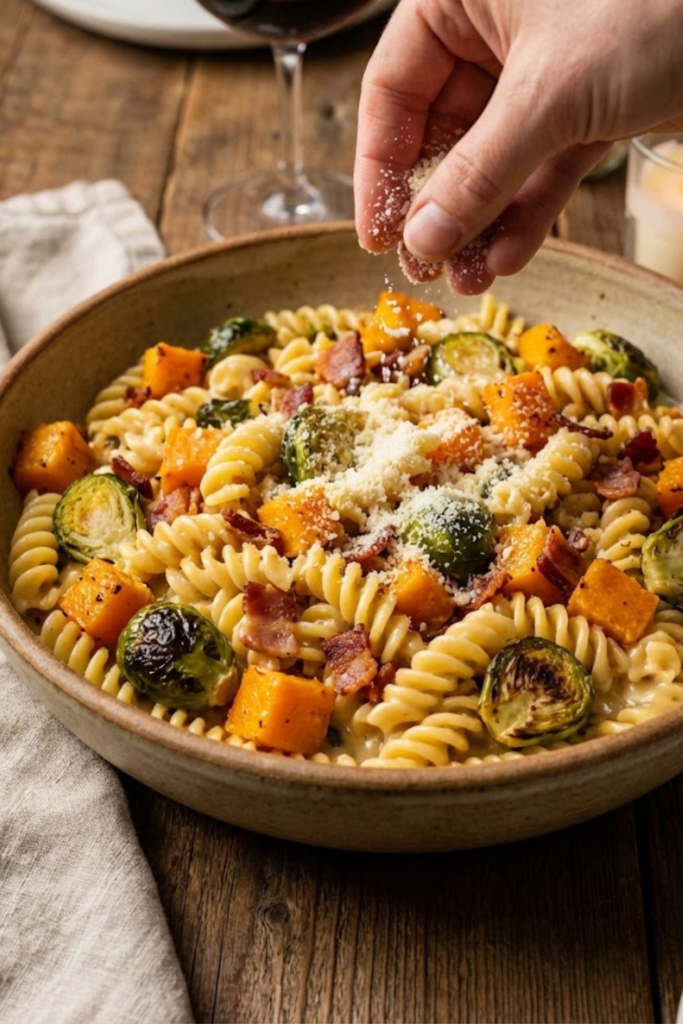
There you have it—a bacon brussels butternut pasta that perfectly captures the essence of cozy cooking in 2026. The mix of textures, from the velvety, creamy sauce to the crunchy, caramelized sprouts, makes this dish an absolute winner for busy weeknight dinners or even a relaxed dinner party with friends. I used to think gourmet pasta had to be complicated, but this recipe proves that with just a few quality ingredients like salty bacon and sweet roasted squash, you can create something truly special.
I really hope you give this recipe a try; it might just become your new fall staple! It certainly has saved me from ordering takeout more times than I can count. If you make it, please let me know how it turned out—I’d love to hear if you added your own twist to it. And if you enjoyed this guide, do me a huge favor and pin this recipe to your “Dinner Ideas” or “Fall Recipes” board on Pinterest so you can easily find it later!