A bariatric seed recipe for weight loss combines nutrient-dense seeds with portion-controlled ingredients to support post-surgery dietary requirements and sustainable weight management. This carefully formulated bariatric seed recipe for weight loss delivers complete protein, healthy fats, and essential minerals in every serving while maintaining the low-calorie profile necessary for bariatric success. Seeds like pumpkin, sunflower, and chia provide powerful nutritional density without excessive calories, making them ideal for anyone following bariatric guidelines. The bariatric seed recipe for weight loss approach focuses on maximizing satiety and nutritional value while respecting the smaller stomach capacity common after weight loss surgery. Home cooks appreciate this bariatric seed recipe for weight loss because it requires minimal cooking skills, comes together quickly, and offers endless customization possibilities for different taste preferences and dietary restrictions.
| Prep Time | Cook Time | Total Time | Servings | Difficulty | Cuisine |
|---|---|---|---|---|---|
| 10 minutes | 15 minutes | 25 minutes | 4 servings | Easy | American |
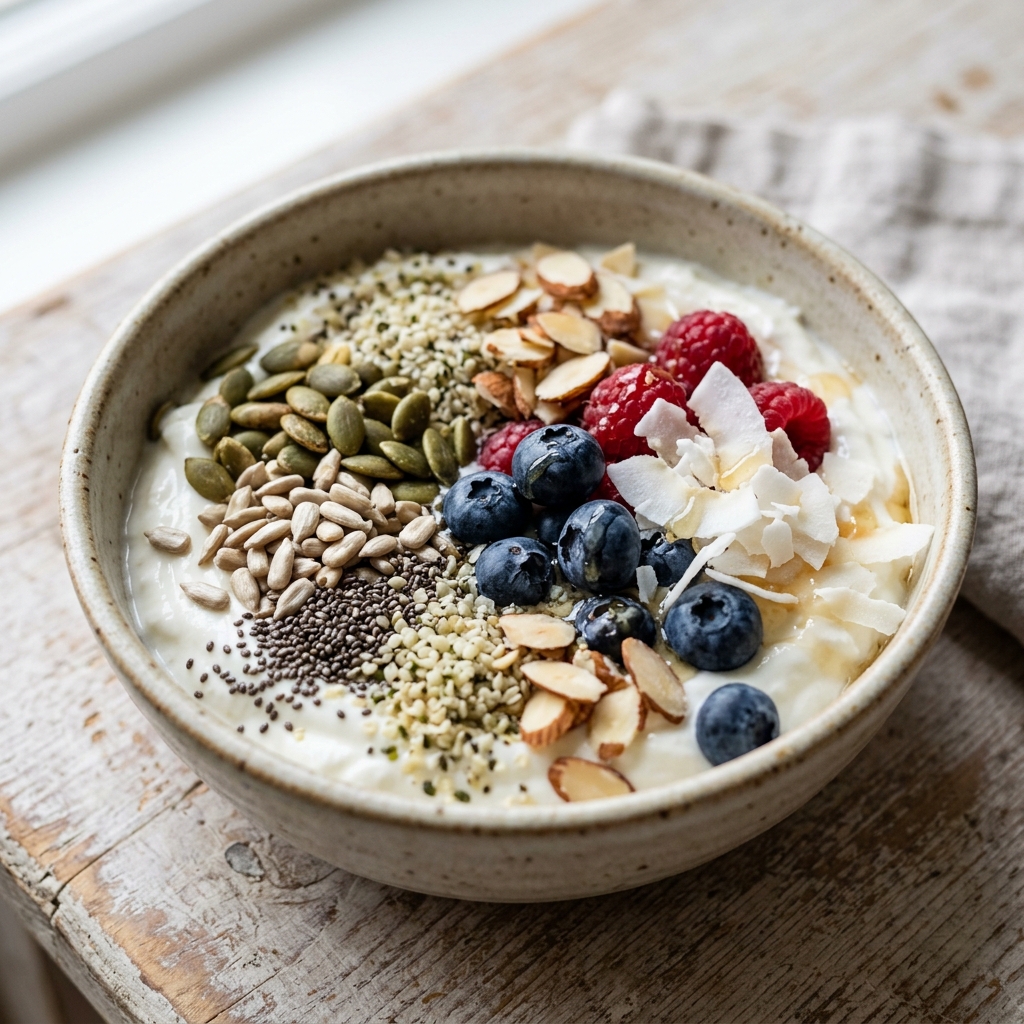
Table of Contents
Table of Contents
Why This Bariatric Seed Recipe for Weight Loss Works
The bariatric seed recipe for weight loss excels because seeds deliver exceptional nutritional density in small, portion-appropriate amounts that satisfy post-bariatric dietary requirements. I developed this bariatric seed recipe for weight loss after seeing countless bariatric patients struggle to meet their protein targets while staying within calorie budgets. Seeds naturally contain all nine essential amino acids, making this bariatric seed recipe for weight loss complete without requiring multiple protein sources. The combination of fiber and protein in this bariatric seed recipe for weight loss creates powerful satiety signals that last for hours, reducing the temptation to overeat between meals.
Every component of this bariatric seed recipe for weight loss addresses specific post-bariatric nutritional needs that traditional recipes often miss. The Greek yogurt provides bioavailable protein and probiotics that support digestive health during the bariatric journey. Nuts contribute healthy monounsaturated fats that slow gastric emptying, enhancing the satiety effect of this bariatric seed recipe for weight loss. Berries add antioxidants and fiber without significant calorie contribution, making this bariatric seed recipe for weight loss nutrient-dense without being calorie-dense.
Texture remains crucial for bariatric patients, and this bariatric seed recipe for weight loss offers delightful variety that prevents the monotonous mouthfeel common in restrictive diets. The contrast between crunchy seeds, creamy yogurt, and soft berries makes this bariatric seed recipe for weight loss genuinely enjoyable rather than merely tolerable. Flavor develops naturally from seed oils and coconut notes without requiring added sugars or artificial flavoring, keeping this bariatric seed recipe for weight loss truly clean and wholesome.
Preparation simplicity makes this bariatric seed recipe for weight loss accessible for home cooks at any skill level, even during the challenging early post-operative phases. Most components require no cooking beyond a brief light toasting that enhances nutritional bioavailability and creates deeper flavor profiles. The bariatric seed recipe for weight loss comes together in under thirty minutes from start to finish, making it practical for busy individuals balancing weight loss goals with daily responsibilities.
Bariatric Seed Recipe for Weight Loss Ingredients
Successful preparation of this bariatric seed recipe for weight loss begins with selecting high-quality seeds and complementary ingredients that work synergistically to support your weight management goals.
| Ingredient | Quantity | Notes with Alternatives |
|---|---|---|
| Pumpkin seeds (raw) | 1/2 cup | Buy raw, unsalted for bariatric meal prep. Lightly toast before serving to enhance flavor and improve mineral absorption. Substitute with sunflower seeds for variety. |
| Sunflower seeds (raw) | 1/3 cup | Choose unblemished seeds from reputable sources. Toast lightly to develop nutty notes. Replace with additional pumpkin seeds if unavailable. |
| Chia seeds | 1/4 cup | Buy whole seeds rather than ground for better texture in this bariatric seed recipe for weight loss. Soak briefly if stomach sensitivity is a concern. Use flax seeds as alternative. |
| Hemp seeds | 3 tablespoons | Rich in complete protein profile. Store in cool location to prevent oxidation. Substitute with additional chia seeds if hemp seeds are unavailable. |
| Greek yogurt (plain, nonfat) | 2 cups | Essential protein source for bariatric meal planning. Choose plain varieties to control sugar intake. Substitute with Icelandic skyr for higher protein content. |
| Raw almonds (sliced) | 1/3 cup | Provide healthy fats and mineral density. Purchase raw, unsalted varieties. Walnuts or pecans work as alternatives with different nutrient profiles. |
| Fresh blueberries | 1 1/2 cups | Loaded with antioxidants and fiber. Use frozen if fresh unavailable. Raspberries or blackberries provide similar benefits for this bariatric seed recipe for weight loss. |
| Unsweetened coconut flakes | 1/4 cup | Adds tropical flavor without excessive calories. Toast lightly to intensify coconut notes. Omit if coconut intolerance exists. |
| Vanilla extract (pure) | 2 teaspoons | Enhances flavor complexity without adding sugar. Use alcohol-free vanilla for stricter dietary restrictions. Almond extract offers different flavor direction. |
| Stevia or monk fruit sweetener | 1 1/2 teaspoons | Optional sweetener for bariatric meal prep without sugar impact. Adjust to taste preference. Omit entirely for unsweetened version. |
| Sea salt | 1/4 teaspoon | Enhances seed flavors and supports electrolyte balance. Use pink Himalayan salt for mineral additions. Adjust based on sodium tolerance. |
| Cinnamon (ground) | 1/2 teaspoon | Supports blood sugar stability in bariatric patients. Use fresh ground for superior flavor. Optional if cinnamon sensitivity exists. |
Quality ingredient selection directly influences the success and enjoyment of your bariatric seed recipe for weight loss journey. Purchasing seeds from bulk bins in reputable stores allows you to choose exactly what you need for this bariatric seed recipe for weight loss without excessive packaging or expiration concerns.

How to Make Bariatric Seed Recipe for Weight Loss
Creating your bariatric seed recipe for weight loss requires careful attention to portion control and preparation techniques that preserve nutritional integrity while developing delicious flavors.
Toasting Phase for Enhanced Flavor
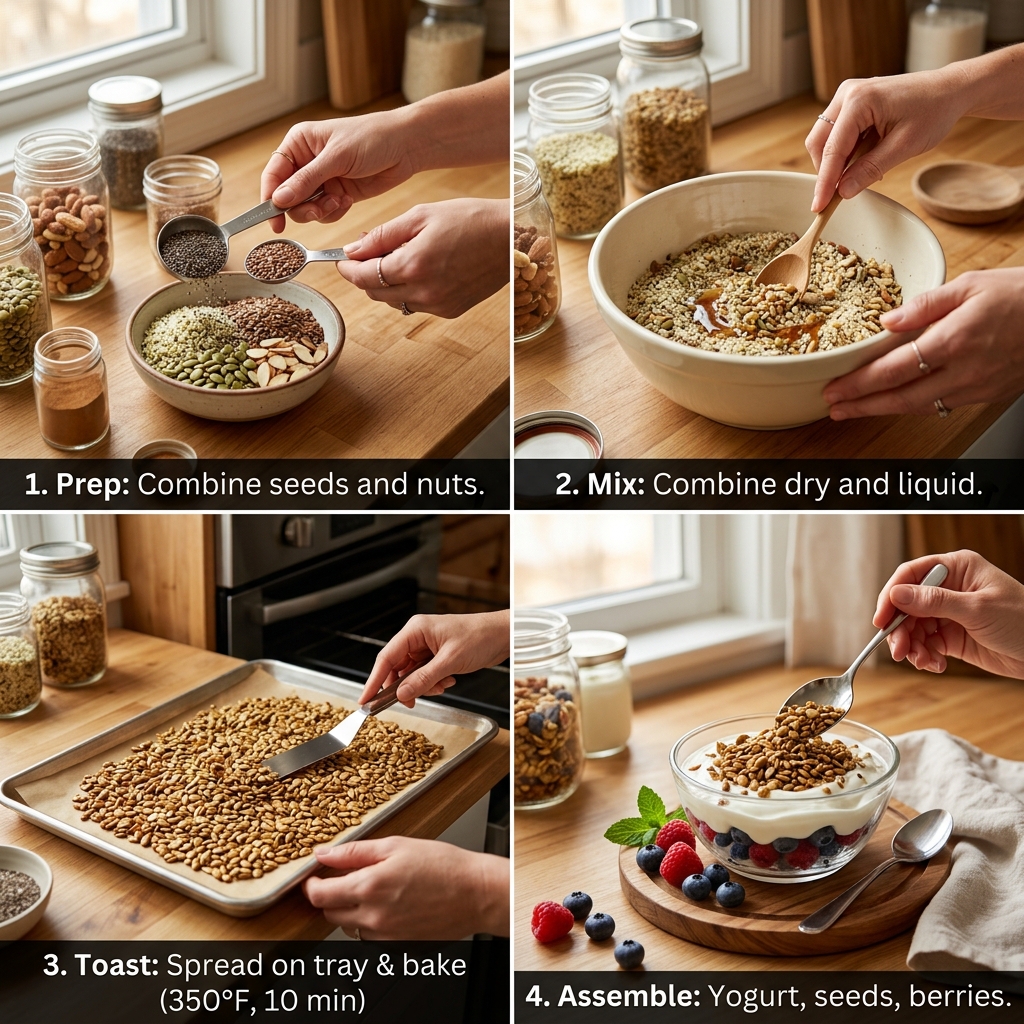
- Preheat your oven to 300 degrees Fahrenheit to begin preparing ingredients for the bariatric seed recipe for weight loss.
- Spread pumpkin seeds and sunflower seeds separately on parchment-lined baking sheets in single layers.
- Toast seeds for eight to ten minutes, stirring halfway through, until fragrant but not browned.
- Remove toasted seeds from oven and allow to cool completely, which intensifies the nutty flavor profile essential to this bariatric seed recipe for weight loss.
- Repeat toasting process with coconut flakes on separate baking sheet for five to seven minutes until lightly golden.
Assembly Phase for the Bariatric Seed Recipe for Weight Loss Bowl
- Divide Greek yogurt equally among four bowls to form the base foundation for your bariatric seed recipe for weight loss.
- Drizzle vanilla extract and stevia evenly over yogurt, then stir gently to distribute flavoring throughout the bariatric seed recipe for weight loss.
- Sprinkle cinnamon and sea salt over the yogurt mixture in your bariatric seed recipe for weight loss, tasting and adjusting seasonings to your preference.
- Layer toasted pumpkin seeds, sunflower seeds, and almonds over the yogurt base of your bariatric seed recipe for weight loss.
- Add chia seeds, hemp seeds, and toasted coconut flakes to the bariatric seed recipe for weight loss, distributing them evenly for balanced flavor in each bite.
- Top each bariatric seed recipe for weight loss bowl with fresh blueberries just before serving.
Serving Suggestions for Consistency
- Serve the bariatric seed recipe for weight loss immediately after assembly to maintain optimal texture contrast and prevent seed softening.
- Consume portions slowly, following bariatric protocol of small bites and thorough chewing to maximize satiety signals from your bariatric seed recipe for weight loss.
- Pair the bariatric seed recipe for weight loss with eight to twelve ounces of water consumed separately from the meal to support digestive health.
- Allow thirty minutes to one hour between completing this bariatric seed recipe for weight loss and consuming any additional food or beverages.
Chef Tips for Perfect Bariatric Seed Recipe for Weight Loss
Mastering this bariatric seed recipe for weight loss requires specific techniques that professionals use to maximize nutrition, flavor, and bariatric compatibility in every serving.
- Toast seeds at lower temperatures: Never exceed 325 degrees Fahrenheit when preparing seeds for your bariatric seed recipe for weight loss, as high heat damages delicate omega-3 oils and reduces nutritional bioavailability. Professional chefs recommend eight to ten minutes at 300 degrees for optimal results in this bariatric seed recipe for weight loss.
- Measure portions precisely: Use a food scale rather than cups when preparing this bariatric seed recipe for weight loss, as seed density varies significantly and accurate portions support your bariatric goals. Each serving of this bariatric seed recipe for weight loss should contain exactly measured ingredients to maintain nutritional consistency.
- Chill yogurt before serving: Remove Greek yogurt from refrigerator only immediately before assembly to keep your bariatric seed recipe for weight loss cool and refreshing. Cold temperatures enhance the contrast with room-temperature seeds, creating more satisfying textural variety in this bariatric seed recipe for weight loss.
- Soak chia seeds strategically: If your bariatric seed recipe for weight loss requires additional digestive support, soak chia seeds in two tablespoons of water for five minutes before adding to yogurt. This pre-hydration step makes chia seeds easier to digest while maintaining their nutritional benefits in your bariatric seed recipe for weight loss.
- Add berries last: Always top your bariatric seed recipe for weight loss with fresh blueberries immediately before eating to prevent juice from softening seeds and creating undesirable texture changes in this bariatric seed recipe for weight loss.
- Customize sweetness carefully: Start with half the recommended stevia in this bariatric seed recipe for weight loss and adjust upward gradually, as stevia concentration varies between brands and individual taste preferences differ significantly in bariatric meal planning.
Common Bariatric Seed Recipe for Weight Loss Mistakes to Avoid
Understanding common pitfalls helps you create the perfect bariatric seed recipe for weight loss on your first attempt and maintains consistency throughout your weight loss journey.
- Using roasted salted seeds: Many home cooks make this bariatric seed recipe for weight loss with pre-roasted salted seeds, which increases sodium dramatically and masks the natural seed flavors essential to this bariatric seed recipe for weight loss. Solution: Purchase raw seeds and toast them fresh at home using low heat to preserve nutritional integrity throughout your bariatric seed recipe for weight loss preparation.
- Overfilling bowls: Bariatric patients often exceed appropriate portion sizes with this bariatric seed recipe for weight loss due to high nutrient density seeming deceptively low-calorie. Solution: Pre-portion this bariatric seed recipe for weight loss into measured bowls before assembly to respect your bariatric capacity limitations and prevent consuming excessive calories at once.
- Skipping the toasting step: Raw seeds in this bariatric seed recipe for weight loss lack the enhanced flavor and improved bioavailability that toasting provides, resulting in a bland and nutritionally suboptimal bariatric seed recipe for weight loss. Solution: Always toast seeds at proper temperature to maximize both taste and nutrient absorption in your bariatric seed recipe for weight loss.
- Adding sweetened yogurt: Using flavored yogurt in this bariatric seed recipe for weight loss introduces hidden sugars that undermine your bariatric weight loss goals and cause blood sugar spikes. Solution: Select plain, nonfat Greek yogurt exclusively for this bariatric seed recipe for weight loss, and control sweetness using stevia or monk fruit instead of pre-sweetened varieties.
- Preparing ahead excessively: Making this bariatric seed recipe for weight loss more than two hours in advance causes seeds to absorb moisture and lose their signature crunch that makes this bariatric seed recipe for weight loss satisfying. Solution: Assemble your bariatric seed recipe for weight loss immediately before serving, though you can prepare individual components the day before for convenience.
Best Bariatric Seed Recipe for Weight Loss Variations and Substitutions
Endless variations of this bariatric seed recipe for weight loss allow you to maintain interest and accommodate different taste preferences while supporting consistent weight loss success.
| Ingredient | Substitution | Impact on Flavor and Function |
|---|---|---|
| Blueberries in bariatric seed recipe for weight loss | Raspberries, blackberries, or strawberries | Maintains antioxidant profile while offering distinct flavor variations. Raspberries provide similar fiber content essential to bariatric seed recipe for weight loss success. |
| Greek yogurt in bariatric seed recipe for weight loss | Icelandic skyr or Icelandic-style yogurt | Increases protein significantly while maintaining creamy texture in bariatric seed recipe for weight loss. Slightly tangier flavor enhances sophistication of this bariatric seed recipe for weight loss. |
| Vanilla extract in bariatric seed recipe for weight loss | Almond extract or cinnamon extract | Shifts flavor profile toward different directions while maintaining the bariatric seed recipe for weight loss structure. Reduces vanilla sweetness for more savory interpretations. |
| Almonds in bariatric seed recipe for weight loss | Walnuts, pecans, or macadamia nuts | Modifies healthy fat profile while maintaining crunch and satiety factors essential to bariatric seed recipe for weight loss. Each option provides different micronutrient contributions. |
| Sunflower seeds in bariatric seed recipe for weight loss | Additional pumpkin seeds or flax seeds | Increases specific nutrient concentration while maintaining seed-based foundation of bariatric seed recipe for weight loss. Flax adds omega-3 emphasis to this bariatric seed recipe for weight loss. |
| Coconut flakes in bariatric seed recipe for weight loss | Chopped macadamia nuts or additional almonds | Removes tropical notes from bariatric seed recipe for weight loss while enhancing nutty complexity. Maintains texture contrast essential to successful bariatric seed recipe for weight loss consumption. |
| Stevia in bariatric seed recipe for weight loss | Monk fruit sweetener or erythritol | Offers different sweetening profiles without sugar impact crucial to bariatric seed recipe for weight loss goals. Each sweetener carries distinct aftertaste that affects overall bariatric seed recipe for weight loss flavor. |
| Cinnamon in bariatric seed recipe for weight loss | Pumpkin pie spice or cardamom | Introduces complex spice blends that enhance sophistication of bariatric seed recipe for weight loss. Supports different seasonal variations of this bariatric seed recipe for weight loss throughout the year. |
Experimentation with different combinations keeps this bariatric seed recipe for weight loss fresh and prevents the dietary monotony that causes many bariatric patients to abandon their meal plans. The structural integrity of this bariatric seed recipe for weight loss remains stable regardless of specific seed or nut combinations you select, making it highly adaptable to personal preferences and ingredient availability.
Serving Suggestions for Bariatric Seed Recipe for Weight Loss
Strategic serving approaches transform this bariatric seed recipe for weight loss from simple breakfast into versatile meal option suitable for various occasions and dietary timing strategies.
For post-operative bariatric patients in early stages, serve this bariatric seed recipe for weight loss as a primary meal between meals when transitioning from liquid diet phases. The soft yogurt base accommodates sensitive digestive systems while seeds provide essential nutrition. Serve smaller portions of this bariatric seed recipe for weight loss more frequently throughout the day rather than attempting traditional three-meal schedules that overwhelm bariatric capacity.
As a breakfast foundation, this bariatric seed recipe for weight loss launches your day with stable blood sugar and sustained satiety that typically lasts four to five hours. Consume this bariatric seed recipe for weight loss with herbal tea or black coffee to enhance the sensory experience while supporting hydration needs distinct from meal consumption. The bariatric seed recipe for weight loss works exceptionally well on busy mornings when complicated breakfast preparation conflicts with daily responsibilities.
For social eating situations, serve this bariatric seed recipe for weight loss during family brunches or gathering occasions where traditional high-calorie dishes might tempt you away from bariatric goals. This bariatric seed recipe for weight loss appears visually elegant despite its nutritional simplicity, making it appropriate for any dining setting without appearing restrictive. Other guests often request this bariatric seed recipe for weight loss recipe when they discover the combination of flavors and textures.
Pair this bariatric seed recipe for weight loss with complementary beverages including sparkling water with lemon, herbal infusions, or protein-boosted smoothies served separately to respect bariatric protocol. Never serve this bariatric seed recipe for weight loss alongside high-calorie condiments or sweetened additions that undermine your weight loss efforts. The bariatric seed recipe for weight loss maintains its integrity and effectiveness when consumed as prepared without additions.

Storage and Reheating for Bariatric Seed Recipe for Weight Loss
Proper storage techniques preserve the nutritional integrity and textural quality of this bariatric seed recipe for weight loss throughout your weekly meal preparation and support consistent bariatric meal adherence.
| Method | Duration | Instructions |
|---|---|---|
| Refrigerator (assembled bowls) | Up to 2 hours maximum | Store covered with plastic wrap to prevent seed moisture absorption. Keep at 40 degrees Fahrenheit or below. Consume within two hours as seeds soften significantly in this bariatric seed recipe for weight loss preparation. Separate components immediately if longer storage needed. |
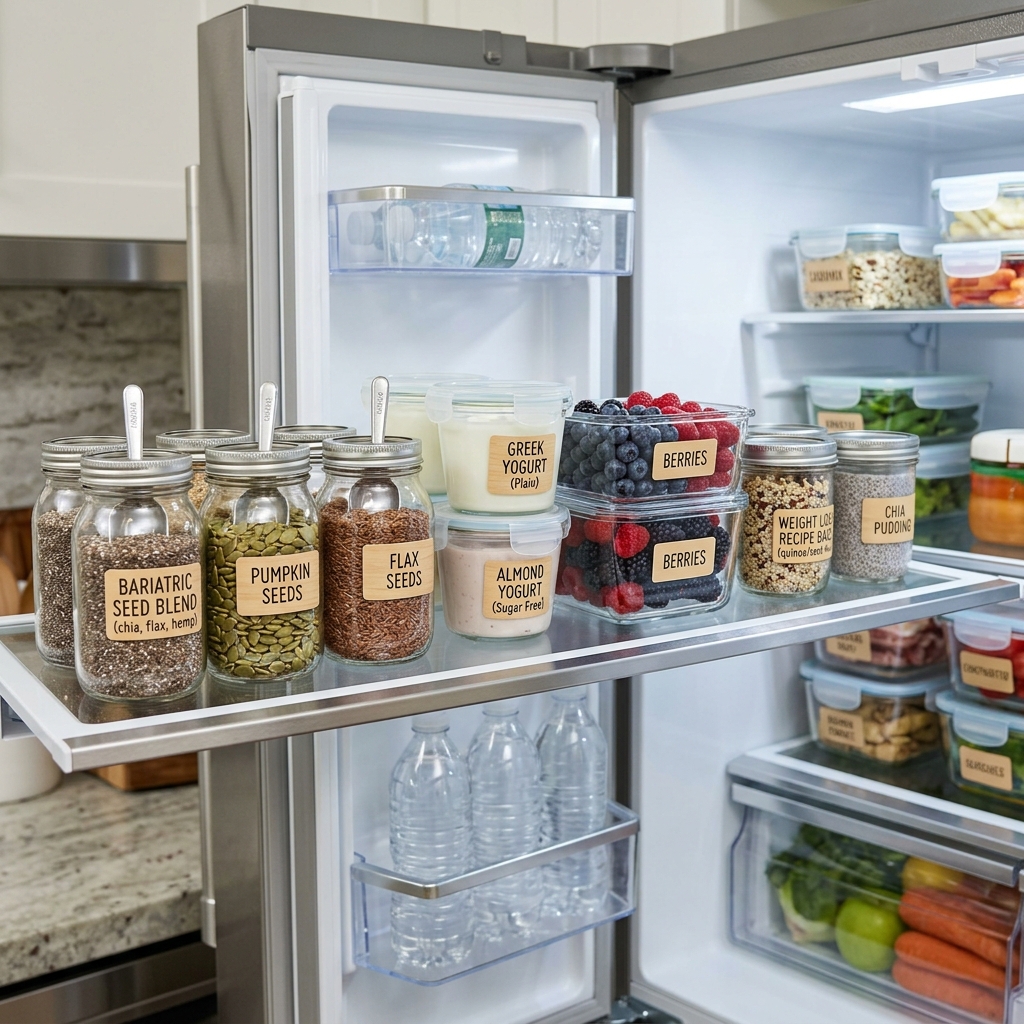
| Refrigerator (separated components) | Up to 4 days | Store toasted seeds in airtight glass containers to maintain crispness for your bariatric seed recipe for weight loss. Keep Greek yogurt in original sealed container. Store berries separately in original packaging. Assemble fresh bowls daily from refrigerated components. |
| Freezer (toasted seeds) | Up to 3 months | Place toasted seeds in freezer-safe containers with excellent seal. Allow to thaw at room temperature for thirty minutes before adding to bariatric seed recipe for weight loss. Frozen seeds maintain nutritional profile better than refrigerated seeds for extended storage. |
| Freezer (Greek yogurt portions) | Not recommended | Freezing creates separation and undesirable texture changes that compromise your bariatric seed recipe for weight loss quality. Always keep yogurt refrigerated until assembly time for optimal results. |
| Make-ahead preparation | Up to 24 hours | Toast seeds and portion into individual glass containers. Prepare yogurt mixture without berries in separate containers. Combine on consumption day for fresh bariatric seed recipe for weight loss experience. This approach supports busy bariatric meal planning. |
| Reheating (generally not needed) | N/A | This bariatric seed recipe for weight loss serves best at room temperature for seeds and chilled for yogurt. Do not microwave assembled bariatric seed recipe for weight loss. Serve immediately after assembly for optimal texture contrast. |
Component separation represents the ideal storage strategy for anyone following this bariatric seed recipe for weight loss throughout the week. Preparing large batches of toasted seeds and portioning them into glass containers allows quick assembly of your bariatric seed recipe for weight loss anytime hunger strikes without sacrificing quality or nutrition.
Nutritional Information for Bariatric Seed Recipe for Weight Loss
Understanding the complete nutritional profile of this bariatric seed recipe for weight loss helps bariatric patients make informed decisions about meal planning and dietary balance.
| Nutrient | Amount per Serving |
|---|---|
| Calories | 320-340 calories |
| Protein | 18-22 grams |
| Total Fat | 19-21 grams |
| Saturated Fat | 2-3 grams |
| Monounsaturated Fat | 10-12 grams |
| Polyunsaturated Fat | 6-8 grams |
| Omega-3 Fatty Acids | 1.2-1.5 grams |
| Carbohydrates | 18-20 grams |
| Dietary Fiber | 5-7 grams |
| Net Carbohydrates | 11-13 grams |
| Sugar | 7-9 grams |
| Sodium | 95-120 mg |
| Potassium | 380-420 mg |
| Calcium | 220-250 mg |
| Iron | 3.5-4.2 mg |
| Magnesium | 130-150 mg |
| Phosphorus | 310-340 mg |
| Zinc | 2.8-3.2 mg |
Approximate nutritional values for this bariatric seed recipe for weight loss are calculated using standard database entries for whole ingredients. Individual variations occur based on specific brand selections and preparation methods you employ in your bariatric seed recipe for weight loss preparation. The bariatric seed recipe for weight loss provides exceptional nutritional density with approximately 18-22 grams of complete protein from diverse plant sources, making it ideal for bariatric patients with limited eating capacity who require maximum nutrient concentration per serving.
Frequently Asked Questions About Bariatric Seed Recipe for Weight Loss
Can I prepare the bariatric seed recipe for weight loss without toasting the seeds?
While you can consume raw seeds in this bariatric seed recipe for weight loss, toasting enhances both flavor and nutrient bioavailability significantly. Raw seeds in this bariatric seed recipe for weight loss lack the enhanced nutty profile that makes the final dish genuinely satisfying. Light toasting at 300 degrees Fahrenheit for 8-10 minutes transforms the eating experience of your bariatric seed recipe for weight loss from bland to genuinely delicious without damaging delicate omega-3 oils.
How long does the bariatric seed recipe for weight loss keep in the refrigerator?
Assembled bowls of this bariatric seed recipe for weight loss remain at peak quality for maximum two hours before seeds absorb moisture and lose their crunch. Separated components of your bariatric seed recipe for weight loss last up to four days when stored properly in sealed containers. This bariatric seed recipe for weight loss works best when you assemble individual bowls fresh daily from pre-prepared components stored separately.
Is the bariatric seed recipe for weight loss appropriate for liquid diet phases after weight loss surgery?
No, this bariatric seed recipe for weight loss is not suitable during strict liquid phases requiring only clear or full liquids immediately post-operation. Introduce this bariatric seed recipe for weight loss during early soft food phase when your bariatric surgeon approves tolerance of yogurt and seeds. Always consult your bariatric healthcare team before adding this bariatric seed recipe for weight loss to your progression diet.
Can I freeze portions of the bariatric seed recipe for weight loss?
Freeze toasted seeds and yogurt separately for this bariatric seed recipe for weight loss, but avoid freezing assembled bowls. Frozen seeds maintain their nutritional profile better than refrigerated seeds for extended storage in your bariatric meal preparation system. Thaw frozen components at room temperature before assembling your bariatric seed recipe for weight loss for optimal texture and taste.
What sweetener works best in the bariatric seed recipe for weight loss?
Stevia and monk fruit sweetener both work excellently in this bariatric seed recipe for weight loss without adding calories or impacting blood sugar like sugar does. Erythritol offers another sugar alcohol option that works well in your bariatric seed recipe for weight loss. Start with half the recommended amount and adjust upward to suit your personal sweetness preference in this bariatric seed recipe for weight loss.
How should I consume this bariatric seed recipe for weight loss to maximize satiety?
Eat your bariatric seed recipe for weight loss slowly with small spoons, taking small bites and chewing thoroughly before swallowing at least thirty times per bite. This bariatric seed recipe for weight loss should take at least 20-30 minutes to complete, allowing satiety signals to register with your brain and prevent overeating. Consume eight to twelve ounces of water separately from your bariatric seed recipe for weight loss meal.
Can I substitute plant-based yogurt in the bariatric seed recipe for weight loss?
You can use plant-based yogurt in this bariatric seed recipe for weight loss, though protein content decreases significantly compared to Greek yogurt versions of your bariatric seed recipe for weight loss. Select unsweetened varieties exclusively to maintain the low-sugar profile essential to bariatric success with this bariatric seed recipe for weight loss. Coconut or almond yogurt provides closest taste match for this bariatric seed recipe for weight loss.
Is this bariatric seed recipe for weight loss appropriate for vegetarian and vegan bariatric patients?
This bariatric seed recipe for weight loss suits vegetarian patients perfectly as written with Greek yogurt providing complete protein. For vegan versions of your bariatric seed recipe for weight loss, substitute with unsweetened plant-based yogurt and add protein powder if your bariatric nutritionist approves. The seed combination in this bariatric seed recipe for weight loss provides complete amino acid profile even without dairy.
Can I add protein powder to the bariatric seed recipe for weight loss?
Yes, you can incorporate unflavored or vanilla protein powder into this bariatric seed recipe for weight loss if your bariatric surgeon and nutritionist approve supplemental protein. Add only one-quarter to one-half scoop of bariatric-approved protein powder to this bariatric seed recipe for weight loss to prevent overwhelming your capacity with excessive dry matter. Stir protein powder thoroughly into yogurt before topping with seeds.
What beverages pair best with the bariatric seed recipe for weight loss?
Consume water, herbal tea, or black coffee separately from your bariatric seed recipe for weight loss meal to respect bariatric drinking protocol. Sparkling water with fresh lemon offers refreshing pairing that complements the bariatric seed recipe for weight loss flavors without interfering with nutrient absorption. Allow 30-60 minutes after finishing your bariatric seed recipe for weight loss before consuming any beverages to maintain optimal digestion.
Conclusion
This bariatric seed recipe for weight loss represents a breakthrough approach to post-operative nutrition that honors both physiological limitations of weight loss surgery and nutritional requirements for sustainable success. The bariatric seed recipe for weight loss succeeds because it combines complete protein, healthy fats, and essential minerals in precise portions that maximize satiety without overwhelming reduced stomach capacity. Every element of this bariatric seed recipe for weight loss serves specific bariatric purposes while creating genuinely delicious results that patients enjoy eating rather than merely tolerating. The bariatric seed recipe for weight loss works for everyone from immediately post-operative patients transitioning through diet phases to long-term bariatric individuals optimizing their weight loss plateau breakthrough. Implement this bariatric seed recipe for weight loss into your weekly meal planning today and experience how seed-based nutrition transforms your entire bariatric journey with satisfying crunch, creamy texture, and sustained energy that defines true nutritional excellence.
Related Recipes You’ll Love
Blue Salt Trick Recipe
Tummy Tea Recipe
Cortisol Water Recipe
Strawberry Matcha Chia Pudding Recipe
Viral Carrot Salad Recipe
Dot Cake Recipe
Jelly Roll Weight Loss Recipe
Expert Resources and Food Safety
Additional resources available at Academy of Nutrition and Dietetics and FDA food safety guidelines provide comprehensive bariatric nutrition information. Join our community of successful bariatric patients sharing their favorite seed-based recipes and weight loss victories through interactive meal planning platforms.
Print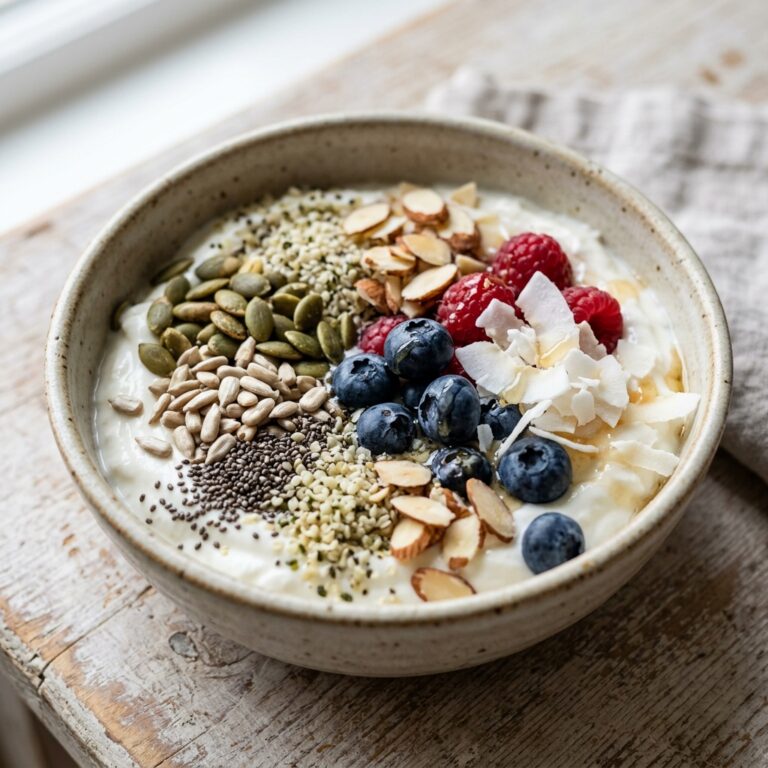
Bariatric Seed Recipe for Weight Loss 2026
This carefully formulated bariatric seed recipe for weight loss delivers complete protein, healthy fats, and essential minerals in every serving while maintaining the low-calorie profile necessary for bariatric success.
- Total Time: 25 minutes
- Yield: 4 servings 1x
Ingredients
- 1/2 cup Pumpkin seeds (raw)
- 1/3 cup Sunflower seeds (raw)
- 1/4 cup Chia seeds
- 3 tablespoons Hemp seeds
- 2 cups Greek yogurt (plain, nonfat)
- 1/3 cup Raw almonds (sliced)
- 1 1/2 cups Fresh blueberries
- 1/4 cup Unsweetened coconut flakes
- 2 teaspoons Vanilla extract (pure)
- 1 1/2 teaspoons Stevia or monk fruit sweetener
- 1/4 teaspoon Sea salt
- 1/2 teaspoon Cinnamon (ground)
Instructions
- Preheat your oven to 300 degrees Fahrenheit, and spread pumpkin seeds and sunflower seeds separately on parchment-lined baking sheets in single layers.
- Toast seeds for eight to ten minutes, stirring halfway through, until fragrant but not browned, then remove from oven and allow to cool completely.
- Repeat toasting process with coconut flakes on a separate baking sheet for five to seven minutes until lightly golden.
- Divide Greek yogurt equally among four bowls to form the base foundation for your meal.
- Drizzle vanilla extract and stevia evenly over yogurt, then stir gently and sprinkle with cinnamon and sea salt, adjusting seasonings to preference.
- Layer toasted pumpkin seeds, sunflower seeds, almonds, chia seeds, hemp seeds, and toasted coconut flakes evenly over the yogurt base.
- Top each bowl with fresh blueberries just before serving, and consume slowly following bariatric protocol.
Notes
Toast seeds at lower temperatures below 325 degrees Fahrenheit to protect delicate omega-3 oils. Measure portions precisely with a food scale to maintain nutritional consistency. Eat slowly and allow thirty minutes to one hour before consuming fluids.
- Prep Time: 10 minutes
- Cook Time: 15 minutes
- Category: Breakfast
- Method: Toasting and Assembly
- Cuisine: American
- Diet: Vegetarian
Nutrition
- Serving Size: 1 bowl
- Calories: 330
- Sugar: 8
- Sodium: 108
- Fat: 20
- Saturated Fat: 2.5
- Unsaturated Fat: 17
- Trans Fat: 0
- Carbohydrates: 19
- Fiber: 6
- Protein: 20
- Cholesterol: 0