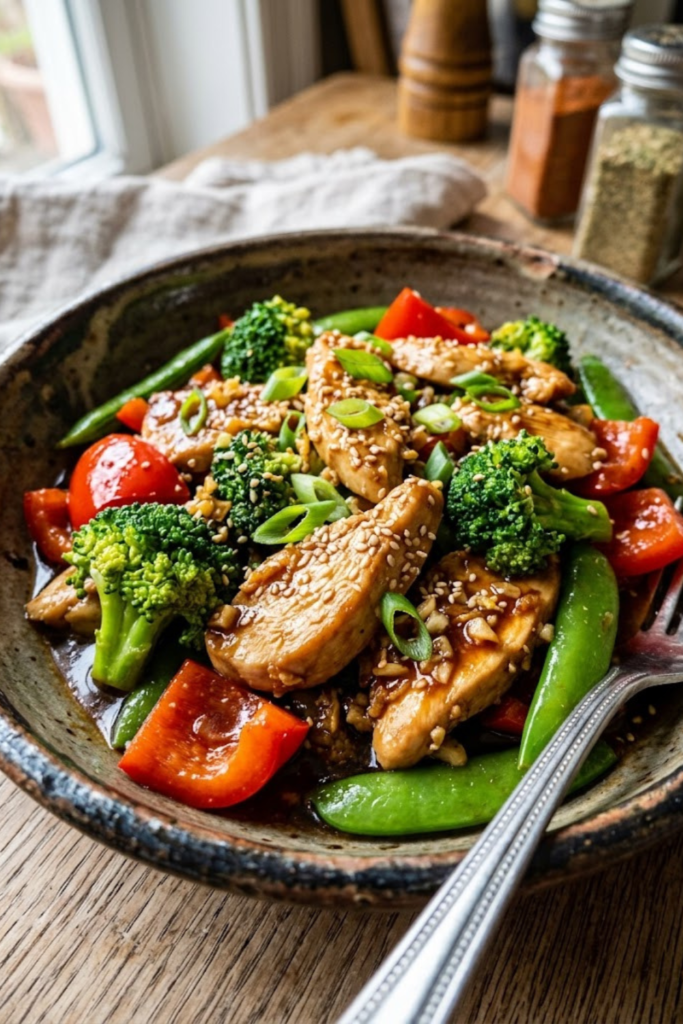
Did you know that according to 2025 culinary surveys, over 65% of home cooks struggle with “soggy vegetable syndrome” when making a stir fry? It’s a real tragedy! I’ve been there myself, standing over a pan of limp broccoli wondering where I went wrong. Making a chicken stir fry with vegetables shouldn’t be a stressful battle against a watery pan. It should be a fast, high-heat dance that results in juicy meat and vibrant, snappy greens. We’re going to fix your dinner routine right now!
Picking Your Protein: Chicken Breast vs. Thighs
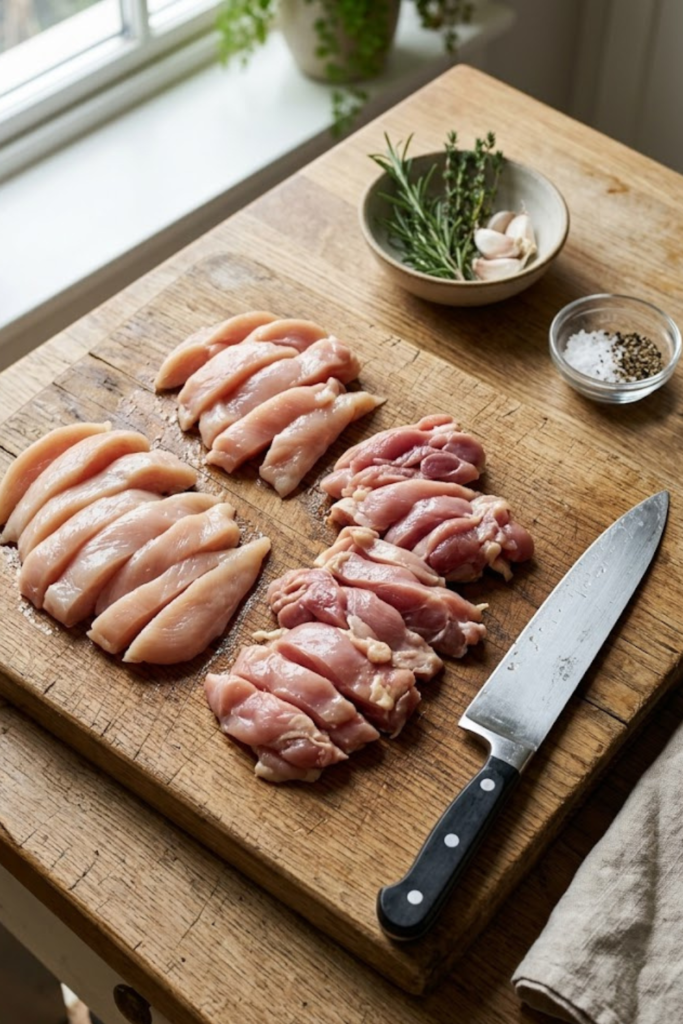
I’ve spent way too many Tuesday nights standing over a hot stove, trying to get my chicken stir fry with vegetables to taste like the stuff from the shop down the street. One of the biggest lessons I learned is that the meat you pick makes or breaks the whole meal. You see, people get really fired up about whether to use breast or thigh. I used to be a breast-only person because it seemed “cleaner” or healthier, but I was really missing out on the good stuff. In my forty years, I’ve realized that both have a place, but you have to treat them differently if you want a good dinner.
Why I’m Team Thigh Most Days
I’m telling you, chicken thighs are the secret weapon for any home cook who gets easily distracted. They have a bit more fat than the breast, which is a total lifesaver. When you’re cooking at the high heat you need for a good stir fry, that fat keeps the meat juicy. If you leave thighs in the pan for an extra minute because the dog started barking or the kids are fighting, they won’t turn into dry sawdust. They stay tender no matter what. Plus, they usually cost less at the grocery store, and I love saving a few bucks whenever I can.
Making Chicken Breast Work for You
Now, if you really want to use chicken breast, you can make it work. It’s leaner and has a milder taste that some people prefer. But you have to be fast. If you overcook a breast by even thirty seconds, it gets tough and chewy. To fix this, I use a trick called “velveting.” I just toss my sliced chicken in a little bowl with some cornstarch and a splash of soy sauce before it hits the pan. This creates a tiny shield around the meat that keeps the juices inside. It gives the chicken that silky, soft texture you find in fancy restaurant food.
The Slicing Secret
The way you cut the meat is just as important as the type of meat you buy. I always tell people to look for the grain—those are the little fibers in the muscle. You want to cut across those fibers, not along them. If you cut with the grain, the meat will be stringy. If you cut across, it falls apart easily when you eat it. Slice it thin, maybe about a quarter-inch thick. This helps make sure it cooks in just a couple of minutes, keeping your chicken stir fry with vegetables moving fast and fresh. Just keep that pan hot and don’t crowd it!
The Golden Rule of Vegetable Prep
If you’ve ever sat down to a plate of stir fry only to find that the carrots are rock hard while the broccoli has turned into green mush, then you know exactly why prep is the most important part of this whole deal. I used to think I could just chop things as I went, tossing them into the pan whenever I felt like it. I was wrong. My first few tries at a chicken stir fry with vegetables were a mess because I didn’t respect how different plants cook. You have to be the boss of your cutting board before you ever turn on the stove.
Why Size Matters in the Pan
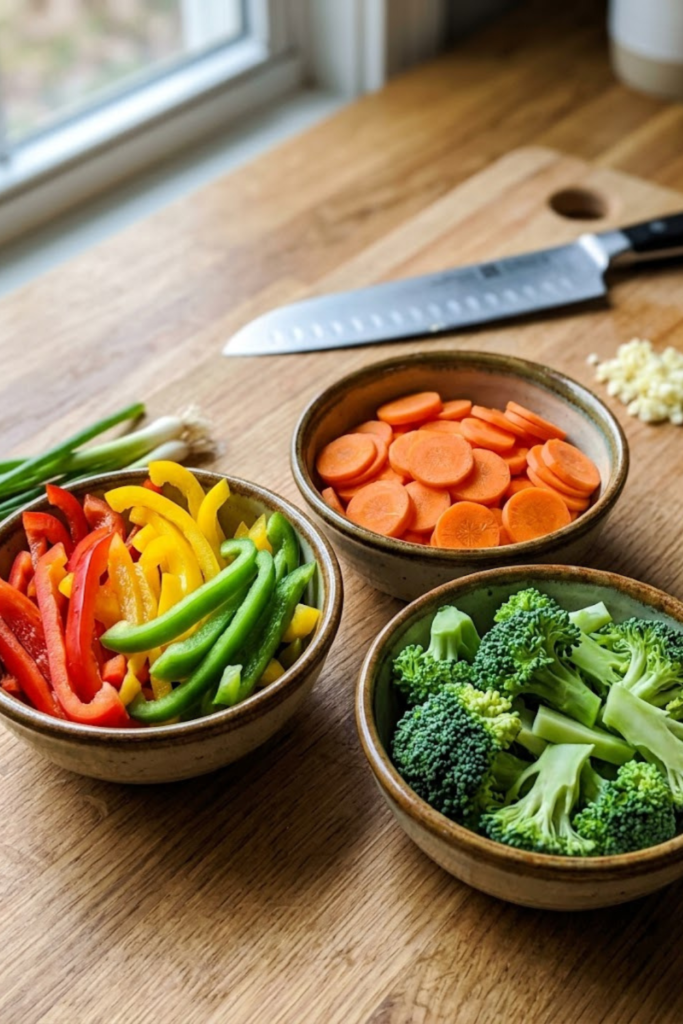
The biggest mistake I see folks make is cutting their veggies into all sorts of random shapes and sizes. If you have a giant chunk of carrot and a tiny sliver of bell pepper, they aren’t going to finish at the same time. I try to make sure everything is roughly the same thickness. For things like carrots or celery, I like to slice them on a diagonal. It looks fancy, sure, but it also creates more surface area so they cook through faster. You want every bite of your chicken stir fry with vegetables to have that perfect “snap” without being raw in the middle.
Timing Your Veggies Right
You can’t just dump the whole bowl of veggies in at once. I learned this the hard way after serving a few “crunchy” dinners to my family. You have to start with the hard stuff. Carrots, onions, and broccoli stalks take much longer than things like snap peas or spinach. I usually give the hard veggies a two-minute head start in the hot oil before I even think about adding the more delicate ones. This keeps the colors bright and the textures right where they should be.
The One Step Everyone Skips
Here is a tip that changed my life: make sure your vegetables are bone-dry. If you wash your broccoli and throw it straight into the pan while it’s still dripping, you aren’t frying anymore—you’re steaming. That extra water drops the temperature of your pan instantly, and instead of a sear, you get a soggy pile of gray food. I now wash my veggies way ahead of time and let them sit on a paper towel. It seems like a small thing, but it’s the difference between a soggy mess and a restaurant-quality meal. Take the extra minute to pat them dry; your taste buds will thank you for it!
Crafting the Perfect Stir Fry Sauce
I’m going to be honest with you—for a long time, I was a total sucker for those bottled sauces you see in the grocery store. You know the ones, with the bright labels and the promise of “authentic flavor” in a jar? I’d pour it over my chicken stir fry with vegetables and think I was doing a great job. But then I’d taste it, and it was always just way too salty or had this weird, metallic tang. It never tasted like the food from the place I like to go for lunch. Eventually, I realized that making your own sauce is actually easier than driving to the store to buy a jar. Plus, it tastes a million times better because you control what goes in it.
The Basic Base
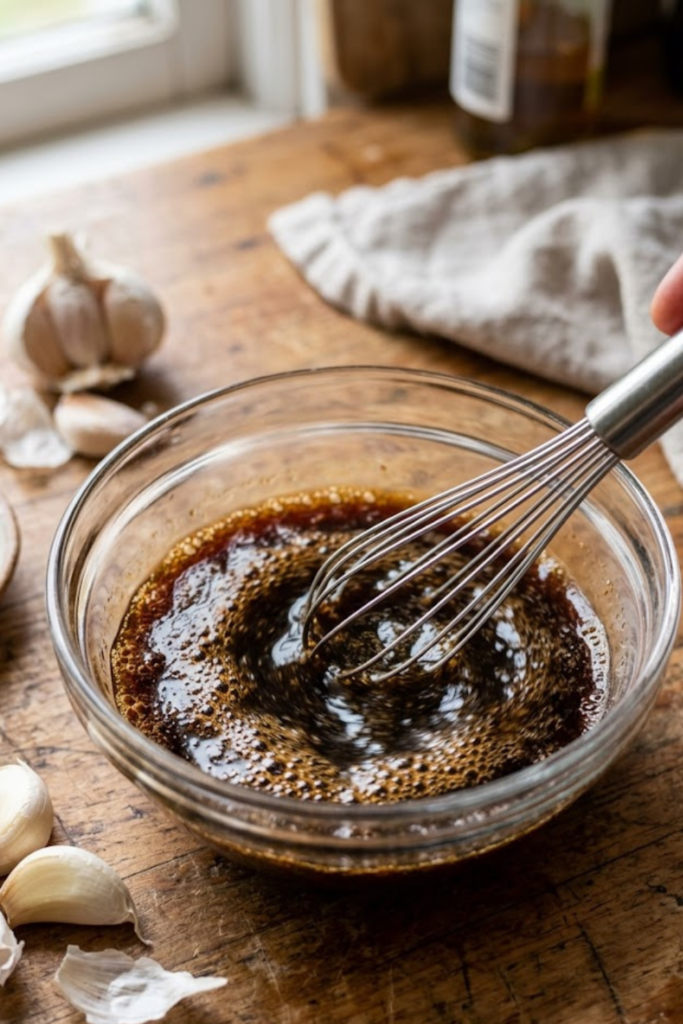
The base is really simple. You just need some soy sauce, a little splash of toasted sesame oil, and something sweet like honey or brown sugar. I like using honey because it gives the sauce a nice shine. If you want a bit of a kick, you can add a spoonful of that chili garlic sauce or even some red pepper flakes. Don’t overthink it; just mix it in a small jar and give it a good shake. I usually do this before I even start chopping my veggies so the flavors have a few minutes to get to know each other.
Don’t Skip the Fresh Stuff
Now, here is where most people mess up: the aromatics. You absolutely have to use fresh garlic and ginger. I used to try and cheat by using the garlic powder from my spice rack, but it just isn’t the same. It doesn’t have that “wow” factor. I keep a big knob of ginger in my freezer all the time. When I need it, I just grate it right into the sauce bowl. It smells amazing and makes the whole kitchen feel like a professional kitchen.
The Magic Glossy Finish
Finally, you need a cornstarch slurry. This is just a fancy way of saying “cornstarch mixed with a little cold water.” If you just dump the sauce in the pan, it stays thin like water and all the flavor just sinks to the bottom of the plate. But if you add that slurry at the very end, the heat makes it thicken up instantly. It turns into this beautiful, glossy glaze that sticks to every piece of meat and every leaf of broccoli. It makes your chicken stir fry with vegetables look like it belongs on a food magazine cover. Once you see that sauce thicken up and get shiny, you’ll know you’ve nailed it.
Wok vs. Skillet: High-Heat Technique
I remember the first time I tried to make a chicken stir fry with vegetables in a cheap little non-stick pan I got at a garage sale. I turned the heat up as high as it would go because that’s what the TV chefs said to do. Well, the pan started smoking, the handle got all melty, and the chicken stuck to the bottom like glue. It was a total disaster! I learned pretty quick that your tools and how you use the heat are what make the magic happen. You don’t need a million-dollar kitchen, but you do need to know how to handle the fire without burning the house down.
Do You Really Need a Wok?
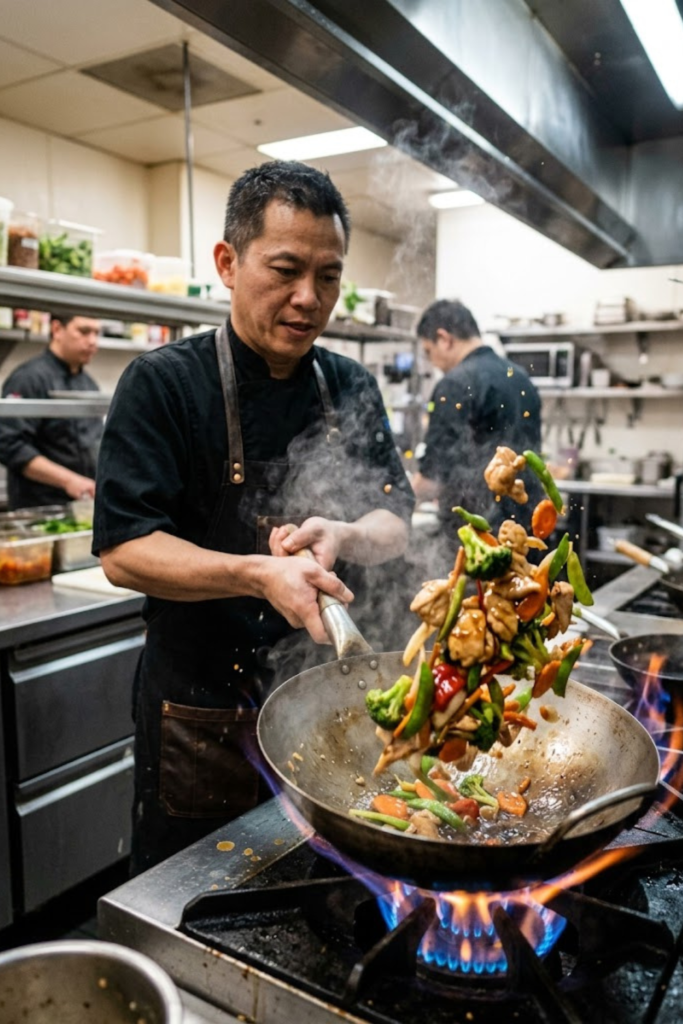
If you ask a pro, they’ll tell you a carbon steel wok is the only way to go. And they aren’t wrong! The shape of a wok lets the heat concentrate at the bottom while the slanted sides stay a bit cooler. This lets you toss the food around so it cooks fast without burning to a crisp. But look, I’m a teacher with a busy life, and I know not everyone has a big wok taking up space in their cupboard. If you have a big, heavy skillet—especially a cast iron one—you can totally make a great chicken stir fry with vegetables. The main thing is just making sure it has enough room for the food to move around.
The Heat and the Oil
One thing you can’t skip is using the right oil. Since we are cooking at super high temperatures, you need an oil that won’t burn and turn bitter. I usually reach for peanut oil or avocado oil. Stay away from butter or extra virgin olive oil here; they just can’t handle the heat and will start smoking before your food is even in the pan. You want that oil to be shimmering and almost dancing before you drop in your ingredients. If the oil isn’t hot, the food just soaks it up and gets greasy.
Stop Crowding the Pan
This is the biggest lesson I give my friends. If you put too much stuff in the pan at once, the temperature drops instantly. Instead of frying, your meat and veggies just sit there and steam in their own juices. It makes the whole meal soggy. I always cook in small batches. It might take an extra five minutes, but the result is so much better. You want to hear that loud “sizzle” the whole time. If the sizzle stops, you’ve put too much in! Keep things moving, keep the heat high, and you’ll have a chicken stir fry with vegetables that tastes like it came from a five-star restaurant.
Bringing it All Together for Dinner Success
I really hope that by now, you’re feeling a lot more confident about making a chicken stir fry with vegetables in your own kitchen. I know it can feel like a lot to remember when you’re standing there with a knife in one hand and a recipe in the other, but honestly, it’s all about getting into a good rhythm. I’ve spent years making mistakes so that you don’t have to! If you remember just a few of the big things we talked about, your dinner is going to turn out great. It’s all about that balance between the juicy meat, the crisp veggies, and that shiny, flavorful sauce that makes everything come alive.
Think back to the chicken first. Whether you went with the easy-to-cook thighs or the lean breasts, just make sure you sliced them thin and against those little lines in the meat. That one tiny step makes the difference between a dinner that’s easy to eat and one that feels like a workout for your jaw. And don’t forget that little cornstarch trick! It really is the secret to getting that soft, restaurant-style texture that everyone loves. When you see your family actually clearing their plates, you’ll know it was worth the extra two minutes of prep.
As for the vegetables, keep them dry and cut them small. I can’t say it enough—wet veggies are the enemy of a good stir fry! You want that high heat to sear them, not turn them into a soggy pile of mush. Start with the hard stuff like carrots, and end with the leafy stuff. And please, use the fresh garlic and ginger we talked about. The smell in your house while you’re cooking will be better than any candle you can buy at the mall. It makes the whole experience of making a chicken stir fry with vegetables feel like a real treat instead of just another chore on a Tuesday night.
You’ve got the tools and the knowledge now to ditch the expensive takeout menus and the salty jars of pre-made sauce. Cooking for yourself is such a great way to take care of your health and your wallet at the same time. If you found these tips helpful, I would be so happy if you could save this post and share it on Pinterest! It helps other home cooks find these simple tricks and helps me keep sharing what I’ve learned over the years. Now, go turn up the heat and get cooking!