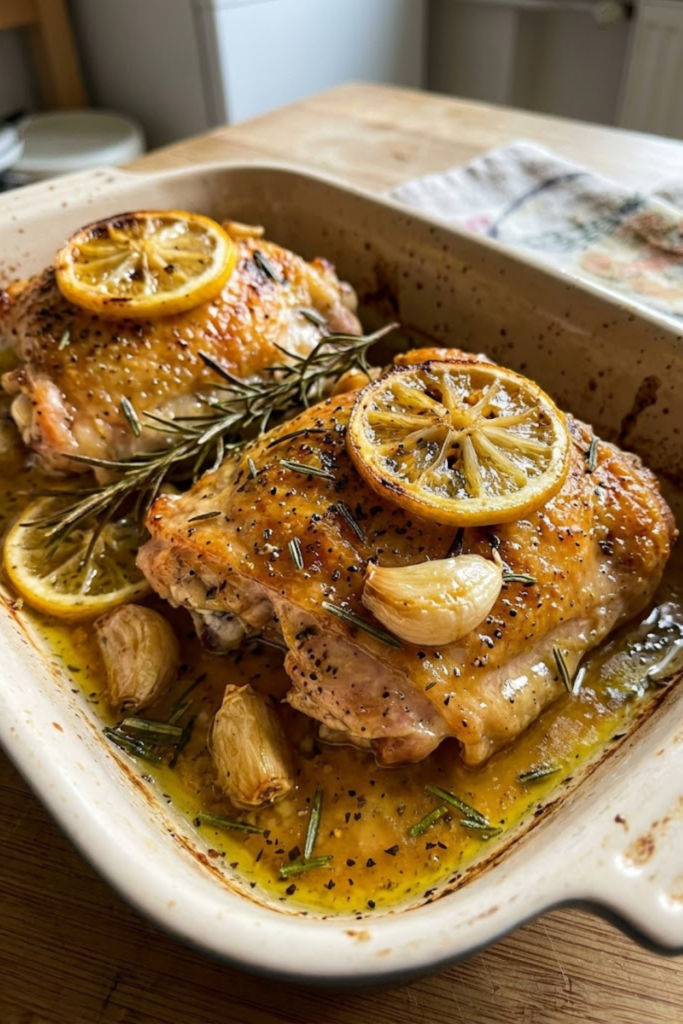
I used to be a total chicken breast snob until I realized I was basically eating flavorless cardboard! Did you know that chicken thighs actually contain about 30% more moisture-retaining fat than breasts? That fat is where all the magic happens, especially when you pair it with the zing of fresh citrus.
Honestly, I’ve had my fair share of kitchen disasters—like the time I accidentally used lemon extract instead of juice. Don’t do that. It tasted like a cleaning product! But when you get this lemon garlic chicken thighs recipe right, the skin is so crispy it crackles, and the meat just melts. You’re going to love how simple this is.
Picking the Best Thighs at the Store
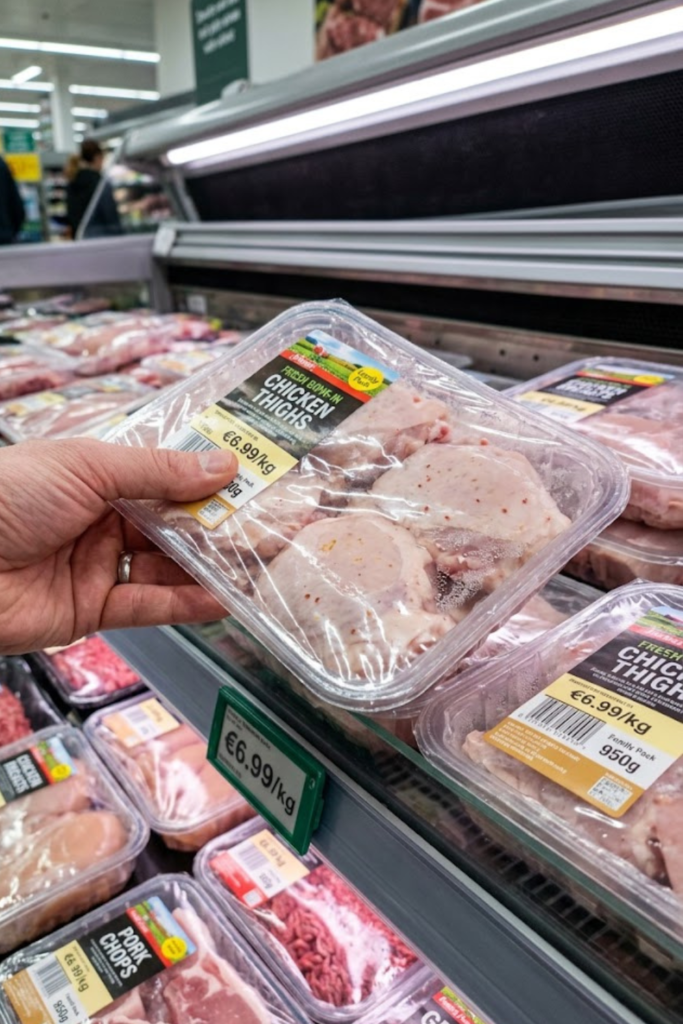
I’ve spent way too many years standing in the meat aisle of the grocery store, just staring at those yellow plastic trays and feeling totally confused. It seems like such a simple thing, right? You just grab a pack of chicken and go. But I’ve learned the hard way that if you pick the wrong pack, your lemon garlic chicken thighs are going to be a total flop before you even get home and turn on the stove. I’ve bought the “manager’s special” chicken before because I wanted to save a buck, and let me tell you, it was a slimy, smelly mess. Never again! You want to look for meat that looks happy. It should be plump, firm, and have a nice, healthy color.
Why Bone-In is the Real Winner
Listen, I totally get it. Boneless thighs are much easier to eat because you don’t have to cut around anything while you’re at the table. But if you want that deep, rich flavor that makes people ask for seconds, you really have to get the bone-in ones. The bone acts like a little straw that keeps all the moisture inside the meat while it cooks. When I cook with boneless meat, the chicken often ends up shrinking and getting a bit chewy or dry. Plus, the bone helps the heat move through the meat more evenly. It’s like a little built-in heater for your dinner. If you are worried about the kids choking, just cut the meat off the bone for them after it’s done. The flavor difference is worth the extra thirty seconds of work.
Checking for Freshness and Color
You also need to look at the skin. It should be tucked nicely around the meat, not hanging off like a loose, oversized sweater. If the skin is all torn up or missing in spots, it won’t get that even, crispy crunch that we are looking for. And check the color! The meat should be a nice, light pink color. If it looks grey or even a little bit yellow around the edges, put it right back on the shelf. That chicken has been sitting there way too long and won’t taste good. I usually reach for the packs at the very back of the shelf. Those are usually the coldest and the freshest because the stockers put the new stuff behind the old stuff.
The Magic of Air-Chilled Chicken
If you see a label that says “air-chilled,” you should grab it immediately. Most chicken is cooled in big tubs of cold water, which means the skin soaks up a bunch of extra moisture. When you try to fry that, it just steams in the pan instead of getting crispy. Air-chilled chicken is cooled with cold air, so the skin stays dry. This means the skin gets like a potato chip when it hits the hot oil. It costs a couple cents more, but for this specific recipe, it’s a total game changer. You want the skin to be dry so it can get that perfect golden brown look we want.
The Secret to That Zesty Garlic Sauce
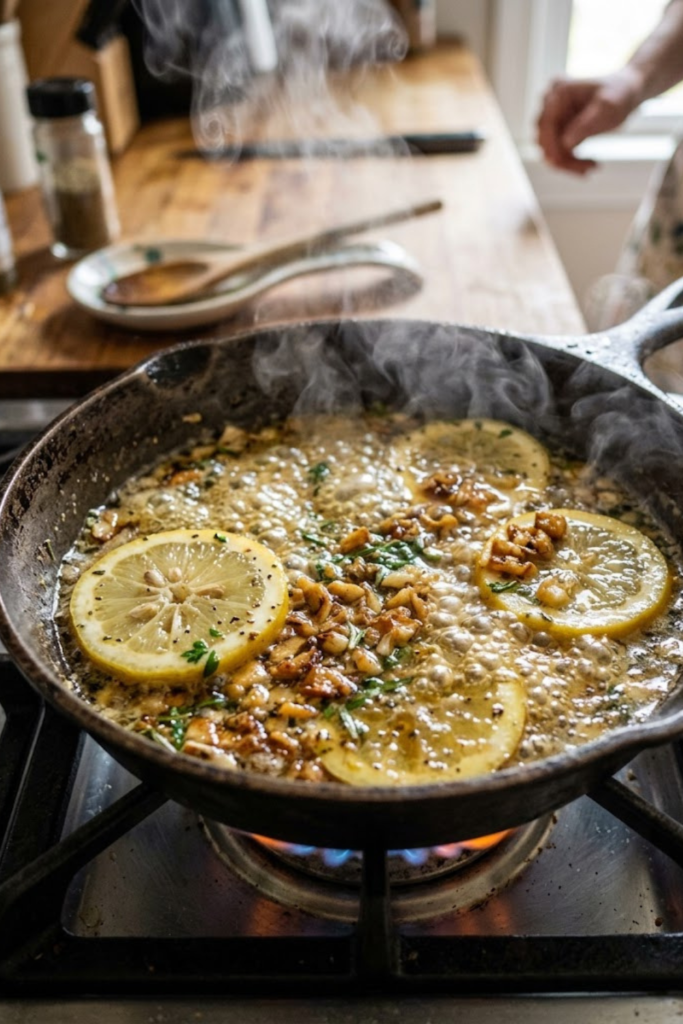
I’ve made this sauce more times than I can count, and honestly, I still get a little excited when the kitchen starts smelling like a fancy Italian restaurant. But let’s be real for a second—garlic can be a total bully if you don’t treat it the right way. I remember one time I was trying to cook a big dinner for my sister’s birthday. I had the stove cranked up way too high because I was in a rush, and the second that minced garlic hit the pan, it turned black and bitter. I tried to save it with more lemon, but the whole dish tasted like burnt rubber. I actually had to throw the whole pan of chicken away and order pizza! It was embarrassing, but it taught me a huge lesson about heat.
Timing Your Garlic Just Right
The biggest trick I tell my students is that garlic needs a “low and slow” approach. You don’t want to add your tiny bits of garlic at the very start when the pan is screaming hot. If you do that, they will burn before the chicken even gets warm. Instead, wait until you’ve flipped your chicken and the pan has cooled down just a tiny bit. I like to scoot the chicken to the sides of the pan and drop the garlic right in the middle with a little extra butter. You only need to cook it for about thirty seconds or until you can really smell it. The moment it turns a light golden color, you need to add your liquid. This stops the cooking process and creates that amazing base for your lemon garlic chicken thighs.
Why Fresh Lemons Win Every Time
Now, let’s talk about those little plastic lemons you find in the produce aisle. Just don’t do it. I know they are easy to keep in the fridge, but that juice has a weird, metallic aftertaste that can ruin the sauce. A real lemon gives you two things: the juice for tanginess and the zest for that bright, floral aroma. I always tell people to zest the lemon before they cut it in half. It’s much harder to grate a floppy, squeezed-out lemon half! That yellow zest has all the oils that make the sauce pop. If your sauce feels a bit too sharp or sour, don’t panic. Just whisk in a cold tablespoon of butter at the very end. The fat in the butter mellows out the acid and makes the sauce look shiny and thick.
Getting the Perfect Sauce Texture
A good sauce shouldn’t be thin like water, but it shouldn’t be thick like gravy either. It should be just thick enough to coat the back of your spoon. If it looks too runny, let it simmer for an extra minute or two without the lid on. This lets the extra water evaporate. On the flip side, if the pan looks dry, add a splash of chicken broth or even a tiny bit of water. You want enough liquid so that every single bite of chicken can get a good dunk in that garlic goodness. It’s the kind of sauce you’ll want to soak up with a piece of crusty bread.
How to Get That Perfect Crispy Skin
I’ve spent way too many nights standing over a stove, watching my chicken skin turn into a wet, grey mess. It’s the worst feeling when you’re hungry and you just want that crunch you see in the pictures. I remember one time my kid actually asked me why the chicken was “soggy like a sponge.” That hurt! But it made me realize that getting crispy skin on these lemon garlic chicken thighs isn’t just about luck; it is a real process. You can’t just throw the meat in a pan and hope for the best. You gotta prep it. If you skip this, you’re just eating rubbery fat, and nobody wants that at the dinner table.
The Paper Towel Trick
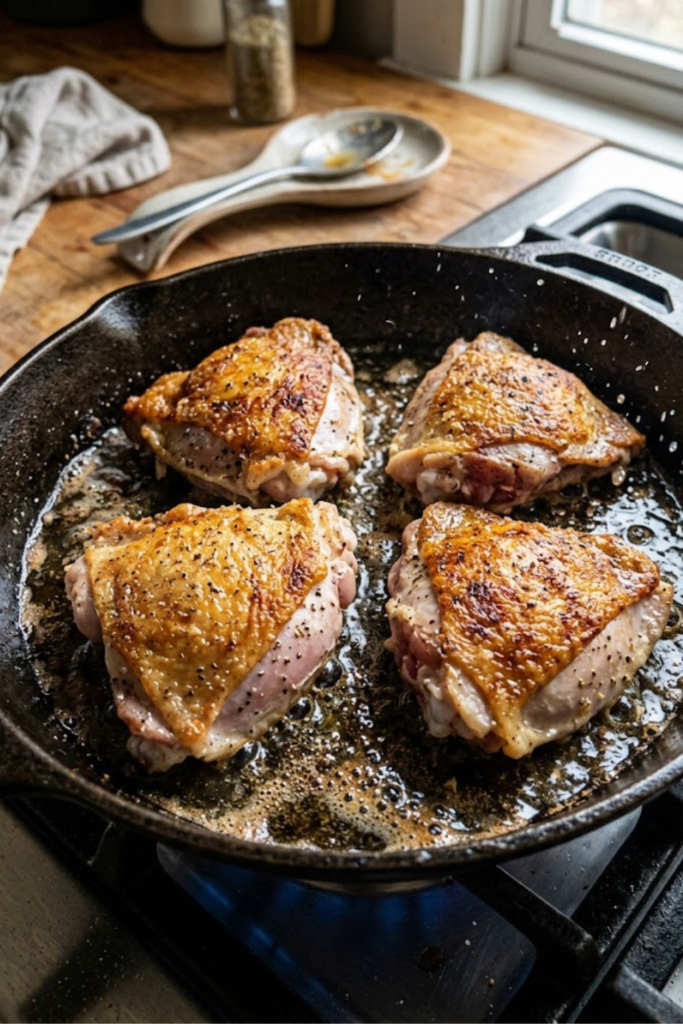
Most people just take the chicken out of the pack and toss it right in the pan. Don’t do that! That liquid in the pack is the enemy of a good crunch. I use a whole roll of paper towels sometimes. I pat every single thigh until it’s bone-dry. If there is water on the skin, it’s gonna steam instead of fry. Think about it like this: you can’t get a crisp crust on a wet piece of bread, right? It’s the same thing here. I even leave them sitting out on a plate for about ten minutes after patting them down just to make sure they are really ready. This helps the skin get that “shatter” effect when you bite into it later.
The Heavy Skillet Secret
You need a pan that can hold its heat for a long time. I always go for my old cast iron skillet that I’ve had for a decade. If you use a thin, cheap pan, the temperature drops the second the cold chicken hits the metal. Then, instead of searing, the meat just sits there and gets tough. You want that oil to be shimmering—not smoking, but close to it. When you lay the chicken down, skin-side first, you should hear a loud sizzle. If it’s quiet, the pan isn’t hot enough. I usually tell my students to wait for that sound. It’s the sound of flavor starting!
Give Your Chicken Some Space
Another big mistake I see is people trying to cook six big thighs in a small pan. When you crowd them together, they release steam and that steam gets trapped under the meat. Suddenly, you aren’t frying anymore; you’re basically boiling the chicken in its own juices. I always leave about an inch of space between each piece so the air can move around. If I have to cook in two batches, I just do it. It’s better to take an extra ten minutes than to serve soggy skin. Trust me, once you hear that first bite crackle, you’ll see why I’m so picky about this part of the lemon garlic chicken thighs process. It makes all the difference in the world.
Knowing When Your Chicken is Perfectly Done
I can’t tell you how many times I’ve pulled a beautiful piece of chicken out of the pan, cut into it, and seen that dreaded bit of pink right by the bone. It’s enough to make you want to order takeout and give up on cooking forever! Or, even worse, I’ve overcorrected and cooked the meat until it was as dry as a desert because I was so scared of getting sick. Finding that “sweet spot” with lemon garlic chicken thighs took me a lot of practice and a few ruined Sunday dinners. But once you figure out the signs, you’ll never have to guess again. It’s about trust, but also about having the right tools in your kitchen drawer.
Why You Need a Meat Thermometer
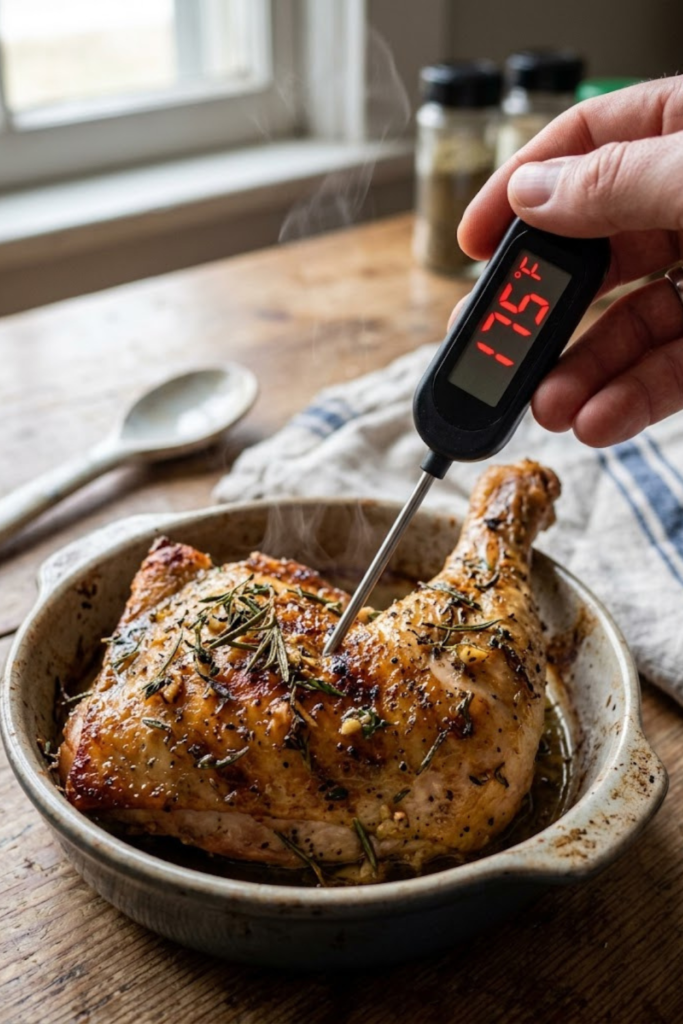
If you don’t have a digital meat thermometer, go get one. Seriously. It’s the only way to be 100% sure without hacking your chicken to pieces to see the inside. For most chicken, the rule is 165°F, but here is a little secret I learned from an old chef friend: chicken thighs actually taste better if you let them go a bit higher, like 175°F or even 180°F. Because thighs have more dark meat and connective tissue, that extra heat helps break everything down so the meat stays tender and literally falls off the bone. If you pull them at exactly 165°F, they can sometimes feel a little “rubbery.” That extra ten degrees makes a world of difference in the texture.
The Importance of Resting the Meat
This is the part where most people mess up because they are hungry and want to eat right now. I get it! The house smells like garlic and butter, and your stomach is growling. But if you cut that chicken the second it leaves the pan, all those delicious juices you worked so hard to keep inside are going to run out all over your plate. Your chicken will end up dry, and your side dishes will get soggy. I always move my thighs to a warm plate and let them sit for at least five to ten minutes. This lets the fibers in the meat relax and soak those juices back in. It’s the difference between a “good” meal and a “restaurant-quality” meal.
Using Visual Cues
If your thermometer battery dies, don’t panic. You can still use your eyes. Take a fork and gently poke the thickest part of the thigh. The juices that come out should be totally clear, not cloudy or pink. Also, look at the meat itself; it should pull away from the bone just a tiny bit. If the meat is still hugging the bone tightly, it probably needs another minute or two. I like to see the edges of the meat looking a bit “frayed” and soft. When you see that, and the skin is still crackling, you know you’ve nailed it. Your family is going to think you went to culinary school!
Best Side Dishes for Your Lemon Garlic Chicken
So, you’ve spent all this time getting that chicken just right. Now, what are you gonna put on the plate next to it? I used to think I could just eat the chicken by itself, but my family always says a meal isn’t really a meal without a side dish. I’ve tried a lot of different things over the years. I remember one time I tried to serve this with a really heavy, creamy pasta. It was a total disaster! The heavy cream and the bright lemon just didn’t get along in my mouth, and it felt like I was eating a heavy brick. You want side dishes that let the lemon garlic chicken thighs be the star of the show while soaking up every last drop of that amazing sauce.
The Best Ways to Soak Up the Sauce
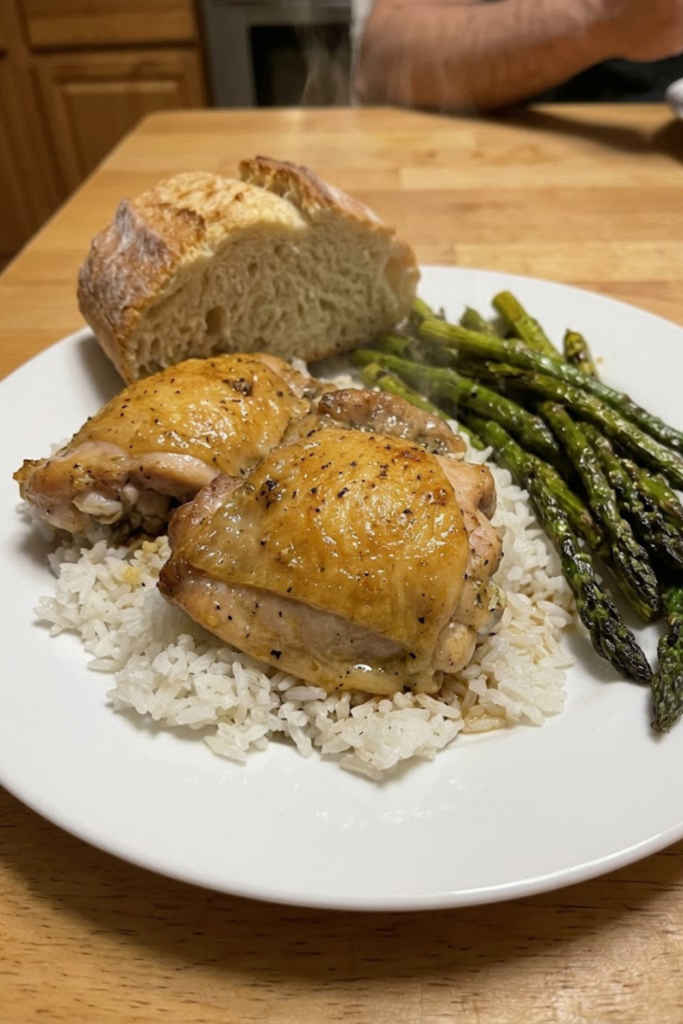
The sauce is really the best part of this whole thing, right? You don’t want to leave any of that liquid gold on your plate when you’re done. My go-to is always a simple bed of white rice or maybe some fluffy mashed potatoes. If you use rice, the grains act like little sponges that hold onto all the garlic and butter. I usually cook my rice with a little bit of chicken broth instead of just plain water to give it some extra flavor. If you’re feeling a bit fancy, you can even toss some fresh parsley into the rice at the end. It looks pretty and tastes fresh. Another great option is a crusty piece of bread. I’ve been known to just wipe my plate completely clean with a big hunk of sourdough!
Adding Some Green to the Plate
You gotta have some veggies on there too, mostly so you can feel a bit better about all that butter we used. Since the oven is already hot, I usually just toss some asparagus or broccoli on a baking sheet with a little olive oil and salt. They cook really fast. If you put them in the oven during the last ten minutes that the chicken is cooking, everything finishes at the same time. I love it when the tips of the broccoli get a little bit burnt and crispy. It adds a nice texture to the meal. Sometimes I even throw a few extra lemon slices on the tray with the veggies so they get all melty and sweet.
A Simple Salad for Balance
If you feel like the meal is getting a bit heavy, a simple salad is the way to go. I like using arugula because it has a bit of a peppery taste that goes great with the lemon. Just a little bit of olive oil and a squeeze of leftover lemon juice is all you need for a dressing. Don’t go buying those bottled dressings that are full of sugar and weird stuff. Keep it simple! The freshness of the greens really helps balance out the richness of the chicken skin and that butter sauce. It makes the whole meal feel a lot lighter, so you don’t feel like you need a big nap immediately after dinner.
Wrapping Up Your Lemon Garlic Chicken Journey
Well, we’ve made it to the end of our little kitchen adventure together. I really hope you’re feeling a lot more confident about heading into the kitchen to whip up these lemon garlic chicken thighs. I know it can feel like a lot to remember when you are first starting out—the temperatures, the timing of the garlic, and the search for that perfect crispy skin. But honestly, once you do it a couple of times, it starts to feel like second nature. I remember when I first started teaching, I was so nervous I’d forget a step, but now I can practically do this recipe with my eyes closed. You’ll get there too, I promise! Just keep at it and don’t be afraid to make a little mess along the way.
Looking Back at the Wins
Think about all the cool stuff you’ve learned today. You know exactly what to look for at the butcher counter now, so you aren’t just grabbing a random pack of meat and hoping for the best. You understand why that bone stays in and why the skin is so important for the flavor. Plus, you’ve got the inside scoop on how to handle garlic so it stays sweet and yummy instead of turning into bitter little charcoal bits. These are the kinds of skills that stay with you forever. Every time you smell that fresh lemon hitting a hot pan, you’re going to remember how far you’ve come. It’s pretty cool when you think about it!
Final Thoughts on Kitchen Confidence
Cooking for your friends or your family is one of the best ways to show them you care. There’s something so special about putting a big, steaming plate of chicken on the table and seeing everyone’s faces light up. Even if things aren’t “perfect”—maybe the skin isn’t as crunchy as you wanted or you forgot the parsley—it doesn’t really matter. The fact that you took the time to make something from scratch is what counts. My kids still talk about the time I burnt the rolls, but they also remember the smell of the lemon chicken that went with them. Those are the memories that stick. So, take a deep breath, trust your thermometer, and enjoy every single bite.
If you found these tips helpful and you’re excited to try this out, please share this article on Pinterest! It really helps me out, and it lets other folks find these easy tips so they can have a great dinner too. I’d love to see photos of your finished plates if you want to share them. Now, go get that skillet hot and show everyone what a great cook you are!