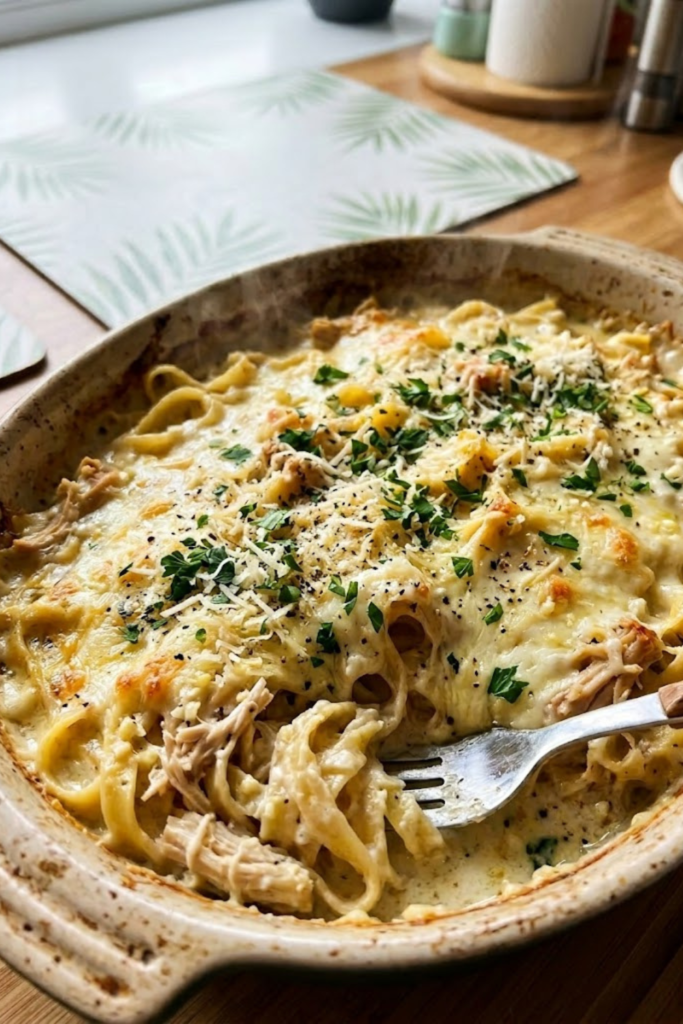
Did you know that the average person eats about 20 pounds of pasta every single year? I think I probably hit that mark by March! Honestly, there is nothing like a warm, bubbly pan of creamy chicken alfredo casserole to fix a bad day. I remember the first time I tried to make a white sauce—it ended up looking more like Elmer’s glue than dinner! But after years of practice and a few burnt pans, I’ve finally nailed the secret to a sauce that stays silky even after it hits the oven. We’re talking about gooey mozzarella, tender chicken, and that perfect garlic kick that makes your kitchen smell like a dream. Grab your apron, because we are diving into comfort food heaven today!
Essential Ingredients for a Silky Sauce
Let’s talk about that sauce for a minute. For years, I really struggled to get my Alfredo to stay smooth when I made a bake. I’d pull the casserole out of the oven and find it had turned into a greasy, separated mess with weird clumps at the bottom. It was super frustrating! After a lot of trial and error in my own kitchen, I realized that the secret isn’t some fancy technique you learn in a cooking school. It’s actually just about what you put in the pot before it even touches the pasta. If you start with the right stuff, the oven does the rest of the hard work for you.
The Dairy Foundation
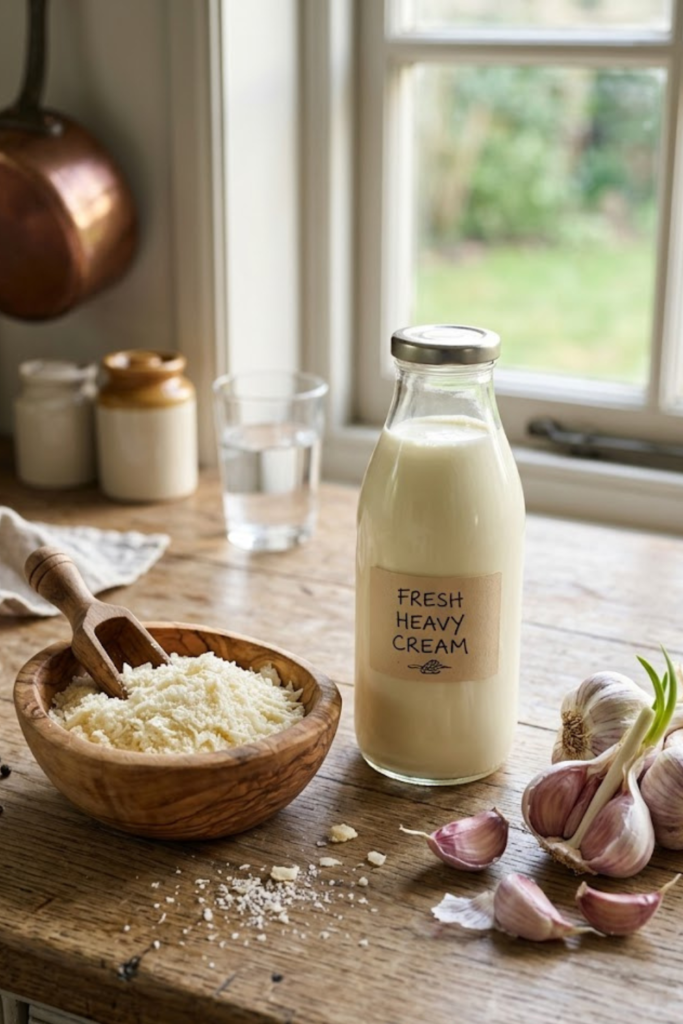
You really need to stick with the heavy hitters here if you want that restaurant feel. I once tried to make this with skim milk because I was trying to be a bit more “healthy,” but it was a total disaster. The sauce was thin and just soaked into the noodles, leaving the whole dish dry and bland. Now, I always use heavy cream and real salted butter. Don’t even think about using margarine! Real butter has a flavor you just can’t copy with oil-based spreads. The high fat content in the heavy cream is what keeps the sauce from breaking apart or curdling when it gets hot in the oven. It creates a velvety texture that coats every single piece of chicken and pasta perfectly.
Grate Your Own Cheese
This is probably the biggest tip I can give you as a home cook. Stay away from those bags of pre-shredded cheese in the grocery store. I know they are convenient, but those companies put potato starch or cellulose on the cheese to keep it from sticking together in the bag. That starch stops the cheese from melting properly into your sauce, which is why it often ends up feeling “gritty” on your tongue. Buy a big block of Parmesan and a block of mozzarella. Grating it yourself takes about five minutes, and the difference in how it melts is huge. Your sauce will be way smoother, and it will actually taste like real cheese instead of plastic.
Little Flavor Boosters
While the cream and cheese do the heavy lifting, you need a few more things to make the flavor really pop. Fresh garlic is a must-have for me. I like to sauté about four cloves in the butter before adding the cream. If you only have garlic powder, that works too, but fresh gives it a much better kick. Also, my secret weapon is a tiny pinch of nutmeg. You won’t taste it and think “hey, there’s a spice in here,” but it makes the cream taste much richer. A bit of black pepper and some sea salt finishes it off. Just be careful with the salt, since the Parmesan cheese is already pretty salty on its own!
Choosing the Right Pasta Shape
I used to think that Alfredo always had to be made with fettuccine because that’s what all the fancy restaurants do. But when you are making a casserole, long noodles are actually a huge pain to deal with. I remember one time I tried to serve a chicken alfredo bake with long spaghetti and it was a total disaster. Every time someone tried to scoop a portion onto their plate, the noodles would just slide off the spoon and splash sauce everywhere. It looked like a mess on my white tablecloth! Since then, I’ve learned that the shape of your pasta really changes how well the whole meal comes together for your family.
Why Short Pasta is a Game Changer
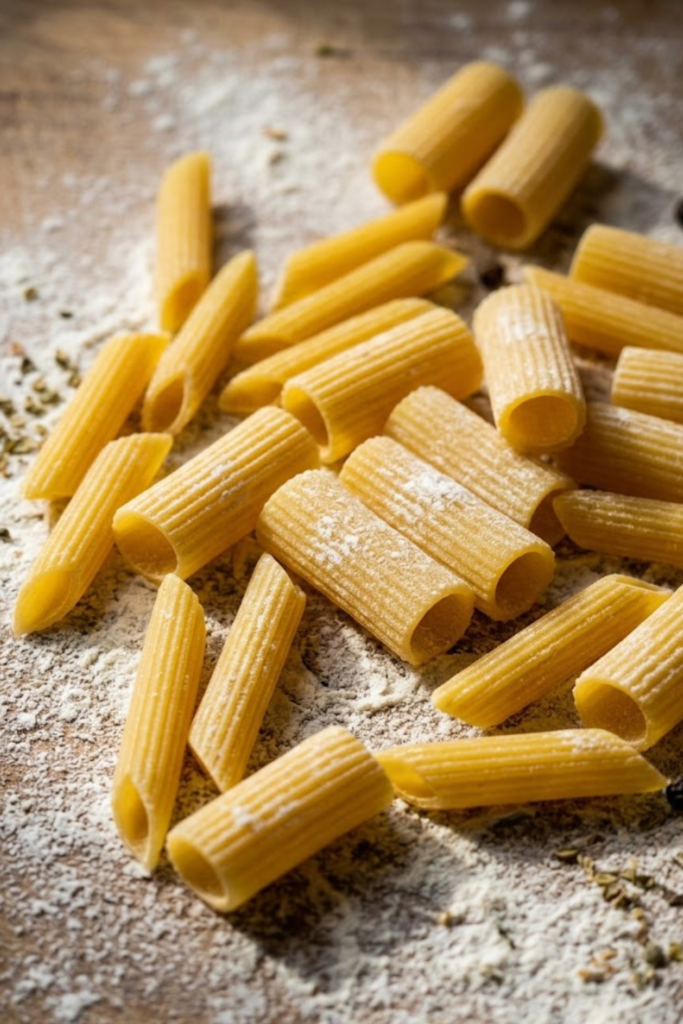
For a casserole, you really want to stick with short, bite-sized shapes like penne, rigatoni, or even rotini. These shapes are great because they are easy to scoop and easy to eat without needing a knife. Plus, they have holes in the middle or ridges on the outside that grab onto that creamy sauce. When you use something like penne, the Alfredo sauce gets trapped inside the tube, so every single bite is full of flavor. If you use a flat noodle, the sauce just slides off. My kids prefer the curly ones because they say it holds more of the “good stuff.” In my house, we call rotini “corkscrews,” and they are definitely a favorite for this recipe.
The Secret to Avoiding Mushy Noodles
This is the most important part: you have to undercook your pasta on the stove. I can’t say this enough! If the box says to boil the pasta for 10 minutes, I usually stop at 7 or 8 minutes. You want it to be what they call “al dente,” which just means it still has a little bit of a firm bite to it. Remember that the pasta is going to spend another 20 or 30 minutes in a hot oven soaking up all that liquid. If you cook it all the way on the stove, it will turn into a mushy mess after it bakes. Nobody wants to eat noodle mush for dinner, so make sure you set a timer and pull it off the heat early.
Making the Sauce Stick
The texture of the pasta matters a lot too. If you look at the pasta aisle, some brands have little lines on the outside of the penne—usually called “penne rigate.” Those lines are there for a reason! They act like little hooks that help the heavy cream and cheese stick to the noodle instead of just pooling at the bottom of the dish. I always tell my friends to look for the ribbed versions of their favorite shapes. It makes the dish feel much more professional, even if it’s just a quick Tuesday night dinner. Taking a second to pick the right box makes a big difference in how the meal turns out.
Mastering the Bake and the Topping
The top of the casserole is honestly my favorite part. If I’m being real, I’ve been known to pick off a little bit of the crispy cheese while the pan is cooling on the counter! There is just something about that golden-brown layer that makes the whole meal feel finished. I used to think you just threw everything in a dish and hoped for the best, but I’ve learned a few tricks over the years to make sure the topping is just as good as the creamy sauce underneath. If you rush this part, you end up with a soggy mess, and nobody wants that for their family dinner.
Getting that Golden Crust
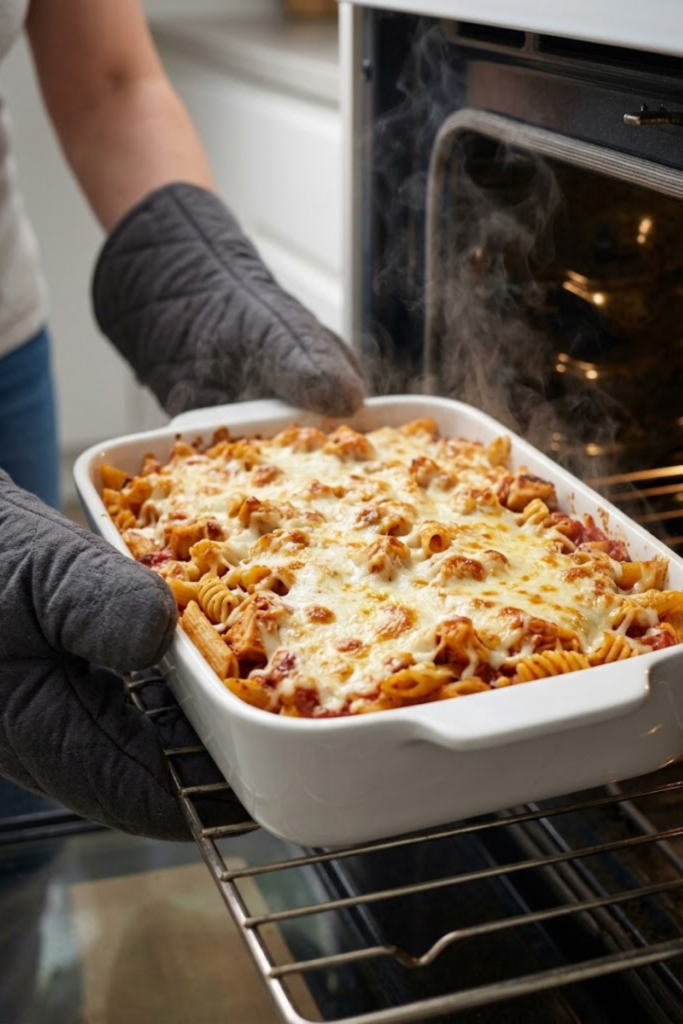
To get that perfect bubbly look, you need to use the right cheese. I always use a mix of shredded mozzarella and a little bit of extra Parmesan on top. The mozzarella gives you those great cheese pulls, while the Parmesan browns up beautifully. One thing I learned early on is that you don’t want to cover the dish with foil for the whole baking time. If you do, the cheese just melts but never gets crispy. I usually bake mine uncovered for the last ten minutes. If it’s not browning fast enough, I’ll even turn on the broiler for a minute or two, but you gotta watch it like a hawk! One minute it’s perfect, and the next it’s burnt charcoal.
Watch Your Oven Temperature
Getting the temperature right is a big deal. I usually set my oven to 375 degrees. If the oven is too hot, the heavy cream in the sauce can actually start to separate and turn oily. That is a mistake I made more than once when I was in a hurry to get dinner on the table. If it’s too cold, the pasta just sits there getting mushy before the cheese even melts. 375 seems to be the sweet spot where the sauce stays thick and the chicken heats all the way through without drying out. It usually takes about 20 to 25 minutes until it’s bubbling around the edges.
Adding the Perfect Crunch
If you want to take things up a notch, try adding some breadcrumbs. I personally love using Panko because they are extra crunchy, but Italian breadcrumbs work great too if you want more herb flavor. I like to mix the crumbs with a little melted butter and some dried parsley before sprinkling them over the cheese. This creates a crust that stays crunchy even after it sits for a bit. My husband always asks for extra topping because he loves that contrast between the soft pasta and the crunchy lid. It really makes the dish feel like it came from a professional kitchen instead of just a regular home stove.
Meal Prep and Storage Secrets
I’m a huge fan of anything that makes my Mondays a little bit easier. Between grading papers and everything else going on, I don’t always have an hour to stand over a stove every single night. That’s exactly why I love this creamy chicken alfredo casserole. I’ve found that you can actually do most of the work on a Sunday when you have some extra free time. But, there are a few things I learned about storing creamy dishes that I really wish someone had told me years ago. Alfredo can be a bit picky if you don’t treat it right, and I’ve had my share of dried-out leftovers to prove it!
Prep Ahead Like a Pro
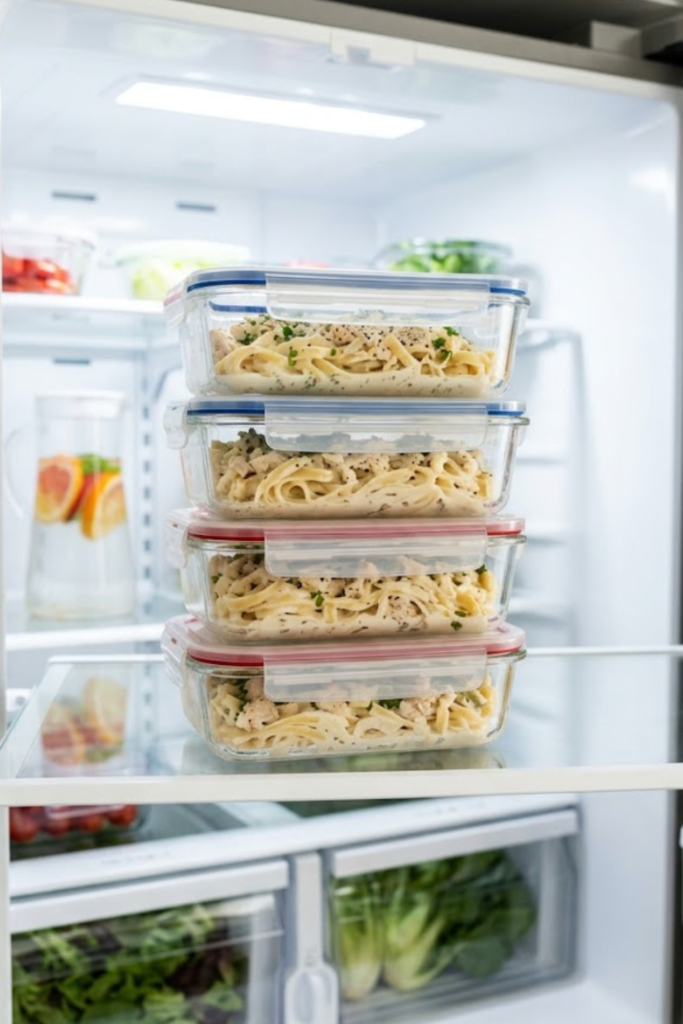
If you want to save time during the week, you can definitely put this whole thing together a day before you plan to bake it. Just follow the recipe, put it in your baking dish, and cover it tightly with plastic wrap or foil. Keep it in the fridge until you’re ready for dinner. One thing I noticed is that the pasta likes to soak up the sauce while it sits. So, if I’m prepping it a day early, I usually add about a half-cup more of the heavy cream or even a splash of milk to the mix. This makes sure it doesn’t get dry while it waits for you. When you’re ready to eat, just pop it in the oven. You might need to add five extra minutes to the baking time since it’s starting out cold from the refrigerator.
Freezing for Later
A lot of people ask me if you can freeze a white sauce like alfredo. The answer is yes, but there is a little trick to it. Cream can sometimes get a grainy texture if it’s frozen and then thawed too fast. If I know I’m making a batch for the freezer, I try to undercook the pasta even more than usual. This helps the noodles stay firm. I like to freeze it in individual portions in airtight containers. That way, I can just grab one for lunch. It stays good in the freezer for about two months. Just make sure you let it thaw in the fridge overnight before you try to heat it back up.
The Right Way to Reheat
Reheating is where most people mess up. If you just throw a cold bowl of alfredo in the microwave for three minutes, you’ll probably end up with a pool of oil at the bottom. To keep it creamy, I always add a tiny splash of water or milk to the bowl before I heat it. Then, I heat it in short 30-second bursts and stir it every single time. This helps the sauce come back together and stay silky. If you have a large amount left, you can put the whole dish back in the oven at a low temp like 300 degrees. Cover it with foil so the top doesn’t burn, and it will taste almost as fresh as the day you made it. It’s a great way to make sure nothing goes to waste.
Bringing the Comfort Home
So, there you have it! Making a creamy chicken alfredo casserole really isn’t as scary as it might seem at first. I know I used to get pretty nervous about making white sauces because they can be so finicky, but if you just follow those simple rules about using real heavy cream and grating your own cheese, you are going to be just fine. It’s one of those recipes that makes your whole house smell like a fancy Italian kitchen, and it’s way cheaper than taking the whole family out to eat. Plus, you get to control exactly what goes in it, which is something I always tell my students is the best part of cooking for yourself.
We’ve covered a lot today, from picking out the best pasta shapes like penne or rotini to making sure you don’t overcook them on the stove. Remember, that “al dente” firmness is your best friend if you want to avoid a mushy dinner! We also talked about how to get that perfect, bubbly golden crust on top and why Panko breadcrumbs are such a great addition for a little bit of crunch. And don’t forget those meal prep tips! Being able to pull a pan out of the fridge and just pop it in the oven after a long day of work is a total lifesaver. It makes those busy weeknights feel a lot less stressful when you know dinner is already taken care of.
I really hope you give this dish a try the next time you need a big hug in food form. It has become a staple in my house, and I bet it will become one in yours too. There is just something so satisfying about seeing a tray of cheesy, bubbly pasta sitting on the table and knowing you made it from scratch. It’s a great way to show your family you care without having to spend five hours in the kitchen. Cooking should be fun, and a casserole is the perfect way to keep things simple while still making something that tastes incredible.
If you enjoyed this recipe and want to save it for later, please share it on Pinterest! It really helps me out, and it’s a great way for your friends to find some new dinner ideas too. I’d love to hear how yours turned out, so feel free to let me know if you added any of your own twists, like broccoli or maybe some crispy bacon on top. Happy cooking, and I hope your next dinner is the best one yet!