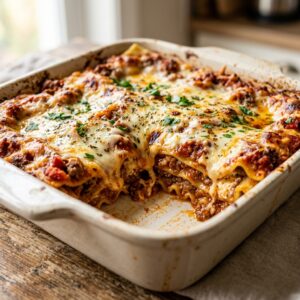
“You can’t buy happiness, but you can buy lasagna, and that’s kind of the same thing,” as the old saying goes! I remember the first time I tried a creamy chicken lasagna instead of the traditional red sauce version; it was like my taste buds finally woke up from a long winter nap. Did you know that lasagna is actually one of the most searched comfort foods globally, with interest spiking by nearly 25% during the colder months? Honestly, once you dive into these silky layers of pasta, tender chicken, and cheese, you might never go back to marinara. I’ve spent years tweaking this recipe in my own kitchen—suffering through a few “soupy” disasters so you don’t have to—and I’m so excited to share my 2026 version with you!
Choosing the Best Chicken for Your Lasagna Layers
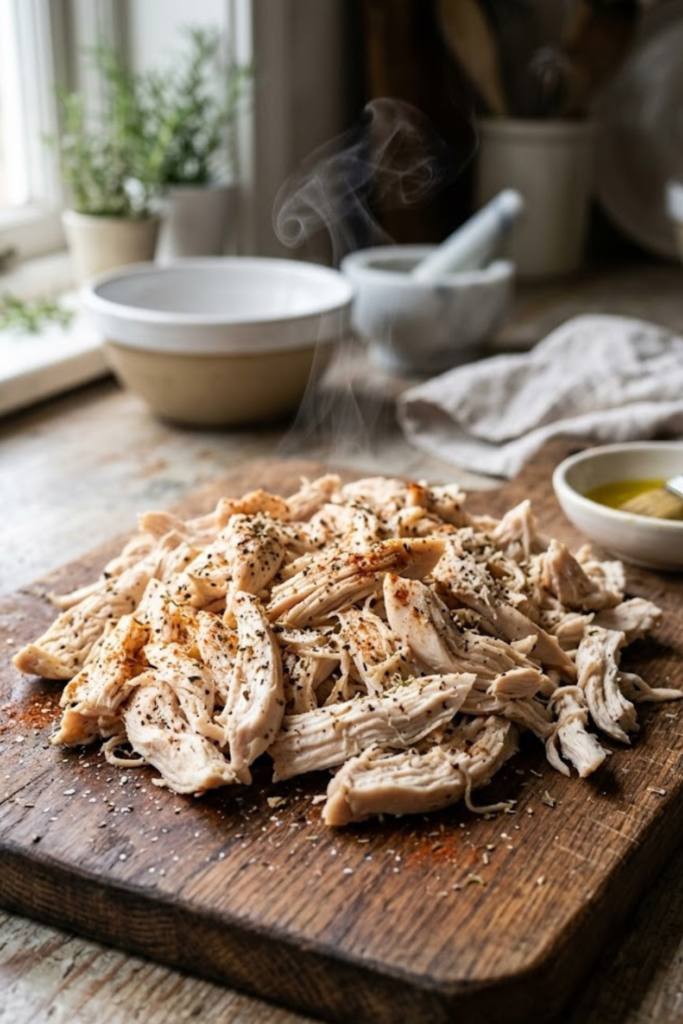
Picking the meat for your creamy chicken lasagna is actually more important than people think. I used to think any old chicken would do, but I was wrong! If the chicken is too dry or too big, the whole thing falls apart. You want every bite to have that perfect mix of pasta, sauce, and poultry. After making this dish dozens of times for my family and the school bake sales, I’ve figured out what works best. Usually, people just grab whatever is in the fridge, but a little bit of planning makes a huge difference in how the final meal tastes.
Why Rotisserie Chicken is My Best Friend
If you’re busy like me—juggling grading papers and getting the kids to practice—you probably don’t have all day to cook. That’s why I almost always grab a rotisserie chicken from the grocery store. It’s usually cheaper than buying raw meat and it’s already seasoned! I just pull the skin off and pull the meat away from the bones while it’s still warm. It’s so much easier. One time I tried using a leftover cold chicken from the fridge and it didn’t shred as well, so try to do it while the bird is still a bit hot. Plus, those juices at the bottom of the container? Save a spoonful and mix it into your meat for extra flavor.
Cooking Fresh Chicken Breasts
Sometimes I do have the time to cook fresh, especially if I want a specific flavor. If you go this route, I suggest poaching your chicken in some broth. Just put the breasts in a pot with chicken stock, some garlic cloves, and maybe a little salt. Let it simmer until it’s just cooked through. Don’t overcook it! If you leave it in too long, it gets rubbery, and nobody wants rubbery lasagna. Another good way is pan-searing with a little bit of butter. It gives the meat a nice golden color and a bit more taste than just boiling it.
The Shredded vs. Diced Debate
I feel very strongly about this part. Shred your chicken! I once made the mistake of cutting the chicken into big cubes. When we tried to cut the lasagna into squares, the big pieces of chicken made the whole thing slide apart. It looked like a mess on the plate. Shredded chicken behaves much better. It sticks to the cheese and the white sauce, so every layer stays together. I usually use two forks to pull the meat apart into thin strips. It takes an extra five minutes, but it’s worth it for that perfect bite. Making sure the chicken is small helps it soak up that creamy sauce, too.
The Secret to a Velvety White Béchamel Sauce
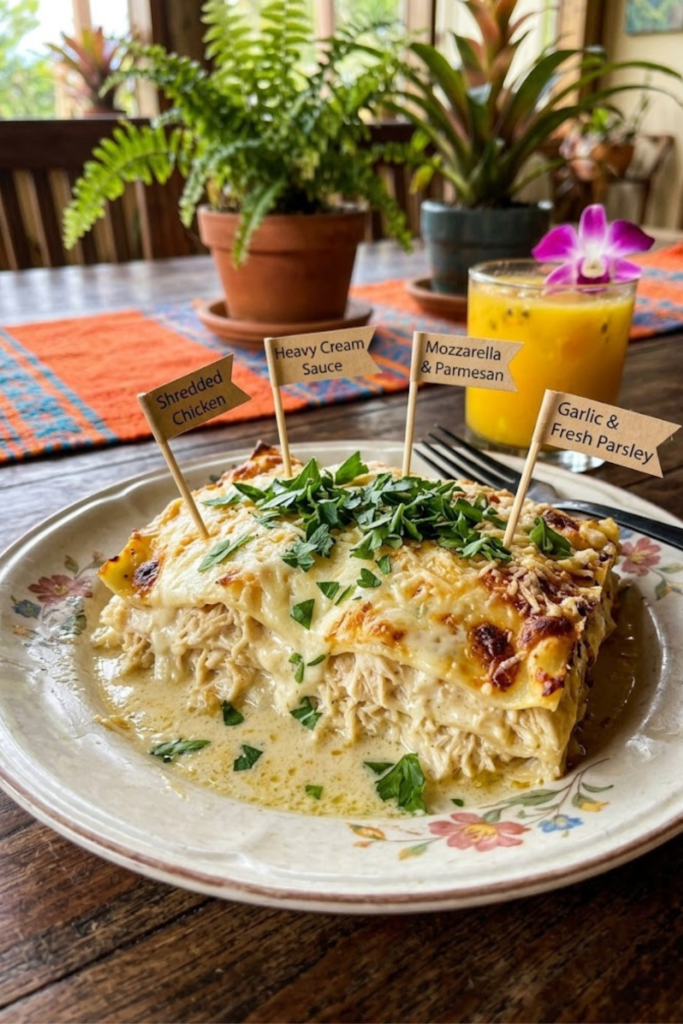
The white sauce, which some fancy chefs call a béchamel, is really the soul of a good creamy chicken lasagna. If you get this part right, your family will think you spent all day in the kitchen. I used to be so scared of making this. My first few tries were pretty bad—one time it was so thick it looked like wall paste, and another time it was basically watery soup. But once you get the hang of the rhythm, you’ll see it’s actually pretty simple. It just takes a little bit of focus and a sturdy whisk.
Start with a Simple Butter and Flour Base
To get started, you need to make what’s called a roux. This is just a mix of melted butter and flour. I usually use about half a stick of butter. Let it melt in a pan until it starts to get a little foamy, but don’t let it turn brown! Then, whisk in an equal amount of flour. You want to cook this for about a minute or two. This is a step many people skip, but if you don’t cook the flour, your whole creamy chicken lasagna will taste like raw dough. You want it to look like a thick, pale gold paste before you even think about touching the milk.
The Secret to a Smooth Pour
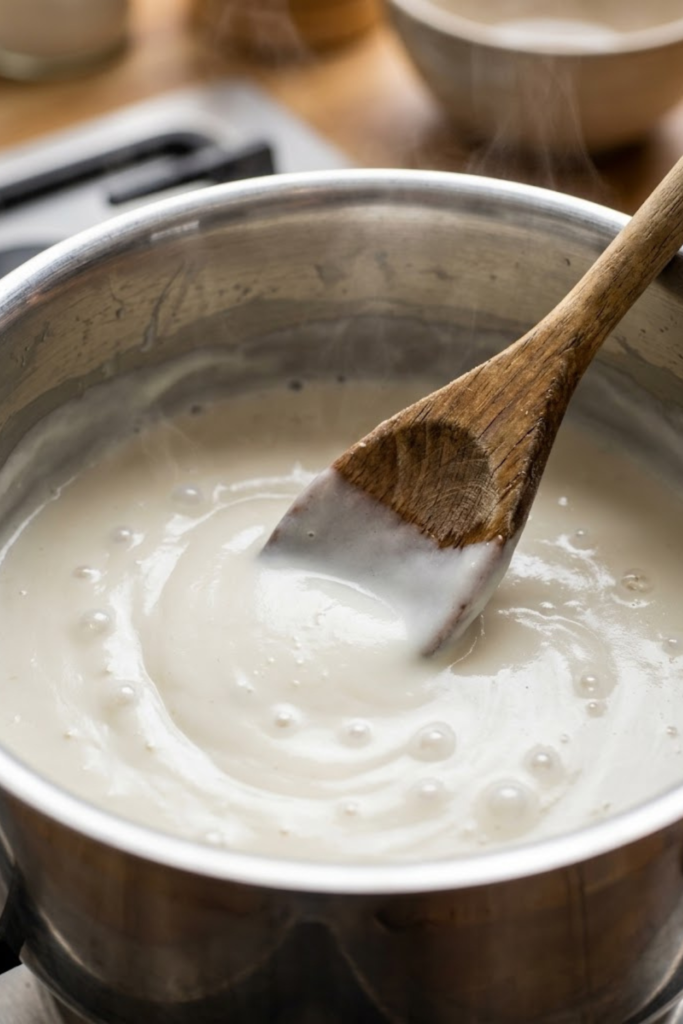
This is where most people mess up. If you dump all your milk in at once, you’re going to get lumps. I’ve had many “lumpy sauce” disasters in my 20s! The trick I learned is to add the milk very slowly. I start with just a splash—maybe a quarter cup. Whisk it like crazy until it turns into a thick clump, then add another splash. Keep doing this until the sauce starts to thin out. I like to use cold milk while the pan is hot; for some reason, it seems to help the flour dissolve better. Once all the milk is in, just keep stirring over medium heat until it gets thick enough to coat the back of a spoon.
Adding Flavor Without Overdoing It
A plain white sauce is okay, but we want it to be amazing. I always add a good pinch of salt and a lot of cracked black pepper. But my real “teacher secret” is nutmeg. You only need a tiny bit, maybe a quarter teaspoon. It doesn’t make the sauce taste like dessert; it just gives it this deep, warm flavor that makes people ask, “What is that special ingredient?” I also like to whisk in some crushed garlic right at the end so it stays fresh and zingy. This sauce is what makes the lasagna feel so cozy and rich. After you’ve got it smooth and bubbly, you’re ready to start the assembly!
Layering for Success: Pasta, Cheese, and Sauce
Layering is where the magic happens, but it’s also where things can go sideways if you aren’t careful. I used to think layering was just stacking stuff like a pile of laundry, but boy was I wrong! My first creamy chicken lasagna turned into a pile of mush because I didn’t get the order right. It’s like building a house—if the foundation is bad, the whole thing falls down. For this recipe, you really want to make sure your layers are even so every slice looks good and stays together when you pull it out of the oven.
Choosing Your Noodles
Now, let’s talk about the pasta. You have two main choices: the ones you have to boil first and the “no-boil” kind. I’m a big fan of the no-boil ones because they save so much time and you don’t have to deal with slippery, hot noodles sticking together in the sink. I’ve burned my fingers too many times trying to untangle those! But if you use no-boil, you have to be careful. They need plenty of sauce to cook properly in the oven. If your sauce is too thick or you don’t use enough, those noodles will stay crunchy. If you prefer the old-school boiling way, just make sure you cook them “al dente”—that means they still have a little bite. Don’t overcook them or they will turn into paste once you bake the whole thing.
The Secret Bottom Layer
One thing I learned the hard way is that you never, ever put a dry noodle directly on the bottom of the baking dish. It will stick to the glass like glue and you’ll be scrubbing that pan for three days. I always start with a thin layer of my white sauce. Just spread it around so the bottom is completely covered. This keeps the pasta from sticking and helps the bottom layer cook through. After the sauce, I put down the first layer of noodles, then more sauce, then the chicken, and then the cheese. Keep repeating this until you run out of stuff. I usually try to get at least three or four layers in there.
Mixing the Perfect Cheeses
For the cheese, don’t just use one kind. I like a mix. Mozzarella is great for that stretchy look everyone loves, but it doesn’t have a ton of flavor on its own. That’s why I mix in some salty parmesan and maybe some ricotta if I want it extra creamy. I usually mix the ricotta with an egg and some fresh parsley before I spread it on. It sounds a little weird, but the egg helps the cheese stay in place so it doesn’t just run out the side when you cut a slice. And don’t be stingy with the cheese on top! That’s the part everyone fights over at the dinner table. You want a nice, golden-brown crust when it comes out of the oven.
Final Tips for a Golden Bake and Serving Success
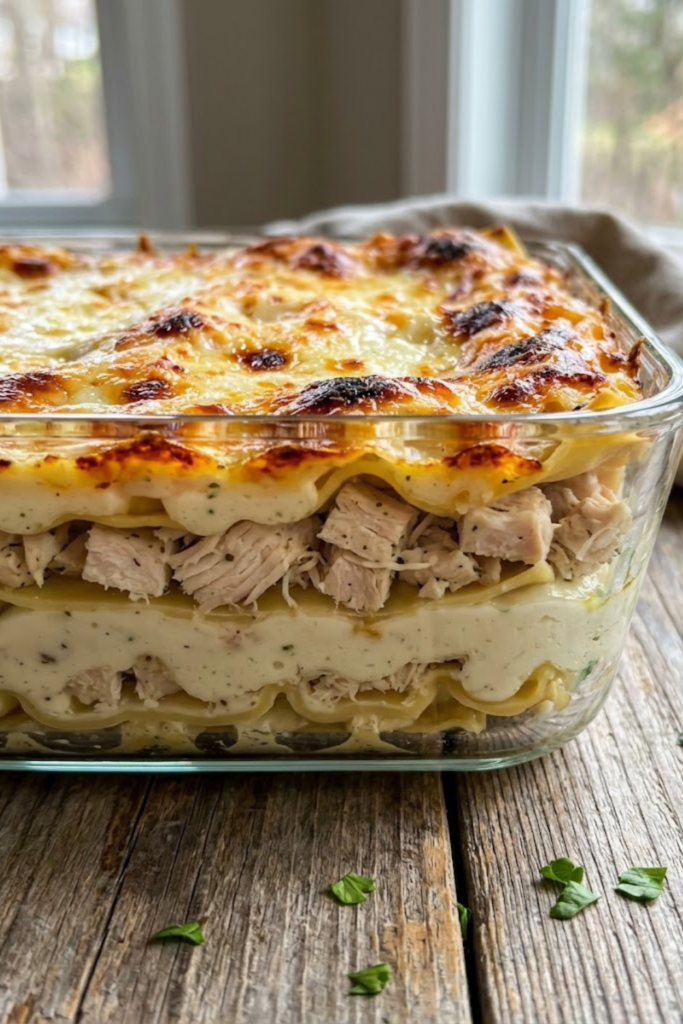
Once you have all those layers put together, you’re almost at the finish line! But don’t just shove it in the oven and walk away. I’ve learned that the baking part is just as important as the prep. You want that top layer of cheese to be bubbly and have those little brown spots that everyone loves. I usually set my oven to 375 degrees. If you go too hot, the edges burn before the middle is hot. I like to cover the dish with foil for the first twenty minutes. This traps the steam and helps the noodles get soft. Then, I take the foil off for the last fifteen minutes so the cheese can get that perfect crunch.
Why You Must Let It Rest
This is the hardest part of the whole process: waiting. When you pull a hot creamy chicken lasagna out of the oven, it smells so good you’ll want to dive right in. Resist the urge! I used to cut it immediately, and all the sauce would just run out onto the bottom of the plate, leaving the pasta dry. It was a total “teacher fail.” Now, I let it sit on the counter for at least fifteen to twenty minutes. This gives the sauce time to set up. It’s like magic—it goes from being a liquid mess to a solid, beautiful slice. Your family will thank you for the wait because the flavors actually taste better when it’s not lava-hot.
Dealing with Leftovers and Reheating
If you have any leftovers, you are in luck. In my house, this lasagna tastes even better the next day. The pasta soaks up even more of that white sauce overnight. When you go to reheat it, don’t just toss it in the microwave on high, or the chicken might get a bit rubbery. I like to add a tiny splash of milk or water on top and cover it with a damp paper towel. This keeps it moist. It’s the perfect lunch to bring to school—I’ve had many coworkers ask for my recipe after smelling this in the breakroom!
Wrap Up and Share the Love
Making a big tray of creamy chicken lasagna is such a great way to show your family you care. It’s warm, it’s cheesy, and it’s pure comfort. I really hope these tips help you avoid the mistakes I made when I was first starting out. Cooking is a journey, and even if your first one isn’t perfect, it’ll still taste great because you made it yourself. If you tried this recipe and loved it, please pin it to your favorite Pinterest board! It helps other busy cooks find this recipe, and I’d love to know how yours turned out. Happy baking!