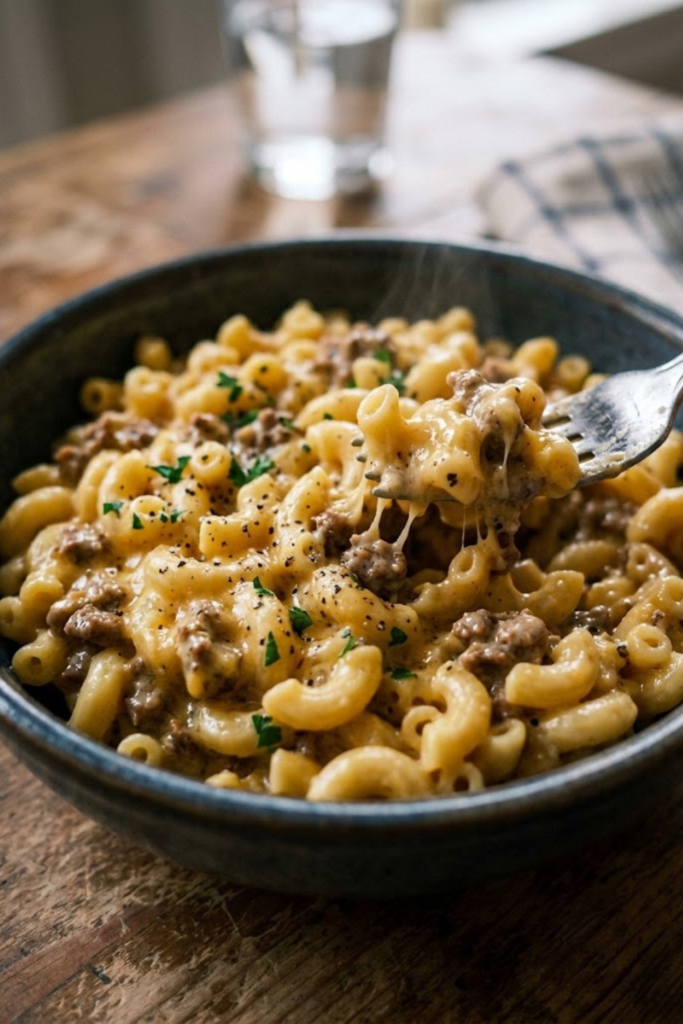
Did you know that over 65% of home cooks in 2026 are looking for “one-pot” meals to save on energy and cleanup?. I totally get it! Life is moving faster than ever, and sometimes you just need a big bowl of something that feels like a hug. This creamy beef and cheese pasta is my absolute go-to when I’ve had a long day and the kids are acting like tiny savages. It’s rich, it’s velvety, and it hits every single comfort food note you could possibly want. We’re talking about browned ground beef, tender pasta, and a cheese sauce so good you’ll want to drink it (but don’t, that’s messy). Let’s dive into how to make this masterpiece.
Choosing the Right Beef and Pasta Shapes
Listen, I’ve spent many years standing in front of a stove, and if there is one thing I have figured out, it is that your ingredients really do matter. You can’t just throw any old thing into a pan and expect a miracle. For this creamy beef and cheese pasta, you need to start with the basics. If you pick the wrong meat or a weird pasta shape, the whole dinner is going to feel a bit off. Trust me, I have made that mistake plenty of times on a Tuesday night when I was too tired to think straight and just grabbed whatever was in the pantry.
Getting the Right Ground Beef
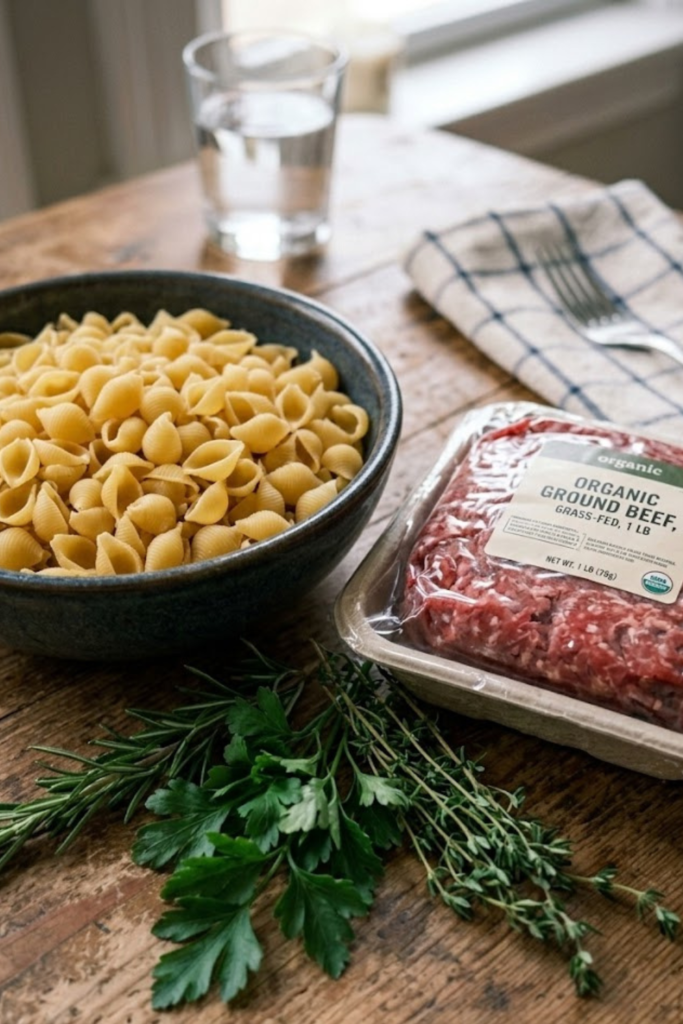
When you are at the grocery store, you might see all those different labels on the beef. You’ll see 90/10 or even 95/5, which sounds healthy, right? Well, for this specific recipe, stay away from those. You want the 80/20 ground chuck. I know, it sounds like a lot of fat, but you need it for the flavor. When that beef hits the hot skillet, the fat renders out and browns the meat perfectly.
If you use the super lean stuff, it ends up tasting like cardboard, and nobody wants that. I usually brown it until it is really dark and crispy on the edges. That is where the magic happens. Just make sure you tilt the pan and spoon out the extra grease before you add the other stuff. You want the flavor, but you don’t want a swimming pool of oil in your bowl.
The Best Pasta Shapes for Cheese
Now, let’s talk about the pasta. This is a big deal. You want a shape that is going to hold onto that thick, cheesy sauce. I usually reach for medium shells or elbow macaroni. Why? Because they have little hollow spots that act like tiny bowls. Every time you take a bite, you get a little explosion of sauce.
I once tried using fettuccine because it was all I had left, and it was a total mess. The sauce just slid right off the long noodles and puddled at the bottom of the bowl. It was basically beef soup with noodles on the side. Rotini is another great choice because the spirals grab the meat and the cheese. It makes every forkful much better.
Seasoning as You Go
One more thing—don’t wait until the very end to add your salt and pepper. I tell my students this all the time: season in layers. Sprinkle some salt on that beef as soon as it starts browning in the pan. It helps pull the moisture out and makes the meat taste like actual food. If you wait until the pasta is already in there, the meat will stay bland. It is a simple trick, but it makes a huge difference in how the final dish tastes. Just keep it simple and focus on these foundations, and you will be just fine. Practice makes perfect, so don’t be afraid to experiment with different brands until you find what you like.
The Secret to a Silky Smooth Cheese Sauce
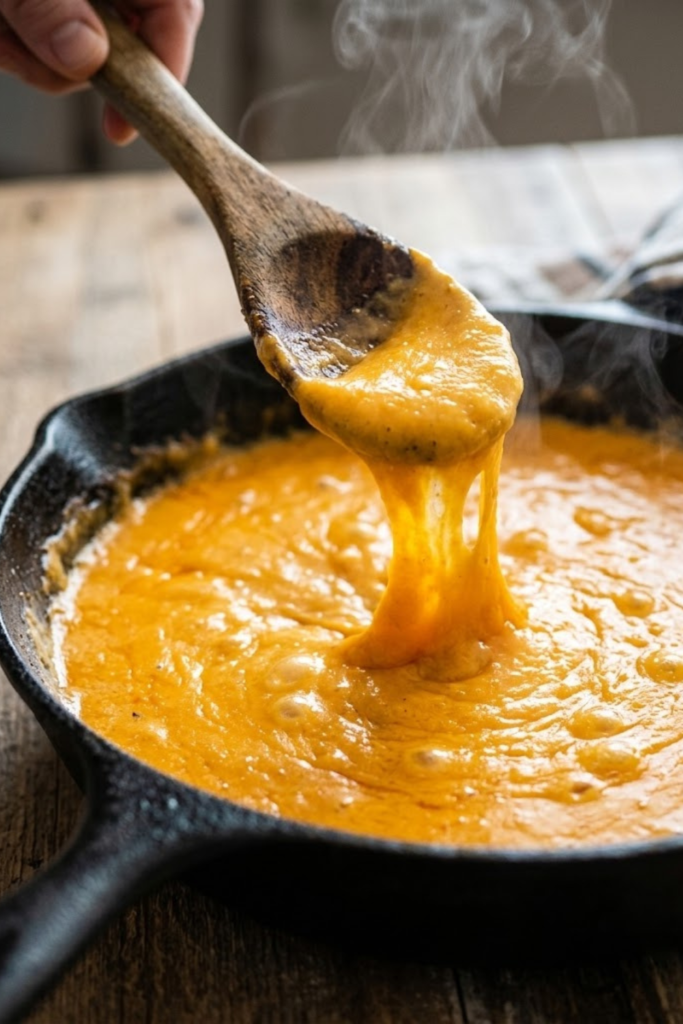
I have seen so many students and home cooks get really frustrated when their sauce turns into a lumpy, grainy mess. It happens to the best of us! To get that perfect, velvet-like texture for your creamy beef and cheese pasta, you have to understand a little bit about how cheese actually behaves when it gets hot. If you treat it wrong, it will fight back. But if you follow a few simple rules, you will have a sauce that looks like it came from a fancy restaurant.
Avoid the Bagged Cheese Trap
One big mistake people make is buying that pre-shredded cheese in the bag. I totally get it—life is busy, and nobody wants to wash a cheese grater if they don’t have to. But that bagged cheese is coated in stuff like cellulose or potato starch. The companies put it there so the cheese doesn’t stick together in the bag, but it also stops it from melting properly in your pan.
When you use the bagged stuff, your creamy beef and cheese pasta often ends up feeling a bit gritty on your tongue. It’s just not the same. I always tell people to buy a big block of sharp cheddar or Monterey Jack and grate it yourself. It only takes about two minutes, and the difference in how it melts is huge. It makes the sauce much more liquid and smooth.
Respect the Heat
The second thing you need to watch is the temperature. This is where most people go wrong. If you keep the stove on high heat and dump all your cheese in at once, the proteins in the cheese are going to seize up. It is almost like they get scared of the heat! The oil separates from the solids, and you end up with a greasy, clumpy disaster that nobody wants to eat.
Always turn the heat way down or even turn the burner off completely before you start stirring in the cheese. Let the “carry-over” heat from the pasta and the liquid do the work. You want the cheese to melt slowly and gently. This is the best way to make sure everything stays combined and creamy.
Finding the Right Liquid Balance
For the base of the sauce, I like to use a mix of beef broth and heavy cream. If you use only heavy cream, the dish becomes so rich and heavy that you will want to take a nap right at the kitchen table. If you use only broth, it won’t have that “creamy” feel we are looking for.
I usually go with about a cup and a half of beef broth for every cup of heavy cream. This gives the pasta enough liquid to cook through while making sure the sauce stays thick enough to coat every single noodle. If you notice the sauce is getting a bit too thick while you are waiting for the kids to wash their hands, just add a tiny splash of extra broth to loosen it back up. It is an easy fix that saves the whole meal! Just keep stirring and be patient; the results are worth it.
One-Pot Cooking Techniques for 2026
I’ve spent a lot of my life in the kitchen, and if there is one thing I’ve learned, it’s that nobody actually likes doing the dishes. That is why I love a good one-pot meal. For this creamy beef and cheese pasta, everything happens in a single skillet. It saves so much time, but you have to be careful. If you just throw everything in at once, you’ll end up with a soggy mess that even the dog won’t want to eat. You have to follow a specific order to make sure the flavors really pop.
Deglazing for Maximum Flavor
After you brown your ground beef, you’re going to see these little brown bits stuck to the bottom of the pan. Most people think that’s just burnt food, but as a teacher, I’m telling you—that’s where the gold is! We call that “fond.” To get it up, you need to “deglaze” the pan. When you pour in your beef broth, use a wooden spoon to scrape the bottom.
All those savory bits will dissolve into the liquid, making your creamy beef and cheese pasta taste much richer than if you just used plain water. It’s a simple trick that separates a “meh” dinner from one that everyone asks for seconds of. I used to skip this step because I was in a rush, but once I started doing it, I never went back. It’s just too good to ignore.
Cooking Pasta in the Sauce
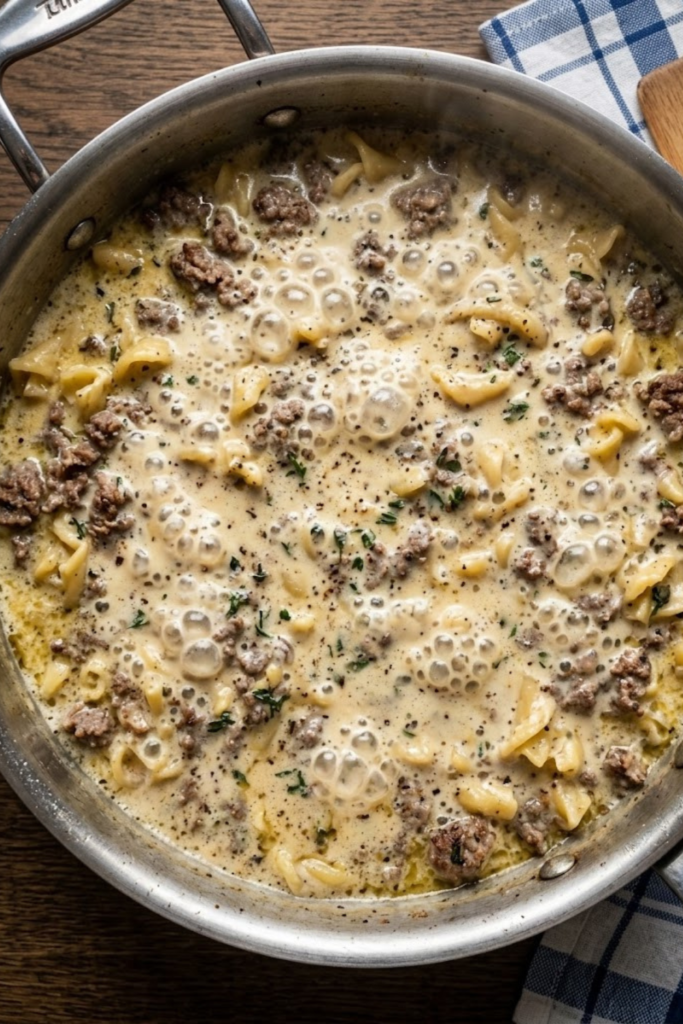
The coolest part of this technique is that the pasta cooks right in the beef broth and cream. This is great because the starch from the pasta stays in the pan instead of being drained away in the sink. That starch acts like a natural thickener. It helps the sauce stick to the noodles like glue.
You do have to keep an eye on the liquid level, though. Sometimes the pasta is a bit thirstier than you expect. If it looks like the liquid is disappearing before the noodles are soft, don’t panic! Just add a little more broth, maybe a quarter cup at a time. You want the noodles to be “al dente,” which is just a fancy way of saying they still have a little bit of a bite to them. Nobody likes mushy pasta.
Timing Your Ingredients
Timing is everything in a one-pot dish. I usually add my dry spices—like the onion powder and smoked paprika—right after I drain the beef fat but before I add the liquids. This lets the spices “bloom” in the heat, which makes them way more fragrant. If you wait until the very end to add them, the flavor won’t be as deep.
Also, don’t throw the cheese in until the pasta is completely done. I’ve seen people do that too early, and the cheese just gets rubbery while the pasta is still hard. It’s all about the sequence. Take your time, stay organized, and you’ll have a perfect meal in about 30 minutes.
Flavor Boosters and Easy Substitutions
Even though this creamy beef and cheese pasta is a real winner just the way it is, sometimes you want to shake things up a bit. I’m the kind of cook who can never leave a recipe alone. I’m always poking at it and trying to see if I can make it taste just a little bit different based on what I have in my fridge. Being a teacher, I like to think of a recipe as a starting point, not a set of rules you have to follow exactly. If you feel like being creative, there are plenty of ways to change this dish without ruining the whole thing.
Adding a Kick of Spice
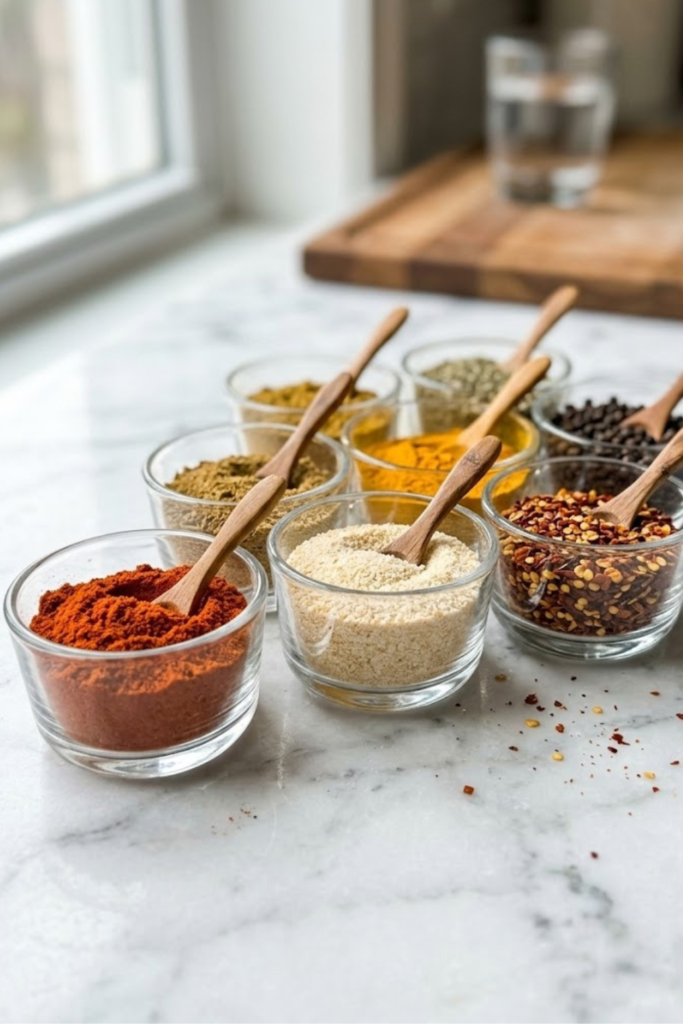
If you like things with a bit more “zing,” you can easily add some heat. I usually toss in a teaspoon of red pepper flakes right when I’m browning the beef. It gives the sauce a nice warmth that hits you at the back of your throat. Another thing I love is smoked paprika. It gives the creamy beef and cheese pasta a slightly smoky, woody flavor that makes it taste like you spent all day cooking it over a campfire. Just be careful—I once went a little overboard with the cayenne pepper and my kids were chugging milk for an hour! Start with a little and taste it as you go.
Sneaking in the Vegetables
Let’s be honest, we all probably need to eat more greens. One of my favorite tricks is to throw a couple of handfuls of fresh baby spinach into the pan right at the very end. The heat from the sauce will wilt the spinach in about thirty seconds. My kids don’t even complain about it because it’s covered in that delicious cheese sauce. You could also chop up some bell peppers or even some mushrooms and sauté them with the beef. It adds a nice texture and makes the meal feel a bit more balanced.
Swapping the Meat and Dairy
If you don’t have ground beef, don’t sweat it. I have made this with ground turkey before, and it turns out great. You just might need to add a tiny bit of olive oil since turkey is much leaner than beef. You could even use spicy Italian sausage if you want a really bold flavor. For my friends who are trying to eat less dairy, you can use a high-fat coconut milk instead of heavy cream. It won’t taste like a tropical vacation, I promise! The beef and spices will hide the coconut flavor, but you still get that rich, creamy texture that makes this creamy beef and cheese pasta so special. Just use what you have and don’t be afraid to make a mistake. That’s how you become a better cook!
Wrapping Up Your New Favorite Weeknight Meal
Well, there you have it! You are now officially ready to go into your kitchen and whip up the best creamy beef and cheese pasta your family has ever tasted. I know I’ve talked your ear off about things like fat content in beef and the science of cheese melting, but it’s only because I want you to succeed. There is nothing worse than spending your hard-earned money on groceries and your limited time on cooking, only to have the meal turn out just okay. You deserve a win at the dinner table, especially on those days when everything else feels like it’s going wrong.
The Big Takeaways to Remember
If you forget everything else I said, just remember these three things: use the 80/20 beef for the flavor, grate your own cheese so it doesn’t get clumpy, and keep that heat low when you are finishing the sauce. If you do those things, you are going to be a hero in your house. I’ve seen so many people get intimidated by cooking, but honestly, it’s just about being patient and paying attention to the small details. This creamy beef and cheese pasta is very forgiving, so don’t be afraid to make it your own. If you want more cheese, add more cheese! If you want it spicier, go for it. That is the fun part of being the boss of your own kitchen.
Cleaning Up and Looking Ahead
One of the best things about this whole process is that you only have one pan to wash when you are done. Since we used those one-pot techniques, you won’t have a sink full of strainers and extra pots staring at you while you’re trying to relax. I usually just give my skillet a quick soak in some warm soapy water while I’m eating, and it wipes right clean afterward. It makes the whole evening feel a lot less stressful. I really hope this recipe becomes a regular part of your rotation like it has for mine. It’s simple, it’s honest, and it’s just plain good food.
If you loved this recipe and found my tips helpful, please save this post and share it on Pinterest! It helps other home cooks find these easy meals, and I’d love to hear how yours turned out in the comments. Happy cooking!