Did you know that nearly 75% of home cooks say pasta is their go-to “emergency” dinner? Honestly, I get it! There is nothing like coming home after a long day of teaching and needing something that feels like a hug in a bowl. This tortellini with beef and cheese sauce is exactly that—pure, unadulterated comfort. I remember the first time I made this for my family; the kids actually stopped arguing for ten minutes just to eat! It’s a thick, savory, and incredibly cheesy meal that hits all the right spots. Whether you are a pro in the kitchen or just trying not to burn the water, this recipe is for you.
Picking the Best Beef for Your Sauce
Choosing the right meat for your tortellini with beef and cheese sauce is the first step to a meal that doesn’t taste like a middle school cafeteria lunch. I remember one Tuesday after a long day of grading papers, I just grabbed the first package of ground beef I saw at the store. Big mistake! It was way too lean, and the whole dish ended up tasting like cardboard. You really gotta pay attention to what you’re buying if you want that juicy, savory flavor. It’s easy to think all beef is the same, but it really isn’t. When the meat is the star of the show alongside the cheese, you want it to stand out for the right reasons.
Why Fat Content Matters for Flavor
When you look at the meat aisle, you’ll see numbers like 80/20 or 90/10. That’s the ratio of meat to fat. For a thick cheese sauce, I always go for 80/20 ground chuck. The fat melts down and mixes with the cheese, making everything taste way richer. If you use something too lean, like 93/7, the beef gets kind of crumbly and dry. It just doesn’t feel right in your mouth when you’re eating soft pasta. Trust me, that little bit of extra fat is what makes the sauce feel like a real treat. I’ve tried both, and the chuck wins every single time because it stays tender even after it’s simmered.
The Secret to a Perfect Brown
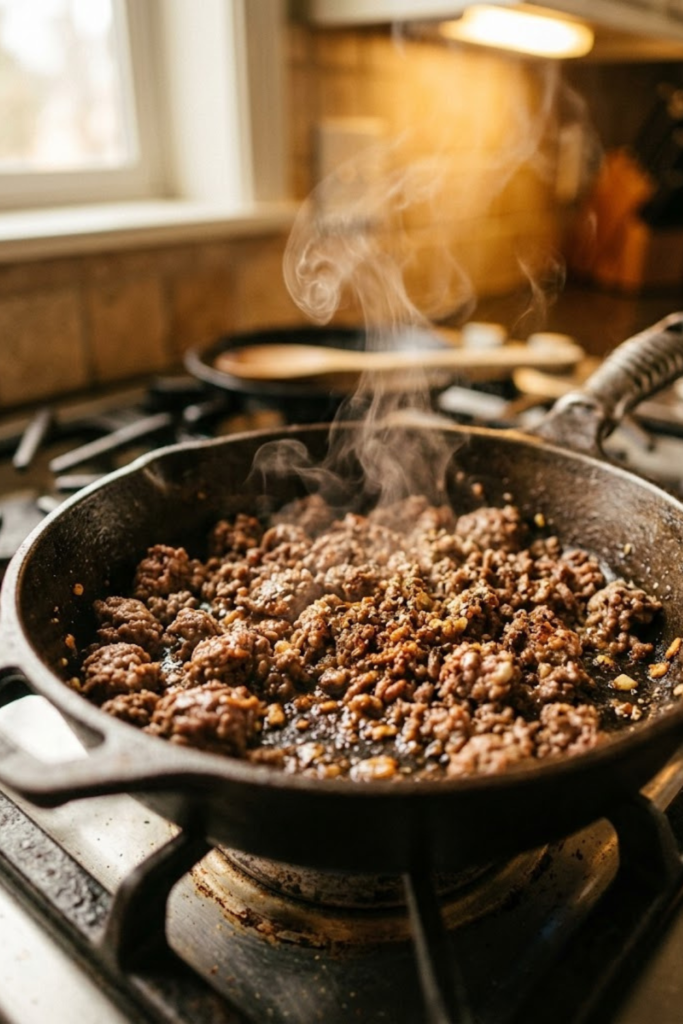
Don’t just dump the meat in a cold pan! I used to do this all the time because I was in a rush to feed the kids. But if the pan isn’t hot, the beef just boils in its own juice. It turns gray and looks pretty gross. Instead, get your skillet nice and hot first. You want to hear it scream when the meat hits the metal. Let it sit there for a few minutes without touching it. This creates a brown crust that is full of flavor. If you move it around too much, you lose out on that deep, roasted taste that makes the beef stand out against the creamy cheese.
Handling the Excess Grease
After the beef is cooked, you’re gonna have some liquid in the pan. Don’t leave it all in there, or your sauce will get greasy. But don’t wash the pan either! I usually push the meat to the side and use a big spoon to get out most of the oil. I leave maybe a teaspoon or two behind because it helps the garlic and onions cook up nice. It’s all about finding that balance. You want enough fat for the flavor, but not so much that you need a napkin to wipe your face after every bite of tortellini. Taking a second to drain it makes the final sauce look way more professional and appetizing.
Nailing the Creamy Cheese Sauce
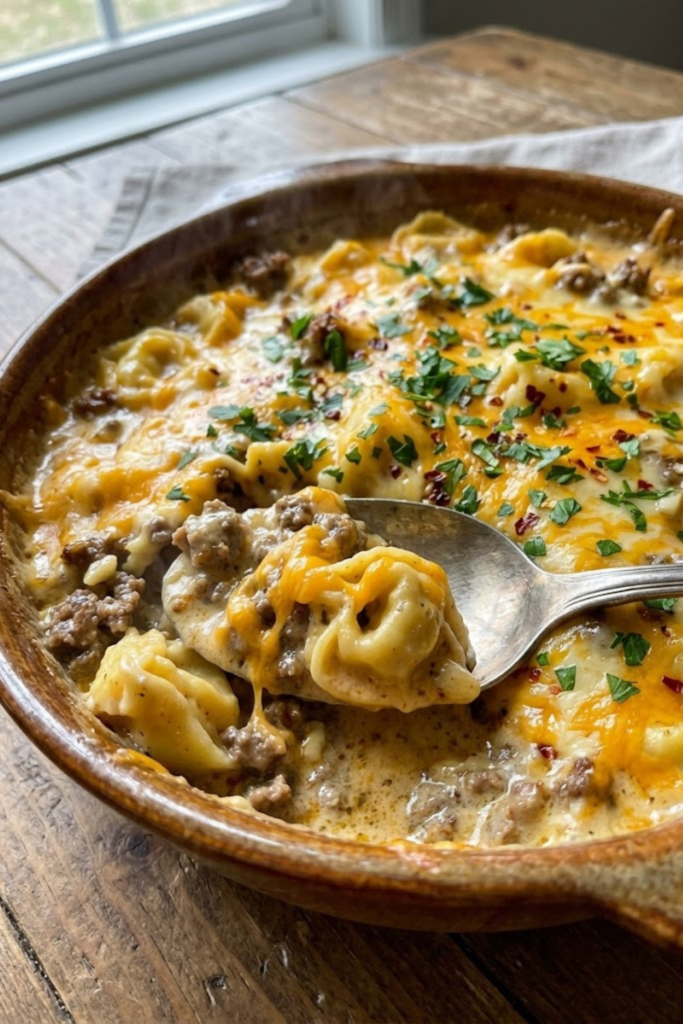
Making a cheese sauce for your tortellini with beef and cheese sauce can be a real pain if you aren’t careful. I used to just toss cold cheese into boiling liquid and wonder why it turned into a clumpy mess. It was so frustrating! My kids actually called it “the rubber pasta” one night, and I almost gave up. But then I figured out that low and slow is the name of the game. You want a sauce that is smooth, thick, and coats every single piece of pasta like a warm blanket. If you rush it, you’ll end up with a grainy disaster that nobody wants to eat.
Picking the Right Blend of Cheeses
You might be tempted to just grab a bag of the shredded stuff, but please don’t do it! Pre-shredded cheese has a dusty coating on it to keep it from sticking together in the bag. That same coating will make your sauce look gritty and weird. I always buy a block of sharp cheddar and grate it myself while the beef is browning. It melts so much better. I also love adding a bit of mozzarella for that stretchy cheese pull that kids love, and maybe a sprinkle of parmesan for a salty kick. Mixing them gives the sauce a lot more depth than just using one kind.
The Magic of Heavy Cream
I’ve tried making this with regular milk, and it just isn’t the same. It stays too thin and doesn’t cling to the meat and pasta very well. If you want that restaurant-style thickness, you really need to use heavy cream. I usually bring the cream to a very gentle simmer—don’t let it boil hard or it might break. Once you see those tiny bubbles around the edges, turn the heat way down. This is the perfect time to start whisking in your cheese. You want to make sure the liquid is hot enough to melt everything but not so hot that it scorches the bottom of your pan.
Avoiding a Grainy Mess
The biggest mistake people make is adding all the cheese at once while the heat is still on high. This shocks the proteins in the cheese and makes them clump up. Instead, turn the heat to the lowest setting or even off. Add a handful of cheese at a time and whisk until it’s completely melted before adding more. If the sauce feels too thick, I just add a splash of the pasta water I saved from the tortellini. It’s like a little miracle for fixing the texture! Just keep stirring until it looks glossy and perfect. My family literally licks their bowls clean when the sauce is this smooth.
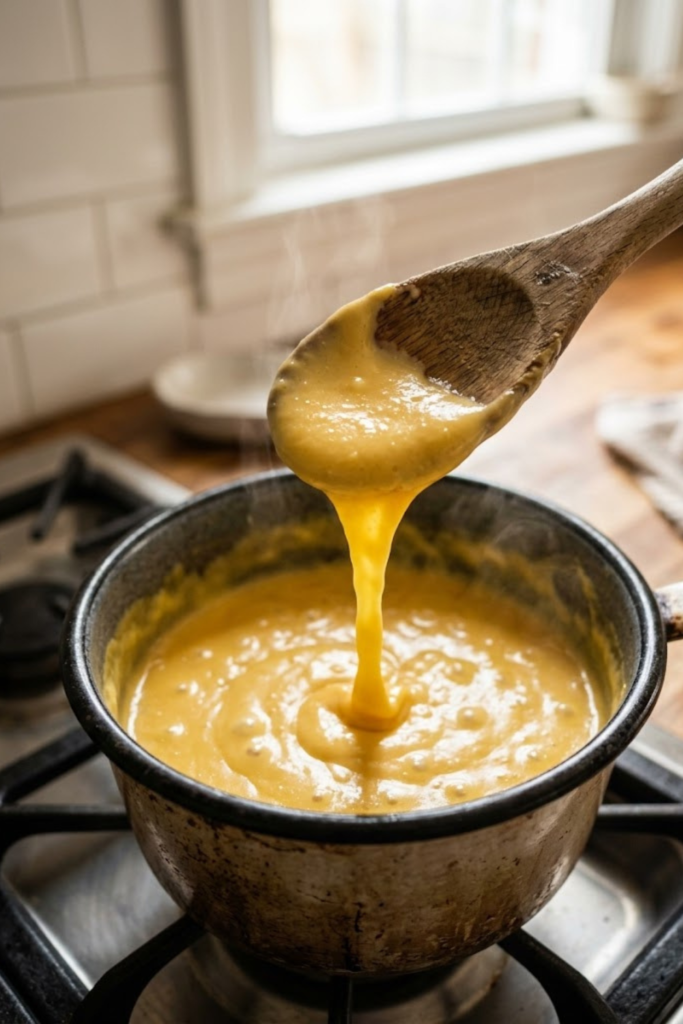
Prepping Your Tortellini the Right Way
Is there anything worse than mushy tortellini? I don’t think so. I’ve definitely overcooked mine before while I was busy trying to find a matching sock for my son or checking on the dog. By the time I finally got back to the stove, the pasta had doubled in size and had the texture of wet bread. It was honestly gross! Now, I always set a timer for at least two minutes less than what the package says. This part of the recipe for tortellini with beef and cheese sauce is super simple, but if you mess it up, the whole dinner feels like a failure. You want each little pasta pocket to hold its shape when it hits that heavy cheese sauce, not fall apart into a pile of doughy mush.
Fresh vs. Frozen vs. Dried
I usually prefer the refrigerated tortellini you find in the deli section near the cheese. It tastes way more fresh than the stuff you find in the cardboard box on the shelf. If you are using frozen, don’t thaw it first—just drop it straight into the boiling water. It only takes a few minutes to cook that way. Dried tortellini is fine in a pinch, but it takes forever to get soft and sometimes the middle stays crunchy while the outside falls apart. If you can spend the extra couple of dollars, the fresh stuff makes a big difference. It has a better flavor and the ricotta inside feels much creamier when you take a bite.
Why Al Dente Is Crucial
Since the pasta is going to sit in that hot beef and cheese sauce for a bit, it will keep cooking even after you drain it. This is why “al dente” is so important. It basically means the pasta still has a little bite to it. If you cook it until it’s perfectly soft in the water, it will turn into a pile of mush the second it hits the sauce. I always fish one out with a spoon and bite it to check. It should feel firm but cooked. If it sticks to your teeth, it needs another minute. Just keep an eye on it! Don’t get distracted by the TV or your phone.
The Importance of Salted Water
I always salt my pasta water like the sea. It’s your only chance to flavor the actual pasta dough itself. If you skip the salt, the whole dish tastes a bit flat, no matter how much extra cheese you add later. Just toss in a big handful of salt once the water is boiling. Don’t worry, most of it goes down the drain anyway. Once it’s ready, drain it and toss it right into the skillet with the meat and sauce. Watching the tortellini get coated in that creamy goodness is honestly the best part of my day. It makes all that prep work feel totally worth it.
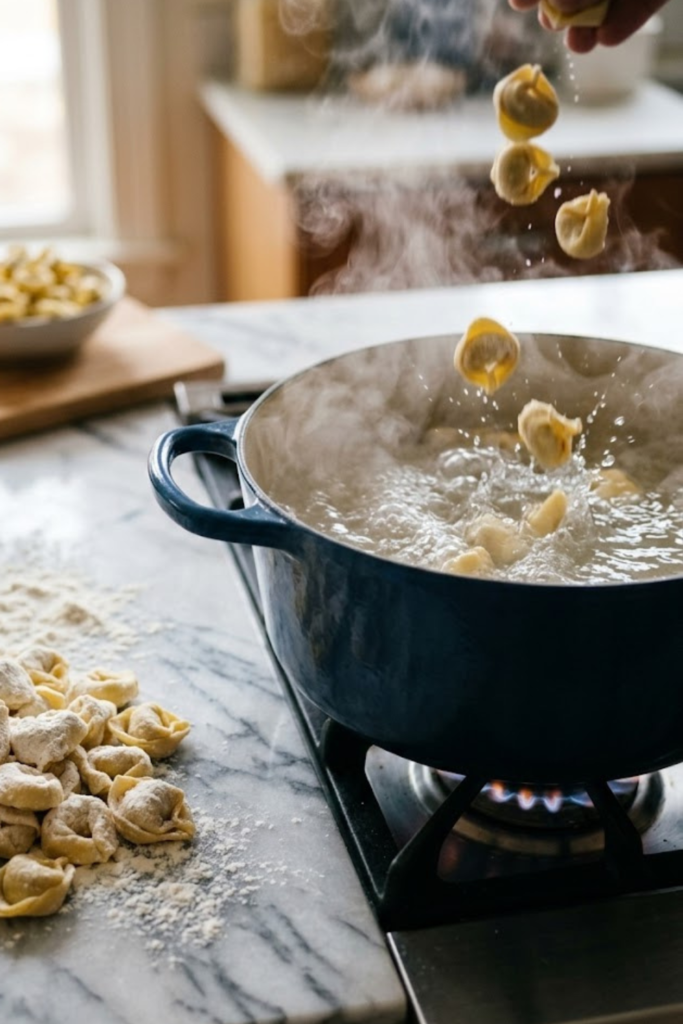
Bringing It All Together for the Perfect Meal
Well, there you have it! Making tortellini with beef and cheese sauce is really just about taking your time and not overthinking things. I know I’ve spent way too many nights staring at a cupboard full of random stuff, wishing a hot meal would just appear. This recipe is the closest thing I’ve found to magic for those busy weeknights. It’s warm, it’s filling, and it makes the whole house smell like a real Italian kitchen. My students always ask me how I manage to cook and teach at the same time, and I tell them—it’s all about having a few solid recipes in your back pocket that you can practically do with your eyes shut. This one is definitely at the top of my list.
I really hope you give this a try the next time you feel like you’re too tired to even think about the stove. It’s one of those meals that just feels right, especially when the weather is cold and you want something that sticks to your ribs. Don’t be afraid to change things up a bit, either! If you like a bit of spice, throw in some red pepper flakes. If you have some spinach wilting in the fridge, toss it in at the end. The beef and cheese are so forgiving that you can really make it your own. I’ve even tried it with ground turkey when I was trying to be “healthy,” and while it wasn’t quite as rich, the kids still ate every bite.
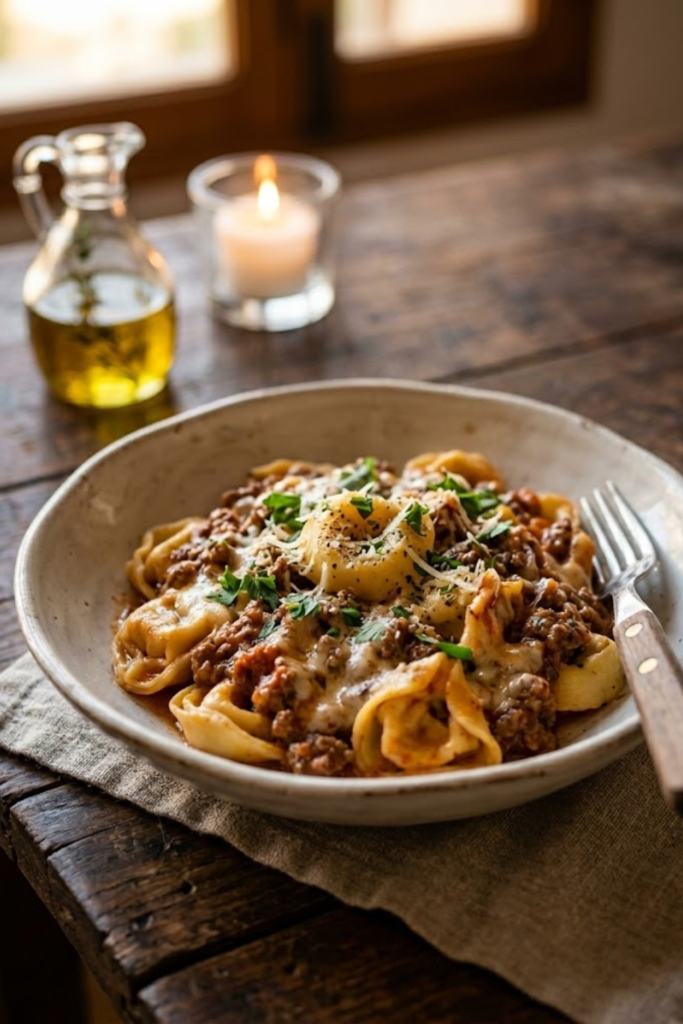
Before you go and start boiling your water, please do me a huge favor. If you liked this guide, share it on Pinterest so other busy families can find a quick dinner win too! It really helps out a lot. I’d love to hear how yours turned out, or if you found a specific type of cheese that made it even better. Cooking shouldn’t be a chore that feels scary; it should be something you actually look forward to. At least, that’s what I try to tell myself when the sink is full of dishes! Anyway, grab your skillet, get that beef browning, and enjoy every cheesy bite. You’ve earned a good meal today.