Did you know that “honey soy” is consistently one of the top-searched flavor profiles for weeknight dinners? It’s true! I remember the first time I tried to make this for my family; I ended up with a pan of burnt sugar and very grumpy kids. But after years of testing in my own kitchen, I’ve cracked the code to that perfect, glossy, finger-licking sauce. In this guide, we’re going to look at how to balance those savory umami notes with just the right amount of sweetness. Whether you’re a pro or a beginner, this 2026 update will make you the hero of the dinner table!
Choosing the Best Cut: Thighs vs. Breasts
When you’re standing at the grocery store meat aisle, it’s easy to get confused. I’ve been teaching people how to cook for over fifteen years, and this is the question I get asked most often: “Which part of the chicken should I actually buy for this?” For honey soy chicken, the answer really depends on how much you care about juicy meat versus how much you are trying to watch your calories. I’ve tried every cut available, from the wings to the drumsticks, but most people stick to the two big ones.
Why Thighs are the Teacher’s Pet
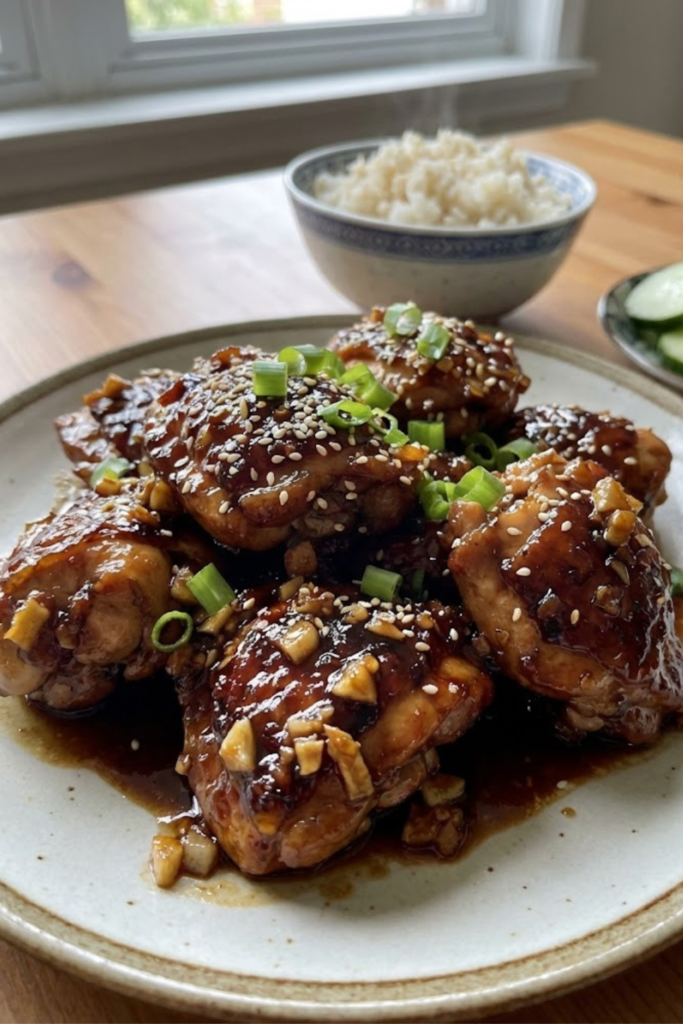
If you want my honest opinion, chicken thighs win every single time. Thighs are what we call “dark meat,” which just means they have a little more fat than the breast. In the kitchen, fat equals flavor and moisture. When you’re cooking with a sugary sauce like honey and soy, you need a meat that can stand up to the heat without turning into cardboard. Thighs are very forgiving. If you leave them in the pan for two minutes too long because the doorbell rang, they stay juicy. I always tell my students to look for boneless, skinless thighs if they want a quick dinner. But, getting them with the skin on is the real secret for a crunch that’ll make your mouth water. It’s both delicious and satisfying.
Working with Chicken Breasts
Now, I know some of you really prefer chicken breasts because they’re leaner and have less fat. That’s totally fine, but you have to be careful. Chicken breast is like a sponge—it dries out fast. If you go this route, I suggest cutting the meat into small, even bite-sized pieces before you even start. This helps them cook through before the outside gets tough like a piece of old shoe leather. I once tried to cook whole big breasts in a honey soy glaze and by the time the middle was done, the outside was so dry we had to drink a whole glass of water just to swallow one bite. It was pretty embarrassing for a “pro” like me!
The Temperature Secret
No matter which cut you pick, you need to use a meat thermometer. This is the best way to make sure your food is safe and tasty. You’re looking for 165 degrees Fahrenheit. For thighs, I actually like to let them get near 170 because the extra heat makes the meat get even more tender. Just don’t let the honey burn while you’re waiting for that temp! Following this simple rule makes a huge difference in your final meal. It makes the chicken taste way better than any takeout you could order.
The Magic Ratio for a Sticky Honey Soy Glaze
Getting the sauce right is the part where most people mess up. I’ve seen it a thousand times in my cooking demos. Someone pours in a whole bottle of soy sauce and then wonders why their blood pressure goes up just looking at the pan! The secret to a glaze that actually sticks to the meat—and doesn’t just pool at the bottom of the plate—is all about the ratio. As a teacher, I love a good rule of thumb, and I call this one the “2:1 Rule.”
The 2:1 Rule for Perfect Balance
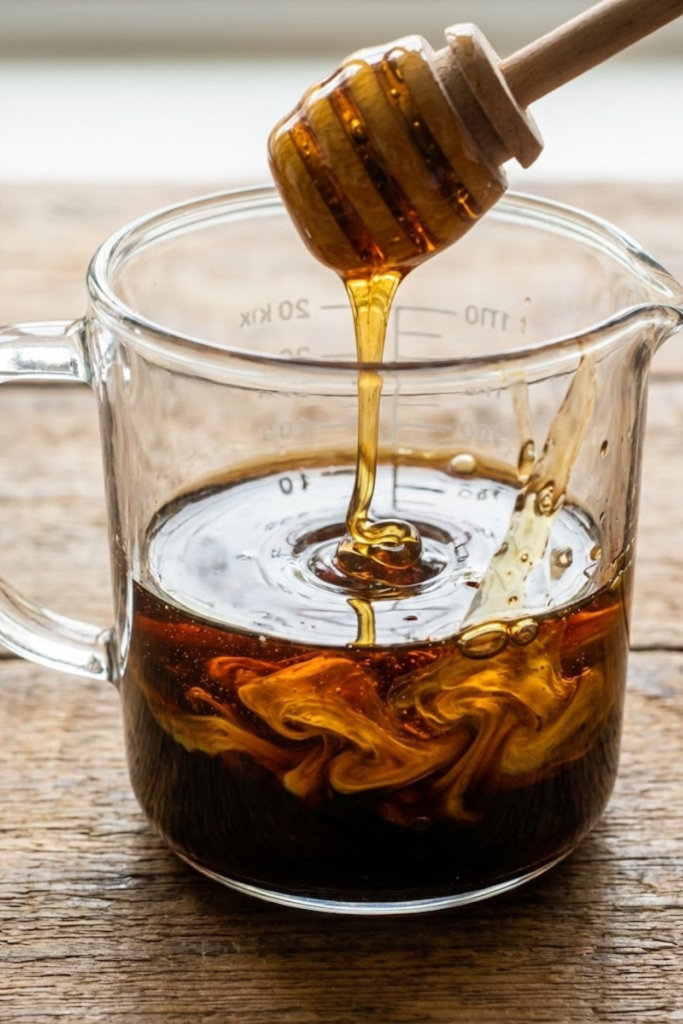
To get that classic “takeout” taste, you want two parts honey for every one part soy sauce. For a standard family dinner, I usually go with a half cup of honey and a quarter cup of soy sauce. The honey provides the body and the “stick,” while the soy sauce brings that deep, salty punch. If you use too much soy, it stays watery and tastes like a salt lick. If you use too much honey, it’ll turn into a hard candy shell on your chicken that might break a tooth! I usually mix these in a small jar and shake it up really hard before it ever touches the heat. It’s way easier than trying to stir it in a hot pan where the honey just melts and disappears.
Fresh Aromatics vs. The Jarred Stuff
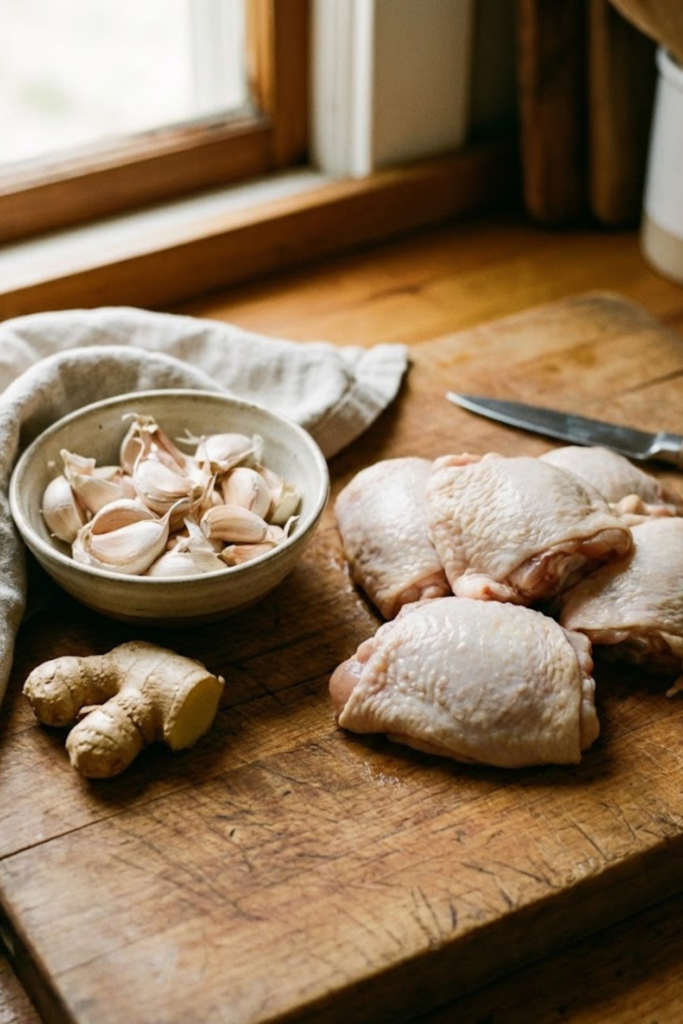
I’ll be the first to admit that I keep a jar of minced garlic in my fridge for emergencies. We’re all busy, right? But if you want this chicken to actually taste like something special, you’ve got to use fresh ginger and fresh garlic. I tell my students to think of the aromatics as the “soul” of the dish. I once tried to make this with just garlic powder because I was being lazy, and honestly, it tasted like nothing. It was just sweet salt. When you grate fresh ginger right into the sauce, it adds a little bit of heat that cuts through all that sugar. It makes a huge difference, trust me on this one.
The Cornstarch Safety Net
Sometimes, despite our best efforts, the sauce just won’t thicken up. Maybe the chicken released too much juice, or maybe you were heavy-handed with the splash of water. Don’t panic! This is where the cornstarch slurry saves the day. Take a teaspoon of cornstarch and mix it with a tiny bit of cold water in a separate cup. Stir it until it looks like milk, then pour it into the bubbling sauce. It’s like magic—it goes from watery to a thick, glossy coat in about thirty seconds. Just make sure the sauce is actually boiling when you add it, or it won’t work right. This little trick has saved my dinner more times than I can count, especially on those nights when I’m tired and not paying enough attention. It’s a real lifesaver for making sure the sauce stays on the chicken and not on the floor!
Common Mistakes: Why Your Sauce Is Burning
One of the most frustrating things about cooking with honey and soy sauce is how fast it can go from looking perfect to smelling like a burnt marshmallow. I’ve been there! I remember one time I was trying to impress my mother-in-law with this dish, and I turned my back for thirty seconds to grab a napkin. By the time I looked back, the pan was smoking and the chicken looked like it had been through a house fire. It happens to the best of us, but there are a few reasons why it keeps happening in your kitchen.
The Problem with High Heat
The biggest mistake I see my students make in my cooking classes is cranking the stove up to high heat. Honey is basically just sugar, and sugar burns at a very specific temperature. If your pan is too hot, the honey won’t just melt; it will turn into black carbon. I always tell people to start their chicken on a medium heat. You want to cook the meat through first, and only add the sauce at the very end. If you put the sauce in at the start and try to cook the chicken in it for twenty minutes, you’re going to have a bad time. Keep it at a nice, steady simmer instead of a wild, splashing boil.
Too Much Sugar, Not Enough Liquid
Another thing that causes burning is having way too much sugar without enough liquid to buffer it. If your sauce is just honey and a tiny splash of soy, it’s going to get thick and sticky way too fast. I like to add a little bit of water or even some orange juice to my sauce mix. This gives the chicken time to get coated without the honey turning into a blackened mess on the bottom of the skillet. If you see the sauce getting really dark and thick before the chicken is done, just add a tablespoon of water. It won’t hurt the flavor, and it will save your dinner!
Walking Away from the Pan
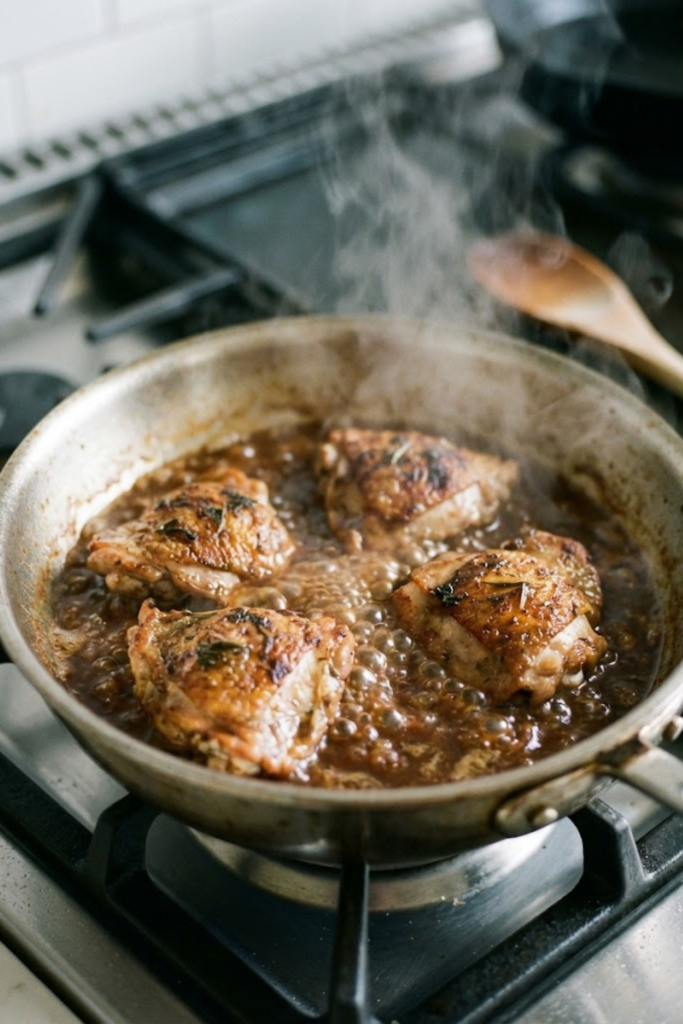
This sounds simple, but you really can’t leave the room when you’re glaze-ing your chicken. Sugar requires your full attention. I usually stand right there with my wooden spoon and keep things moving. If you notice the edges of the pan getting black, that’s your warning sign to turn the heat down. Scrape the bottom often to make sure nothing is sticking. Cooking is a lot like teaching a classroom of kids—if you look away for a second, things can get a little crazy! Staying focused is the best way to get that perfect, glossy finish.
My Personal “Aha!” Moment with Honey Soy Chicken
I want to share a story from my own kitchen that changed how I make this meal forever. For years, I was that person who just followed the instructions on the back of a bottle. I thought that as long as it said “Honey Soy” on the label, it was going to be fine. But one night, I had a total “aha!” moment that made me realize I had been doing it all wrong. I was running late from a school meeting and forgot I had left some chicken in a homemade mix of honey and soy sauce way longer than I meant to.
The Happy Accident of Over-Marinating
I usually only let my chicken sit for about twenty minutes because I’m always in a rush to get dinner on the table. But this one night, the chicken sat in the fridge for almost six hours. I was sure it was going to be too salty to eat. Instead, when I cooked it up, the meat was so tender it practically fell apart. I realized that the salt in the soy sauce wasn’t just seasoning the meat; it was actually breaking down the proteins and making it softer. Now, I try to plan ahead and let it sit for at least two hours. It makes a big difference in the texture. If you have the time, give it a long soak!
The Real Honey Realization
Another thing I figured out by accident was the honey itself. I ran out of the cheap, runny honey in the plastic bear and had to use some thick, raw honey I bought at a local market. I thought it wouldn’t melt right, but it actually made the glaze ten times better. The cheap stuff often has a lot of extra water or corn syrup in it. When you use real, high-quality honey, the sauce gets that beautiful, glossy look that sticks to the spoon. It costs a couple of dollars more, but for the flavor you get, it is worth every penny.
Don’t Forget the Acid
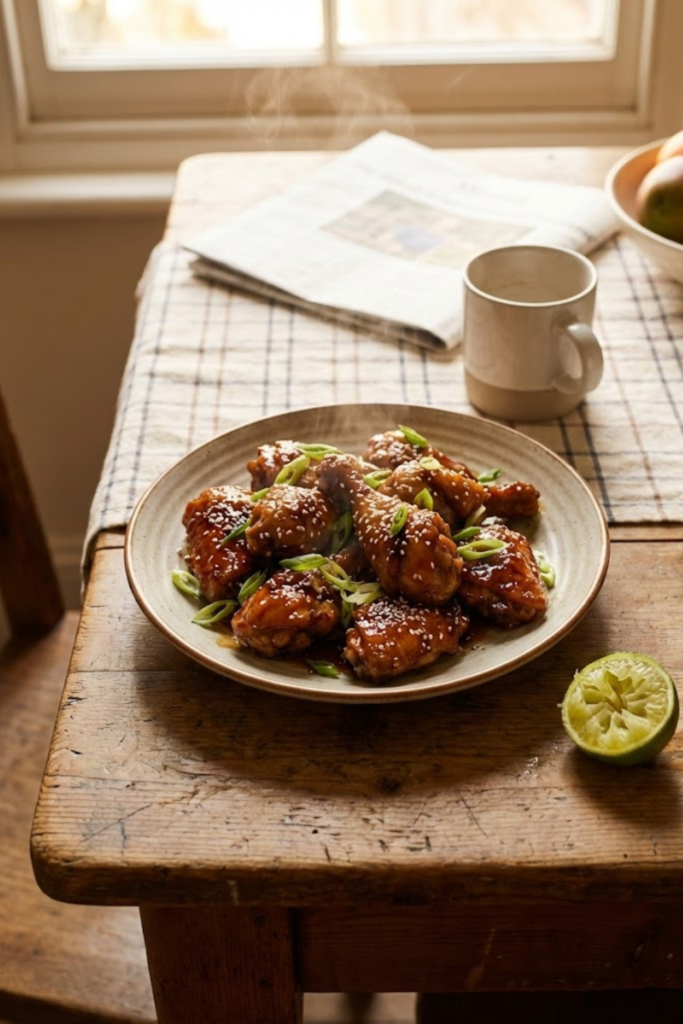
My final “aha” moment was realizing the sauce needed a “zing.” It was too sweet and too salty. I grabbed a lime from the fruit bowl and squeezed it in right at the end. That tiny bit of acid cut through the sugar and made the whole dish pop. If you don’t have a lime, a splash of rice vinegar works too. It’s those little tweaks that turn a basic weeknight meal into something your family will actually ask for again next week.
Bringing it All Together
So, there you have it! We’ve gone through the whole process of making a honey soy chicken that actually tastes like it came from a fancy restaurant instead of a cardboard box. As a teacher, I always like to do a quick review at the end of a lesson to make sure the main points really stick. If you remember nothing else, remember these three things: pick the right meat (thighs are your best friend!), stick to that 2:1 honey-to-soy ratio, and whatever you do, do not walk away from that stove once the sauce starts bubbling!
I’ve made this dish for my family more times than I can count, and it’s still the one meal everyone actually agrees on. That’s a huge win in my book. When you get that perfect balance of salty soy and sticky honey, it really changes your whole Tuesday night. I love serving this over a big bowl of white rice so the rice can soak up all that extra glaze. Sometimes I’ll throw in some steamed broccoli too, just to get some greens in there. My kids don’t even complain about the veggies when they’re covered in this sauce!
One thing I’ve learned over the years is that cooking isn’t about being perfect. It’s about trying things out and seeing what works in your own kitchen. Maybe you like yours a little spicier, so you add extra red pepper flakes. Or maybe you want it extra garlicky. That’s the beauty of making it yourself! You get to decide exactly how it tastes. I’ve had plenty of “oops” moments that turned into my favorite kitchen tricks, like the time I added too much ginger and realized it was actually the best version I’d ever made.
If you found these tips helpful, please do me a huge favor and save this post to your Pinterest board! It helps other home cooks find these recipes, and it helps me keep sharing everything I’ve learned over the last fifteen years in the kitchen. I’d love to hear how your chicken turned out, so feel free to leave a comment if you try it. Now, go grab that honey and soy sauce and get cooking—you’ve got this!