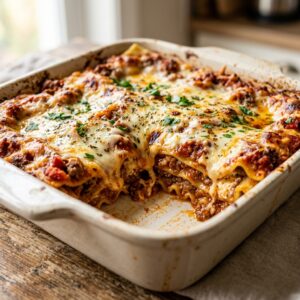
I’ve always said that if you can boil water, you can make magic, but homemade pasta is where the real soul of the kitchen lives! Did you know that over 70% of Italian grandmothers believe the secret to a happy home is a Sunday spent folding dough? Honestly, my first attempt at ground beef ravioli was a total disaster—the filling leaked out like a sinking ship! But after years of practice, I’ve realized that getting that savory beef and parmesan balance just right is easier than it looks. We are going to dive into the world of fresh pasta sheets, garlic-infused meat, and that perfect al dente bite that makes your taste buds sing. Let’s get our hands floury and make something truly incredible together!
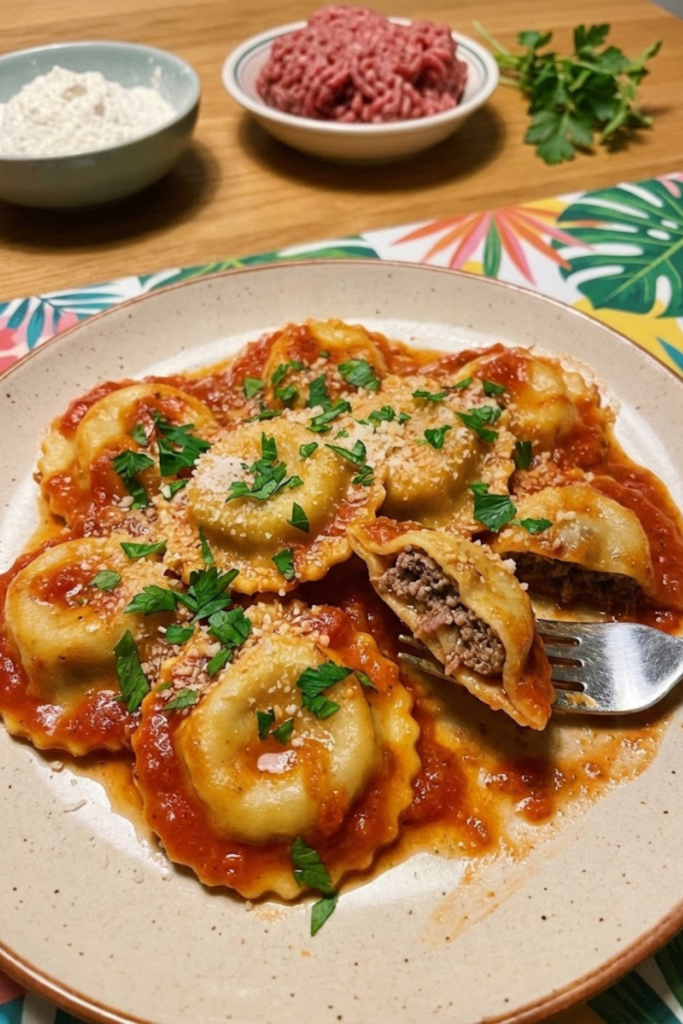
Essential Ingredients for the Perfect Beef Filling
Making the filling is really the most important part of this whole process. If the meat is dry or bland, the whole dish feels like a big letdown. I remember one time I tried to use super lean ground turkey instead of beef because I was trying to be healthy—it was like eating cardboard inside a noodle! It was a total fail. For this ground beef ravioli, we want flavor that jumps out at you. You want every bite to be juicy and savory, and that starts with what you put in your mixing bowl.
Picking the Right Beef
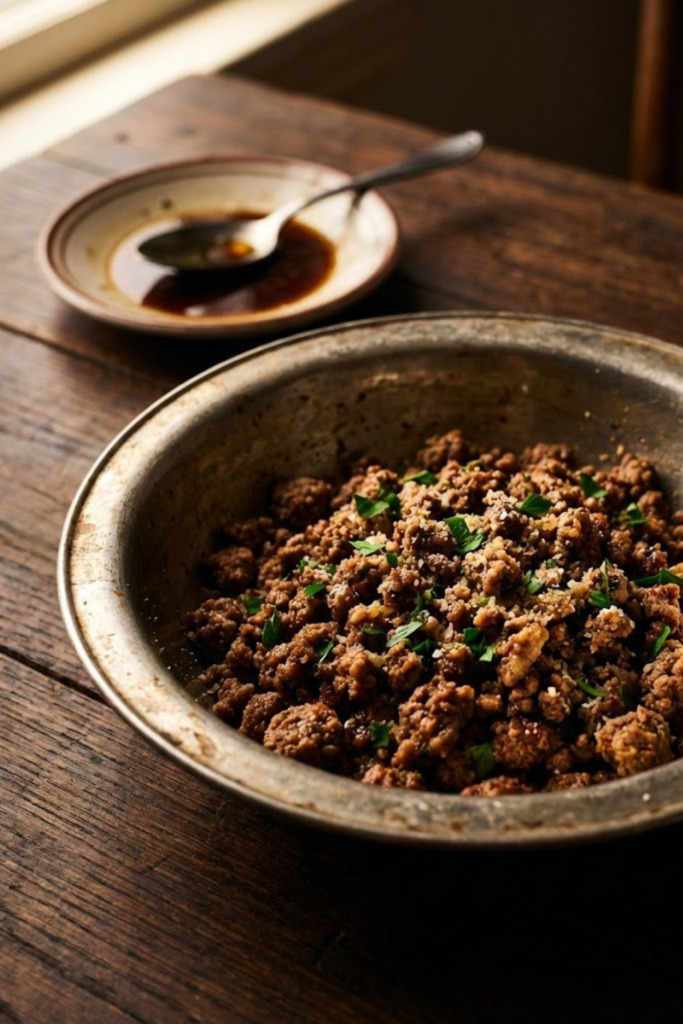
You want to go with a ground beef that has a bit of fat in it. I usually grab the 80/20 pack at the grocery store. If you go too lean, like that 93% stuff, the inside of your ravioli will feel crumbly and dry. The fat is what keeps everything moist while it cooks inside that little dough pocket. Just make sure you brown the meat in a pan first and drain off the extra grease before you mix in your other ingredients. If you skip draining it, you’ll end up with a oily mess that makes the pasta fall apart.
Why Cheese is Your Best Friend
We aren’t just putting plain meat in there. We need a binder to hold things together. Ricotta cheese is my go-to because it’s creamy and very mild. It acts like a soft pillow for the beef. Then, you have to add Parmesan. Try to get the real grated Parmesan, not the stuff in the green shaker can. It adds a salty, sharp kick that really wakes up the richness of the beef. The cheese helps the filling stay together so it doesn’t fall out when you take a big bite.
Herbs and the Secret Spice
Don’t be shy with the garlic. I usually use about three big cloves, and I mince them real small so nobody gets a giant chunk of raw garlic. Then there’s fresh parsley—it adds a nice pop of green color and a fresh taste. But here is my favorite teacher tip: use a tiny pinch of nutmeg. You won’t actually taste “holiday spice,” but it makes the beef taste much more “beefy.” It’s a trick a old neighbor taught me years ago, and I use it in all my meat fillings now.
Keeping it All Together
Sometimes the mix feels a little too wet, especially if the ricotta has a lot of moisture. If that happens, just toss in a handful of plain breadcrumbs. They soak up any extra liquid so your pasta dough doesn’t get soggy from the inside out. I also add one egg to the mix. Think of the egg like glue. It makes sure that when you bite into the ravioli, the filling stays in one nice, tender piece instead of crumbling all over your shirt. Mix it all by hand until it feels firm but soft.
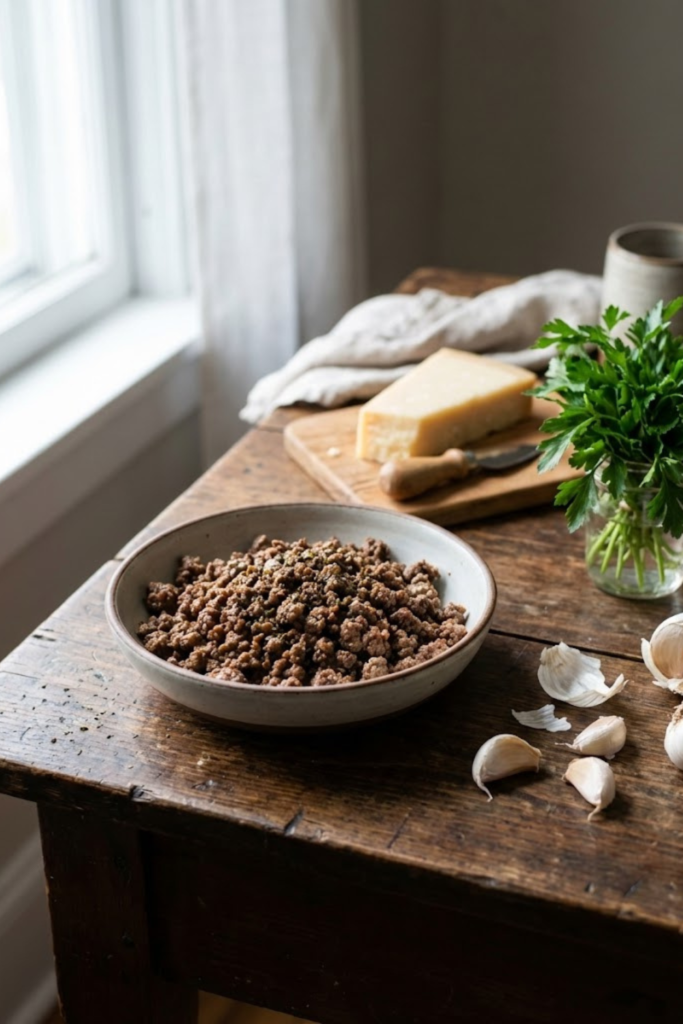
Crafting the Silky Homemade Pasta Dough
Getting the pasta dough right is usually what scares people away from making ground beef ravioli at home. I totally get it! I used to think you needed a big fancy machine or some secret Italian grandma knowledge to make it work. But really, it’s just about being patient. If you can play with Play-Doh, you can make pasta. The first time I tried this, I didn’t add enough eggs and the dough was so dry it looked like a desert. My kids called it “sand pasta.” Now I know that the feel of the dough matters way more than the exact numbers in a recipe book.
Choosing Your Flour Wisely
You’ll see a lot of people talking about “00” flour. It’s a very fine flour from Italy that makes the pasta feel like silk. If you can find it at your local store, grab it! But honestly, I usually just use regular old all-purpose flour from the pantry. It works just fine for a family dinner. The main thing is making sure you have a clean, flat spot to work on. I like using my big wooden cutting board because it doesn’t get as cold as the stone countertops. You want to make a big pile of flour and then poke a hole in the middle like a little volcano.
The Egg Ratio and Mixing
In that flour volcano, you’re going to crack your eggs. Most people say one egg for every 100 grams of flour, but eggs come in different sizes, so you have to be ready to adjust. Use a fork to slowly whisk the eggs in the center, pulling in just a little bit of flour from the inside walls of your volcano at a time. If the “walls” break and the egg starts running across the counter, don’t panic! Just grab a bench scraper or a spatula and push it back together. It’s a messy job, but that’s half the fun of cooking.
Kneading and the Important Nap
Once it’s a shaggy ball, you have to knead it. This is your workout for the day! Use the heel of your hand to push the dough away from you, then fold it back. Do this for about ten minutes until it feels smooth and bouncy. If it’s still sticky, add a tiny bit more flour. The biggest mistake people make is not letting the dough rest. You have to wrap it up and let it sit for at least thirty minutes. This lets the gluten relax so the dough doesn’t snap back like a rubber band when you try to roll it out for your ground beef ravioli. Trust me, skipping the rest makes the job way harder.
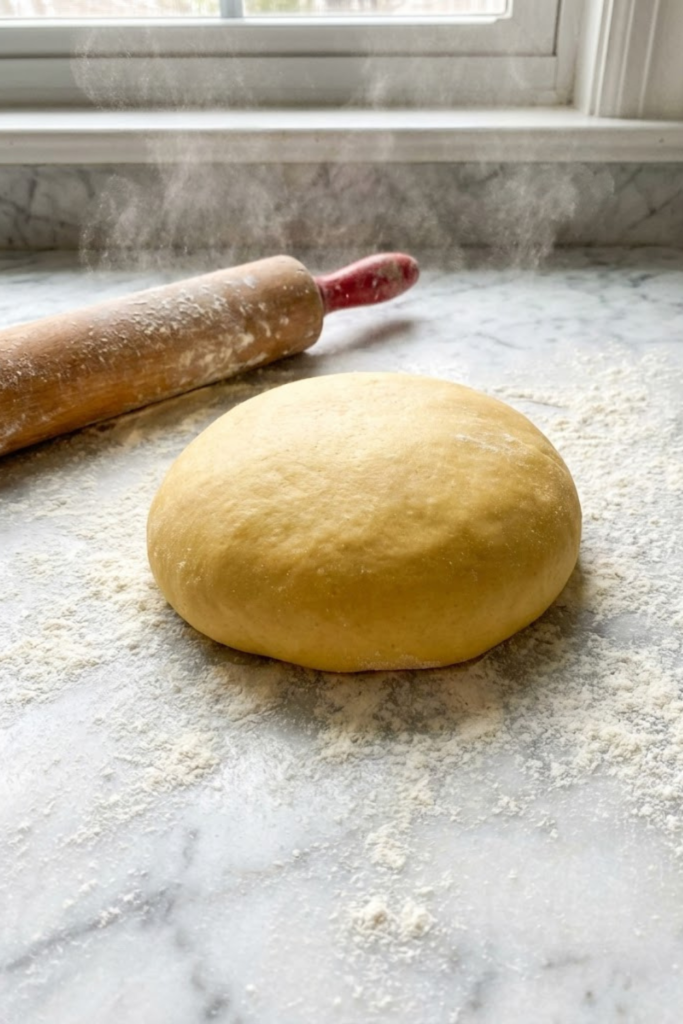
The Art of Filling and Sealing Your Ravioli
Now comes the part where you actually make the little squares. This is where I usually get the most nervous, because if you don’t seal them right, they just pop open like a bag of chips in the boiling water. I remember my first time, I was so proud of my beautiful ravioli until I saw the meat floating away from the pasta in the pot! It was a sad dinner that night. But don’t worry, once you get the hang of it, it’s actually pretty fun. It’s like a little craft project you can eat.
Portioning the Meat Just Right
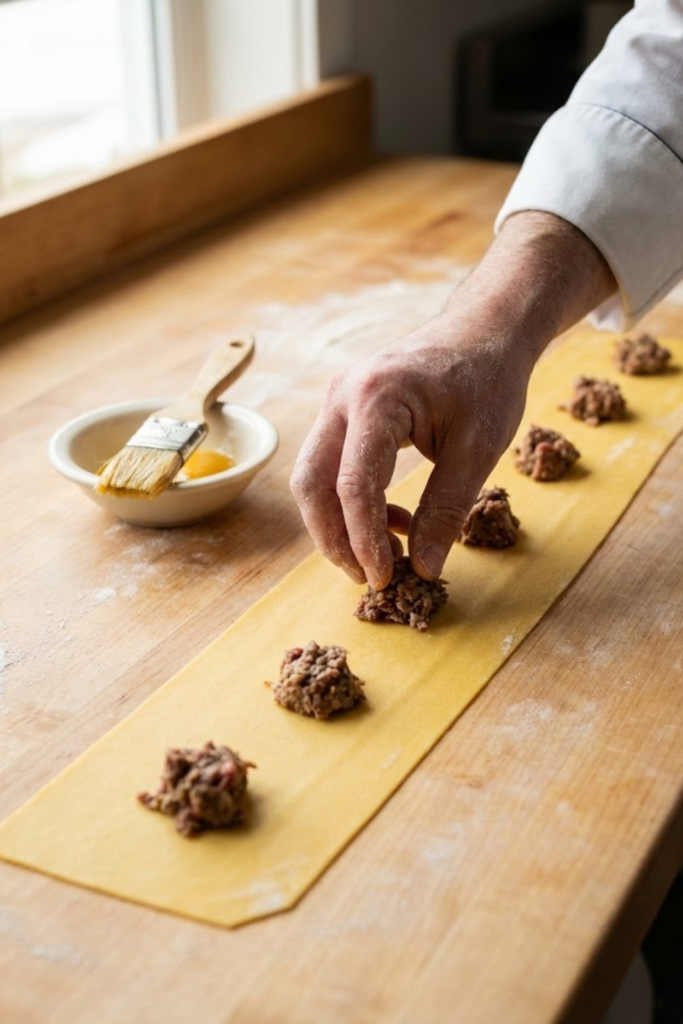
The biggest mistake I see people make is being too greedy with the filling. You want a lot of meat, but if you put too much, the pasta won’t close. I like to use a small measuring spoon, like a teaspoon. Place little mounds of your beef mix about an inch apart on your sheet of dough. You have to leave enough room for the edges to touch. If the meat touches the edge where you’re trying to seal it, the grease will make it slippery and it won’t stick. Keep the mounds neat and tidy!
The Trick to a Tight Seal
To make sure the top layer of pasta sticks to the bottom, you need a little bit of help. I just use a small bowl of water or a beaten egg. Take a pastry brush—or just your finger if you’re like me and hate washing extra dishes—and lightly paint around each mound of meat. You don’t want a puddle; just a little bit of moisture to act like glue. This helps the two pieces of dough stay together. Make sure you get all the way around the meat so there are no gaps for water to sneak in while it boils.
Getting Rid of Air Bubbles
This is a pro tip I wish someone told me years ago. When you lay the top sheet of pasta over the meat, use your hands to gently press down around the filling. You want to push the air out from the center toward the edges. If you leave air inside, the ravioli will puff up and float too early, and the pasta might even burst. It’s like putting a screen protector on a phone—you gotta smooth out the bubbles! Take your time with this part so they stay whole.
Cutting and Crimping for Style
Once everything is pressed down, you can cut them into squares. I use a little rolling cutter with a wavy edge because it looks fancy, but a regular knife works too. After you cut them, take a fork and press the tines down along the edges of each square. This gives it that classic look and adds an extra layer of protection so the filling stays put. Just be careful not to poke a hole in the middle of the pasta! If you do see a tiny tear, just pinch it shut with a tiny bit more water.
Cooking and Sauce Pairing for Ground Beef Ravioli
Now that you’ve got these little pillows of meat ready, it’s time to cook them. This is the part that goes by real fast, so don’t walk away to check your phone! I once left the kitchen for just two minutes to find where the dog went, and when I came back, my ravioli were overcooked and falling apart. It was a mess. You want to make sure the water is at a rolling boil before you even think about dropping them in. Add a good pinch of salt to the water too; it really helps the pasta taste better from the inside out.
Watching the Clock and the “Float”
Fresh pasta cooks way faster than the dry stuff you buy in a box. Usually, it only takes about three to five minutes. A good rule of thumb I tell my friends is to watch for them to float. Once they bob up to the top of the water like little life jackets, they are almost done. Give them one more minute after they start floating just to be sure the dough is soft. Use a slotted spoon to fish them out gently. If you dump them into a colander like regular spaghetti, the weight of the other pasta might squash the ones on the bottom and make the beef filling leak out.
The Classic Red Sauce Choice
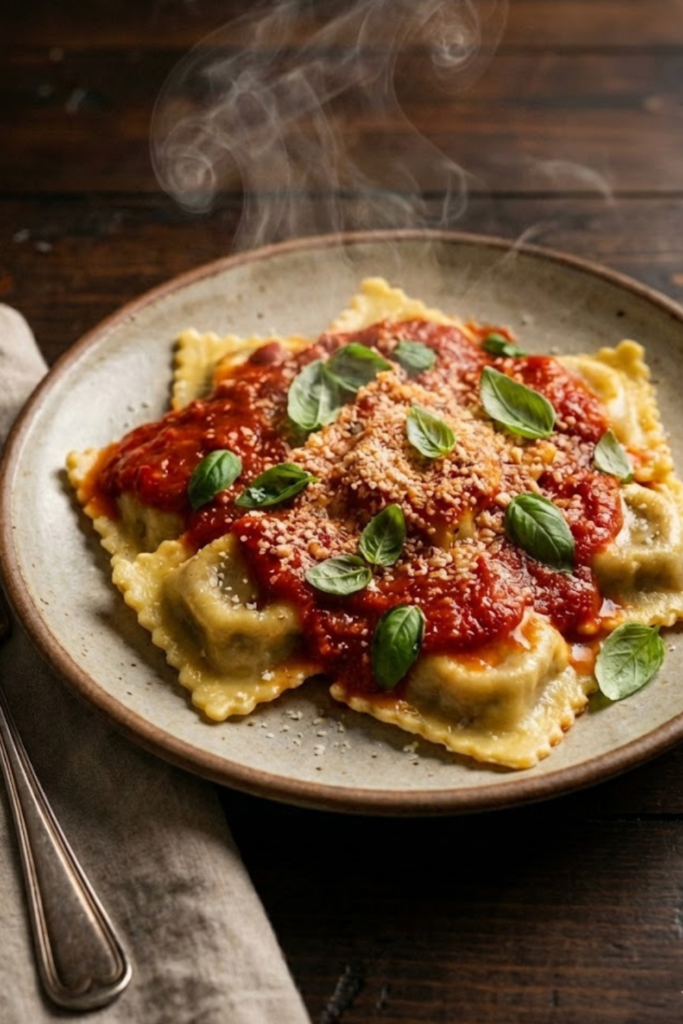
If you want to keep things simple, a red marinara sauce is the way to go. Since the ground beef ravioli is already very savory and rich, a bright tomato sauce with some basil really cuts through that heavy flavor. I like to simmer my sauce in a pan while the pasta boils, then I toss the ravioli directly into the sauce. This helps the sauce stick to the pasta instead of just sliding off. It’s the kind of meal that makes everyone at the table reach for seconds.
Trying Something Different with Butter
Sometimes I’m not in the mood for red sauce, so I make a quick brown butter and sage sauce. You just melt some butter in a skillet until it starts to smell nutty and turns a light brown color, then throw in some fresh sage leaves. It sounds fancy, but it takes five minutes. The earthy taste of the sage goes so well with the beef and parmesan inside the ravioli. It’s a lighter way to eat them, but it feels very special, like something you’d get at a nice restaurant.
Finishing Touches for the Table
Before you serve, don’t forget the extras. A little drizzle of olive oil makes the plate look shiny and delicious. I always put an extra block of parmesan cheese on the table so people can grate as much as they want on top. Maybe add a few cracks of fresh black pepper too. If you have some leftover parsley, chop it up and sprinkle it over the top for a bit of color. It’s these small steps that make a homemade meal feel like a big success. Cooking for your family shouldn’t be stressful, and seeing them enjoy these beefy treats makes all that flour on your shirt worth it!
How I Learned the Hard Way: Tips for Beef Filling Success
I have had a lot of bad days in the kitchen, especially when I was first starting out with homemade pasta. Making ground beef ravioli isn’t always a walk in the park if you don’t know the little tricks. One time, I didn’t drain the beef fat enough and the ravioli looked like they were sweating oil through the dough. It was pretty gross! My kids wouldn’t even touch them, and I felt so bad because I had spent the whole afternoon working on them. Now, I always put my cooked beef in a fine mesh strainer and let it sit for ten minutes. You would be surprised how much extra grease comes out that could have ruined your dinner.
The Temperature Secret
Another thing I learned the hard way is about the temperature of your ingredients. Don’t ever put hot meat on cold, raw dough. The heat starts to cook the dough immediately and makes it turn into a sticky, gummy mess that you just can’t fix. I usually try to make my beef filling the night before and keep it in the fridge. Cold filling is so much easier to handle anyway. It stays in a nice little ball and doesn’t slide around while you are trying to fold the top layer of pasta over it. It makes the whole process go twice as fast.
Texture and Tossing the Molds
Let’s talk about the mix itself. I found that adding one tablespoon of heavy cream makes a huge difference in the final result. It keeps the beef from getting tough while it boils. Also, try not to over-mix the filling. If you stir the meat and cheese too much, it gets a weird, pasty texture that feels like baby food. You want to be able to see the bits of savory meat and the little flecks of green parsley.
I also stopped using those expensive plastic ravioli molds. They are hard to clean and the dough always sticks to them no matter how much flour I use. Now I just use a regular fork to seal the edges. It looks more like a real home-cooked meal that way. Plus, it’s one less thing to store in my kitchen cabinets. My husband says he likes the “rustic” look better anyway, which I think is just his way of being nice about my squares not being perfect.
Freezing for Busy Nights
If you have leftovers, don’t throw them away! You can freeze the uncooked ravioli on a baking sheet and then put them in a freezer bag once they are hard. They stay good for months. Just drop them in boiling water whenever you need a fast meal on a school night. It saves me so much time when I’m too tired to cook from scratch. Just make sure you don’t crowd the bag or they might stick together and break when you try to pull them out. Cooking is all about these little wins that make life easier.
We have reached the end of our little pasta journey, and I really hope you feel ready to get into the kitchen and try this out. Making ground beef ravioli from scratch is one of those things that seems like a huge mountain to climb until you actually start doing it. Once you see those little meat-filled squares floating in the pot, you’re going to feel like a total pro. I remember how scared I was to mess up the dough or have the filling leak out, but honestly, even the messy ones taste great. If your first batch looks a little wonky or if the edges aren’t perfectly straight, don’t even worry about it. Your family is going to love that you took the time to make something real for them.
The big takeaway here is that good food doesn’t have to be perfect; it just has to be made with care. We talked about how important it is to pick that 80/20 beef so the inside stays juicy, and we went over the trick of letting your dough rest so it’s easier to work with. Those small steps are what turn a basic meal into something people talk about for weeks. I love that this recipe uses simple things you probably already have in your pantry, like flour, eggs, and garlic. You don’t need fancy tools to make a meal that tastes like it came from a high-end Italian spot.
I want to hear how yours turned out! Did you go with the classic red sauce or try the butter and sage? Did your kids help you press the edges with a fork? Those are the memories that stay with you long after the dishes are washed and put away. Cooking is a skill that keeps getting better the more you do it, so keep practicing. If you found this guide helpful, please share it on Pinterest! It really helps other home cooks find these tips and helps our little community grow. There is nothing better than seeing photos of what you all are cooking in your own homes.
Thanks for hanging out with me today and letting me share my love for ground beef ravioli. Now, go grab your apron and start cracking those eggs! I can’t wait to see your creations. Happy cooking!