Did you know that the average person eats about 20 pounds of pasta every single year? I totally believe it because I’m pretty sure I eat double that amount! There is honestly nothing more comforting than a big, warm bowl of creamy garlic chicken pasta after a long day of teaching 8th graders. It’s the kind of meal that makes the whole house smell like a literal dream. I’ve spent years trying to get that sauce just right—not too thick, not too runny, but just perfect enough to coat every single noodle. Let’s dive into how you can make this masterpiece in your own kitchen!
Mastering the Perfectly Seared Chicken
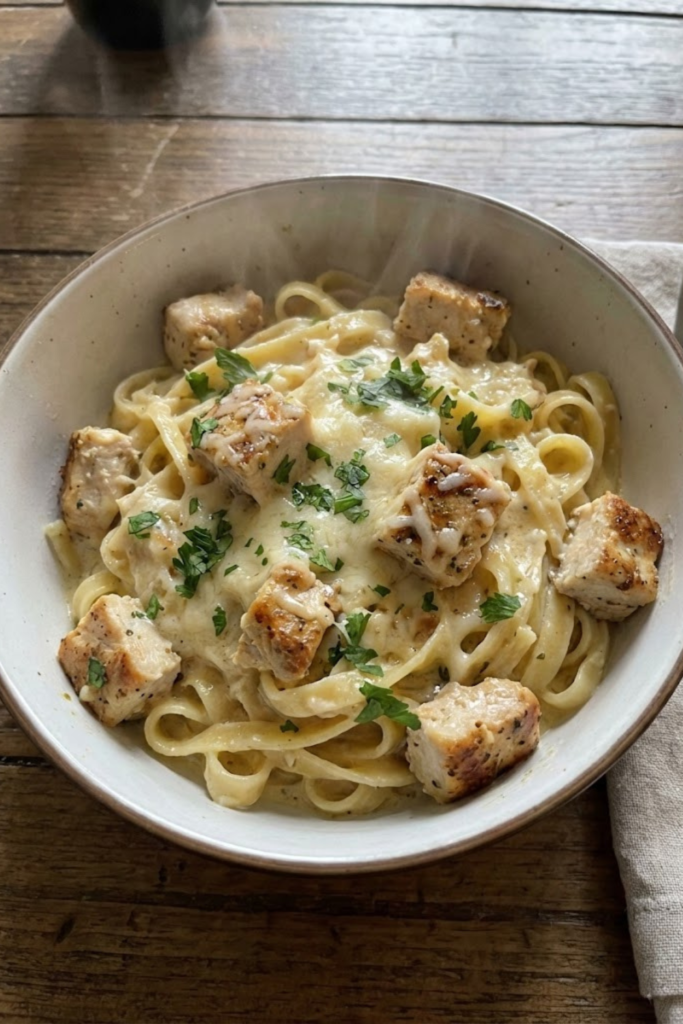
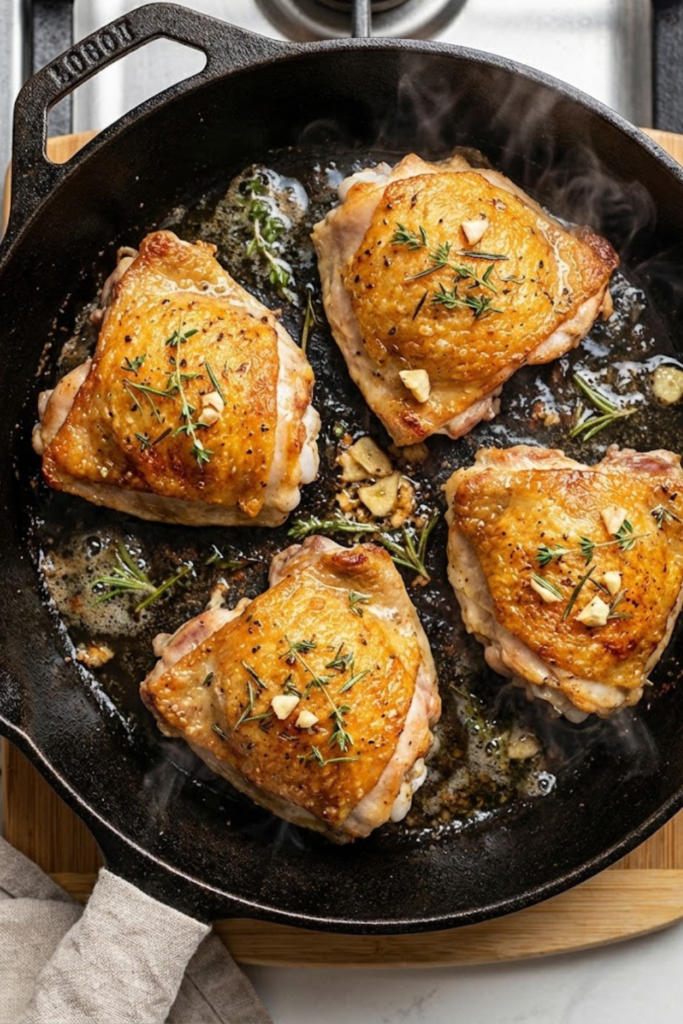
If there is one thing that can totally ruin a bowl of creamy garlic chicken pasta, it is dry, rubbery meat. I’ve made that mistake more times than I care to admit! Usually, it happened because I was trying to grade a stack of history essays while also trying to get dinner on the table. Over the years, I have learned that the chicken is really the star of the show here, and you have to treat it with a little bit of respect. Getting a good sear doesn’t just make it look better; it locks in all that savory goodness that makes the whole dish pop. You want every bite to be juicy and flavorful, and that starts with how you handle the meat before it ever touches the sauce.
Choosing the Best Cut of Meat
I’m going to be honest with you—I am firmly on Team Chicken Thigh. I know, I know, everyone thinks breasts are healthier, but thighs are so much harder to mess up. In my house, things get chaotic, and if I leave the chicken in the pan for two minutes too long because I’m answering a question about homework, a chicken breast will turn into a hockey puck. Chicken thighs have a bit more fat, which keeps them juicy and tender even if you aren’t perfect with your timing. If you really want to use breasts, just make sure you slice them into thinner pieces so they cook fast and even.
The Simple Seasoning Trick
You don’t need any fancy or expensive spice rubs for this. I keep it really basic with salt, black pepper, and a generous sprinkle of paprika. The paprika is the secret because it helps the chicken get that beautiful golden-brown color that looks so good against the white sauce. One big tip I tell everyone is to pat the chicken dry with a paper towel before you put any spices on it. If the meat is damp, it’s going to steam instead of sear. You want a crust, not a soggy mess!
Heat and The Sizzle
One of the biggest lessons I’ve learned is to be patient with your pan. I used to throw the chicken in as soon as I turned the burner on, but that’s a huge mistake. You want that oil to be shimmering. When you drop the chicken in, you should hear a loud sizzle. If it’s quiet, the pan isn’t hot enough. Also, don’t crowd the pan! If you put too many pieces in at once, they won’t brown properly. I usually do two batches to make sure every piece gets that nice crust.
The Power of Resting
Once the chicken is done, I know it’s tempting to slice it up and toss it right into the creamy garlic chicken pasta. Don’t do it! You have to let the meat rest on a plate for at least five minutes. I usually use this time to start my garlic sauce. Resting lets the juices settle back into the meat. If you cut it too soon, all that flavor just runs out onto the board, and you end up with dry chicken. Those few minutes make a massive difference in how the final dish tastes.
Building the Silkiest Garlic Cream Sauce
The sauce is really what brings the whole creamy garlic chicken pasta together. If the chicken is the star of the show, then this sauce is definitely the stage it stands on. I used to think making a white sauce from scratch was super scary, like some kind of high-stakes chemistry experiment that could blow up at any second. But honestly, once you get the hang of it, you’ll never want to buy a jar of the pre-made stuff from the grocery store ever again. My kids always know when I’m making this because the smell of sautéing garlic starts drifting into their rooms while they are supposed to be doing their homework. It’s one of those smells that just makes a house feel like a home.
Why Fresh Garlic is King
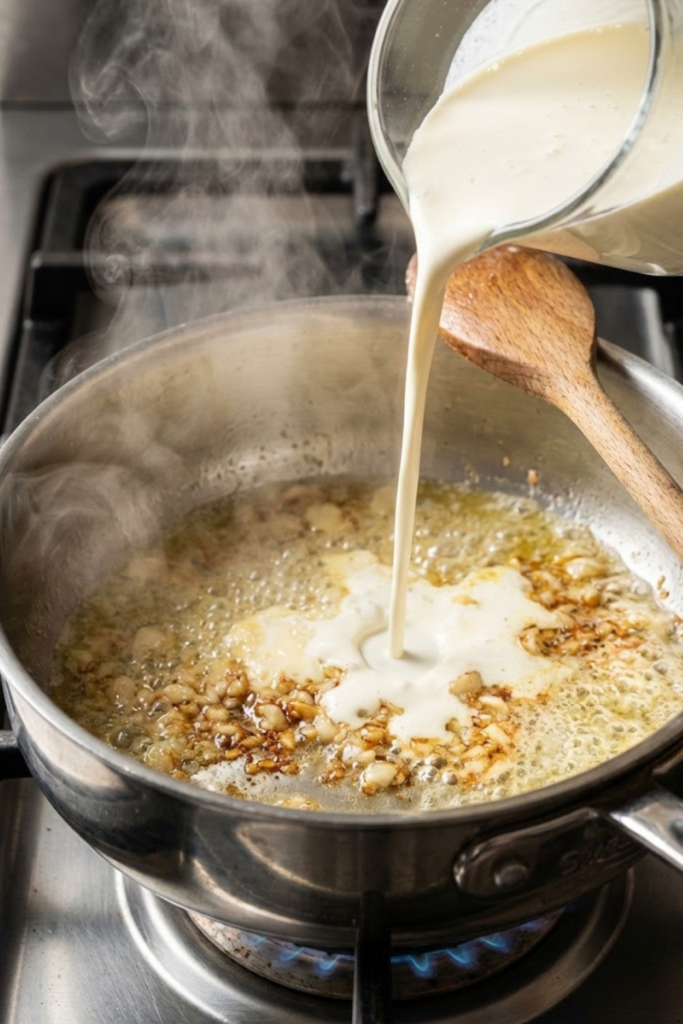
Let’s talk about the garlic. I know it’s so tempting to buy that big jar of pre-minced garlic at the store. I’ve done it plenty of times! I thought I was saving myself so much time and effort. But let me tell you, it just doesn’t taste the same. It has this weird, almost sour aftertaste that can totally ruin the vibe of your dinner. For a really good creamy garlic chicken pasta, you have to use fresh cloves. I usually use about five or six big cloves, but honestly, I don’t judge if you want to add more—we love garlic in this house. I use a garlic press because I don’t have the patience to chop it into tiny bits with a knife. You just want to sauté it in butter for a minute until it smells amazing. Whatever you do, don’t let it turn dark brown or it will taste bitter and gross.
Keeping the Texture Smooth
The trick to a sauce that isn’t oily or clumpy is all about the heat. I always turn my stove down to low before I even think about adding the heavy cream. If the pan is too hot, the cream can separate, and that’s how you get those weird oily puddles on top of your pasta. I like to whisk it slowly and let it come to a very gentle simmer. This is also when I add a splash of chicken broth to the pan. It helps pick up all those little brown bits left over from the chicken we cooked earlier. Those bits have so much flavor, and it would be a total waste to leave them behind!
The Cheese and Water Magic
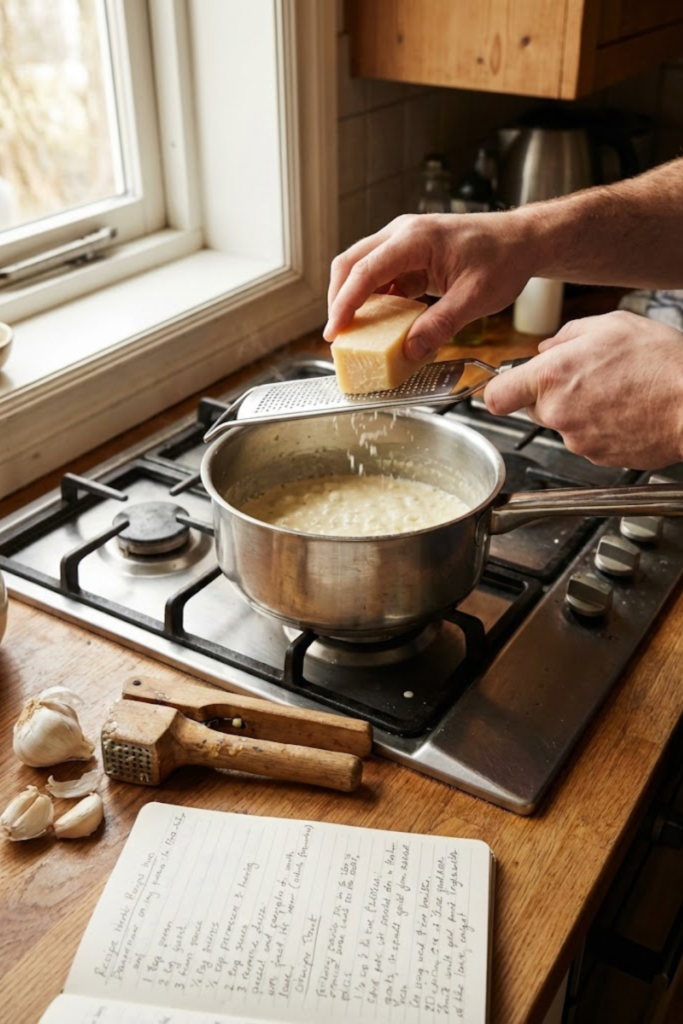
Now, for the best part—the parmesan cheese. Please, for the love of good food, don’t use the cheese that comes in the green shaker can. It just won’t melt right because of the stuff they add to keep it from sticking together. I always buy a small block and grate it myself right over the pan. It melts into the sauce like a dream. And here is the one tip you can’t forget: save a little bit of the water you cooked your pasta in. If your sauce gets too thick while you’re waiting for everyone to wash their hands and come to the table, just splash a little of that starchy water in there. It makes everything look silky and perfect again without making it taste watery.
Choosing Your Pasta Shape and Texture
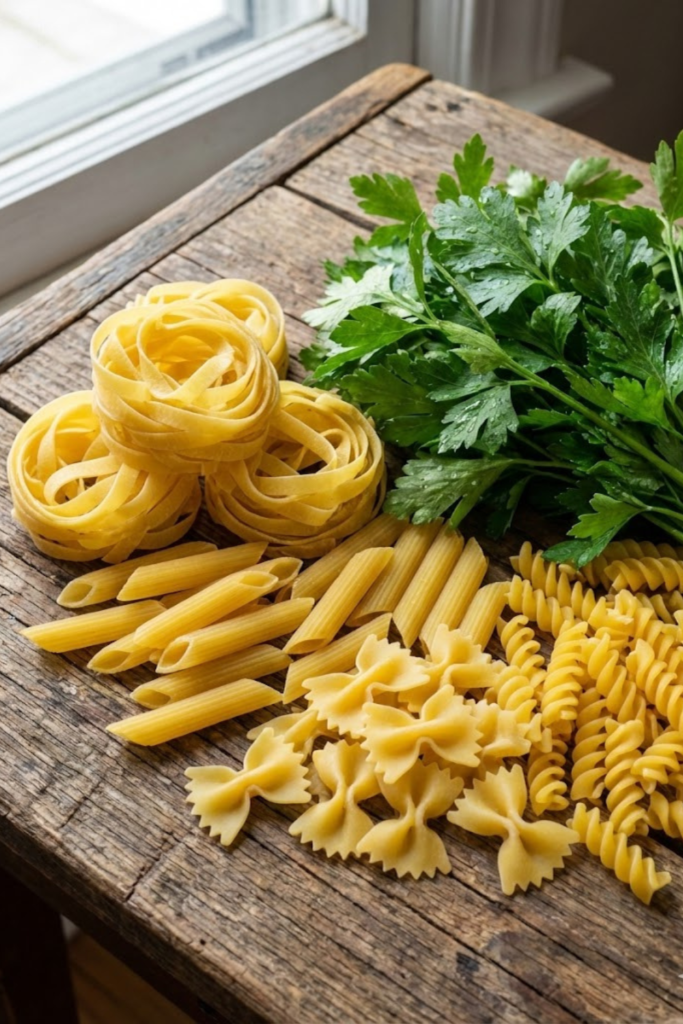
I honestly think picking the right pasta shape for your creamy garlic chicken pasta is just as important as the sauce itself. If you pick the wrong one, the sauce just slides right off and you end up with a puddle at the bottom of your bowl and a bunch of naked noodles. I’ve had many family dinners where I just grabbed whatever was left in the pantry—sometimes it was ditalini or even those tiny stars for soup—and let me tell you, it was a mess. It still tasted okay, but it didn’t feel like a real meal. You want a noodle that can actually hold onto that garlic goodness so you get a bit of everything in every single forkful.
The Battle of the Shapes
In my kitchen, we usually go back and forth between fettuccine and penne. Fettuccine is the classic choice because those long, flat ribbons have a lot of surface area for the cream to cling to. It feels a bit more fancy, like something you’d get at a sit-down restaurant on a Friday night. But if I’m being practical, penne is actually the winner for kids. Those little tubes act like tiny straws that suck up the garlic sauce and keep it inside. Plus, it’s way easier for my students or my own kids to eat without splashing sauce all over their shirts. If you have some rotini or bowties, those work great too because of all the little nooks and crannies.
Avoiding the Mushy Noodle Disaster
There is nothing worse than overcooked pasta. I’ve definitely had those nights where I got distracted by a text or started cleaning the kitchen and forgot to check the pot. When you overcook the pasta, it loses its structure and turns into mush the second you mix it with the heavy sauce. You want to cook it “al dente,” which basically means it still has a little bit of a bite to it. Since the pasta is going to cook for another minute or two when you toss it into the hot sauce, I usually drain mine about a minute before the box says it’s done. This helps the noodles stay firm and delicious.
Don’t Forget the Salt!
A mistake I made for years was not putting enough salt in the boiling water. My grandmother always told me the water should taste like the ocean. It sounds like a lot, but most of it goes down the drain anyway. This is your only chance to season the pasta itself from the inside out. If the water is plain, the noodles will taste bland no matter how much garlic you put in the sauce. Also, don’t put oil in your water! People think it stops the sticking, but it actually just coats the pasta in a slippery film that makes the sauce slide right off. Just give it a good stir every now and then, and you’ll be just fine. Getting this part right makes a world of difference for your creamy garlic chicken pasta.
Storage and Reheating Tips for Leftovers
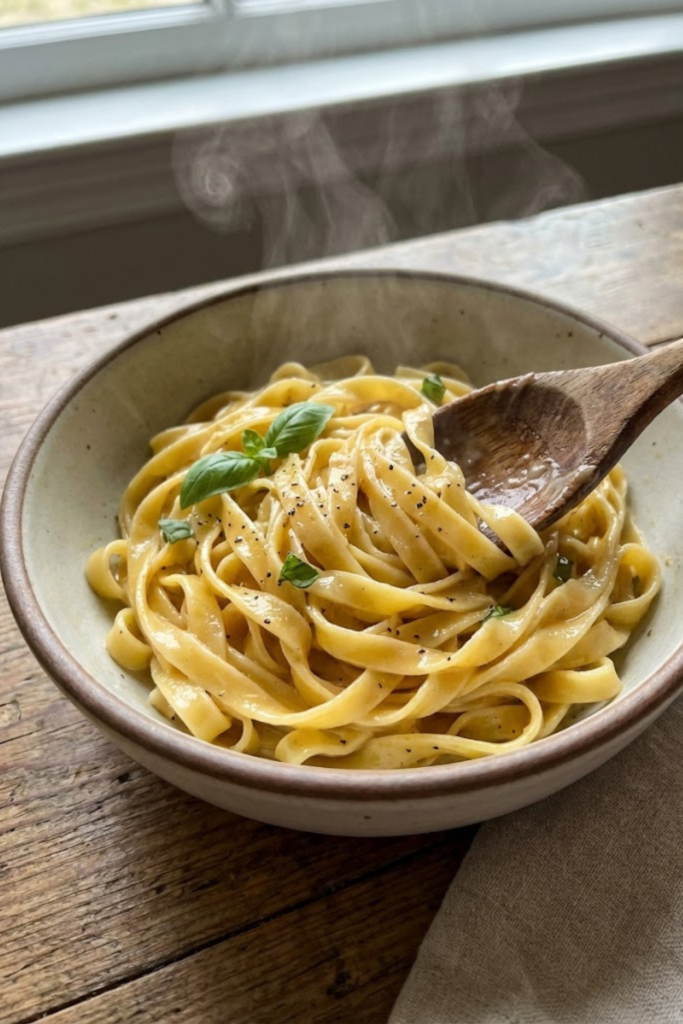
If you actually have leftovers after serving this, I’m honestly pretty impressed! In my house, a pan of creamy garlic chicken pasta usually disappears faster than a snow day announcement on a Monday morning. But on the rare nights where there’s a little bit left, I get genuinely excited. There is something so nice about knowing my lunch is already packed for the next day. As a teacher, my lunch break is usually about twenty minutes of peace, and having a good meal makes such a difference compared to a soggy sandwich. However, creamy sauces can be a bit tricky when they sit in the fridge overnight. If you don’t handle them right, you end up with a clump of cold noodles that just isn’t very appetizing.
The Fridge Life
Once everyone has had their fill, you want to get the rest into a container fairly quickly. Don’t let it sit out on the counter all night while you’re watching a movie. I usually use glass containers because they don’t stain like the plastic ones do. Make sure the pasta has cooled down a little before you snap the lid on. If it’s steaming hot, that moisture gets trapped inside and makes the noodles way too soggy. Your creamy garlic chicken pasta will stay good for about three days in the fridge. Any longer than that, and it starts to lose that fresh garlic punch we worked so hard to get.
The Microwave Trick
This is the part where most people mess up. When you take the pasta out of the fridge, the sauce is going to look thick and kind of stiff. That’s just the butter and cream firming up. If you just throw it in the microwave on high power, the oils will separate and you’ll get a greasy mess. My secret? Add a tiny splash of milk or even a little bit of water before you heat it up. It helps loosen everything back into a smooth sauce. I usually heat it for 45 seconds, give it a good stir to mix in that extra liquid, and then heat it for another 30. It makes it taste almost as good as when it was fresh.
Avoiding the ‘Rubber’ Chicken
Chicken can get really tough and rubbery when it’s reheated. To keep it tender, I try to bury the chicken pieces under the noodles before I put it in the microwave. This creates a little steam pocket that keeps the meat from drying out. If you’re at home and have an extra five minutes, reheating it in a small pan on the stove is even better. Just add that splash of milk and stir it over low heat. It’s a little extra work, but it really keeps the texture from getting weird. Following these simple steps means you get a second day of deliciousness!
The Secret to My Garlic Sauce (A Personal Lesson)
I’ve gotta be real with you guys, I wasn’t always a pro at making this. In fact, my first few tries at making creamy garlic chicken pasta were pretty much complete disasters. I remember one specific Tuesday night when I tried to rush things because I had a massive stack of history papers to grade. I ended up with something that looked like cottage cheese mixed with chicken. It was honestly gross! My kids just looked at me like I was crazy, and we ended up eating cereal for dinner that night. That was the night I realized that a good sauce is all about the technique, not just throwing things in a pan and hoping for the best.
The Scrambled Egg Incident
The biggest mistake I made back then was turning the heat up way too high. I thought if I got the cream boiling faster, dinner would be ready sooner and I could get back to my grading. Big mistake! When dairy gets too hot too fast, it curdles. It separates into these little white clumps and a weird, oily yellow liquid. If this happens to you, don’t panic, but also realize you can’t really “fix” it once it breaks like that. Now, I always keep my burner on medium-low. You want the sauce to barely bubble, like a tiny simmer. If it looks like a volcano, turn it down immediately! Slow and steady is the way to go if you want that perfect, smooth texture.
Say No to the Bagged Stuff
Another lesson I learned the hard way involves the cheese. I used to buy the pre-shredded parmesan because it was just easier. But did you know they put cellulose—which is basically wood pulp—in those bags to stop the cheese from sticking together? That stuff also stops the cheese from melting into your creamy garlic chicken pasta sauce. It makes the sauce grainy instead of smooth. Now, I always buy the wedges of parmesan. Grating it myself takes maybe two minutes, but it makes the sauce so much better. It melts almost instantly and creates that silky feel that makes everyone at the table want seconds.
Fresh Garlic vs. The Jar
I also used to be a big fan of jarred garlic. It’s so convenient to just scoop out a spoonful, right? But after a while, I noticed my sauce always had this weird, sharp, almost metallic taste. I finally figured out it was the preservatives they put in the jar to keep it “fresh.” Fresh garlic is just so much sweeter and more flavorful when you sauté it in butter. It’s the “secret” that isn’t really a secret, but it makes the biggest difference. Plus, using a garlic press is kind of fun after a stressful day at school. It’s like a little bit of stress relief before you actually get to eat!
Bringing it All Together for the Perfect Meal
I really hope this guide helps you feel confident the next time you decide to whip up a big pan of creamy garlic chicken pasta. As a teacher, I know that my brain is usually pretty fried by the time 5:00 PM rolls around. It’s so easy to just grab a frozen pizza or call for takeout when you’re tired, but there is something so rewarding about making a meal like this from scratch. It’s not just about the food; it’s about that feeling of accomplishment when you see your family actually sitting down and enjoying something you made with your own two hands. Plus, the house smells so good that even the neighbors might start peeking through the windows!
Just remember the big takeaways we talked about today. First, give your chicken the attention it deserves! Pat it dry, season it well with that paprika trick, and let it get that beautiful golden crust in a hot pan. And please, don’t forget to let it rest! Those five minutes of waiting are the difference between a juicy bite and a piece of meat that feels like you’re chewing on a piece of cardboard. When you move on to the sauce, stay patient. Keep that heat low, use your fresh garlic, and grate your own cheese. It might feel like a little extra work in the moment, but the smooth, silky result is worth every single second of effort.
Lastly, treat your pasta with care. Use plenty of salt in your boiling water and pull those noodles out just before they are fully soft. That “al dente” texture is what makes the dish feel like it came from a fancy Italian restaurant instead of a box. And never, ever throw away all of your pasta water! That liquid gold is the best tool in your kitchen for fixing a sauce that has thickened up too much while you were busy setting the table.
Cooking is all about learning from your mistakes and trying again. If your first sauce is a little lumpy or your chicken is a bit overdone, don’t sweat it. Every time you make this creamy garlic chicken pasta, you’re going to get a little bit better at it. If you found these tips helpful or if your family absolutely loved the meal, please share this post on Pinterest! I’d love to know how it turned out for you. Happy cooking, and I hope your next dinner is a total success!