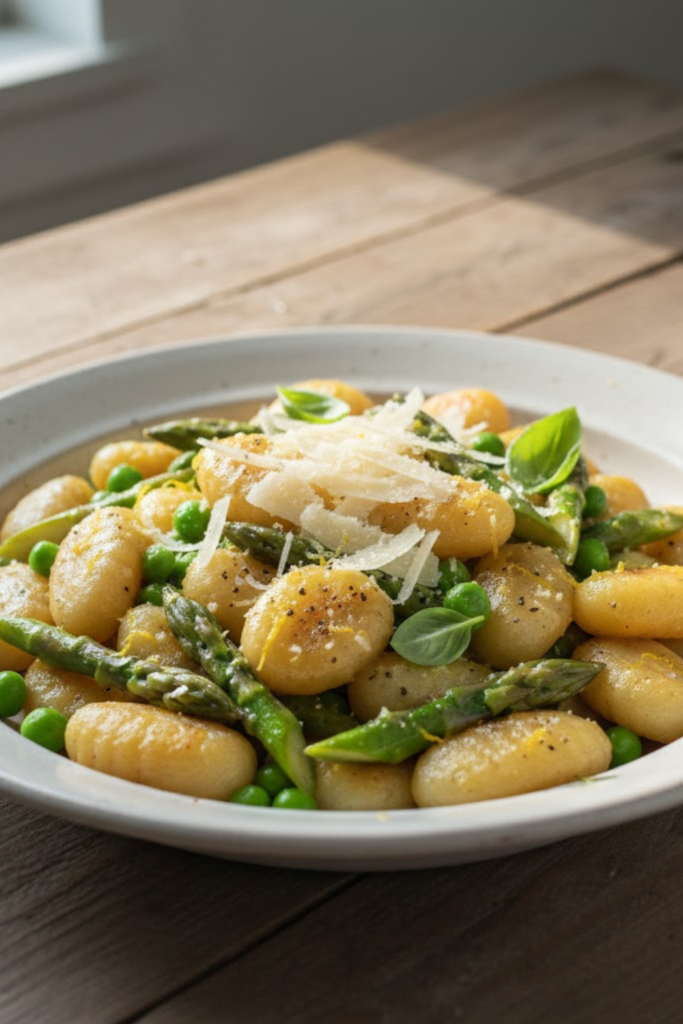
Finally, the sun is out and the garden is looking green again, which makes me so happy because I can finally start cooking with fresh stuff instead of frozen bags. I was at the market yesterday and saw the brightest asparagus and sweet peas, so I knew I just had to make my favorite spring vegetable gnocchi recipe for dinner. It’s honestly one of those meals that feels fancy but takes like twenty minutes to throw together, and since I’m always busy grading papers or prepping lessons, I really need something fast that actually tastes good. This dish is super light and doesn’t sit heavy in your stomach, plus the lemon zest makes all the greens taste so bright and crisp. You’re going to love how these flavors work together, and I’ll help you get it right every time so you don’t end up with mushy pasta.
Picking the Best Seasonal Greens for Your Gnocchi
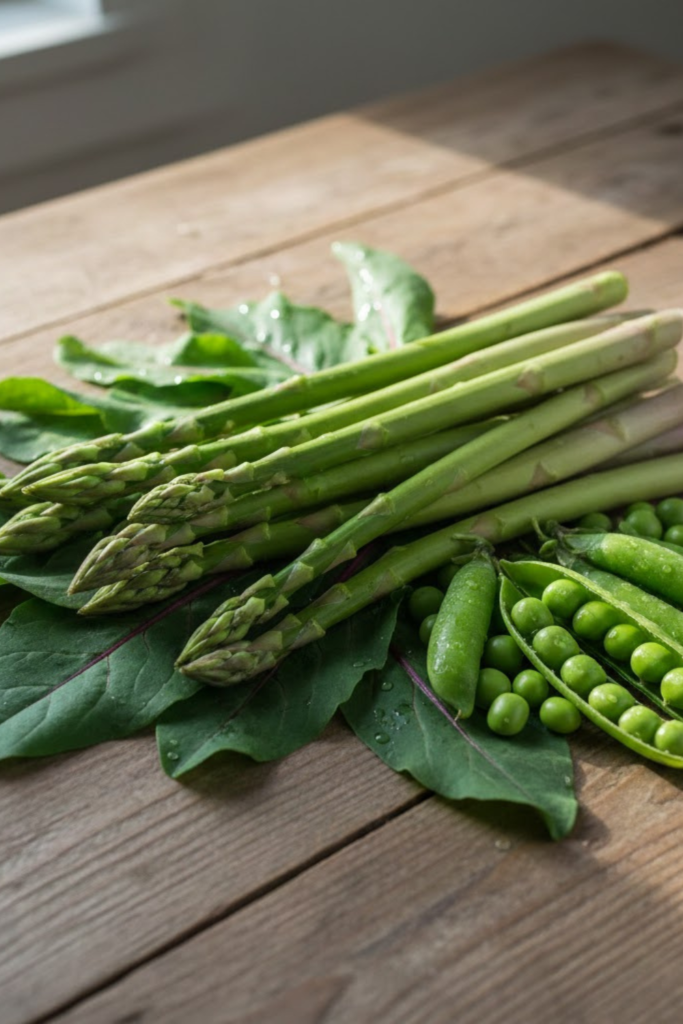
Whenever I head to the farmers market, I always look for the brightest colors I can find for my spring vegetable gnocchi recipe. You really want to find asparagus that isn’t all floppy and sad. Look at the very top of the spear—it should be tight and closed up, not mushy or starting to flower. I usually grab the thinner ones because they stay tender and don’t get all woody when you chew them. For the peas, if you can find fresh snap peas that actually snap when you break them, grab those! If you’re stuck at a regular grocery store and everything looks a bit wilted, don’t worry. Even frozen sweet peas can do the job if you’re trying to get dinner on the table fast.
I also like to keep an eye out for baby spinach or even some ramps if the market has them. Ramps have a really short season, so if you see them, grab them fast! They add a nice garlicky kick that goes so well with the lemon. When you get home with your asparagus, try putting the ends in a glass of water in the fridge like they are a bouquet of flowers. It keeps them from getting all limp before you’re ready to cook. And don’t forget to rinse the tips of the asparagus really well because dirt and sand love to hide in those little leafy parts. If you want to get real fancy, you can even toss in some sliced radishes at the very end for a bit of extra crunch and color.
The real secret to making this look good is keeping the greens “green.” I like to do a quick blanch, which is just a fancy way of saying I boil them for a minute and then toss them into a bowl of ice water. This keeps them from turning that dull olive color that happens when they overcook. Since this is a light meal, having that crunch is really important. Just make sure you dry them off before they go into the pan so your sauce doesn’t get all watery. It’s a simple step but it makes a huge difference in how the meal feels. It’s all about making the most of what’s growing right now so your spring vegetable gnocchi recipe feels like a real celebration of the season.
The Secret to Pillowy-Soft Gnocchi Every Time
I’ve had my fair share of dinner disasters, and let me tell you, “rubber gnocchi” is at the top of the list. One time I overcooked the little potato dumplings so much they basically turned into bouncy balls. My son actually tried to see if one would bounce off the kitchen floor! If you want your spring vegetable gnocchi recipe to actually taste like food and not a science experiment, you have to be careful with the water. I always tell people to watch for them to float. The second they pop up to the surface like little buoys, they are done. Don’t let them sit in there for even an extra minute or they get gummy and gross.
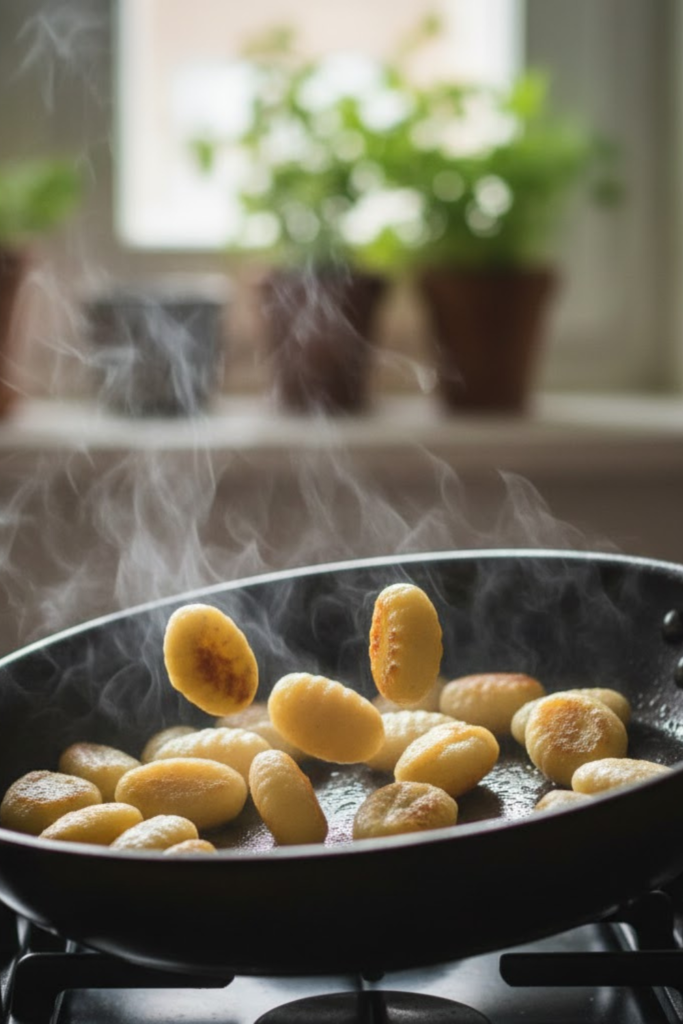
Now, I used to just boil them and call it a day, but I found a much better way. After you drain them, throw them in a pan with a little butter or oil. Pan-searing gives them this amazing crispy outside while the inside stays soft. For a spring vegetable gnocchi recipe, that little bit of crunch really stands out against the soft peas and asparagus. It’s the difference between a “meh” meal and one where everyone asks for seconds. Plus, it only takes like three extra minutes, so it’s totally worth it. The trick is to not crowd the pan when you’re frying them up. If you put too many in at once, they just steam each other and you’ll never get that pretty golden-brown crust we’re looking for. I usually do mine in two batches so they have plenty of room to move around. Also, if you’re using the kind from the store, make sure you break them apart before they hit the water so they don’t stick together in one big clump. It’s way easier to separate them when they are dry than when they are slippery and hot! I’ve noticed that the vacuum-sealed packs work best for frying, but even the frozen ones can turn out great if you don’t let them sit in the boiling water too long.
If you happen to have leftovers—which doesn’t happen often at my house—you have to store them the right way. Don’t just throw them in a plastic container while they are still steaming hot. That’s how you get a giant block of mush the next day. I let them cool down on a plate first, then put them in the fridge. When you want to eat them again, just put them back in a skillet with a tiny bit of water or butter to loosen things up. It’s way better than using the microwave, which usually just makes them tough and chewy.
Crafting the Light Lemon Butter Sauce
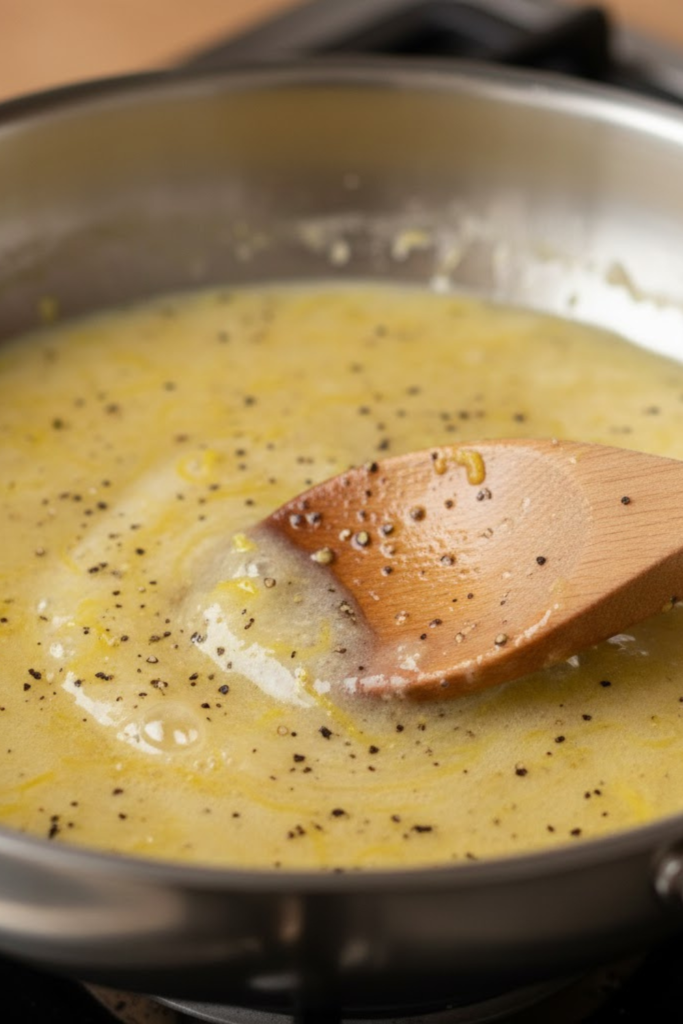
When I first started making this spring vegetable gnocchi recipe, I used to make the sauce way too heavy. I thought more butter always meant more flavor, but I ended up with a plate that was just greasy and kind of gross. The trick I learned from a fellow teacher is all about balance. You want enough fat to coat the pasta, but you need that sharp hit of lemon to cut through it. I usually start by melting my butter over medium heat until it starts to foam. This is the part where you have to pay attention—don’t walk away to check your email! If the butter turns black, it’s bitter and you have to start over.
I always toss in a few smashed garlic cloves right at the beginning. You don’t want to mince them into tiny bits because they burn too fast. Just smash them with the side of your knife and let them dance around in the butter for a minute. Once you smell that amazing garlic scent, that’s when you add your lemon zest. I prefer using a Meyer lemon if I can find one because they are a bit sweeter, but a regular lemon works just fine too. Just make sure you only grate the yellow part; the white stuff underneath is super bitter and will ruin the whole vibe of your spring vegetable gnocchi recipe.
The biggest “ah-ha” moment for me was using the starchy water from the gnocchi pot. I used to just pour all that water down the drain, but that was a huge mistake! That cloudy water is like liquid gold. When you add a splash of it to your butter and lemon, it helps everything come together into a silky sauce that actually sticks to the gnocchi instead of just pooling at the bottom of the bowl. It makes the dish feel way more professional, even if you’re just eating it on the couch in your pajamas.
To finish it off, I always throw in a handful of fresh herbs. Mint sounds weird with pasta, but trust me, it’s a total game changer with the peas. If mint is too much for you, dill or even just basic parsley works great too. Just stir them in right at the very end so they stay bright green and don’t wilt into nothing. It’s these little things that make this spring vegetable gnocchi recipe so much better than anything you’d get at a chain restaurant.
I’m so glad I finally got this spring vegetable gnocchi recipe exactly how I want it. It took me a few tries (and some pretty rubbery dumplings) to get the timing right, but now it’s a staple for me every single April. It really shows that you don’t need a million fancy ingredients to make something that tastes like it came from a high-end restaurant. Just remember to keep an eye on those peas so they stay snappy and please, please don’t forget to save that pasta water! Honestly, sitting on the porch with a big bowl of this and a glass of cold water is just the best way to end a long day of teaching. If you decide to give it a try, I really hope it makes your kitchen smell as fresh and happy as mine does right now.
If you found these tips helpful and want to keep this idea for later, please save this to your favorite Pinterest board! It really helps other home cooks find my recipes, and I’d love to hear if you added any other veggies from your own garden. Maybe next time I’ll try it with some sautéed mushrooms or even a little bit of feta cheese on top. Happy cooking!