Let’s be real: after a long winter of heavy stews and root vegetables, my soul is basically screaming for something green and bright! Did you know that according to recent 2025 culinary surveys, over 65% of home cooks prioritize “vibrant, seasonal textures” as soon as the first sprout hits the soil? I’m right there with you! This Spring Vegetable Rice Pilaf recipe is my absolute favorite way to welcome the warmer weather because it’s light, fragrant, and honestly, it looks like a party on a plate. As a teacher who spends all day talking, there is nothing more therapeutic than the sizzle of fresh leeks and the smell of jasmine rice toasting in a bit of butter. Let’s dive into how we can make this the star of your dinner table!
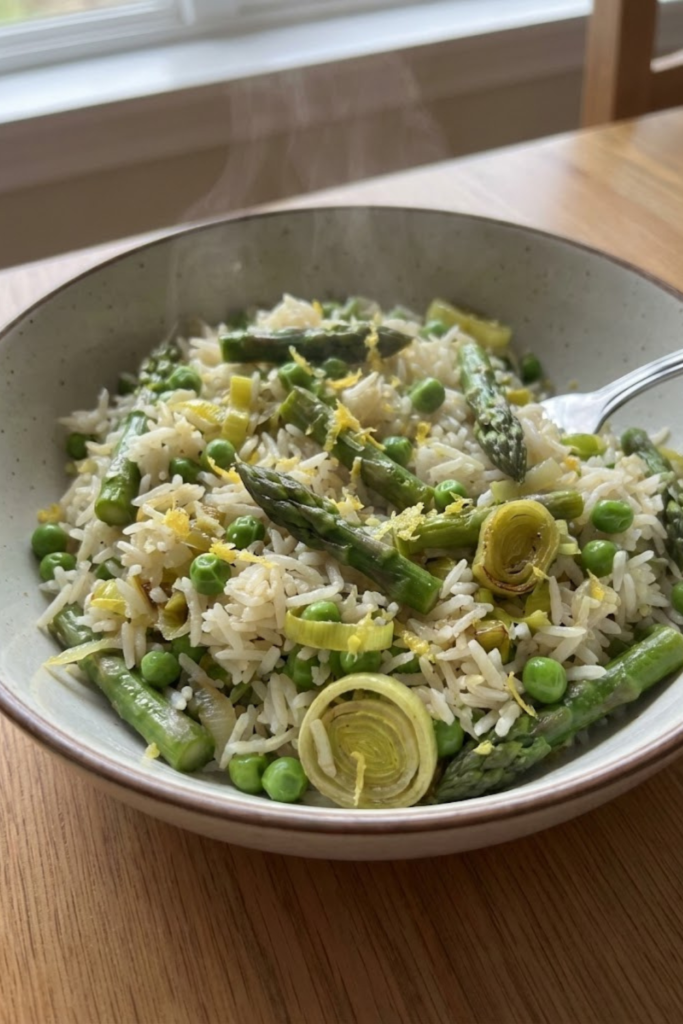
Choosing the Best Rice and Aromatics for Flavor
When I first started cooking, I honestly thought all rice was basically the same. Boy, was I wrong! If you want your Spring Vegetable Rice Pilaf recipe to actually taste like something from a nice restaurant, you have to start with the right stuff. It is not just about throwing random things in a pot and hoping for the best. You have to pick ingredients that play nice together. Think of it like a seating chart in my middle school classroom; some kids just shouldn’t sit next to each other, and some ingredients just work better for spring flavors. Getting the foundation right is the most important part of the whole process.
Go Long with Your Grain
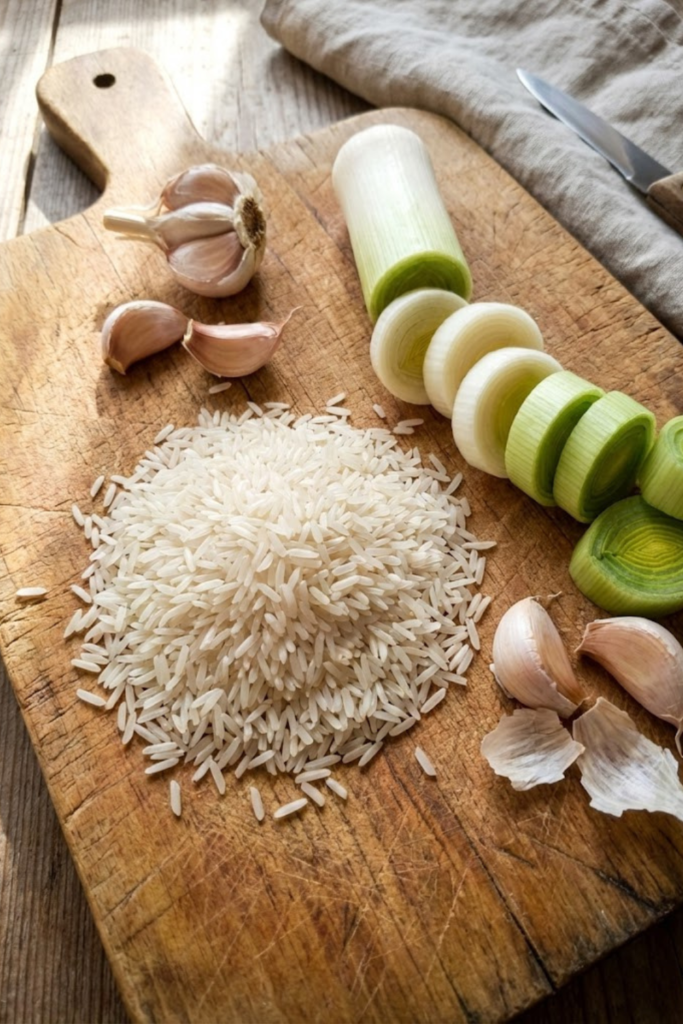
For a good pilaf, you really want a long-grain rice. I usually reach for Basmati or Jasmine at the store. Basmati is my personal go-to because the grains stay separate and get really fluffy once they are cooked. Jasmine is okay too, but it is a bit stickier, so you have to be careful not to overwork it. Whatever you do, please don’t use that short-grain “sticky” rice or Arborio. Unless you want a risotto, which is a whole different ballgame, stay away from the short stuff. Short grain has way too much starch, and it will turn your dish into a big clump of mush. I made that mistake once when I was in a rush, and it was pretty embarrassing to serve.
The Power of Leeks and Garlic
Most people just grab a big yellow onion because that is what they have, but for this Spring Vegetable Rice Pilaf recipe, I really like using leeks. They are much milder and have this sweet, buttery vibe that just screams springtime. Just make sure you wash them really well! Dirt loves to hide in those green layers, and nobody wants a crunchy, sandy dinner. I also throw in a few cloves of garlic. Don’t be shy with the garlic; I usually use three or four cloves because I love the smell. If you want a bit more punch, you can add a shallot too. Shallots are like the fancy cousins of onions—they are small but pack a ton of flavor without being too “loud” or overpowering.
Toasting for Success
Before you add any liquid, you’ve gotta toast that rice in the pan. I put a little butter and oil in the pot and stir the dry rice around for about three or four minutes. You’ll start to smell this nutty aroma, and the rice will start to look a little bit shiny or even translucent on the edges. This step is super important because it helps the rice stay firm and separate while it cooks. It’s one of those small things that makes a huge difference in how the final meal feels in your mouth. Taking those few extra minutes makes the rice taste way better than if you just boiled it in water.
Prepping Your Seasonal Spring Vegetables
Once you have your rice sorted out, we have to talk about the stars of the show: the vegetables. This is a Spring Vegetable Rice Pilaf recipe, so the veggies need to look and taste like spring! I used to just chop everything up and dump it in with the rice while it boiled. That was a huge mistake. My asparagus would turn into this mushy, brown stringy mess that nobody wanted to touch. If you want those beautiful green colors, you have to be a little bit more careful with how you handle them. It is all about timing and how you treat each veggie before they even touch the pan.
Don’t Let Your Asparagus Get Woody
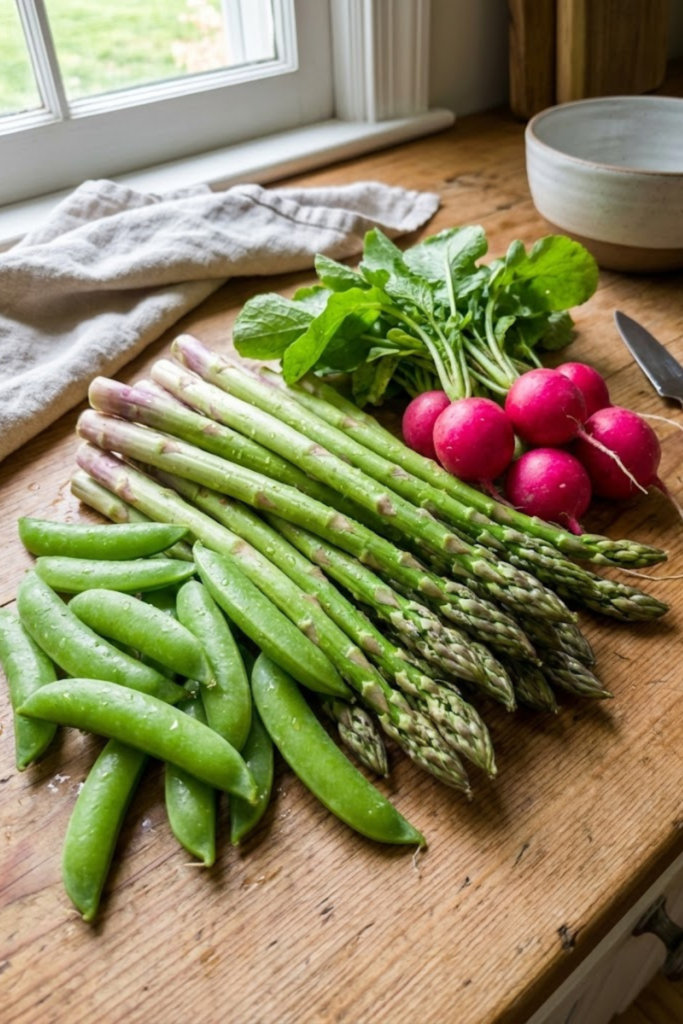
Asparagus is the king of spring, but if you don’t prep it right, it is like eating a pencil. I do the “snap test” every single time. You just hold the spear and bend it until it breaks. It naturally snaps right where the tough, woody part ends and the tender part begins. I usually cut the tips into one-inch pieces. For this Spring Vegetable Rice Pilaf recipe, I like to blanch them for just a minute in boiling water and then shock them in ice water. It sounds like extra work, but it keeps them snappy and bright green. Plus, it makes the dish look so much better on the plate than if they were grey and soggy.
The Magic of Peas and Fava Beans
Fresh English peas are amazing if you can find them, but honestly, shelling them takes forever. If I’m busy grading papers or dealng with school stuff, I just use frozen peas. They are frozen right at the peak of freshness anyway! If you want to get fancy, you can try fava beans. They are a bit of a pain because you have to peel them twice, but the flavor is so creamy. Just like the asparagus, I usually add these at the very last minute. You don’t want to cook the life out of them. They just need to get warm enough to eat while the rice is resting.
Adding a Little Crunch at the End
If you want to impress people, try adding some sliced radishes or sugar snap peas right before you serve. The heat from the rice will soften them just a tiny bit, but they will still have that satisfying crunch. It adds a different texture that really makes the whole thing feel fresh. I’ve found that having something raw or barely cooked in the mix makes the whole Spring Vegetable Rice Pilaf recipe feel much lighter and more vibrant. It gives your mouth something interesting to do while you eat! Just toss them in at the very end and give it a quick stir.
The Perfect Liquid Ratio and Simmering Technique
I used to think I could just eyeball the water when making rice, but that was a total disaster. When I was younger, I’d just fill the pot until it “looked right,” and honestly, half the time it was a crunchy mess and the other half it was basically soup. For a Spring Vegetable Rice Pilaf recipe, getting the liquid right is the difference between a side dish people actually want to eat and something that just sits on the plate. It took me years of messing up dinner to realize that rice is actually a bit of a science project, but luckily, it’s a super easy one once you know the trick.
The Golden Rule of Two-to-One
The most important thing to remember is the ratio. For most long-grain rice, I stick to two cups of liquid for every one cup of rice. It’s a simple rule, but so many people get it wrong because they forget that the rice needs space to grow. If you put too much liquid in, you get mushy grains that stick together like glue. If you don’t put enough, you’ll be chewing on rocks. I remember one time I tried to double a recipe for a school fundraiser and I totally lost track of how many cups I’d poured in. It was a nightmare! Now, I always use a measuring cup and double-check my math before the heat even goes on.
Don’t You Dare Open That Lid
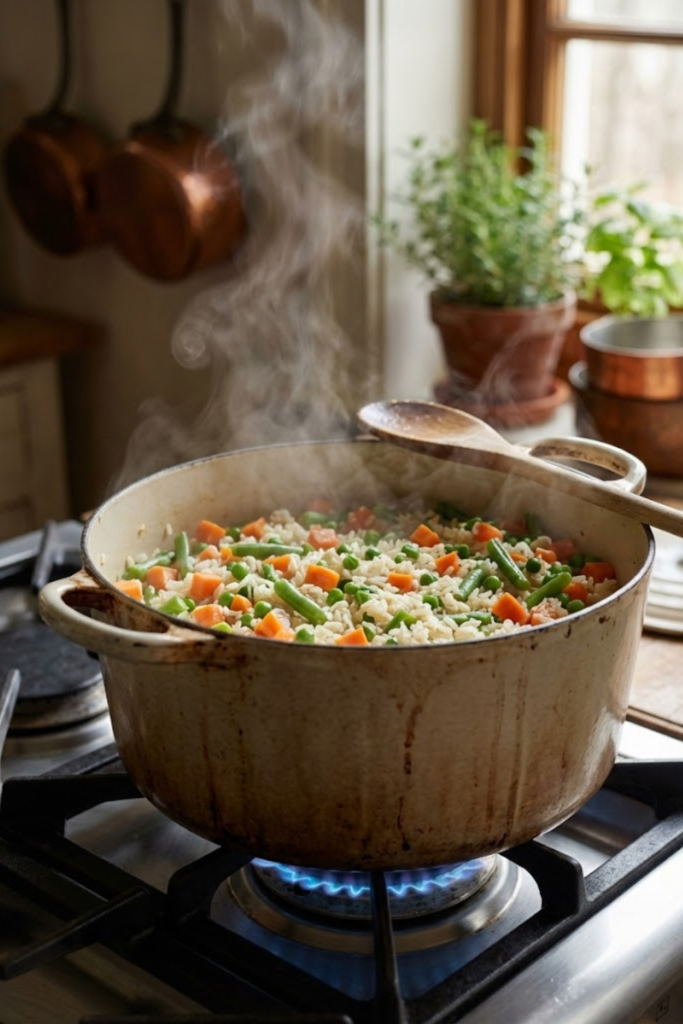
This is the part where I struggle the most because I am naturally a bit impatient. I always want to peek inside the pot to see how things are going. But here is the secret: if you lift that lid, all the steam escapes. That steam is what actually cooks the grain all the way through to the center. Every time you peek, you’re adding minutes to the cooking time and making the texture worse. I tell my students that patience is a virtue, and it really applies here. Once you turn the heat down to a low simmer, just set your timer for about 17 minutes and walk away. Go grade some papers or check your phone, just leave the pot alone!
Broth Over Water Every Time
To make this Spring Vegetable Rice Pilaf recipe really stand out, don’t ever use plain tap water. It is such a wasted chance to add flavor! I always use a good vegetable broth instead. If I have an open bottle of white wine in the fridge, I might even throw a splash of that in first to scrape up the yummy bits from the bottom of the pan. It adds a little bit of acidity that makes the whole dish feel lighter. Just make sure you taste your broth first; if it’s really salty, don’t add more salt to the pot until the very end. You can always add a pinch later, but you can’t take it out once the rice has soaked it all up.
Finishing Touches: Herbs, Zest, and Healthy Fats
We are finally at the best part! You’ve done the hard work of picking the rice and waiting for it to simmer without peeking. Now, we get to make this Spring Vegetable Rice Pilaf recipe really shine. If you just serve the rice straight out of the pot, it’s going to be okay, but it won’t be “wow.” I always tell my students that the last five minutes of any project are usually where you find the most success. It’s the same in the kitchen, too. Adding those final bits of flavor is what makes people ask for the recipe later. If you skip this part, the dish might feel a bit flat, like a lecture with no pictures.
Fresh Herbs are a Game Changer
You really have to use fresh herbs here. Please, I’m beggin’ you, stay away from those dried green flakes in the glass jars for this one. They usually taste like dust and they won’t help us here at all. I love a mix of flat-leaf parsley and mint. I know mint sounds a bit weird in rice, but trust me, it’s so refreshing! Dill is another great choice if you like that sort of thing. I just grab a big handful, chop them up roughly, and fold them in. The heat from the rice will release all those oils and it makes your whole house smell amazing. It’s the easiest way to make a simple meal feel like a real celebration.
The Brightness of Citrus
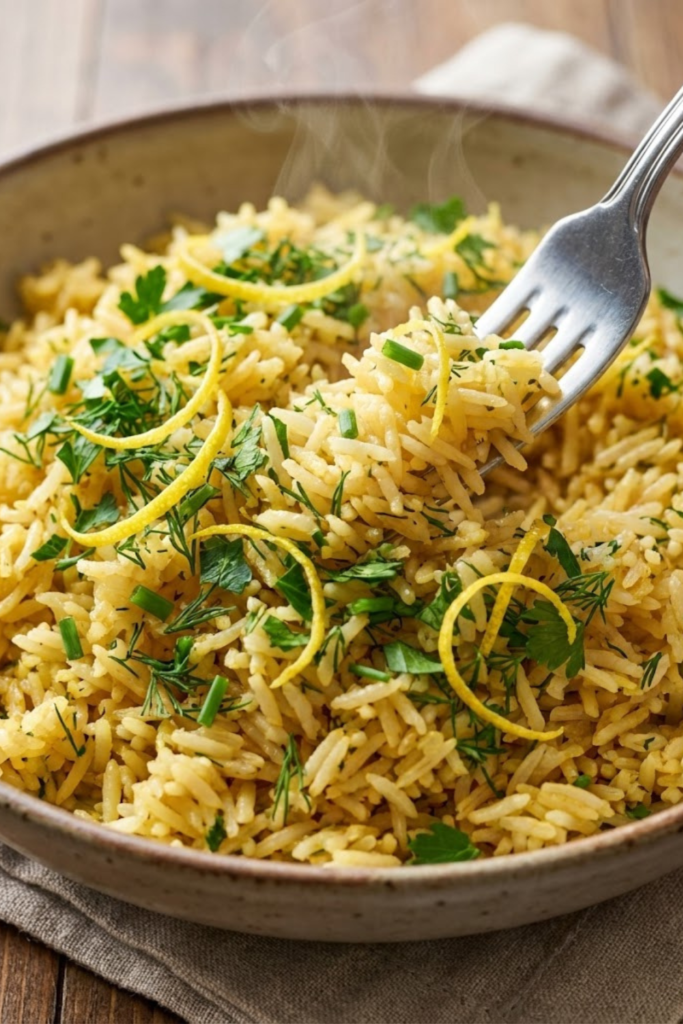
Another thing I never skip is lemon. I use the yellow part of the skin—the zest—and a good squeeze of the juice. It’s kinda like turning on a light in a dark room. The acid from the lemon cuts through the butter and makes the spring veggies taste even fresher. Sometimes if I’m feeling fancy, I’ll even use a lime, but lemon is the classic choice for a Spring Vegetable Rice Pilaf recipe. Just be careful not to get the seeds in there. Nobody wants to bite down on a bitter lemon seed while they’re enjoying their dinner! It ruins the whole vibe.
Give it a Rest and a Fluff
Last thing: let the rice sit for five minutes with the heat off and the lid still on. This lets the moisture even out so every grain is perfect. Then, take a fork—never a spoon—and gently fluff it up. This is when I might add one last tiny piece of butter or a drizzle of really good olive oil. It gives the rice a beautiful shine and makes it feel rich without being heavy. If you want some crunch, toss in some toasted pine nuts or a bit of crumbled feta cheese. Now it’s finally ready to go!
Share the Spring Love!
So, there you have it! This Spring Vegetable Rice Pilaf recipe is really a labor of love, but it’s the kind of love that actually tastes good and makes your body feel happy. I usually make a big double batch of this when I know I’m going to have a super busy week at the school. Between grading essays and going to staff meetings, I don’t always have the energy to cook something from scratch every night. This rice stays good in the fridge for a few days, and honestly, sometimes I think it tastes even better the next day after the flavors have had a chance to sit together and get to know each other. It’s funny how a few simple things like rice and some green veggies can make such a big difference in your mood. When the weather is finally getting warm and the sun is staying out later, having a bowl of this bright, yellow and green rice just feels right.
I remember the first time I brought this specific dish to a faculty potluck. I was so nervous because some of the other teachers are really amazing cooks who make these fancy, complicated meals. I put my bowl on the table next to some heavy potato salads and a big tray of fried chicken. By the end of the lunch, my bowl was completely empty! People kept coming up to me in the hallway asking how I got the rice so fluffy and why the veggies looked so bright instead of grey. It made me feel like I’d actually won a prize or something. That’s the thing about a good Spring Vegetable Rice Pilaf recipe—it’s simple enough for anyone to make on a Tuesday, but it feels special enough for a big party.
If you give this a try, don’t be afraid to make it your own. If you hate peas, just leave them out! If you love extra lemon, go for it and add two. Cooking should be fun, not like a hard test you’re afraid of failing. I’ve spent so many years worrying about doing everything “the right way,” but now I realize that the best meals are the ones where you just relax and enjoy the process. I hope this becomes a staple in your house just like it is in mine. If you liked these tips and want to remember them for later, please save this post and share it on Pinterest so your friends can see it too! It really helps me out, and I love seeing when people actually make the food. Happy spring cooking, everyone! I hope your kitchen smells as good as mine does right now.