I honestly used to think spring vegetables were kind of boring until I almost set my kitchen on fire trying a high-heat roast back in the day. Did you know that roughly 60% of home cooks struggle with getting their veggies “crisp-tender” rather than just mushy?. It’s a real struggle! As a teacher, I’m always telling my students that the best lessons come from messy mistakes. I once served my family a tray of grey, limp asparagus that looked like it had given up on life. But then, I discovered the magic of a high-quality lemon roasted spring vegetables recipe that actually pops with flavor. This dish is all about celebrating the new growth of 2026 with bright citrus and snappy textures. It’s fast, it’s fresh, and it’s going to make you look like a total pro at your next Sunday brunch.
Picking the Best Spring Produce for Success
I used to be that person who just grabbed the first bag of pre-cut veggies I saw at the grocery store. I thought I was saving time, but honestly, I was just making a mediocre dinner. When you are making a lemon roasted spring vegetables recipe, the quality of what you buy is pretty much the whole game. As a teacher, I tell my students all the time that you can’t get an A+ if you start with C- materials. It is the same in the kitchen! Last year, I went to the market and bought these huge, thick asparagus because they were on sale. They looked tough, and boy, they tasted like I was chewing on a literal tree branch. It was a total fail. Now, I have a few rules I follow so I don’t waste my money or my appetite.
The Asparagus Snap Test
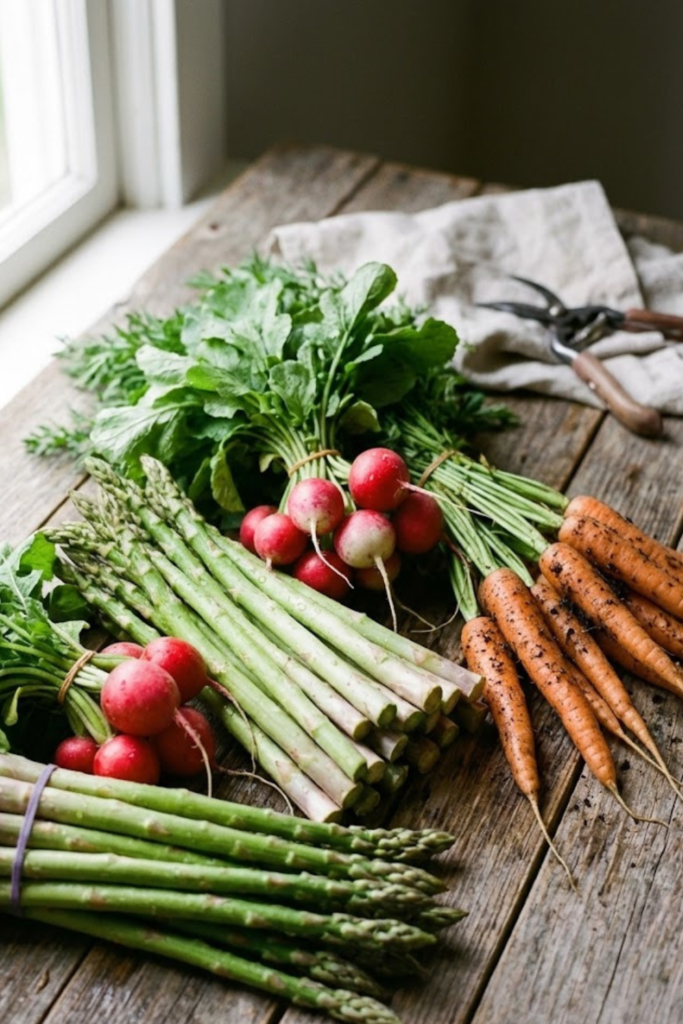
When you’re looking for asparagus, don’t just look at the price tag. Look at the tips. They should be tight and closed, not mushy or flowering. I prefer the medium-sized spears. If they are too thin, they turn into crispy sticks in the oven before the other veggies are even warm. If they are too thick, you have to peel the bottoms, and who has time for that? A cool trick I learned is the “snap test.” If you bend a spear, it should snap cleanly. If it just bends like a rubber band, it is old. Put it back! You want that fresh, snappy sound.
Why Radishes are a Game Changer
Most people think radishes are just for salads, but they are so good when they get roasted. When you pick them out, look for ones that are firm and heavy for their size. If they feel a bit squishy, they are probably hollow or “pithy” inside, which is gross. I like to find the ones with the bright green tops still attached. It is a good sign that they haven’t been sitting in a crate for three weeks. Plus, the smaller ones are usually sweeter. When they hit that high heat in the oven, that spicy bite they have turns into a mellow, buttery flavor that is actually kind of amazing.
Don’t Ignore the Greens
For the carrots and leeks, I always go for the ones that look like they just came out of the dirt. For a lemon roasted spring vegetables recipe, baby carrots with the green stems still on are the best. They have a way better flavor than the ones that come in those little plastic bags filled with water. And for the leeks, look for the ones that are mostly white and light green. The dark green parts are way too tough to eat, so don’t pay for weight you aren’t going to use! Buying fresh might take an extra five minutes, but your taste buds will thank you later.
My Secret Lemon Garlic Vinaigrette
I used to think that making a dressing was just about pouring oil on things and hoping for the best. I was so wrong! One time, I tried to make this lemon roasted spring vegetables recipe for a faculty potluck, and I just squeezed lemons over the pan and tossed it in. It was a watery mess. The vegetables didn’t roast; they basically boiled in lemon water. It was embarrassing, especially since I’m supposed to be the one who knows how to follow directions. Since then, I’ve learned that the magic is in the mix. You have to treat the vinaigrette like a little science experiment. It’s the glue that holds all those fresh flavors together, and if you mess it up, the whole dish feels flat.
Fresh Zest is the Real Secret
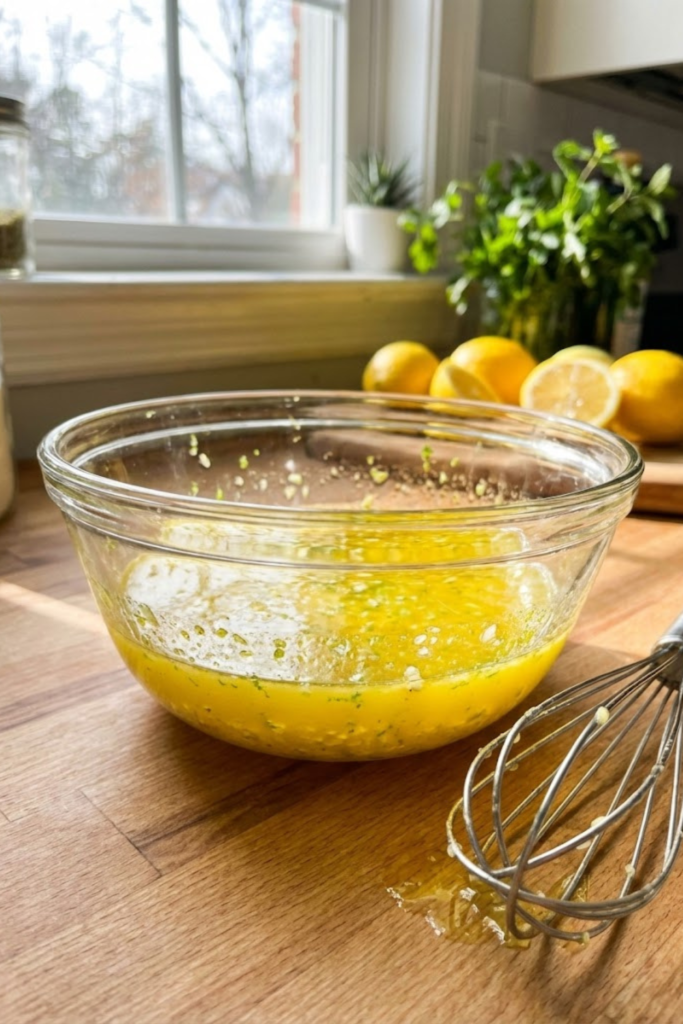
Most people just go for the juice, but the zest is where the punch lives. If you use the yellow part of the skin, you get that bright citrus smell without all the extra liquid that makes things soggy. I learned this the hard way after a very mushy batch of asparagus back in the day. Now, I use a microplane to get every bit of that yellow skin. Just don’t go too deep into the white part, because it gets bitter. I usually tell my students that the zest is the “volume knob” for flavor. If you want it loud, you need more zest. I use about two whole lemons for one tray of vegetables. It might seem like a lot, but trust me, it is what makes people ask for the recipe.
The Balance of Oil and Garlic
Getting the oil right is the next step. You want a good olive oil that tastes rich, but don’t drown the poor veggies. I usually go for a half-cup for a big sheet pan. If you use too little, the garlic will burn. Speaking of garlic, I used to just toss big chunks on the pan. They would always turn into little black rocks that tasted like charcoal. Now, I mince it really fine and whisk it right into the oil and lemon juice. This way, the garlic gets coated in oil, which protects it from the high heat of the oven. It infuses the oil so every bite of carrot or leek has a bit of that garlicky goodness.
Why Whisking Matters
Don’t just pour the ingredients one by one over the vegetables. Take an extra minute to whisk them in a small bowl first. This creates a mix where the oil and juice stay together. When the dressing is mixed well, it sticks to the vegetables instead of just running off to the bottom of the pan. I once skipped this step because I was in a rush, and half my veggies were dry while the rest were sitting in a puddle. It was a big mistake! Now, I make sure every piece of produce is shiny and coated before it ever touches the heat. It makes a huge difference in how the flavors hit your tongue.
Common Mistakes When Roasting Veggies
Making mistakes in the kitchen is just part of the job when you’re a teacher or a parent. I’ve probably failed at roasting vegetables more times than I’ve actually succeeded. It’s funny because it seems so simple, right? You just put them in the oven and wait. But I’ve ended up with soggy piles of mush that nobody wanted to touch more times than I’d like to admit. If you want your lemon roasted spring vegetables recipe to actually taste like something from a restaurant, you have to watch out for a few traps that I fell into. Most of these are easy to fix once you know what to look for.
Stop Overcrowding the Pan
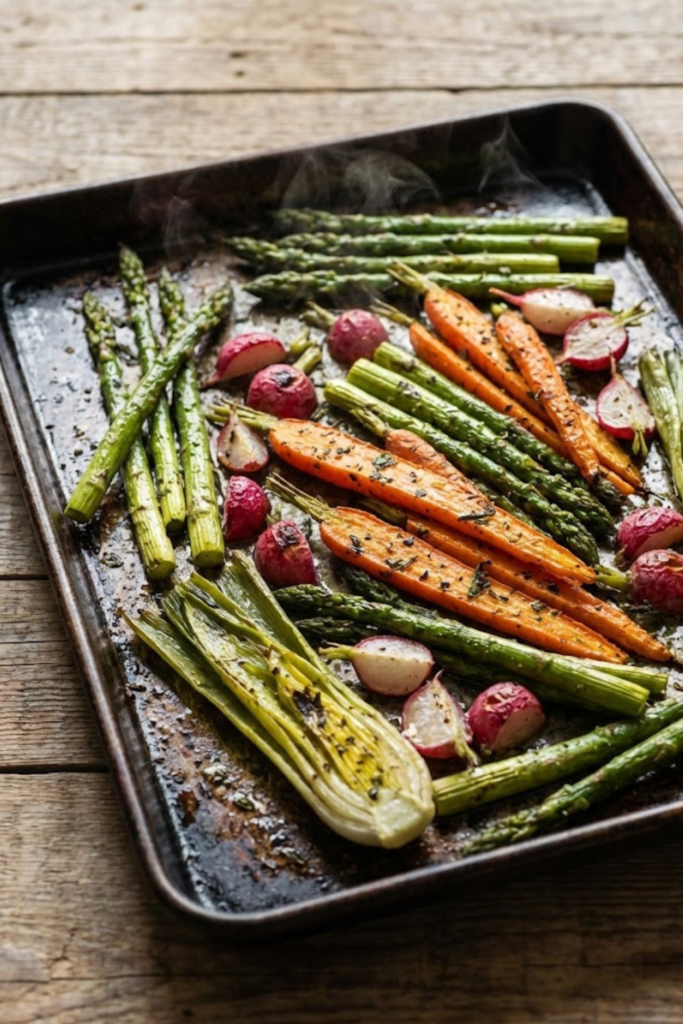
This is the number one mistake I see people make. I used to do it too! I’d try to fit every single asparagus spear and radish onto one tray because I didn’t want to wash two pans. That is a huge error. When the vegetables are all piled on top of each other, they release steam. Instead of roasting and getting those brown, crispy edges, they just sit there and boil in their own juices. It makes them soft and sad. Now, I make sure there is plenty of space between every piece. If I have a lot of food, I just use two pans. It’s better to do more dishes than to eat soggy carrots.
The Oven Temperature is Key
I used to be afraid of high heat. I thought 350 degrees was the safe bet for everything. But for a good roast, that’s just too low. If the oven isn’t hot enough, the veggies will cook all the way through before the outside gets any color. You want a blast of heat to caramelize the sugars and get that golden look. I set my oven to at least 425 degrees now. I learned this after a dinner party where my leeks looked like they had been boiled in a pot. High heat gives you that char and that deep flavor that makes the lemon pop. Just keep an eye on them so they don’t turn into charcoal!
Watch the Timing for Different Veggies
Not all spring vegetables are the same. A thin asparagus spear is going to cook much faster than a thick baby carrot or a potato. I used to just throw everything in at once and hope for the best. Big mistake. Half the tray would be burnt while the other half was still raw. Now, I either cut the harder vegetables smaller or I add the quick-cooking ones halfway through. It takes a bit more effort, but it means everything finishes at the exact same time. It’s a little trick that saves the whole meal and makes you look like a pro.
Serving Suggestions for a Spring Feast
I’m always telling my students that the presentation of a project matters just as much as the research inside. If you turn in a paper with coffee stains, it doesn’t look great, even if the writing is genius. Food is the exact same way! You’ve put all this work into your lemon roasted spring vegetables recipe, so you shouldn’t just dump them into a bowl and call it a day. I remember one time I was so tired after a long day of work that I just threw the roasted veggies on a plate next to some cold leftover pizza. It was such a weird mix and it totally ruined the fresh vibe of the spring greens. Now, I try to put a little bit of thought into how I bring these to the table. It makes the meal feel like a special event instead of just another weeknight chore. Presentation really helps you appreciate the hard work you did in the kitchen.
The Power of Salty Toppings
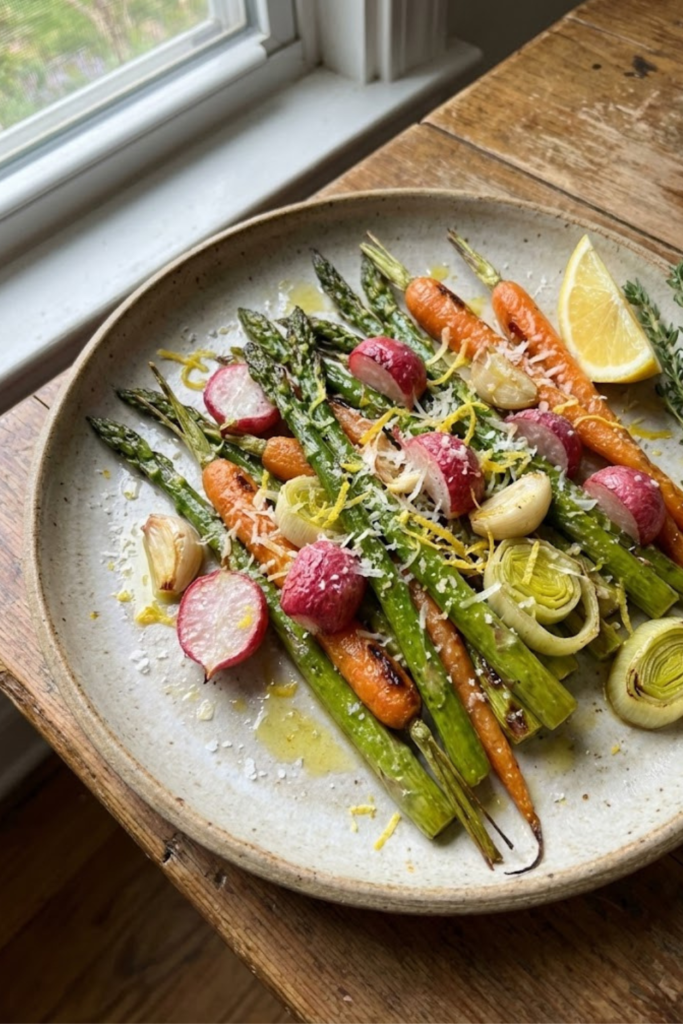
One thing I’ve learned from years of feeding a hungry family is that a little bit of cheese can fix almost anything. Once these veggies come out of the oven, I love to sprinkle them with some shaved parmesan or crumbled feta. The saltiness of the cheese really brings out the zing of the lemon juice. I once tried to use a very cheap, canned cheese powder because I was out of the good stuff, and it was a total disaster. It tasted like chemicals! Now I keep a block of real parmesan in the fridge just for this. If you want a dairy-free option, a sprinkle of toasted pine nuts or some flaky sea salt also works wonders. It gives that little extra crunch that makes everyone reach for seconds. My kids will eat almost any vegetable if there is a bit of cheese on top.
Finding the Right Main Dish
These vegetables are the stars, but they still need a good supporting cast. I usually serve them with a simple grilled chicken breast or maybe a piece of pan-seared salmon. The light flavor of the fish goes so well with the lemon and garlic. My kids actually like it when I toss the roasted vegetables directly into a bowl of pasta with some extra olive oil. It’s an easy way to get them to eat their greens without a fight. I remember one dinner where I served them with a heavy beef stew, and it just didn’t work. The flavors were fighting each other! Stick to lighter meats or simple grains so the spring flavors can really shine through without being buried.
What to Do With Leftovers
If you actually have leftovers, you have to be careful. I’ve made the mistake of putting roasted asparagus in the microwave the next day, and it turned into a soggy, grey mess that looked like wet grass. It was gross! If you want to keep that nice texture, put them back on a pan in the oven for five minutes. Or, if you have an air fryer, that works even better. It crisps them right back up. Sometimes I’ll even chop up the cold leftovers and put them in a big salad for lunch. It’s a great way to use up every bit of that hard work without feeling like you’re eating “old” food. Just avoid that microwave at all costs or you will regret it the second you take a bite.
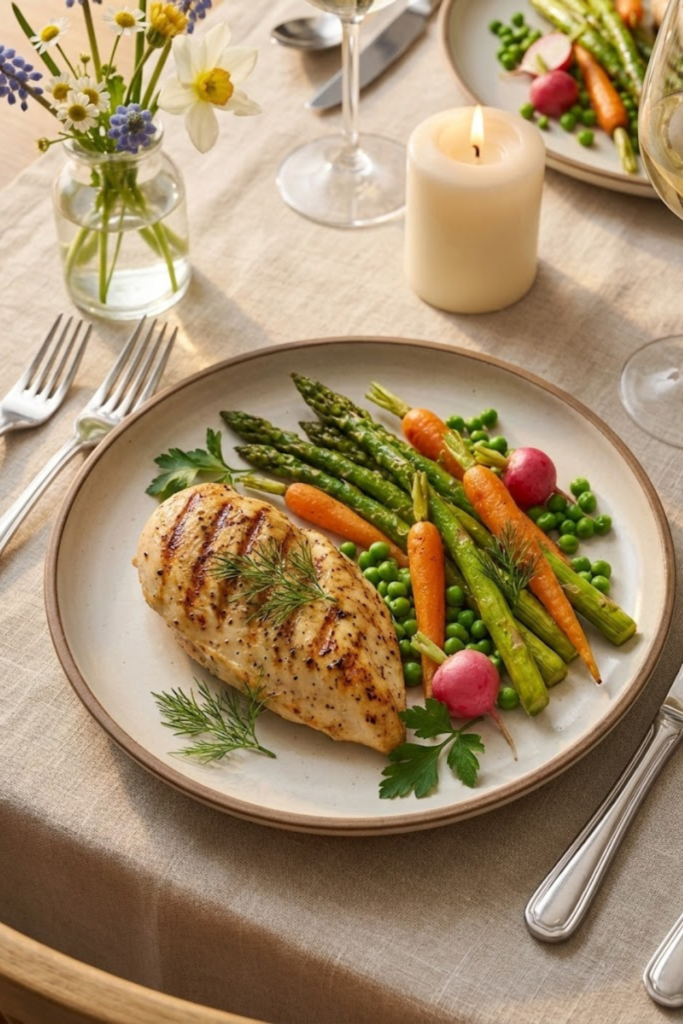
Bringing it All Together for Your Spring Table
I really hope this guide helps you feel more confident about making this lemon roasted spring vegetables recipe. For a long time, I was pretty scared of the oven. I thought I would just burn everything or make a huge mess that would take hours to clean up. But as I’ve learned from years of teaching, the only way to get better at something is to just dive in and try it. Even if your first batch is a little bit charred or your leeks are a bit too soft, you are still learning! That is the most important part of being in the kitchen. It is about the process and the fun of trying something new for your family or your friends.
Cooking with the seasons is such a great way to feel connected to the time of year. There is something really special about seeing those first bunches of asparagus or those bright pink radishes show up at the store in 2026. It makes me feel like winter is finally over and we can start enjoying fresh, bright flavors again. When you use that lemon zest and the fresh garlic, your whole house starts to smell amazing. It is way better than any candle you could buy! I’ve had neighbors knock on my door just to ask what I was roasting because the smell of citrus and garlic is just that good.
If you are still feeling a little bit nervous, just remember my two biggest tips: don’t crowd that pan and use a high heat. If you do those two things, you are already halfway to a perfect side dish. You don’t need to be some fancy chef with expensive tools to make a meal that people will love. Just a simple sheet pan, some fresh produce, and a little bit of patience will do the trick. I’ve seen people who say they “can’t cook” make this dish and be totally shocked at how good it turned out. You have got this!
I would love to hear how your roasted veggies turned out. Did you add the cheese? Or maybe you found a different vegetable that worked really well? Let me know! And if you found these tips helpful, please share this post on Pinterest. It helps other people find these easy recipes, and it lets me know that I’m actually helping you guys out in the kitchen. Happy roasting, and I hope your spring is off to a delicious start!