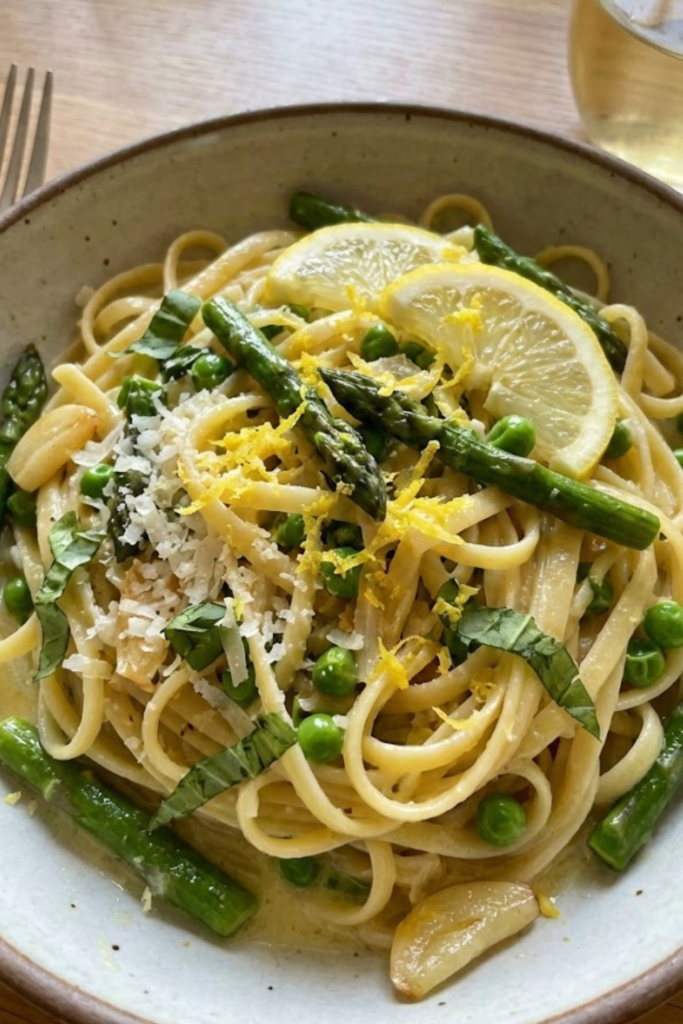
Can you believe 2026 is already flying by? I swear, the moment the first daffodils pop up, my cravings shift instantly from heavy winter stews to bright, zesty flavors! That’s exactly where this vegetarian lemon pasta spring recipe comes in to save the day. It is literally sunshine on a plate.
Did you know that the scent of lemon can actually boost your mood and reduce stress? It’s true! We are going to dive into a bowl that is creamy yet light, and totally doable for a busy weeknight. I’ve made this dish a hundred times, and it never fails to impress. Whether you are a strict vegetarian or just looking for a killer Meatless Monday option, get your fork ready. Let’s bring the taste of the tropics right into your kitchen!
Gathering Fresh Ingredients for Your Zesty Lemon Pasta
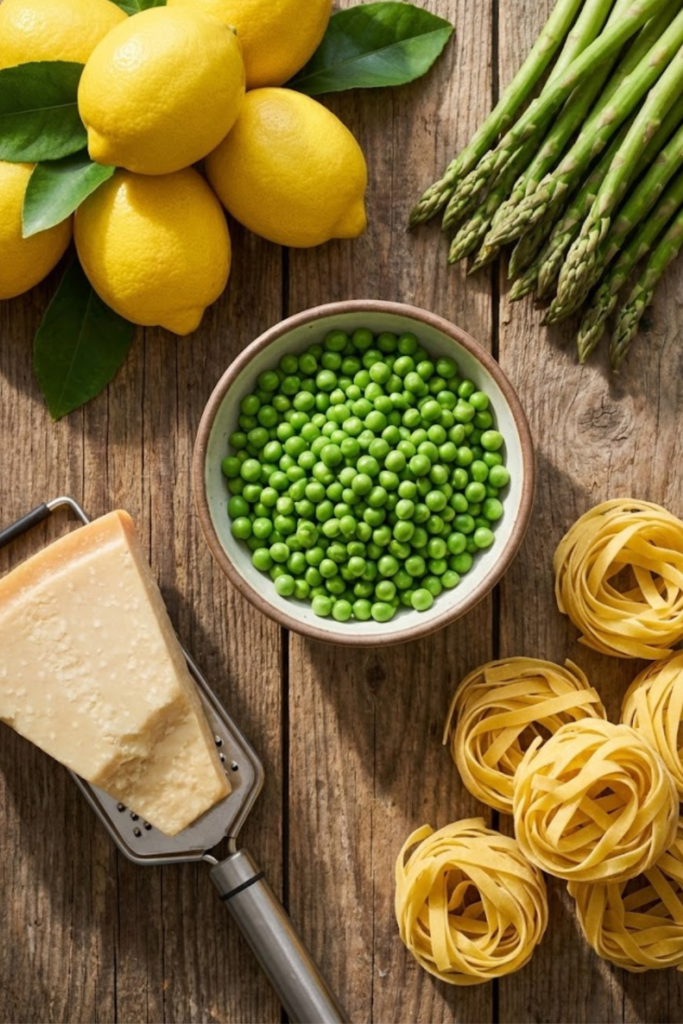
I still remember the first time I tried to make a vegetarian lemon pasta spring recipe for a dinner party. I was rushing through the grocery store, grabbing whatever looked half-decent, and let me tell you, it was a disaster. The lemons were hard as rocks, and the asparagus was so limp it looked like it had given up on life. I learned the hard way that when you’re cooking with simple ingredients, there is nowhere to hide. You gotta pick the good stuff or the whole dish falls flat.
Picking the Perfect Pasta Shape
You might think any old noodle will do, but hear me out. For this sauce, you want something that’s gonna hold onto that liquid gold.
I usually grab linguine or spaghetti. The long strands get perfectly coated in the lemon butter sauce, making sure every bite is flavorful. But, if I’m being honest, sometimes I use fusilli or rotini. Why? Because those little spirals are like pockets that catch the peas and zest.
If you have kids, the spirals are way easier for them to eat without making a huge mess. Just don’t use angel hair; it turns into a mushy ball of sadness way too fast.
The Lemon Lowdown
Okay, this is the hill I will die on: buy unwaxed, organic lemons.
Most regular lemons are coated in this shiny wax to make them look pretty and last longer, but it tastes awful when you zest it. Since we are using a ton of zest in this vegetarian lemon pasta spring recipe, you don’t want that bitter, waxy aftertaste.
If you can only find the shiny ones, scrub them under hot water with a veggie brush like your life depends on it. You need that bright, essential oil smell to really pop.
Snapping Up Spring Veggies
When it comes to asparagus, I used to just grab the bunch with the thickest stalks, thinking I was getting more for my money. Big mistake.
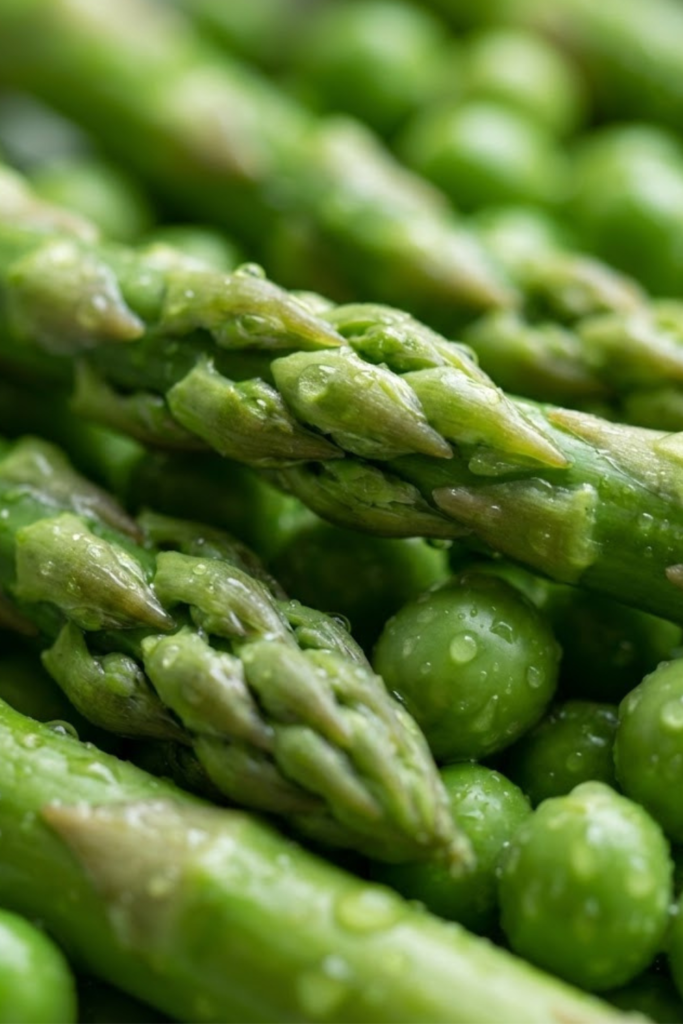
For pasta, you want the thin, tender stalks. They cook faster and have a sweeter crunch. Do the snap test right there in the store—grab a stalk and bend it. If it snaps cleanly, buy it. If it bends like rubber, put it back.
For the peas, fresh is amazing if you have the patience to shell them. I usually don’t. A bag of frozen sweet peas is totally fine and honestly, they are frozen at peak freshness anyway. Just don’t buy the canned stuff; it’s too mushy for this fresh dish.
Don’t Skimp on the Fat
We are making a sauce that is basically water, lemon juice, and fat. So, the fat needs to taste good.
Please, I’m begging you, use real butter. Unsalted is best so you can control the salt level yourself. I once used margarine because it was all I had in the fridge, and the sauce broke into a greasy, oily mess. It was heartbreaking.
You also need a splash of good extra virgin olive oil. It adds that grassy, peppery kick that balances out the sour lemon. You don’t need the most expensive bottle in the shop, but don’t use the stuff you cook your eggs in either.
Getting these ingredients right is half the battle. Once you have them on the counter, you’re practically halfway to a killer dinner.
Mastering the Creamy Lemon Garlic Butter Sauce
This part right here is where the magic happens. Honestly, for the longest time, my pasta was dry and sad because I didn’t know about the sauce. I thought you just dumped butter on top and called it a day. Nope. To get that restaurant-style vegetarian lemon pasta spring recipe vibe, you have to build the sauce properly. It’s easier than you think, but you gotta pay attention.
The “Liquid Gold” Technique
If you learn one thing from me today, let it be this: do not pour all your pasta water down the drain! We call that salty, cloudy water “liquid gold” for a reason.
When the pasta cooks, it releases starch into the water. That starch is what helps your oil and lemon juice mix together into a smooth sauce instead of separating. Before I drain my noodles, I always dunk a coffee mug in the pot and scoop out about a cup of water. You might not use all of it, but trust me, you will want it handy. It’s the glue that holds the whole dish together.
Don’t Burn the Garlic!
There is nothing—and I mean nothing—worse than the taste of burnt garlic. It ruins the whole pot.
When you start your sauce, keep the heat on low or medium-low. Add your olive oil and butter, and once it bubbles, toss in the minced garlic. You only want to cook it for like, 30 seconds to a minute. Just until you can smell it really good. If it starts turning dark brown, you’ve gone too far. I’ve definitely had to scrape a pan out and start over because I got distracted by the dog. It happens. Just keep an eye on it.
Mixing the Acid and Fat
Now, here is the science part (sorry, teacher habit!). You are trying to mix lemon juice (acid) with butter and oil (fat). Usually, they don’t like each other.
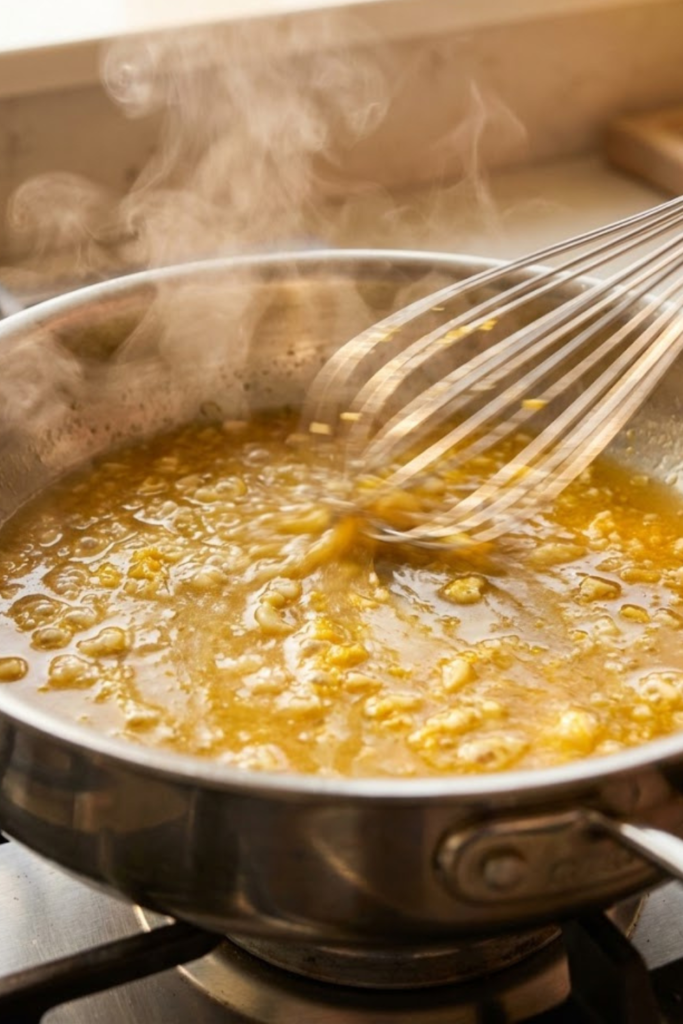
To make them friends, you add that reserved pasta water and whisk it fast. I usually add the lemon juice to the garlic butter, let it sizzle a bit, then pour in a splash of the pasta water. Then I turn off the heat and whisk in cold butter cubes at the end. This makes the sauce glossy and thick enough to coat the back of a spoon. It shouldn’t look oily; it should look creamy, even without cream.
To Cream or Not to Cream?
Speaking of cream, this is totally up to you.
The traditional Italian way usually skips heavy cream. It relies on the cheese and butter for richness. But look, it’s 2026, and we make our own rules. Sometimes, if I had a long week, I add a splash of heavy cream or a spoonful of mascarpone cheese right at the end. It makes the vegetarian lemon pasta spring recipe super indulgent.
If you want to keep it lighter and fresher, skip it. If you want a comfort meal that puts you to sleep (in a good way), add the cream. I wont judge!
Incorporating Crunchy Spring Vegetables for Texture
I think what really makes this vegetarian lemon pasta spring recipe pop is the texture. You have the soft noodles and the creamy sauce, so you really need something crunchy to break it up. If everything is mushy, it feels like baby food, and nobody wants that for dinner.
Blanching vs. Sautéing
Okay, real talk: I used to just throw raw asparagus into the pan with the garlic. Bad move. It ended up either burned on the outside and raw in the middle, or just totally soggy.
For this recipe, I actually prefer blanching. That’s just a fancy word for boiling the veggies for a minute or two. It keeps them bright green and crisp.
You don’t even need a separate pot! I toss the chopped asparagus and peas right into the pasta water during the last few minutes of cooking. It saves me from washing another pan, which is a win in my book. If you really want that charred flavor, you can sauté them separately in a little olive oil, but honestly, blanching is faster and easier.
Timing is Everything
You have to watch the clock here. If you throw the veggies in too early, they turn into brown mush.
I usually wait until the pasta has about 3 minutes left. So if the box says “cook for 10 minutes,” I set a timer for 7 minutes. When it beeps, I dump the asparagus and peas in.
By the time the pasta is perfectly al dente (that means it still has a little bite to it), the veggies are done too. Drain it all together, and you are good to go.
Adding Leafy Greens
If you want to sneak in even more veggies, this is the time to do it.
Sometimes I grab a handful of baby spinach or arugula from the fridge. You don’t need to cook these at all. Just throw them into the colander (that’s the strainer thingy) right before you pour the hot pasta and water over it. The heat from the water is enough to wilt the greens perfectly.
It adds a nice peppery bite, especially the arugula. Plus, it makes me feel better about eating a giant bowl of carbs.
Herbal Finish
Don’t—and I repeat, do not—cook your fresh herbs!
I see people throwing fresh basil into the boiling water all the time, and it just turns black and slimy. Save the fresh herbs for the very end.
Chop up your basil, parsley, or mint while the pasta is cooking. Sprinkle it on top right before you serve it. The heat from the pasta will release the smell without killing the flavor. It makes the whole kitchen smell like a garden, which is exactly the vibe we are going for with this vegetarian lemon pasta spring recipe.
Customizing Your Bowl: Proteins and Vegan Swaps
One of the reasons this vegetarian lemon pasta spring recipe is a staple in my house is because it’s so easy to switch up. Sometimes I follow the recipe exactly, but other times I just toss in whatever is leftover in the fridge. It’s almost impossible to mess up, even if you are totally winging it.
Toasted Nuts for Crunch
If you feel like the pasta is a little too soft, you need some crunch. I almost always add nuts on top.
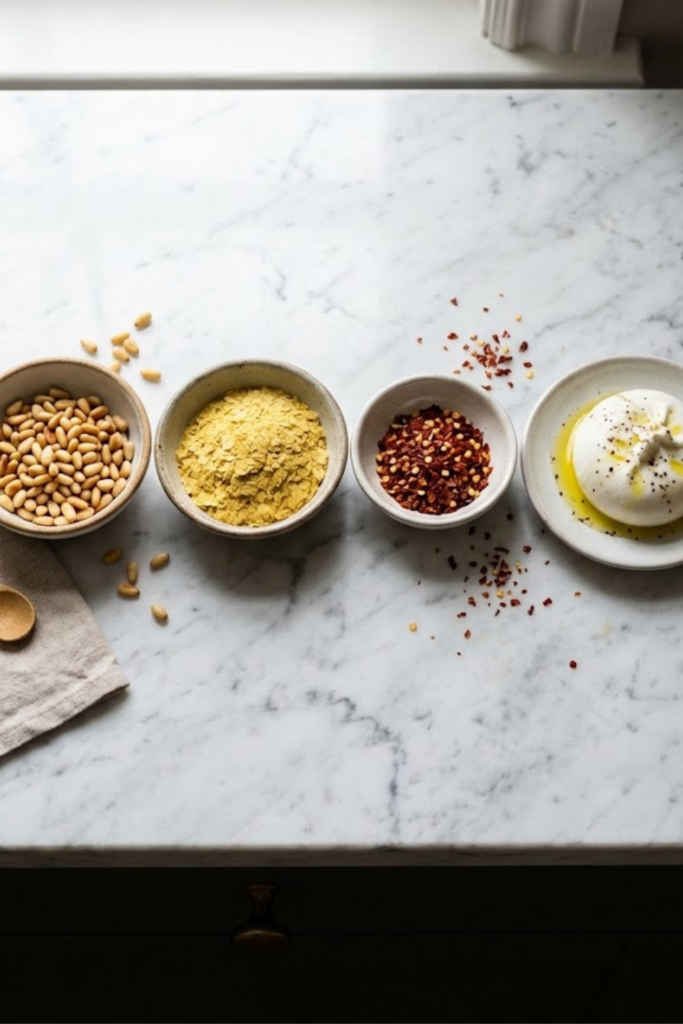
Pine nuts are the classic choice, but holy cow, have you seen the price of them lately? I refuse to pay that much. Instead, I usually grab a handful of walnuts or pistachios. I chop them up roughly and throw them in a dry pan (no oil!) on medium heat for just a couple of minutes. You have to watch them like a hawk though—nuts go from perfect to burnt in literally seconds. When they start to smell toasty, take them off the heat immediately. That little bit of crunch makes the whole dish feel fancy.
Cheese Variations
We talked about parmesan earlier, but honestly, you can use whatever hard cheese you have.
Pecorino Romano is a great swap if you want something a little saltier and sharper. It’s made from sheep’s milk and has a really strong flavor, so you don’t need to use as much.
If I’m feeling like treating myself, I’ll buy a ball of fresh Burrata. It’s basically mozzarella with cream inside. I tear it open right on top of the hot pasta, and the creamy inside melts all over everything. It is dangerously good. Just make sure the pasta is still hot when you do it.
Protein Boost
Sometimes just pasta and veggies doesn’t fill me up. If I had a long day at school or did a workout, I need some protein.
Since this is a vegetarian dish, I usually open a can of chickpeas or white beans (cannellini beans are the best). I rinse them really well and toss them in with the pasta for the last minute of cooking just to warm them up. They add a nice creamy texture without overpowering the lemon flavor.
If you eat eggs, a poached egg right on top is amazing. When you break the yolk, it mixes with the lemon sauce and creates this rich, creamy mess that is just… wow.
Making it Vegan
I have a few friends who are strictly vegan, and this vegetarian lemon pasta spring recipe is super easy to adapt for them.
Instead of butter, I use a high-quality plant-based butter block. Do not use the tub margarine—it’s too watery. Use the sticks that are meant for baking.
For the cheese, nutritional yeast is your best friend. It has a cheesy, nutty flavor that works really well with the lemon. Or, you can make a quick “parmesan” by pulsing cashews, nutritional yeast, and salt in a blender. It sounds weird, but the texture is spot on. And obviously, skip the cream if you were thinking about using it, or use a splash of full-fat coconut milk instead. Just be careful with the coconut milk, as it can make the pasta taste a little tropical if you use too much.
Plating and Serving Your Vegetarian Pasta Masterpiece
Okay, we’ve done the hard part. The sauce is creamy, the veggies are perfectly cooked, and the pasta is ready to go. Now, let’s make it look like something you’d pay $25 for at a restaurant. It’s all about the presentation, baby!
The Twirl Technique
You know how in fancy photos the pasta is piled up high in a perfect little nest? It’s actually super easy to do.
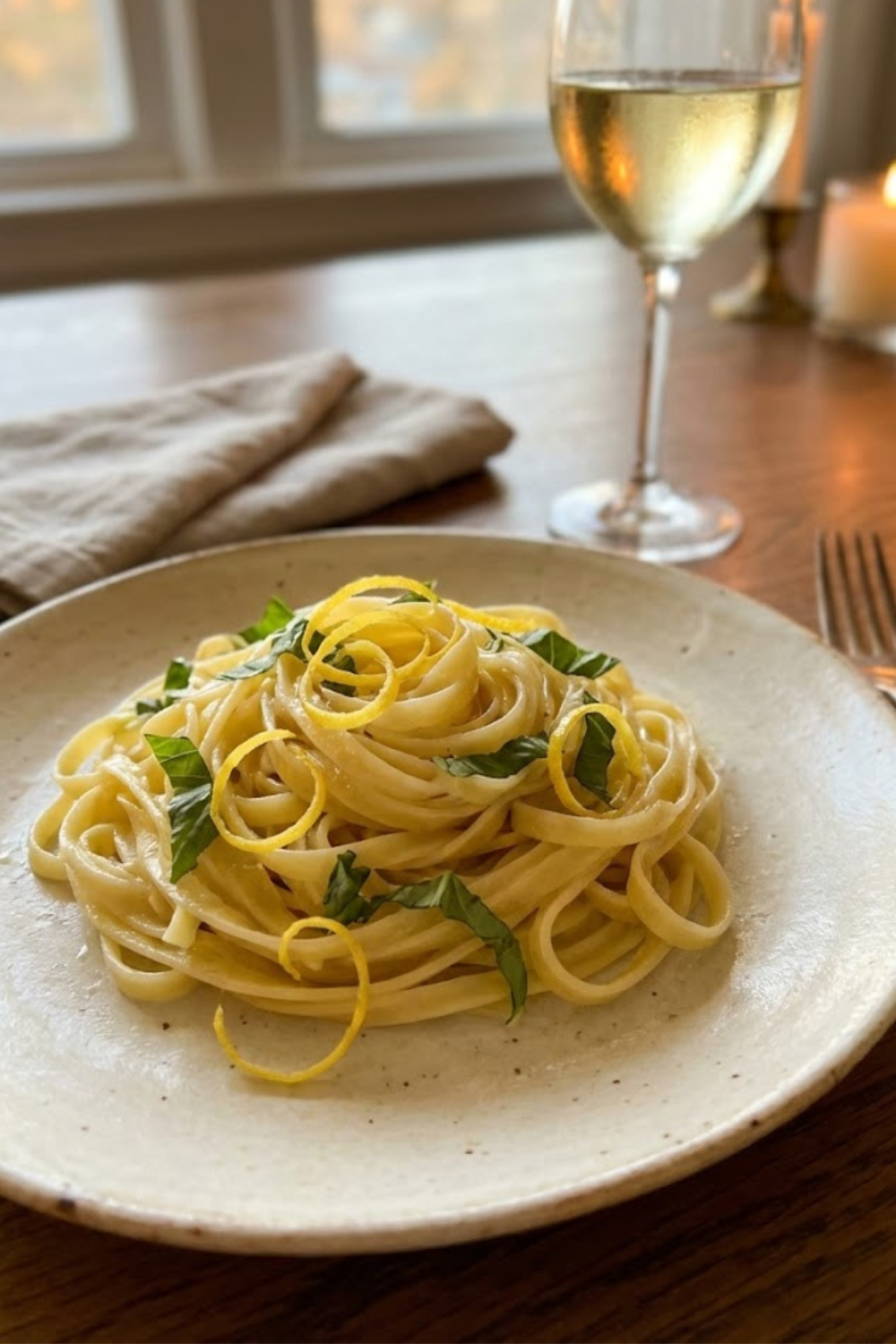
Grab a ladle in one hand and a carving fork (or just a regular big fork) in the other. Scoop up some pasta with the fork, then twirl it inside the ladle until it’s a tight little ball. Carefully slide it onto the plate. Boom. Height! It makes the dish look way more impressive than just dumping it on there. Plus, it keeps the heat in longer so your vegetarian lemon pasta spring recipe stays warm while you get everyone to the table.
Garnishing for the ‘Gram
We eat with our eyes first, right? Even if it’s just me eating leftovers in my sweatpants, I like it to look good.
Take that extra lemon you didn’t zest earlier and grate a little fresh zest right over the top. It adds a pop of bright yellow color and a fresh lemon scent that hits you right before you take a bite. Then, crack some coarse black pepper over it. Not the pre-ground dust—get a grinder. The big flecks of pepper look cool and add a nice spicy kick. Finally, drizzle just a tiny bit of your good olive oil over the whole thing. It makes it shine.
Wine Pairing
Now, I’m not a sommelier, but I know what I like. Since this dish has so much acidity from the lemon, you need a wine that can stand up to it.
A crisp Pinot Grigio or a Sauvignon Blanc is perfect. They are both light and zesty, just like the pasta. Stay away from heavy, oaky Chardonnays—they will taste weirdly bitter with the lemon. If you don’t drink alcohol, a sparkling water with a slice of lime is just as refreshing.
Leftover Storage
Here is the sad truth: pasta is never as good the next day. The noodles soak up all the sauce and get kind of gummy.
But, we don’t waste food in this house! If you have leftovers, store them in an airtight container in the fridge for up to 3 days. When you reheat it, don’t just zap it in the microwave. Put it back in a pan on the stove with a splash of water or veggie broth. The liquid will help bring the creamy sauce back to life. It won’t be quite the same as fresh, but it’s still a pretty solid lunch.
So there you have it! My go-to vegetarian lemon pasta spring recipe that has saved me on more busy weeknights than I can count. It’s fresh, it’s fast, and it honestly tastes like spring on a plate. Whether you are cooking for a date, your family, or just treating yourself, this dish is a winner.
I really hope you give it a try. If you do, please let me know how it turned out! I love hearing about your kitchen adventures. And hey, if you liked this recipe, do me a huge favor and pin it to your Spring Dinner board on Pinterest. It helps other people find it, and it helps me keep sharing these recipes with you. Happy cooking!