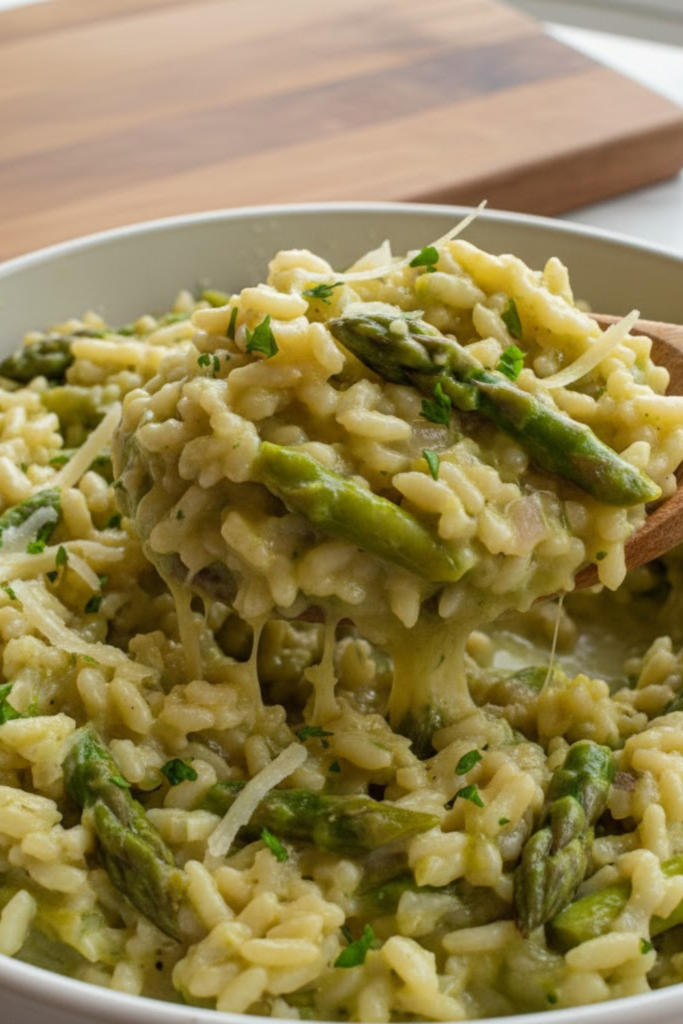
Did you know that over 70% of home cooks feel intimidated by the “constant stirring” myth of risotto? I used to be one of them! Honestly, I once turned a beautiful bunch of farmer’s market asparagus into mush because I was too scared to stop stirring. But listen, making a killer Spring Vegetable Risotto with Asparagus recipe is actually therapy in a pan once you get the hang of it. It’s all about that vibrant, fresh crunch of spring greens meeting the velvety soul-hug of Arborio rice. Let’s dive into how to make this seasonal masterpiece without the stress!
I remember standing over the stove for forty minutes straight, my arm actually shaking, thinking if I stopped for even a second the whole thing would explode or something. My husband finally had to come into the kitchen and tell me to take a breath! Now I realize that those little bubbles and the slow steam are just part of the magic, not something to be afraid of. You don’t need to be a professional chef to get that perfect, creamy texture that makes everyone at the table go quiet after the first bite. It’s really just about being patient and enjoying the smell of the shallots and wine filling up your home.
Picking the Perfect Asparagus and Spring Greens
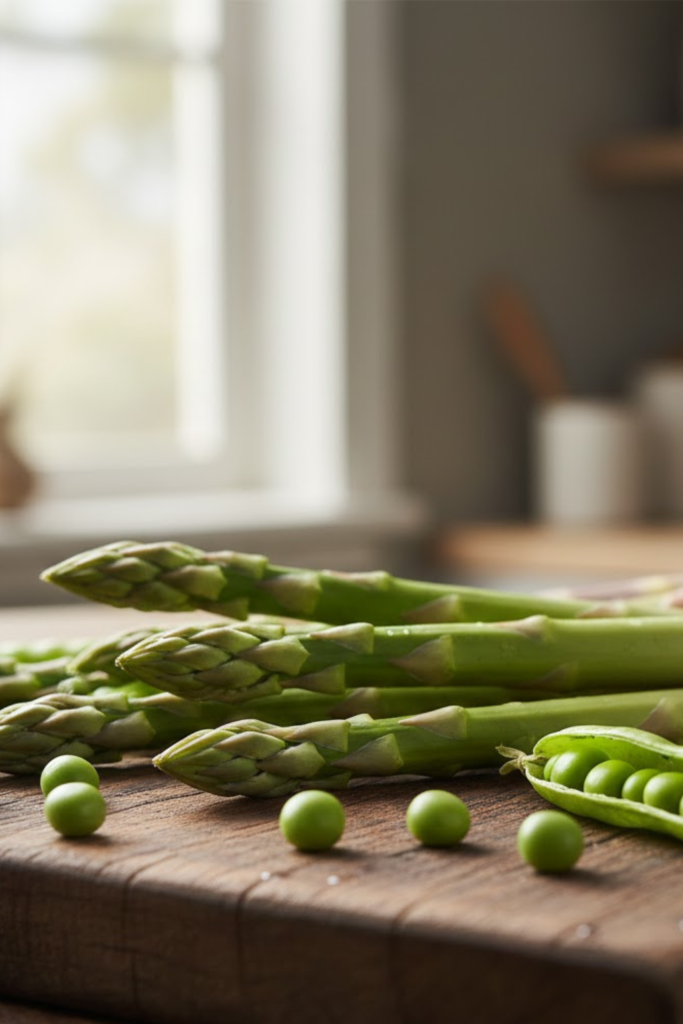
Let’s talk about the green stuff, because picking bad veggies is the fastest way to ruin a Spring Vegetable Risotto with Asparagus recipe. I remember this one time I went to the store in a rush. I grabbed the thickest, fattest asparagus I could find because I thought “more is better,” right?.
Wrong! Those things were so woody and tough I felt like I was chewing on a No. 2 pencil.
The Snap Test is Real
When you’re at the store or the farmer’s market, you gotta be that person who touches the food. Take a stalk and try to bend it near the bottom. If it bends like a wet noodle, put it back!.
It should snap loud and clear, just like a twig. I once bought a whole bunch of limp asparagus because they were on sale for 99 cents. I thought I could save them with enough butter.
Nope! They stayed stringy and sad, and I ended up picking fibers out of my teeth for an hour. Now, I only buy the thin or medium ones for my risotto because they cook way faster and stay tender.
Don’t Forget the Peas and Herbs
Spring isn’t just about the asparagus, though it’s the star of the show. I love throwing in some fresh peas too. If you can find them in the pod, it’s worth the extra ten minutes to shell them while watching TV.
Frozen peas are okay in a pinch, but they don’t have that “pop” that fresh ones do. One thing I learned the hard way is to wait on the herbs. I used to dump my parsley and mint in at the start.
By the time the rice was done, the herbs were brown and tasted like nothing. Now I wait until the very end, after I’ve turned off the stove, to fold them in. It keeps the flavor bright and punchy, just like a spring morning.
The Cleanup Hack
Cleaning asparagus can be a pain if you don’t know the trick. Don’t waste time cutting them one by one. Line them all up on your board and slice off the bottom inch all at once.
If they’re extra thick, you can use a vegetable peeler on the bottom half of the stalk. It makes them look fancy, like you actually know what you’re doing in a professional kitchen!.
The Secret to Creamy Rice Without the Arm Workout
Let’s talk about the rice, because it’s basically the heart of the whole operation. I used to think you needed a gym membership just to stir a pot of Spring Vegetable Risotto with Asparagus recipe, but that’s just not true! One time, I tried making this with regular long-grain white rice because I was too lazy to go to the store. Big mistake. Huge. It turned into a weird, watery soup that tasted like sadness.
Why Arborio is Your Best Friend
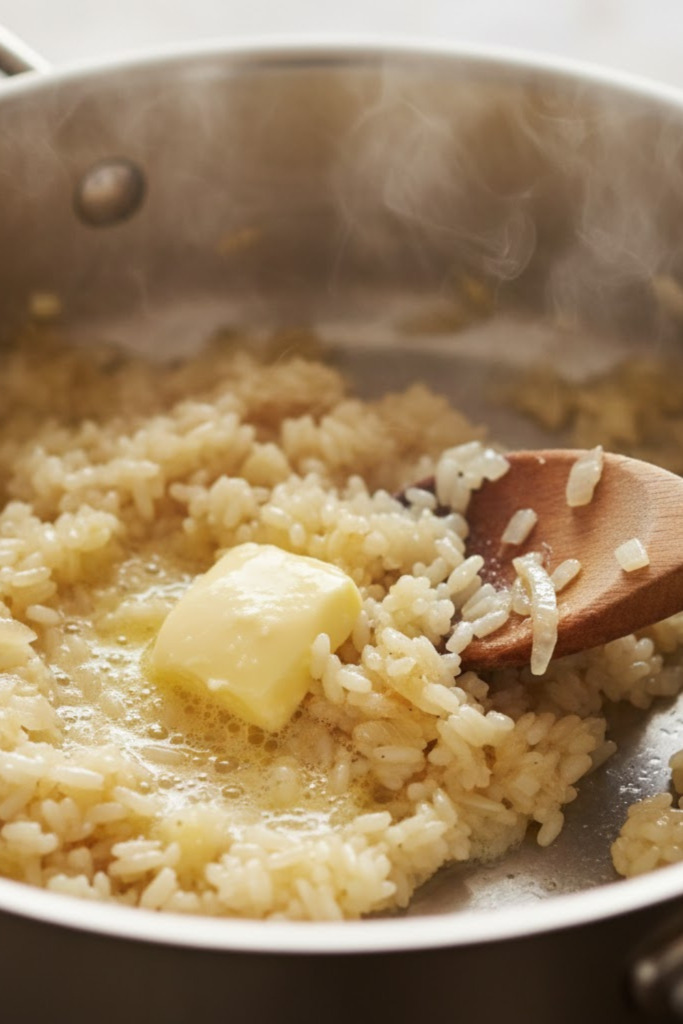
You really gotta use Arborio rice. This rice has a ton of starch, which is what makes the sauce creamy without needing a gallon of heavy cream. When you toast the rice in the pan with a little butter and shallots, it smells like heaven.
Just do it for about two minutes until the edges of the grains look a little bit clear. It’s a small step, but it makes a massive difference in the final flavor. I remember my first “win” with risotto. I finally stopped checking my phone and actually watched the liquid disappear.
The Warm Broth Rule
You want to add your warm vegetable stock one ladle at a time. Don’t drown the poor rice! Just give it enough to cover the grains, then stir gently. It’s like teaching a kid to ride a bike—you gotta give it a little push, then let it do its thing.
I always keep my stock in a small pot on the burner next to my rice. Adding cold liquid is a big no-no because it stops the cooking process and ruins the texture. It’s like jumping into a cold pool; it shocks the system! Keep it warm and your rice will be much happier.
The Heat Matters Most
Keep your heat at a steady medium. If it’s too hot, the broth evaporates before the rice can even drink it up. I’ve scorched the bottom of my favorite pot more times than I’d like to admit.
If that happens, don’t scrape the burnt bits! Just pour the good stuff into a new pan and keep moving. It’s not the end of the world, and honestly, your family probably won’t even notice if you’re heavy-handed with the parmesan later.
Step-by-Step: Mastering the Asparagus Texture
Now we get to the part where most people mess up: the veggies. If you put your asparagus in at the same time as the rice, you’re going to end up with green mush. I’ve done it! I once followed a recipe that said to “sauté everything together,” and by the time the rice was creamy, the asparagus looked like it had been through a blender. It was gross.
Timing is Everything
The trick to a perfect Spring Vegetable Risotto with Asparagus recipe is to wait. You want to add the asparagus pieces when the rice is about five minutes away from being done. This keeps them “al dente”—which is just a fancy Italian way of saying they still have a little bit of a bite to them.
I usually cut the woody ends off (remember the snap test!) and then slice the stalks into one-inch pieces. Keep the tips separate! The tips are the best part and they cook in like two minutes. I toss the stalk pieces in first, and then save the tips for the very last ladle of broth.
The Butter and Cheese “Mantecatura”
This is a big word for a simple step. Once the rice is soft but not mushy, turn off the heat. This is important! You don’t want to keep cooking it. Drop in a big knob of cold butter and a handful of parmesan or pecorino cheese.
I used to just stir it in normally, but my friend who actually went to cooking school told me to stir it fast—almost like you’re whipping it. This makes the risotto look glossy and professional. If it looks too thick, don’t be scared to add one more tiny splash of warm broth. It should flow like lava on the plate, not sit there like a scoop of mashed potatoes.
Finishing with a Zing
Right before I serve it, I always grate some fresh lemon zest over the top. It sounds like a small thing, but it “wakes up” all the heavy flavors from the butter and cheese.
One time I forgot the lemon, and the whole dish felt a bit heavy. Now, I keep a lemon on the counter just to remind myself. Add a little crack of black pepper and some fresh parsley, and you’re ready to go. It looks so good you’ll definitely want to take a picture before everyone starts eating!
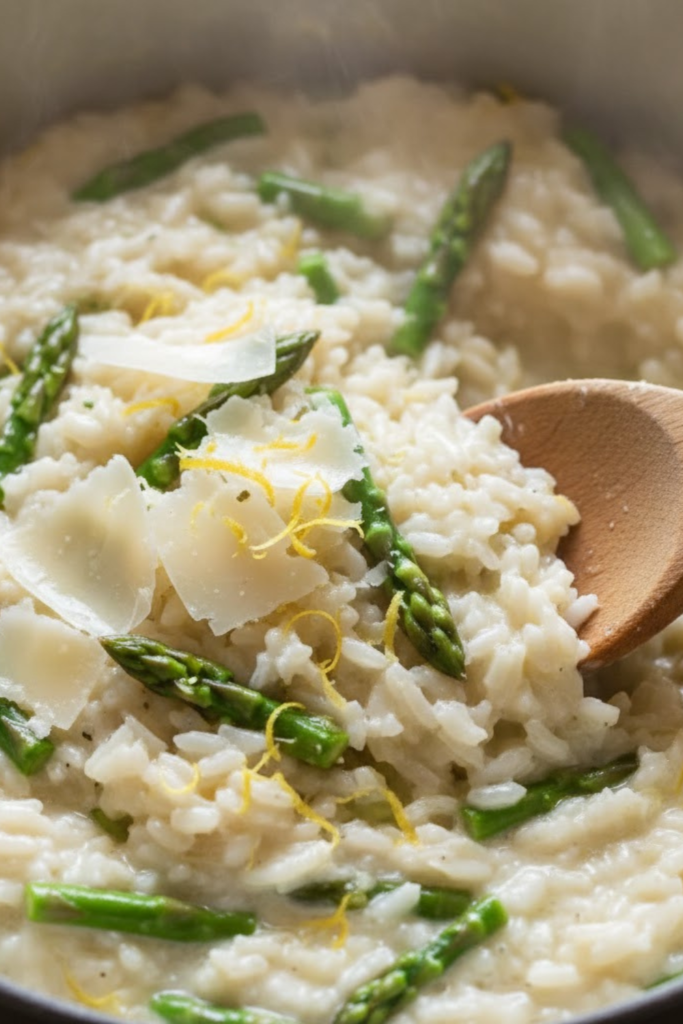
Making this Spring Vegetable Risotto with Asparagus recipe is the best way to welcome the warmer 2026 weather. Don’t worry if your first try is a bit thick; just add a splash more broth and keep going! It took me a few tries to get the “lava” flow just right, but once you do, you’ll feel like a total pro. There’s nothing like sitting down with a big bowl of creamy, green goodness after a long day.
If you loved this garden-fresh meal and want to save it for later, please pin this recipe to your favorite Spring Eats board on Pinterest! I’d love to see how your risotto turns out—especially if you add your own twist with some ramps or extra lemon!